

 ENG
ENG
 English
 中文简体
中文简体 русский
 Français
 Español
 عربى
عربى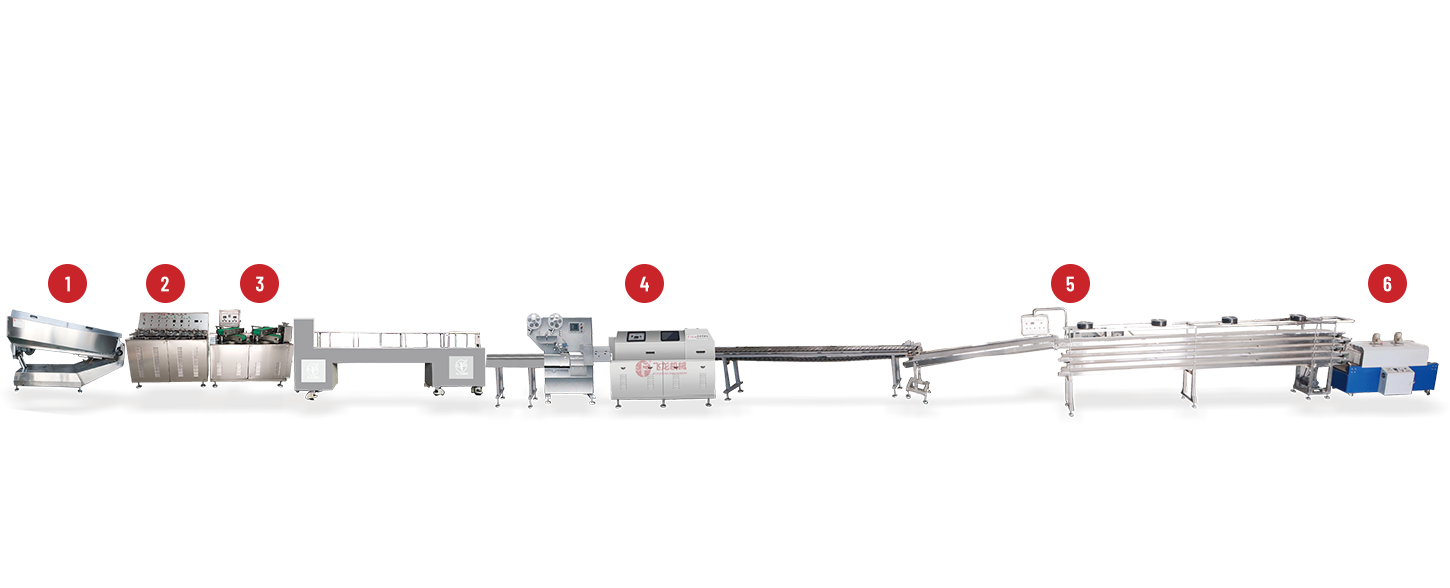
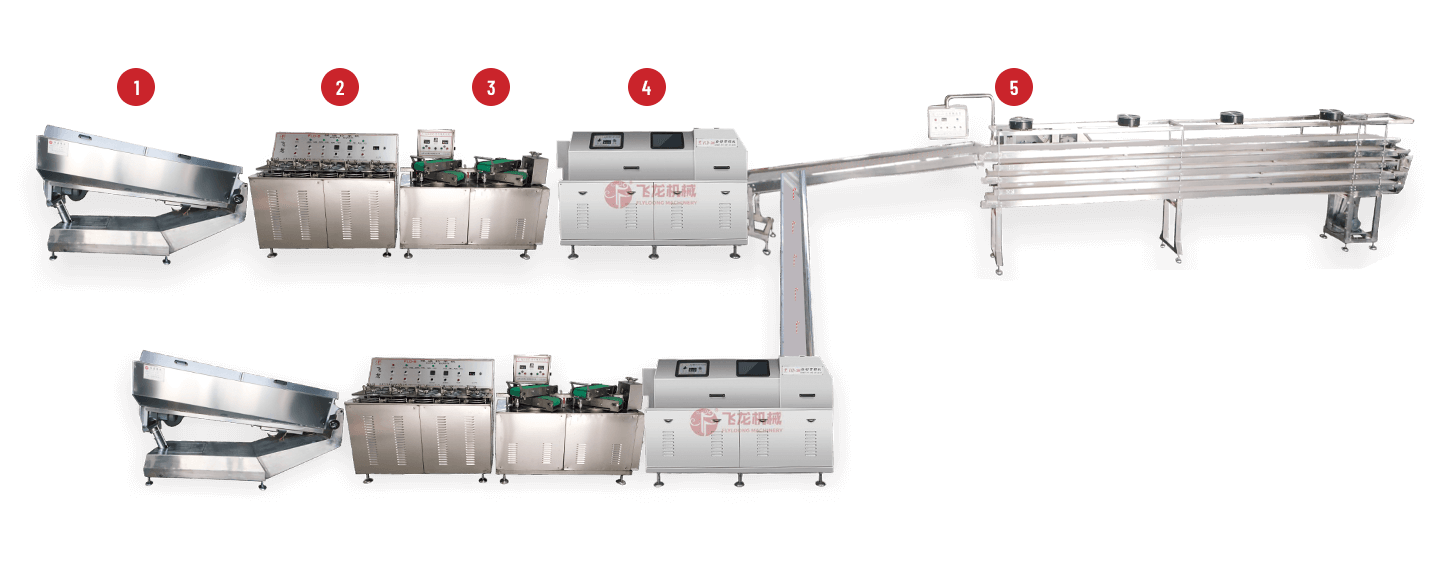
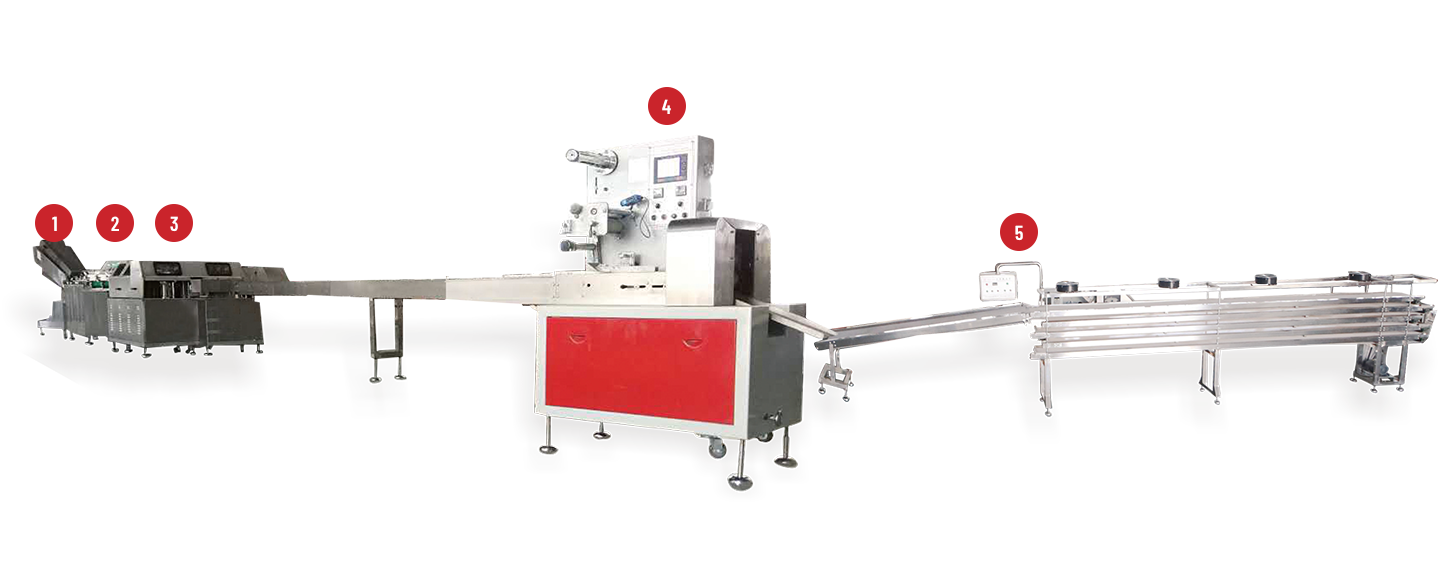
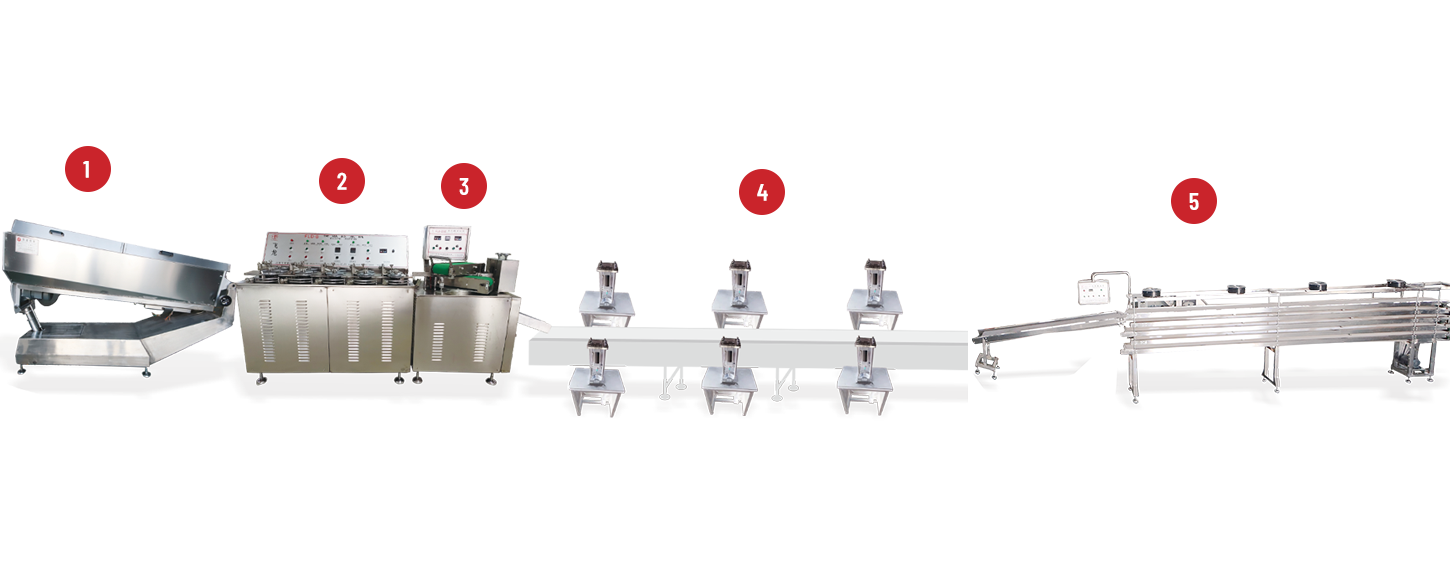
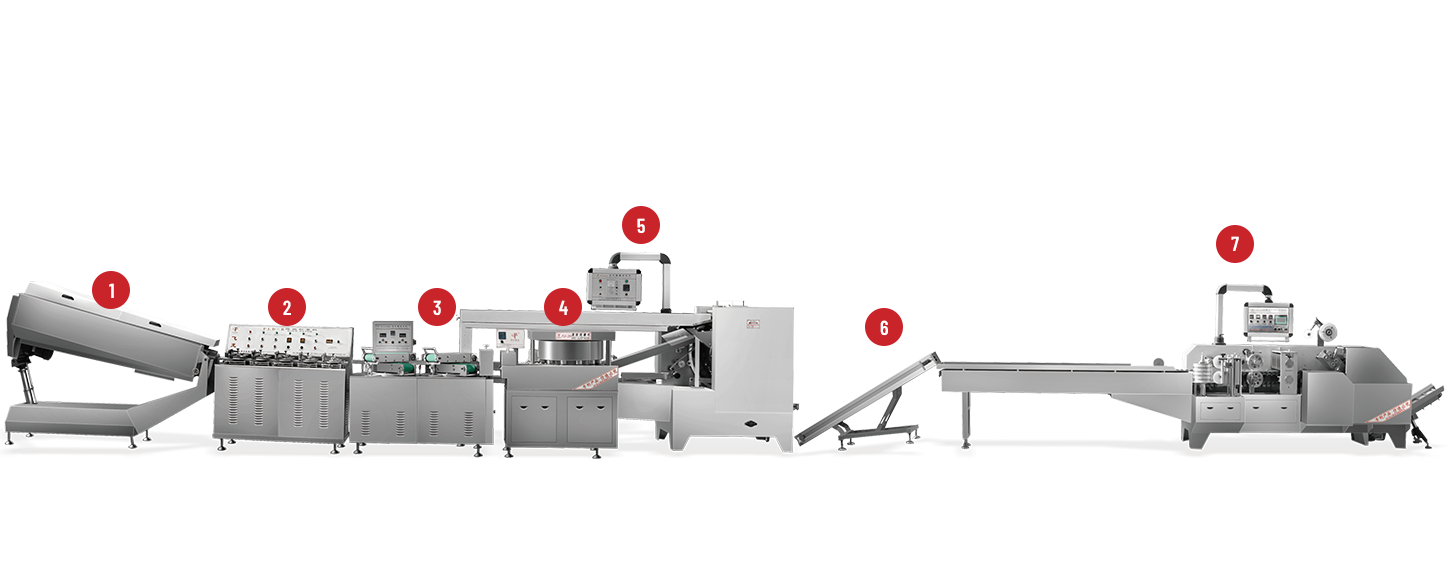
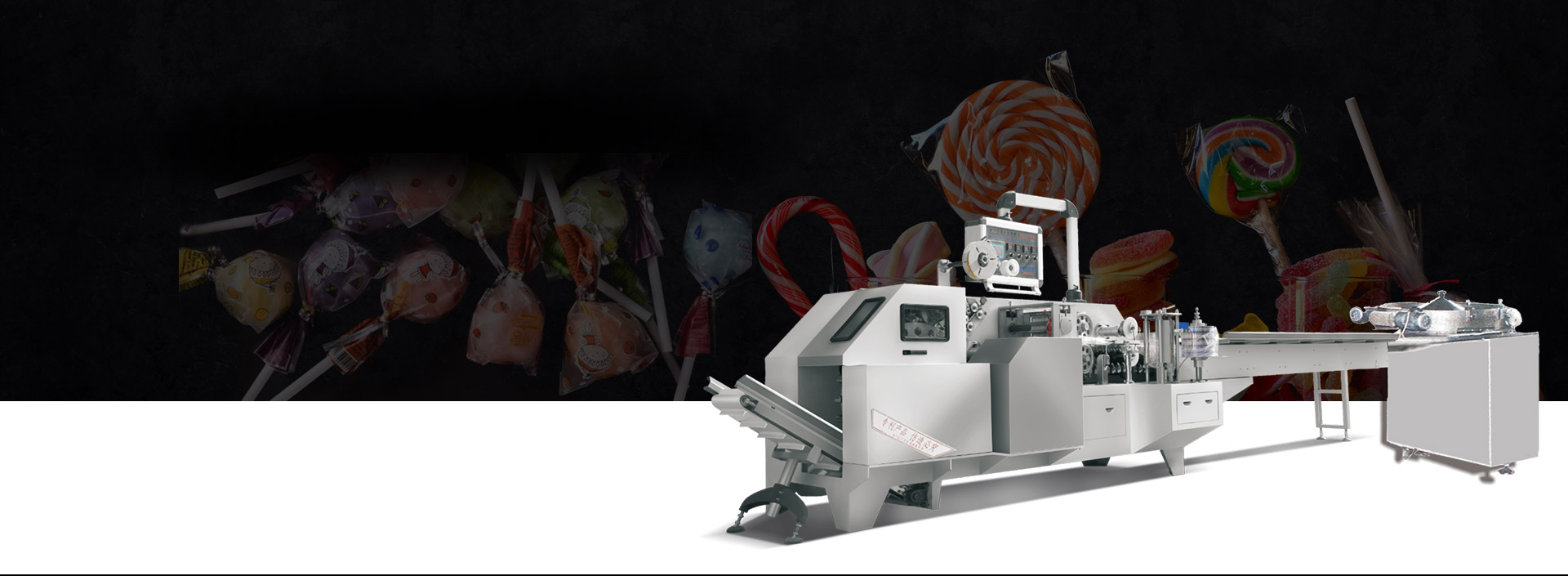
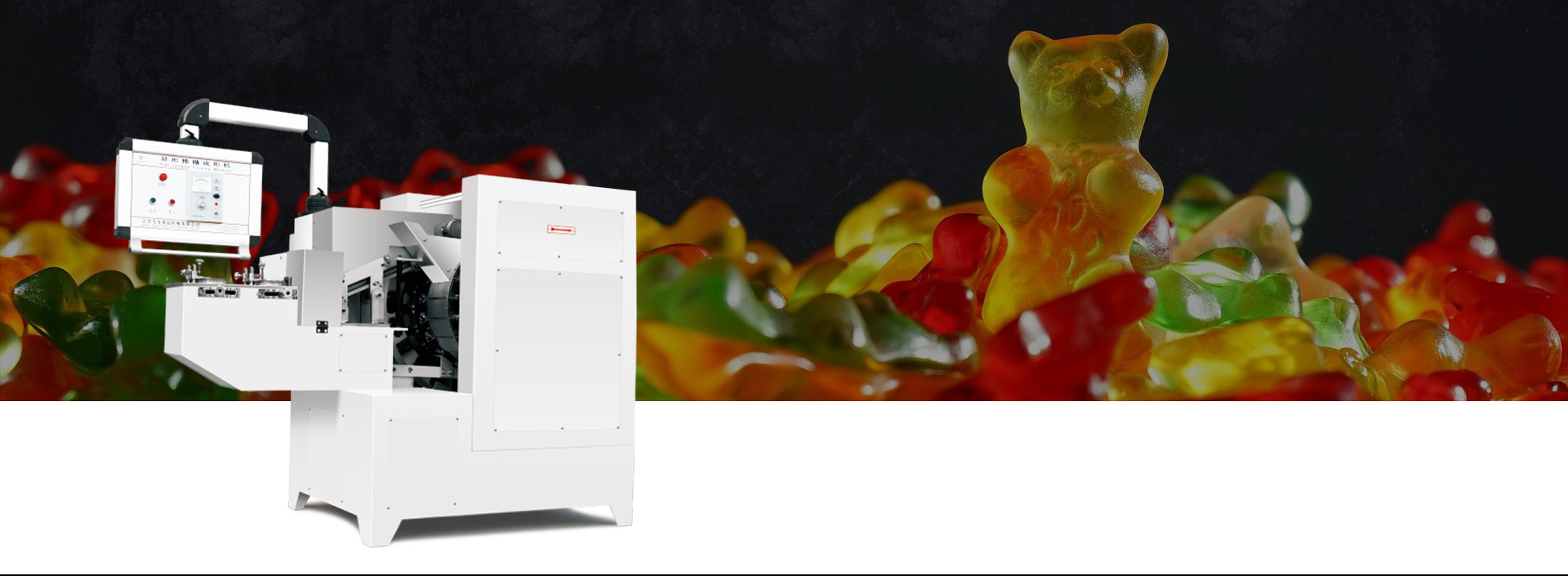
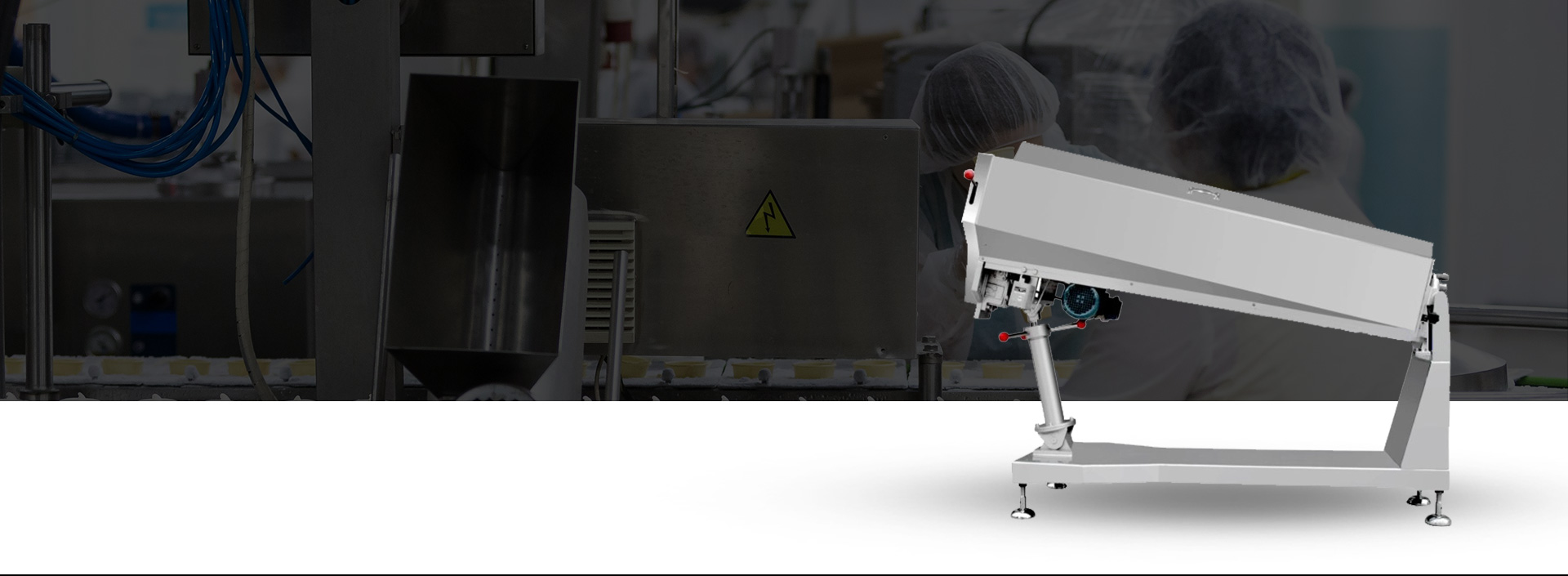
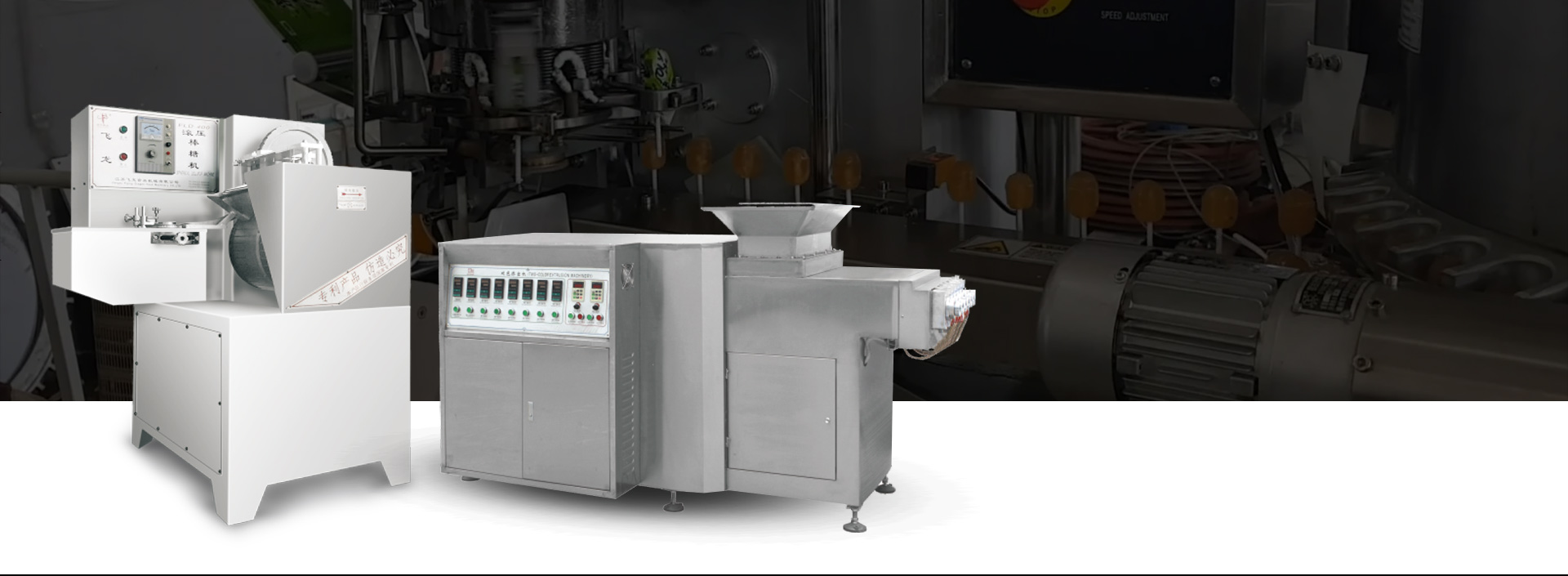
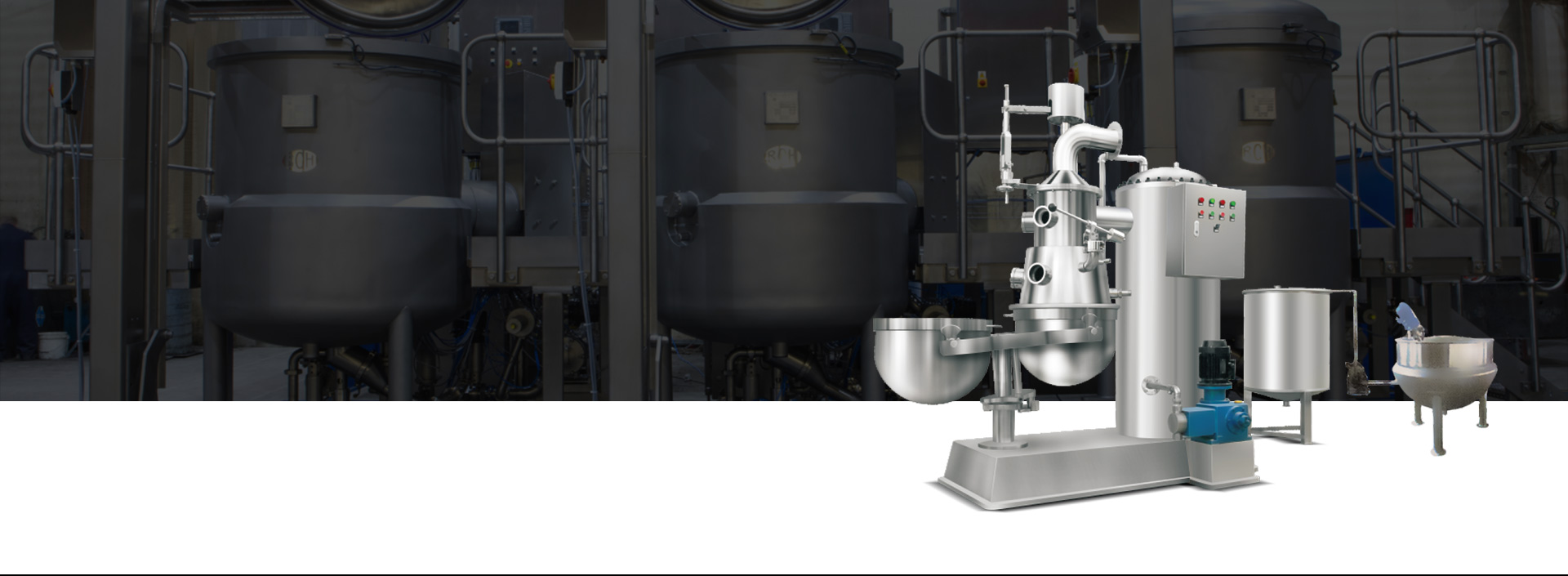
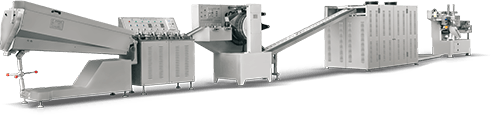
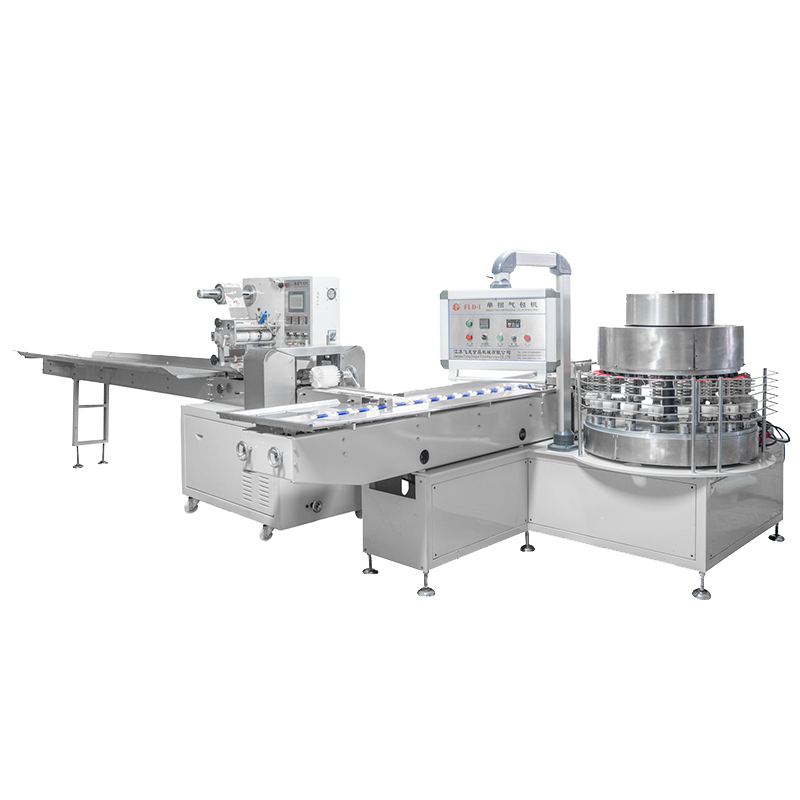
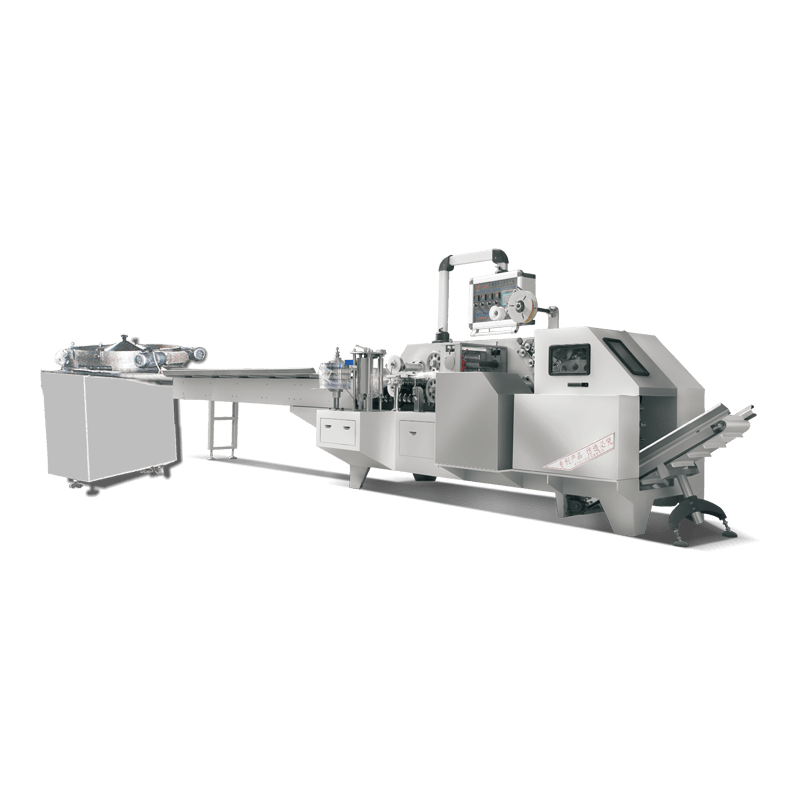
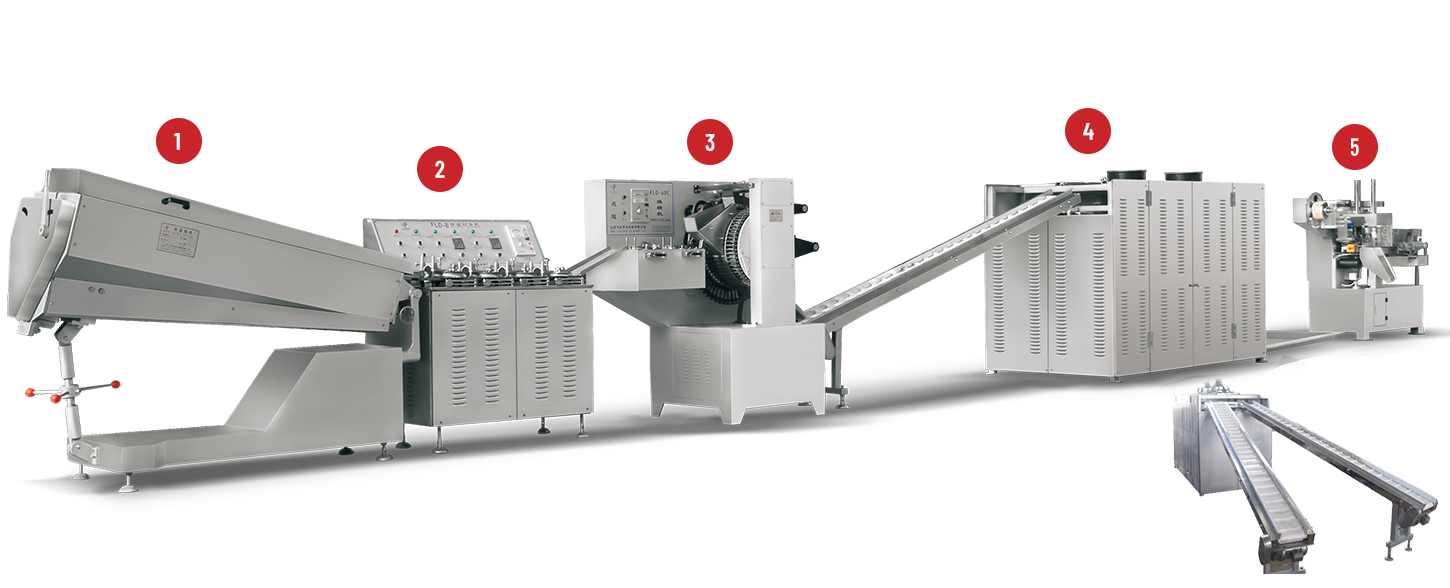
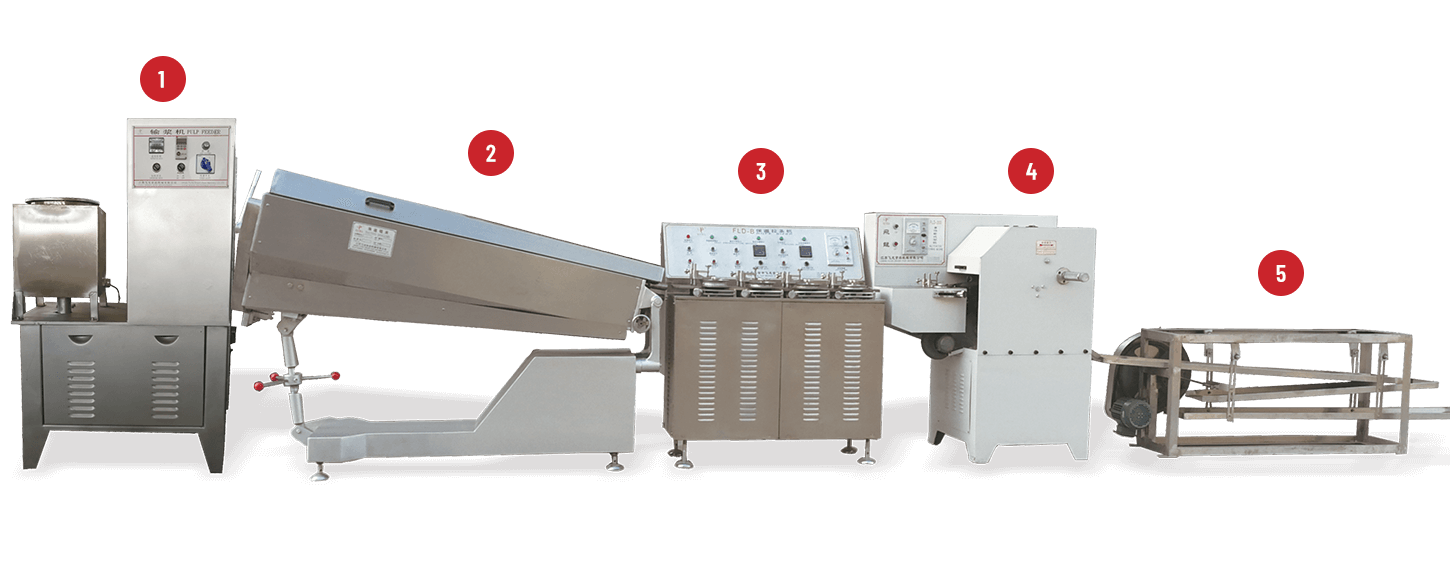
The candy industry is constantly trying to strike a balance—creativity on one side, production demands and consumer expectations on the other. Colorful sweets with bold shapes and distinctive designs haven't lost their appeal in markets; if anything, they've become more of a selling point. Among the equipment options out there, automatic rainbow lollipop machines have picked up attention for a simple reason: they help manufacturers turn out eye-catching products without the production floor turning into chaos.
Manual methods still work, obviously, but they come with limits. Automated equipment lets producers manage several steps at once in a way that just flows better—shaping the colorful layers, keeping the workflow consistent, all of it. And it's not purely about pumping out more units. It's also about how the candy looks, how much wasted effort gets cut out, and how much room there is to play with different designs.
| Production Aspect | Traditional Candy Making | Automatic Rainbow Lollipop Machine |
|---|---|---|
| Production Process | More manual handling | More organized operation |
| Product Appearance | Depends on worker skills | Easier to maintain consistent designs |
| Color Combination | Requires careful manual control | Supports creative color patterns |
| Production Management | More steps need coordination | Helps simplify daily tasks |
Why Are Automatic Rainbow Lollipop Machines Attracting More Attention?
People rarely buy candy for taste alone anymore—looks matter too, sometimes more than they'd admit. Rainbow lollipops hook people through color and a bit of playfulness before anyone's even tasted one. That pull is exactly why manufacturers keep hunting for equipment that can back up more ambitious product ideas.
For businesses trying to produce colorful candy without losing structure, these machines offer a pretty practical middle ground. They organize the different production stages so manufacturers can spend less time firefighting logistics and more time thinking about what customers actually want.
Part of this trend ties back to where the candy industry is heading generally. Plain, simple shapes are losing ground to candy with more personality—brighter colors, layered builds, designs that feel customized rather than generic. Automation gives manufacturers room to chase those ideas and, just as importantly, repeat them reliably once they land on something that works.
How Do Automatic Rainbow Lollipop Machine Improve Production Efficiency?
Efficiency isn't just a speed metric. It covers how smoothly the workflow runs, how materials get used, how consistent the final product turns out, and how labor gets allocated.Rainbow lollipop machines touch all of these by cutting out a lot of the fiddly manual steps that used to eat up time.
Think about a fully manual setup—shaping, coloring, forming, all handled as separate stages that need constant coordination. One hiccup in any of those steps and the whole line feels it. Stability becomes hard to maintain.
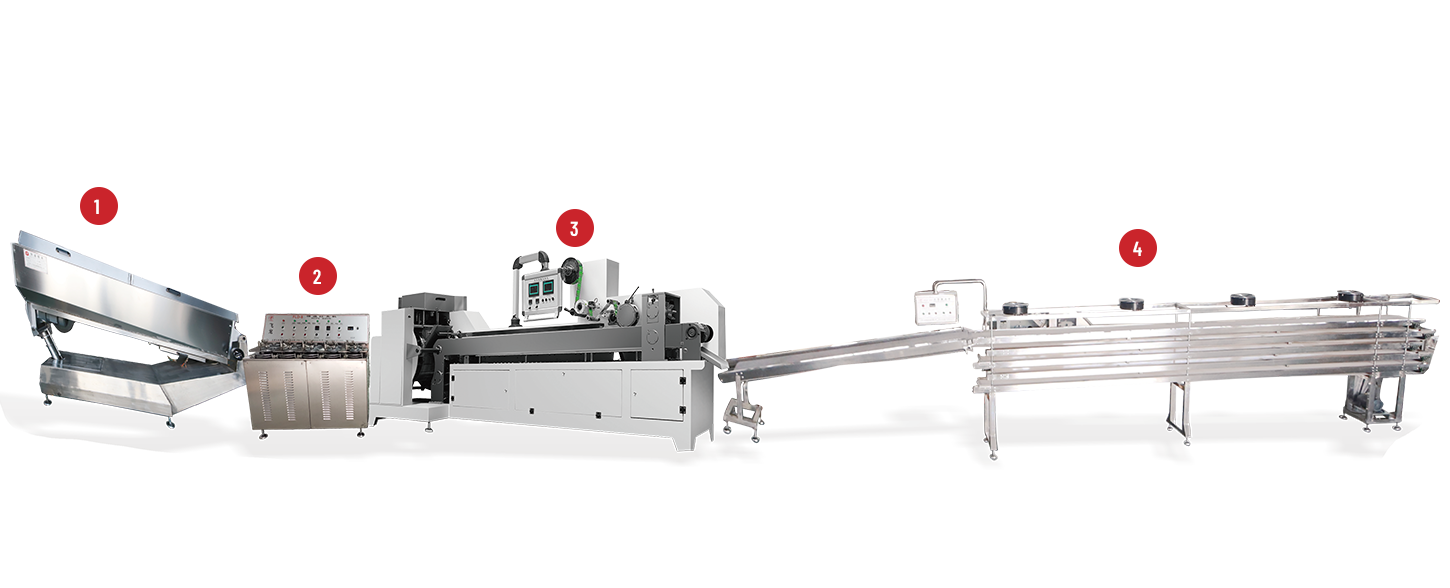
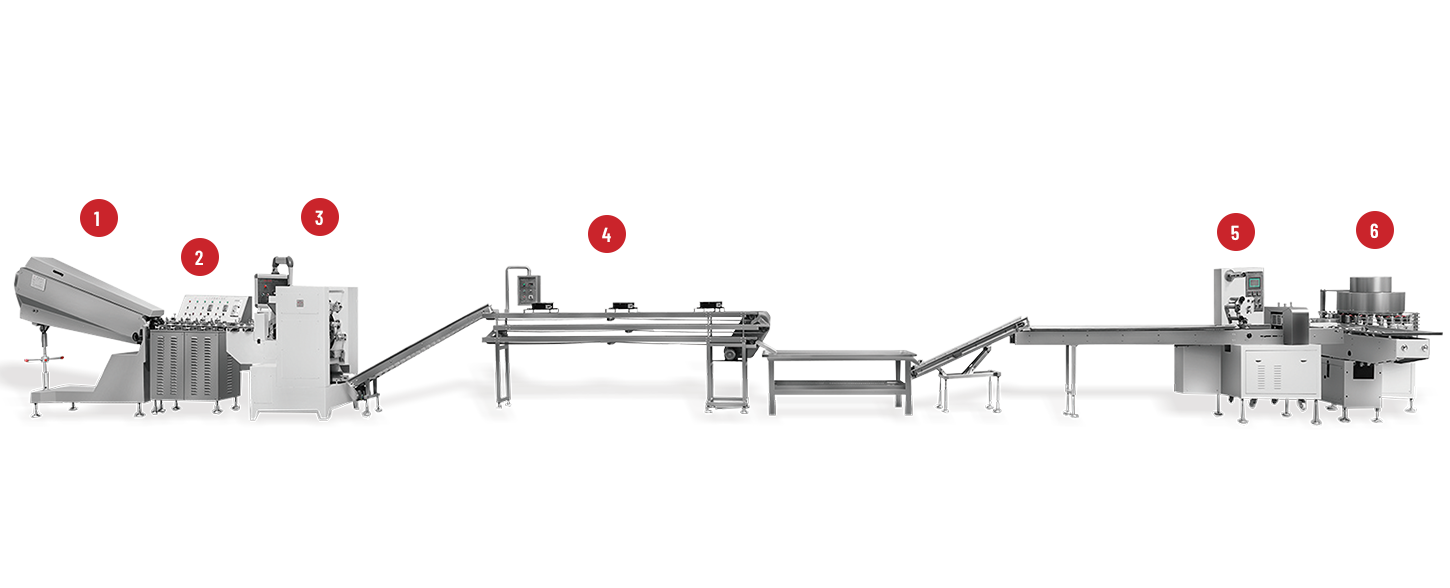
Automation smooths that out by linking the stages together. Workers end up spending less time on repetitive grunt work and more time actually managing production plans, running quality checks, and tweaking the product where needed. A few concrete benefits tend to show up:
Better production coordination
Automated equipment lays out the production stages in a clearer sequence, which makes it easier for workers to follow the process and manage day-to-day operations without constant guesswork.
More stable product appearance
Rainbow lollipops live and die by their visual effect. Consistent color placement and shape presentation shape how customers perceive the product, and automated systems cut down the inconsistencies that come from manual handling.
Improved production flexibility
Market demands shift, and manufacturers need to shift with them. Equipment that adapts easily helps businesses respond to new preferences without overhauling the entire line.
What Role Does Automation Play in Modern Candy Manufacturing?
Automation has worked its way into nearly every corner of manufacturing at this point, and candy is no exception. In this industry specifically, it helps strike a balance between old-school craftsmanship and newer production methods—not one replacing the other, but the two coexisting.
Machines aren't there to replace the creative side of candy-making. They just make creative ideas easier to actually produce at scale. Designers get to keep dreaming up new concepts, and production teams use the equipment to turn those concepts into something that can hit the market reliably.
Consumers today tend to want things that feel fresh, a little unexpected. Automation gives manufacturers room to chase that without every single output depending entirely on one worker's hand skills.
| Area | Influence of Automation |
|---|---|
| Design Development | Supports more creative candy styles |
| Daily Production | Helps organize repeated tasks |
| Product Management | Makes production tracking easier |
| Market Response | Allows quicker adjustments to new trends |
Creativity and automation aren't competing forces here—put together, they open up new opportunities. Businesses get to keep their products distinctive while running a tighter, more organized operation.
How Do Rainbow Lollipop Machines Support Creative Candy Designs?
Appearance genuinely drives a lot of candy purchases. A brightly colored lollipop catches someone's eye long before they've tasted anything, which makes design flexibility a real business priority, not just a nice-to-have.
Automatic rainbow lollipop machines let manufacturers play with color combinations and visual effects in ways that used to be far harder to pull off consistently. That opens doors for seasonal releases, themed candy lines, custom collections—whatever a brand wants to try.
Candy design has moved well past basic shapes at this point. A lot of producers are chasing something closer to an experience—colorful layers, interesting patterns, forms that stick in someone's memory. Automated support makes that kind of experimentation manageable instead of overwhelming.
Smaller candy businesses benefit here too, maybe even more so. They get to explore creative product lines without leaning entirely on handmade methods that don't scale well. The equipment gives them another path—one that blends imagination with what's actually practical to produce.
What Should Candy Manufacturers Consider When Using Automatic Lollipop Equipment?
Picking the right equipment isn't a one-size-fits-all decision. It depends on business goals, product plans, and what a particular operation actually needs day to day.
A few things tend to matter most:
Product design requirements
Does the equipment actually support the candy styles a business wants to make? Since rainbow lollipops rely so heavily on appearance, design flexibility isn't optional—it's central.
Production workflow
The machine needs to fit into the existing process, not fight against it. Equipment that clicks with the working environment tends to improve overall management almost automatically.
Maintenance and operation
Simple, low-hassle operation and maintenance matters a lot for daily production. Workers need something they can manage without constant troubleshooting.
Future product development
Candy trends don't sit still. Choosing equipment with room to grow and adapt tends to pay off down the line, even if it's not the cheapest option upfront.
None of this is really about just buying a machine. It's about finding a production solution that actually supports where the business wants to go.
How Are Automatic Rainbow Lollipop Machines Changing Candy Business Opportunities?
Automated candy equipment is opening doors for manufacturers of pretty much every size. Businesses—big or small—now have more room to explore new product categories and tap into growing customer interest in colorful, creative sweets.
Large-scale producers get help organizing production and keeping products consistent across huge batches. Smaller, growing businesses get support for expanding their product range and staying competitive without massive overhead.
The ripple effects go beyond the factory floor, too. Better manufacturing methods tend to encourage more creative packaging, richer product collections, and generally more interesting customer experiences.
Candy carries a certain emotional weight—happiness, celebration, nostalgia. When the production technology behind it supports more creative design, manufacturers end up connecting with customers on a slightly deeper level than just taste alone.
The market's clearly drifting toward candy that combines appearance, flavor, and creativity all at once. Machines give manufacturers a genuinely useful tool for chasing that direction.
What Future Trends May Influence Automatic Rainbow Lollipop Machine Development?
Candy production keeps evolving as consumer tastes shift. Unique appearances and personalized features are becoming harder to ignore in this market—customers notice them, and they respond to them.
Future equipment will likely lean into greater design variety, simpler operation, and more adaptable production methods. Manufacturers want solutions that let them respond quickly to changing tastes without sacrificing the organization they've already built.
Technology and creativity will keep feeding into each other in this industry. Equipment that supports both sides tends to help businesses develop new products while sharpening their overall production strategy.
Automatic rainbow lollipop machines represent a real shift toward more flexible, more creative candy production. They give manufacturers room to explore colorful designs while keeping the actual production process manageable. As the candy market keeps evolving, automated solutions will likely keep shaping how sweet products get designed and made.
 +86-(0)515-8465666
 +86-(0)515-85566996
 +86-138 1559 9708
 flyloong@flyloongcn.com
 Home
Home