

 ENG
ENG
 English
 中文简体
中文简体 русский
 Français
 Español
 عربى
عربى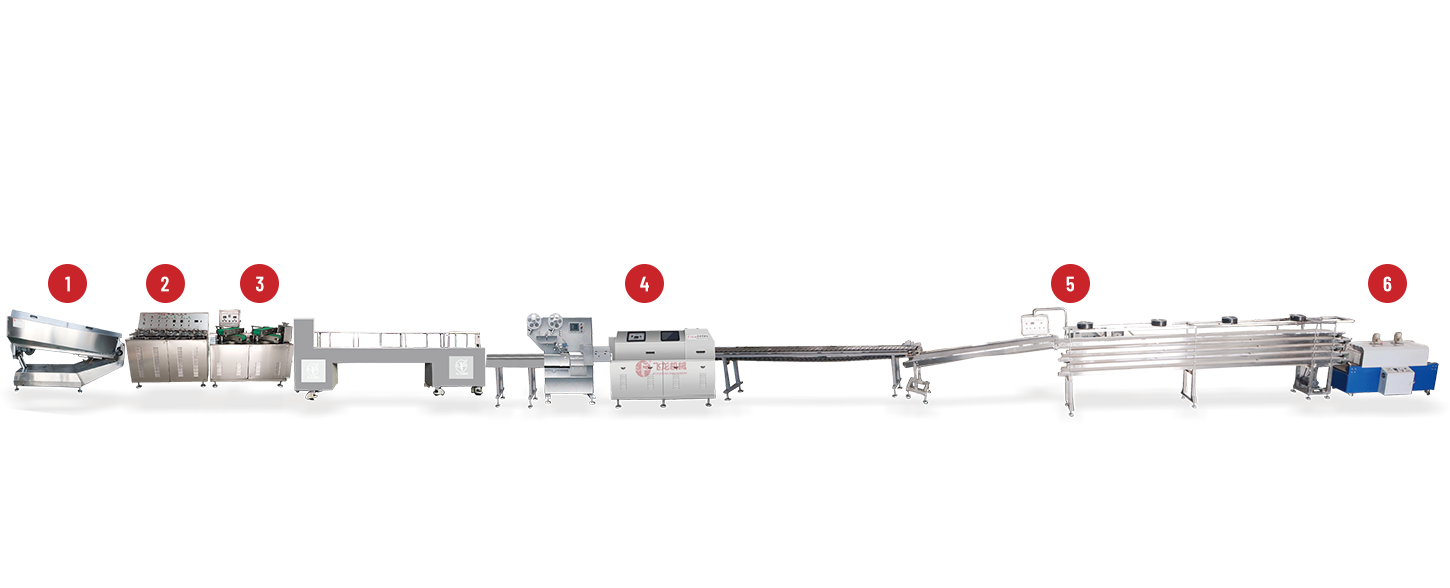
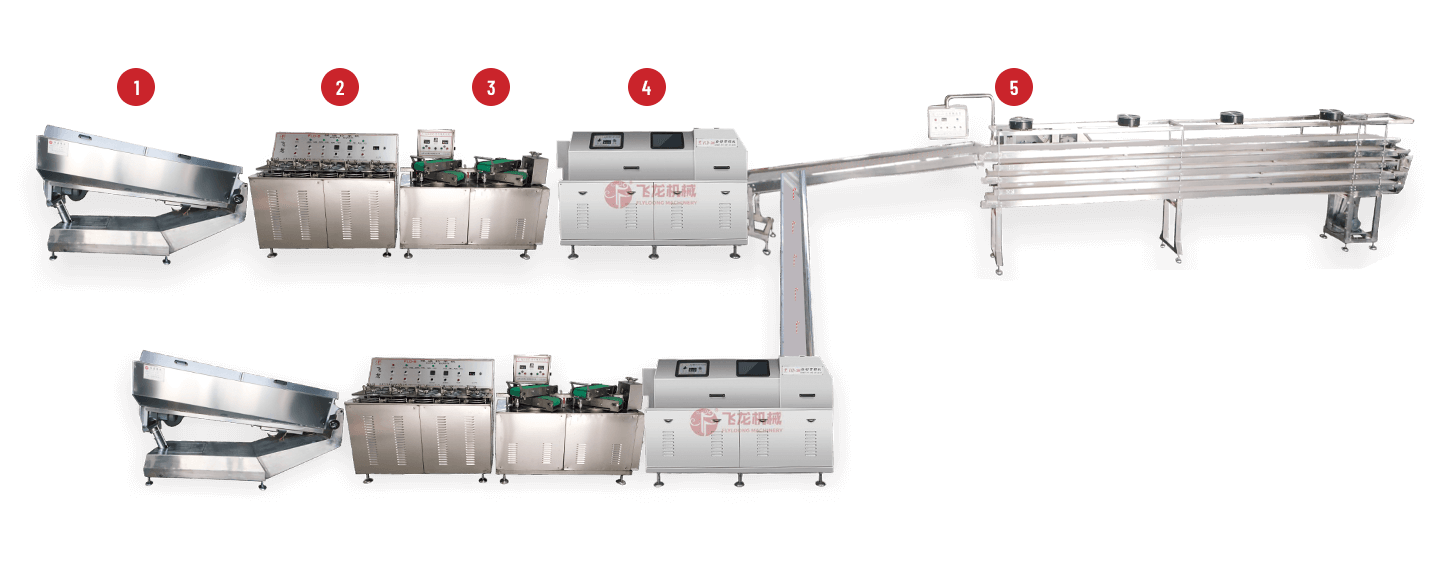
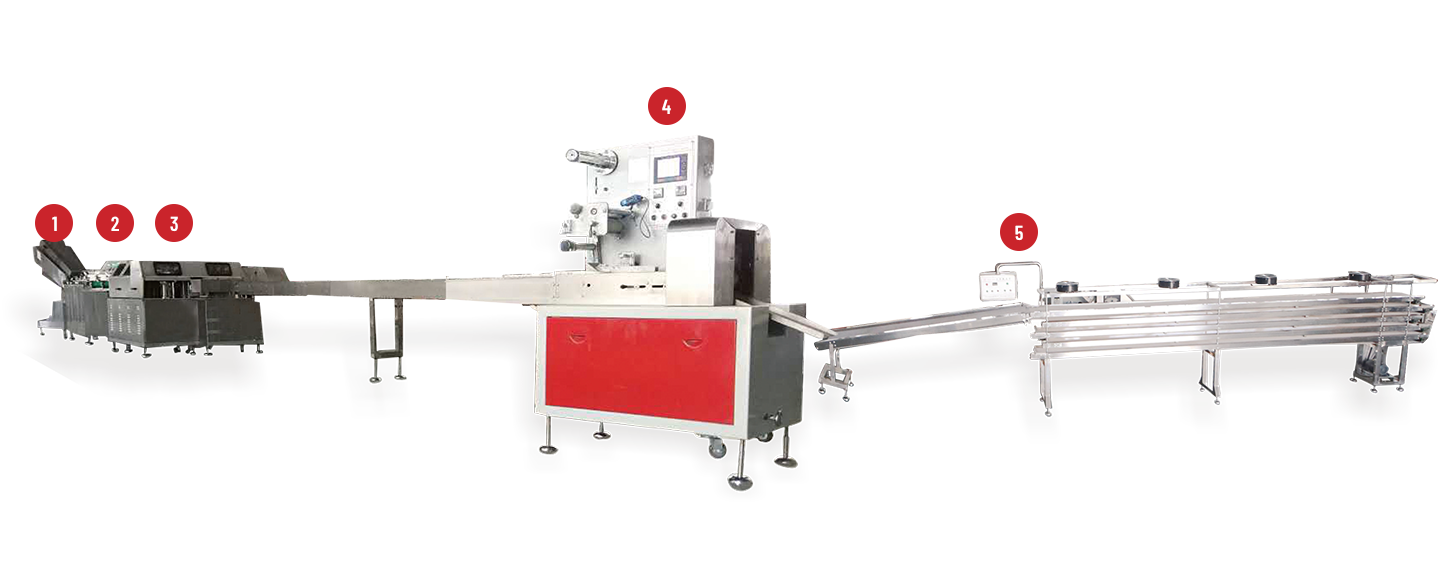
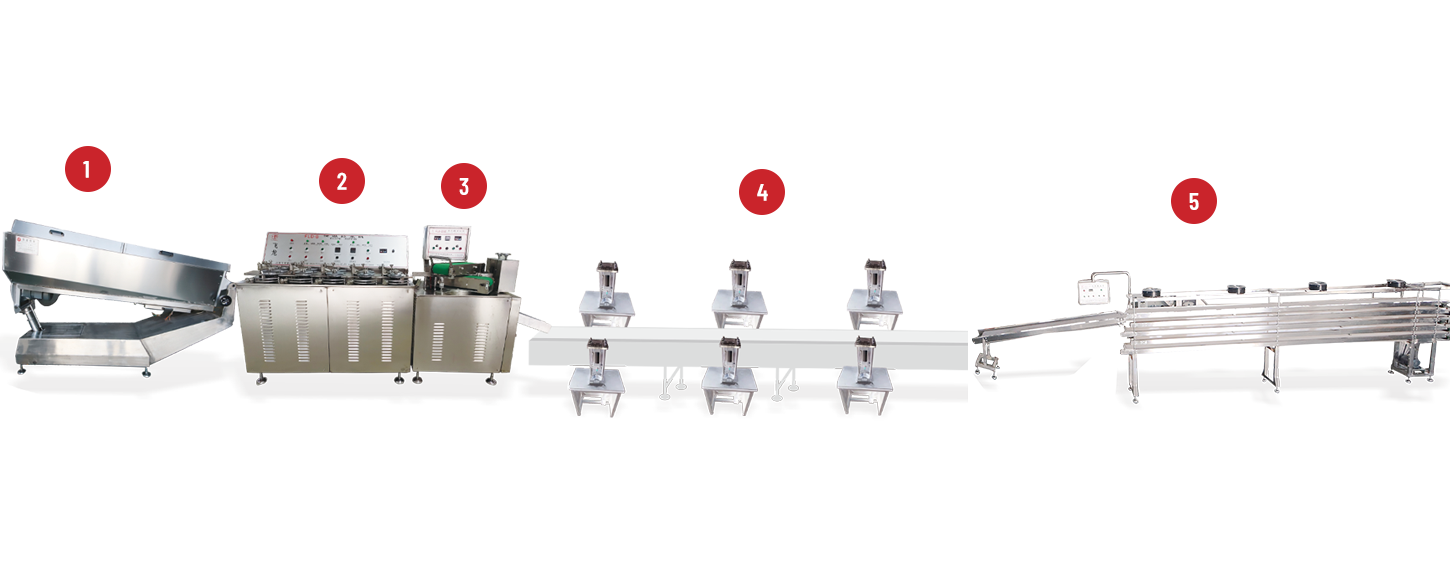

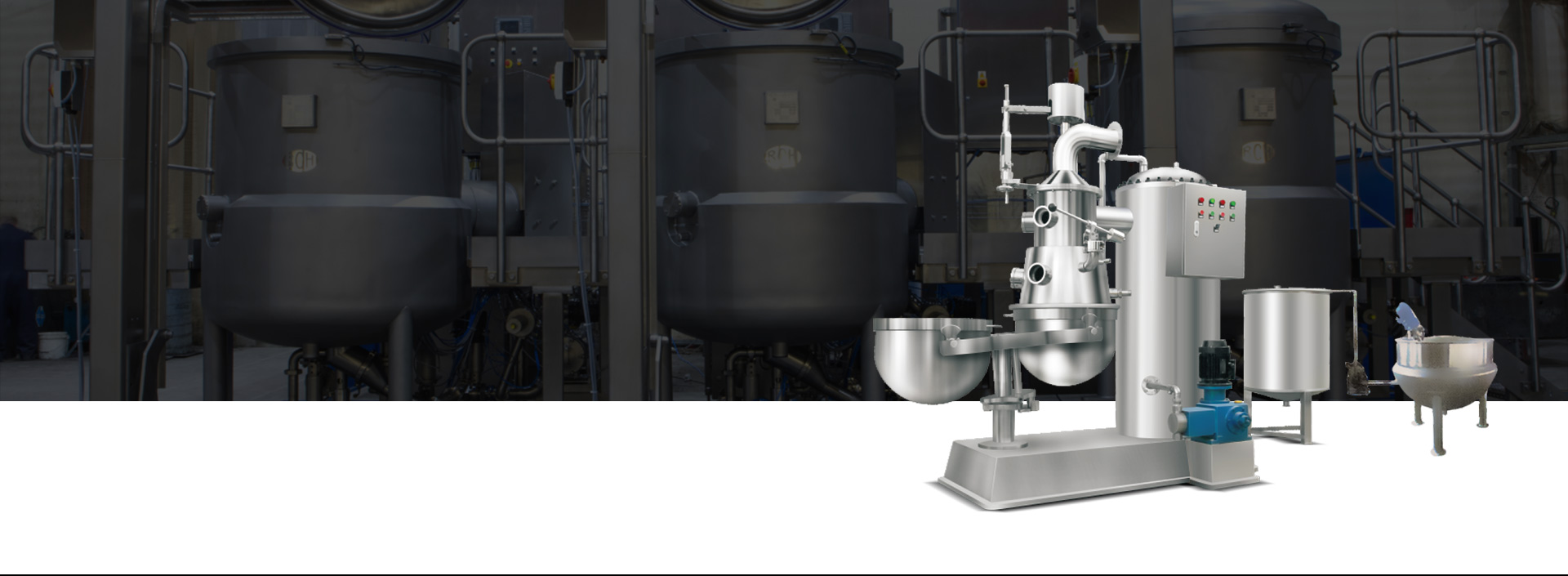
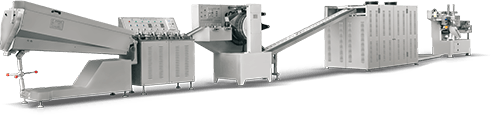
What Factors Affect the Efficiency of a Deposit Jelly Machine
A Deposit Jelly Machine sits at the center of many confectionery lines. It doses, shapes, and places jelly products with repeatable motion. But running one fast is not the same as running one well. Efficiency is a balance of speed, consistency, uptime, and resource use.
Define efficiency for your operation
Start by making efficiency measurable. Typical targets include:
- pieces per hour or kilograms per shift
- acceptable weight tolerance per piece
- percentage of rejects allowed per batch
- time required for changeovers and cleanups
When teams agree on those numbers, decisions get easier. A depositor that meets a lab number but fails to keep within tolerance on your recipe is the wrong tool.
Raw material consistency and formulation
The mix is the variable. Jelly formulations vary with sugar type, gelling agent, and moisture. Small recipe shifts change how the mixture flows and how it sets.
Key points:
- Keep ingredient quality steady. Variations change viscosity.
- Record mix temperature on each batch. Temperature swings alter pump behavior.
- Avoid large inclusions unless the unit handles particulates.
Practical step: maintain a simple mix sheet that lists viscosity target, temperature range, and solids. Use it at start-up and when troubleshooting.
Temperature control and thermal stability
Thermal behavior governs flow and set. If the mass is too warm, it splashes and overfills. If it is too cool, it clogs or underfills.
Focus on:
- uniform hopper heating or cooling
- insulated feed lines to prevent cold spots
- stable sensor placement in product, not on metal walls
A stable PID loop tuned to the product reduces variation. Log temperatures during a run. Small oscillations often explain inconsistent shots.
Metering method and dispensing technology
How the equipment meters the product affects shot accuracy.
Common approaches:
- piston dosing for accurate volumes with thick gels
- gear pumps for continuous flow of lower-viscosity mixes
- peristaltic pumps that are gentle on fragile inclusions
Match the dosing method to the heaviest product you plan to make. A pump that works well for thin syrup may struggle with a jelly mix that has fruit pieces.
Nozzle and head design
The interface between machine and mold matters more than many think.
Consider:
- nozzle diameter and taper for smooth fill and minimal splash
- head clearance for molds with inserts or tall walls
- valve timing precision for layered or filled pieces
Trial runs with your actual molds will reveal whether a head needs custom tooling or a small timing tweak.
Cycle timing and line balance
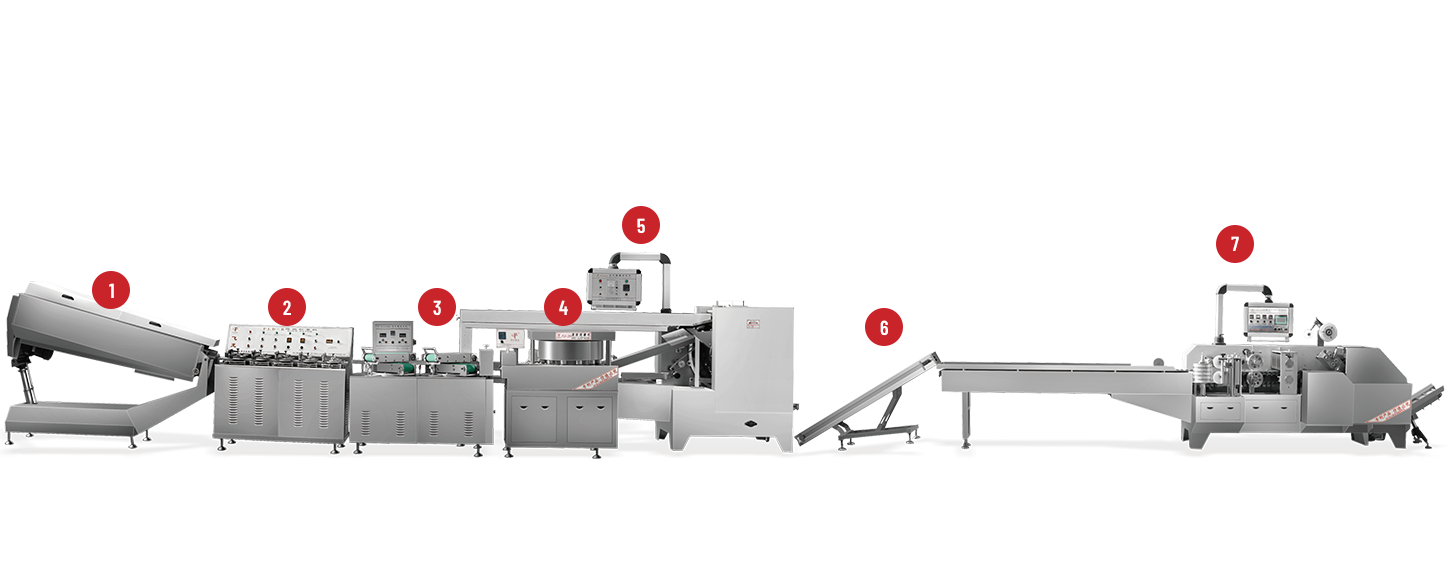
A depositor rarely works alone. Conveyor indexing, cooling tunnels, and demolding stations all set the pace.
Check the whole flow:
- is the depositor waiting for the next station, or vice versa?
- does the cooling curve match the deposit rate?
- are there intermittent holds that force the machine to restart?
Sometimes slowing a head slightly and smoothing the flow yields better net throughput by cutting rejects and stoppages.
Hygiene design and cleanability
Clean-down time is lost production. The units make access easy.
Look for:
- minimal hidden cavities where product can lodge
- quick-release clamps and removable heads
- welds finished smooth so residue wipes off
Do a timed cleaning exercise before buying. If disassembly eats a shift, the depositor will cost you in labor.
Operator skill and standard procedures
Include:
- start-up checklist
- short troubleshooting flowcharts for common faults
- changeover steps with roles and times
Train at least two people per shift. The person on duty should be able to clear a nozzle or re-run a recipe without calling maintenance.
Preventive maintenance and spares strategy
Planned maintenance keeps uptime high.
Daily checks:
- visual inspection, quick hopper wipe, and a three-shot weight check
Weekly tasks:
- inspect seals, valves and nozzle edges; check temperature sensors
Monthly work:
- swap wear items per vendor guidance; record shot data and trends
Stock the small things: seals, a spare nozzle, and a valve kit. When a tiny part fails, a quick swap keeps the line moving.
Pump and wear life
Pumps wear. Seals dry. Bearings loosen. That reality sets maintenance cadence.
Ask for:
- wear part lifetimes and refill intervals
- clear instructions for rebuild kits and tolerances
- simple alignment checks you can do on site
Knowing which part fails on your product guides spare stocking and prevents long stops.
Cleaning compounds, lubricants and materials
Use only approved hygiene-grade materials. Improper lubricants or harsh cleaners can cause seals to swell or lose life.
Good practice:
- keep a list of approved cleaners and lubricants near the machine
- use food-grade lubricants in gearboxes and moving parts that may contact product
- purge lubrication points as part of weekly checks to avoid buildup
Label and control chemicals so operators use the right items every time.
Environmental conditions in the room
Humidity and ambient temperature affect product setting and machine performance.
Consider:
- dehumidification where coating or setting is sensitive
- localized enclosures for the depositor if the room swings wildly in temperature
- dust control so small particles do not enter seals or build in seams
A stable room makes control loops simpler and saves operator adjustments.
Integration with upstream and downstream equipment
Integration reduces idle time. Plan it.
Make sure:
- mixers feed the hopper within a short transfer time to avoid temperature loss
- conveyors index to the depositor's cycle and do not create gaps or pile-ups
- demolding and packing are paced to accept the depositor's output
An imbalance anywhere shows up as lost time at the depositor.
Recipe control and documentation
Treat recipes as controlled documents.
Include:
- target viscosity, temp profile, pump settings, and shot target
- version control so changes are tracked with dates and reasons
- batch logs for traceability and trend analysis
When a run goes off, logs find the moment the process drifted.
Troubleshooting common issues fast
Keep a laminated quick-fix card at the HMI with short checks.
Common issues and fast checks:
- inconsistent weight: purge air, check seals, confirm hopper temp
- nozzle clog: raise nozzle temp, clean, verify ingredient particle size
- motor alarms: check pump load and coupling alignment
A two-minute check list often avoids a service call.
Changeover and short runs
Frequent SKU changes need design for speed.
Features that help:
- quick-change heads and nozzles
- recipe presets on the PLC that set temp and pump speed automatically
- modular mold fixtures to speed tooling swaps
Aim to cut changeover to minutes, not hours. That improves effective throughput when batch sizes are small.
Data, logging and small automation
Simple data helps decisions.
Log:
- shot weight and variance per hour
- hopper and nozzle temps
- downtime reasons and durations
Even basic trending shows slow drifts before failure. Small automation — recipe recall, alarm logging, and remote alerts — reduces time to respond.
Safety, hygiene and compliance basics
Always lock out before maintenance. Use guards and interlocks. Use food-contact grade materials for product paths.
Document:
- cleaning protocols and frequencies
- safety checks for guards and emergency stops
- material certificates when required by buyers or regulators
Good documentation keeps audits simple and operations safe.
Purchasing and supplier questions
When you evaluate suppliers, ask clear line-level questions:
- Can you demo the unit with our recipe and molds?
- What is realistic clean-down time for a full disassembly?
- Which spares should we keep in stock for a month of production?
- Do you provide startup support during the runs?
Demos with your exact recipe show real performance. If a vendor resists it, ask why.
Small investments that repay quickly
Some modest upgrades yield real gains:
- a heated feed line for temperature-sensitive mixes
- a spare preassembled head for rapid changeovers
- simple logging added to record shot and temp data
These actions often reduce restart time and scrap more than large capital changes.
Process beats hype
Efficiency is a system outcome. It comes from matched equipment, stable mixes, tuned temperature control, practiced operators, and disciplined maintenance. Fix one element and you may see marginal gains. Fix the whole set and the line runs reliably.
Design targets, log data, and run a three-month tuning phase after installation. That practical approach finds the adjustments that matter and keeps production steady without chasing theoretical speeds.
Why Temperature Control Matters in a Deposit Jelly Machine
A Deposit Jelly Machine relies on predictable flow. Heat — or lack of it — changes that flow. On a busy line, small swings in temperature turn into big problems: uneven fills, nozzle blockages, extra cleanup.
The basic link: temperature and product behavior
Jelly mixes are sensitive materials. Warm mixtures move more easily. Cooler mixes thicken and resist motion. That single fact touches every part of production: dosing repeatability, surface finish, demold quality and cleanup time. If the recipe and the equipment are not treated as a matched system, the result is lost time and wasted raw material.
| Thermal condition | What happens to the mix | Typical line consequence |
|---|---|---|
| Running warm | Flow improves; risk of splash | Extra trimming and waste |
| Stable (target) | Predictable pump behavior | Uniform fills, steady pace |
| Running cool | Flow slows; possible plugging | Stops, manual clearing, rework |
Why small changes matter
A tiny drift at the hopper creeps through to the nozzle. The pump sees a different load. Valve timing that worked an hour earlier no longer matches. Operators then chase settings. That cycle wastes time. The remedy is to control the thermal environment close to the product path — not just the room.
Points of heat loss or gain to check
Look at the whole path from mixer to mold. Common trouble spots include:
- Hopper walls that cool fast when batches sit.
- Long or exposed feed lines that lose heat.
- Metal fittings that act as cold sinks near nozzles.
- Ambient drafts from doors or ventilation.
Fixes are practical. Insulate short runs. Route lines away from cool air. Add local jacket or small zone heating where needed.
How the equipment helps
Modern depositors have tools to keep the mix steady. Examples that matter on the floor:
- Controlled hoppers that keep product at a set condition.
- Heated or insulated feed channels that avoid cold pockets.
- Localized nozzle warming so the outlet stays dependable.
- Recipe memory that couples temperature set points with dosing profiles.
Design matters. Look for straightforward controls and clear status signals at the operator station. The simpler the control logic, the easier it is for staff to use it correctly.
Operator habits that keep temperature stable
People make a big difference. Simple routines reduce drift:
Start the unit and preheat the hopper before loading fresh mix.
Purge lines with warm product, not cold water, during transitions.
Use short test deposits to confirm flow before full production.
Note ambient changes at shift handover and report them.
A two-minute check at the start of each run often prevents a half-hour fix later in the day.
Recipe handling and batch practice
Consistency of the mix reduces the burden on thermal control. Keep these habits:
- Put fresh charges into the hopper at the same target condition.
- Avoid holding large batches in the open hopper for long periods.
- If you must hold product, use gentle agitation and controlled heat to prevent skinning or uneven setting.
When formulas change, treat the run as a qualification run. Don't flip to full production until flow is stable.
Monitoring and logging — catch drift early
Simple sensors and a little logging go a long way. Track a few points:
- Hopper product condition.
- Feed line temperature at a midpoint.
- Nozzle or outlet temperature.
Even a basic trend chart shows a creeping issue before operators see bad pieces. Logs also speed troubleshooting: you can tie a defect to a time stamp and find the cause faster.
Cleaning, hygiene and thermal cycles
Cleaning cycles that use cold water may leave residues that act as cool spots on restart. Best practice:
- Use rinse fluids at a controlled temperature when possible.
- Dry critical surfaces or use warmed air before running product.
- Check that seals and gaskets are not chilled into tight fits during cleaning.
A clean machine that is then warmed correctly runs more reliably than one left to sit cold.
Energy and practicality
Maintaining temperature does use energy. But rapid heat/cool cycles use more power and can stress components. A practical approach favors steady, low-power holding over repeated large changes. Insulation and local zone control reduce running cost while improving stability.
Troubleshooting common thermal issues fast
If pieces are underweight or nozzles block, follow a short check list:
- Verify hopper product feels at target condition.
- Inspect feed line for obvious cold spots or exposed fittings.
- Check nozzle area for heat sinks or drafts.
- Run a short purge and observe flow consistency.
These steps usually show whether the problem is thermal or mechanical.
Integration with the rest of the line
Thermal control is not only about the depositor. Conveyor speed, cooling tunnels and ambient rooms all interact. Make sure target cooling rates match deposit speed. If the belt cools pieces too quickly or too slowly, it forces changes upstream.
Documentation and training
Record target conditions and start-up routines in a short SOP. Train teams on simple checks and have them sign off on the run of each shift. When staff know what to look for, issues are detected and fixed before scrap accumulates.
Small upgrades that help
Consider modest hardware changes that give big returns:
- Short insulated covers for the hopper lid.
- Low-power heaters on short lengths of feed tube.
- Localized warmth around nozzles with easy removal for cleaning.
- Simple logging to capture temp trends.
These are inexpensive compared with lost production hours.
Temperature control is not a complex theory in practice. It is routine. Control the heat where the product sits and moves. Log a few points. Use simple insulation and small heaters rather than trying to chase problems with constant operator tweaks. Do that and the depositor behaves. Production stays steady. Waste falls and operators have fewer interruptions.
 +86-(0)515-8465666
 +86-(0)515-85566996
 +86-138 1559 9708
 flyloong@flyloongcn.com
 Home
Home