

 ENG
 English
 中文简体
 русский
 Français
 Español
 عربى
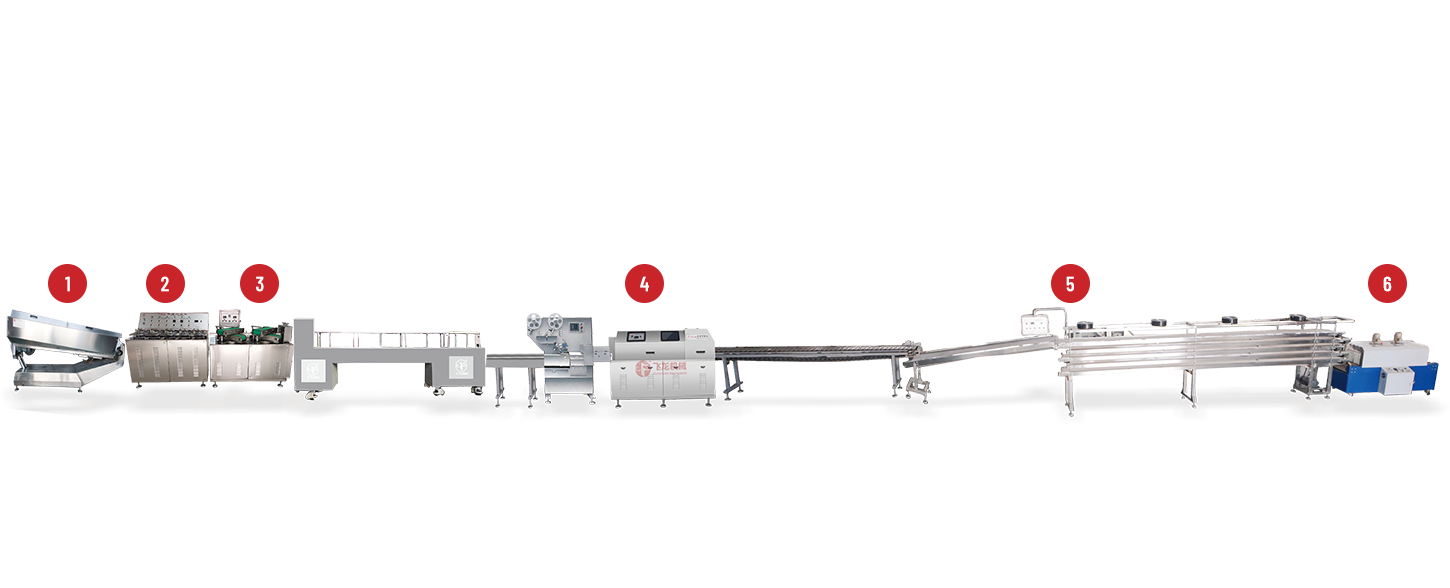
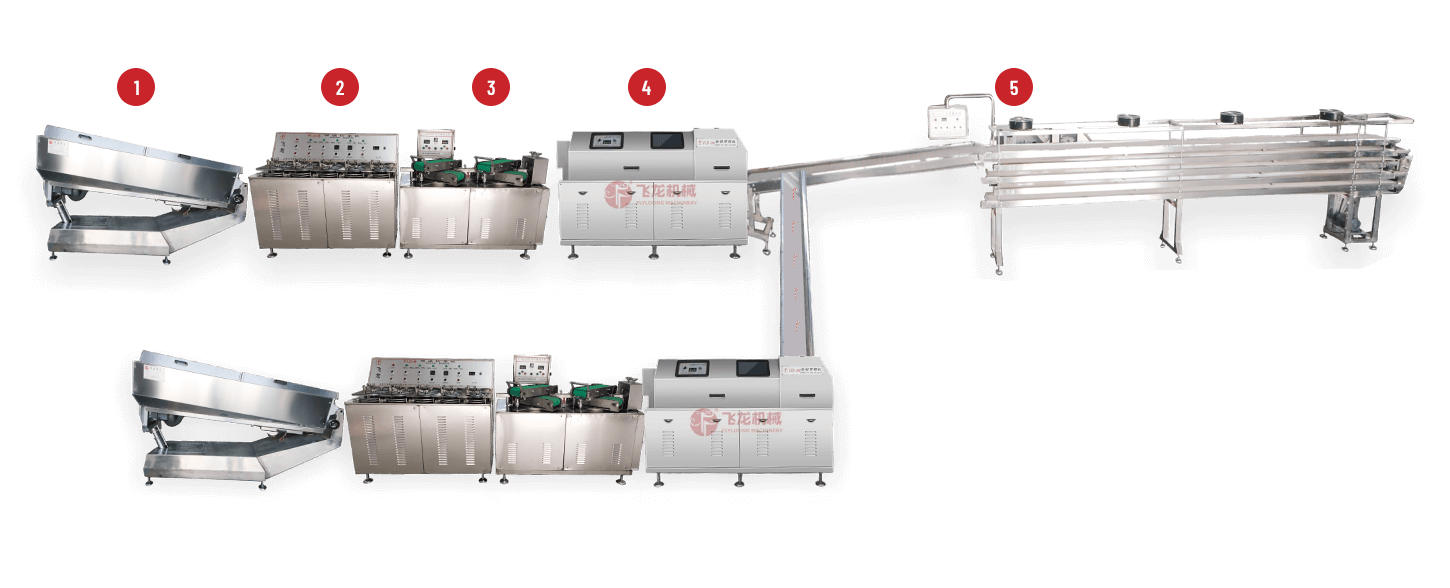
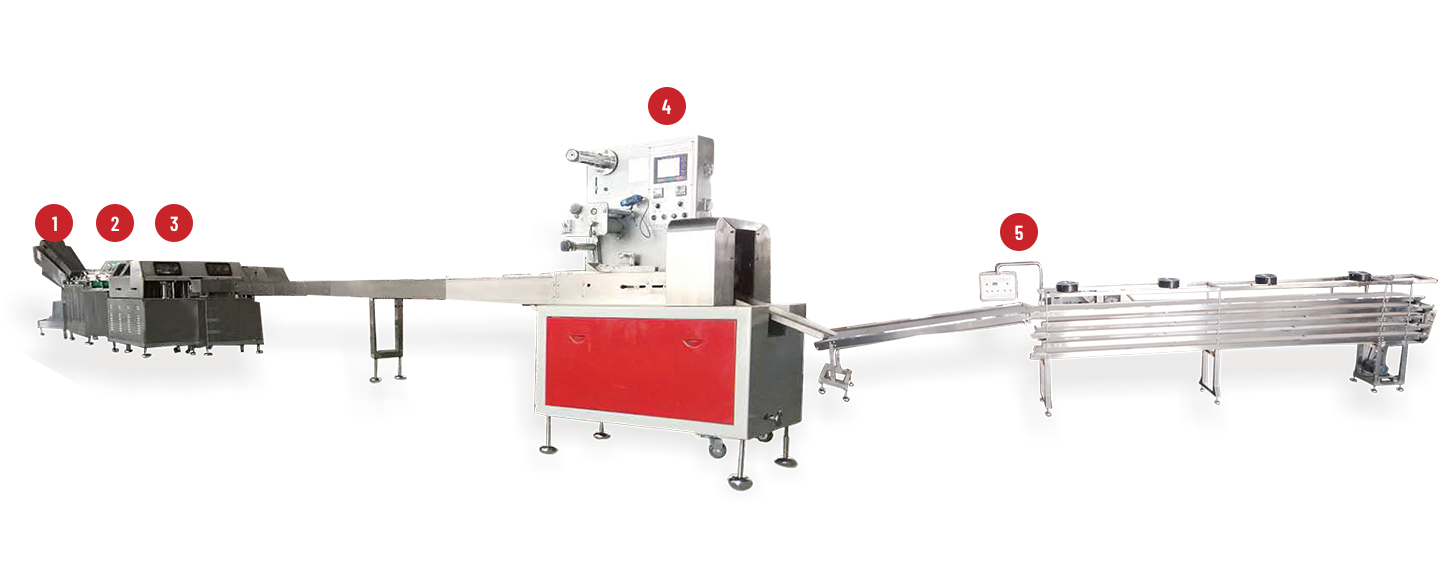
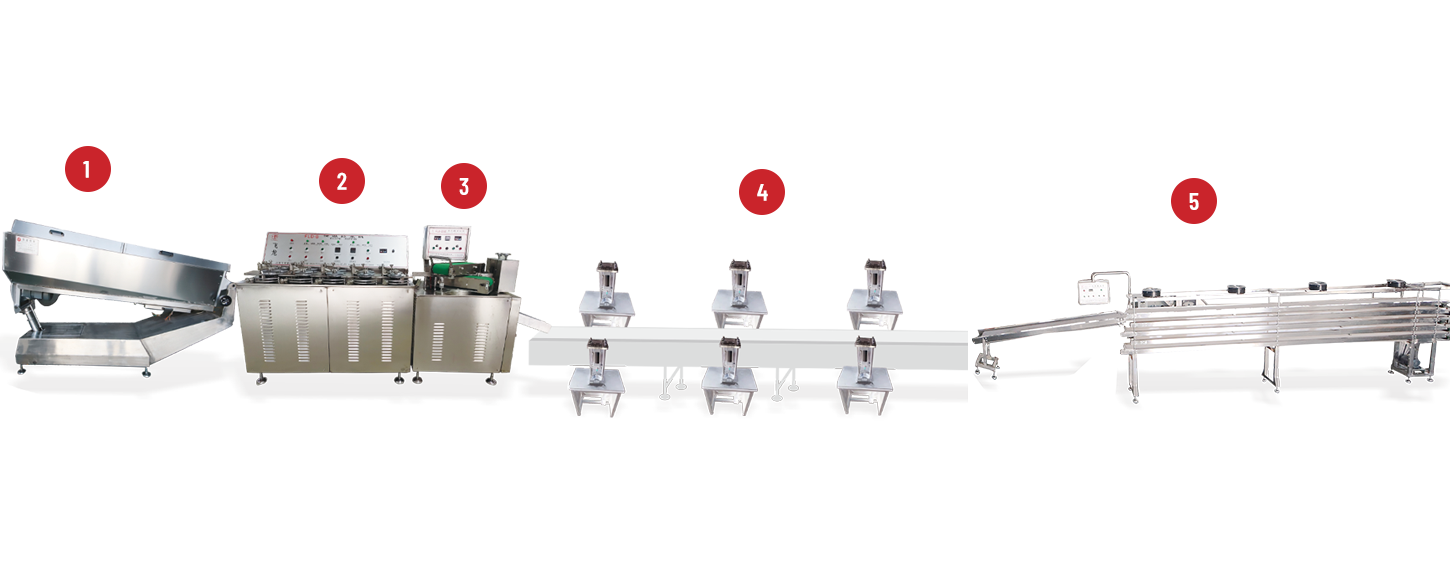
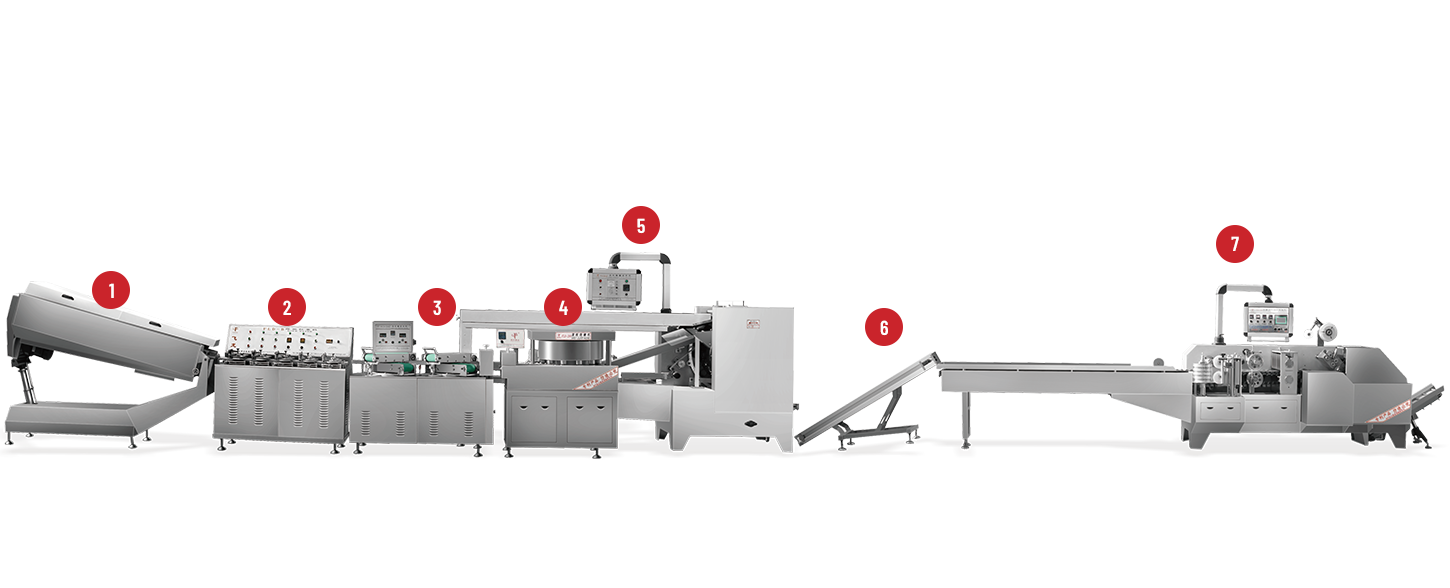

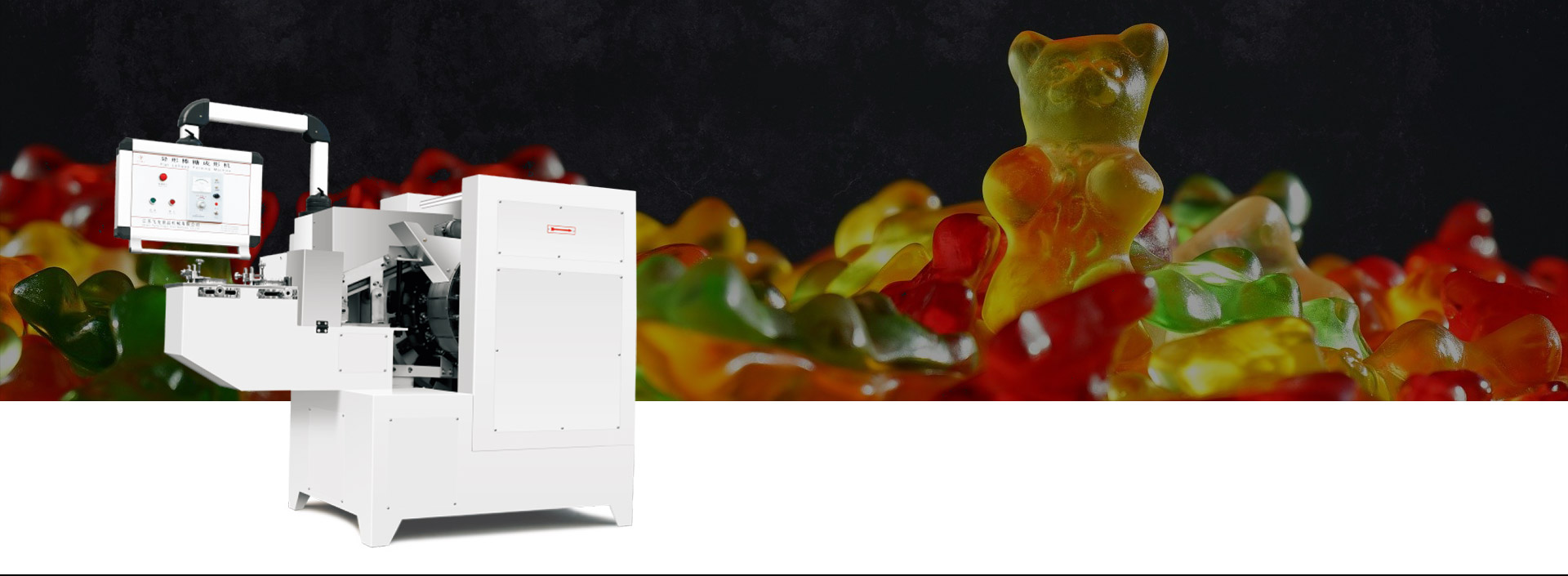
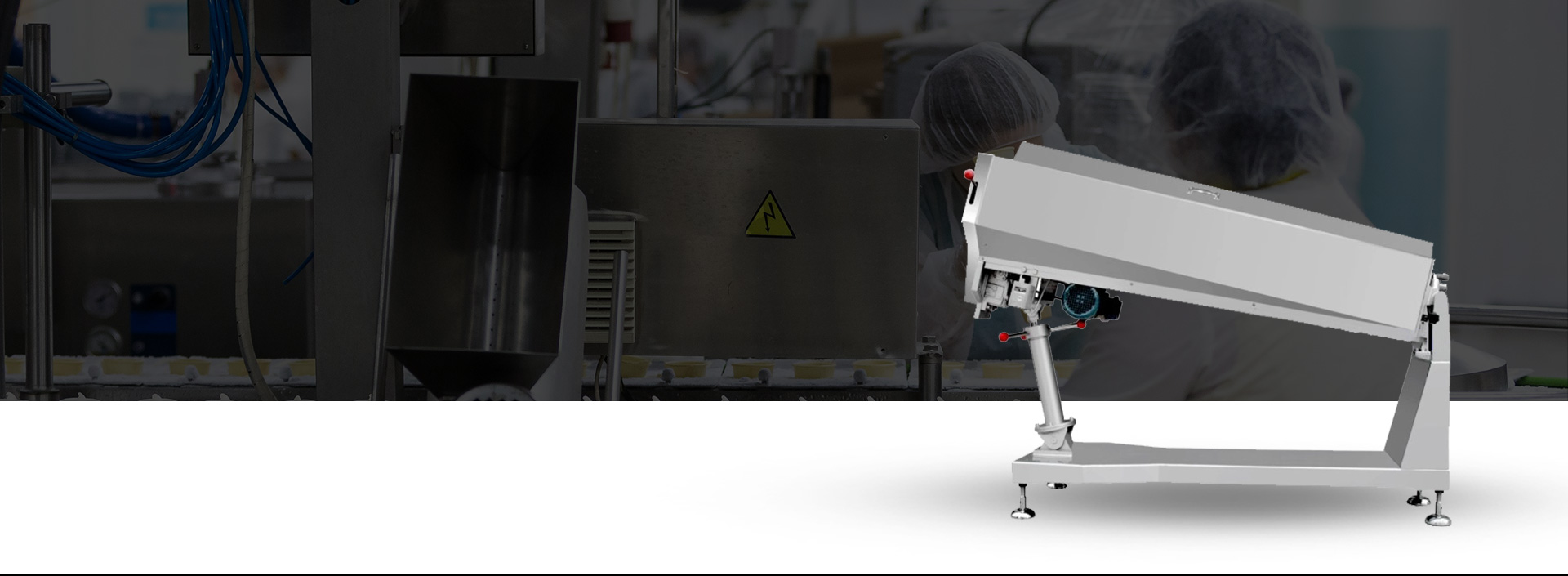
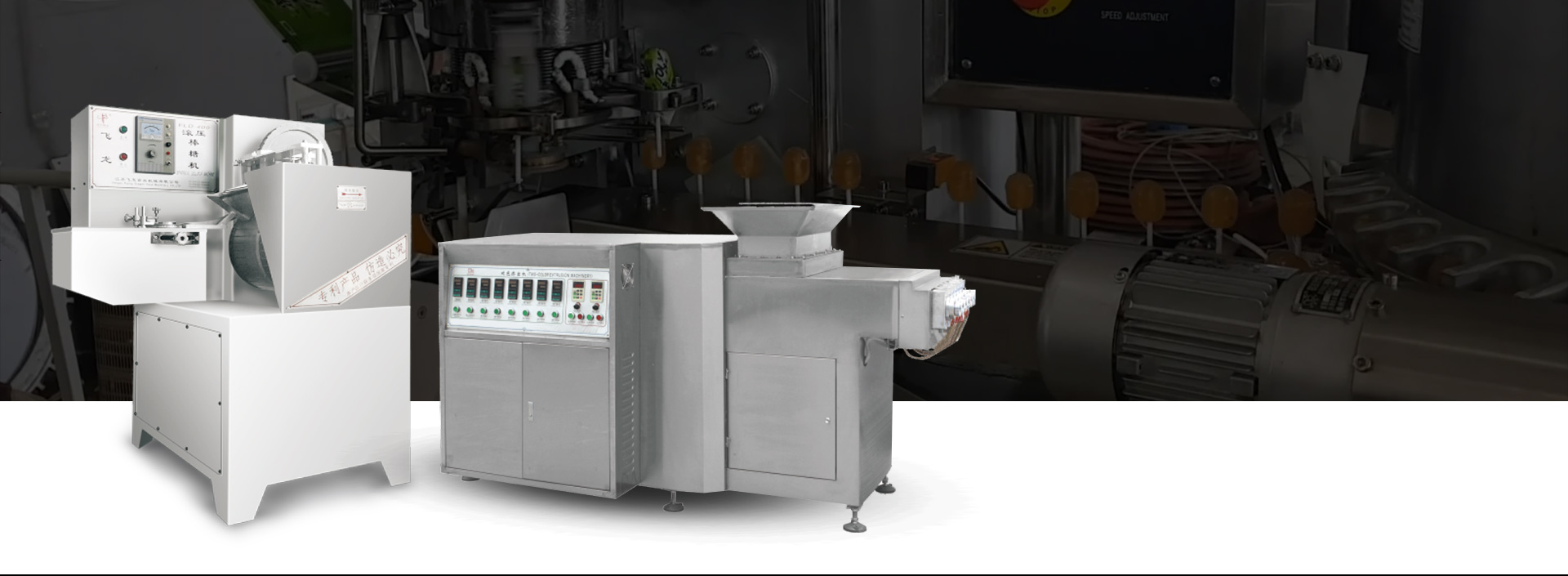
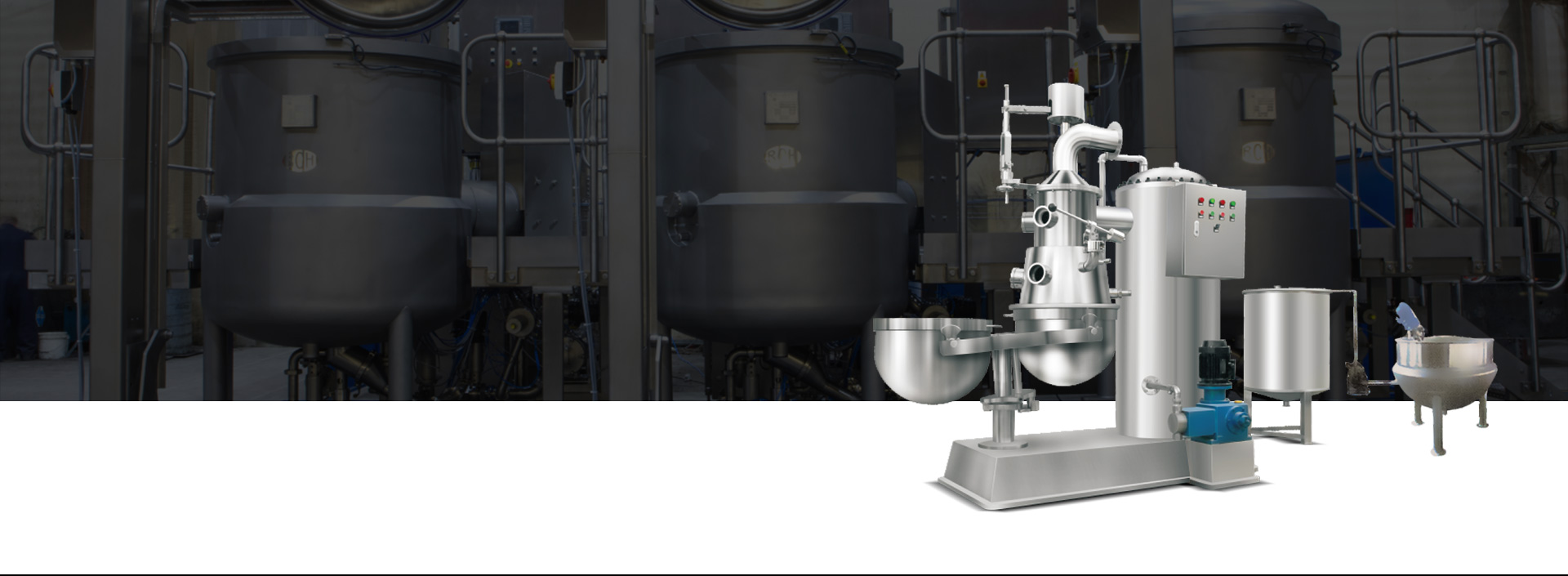
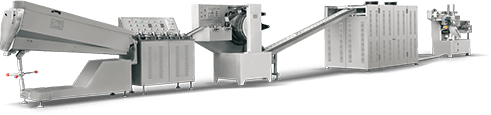
Commercial confectionery depends on pieces that look and weigh the same from the start of a run to the end. When shape, size or surface finish drifts, packaging lines jam, retail presentation suffers and customer expectations are harder to meet. Incomplete fills, sticking, deformation and batch-to-batch differences usually come from more than one source: the condition of the candy mass, the state of the forming tools, the stability of machine settings and the way pieces are handled after they leave the mould. Professional Candy Making Equipment supports consistent output only when those factors are controlled together rather than treated in isolation.
What Consistency Means on the Production Floor
Repeatable Geometry From Piece to Piece
Shape and dimensions must stay inside the tolerance band set for the product. Pieces that are too long, too thick or unevenly formed may not fit trays, wrappers or automated packing equipment. Defining acceptable variation in writing gives operators and quality staff a shared reference when they decide whether a run is still within specification.
Stable Weight and Even Material Distribution
Weight variation often traces back to uneven delivery of mass into the forming zone. Some cavities receive less material than others; the resulting pieces fail weight checks even when the outline looks acceptable. Sampling against agreed criteria—weight, outline and fill—catches this class of defect before large quantities accumulate.
Surface Quality Alongside Size and Weight
Rough patches, marks from sticking, fine cracks and bent sections affect appearance even when dimensions are correct. Surface inspection is therefore carried out with the same regularity as dimensional checks, so that visual defects are not discovered only at packing.
Frequent Causes of Variation in Formed Candy
Shifts in the Condition of the Candy Mass
Temperature, viscosity, residual moisture and the balance of ingredients all change how the mass flows into the tool and how it releases afterward. A formulation that forms cleanly at one consistency may string, void or stick when that consistency drifts. Preparation and holding conditions are kept inside the range established for the product; new settings are proven by trial rather than applied by assumption across every recipe.
Tooling That Is Worn, Damaged or Poorly Matched
Cavities with worn edges, scored surfaces or damaged ejection features no longer produce the intended outline or a clean release. A tool designed for a different piece geometry will not suddenly suit a new design. Regular inspection and correct tool selection keep the forming surface in a state that matches the product drawing.
Irregular Supply of Material to the Forming Zone
When the feed of mass pulses, runs lean or arrives out of time with the forming cycle, cavities fill incompletely or unevenly. Weight scatter and short fills appear before other defects. Checking the feeding path and its timing is a recommended initial step before operators change forming pressures or speeds.
Unrecorded Settings and Differing Operator Habits
If one shift alters a speed or timing and does not record the change, the next shift inherits a different process. Small differences accumulate into visible variation. Approved settings written down and used as the starting point for every run reduce this source of inconsistency.
Release and Handling After the Shape Is Formed
A piece can leave the tool correctly and still be deformed by a rough transfer, a steep drop or handling while it is still soft. Investigating defects includes the path from the mould to the collection point, not only the forming action itself.
A Practical Sequence for Raising Consistency
Standardising Preparation of the Candy Mass
Procedures for cooking, cooling, holding and delivering the mass are fixed for each formulation. Relevant variables are monitored and any departure is noted. Adjustments are tested in a controlled way so that cause and effect remain clear.
Inspection and Care of Forming Tools
Forming surfaces are checked for residue, wear and damage at defined intervals. Tools are confirmed against the required shape before a production campaign begins. Cleaning and inspection follow the equipment manufacturer's instructions so that the tools remain fit for the intended geometry.
Stabilising the Delivery of Material
The feed is observed across the full cycle. Timing and the condition of feed components are reviewed according to the actual machine design. Recurring lean or heavy periods are traced to their source before other parameters are changed.
Control of Machine Settings
Each product has a documented set of speeds, timings and any adjustable gaps or pressures. During troubleshooting, one variable is changed at a time where practical, and the result is judged on measured samples rather than on a brief glance at the discharge.
Scheduled Inspection of Finished Pieces
Shape, dimensions, weight and visible defects are checked at intervals that suit the run length and the risk of drift. Results are recorded so that trends appear—gradual wear, a shift after a cleaning stop, or a difference between batches of mass.
Review of Release and Transfer
Pieces are examined immediately after ejection for sticking marks or deformation. Transfer, collection and any early cooling stage are checked to see whether they add damage. Corrections are coordinated across forming and handling instead of being limited to a single station.
Structured Response to Typical Defects
Incomplete or Uneven Pieces
Material supply, tool condition and the relevant machine settings are reviewed in turn. Affected pieces are compared with the approved sample. Whether the fault is continuous or intermittent points toward a steady process error or a cyclic feeding or tooling problem.
Sticking on the Forming Surface
Material condition, the state of the tool surface and the release sequence are examined. Cleaning and any approved release aids follow the manufacturer's guidance and are confirmed as suitable for the formulation. Changes that are not supported by the recipe or the machine instructions are avoided.
Deformation After Forming
Release timing, the mechanical path away from the tool and subsequent handling are checked. Defects that appear only after discharge are separated from those already present in the cavity, so that effort is directed at the correct stage.
Variation Between Batches
Preparation records, tool condition at the start of each batch, the settings in force and the procedures used by different operators are compared. Inspection data show which variables moved and by how much, narrowing the search for the cause.
How Equipment Design Supports a Stable Process
Alignment of Tools With the Intended Geometry
The forming arrangement must be capable of producing the required outline and thickness. Confirming that capability before regular production begins prevents a long run of non-conforming product. Tooling discussions and, where possible, trials with the real mass give clearer evidence than drawings alone.
Repeatability Through Procedure and Inspection
Clear operating steps, written settings and routine checks on tools and product reduce avoidable scatter. When the machine offers adjustment and monitoring features, those features are used within the limits described in the manual, not as a substitute for disciplined procedure.
Joint Assessment of Feed, Form and Discharge
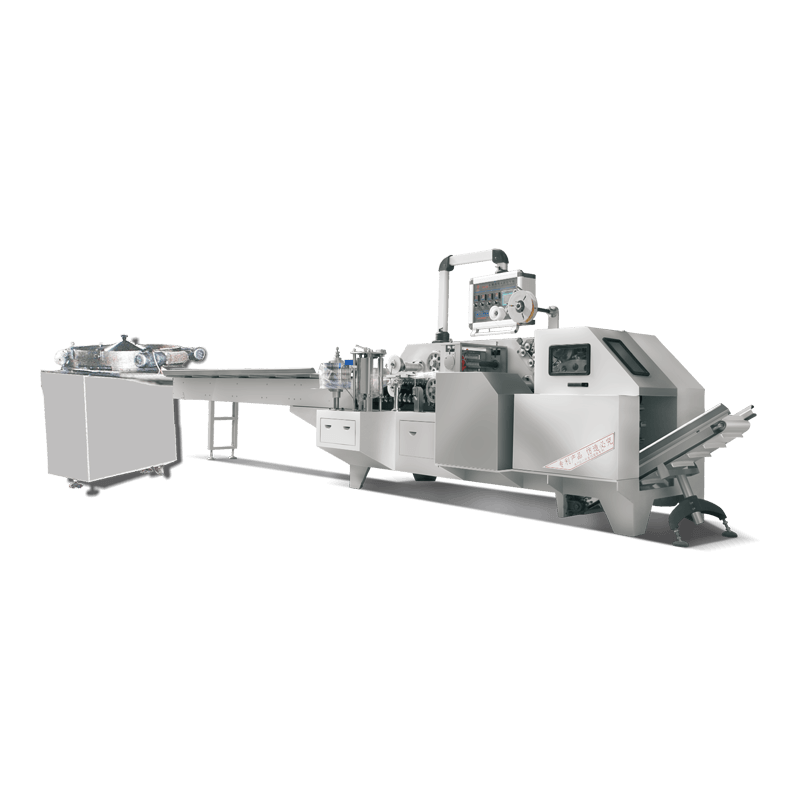
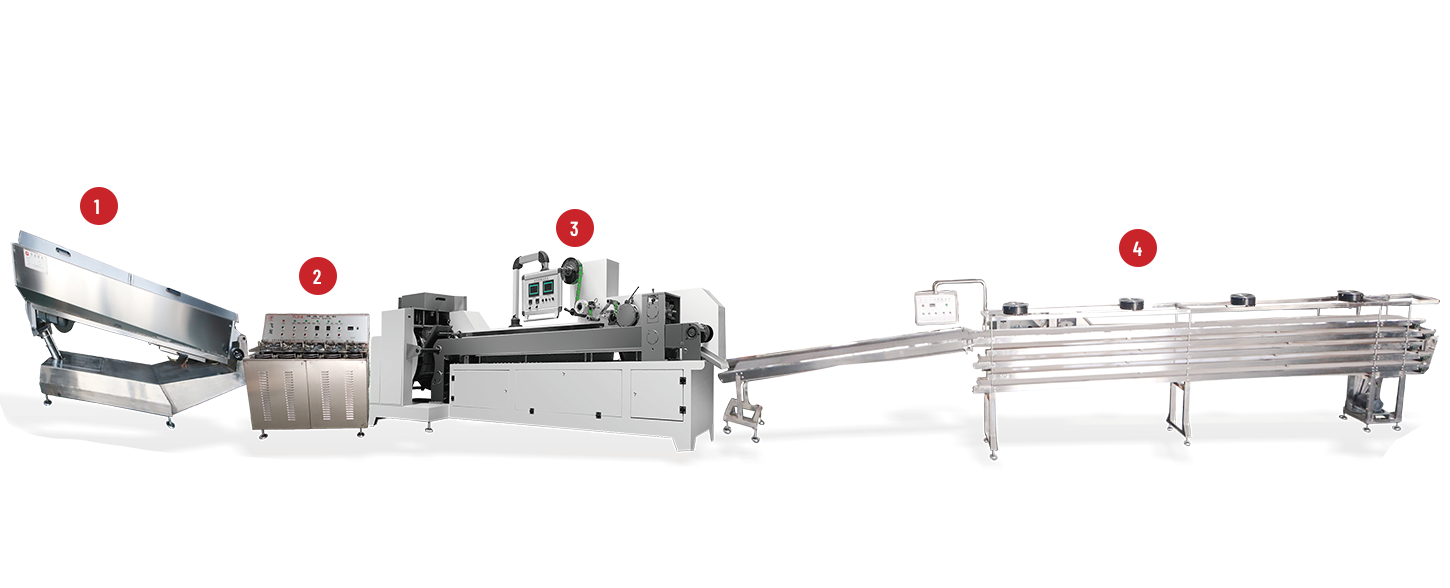
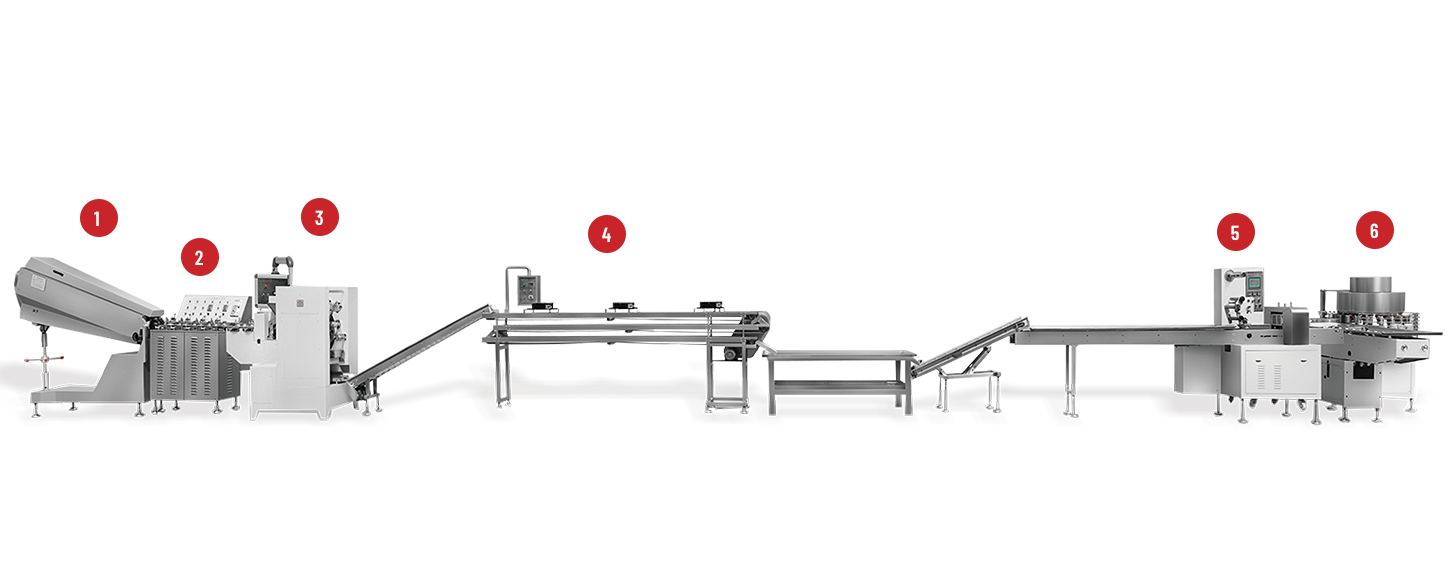
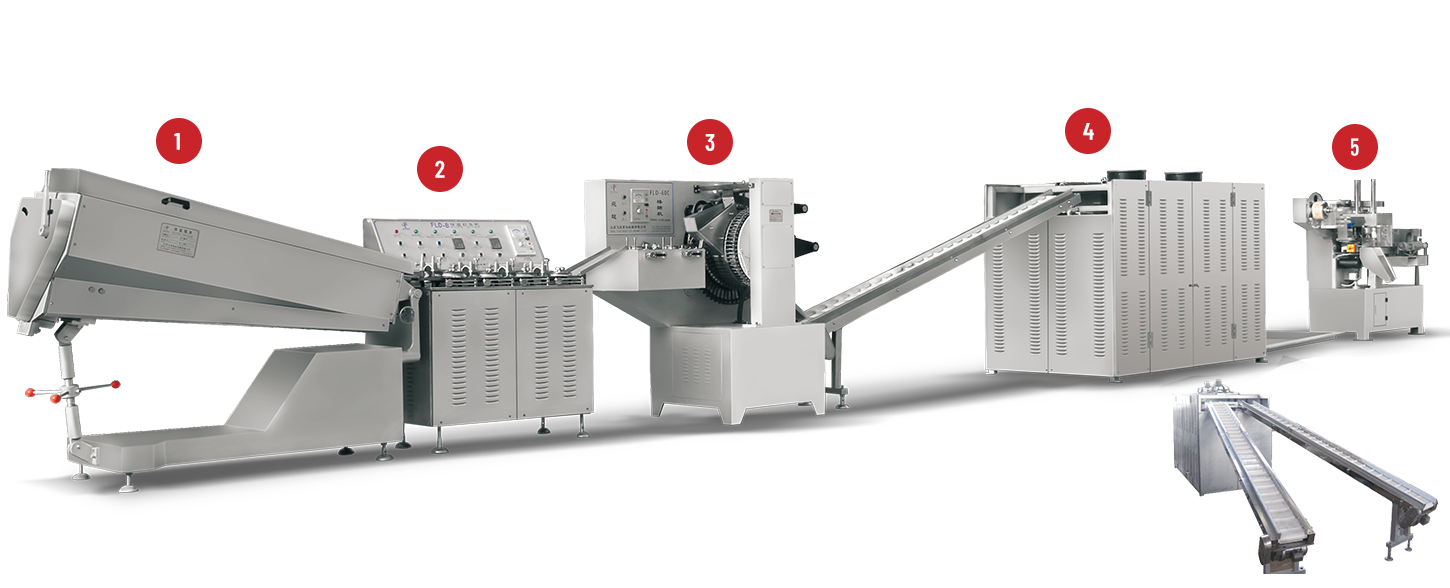
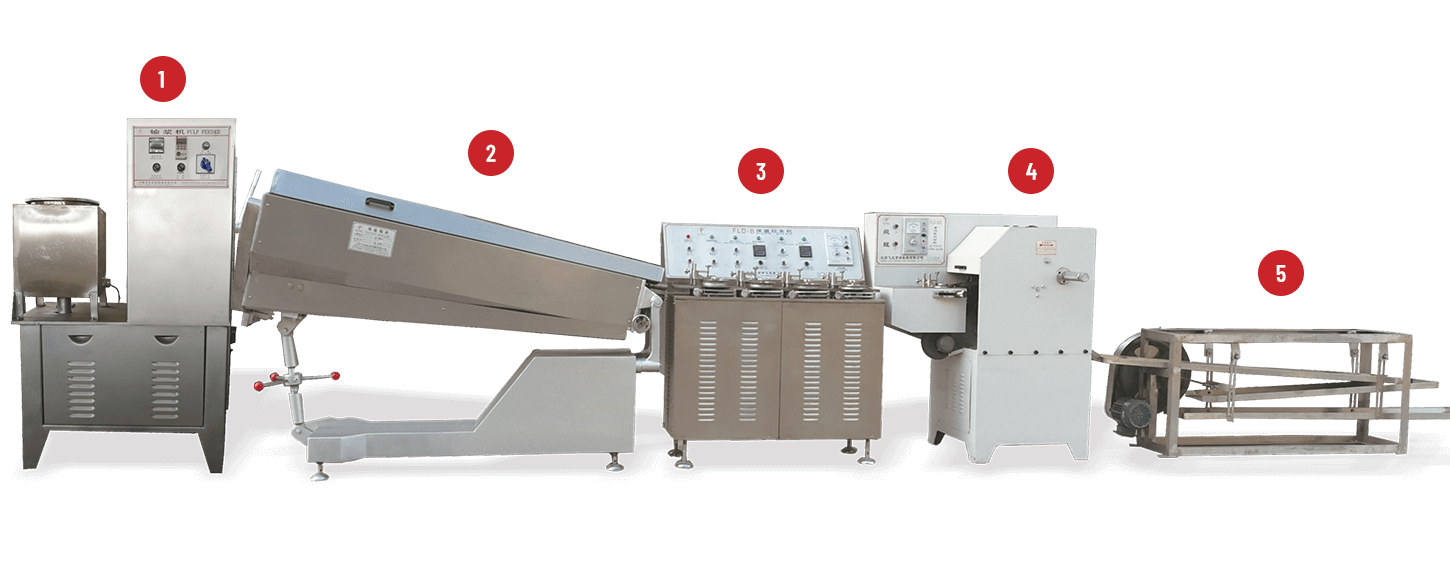
Feeding and discharge are part of the same cycle as forming. Viewing them together helps operators decide whether a defect started in the mass, in the tool or in the handling that follows. A Candy Maker Machine is therefore specified and run with that full path in mind.
Application to Spoon-Shaped Candy Production
Matching Machine Capability to the Spoon Design
A machine considered for spoon-shaped candy is checked against the required bowl and handle dimensions, the thickness distribution and the behaviour of the intended mass. Samples and production targets are shared with the manufacturer so that the available forming configuration can be confirmed or declined on the basis of evidence.
Process Variables That Need Explicit Verification
Material preparation, forming conditions, release and inspection criteria are listed for the product. The settings that can be adjusted on the actual machine and the instructions that apply to them are confirmed. Sample trials against written acceptance criteria show whether consistency targets are achievable before full-scale commitment.
Building a Repeatable Routine Around the Line
Operating procedures and inspection rules are written down and used on every shift. Defects, adjustments and sample measurements are recorded so that performance can be reviewed over time. Discussion of candy design and output goals with the equipment supplier clarifies whether the machine belongs in that routine.
Overview of Consistency Factors and Responses
| Factor | Typical Effect on Product | Response |
|---|---|---|
| Mass temperature and viscosity | Flow into cavity; release behaviour | Hold preparation inside proven range; trial changes |
| Tool wear or damage | Outline error; sticking; surface marks | Inspect, clean, repair or replace tooling |
| Uneven material feed | Weight scatter; incomplete fills | Stabilise feed path and timing before adjusting other settings |
| Unrecorded setting changes | Batch-to-batch drift | Document and lock approved settings |
| Rough release or transfer | Deformation after forming | Inspect full path from tool to collection |
| Missing inspection routine | Late discovery of drift | Sample shape, size, weight and surface at intervals |
Sustaining Forming Quality Through Controlled Process Conditions
Consistent candy forming rests on stable material, sound tooling, even feeding, documented machine settings and careful handling after release. Systematic inspection and staged troubleshooting turn occasional good results into a repeatable process. Jiangsu Flying Dragon Food Machinery Co., Ltd. manufactures candy forming equipment for confectionery producers. Review of forming configuration, tooling suitability, operating procedures and inspection practices against the intended product design and output targets supports selection and use of equipment capable of steady commercial production.
 +86-(0)515-8465666
 +86-(0)515-85566996
 +86-138 1559 9708
 flyloong@flyloongcn.com

 Home
