

 ENG
 English
 中文简体
 русский
 Français
 Español
 عربى
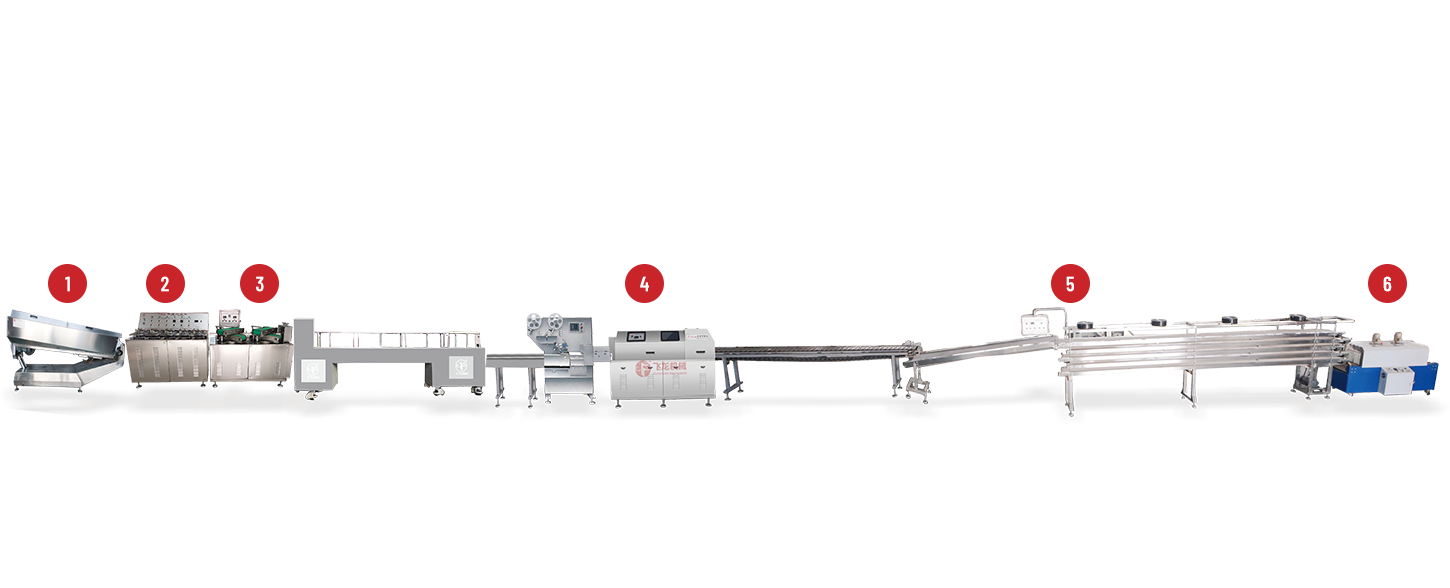
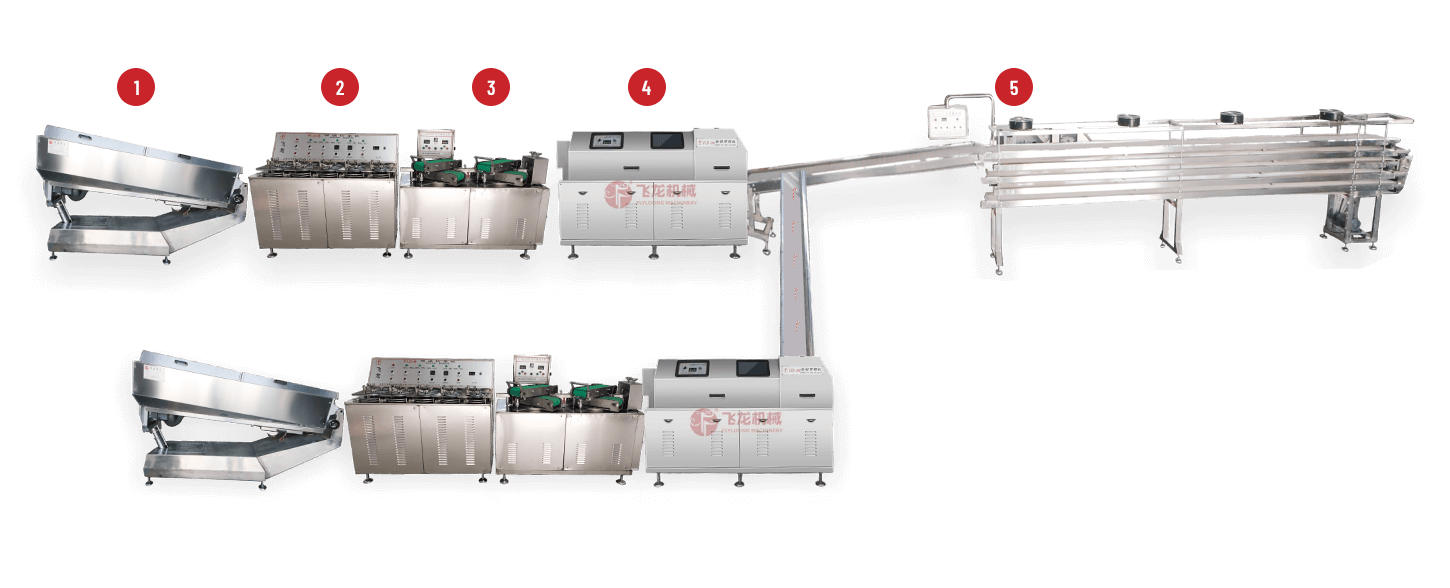
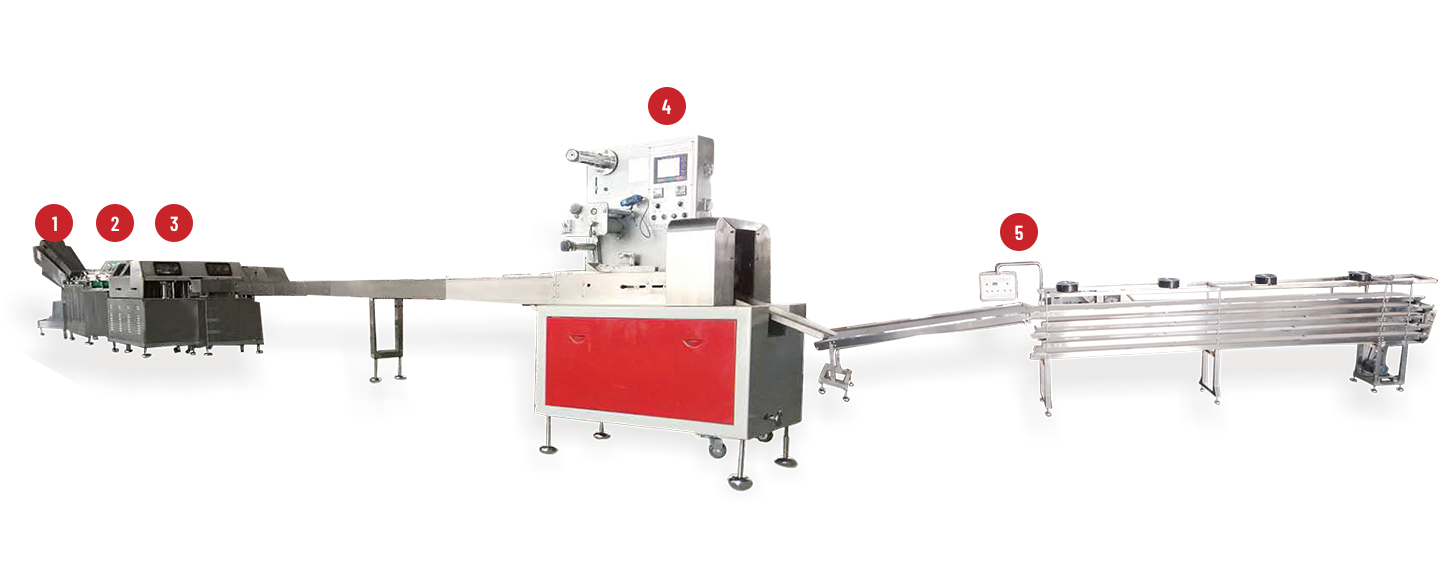
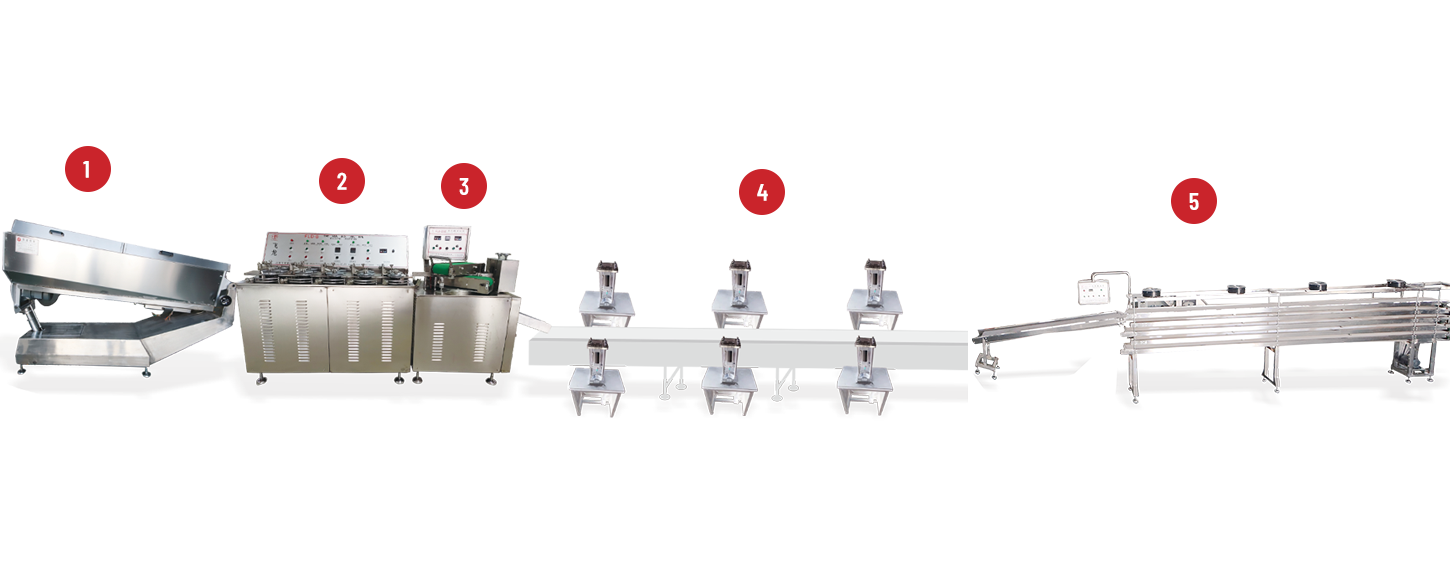
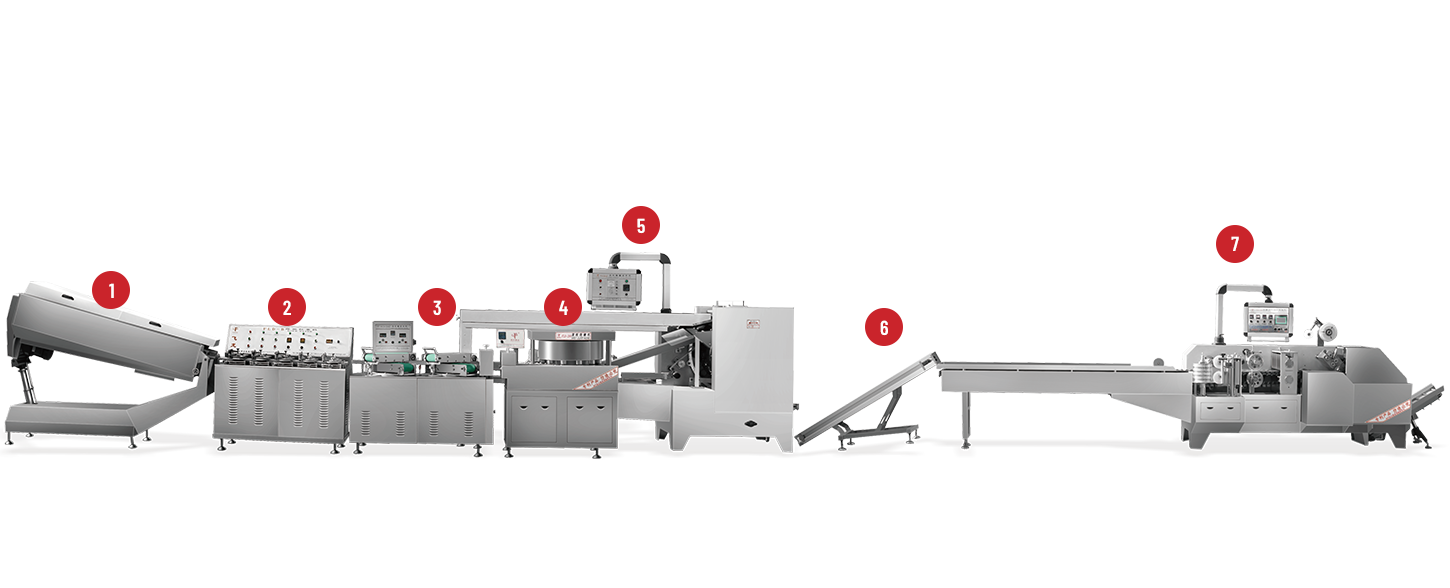
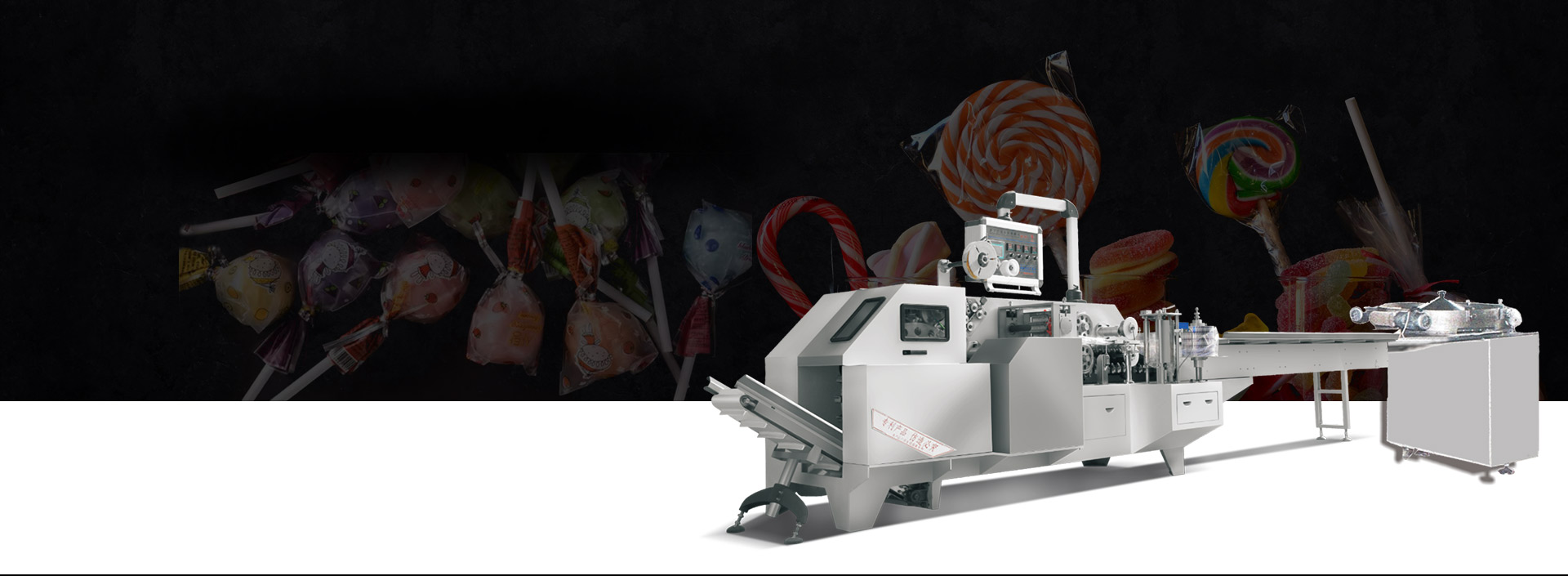
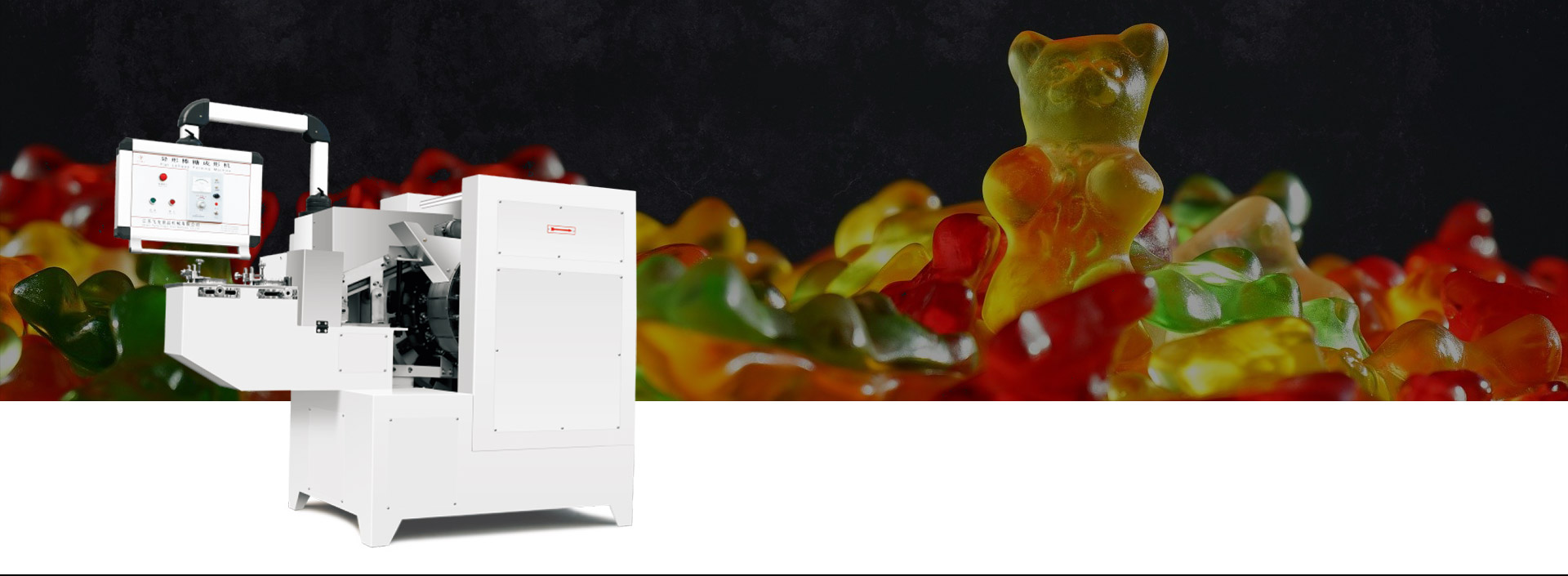
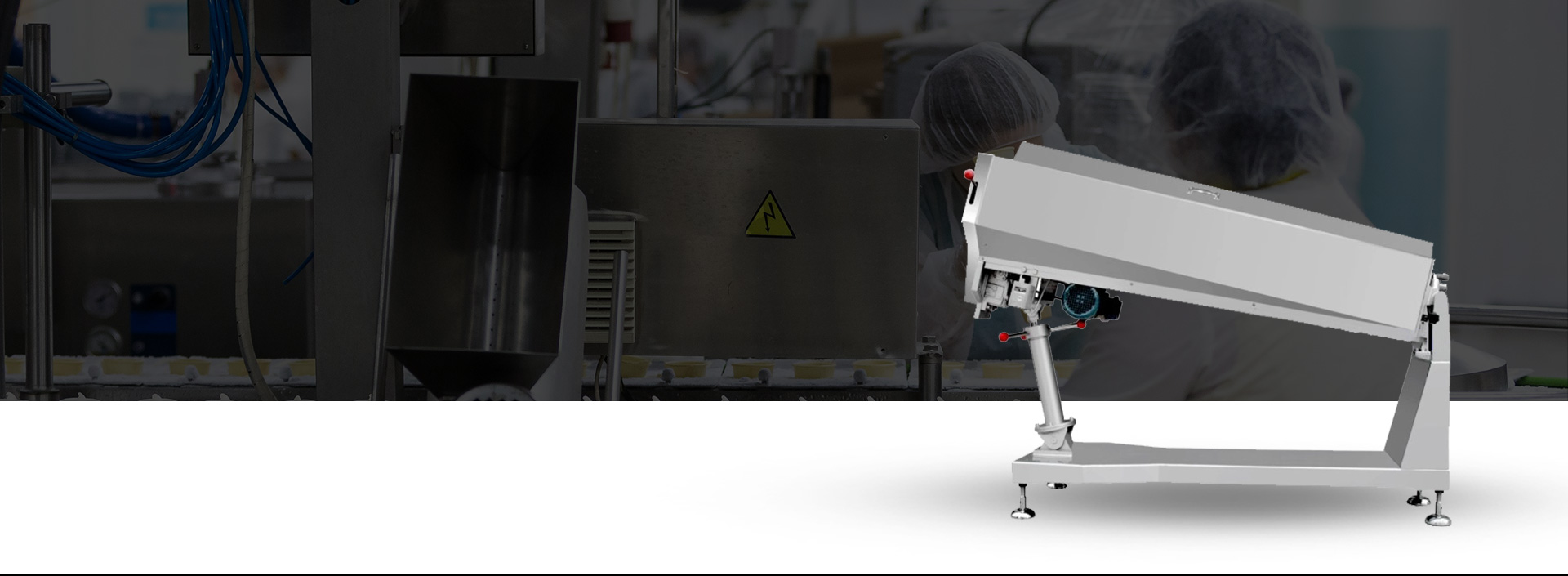
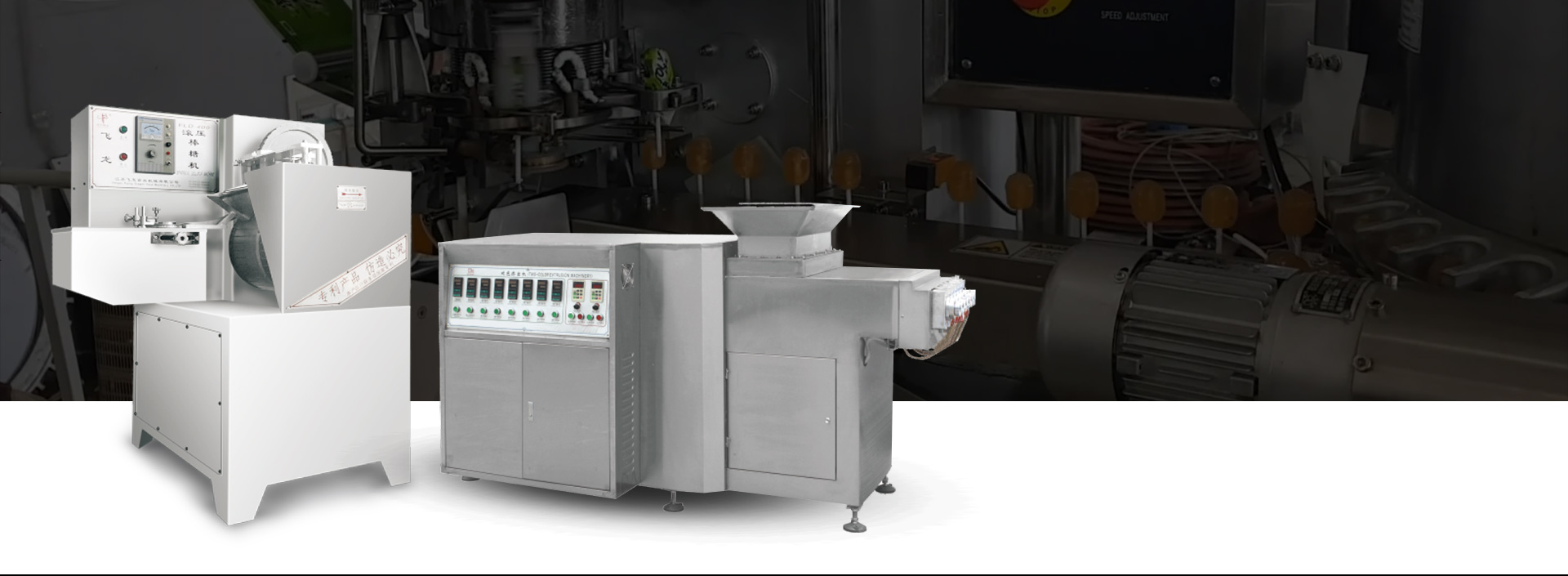
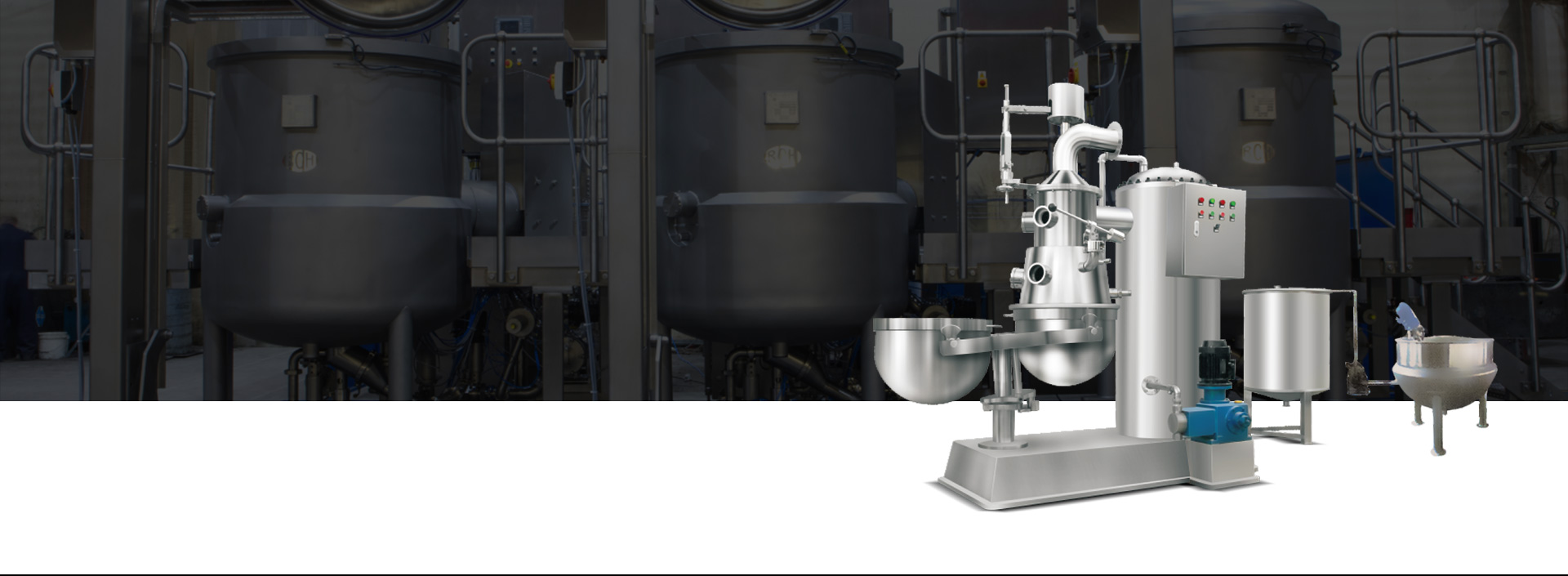
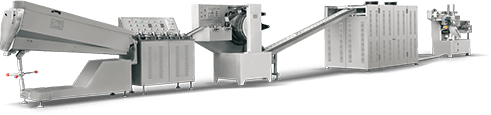
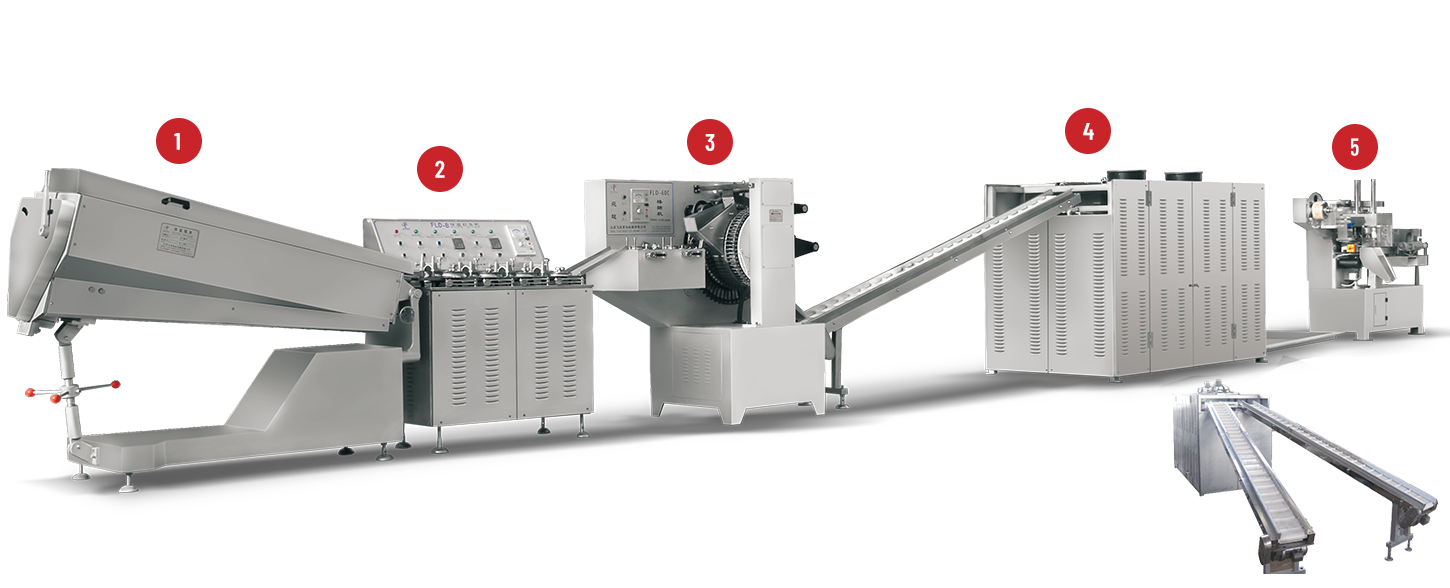
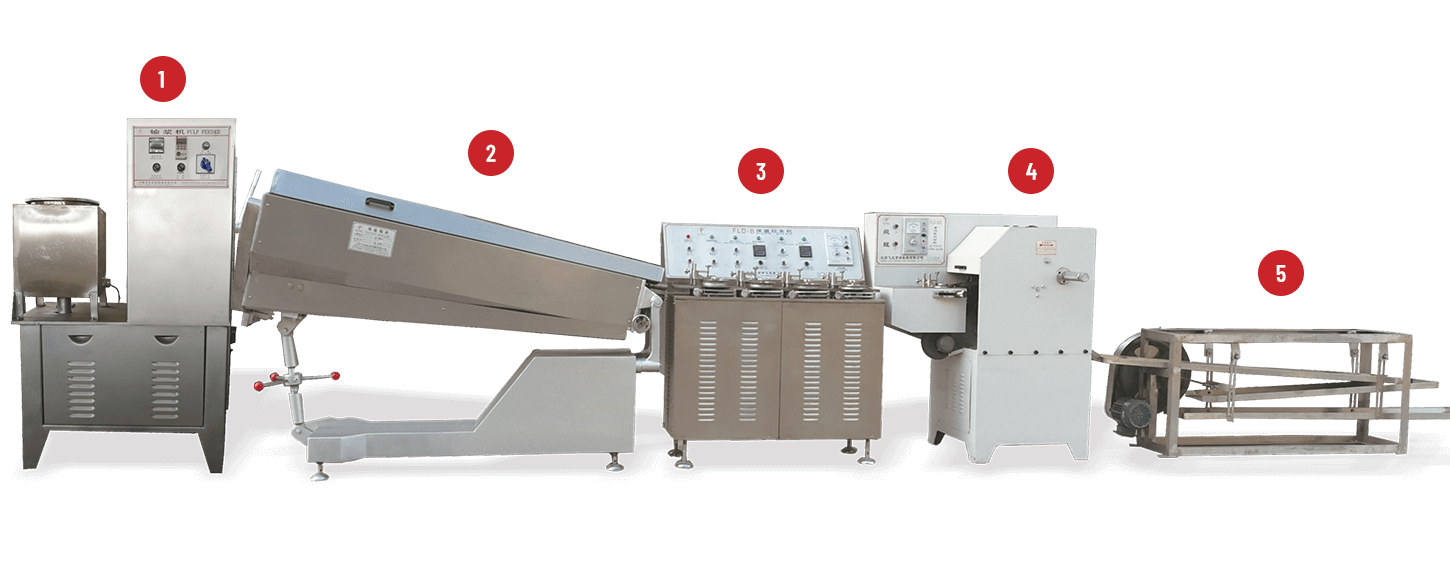
Shaped confectionery leaves the production line only after a prepared mass has been portioned, pressed or moulded, released and moved to the next stage. The machine that performs those steps is built from several interacting assemblies: the tools that define the shape, the mechanism that delivers material, the drive that times the motion, the controls that operators use, and the path that carries finished pieces away. Understanding each assembly helps a buyer judge whether a given machine can produce the intended piece consistently and whether it can be cleaned and maintained under normal factory conditions. Professional Candy Making Equipment is therefore assessed by looking at these parts together rather than by the machine name alone.
Sequence of Operations in Candy Forming
Path From Prepared Mass to Finished Shape
Candy material is prepared to a workable consistency, then delivered to the forming zone. There it is shaped by contact with moulds or other tools, released without tearing or distortion, and transferred for cooling, coating or packing. The exact order of movements depends on the formulation—hard candy, soft candy or another type—and on the mechanical layout of the machine. In commercial production the forming machine is the point at which the product's geometry is fixed, so any irregularity in feeding, forming or release appears directly in the finished piece.
Importance of Matching Configuration to Product and Process
A machine arranged for one shape will not automatically produce another. Tool geometry, the way material is presented to the tool, and the method of ejection must suit both the desired outline and the behaviour of the mass at forming temperature. Product size, required output and the equipment that follows—cooling belts, wrapping machines or packing stations—further constrain the choice. Spoon-shaped candy, for example, needs a cavity and release arrangement that preserve a thin bowl and a handle without distortion; that requirement drives the selection of tooling and motion, not the other way around.
Principal Components and What Each Contributes
Moulds and Shaping Tools
The mould or forming tool is the surface that gives the candy its outline and thickness. Cavity geometry, the smoothness of the forming surface, the consistency of dimensions from cavity to cavity, and the ease with which the piece releases all influence appearance and waste. Tools that are worn, scratched or incorrectly aligned produce incomplete fills, flash or pieces that stick. Tooling for a specific design, such as a spoon outline, must be confirmed against the actual product drawing and against the machine model that will carry it.
Feeding and Transfer of Material
Material must arrive at the forming zone in a steady quantity and at the right moment in the cycle. The feeding arrangement—rollers, pumps, hoppers or another method depending on the design—sets that supply. If the flow is irregular, some cavities may be under-filled while others receive excess. Timing between feed and form is equally important; material that arrives too early or too late meets the tool under the wrong conditions and yields deformed or incomplete pieces.
Drive and Coordinated Motion
The drive system supplies the movement that opens and closes tools, advances material and operates the release mechanism. Coordination of these motions determines how repeatable each cycle is. A drive that loses timing or that cannot maintain consistent speed under load produces variation in thickness and outline. The actual mechanism—mechanical cams, linkages, servo systems or another arrangement—varies by machine and is taken from the manufacturer's documentation rather than assumed from a general description.
Controls and Permitted Adjustments
Operators start, stop and adjust the machine within the range the builder allows. Controls may include speed settings, timing adjustments and interlocks that protect the operator and the tooling. Repeatable procedures for changing from one product to another depend on clear markings, documented set points and a control layout that can be followed without guesswork. The functions that are actually fitted on a given model are verified from the operating manual and the specification sheet.
Release and Discharge of Formed Pieces
Once the shape is set, the piece must leave the tool cleanly and travel to the next process without damage. Ejection methods, belt transfers or chutes form the discharge path. Sticky formulations, sharp edges on the tool or abrupt drops can mark or break the product. The discharge arrangement is therefore judged together with the mould design and the characteristics of the candy mass.
Frame, Guarding and Access for Cleaning
The frame holds the moving parts in alignment and absorbs the forces of the forming cycle. Guards keep hands and clothing clear of traps and moving tools. Surfaces that contact product or that collect sugar dust must be reachable for cleaning and inspection. Stable installation, compliance with applicable safety expectations and practical access for routine hygiene are all part of the mechanical evaluation.
Interaction of Components During Continuous Production
Alignment of Feed Rate With Forming Cycle
Material delivery and tool motion share the same cycle time. When the mass becomes thicker or thinner because of temperature or recipe change, the feed may no longer match the cavity volume. Operators who notice incomplete shapes or excess scrap initially check consistency of the incoming material and the timing of the feed before altering other settings.
Mould Condition and Clean Release
A well-filled cavity still fails if the piece does not release cleanly. Residue on the tool surface, worn ejection elements or incorrect release timing leave pieces behind or pull them out of shape. Regular inspection of the forming surface and of the release mechanism helps separate tooling problems from upstream material problems.
Stability of Settings Across Batches
Documented settings for speed, timing and any adjustable pressures or gaps allow a return to a known state after cleaning or after a product change. When dimensions drift, controlled variation of one setting at a time is more informative than simultaneous changes. The goal is a repeatable process, not continuous improvisation at the control panel.
Checks Buyers Can Apply When Comparing Machines
Fit Between Forming System and Product Design
The machine's tooling and motion must be capable of producing the required outline and thickness. Sample trials with the actual recipe, or at least a detailed discussion of tooling options, reduce the risk of discovering a mismatch only after installation. Drawings or physical samples of the intended candy give the supplier a concrete basis for confirming capability.
Access for Cleaning and Maintenance
Forming tools, material-contact surfaces and inspection points should be reachable without excessive dismantling. Cleaning instructions, recommended intervals and a list of parts that wear under normal use are requested so that hygiene and uptime can be planned. Machines that are difficult to clean become a daily burden in a sugar-rich environment.
Scope of Adjustment and Availability of Support
The range of adjustments, the clarity of the operating instructions, the supply of spare tools and wear parts, and the responsiveness of technical support all affect how the machine performs during the initial weeks of operation. These items are confirmed before purchase rather than left to later negotiation.
Application Focus on Spoon-Shaped Candy Forming
Product Design and Production Data as the Starting Point
A machine offered for spoon-shaped candy is assessed against the actual spoon outline, the thickness distribution between bowl and handle, the recipe and the required output. Providing samples, dimensioned drawings and material information allows the builder to state whether the available forming arrangement can meet those targets. Suitability is never assumed from the machine's name alone.
Tooling, Operating Sequence and Discharge Path
The forming tools, the steps the operator must follow and the way finished spoons leave the machine are reviewed as a set. That review shows whether the equipment will fit the intended line—especially the transfer to cooling or packing—and where additional handling might be needed.
Documentation and Technical Discussion Before Commitment
Specification sheets, layout drawings, operating descriptions and any available application notes are requested. A direct discussion of production objectives and product requirements clarifies open points before an order is placed.
Overview of Assemblies and Evaluation Focus
| Assembly | Function in the Forming Cycle | Points to Verify |
|---|---|---|
| Forming moulds or tools | Define shape, thickness and surface of the piece | Geometry, surface condition, release behaviour |
| Material feeding mechanism | Deliver mass in correct quantity and timing | Consistency of supply, compatibility with recipe |
| Drive and motion system | Coordinate forming, feed and release movements | Cycle stability, documentation of drive type |
| Operating controls | Start, stop and adjust within permitted limits | Available functions, clarity of procedures |
| Release and discharge path | Remove pieces without damage and pass them downstream | Ejection method, transfer height and handling |
| Frame, guards and access | Support structure, safety and cleanability | Stability, guarding, reach for hygiene and inspection |
Selecting Forming Equipment by Component Fit to the Product
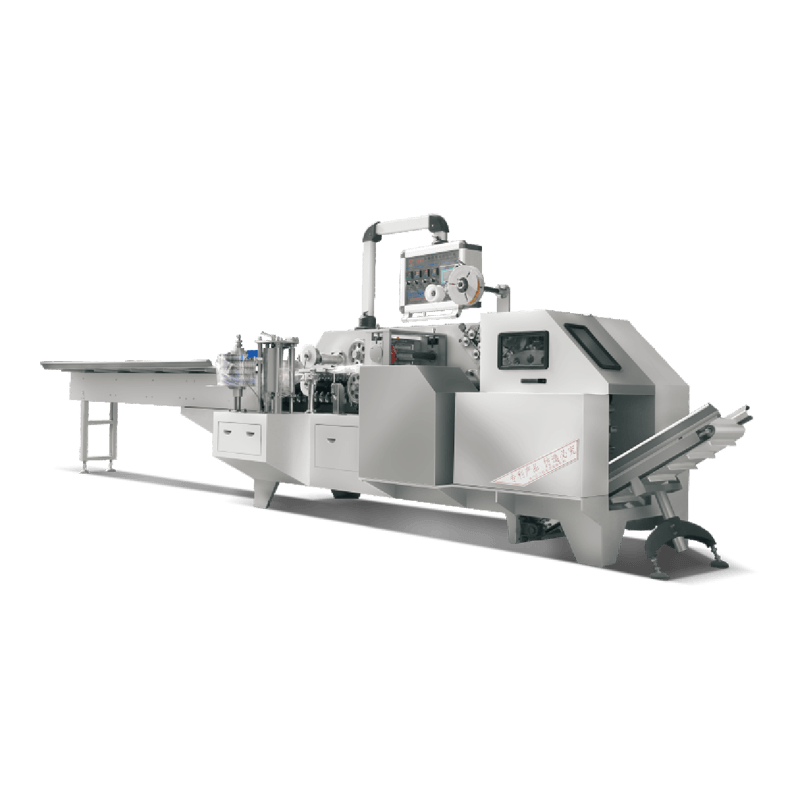
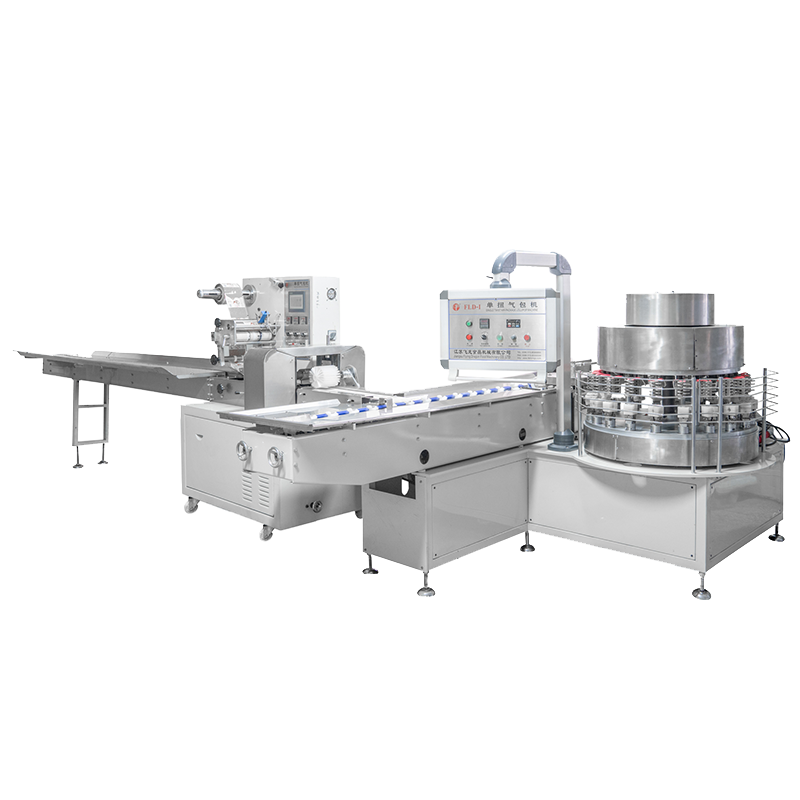
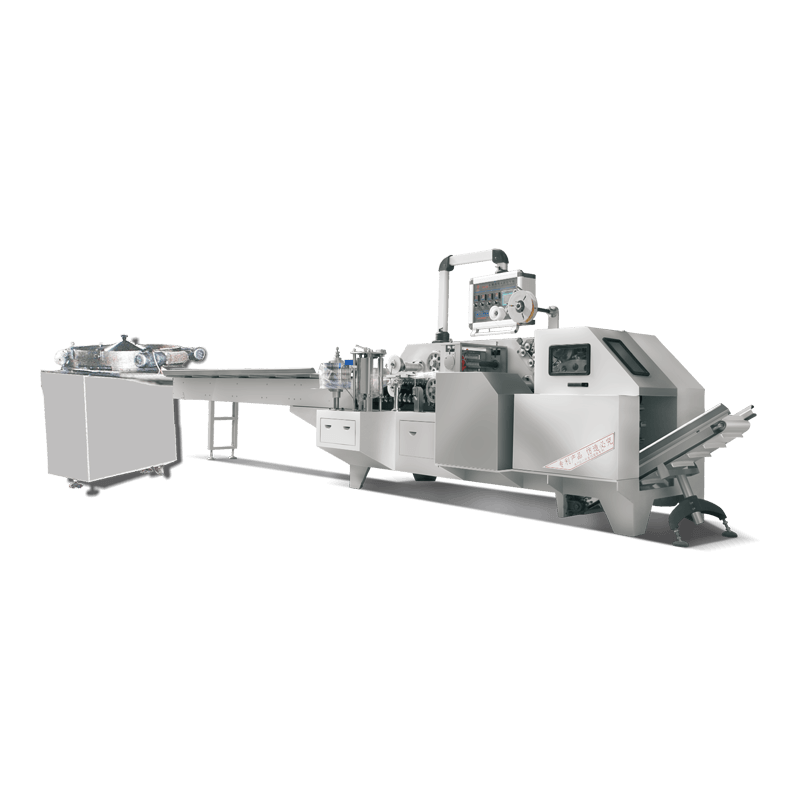
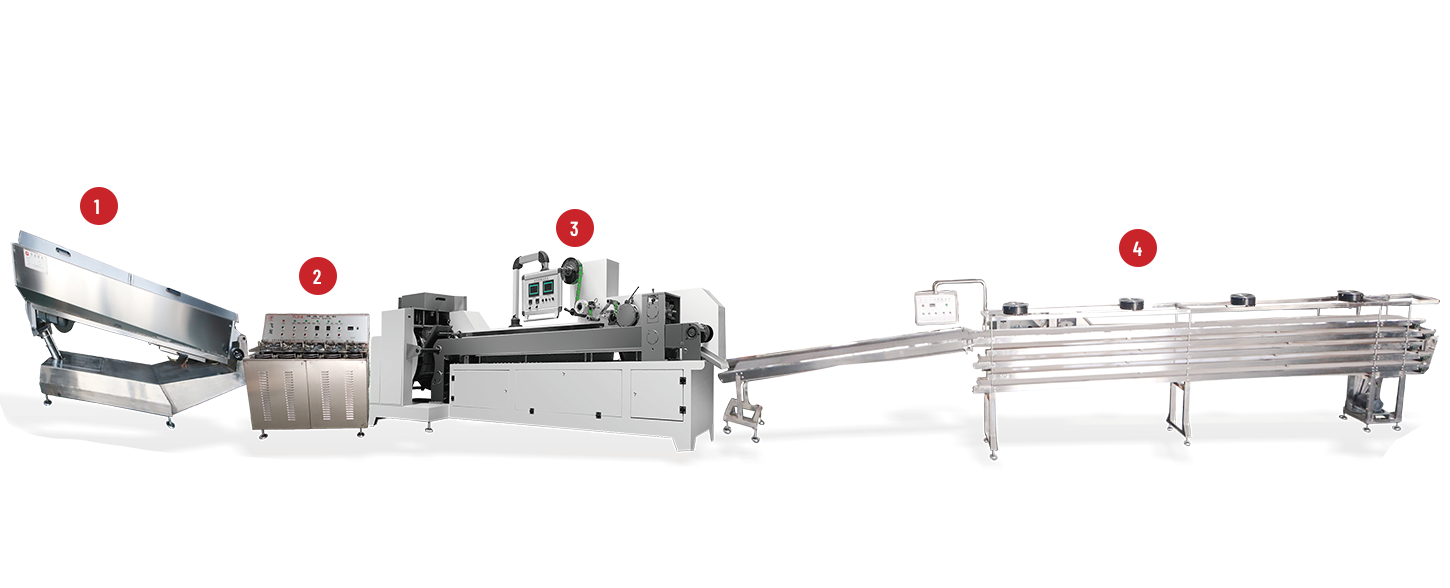
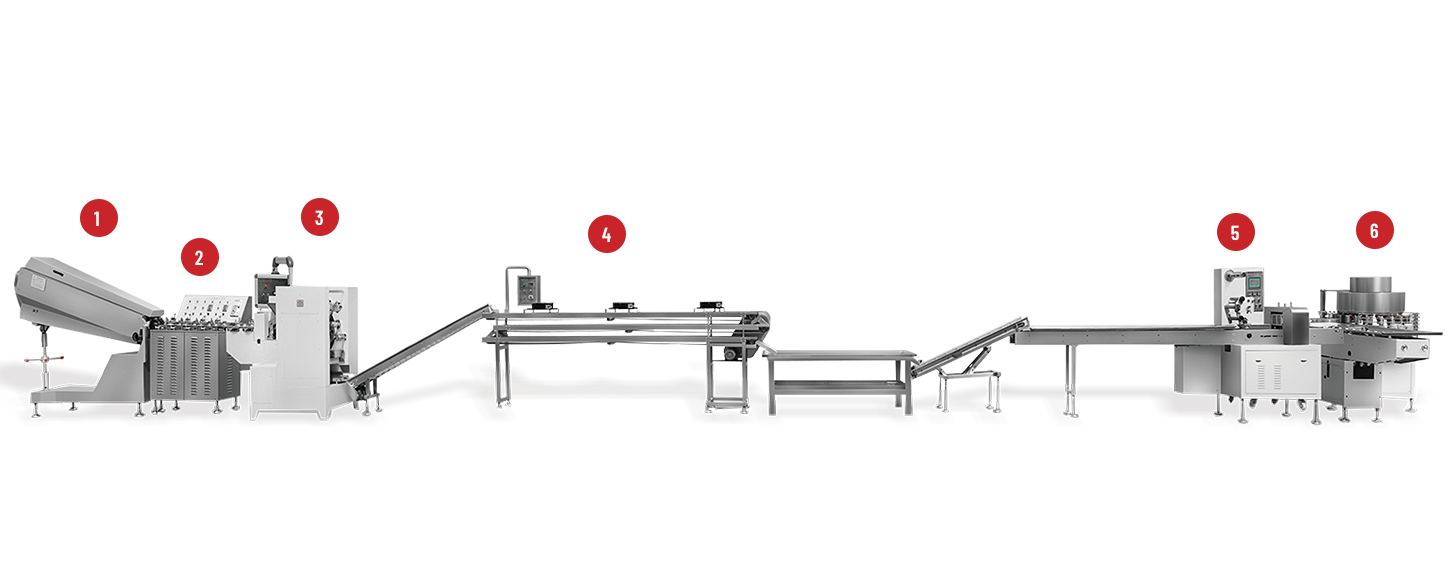
Forming tools, material feed, drive motion, operator controls and product discharge each contribute to the outline, thickness and surface of the finished candy. When these assemblies are matched to the recipe and to the required shape, the machine can support repeatable commercial production. A Candy Maker Machine is therefore chosen only after tooling capability, cleaning access and integration with the rest of the line have been confirmed. Jiangsu Flying Dragon Food Machinery Co., Ltd. manufactures candy forming equipment for confectionery production. Review of forming arrangements, material-handling methods, drive and control features and discharge design against the intended product dimensions and process flow supports selection of a machine suited to consistent shaped-candy output.
 +86-(0)515-8465666
 +86-(0)515-85566996
 +86-138 1559 9708
 flyloong@flyloongcn.com

 Home
