

 ENG
 English
 中文简体
 русский
 Français
 Español
 عربى
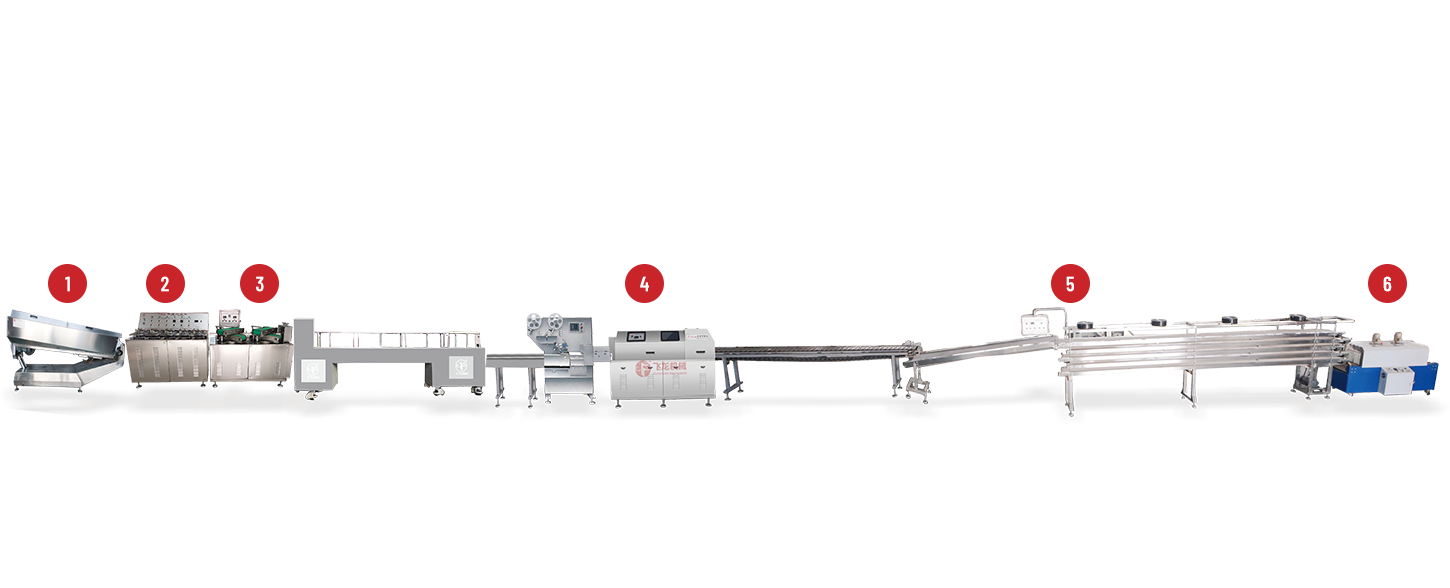
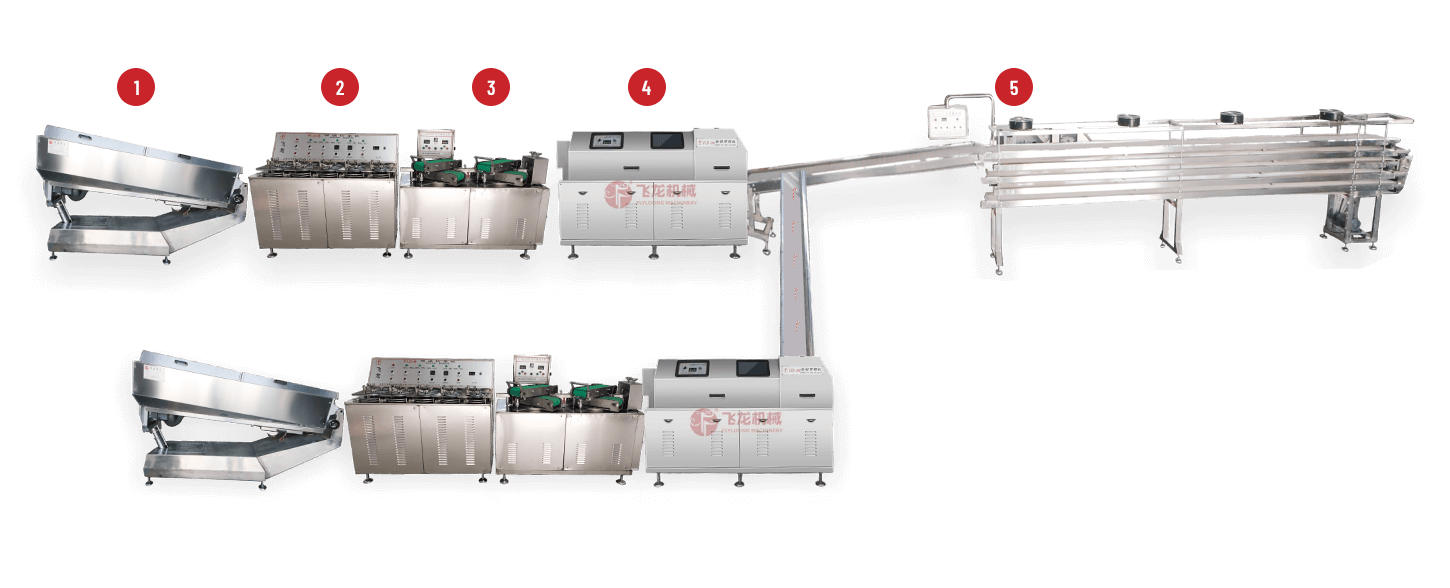
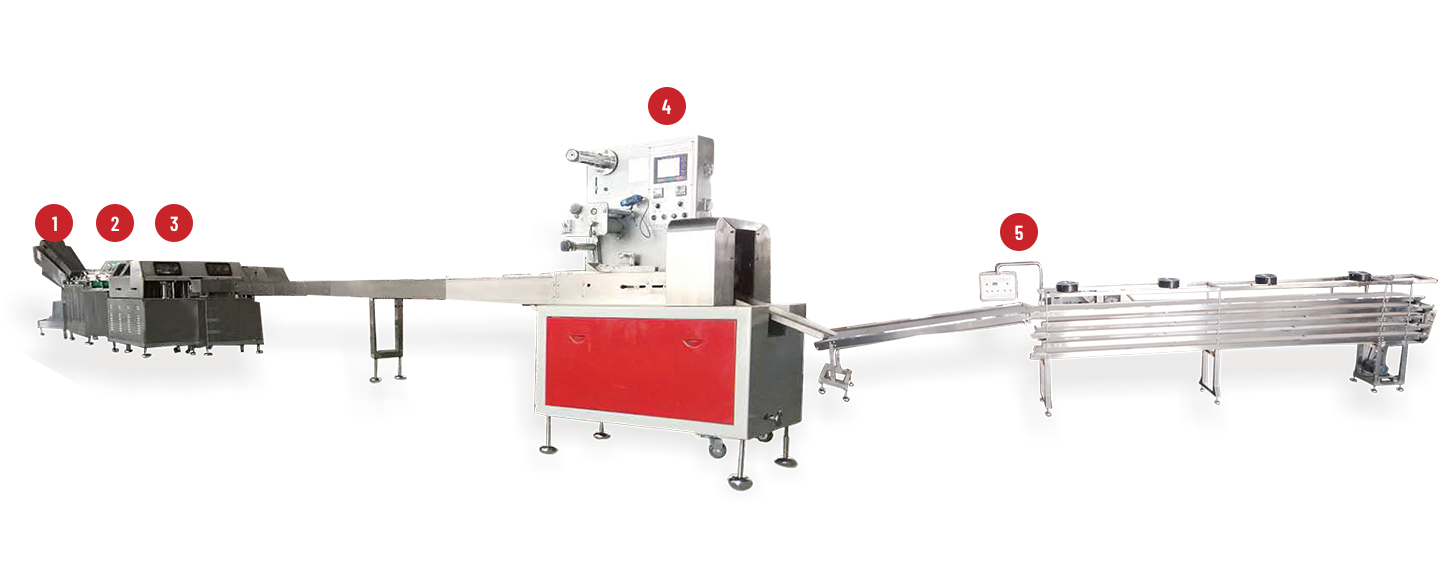
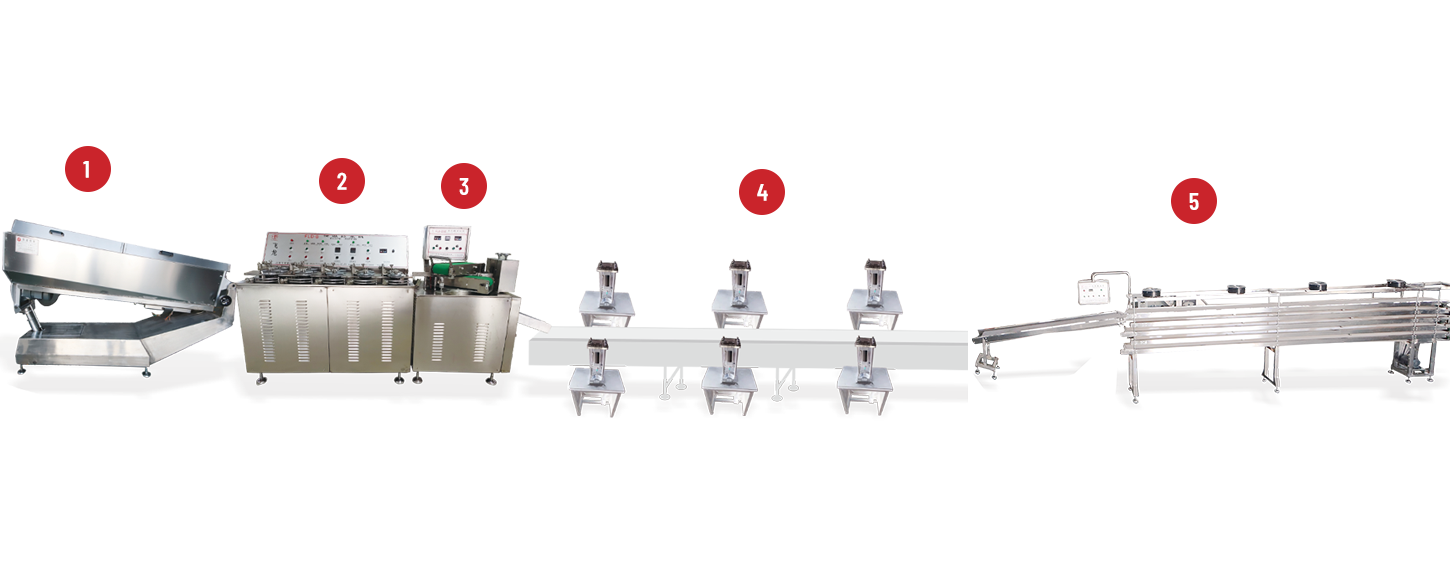
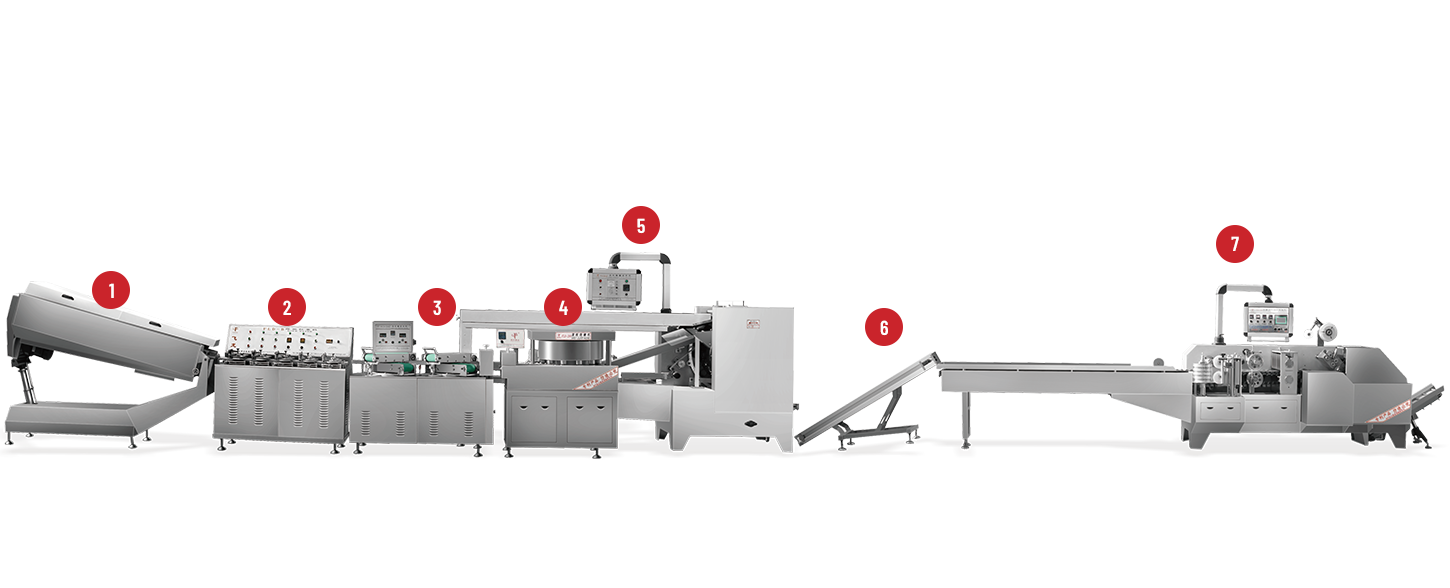
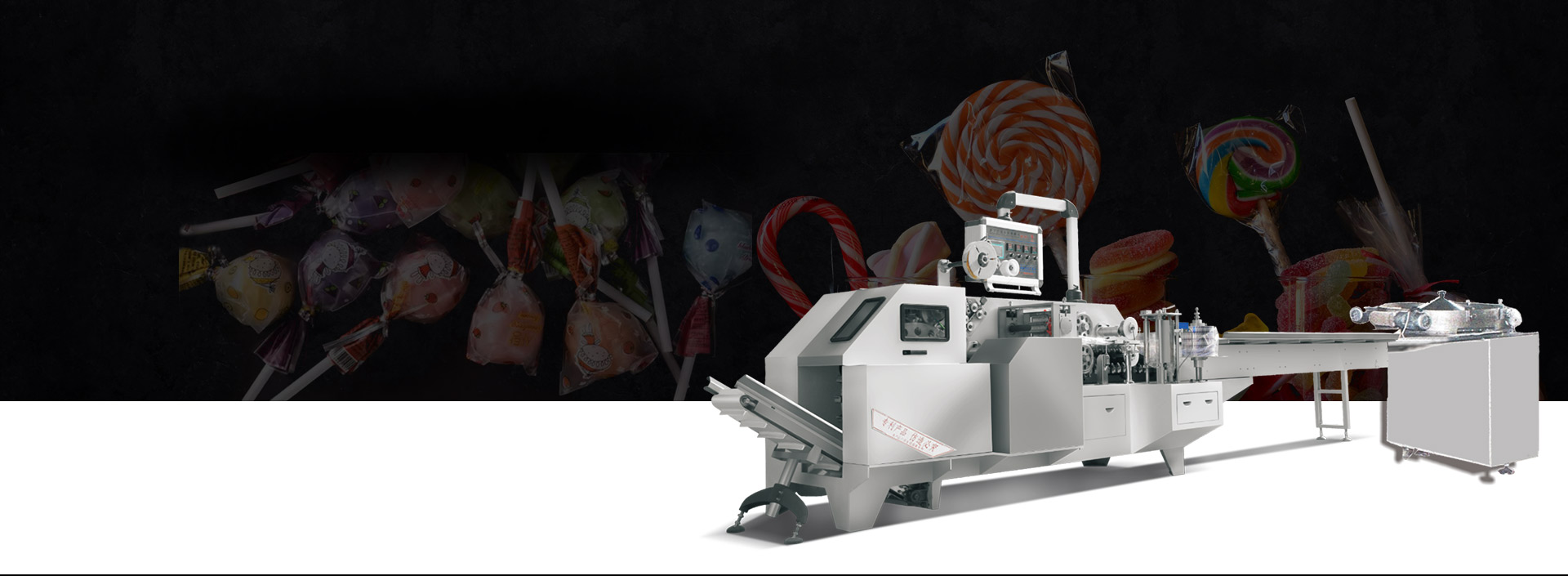
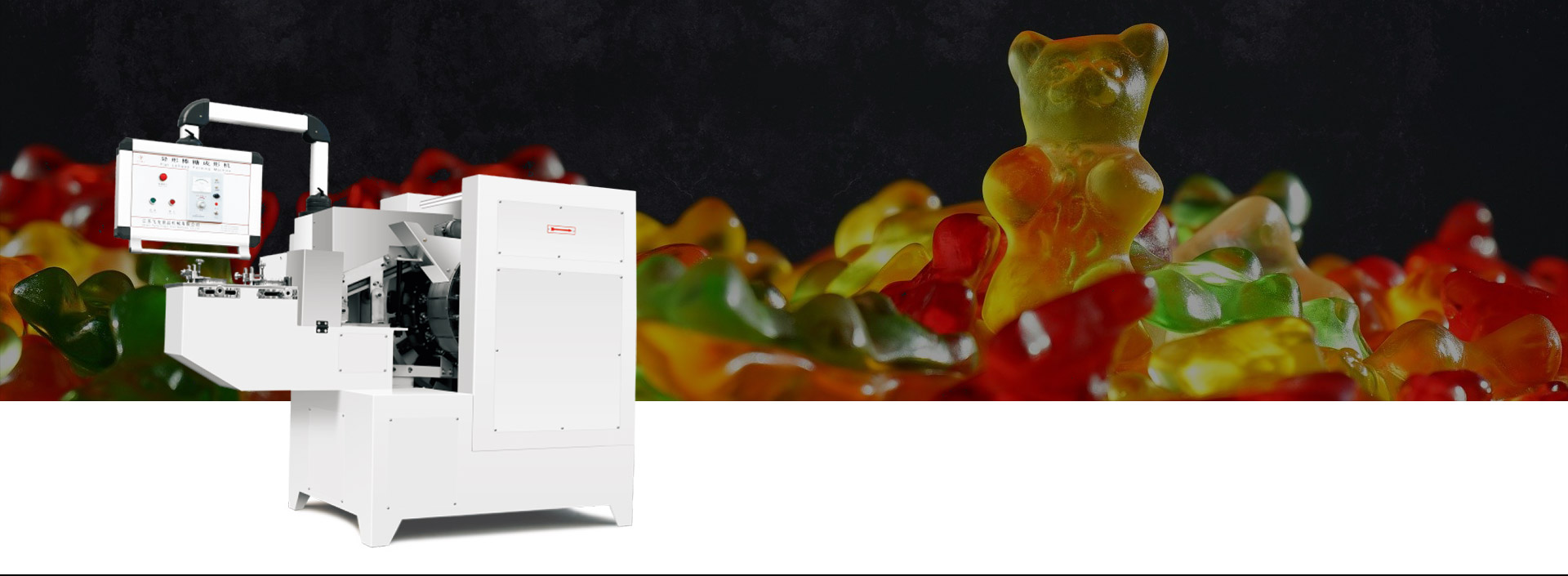
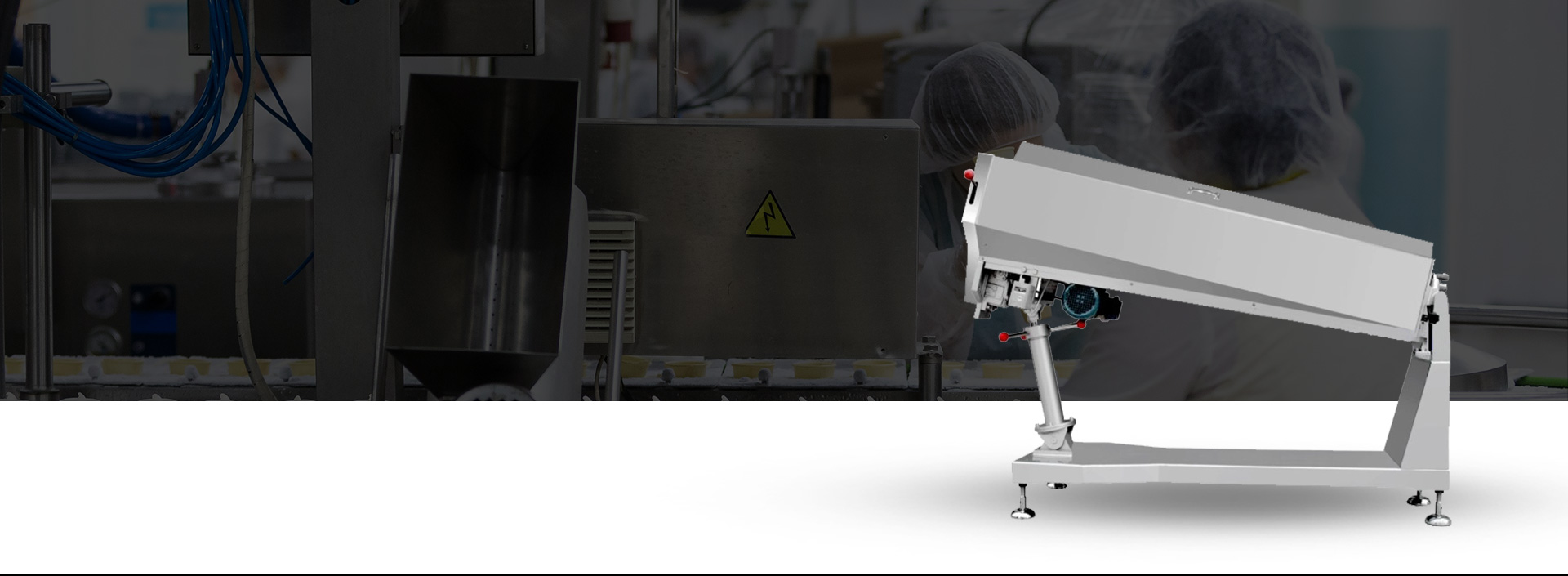
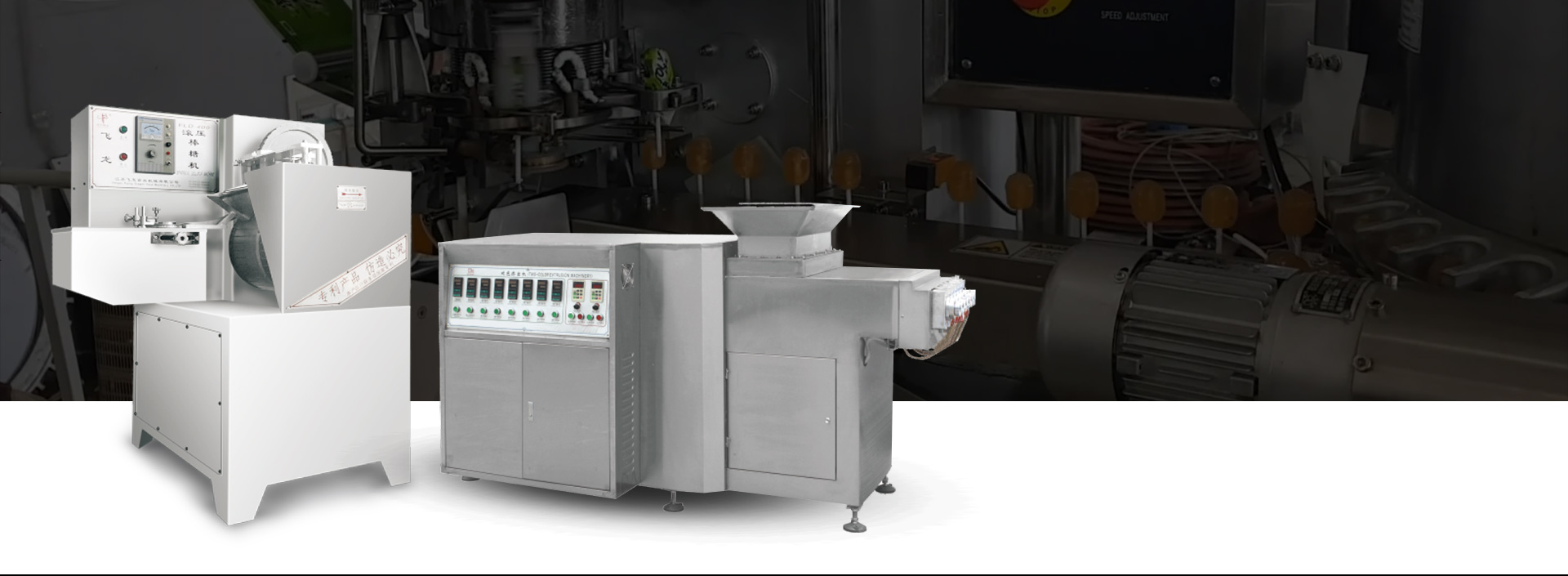
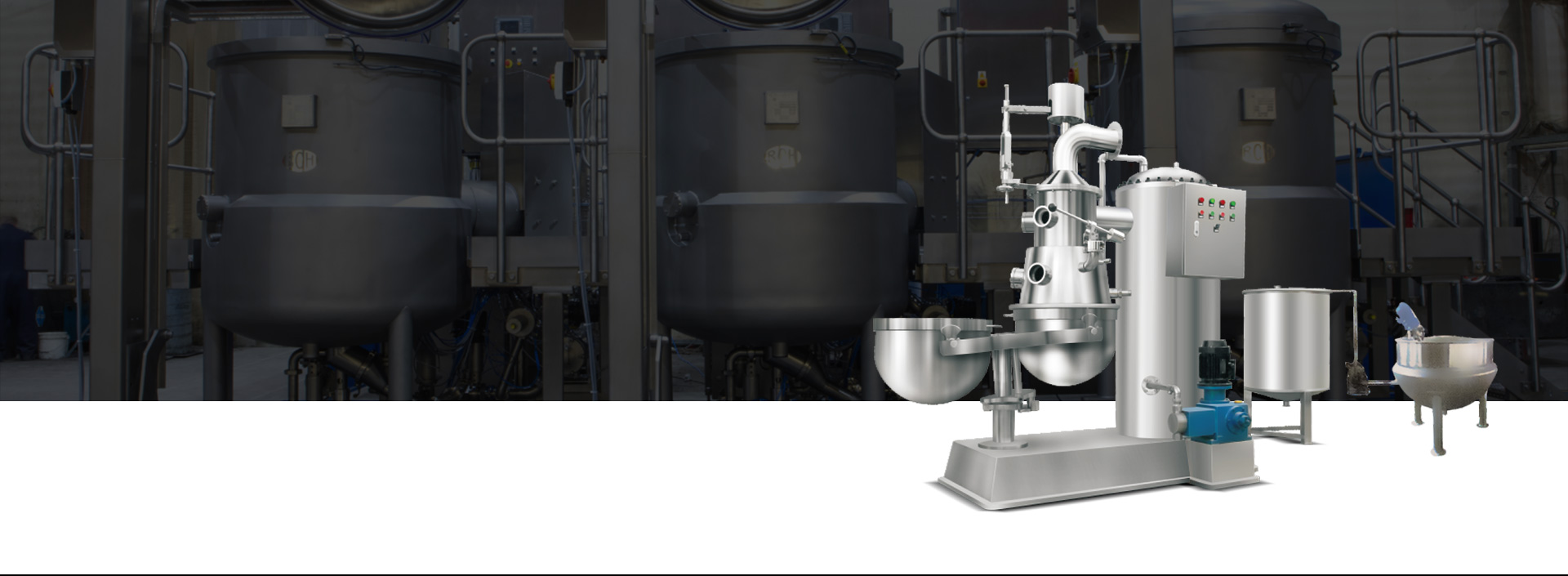
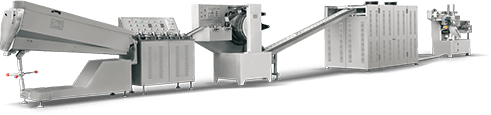
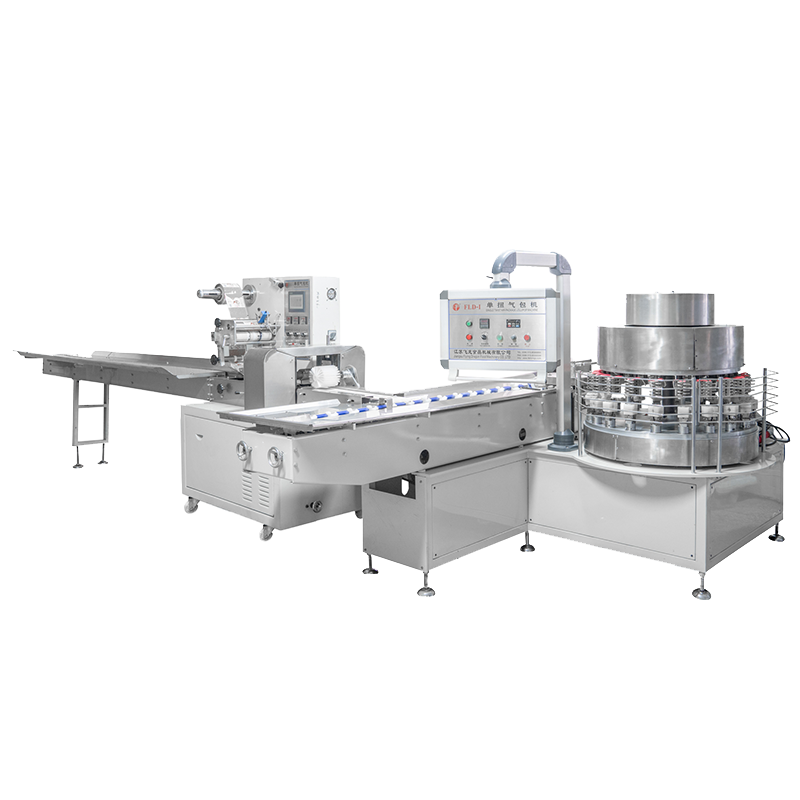
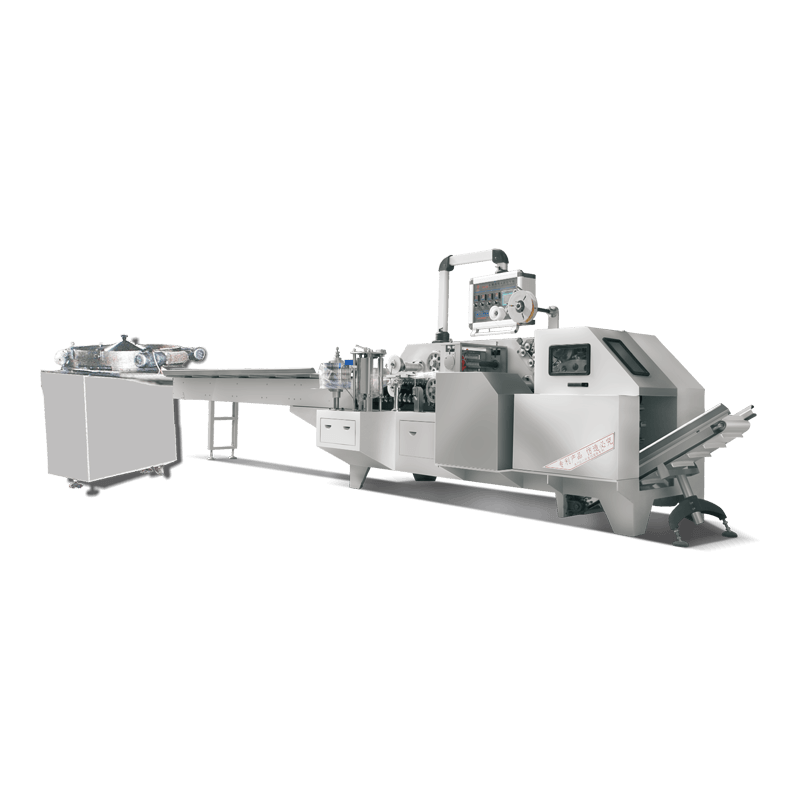
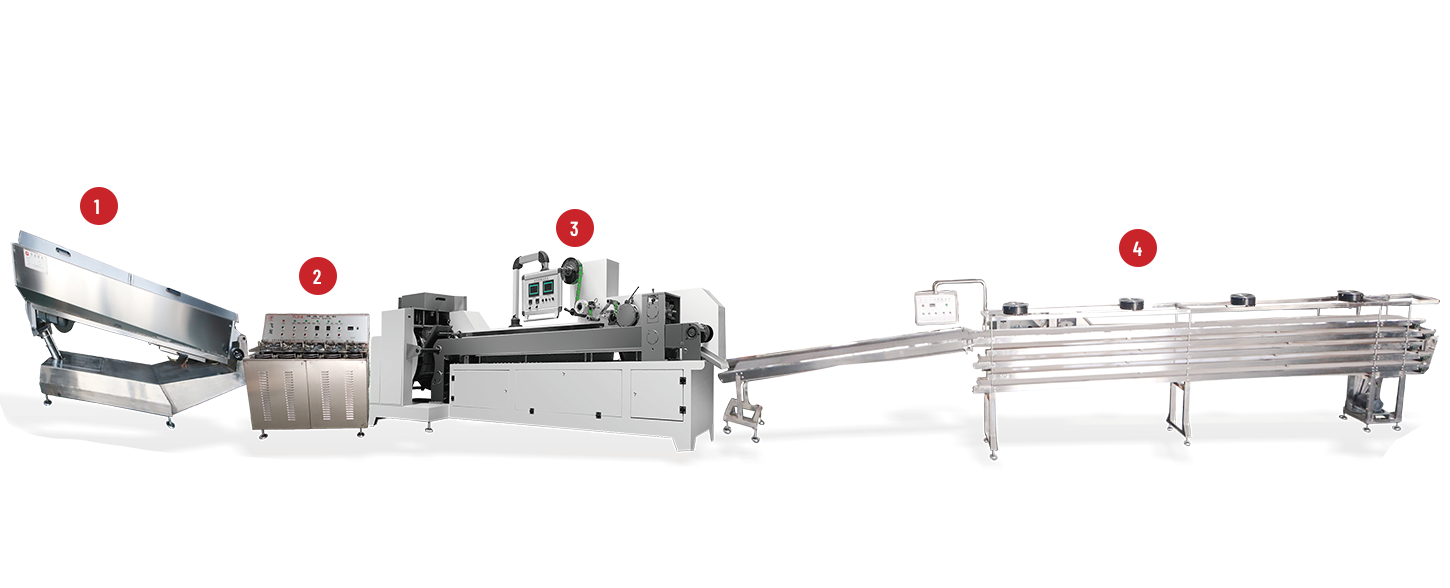
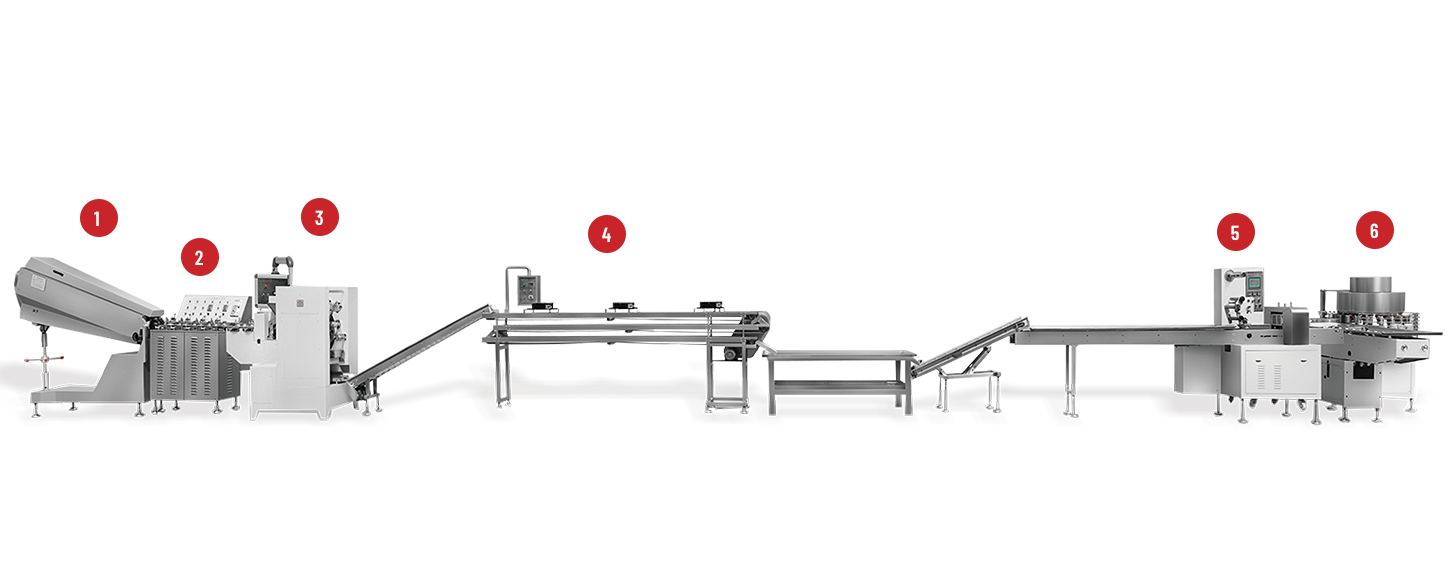
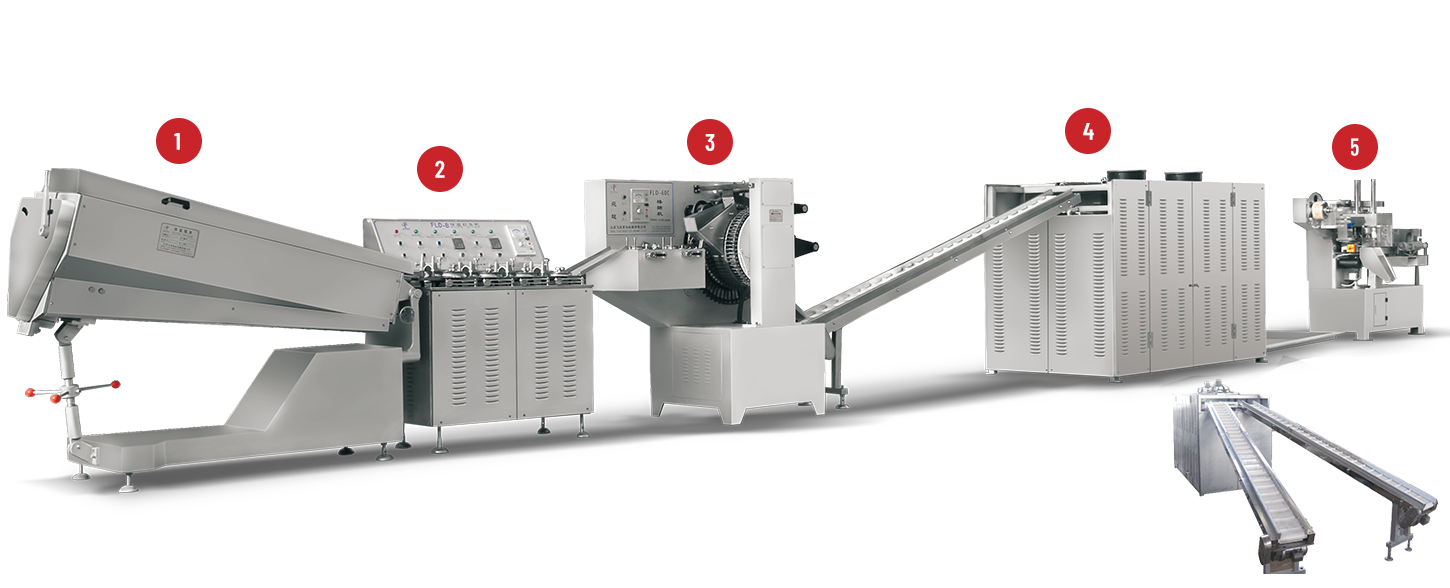
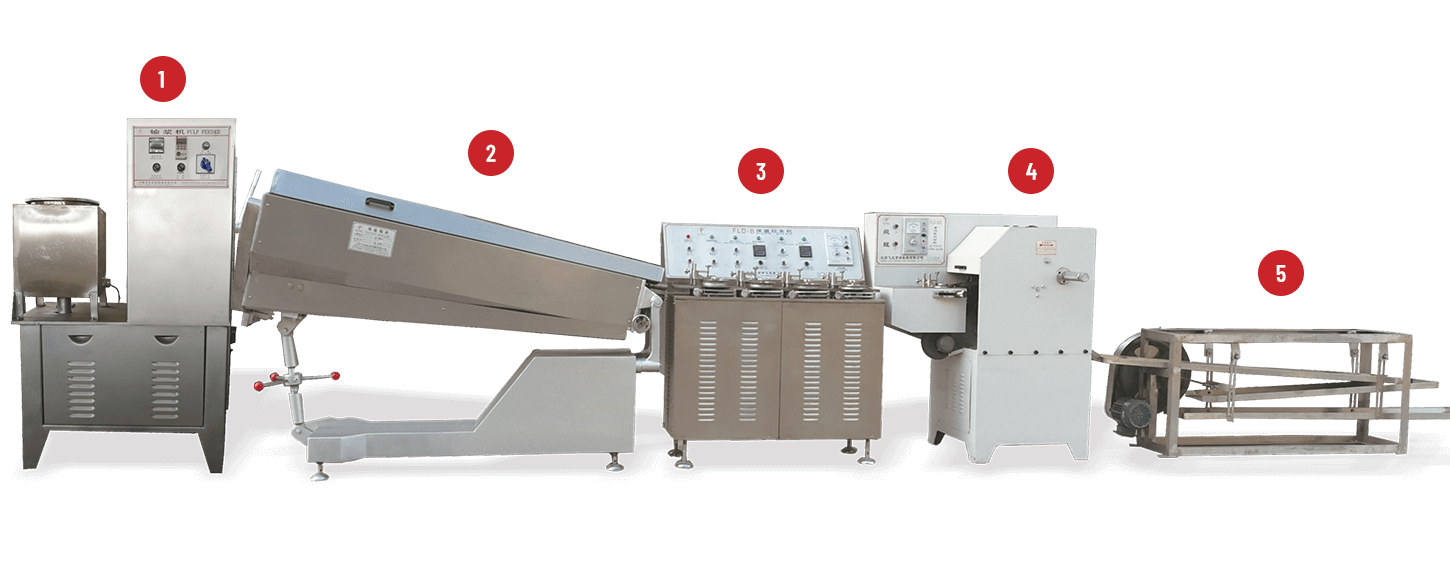
Candy cane production depends on steady control of mixture consistency, temperature, forming action, cooling rate and subsequent handling. When any of these elements drifts, the result appears as irregular hooks, uneven lengths, broken stripes, sticky surfaces or cracked pieces. Recognizing the origin of each defect and applying routine checks before and during the run reduces scrap and keeps the finished canes within the intended appearance and strength. A Candy Cane Production Line that links forming, cooling and transfer stages under consistent settings therefore provides a framework in which many of these problems can be kept under control.
Origins of Recurring Manufacturing Defects
Variation in the Candy Mass and Process Conditions
Differences in moisture content, cooking temperature or cooling rate change the plasticity of the candy at the moment it reaches the forming tools. A batch that is too soft deforms under its own weight; one that is too firm resists the intended curve and may crack. Adherence to a fixed preparation sequence limits these swings from one batch to the next.
Machine Settings That Do Not Match the Product
Forming dies, cutting lengths and belt speeds that remain at values suited to a previous size or recipe produce canes that are too long, too short or misshapen. Misaligned guides or worn components add further geometric error. Settings are therefore confirmed against the current candy specification before the run begins and are rechecked after any tool change.
Interrupted Flow Between Stages
Delays between forming and cooling leave soft canes exposed to ambient air or to contact with one another, causing to flattening or sticking. Conversely, packing pieces that have not yet firmed invites breakage. Coordinated speeds and adequate cooling capacity keep the product moving at a rate that matches its changing firmness.
Irregular Shapes and Dimensional Scatter
Typical Indicators of Forming Difficulty
Hooks that open too wide or close too tightly, lengths that vary from piece to piece, diameters that fluctuate along the cane and curves that lack symmetry all signal that the forming or cutting stage is not holding a stable geometry.
Factors That Contribute to the Variation
Incorrect die pressure or temperature, inaccurate cut-off timing, candy that has cooled unevenly before forming, and progressive wear on the forming surfaces each alter the final outline. Material that still contains air bubbles or undissolved sugar crystals behaves inconsistently under the same mechanical settings.
Steps That Restore Dimensional Control
Forming and cutting parameters are verified at the start of each shift and after every recipe or size change. Tools and contact surfaces are inspected for wear, nicks or product build-up. Candy consistency is monitored by simple hand or instrumental checks, and finished pieces are sampled at regular intervals so that drift is detected before large quantities of off-size product accumulate.
Uneven Stripes and Color Irregularities
Appearance of Stripe and Color Defects
Stripes that widen and narrow, colors that bleed into one another, or patterns that twist irregularly reduce the visual uniformity expected of the finished cane. Blurred boundaries between adjacent colors are equally noticeable once the product is cooled and packed.
Influences on Stripe Clarity
The relative volumes and temperatures of the colored portions must remain constant as they enter the forming zone. Misalignment of the feed guides or sudden changes in rope speed shift the position of the colors. Candy that is too warm at the point of combination allows the colors to migrate; candy that is too cool may fracture along the color interfaces.
Practices That Stabilize Pattern Appearance
Colored portions are prepared and held under the same conditions from batch to batch. Feed alignment and forming speeds are locked once the correct pattern is obtained. Sample canes are examined at short intervals so that any departure from the standard can be corrected by a minor adjustment rather than by later sorting.
Sticking, Surface Marks and Unwanted Deformation
Reasons Candy Adheres to Contact Surfaces
Elevated temperature at the forming or transfer stage leaves the surface tacky. Residual sugar film on belts or dies increases adhesion. Insufficient cooling before the next contact point allows the pieces to stick to one another or to the conveyor.
Sources of Surface Irregularities
Inhomogeneous candy, rough or dirty contact surfaces, and abrupt changes in direction while the product is still plastic all leave impressions or rough patches. Once the candy has set, these marks remain visible.
Measures That Limit Sticking and Distortion
Process temperatures and cooling times are held within the range established for the recipe. Contact surfaces are kept clean and free of accumulated residue. Transfer to packaging occurs only after the canes have reached a firmness that resists deformation under normal handling.
Breakage During Cooling and Subsequent Handling
Conditions That Promote Cracking or Fracture
A formulation that is brittle when cold, rapid or uneven cooling that sets up internal stress, slender cross-sections, and sharp impacts at transfer points each raise the incidence of broken pieces.
Influence of Cooling Uniformity on Mechanical Strength
Cooling that is too rapid on the outside while the core remains soft creates stress that later appears as cracks. Cooling that is incomplete leaves the candy vulnerable to bending or crushing in the packaging machine. The required cooling profile is therefore matched to the specific recipe and piece size.
Reduction of Mechanical Damage After Forming
Conveyor transitions, drop heights and packaging infeed points are examined for locations where canes strike hard surfaces or one another. Speeds of the cooling and packaging sections are balanced so that product does not accumulate or accelerate suddenly. Handling methods remain appropriate to the firmness of the finished candy.
Contribution of Systematic Maintenance to Defect Prevention
Inspection of Forming, Cutting and Conveying Elements
Alignment of guides, condition of cutting edges, tension of belts and security of fasteners are checked at planned intervals. Components that contact the candy are examined for wear profiles that could mark or mis-shape the product.
Cleaning Routines That Protect Both Hygiene and Function
Sugar residues left on surfaces attract moisture and create sticky spots that later cause sticking or surface defects. Cleaning follows the equipment instructions and the hygiene rules applicable to the facility, ensuring that food-contact areas remain free of build-up without damaging seals or finishes.
Use of Records to Trace Repeated Faults
Notes on defect type, time of occurrence, machine settings and recent maintenance actions reveal whether a problem is linked to material, process, equipment or handling. Patterns that reappear after the same adjustment or at the same shift change point to a root cause that can be addressed permanently rather than corrected repeatedly.
Support Provided by a Coherent Production Arrangement
Forming Equipment Matched to the Intended Cane Geometry
Die profiles, hook-forming mechanisms and cut-off systems must be capable of producing the required length, diameter and curve. Equipment sized or tooled for a different product range will generate persistent dimensional defects regardless of operator care.
Capacity Balance Among Forming, Cooling and Packaging
When each stage can accept the output of the preceding stage under normal conditions, queues of soft product and gaps of idle time are both reduced. Handling damage that arises from forced accumulation or from hurried transfer is thereby limited.
Design Features That Ease Cleaning and Upkeep
Accessible contact surfaces, clearly identified wear parts and complete technical documentation shorten the time needed for sanitation and for replacement of worn components. Reliable supply of spare parts and clear maintenance guidance further reduce the likelihood that deferred upkeep will become a source of recurring defects.
Overview of Frequent Defects, Origins and Preventive Actions
| Observed Defect | Typical Contributing Factors | Preventive Focus |
|---|---|---|
| Irregular shape or length | Incorrect forming settings, worn tools, variable candy firmness | Pre-run setting checks, tool inspection, consistency monitoring |
| Uneven or blurred stripes | Inconsistent colored feeds, misalignment, temperature drift | Standardized color preparation, locked alignment, frequent sampling |
| Sticking to belts or dies | High surface temperature, sugar residue, insufficient cooling | Temperature control, scheduled cleaning, adequate cooling time |
| Surface marks or deformation | Rough contact surfaces, handling while still plastic | Clean, smooth surfaces, transfer only after firming |
| Cracking or breakage | Uneven cooling, impact at transfers, brittle formulation | Uniform cooling profile, smooth transfer points, matched handling |
| Recurring defects after correction | Unrecorded adjustments, deferred maintenance | Systematic logging, planned inspection and cleaning |
Linking Process Control and Equipment Choice to Stable Output
Most candy cane defects arise from drift in material condition, from machine settings that no longer match the product, from inadequate cooling or from handling that occurs before the candy has firmed. Routine verification of settings, standardized operating sequences and planned maintenance reduce the frequency of these faults. Jiangsu Flying Dragon Food Machinery Co., Ltd. supplies forming, cooling and related equipment for candy cane manufacture. Review of available line configurations, tooling options, accessibility for cleaning and maintenance support against the required cane dimensions and output volume allows selection of an arrangement that supports consistent and controllable production.
 +86-(0)515-8465666
 +86-(0)515-85566996
 +86-138 1559 9708
 flyloong@flyloongcn.com

 Home
