

 ENG
 English
 中文简体
 русский
 Français
 Español
 عربى
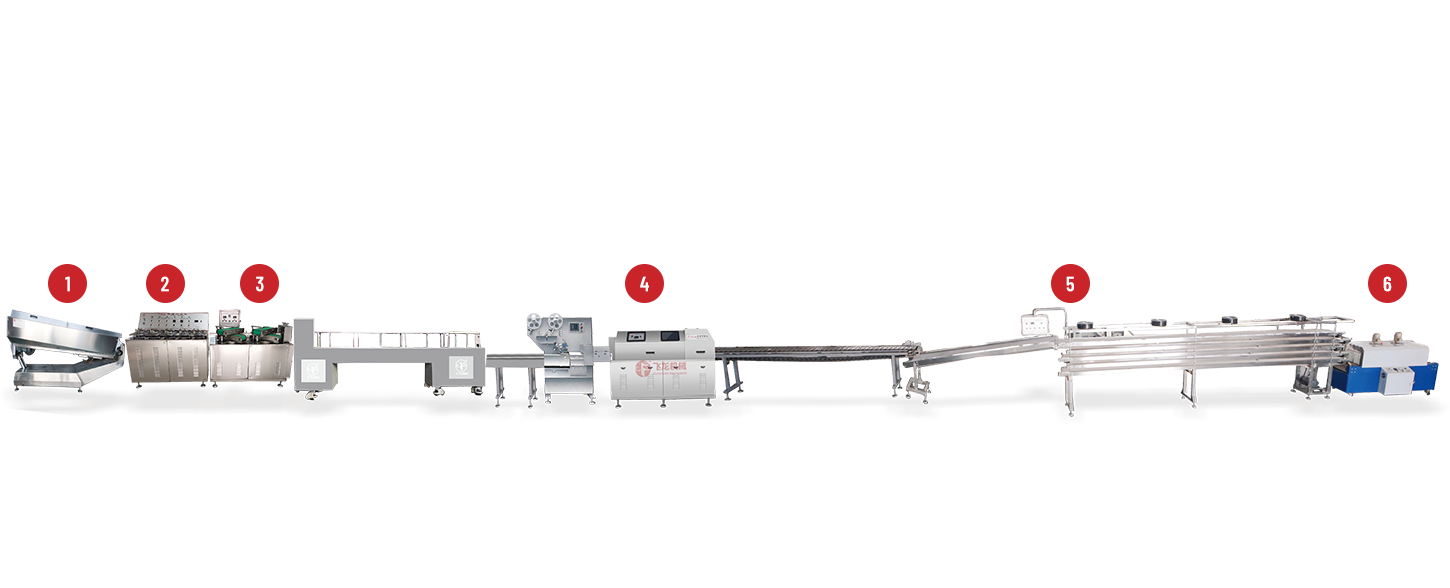
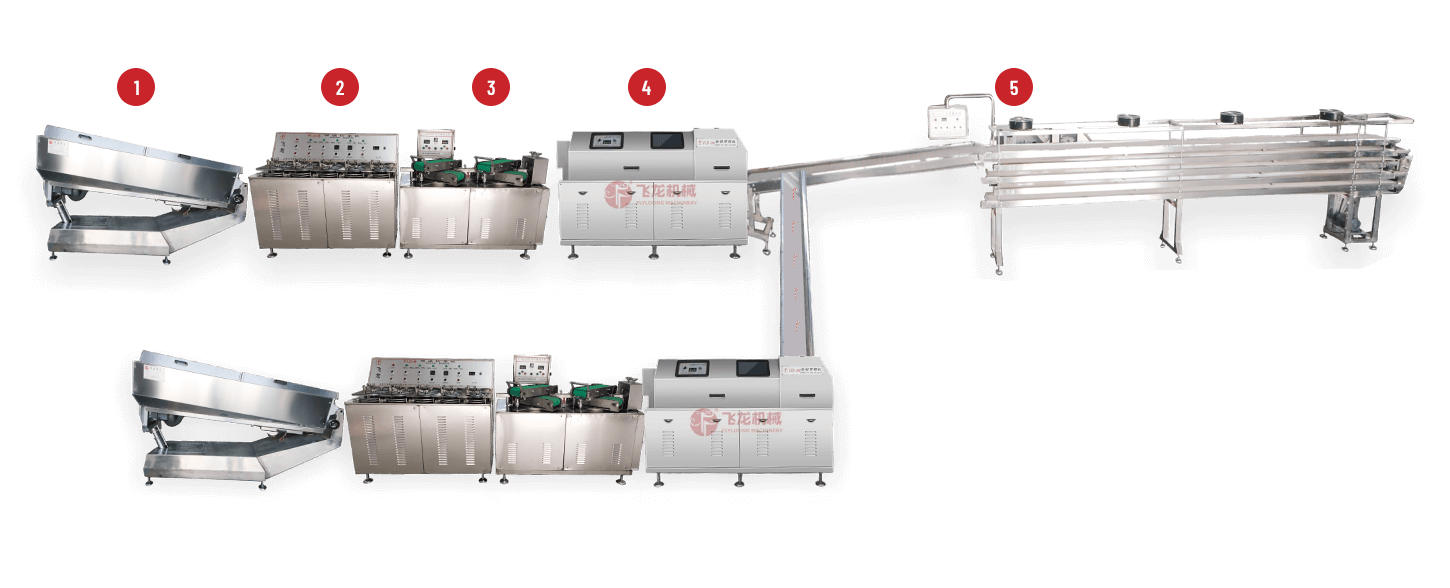
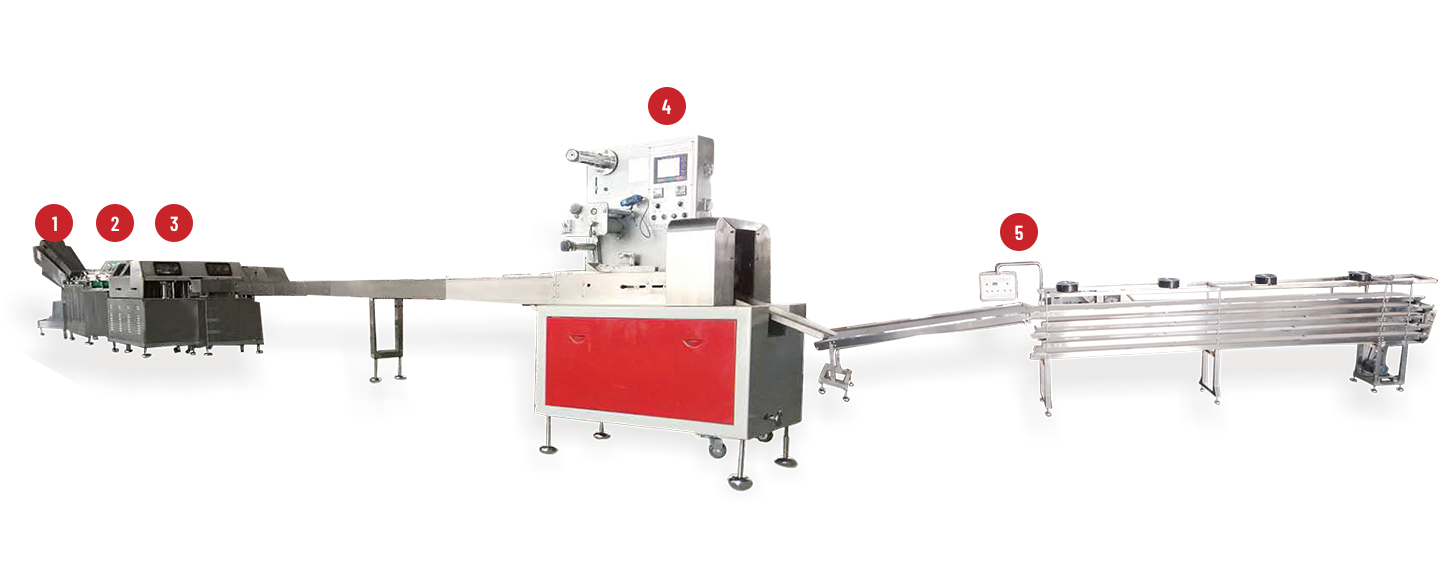
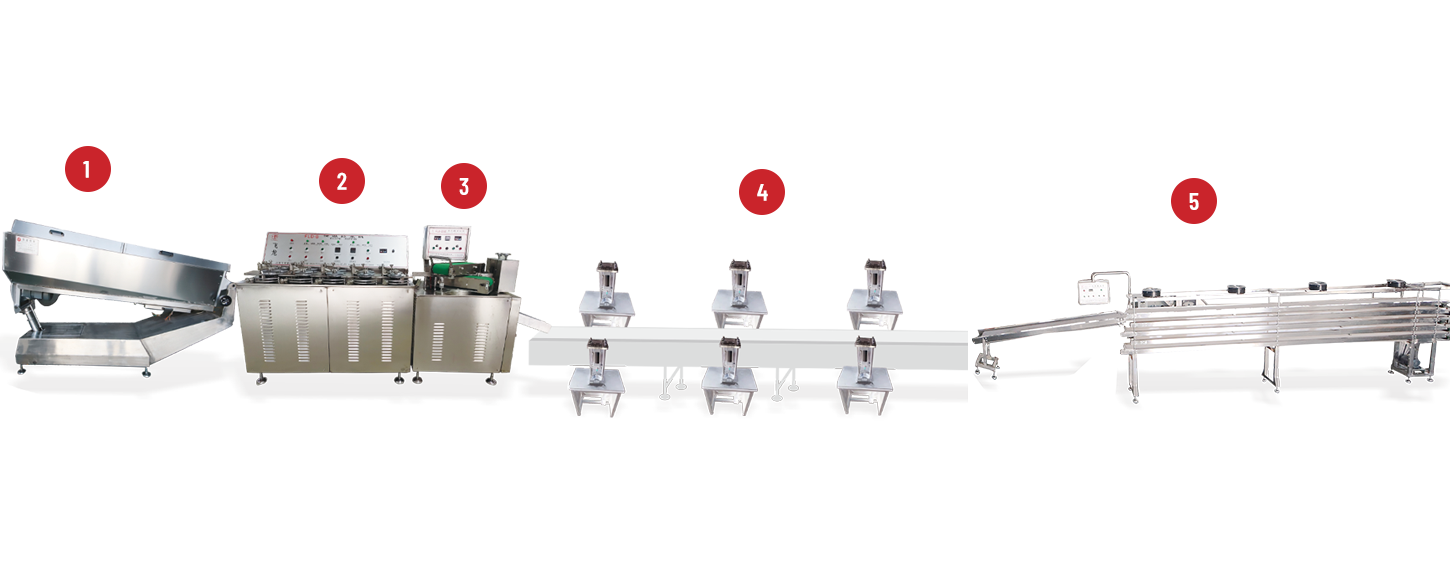
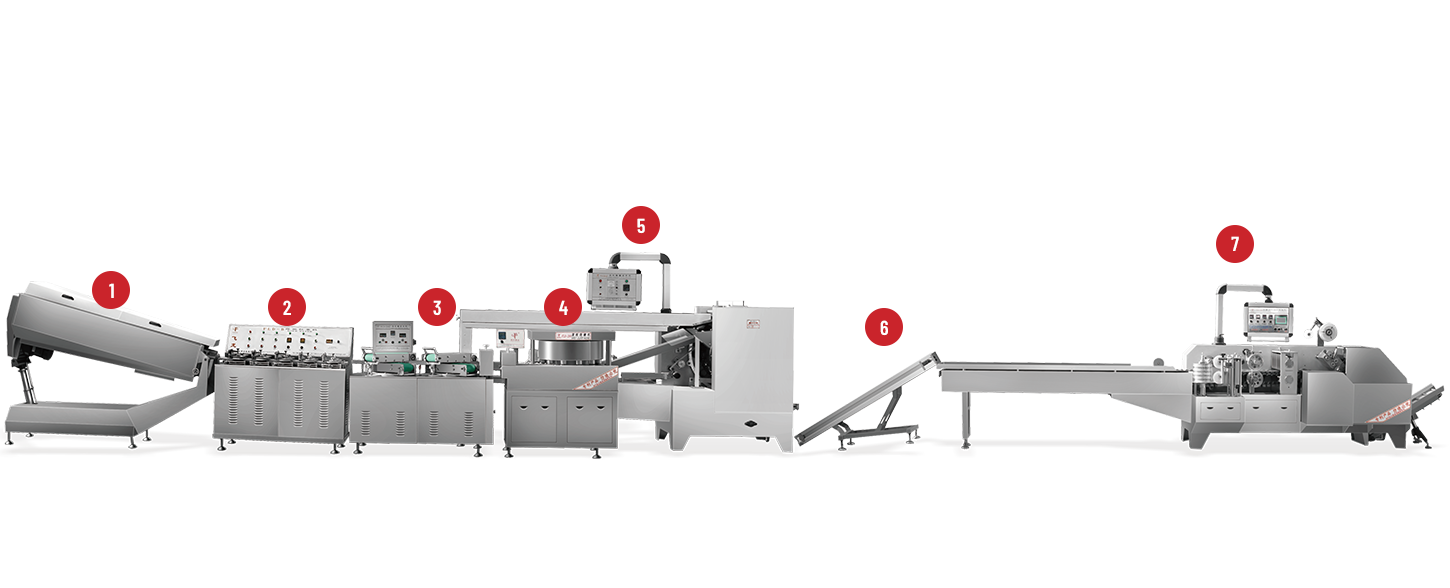
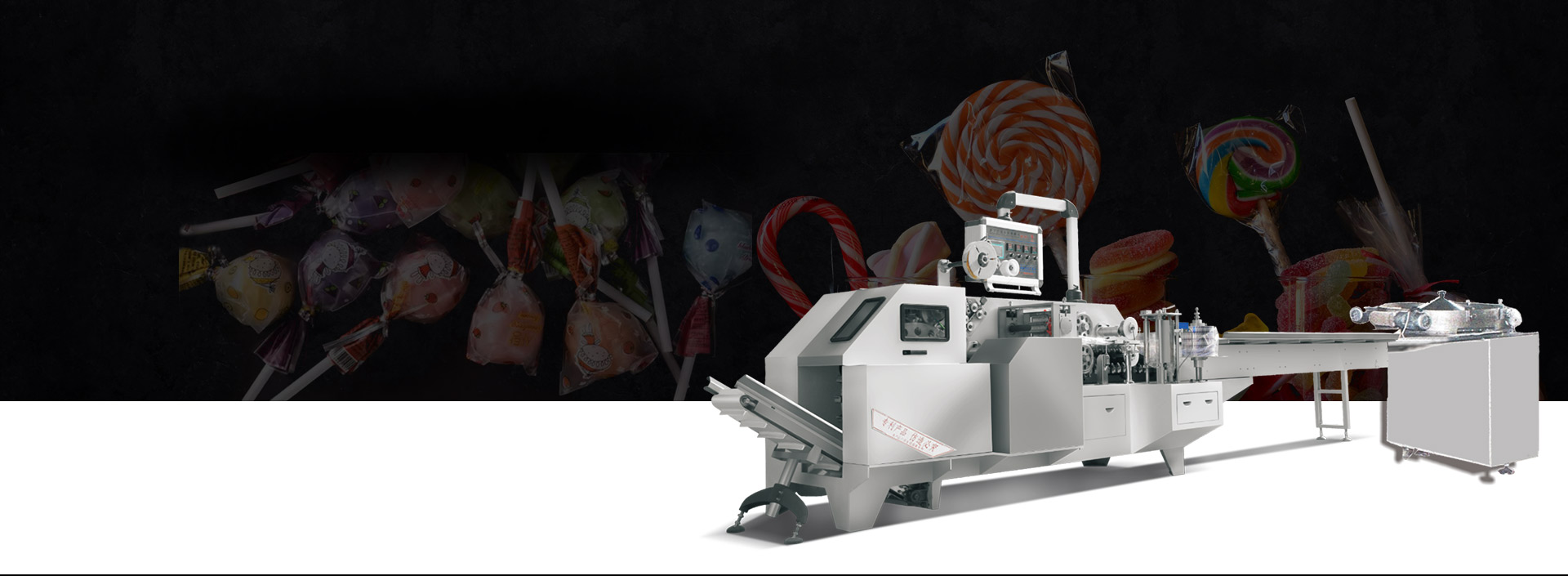
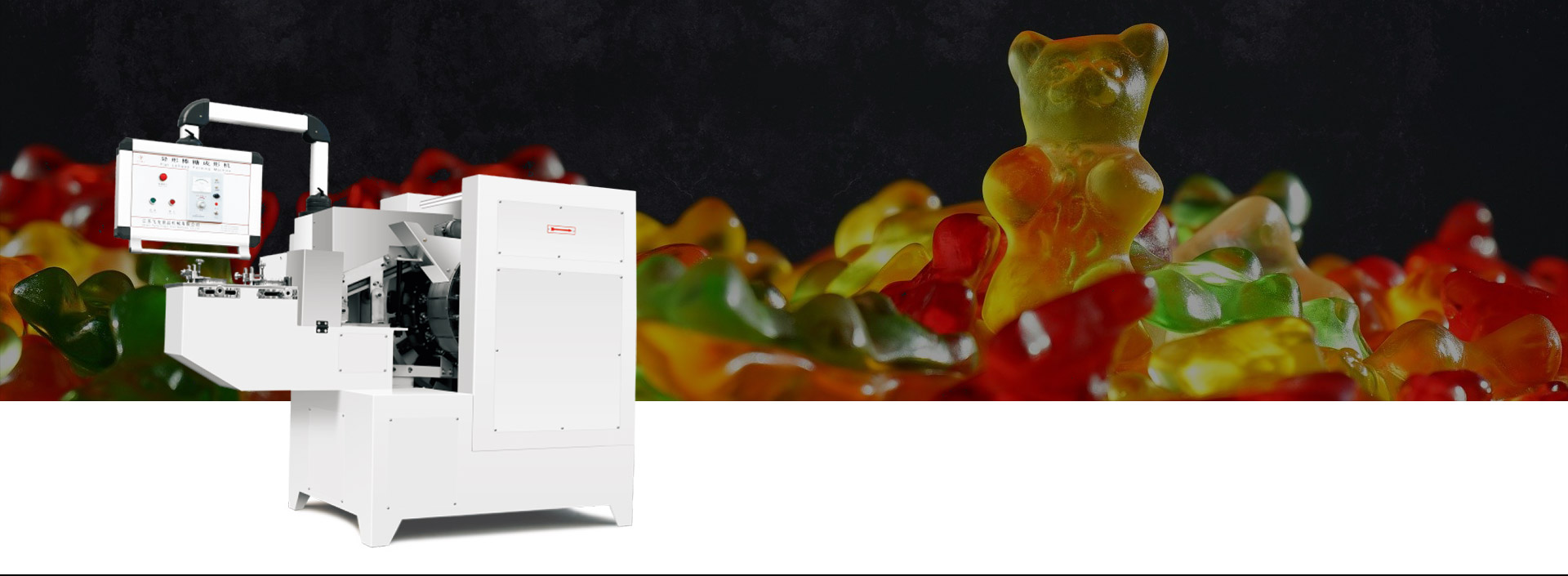
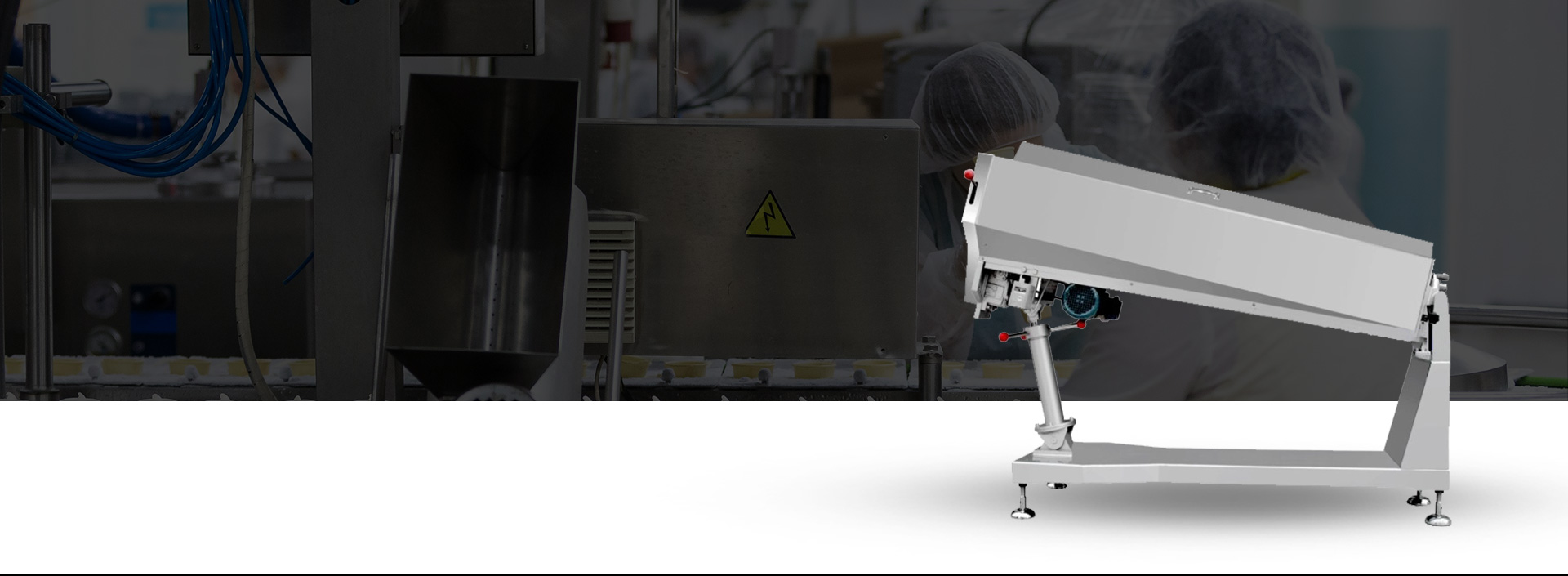
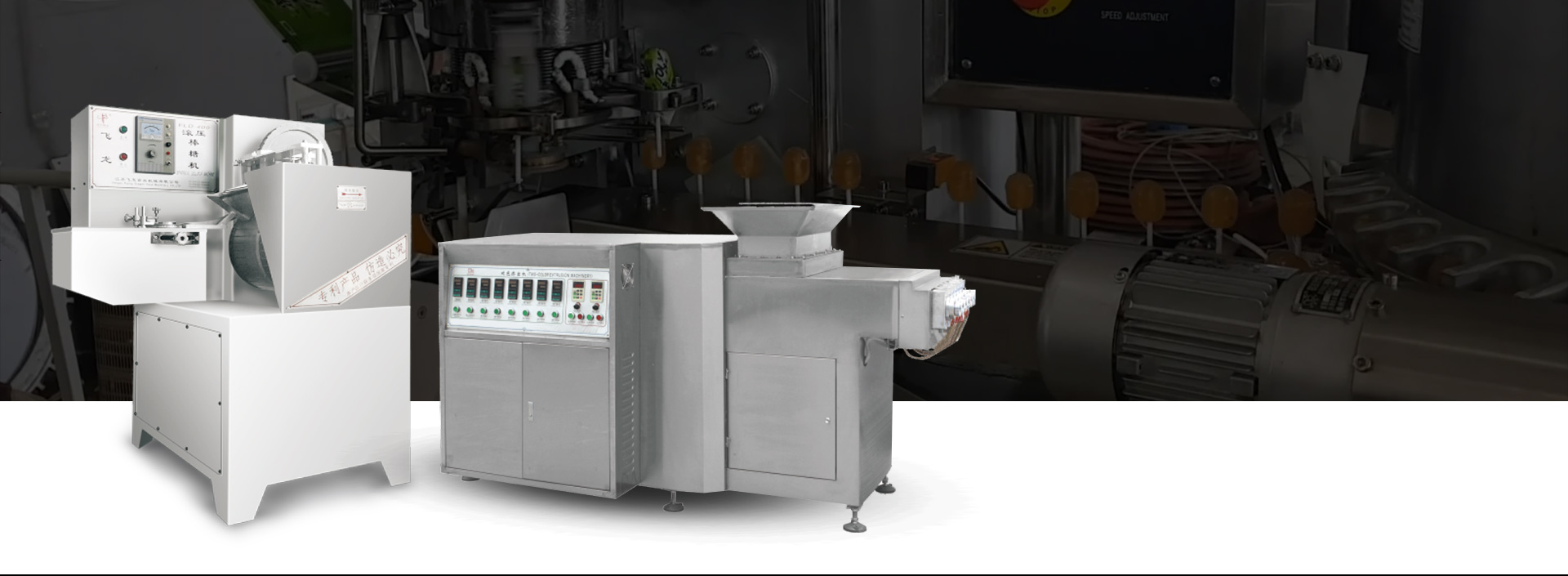
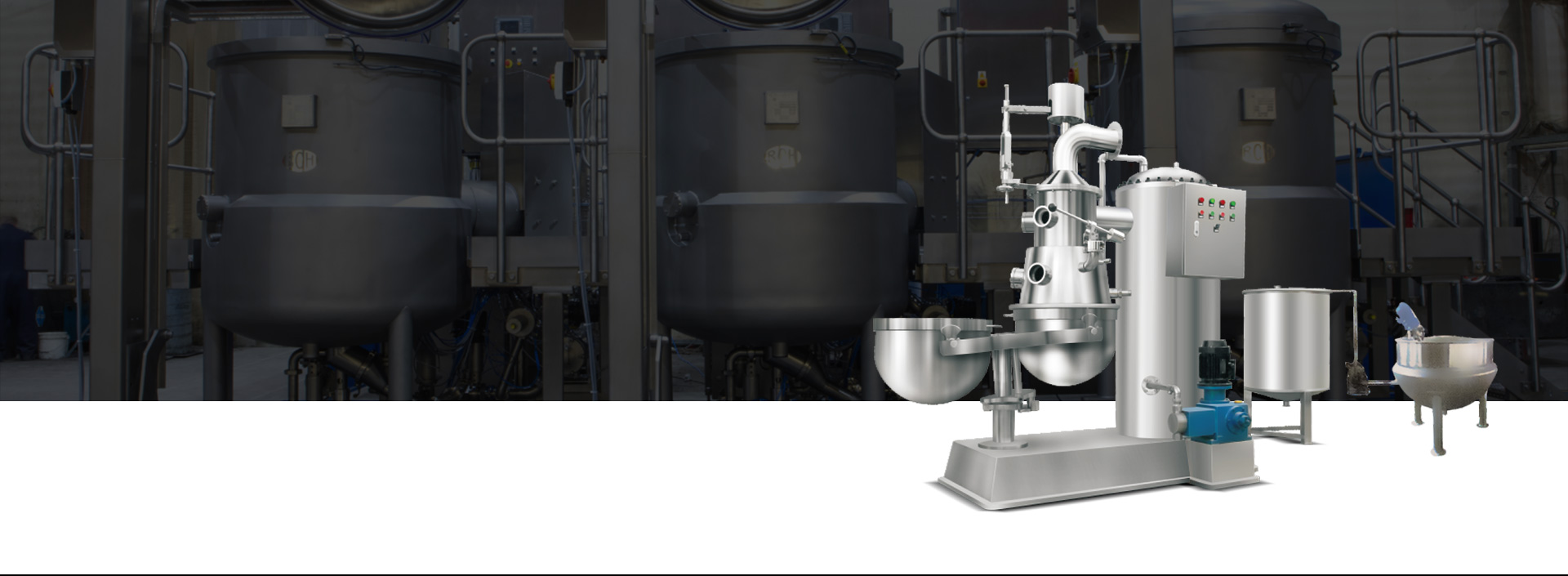
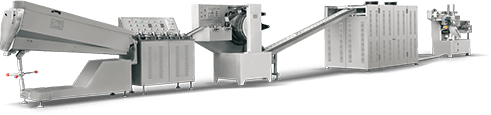
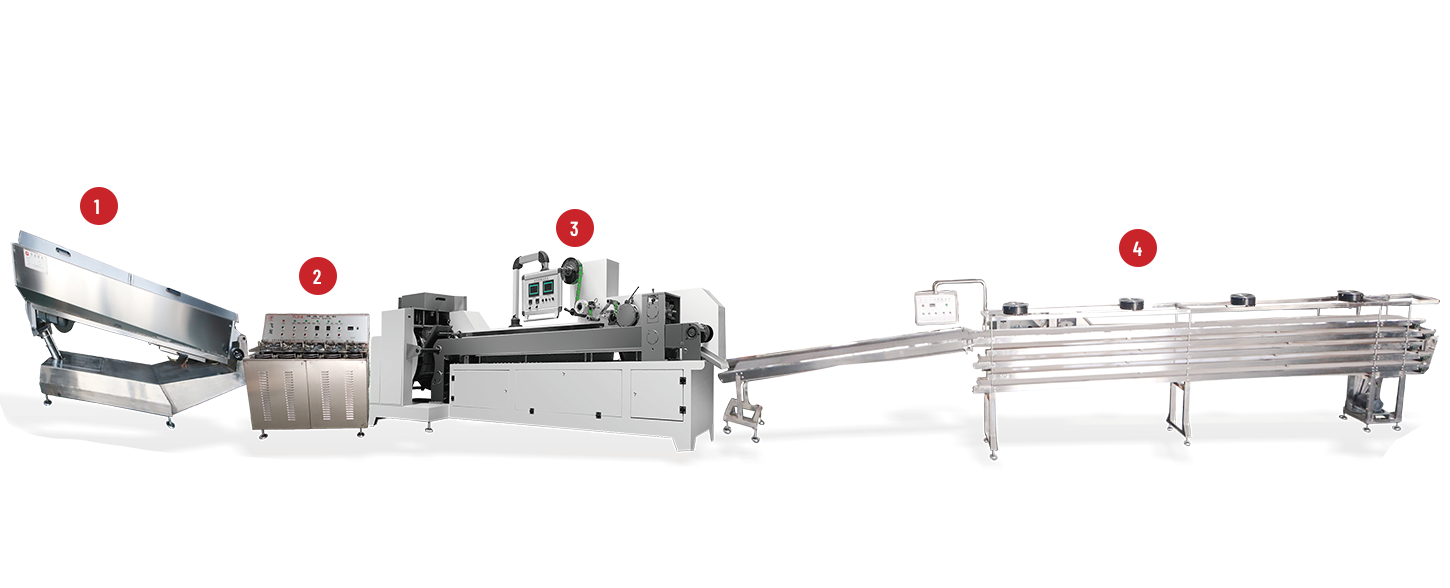
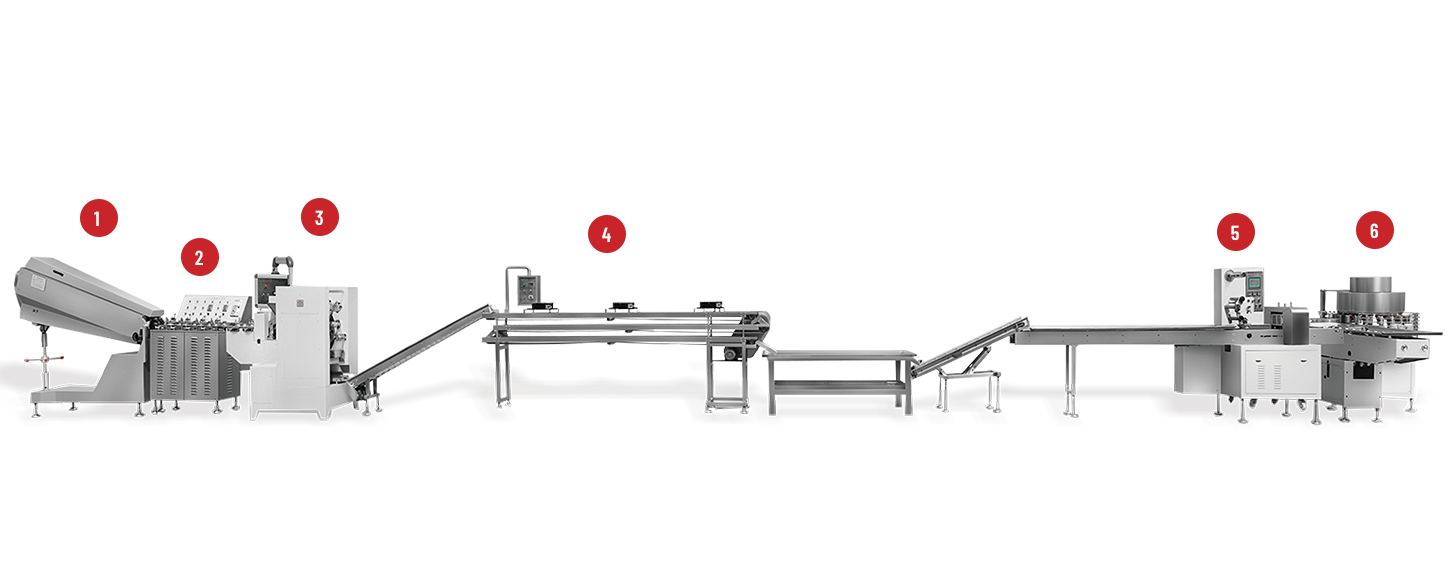
Confectionery producers face continuous pressure to deliver uniform product appearance and stable output. Manual transfer of soft candy between separate forming, cooling and packing stations introduces variation in timing, shape and surface condition. Linking these stages into a continuous flow reduces the number of times the product is touched and keeps each machine working at a compatible rate. A Candy Cane Production Line that coordinates forming, conveying, cooling and packaging therefore offers a practical route to steadier throughput when the equipment capacities and product specifications are matched.
Meaning of Automation Within Candy Cane Processing
Shift from Isolated Machines to Connected Stages
Operating each machine as an independent unit leaves gaps where product must be moved by hand or by temporary conveyors. Timing mismatches create either queues or idle waiting. An integrated arrangement replaces those gaps with fixed transfer paths so that the output of one stage becomes the input of the next without intermediate storage.
Principal Automated Operations Along the Line
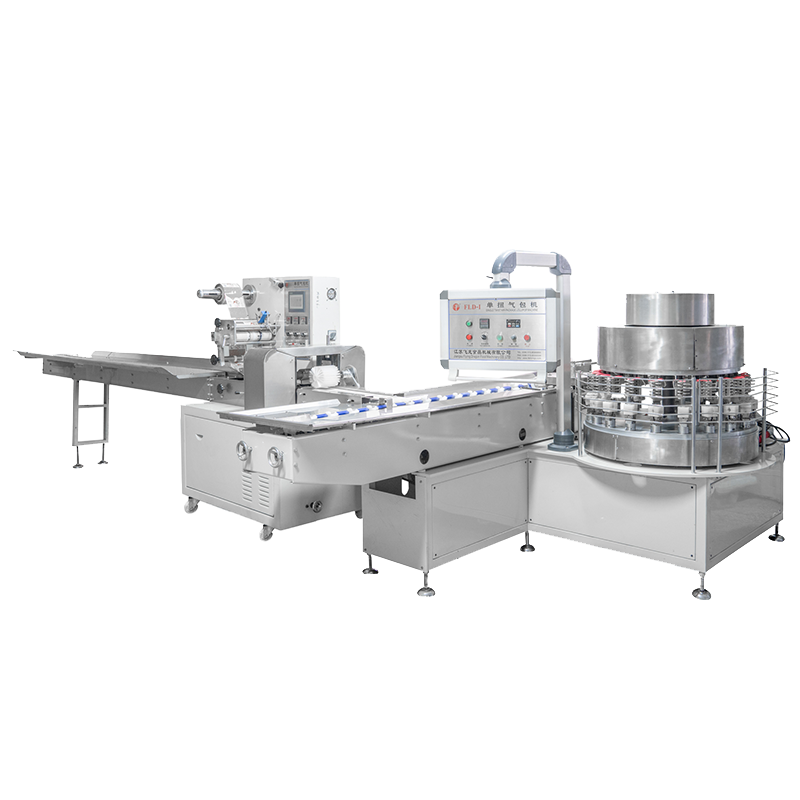
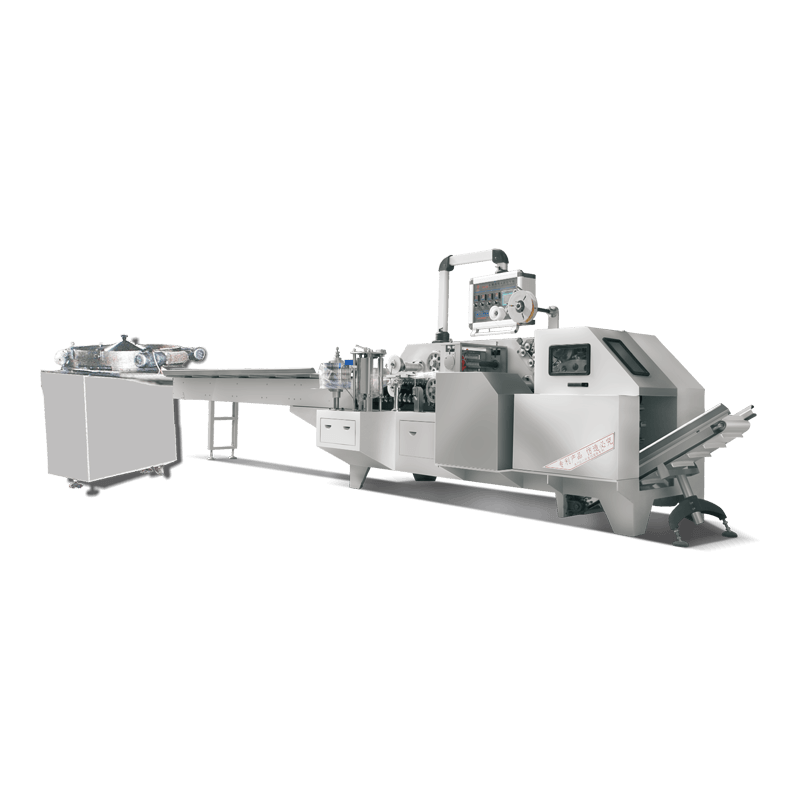
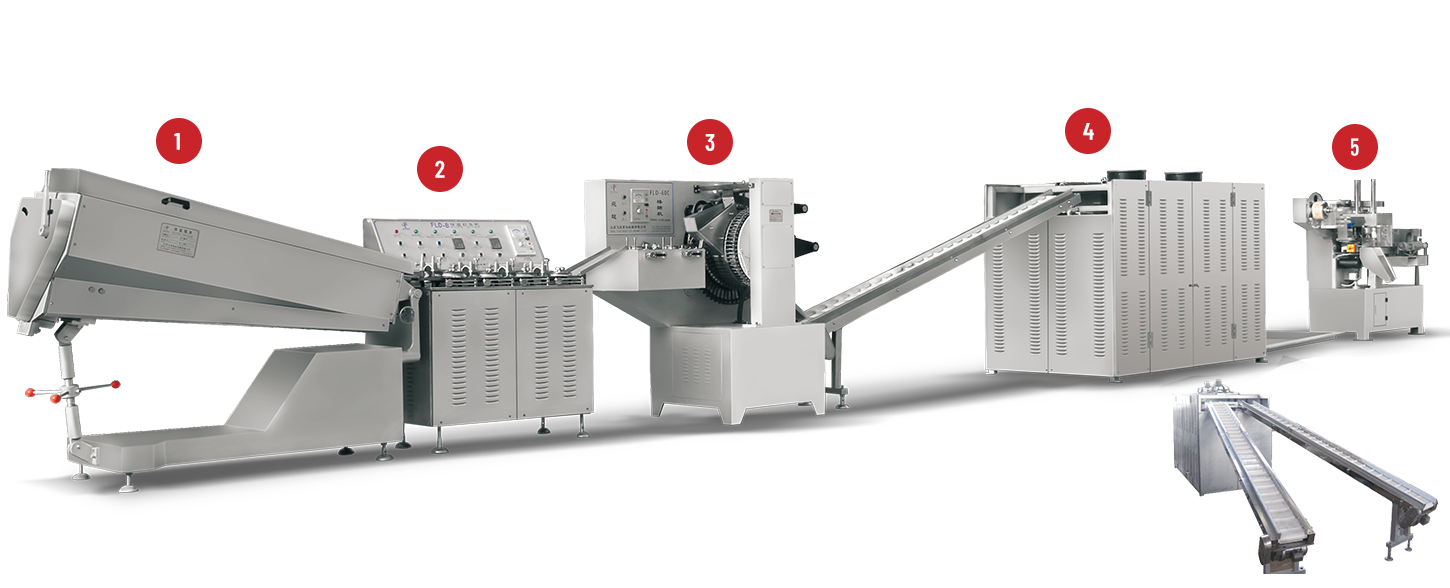
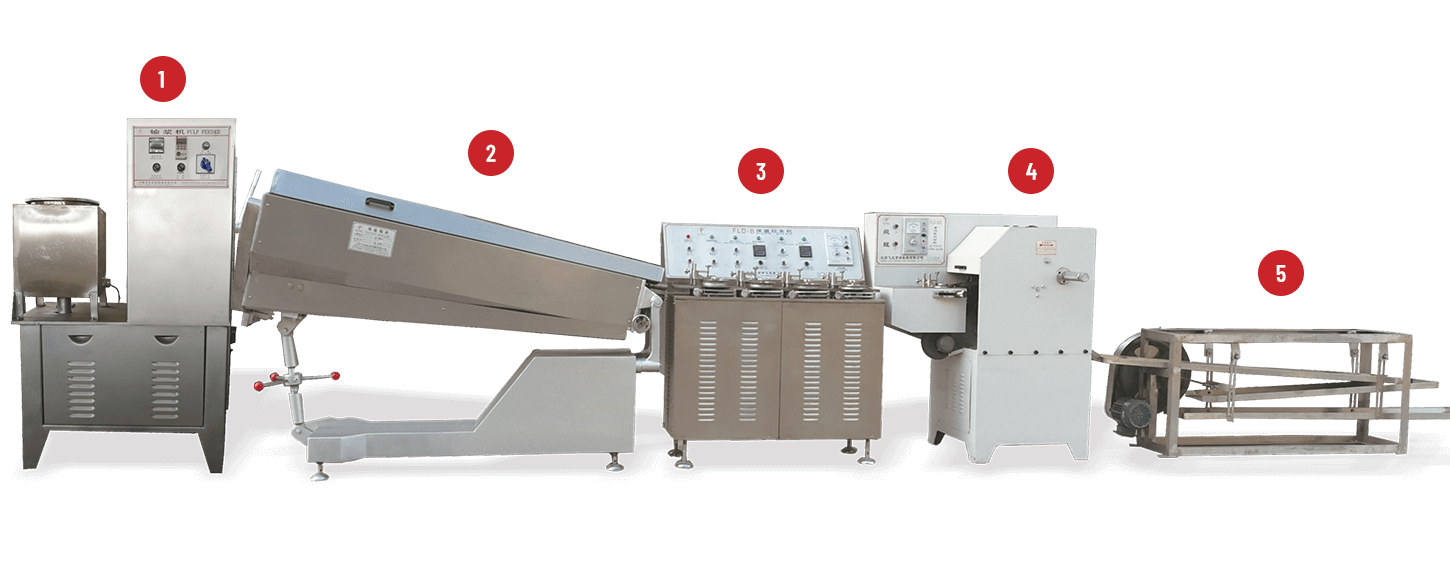
Forming equipment shapes the rope of candy into the familiar cane profile and applies any required twist or stripe pattern. Cutting stations divide the continuous rope into individual pieces of set length. Conveyors carry the pieces through cooling zones where the candy firms sufficiently for handling. Packaging machines then wrap or bag the cooled product. Each of these steps contributes to the uninterrupted movement of candy from the cooker or batch roller to the finished pack.
Efficiency Gains Produced by Continuous Flow
Reduction of Manual Transfers Between Stages
Every time soft candy is lifted, placed or realigned by hand, the risk of deformation and surface marks rises and the overall cycle lengthens. Automated conveyors and timed transfer devices keep the product moving in a single orientation, eliminating repeated handling and the associated pauses.
Alignment of Machine Speeds Across the Line
Forming, cooling and packaging units must advance product at rates that neither starve nor overfill the next station. When speeds are set to a common production rhythm, waiting time shrinks and the formation of bottlenecks is limited. Adjustments at one machine are reflected in the settings of the others so that the entire sequence remains balanced.
Stabilization of Repeated Production Cycles
Once mechanical movements and process parameters are fixed, each successive batch follows the same path and timing. Operators monitor rather than continually intervene, and the variation that arises from differing manual techniques is reduced. Larger production runs therefore remain closer to the established standard.
Contribution of Automation to Product Consistency
Control of Shape and Dimensional Uniformity
Forming and cutting mechanisms that operate under steady speed and pressure produce canes whose length, curvature and thickness stay within the intended range. When a new size or pattern is required, the relevant settings are changed and then locked so that the new standard is held for the duration of the run.
Preservation of Stripe Alignment and Surface Pattern
Colored stripes and twisted effects depend on the relative speeds of the candy ropes and on the geometry of the forming tools. Controlled feed and synchronized twisting help keep the visual pattern regular. Final appearance still depends on the formulation, the temperature at forming and the design of the tooling itself.
Limitation of Defects Caused by Handling
Once the cane has been formed, further contact can distort the curve or smudge the surface. Conveyors and cooling belts that support the product evenly reduce the need for manual repositioning. Adequate cooling time before packaging further lowers the chance of deformation inside the wrapper.
Reduction of Delays and Avoidable Material Loss
Recognition of Capacity Imbalances Along the Line
A forming machine that outpaces the cooling conveyor creates a queue of soft product; a packaging unit that runs slower than the cooling belt leaves gaps. Mapping the capacity of every stage reveals these mismatches before they appear as chronic bottlenecks. Line design therefore treats the sequence as a single system rather than a collection of separate capacities.
Lower Incidence of Rework and Scrap
Stable temperatures, consistent forming pressure and routine visual or dimensional checks catch deviations early. Product that would otherwise continue through the line and later be rejected is diverted or corrected, improving the yield from each batch of cooked candy.
Simplified Observation of Line Performance
Control panels, counters and basic production logs show output rates, stoppage reasons and quality notes. Review of these records highlights recurring delays—such as frequent clearing of a particular transfer point—and guides targeted adjustments to settings or maintenance schedules.
Selection Factors for an Automated Candy Cane Line
Output Targets and Equipment Compatibility
Desired hourly or daily volume, cane dimensions and the length of the production shift determine the required capacity of each stage. Forming, cooling, conveying and packaging modules are sized so that no single unit becomes the limiting factor under normal running conditions.
Degree of Automation and Product Range
Lines intended for a single cane size can be more highly specialized; lines that must switch among several lengths or stripe patterns need accessible adjustment points and documented changeover procedures. The amount of operator intervention required for each change is assessed against the expected frequency of product switches.
Access for Cleaning, Maintenance and Training
Food-contact surfaces must remain reachable for scheduled cleaning. Wear parts such as belts, cutters and forming dies should be identifiable and obtainable. Even a highly automated line still depends on operators who understand start-up, monitoring and basic fault response; training and clear manuals therefore remain part of the investment.
Importance of a Coherent Line Configuration
Alignment of Equipment with Factory Constraints
Available floor length and width, ceiling height, utility connections and the layout of upstream cooking equipment all influence how the stages are arranged. Packaging format—flow-wrap, bag or bulk—further shapes the final section of the line. A configuration that ignores these constraints creates congestion or forces awkward manual transfers at the interfaces.
Assessment of Long-Term Operating Value
Labor hours per unit of output, frequency of unplanned stops, cost of routine maintenance and the proportion of time the line actually runs at its designed rate together determine whether the automated arrangement delivers the expected return. These factors are weighed alongside the initial equipment outlay.
Cooperation with a Supplier Experienced in Line Integration
Clear capacity data, interface drawings, installation sequences and after-sales access to spare parts and technical advice reduce the risk of mismatched modules. A supplier able to demonstrate previous integration of forming, cooling and packaging stages provides a more reliable basis for project planning.
Overview of Automation Effects Across the Production Sequence
| Production Aspect | Effect of Coordinated Automation | Practical Consideration |
|---|---|---|
| Material transfer | Fewer manual hand-offs between stages | Continuous conveyors matched to product firmness |
| Machine timing | Reduced queues and idle gaps | Common production rhythm across all units |
| Shape and dimension control | More uniform cane geometry | Locked settings after each product change |
| Visual pattern consistency | Steadier stripe and twist appearance | Synchronized feed and tooling geometry |
| Defect and scrap levels | Earlier detection and less rework | Routine checks at forming and post-cooling |
| Line monitoring | Clearer visibility of stoppages and rate changes | Simple production logs and operator observation |
Matching Automated Flow to Capacity and Product Needs
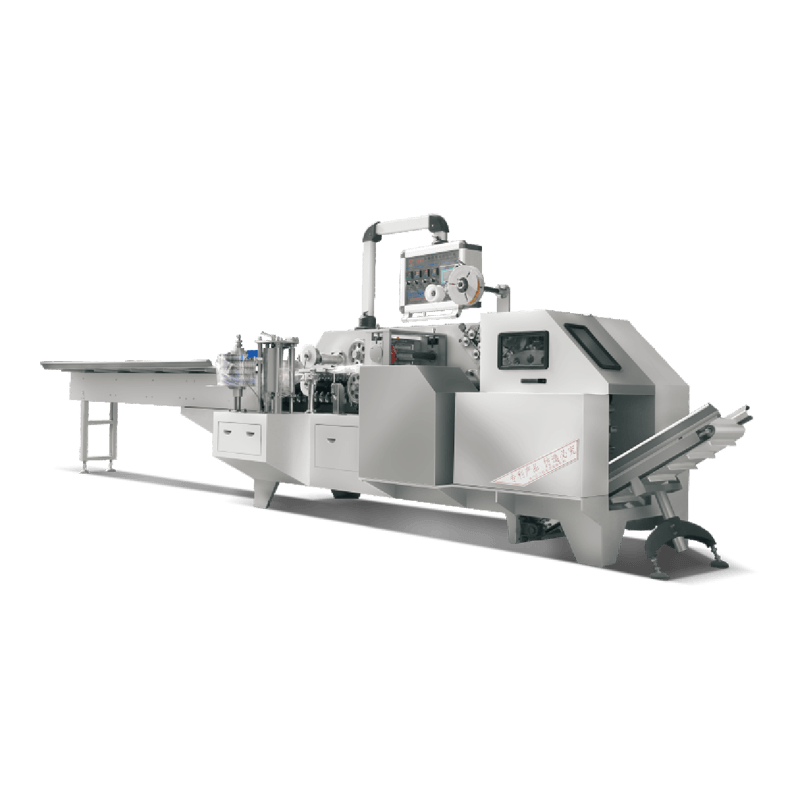
Automation improves candy cane manufacture by replacing intermittent manual transfers with continuous movement, by keeping successive machines at compatible speeds, and by holding process settings steady enough to limit variation and waste. Realized efficiency still depends on the correct sizing of each stage, on the suitability of the configuration for the intended product range, and on consistent cleaning and maintenance. Jiangsu Flying Dragon Food Machinery Co., Ltd. supplies equipment for candy cane forming, cooling and related process stages. Review of available line layouts, capacity ranges, adjustment features and support arrangements against target output and product specifications allows selection of a configuration that sustains reliable and coordinated production.
 +86-(0)515-8465666
 +86-(0)515-85566996
 +86-138 1559 9708
 flyloong@flyloongcn.com

 Home
