

 ENG
 English
 中文简体
 русский
 Français
 Español
 عربى
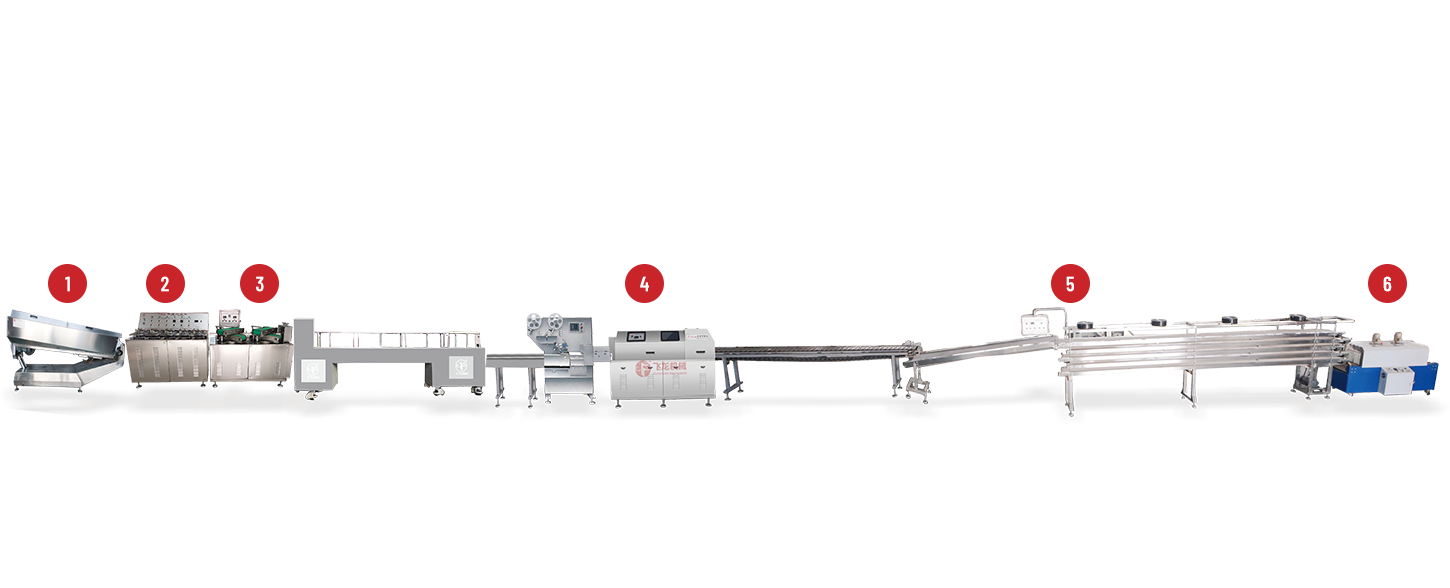
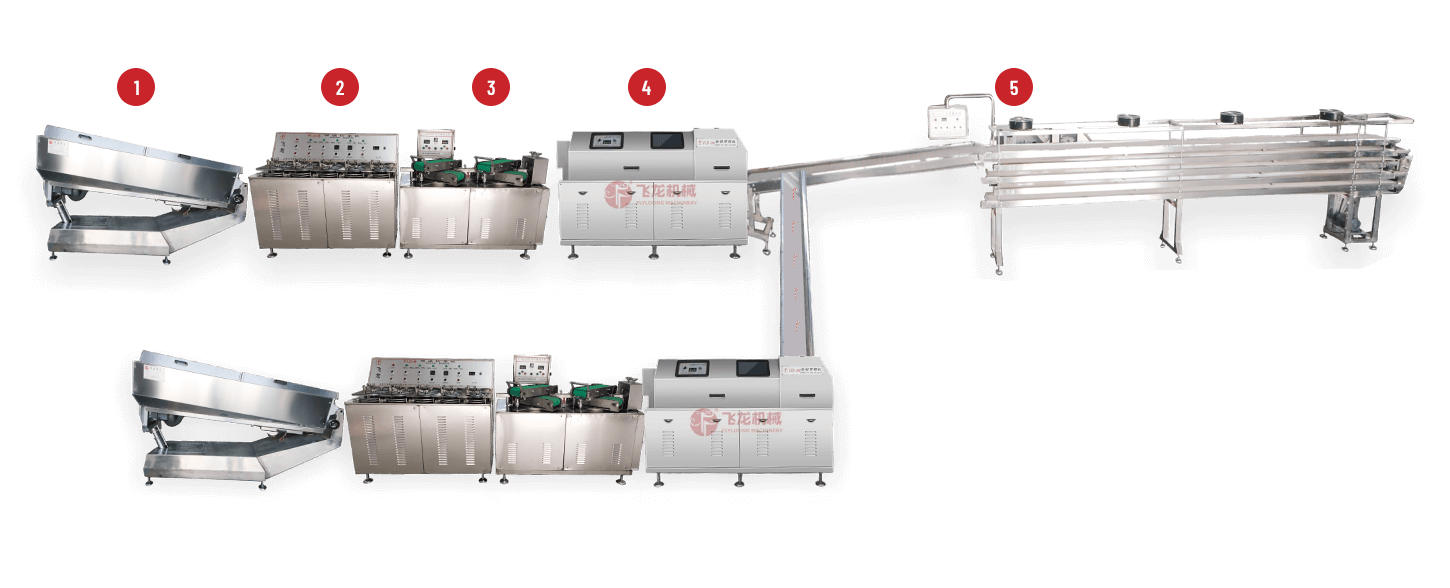
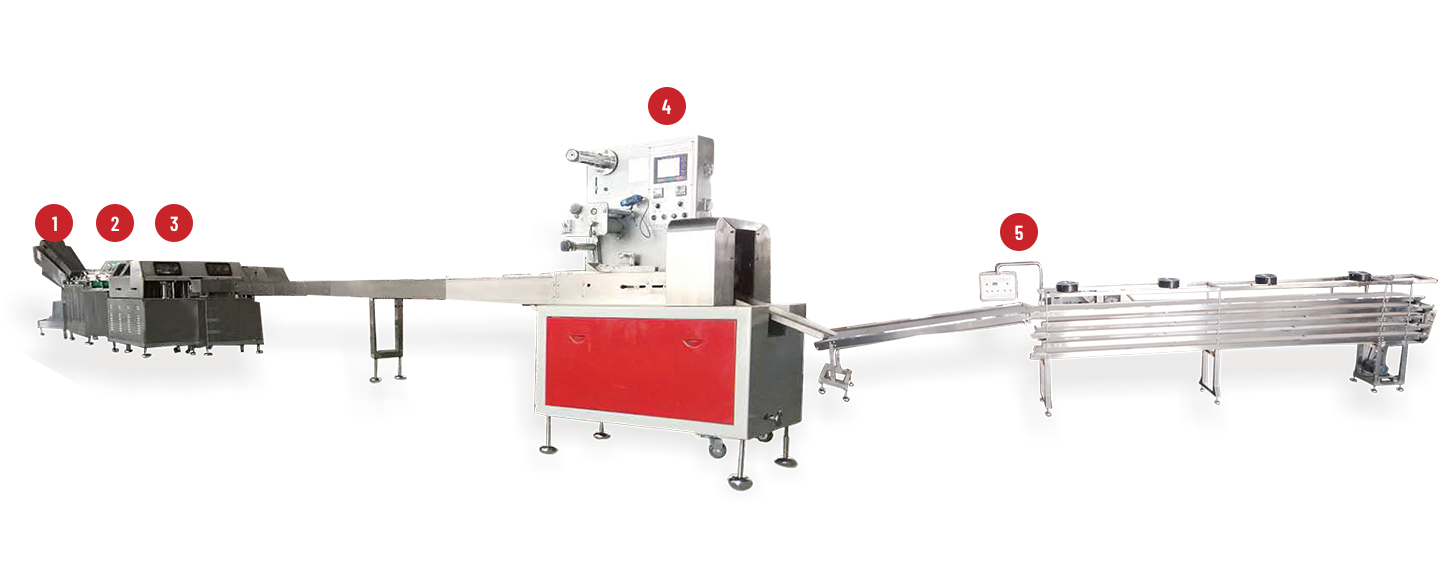
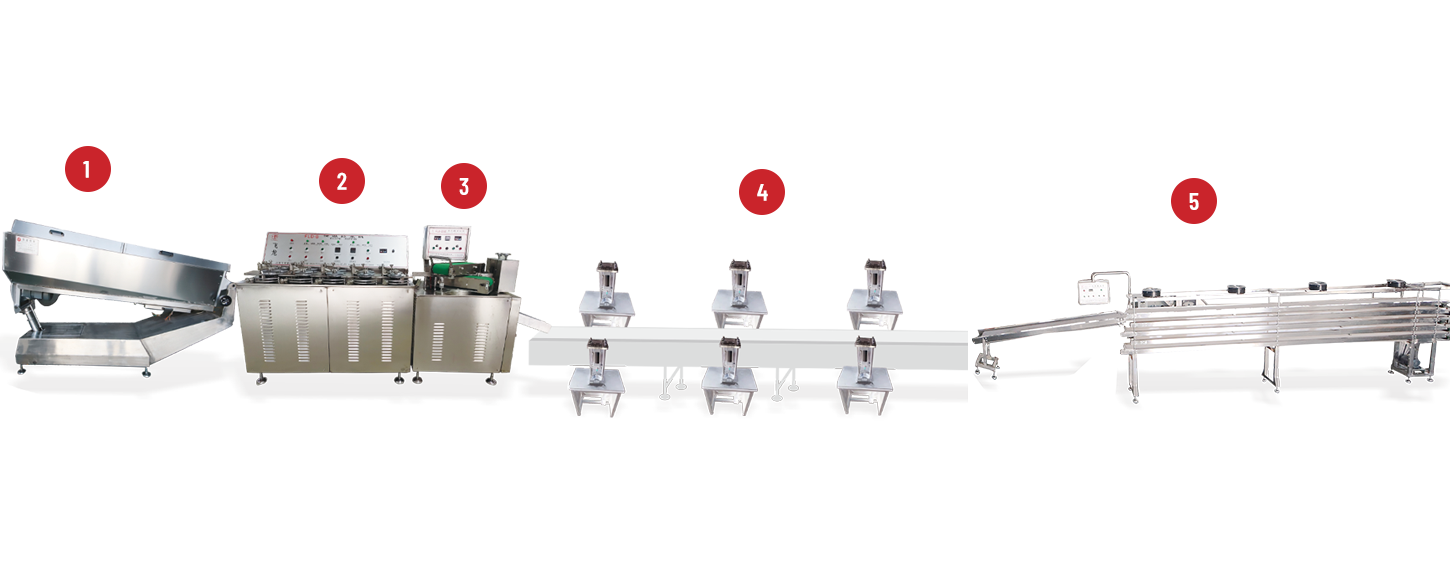
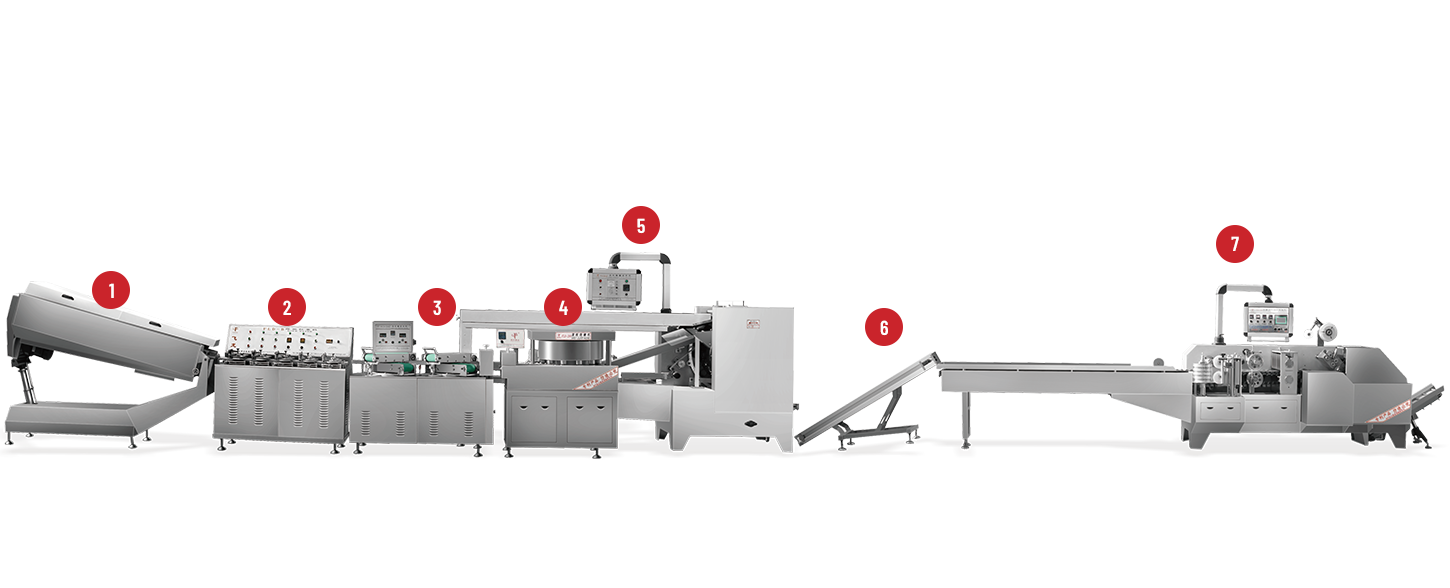
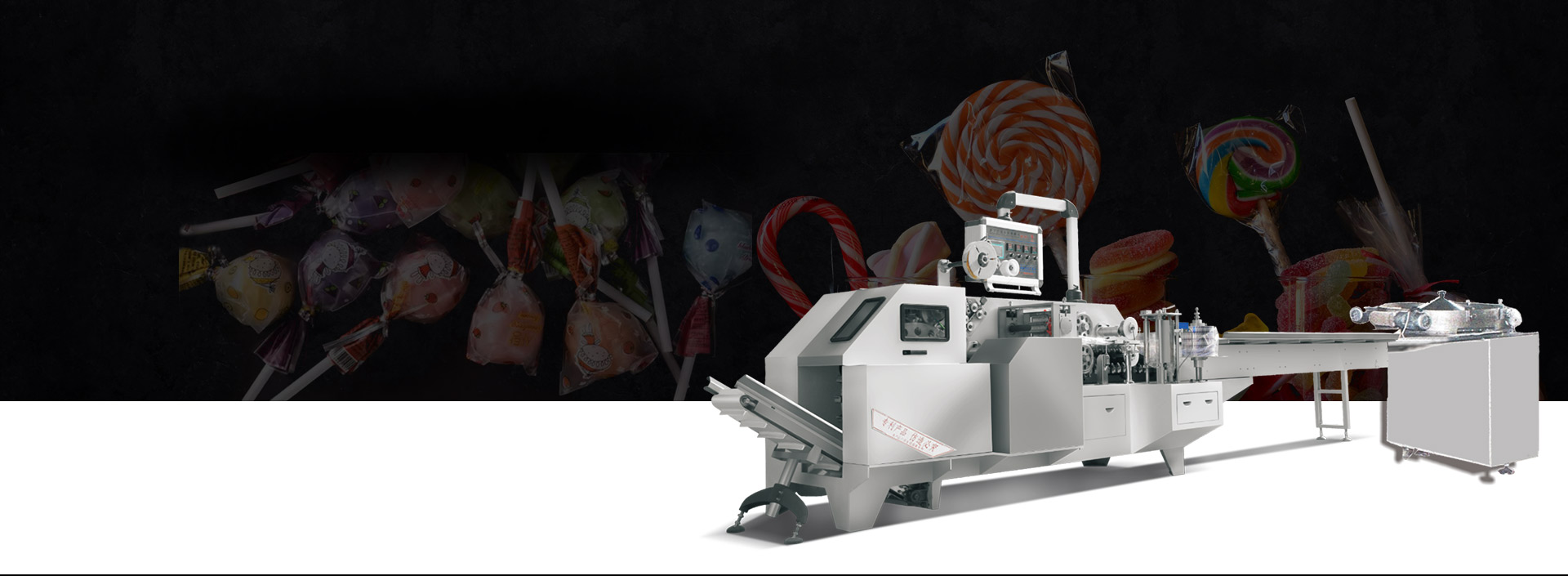
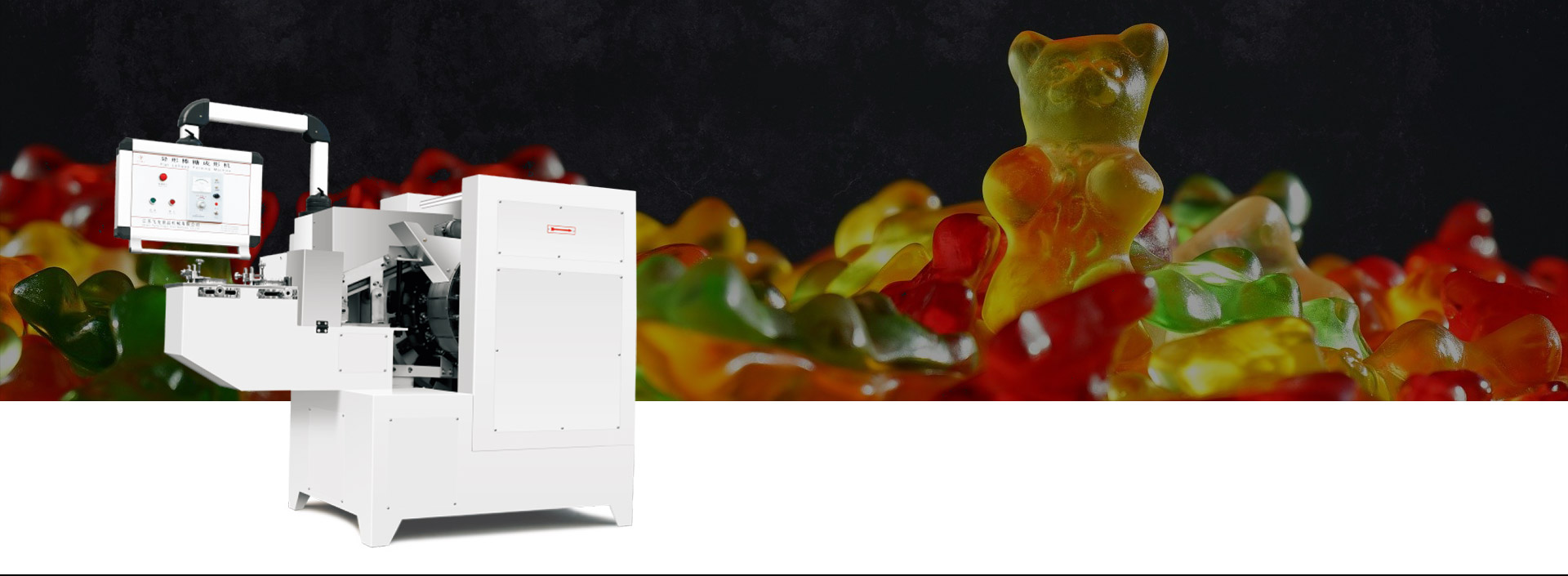
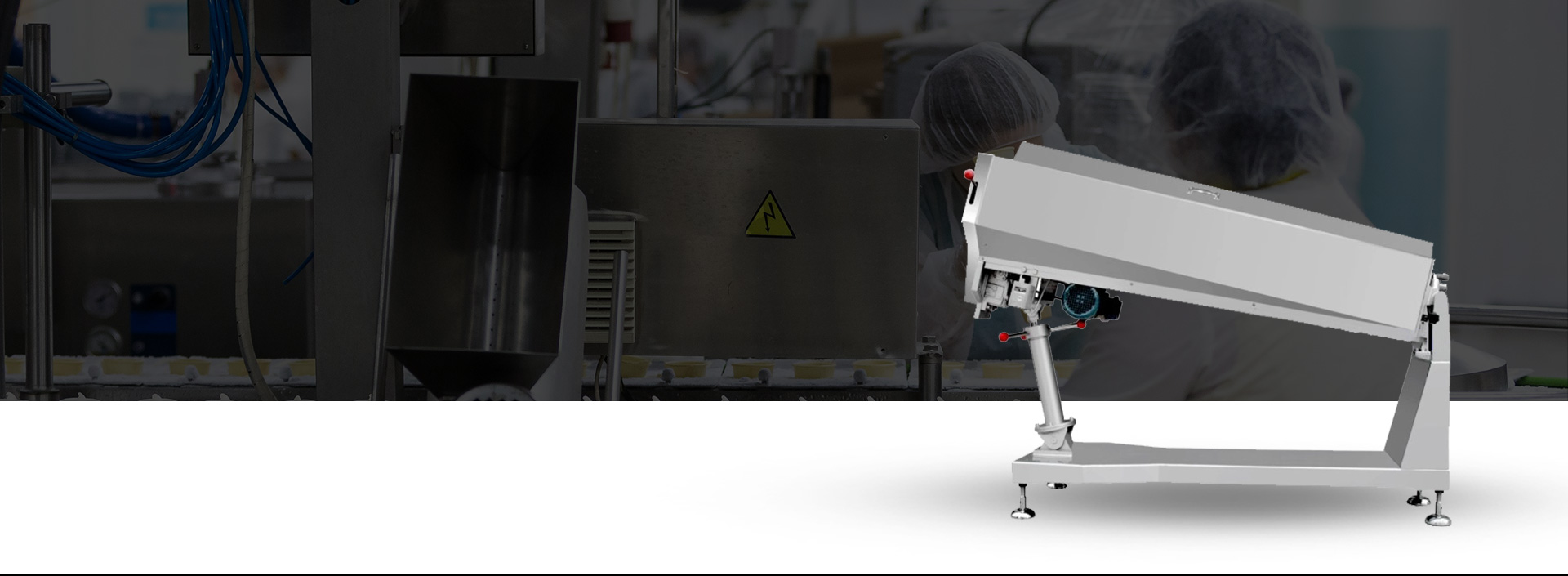
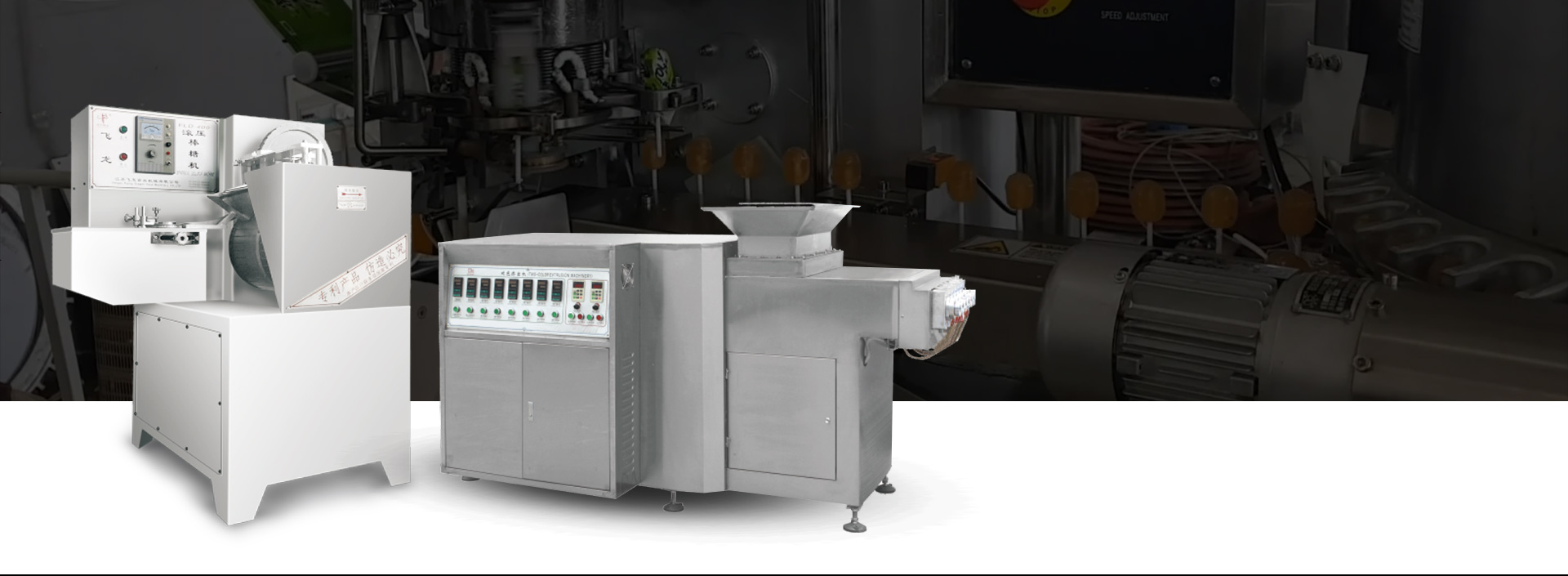
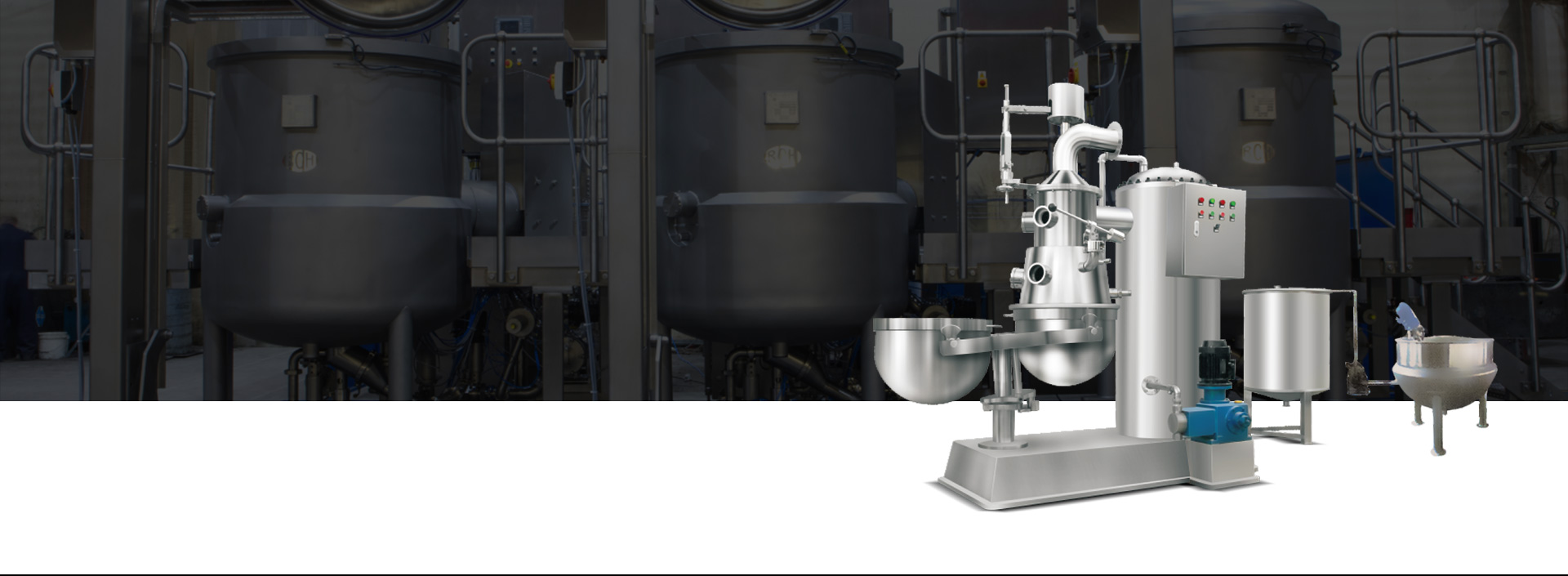
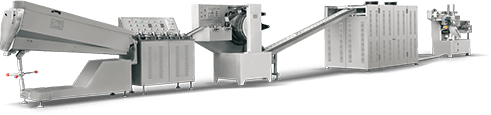
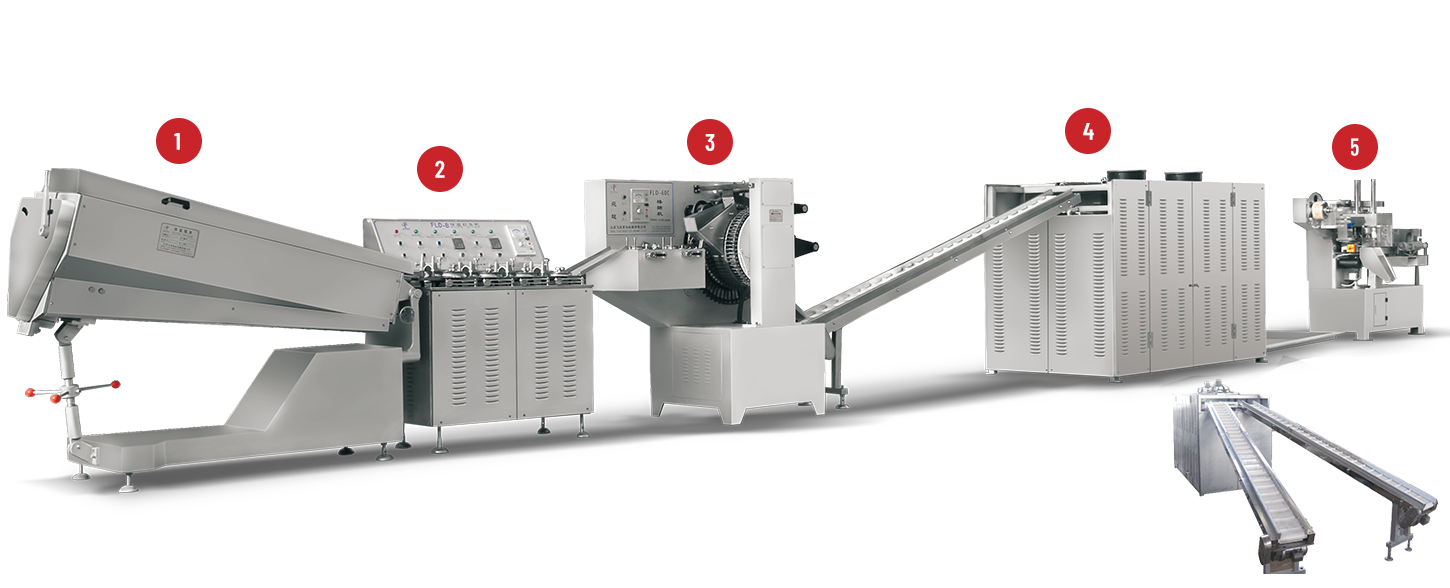
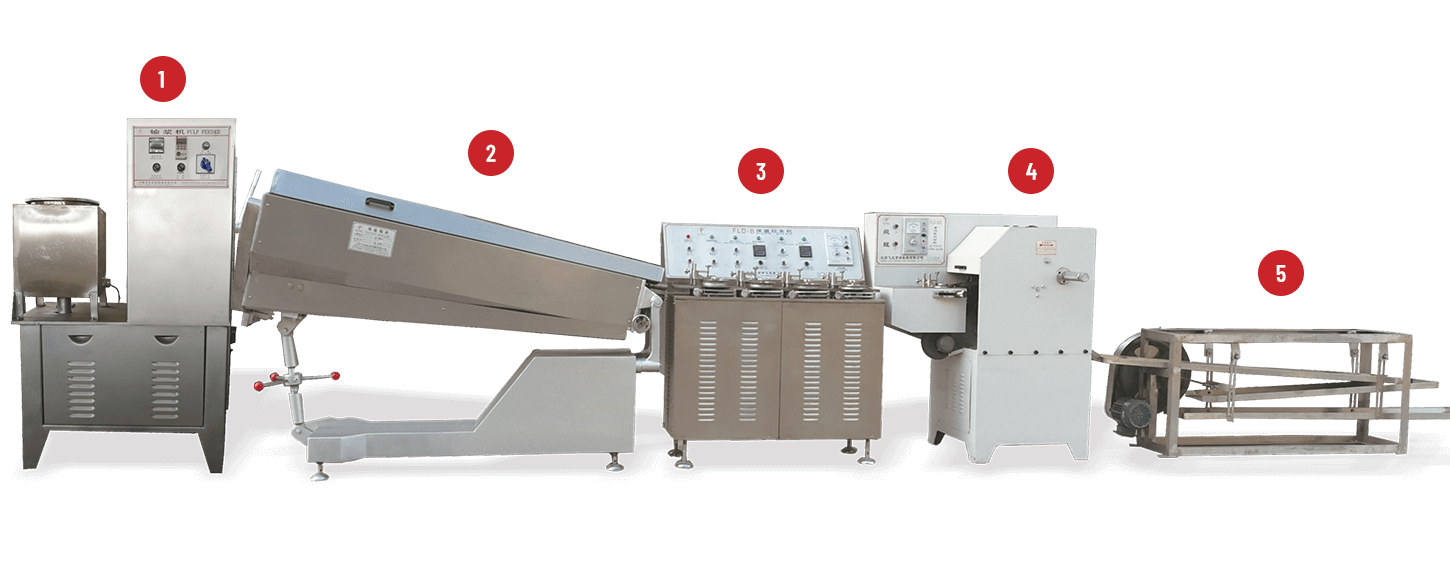
Production equipment shapes the quality of the candy, how much gets made each day, and how smoothly the whole process runs. Matching the line to what the factory actually needs and what resources are available makes daily work easier. Thinking about possible growth later also helps avoid running into limits when orders increase. Candy Cane Production Line choices work better when capacity, process flow, automation, and long-term costs all get a proper look.
Evaluating Factory Production Capacity Before Equipment Selection
Daily output targets come from current orders, what the market wants, and how the shifts are set up. Those numbers point toward the scale of equipment that makes sense.
Smaller volumes often fit more compact setups. Bigger volumes need machines that can keep running through longer shifts. The difference shows up in machine size and how the stages connect.
Future expansion deserves a thought. A line that can take on higher demand or extra shifts means less chance of needing a full replacement down the road.
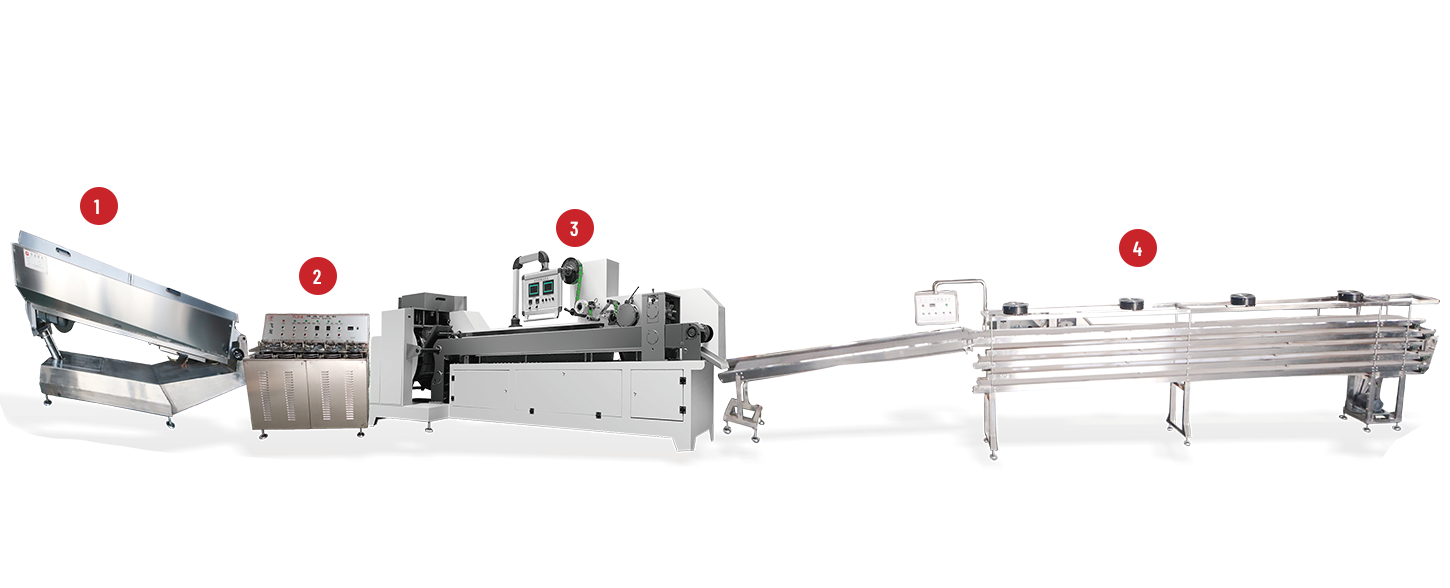
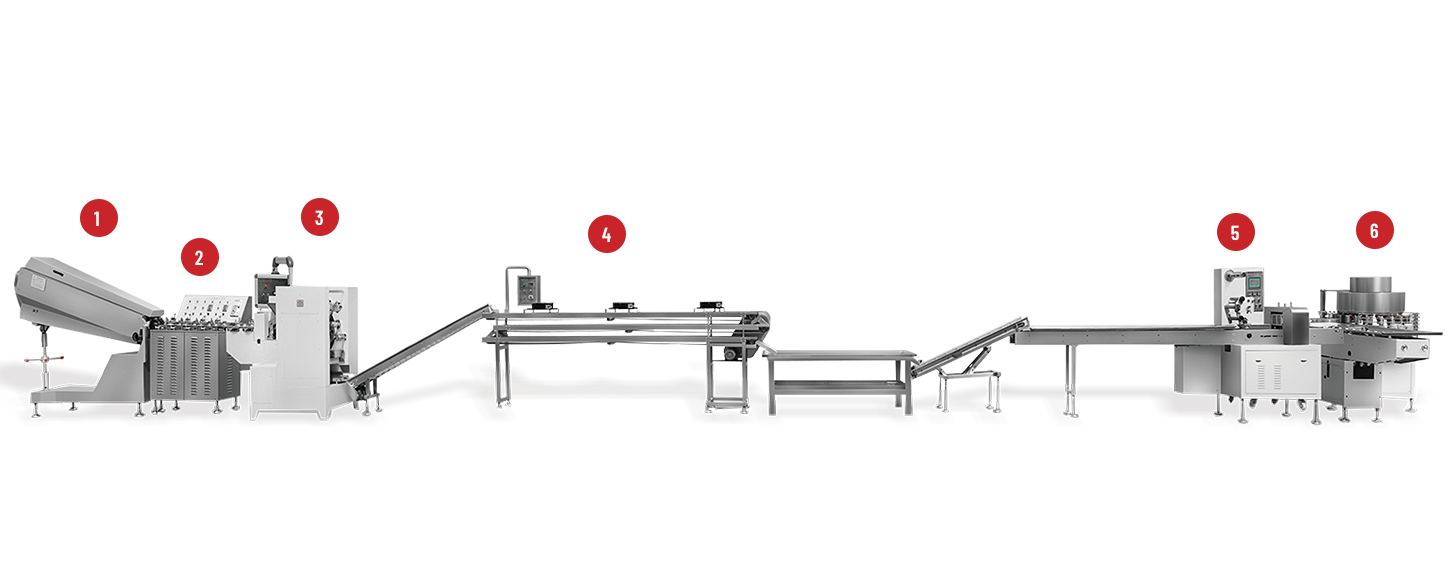
Understanding the Core Stages Inside Candy Cane Manufacturing
Sugar cooking and mixing get the mass to the right temperature and thickness for the later steps. Even heating and thorough mixing set things up properly.
Cooling and conditioning bring the mass to a workable state. If it stays too soft or turns too stiff, the next stages struggle.
Rope sizing and twisting form the continuous ropes and create the stripe patterns. Alignment and tension here affect how the finished candy looks.
Cutting and forming turn the ropes into individual pieces with consistent size and the familiar curve. Accurate dies and timing keep the dimensions steady.
Cooling and final handling let the finished candies firm up so they hold shape during packaging and later movement.
Assessing Automation Level and Daily Production Efficiency
Manual, semi-automatic, and fully automatic setups fit different factory situations. Manual lines depend more on the skill of the people running them. Automatic lines cut back on the same handling tasks repeated over and over and can keep going for longer stretches without stopping.
Labor needs shift once more automation comes in. With higher automation, less direct hand work happens at each stage.
Consistency gets better when the settings stay lined up from cooking all the way through forming and packaging. Size, shape, and look stay more even when conditions hold steady.
How easily the material moves from one machine to the next counts. Gaps or slow spots between stages hold everything up.
Matching Equipment to the Specific Candy Cane Products
Size and shape needs guide the choice of dies and the forming settings. Dimensions, weight, and the amount of curve all matter.
Color and stripe patterns depend on how the line deals with more than one color and how the twisting works. Some arrangements handle more complicated patterns than others.
If different products are needed, the line may have to switch between specs. Equipment that allows reasonable adjustments can cover a broader set of items.
Switching from one size or design to another takes time and work. Looking at what adjustments are required helps figure out how long the line will sit idle during the change.
Planning Equipment Layout Within Available Factory Space
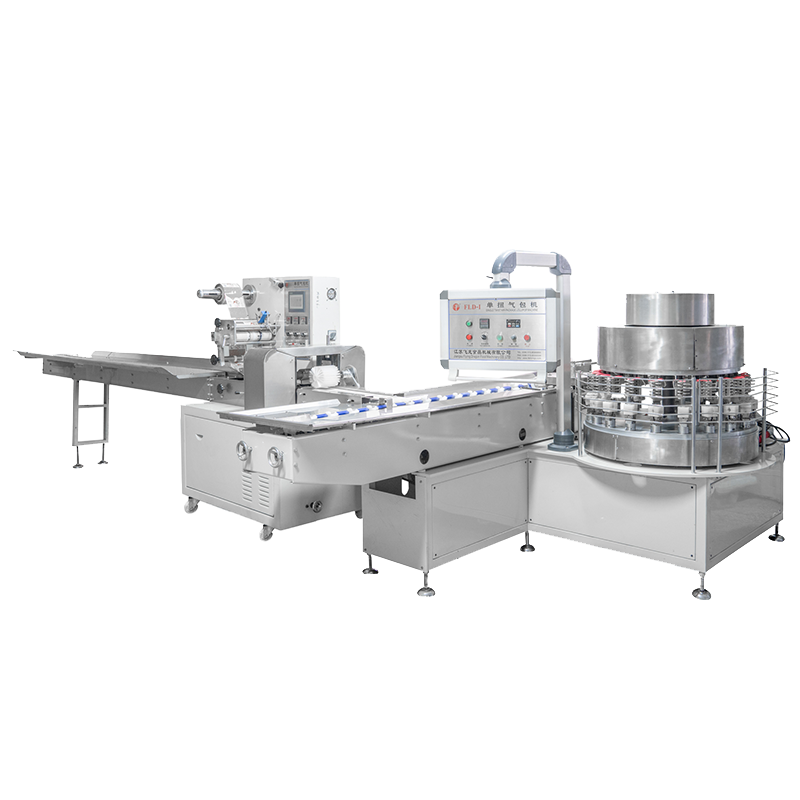
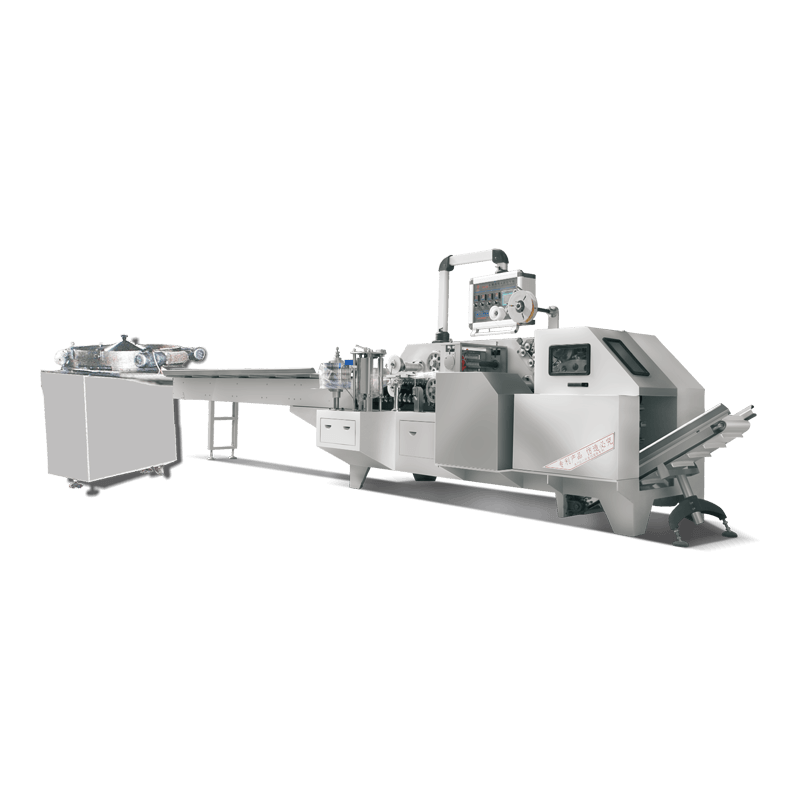
An integrated line joins the stages into one continuous path. Separate machines allow more freedom in where they sit, though extra transfer steps may be needed.
Floor space decides how the machines can be placed. Room for operators, space for maintenance, and clear paths for material all have to fit.
Moving the material between cooking, forming, and cooling works better when the path stays short and direct. Long or tangled routes add extra handling and raise the chance of temperature drop.
Installation and initial startup involve preparing the site, connecting utilities, and getting support during early production runs. Clear requirements for power, water, and space help keep delays down.
| Factor | What to Review | Why It Matters |
|---|---|---|
| Capacity match | Daily targets and shift patterns | Avoids under- or over-sizing |
| Process flow | Cooking through packaging sequence | Supports continuous material movement |
| Automation level | Manual versus coordinated systems | Affects labor and consistency |
| Layout and space | Machine footprint and access | Fits existing factory constraints |
Reviewing Hygiene, Materials, and Ongoing Maintenance Needs
Any metal or plastic that actually touches the candy has to be tough enough to handle hot, sticky sugar day in and day out. You can't have surfaces that start rusting, pitting, or flaking off the second you hit them with hot washdown water and cleaning chemicals.
Cleaning shouldn't be a puzzle. If your crew has to spend three hours unscrewing twenty different bolts just to wipe down one sticky roller, they're going to cut corners, and your hygiene standards will go out the window. You want a design where you can open things up, get in there, and wash it down fast.
The same goes for fixing things. If a simple belt swap or blade change requires you to dismantle half the machine, your line is going to sit dead for hours. You want easy-access panels so your mechanic can get in, swap the worn part, and get the line running again.
At the end of the day, keeping the line running comes down to two things: a simple checklist of what to grease and when, and having spare parts sitting on the shelf. If you have to wait two weeks for a custom bearing to ship from overseas every time something squeaks, you're going to lose a lot of money.
Weighing Initial Investment Against Long-Term Operating Costs
The price tag on the machine changes depending on how big it is, how many bells and whistles it has, and what's actually included in the crate. Don't just look at the bottom line on the quote; make sure you're comparing apples to apples.
Buying the machine is only the initial payment. Once it's in your shop, you've got power bills, water bills, and payroll to cover every single day it runs. A cheaper, inefficient machine that sucks power and needs five guys to run it will end up costing you way more than a pricier, automated one.
You also have to budget for the long haul. Over the next five to ten years, you're going to buy a lot of replacement blades, belts, seals, and grease. Factor those ongoing maintenance costs into your math from day one so you don't get a nasty surprise later.
To see if a machine is actually worth it, figure out your cost per candy cane. Take the total cost of the machine, add your daily running costs, and divide that by how many good candies the machine actually spits out per hour. That's the only number that really matters for your business.
Key Points to Confirm Before Finalizing a Purchase Decision
Before you sign any contract or wire any money, lock down the exact details. How many candy canes do you need to make per hour, and what exact size and shape do they need to be? Ask the supplier to document the exact machine configuration and provide a step-by-step process description, with guaranteed output under real-world operating conditions rather than controlled laboratory testing. You also need to talk about the human side of things: Who is coming to install it? Will they train your operators so they don't break it on day one? What kind of tech support do you get when things go wrong, and where do the spare parts ship from? Finally, measure your floor space, check your electrical panel to make sure you have enough power, and sort out who is paying for the shipping and rigging.
Selecting Production Equipment That Aligns with Factory Requirements
Don't buy a machine just because it looks fancy in a brochure. You need to find the sweet spot between how much it can produce, how automated it is, what your candy looks like, how much space you have on the shop floor, and what you can afford to spend. A massive, fully automated line is a waste of money if your market is small, and a tiny manual setup will hold you back if you have big orders to fill. Base your choice on your actual, real-world sales goals, not some best-case guess. Sit down with the supplier, show them your floor plan, tell them exactly what you want to achieve, and ask them to build a custom proposal that fits your specific budget and space.
Jiangsu Flying Dragon Food Machinery Co., Ltd. builds and sells industrial-grade candy production setups for factories that need to run day in and day out.
 +86-(0)515-8465666
 +86-(0)515-85566996
 +86-138 1559 9708
 flyloong@flyloongcn.com

 Home
