

 ENG
 English
 中文简体
 русский
 Français
 Español
 عربى
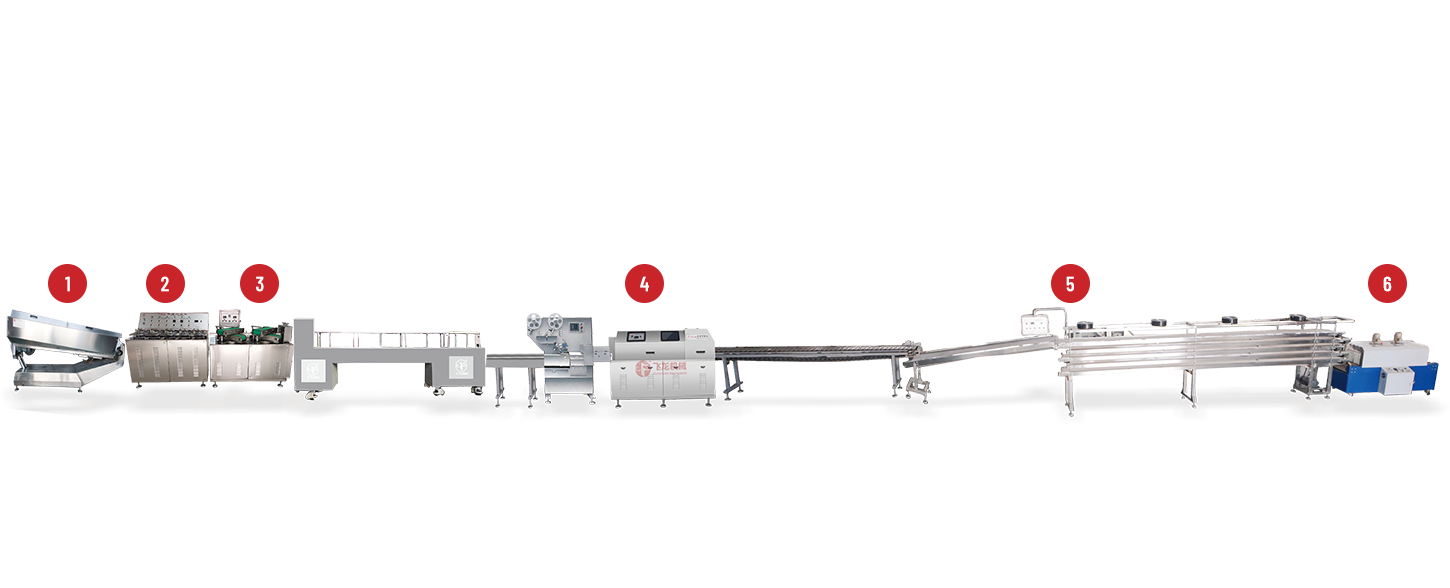
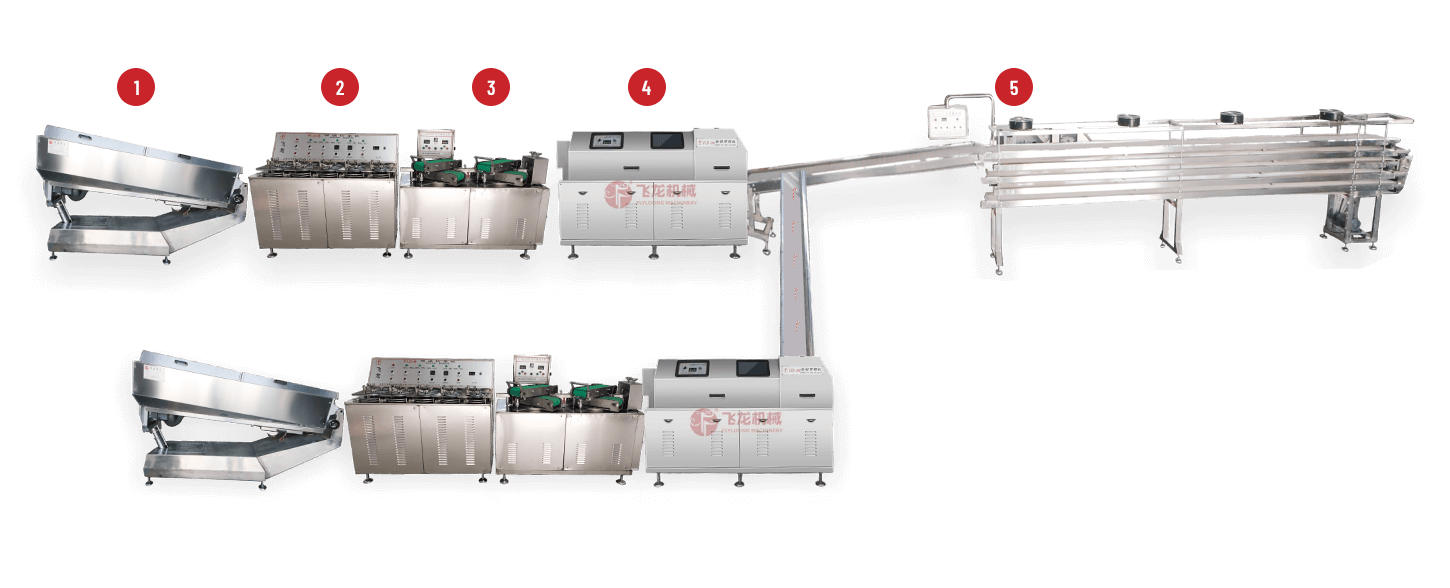
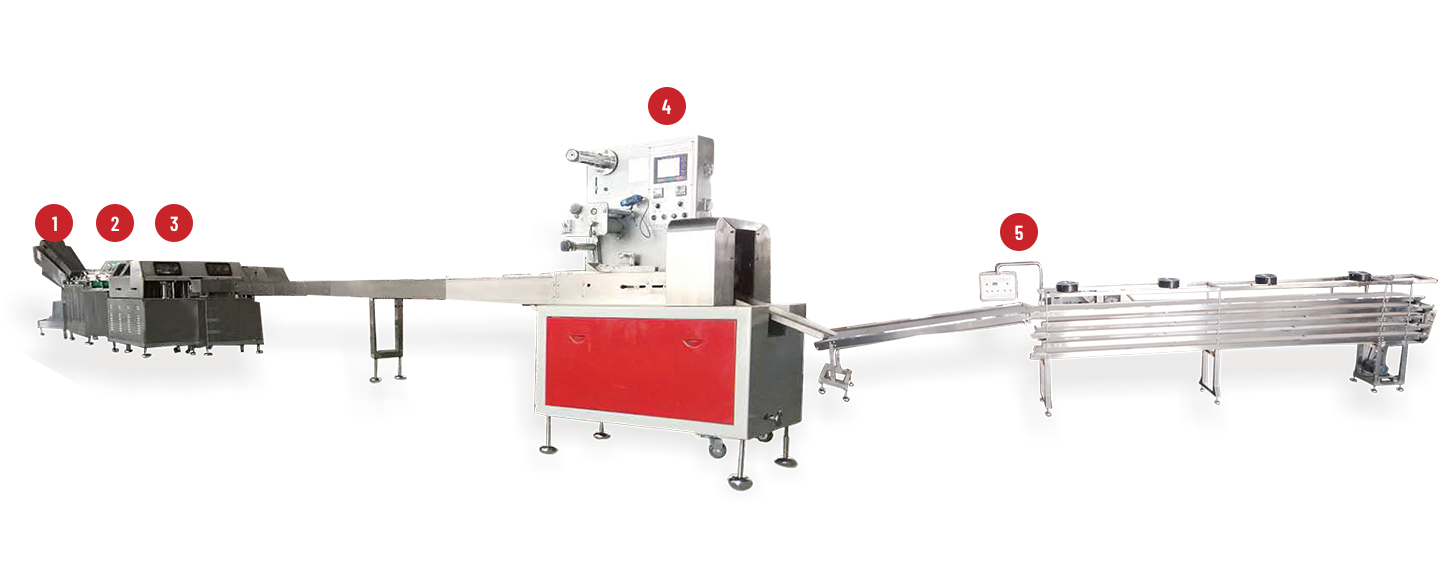
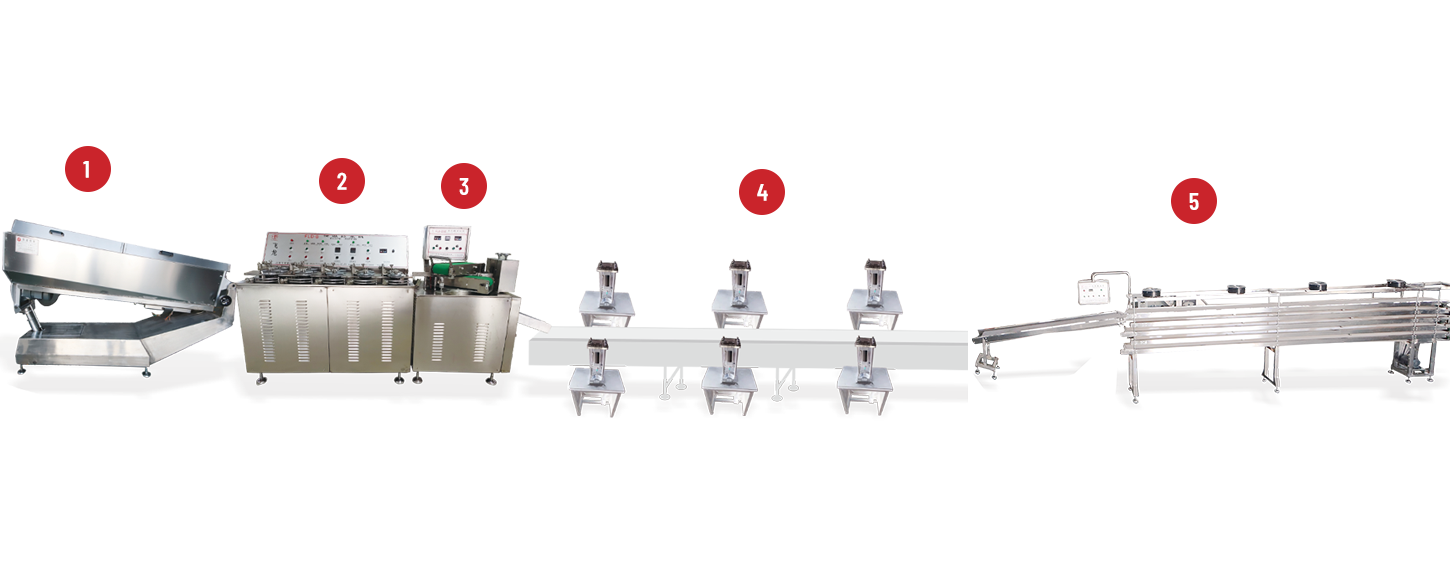
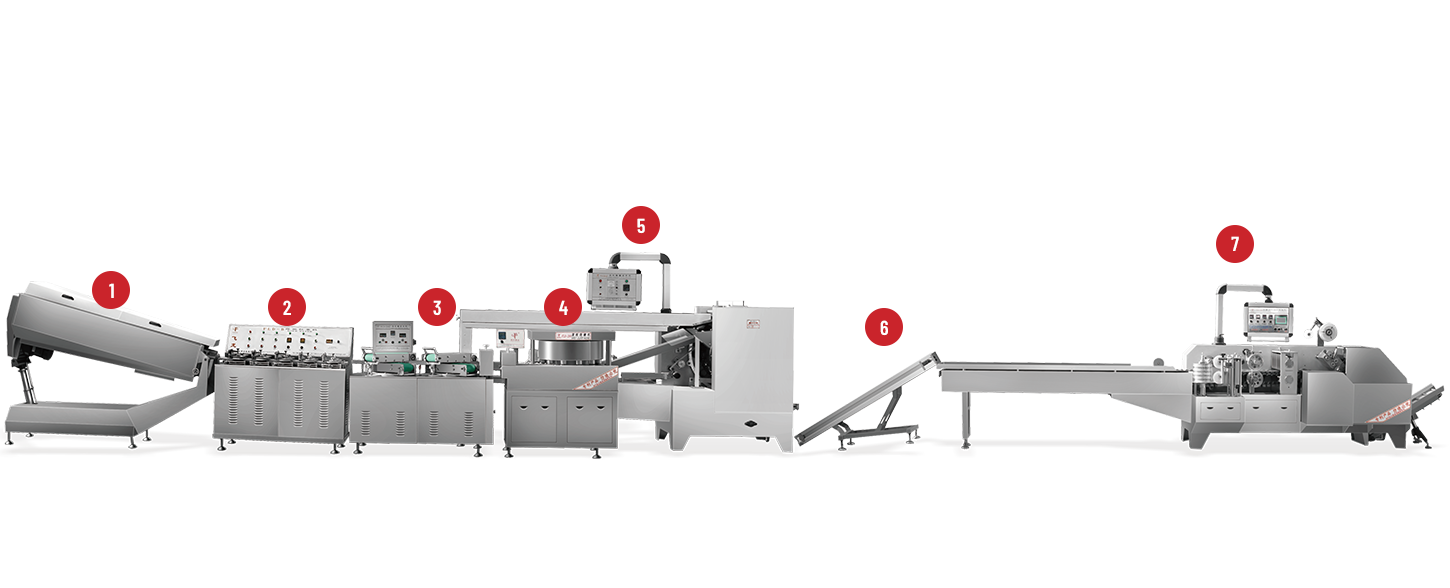

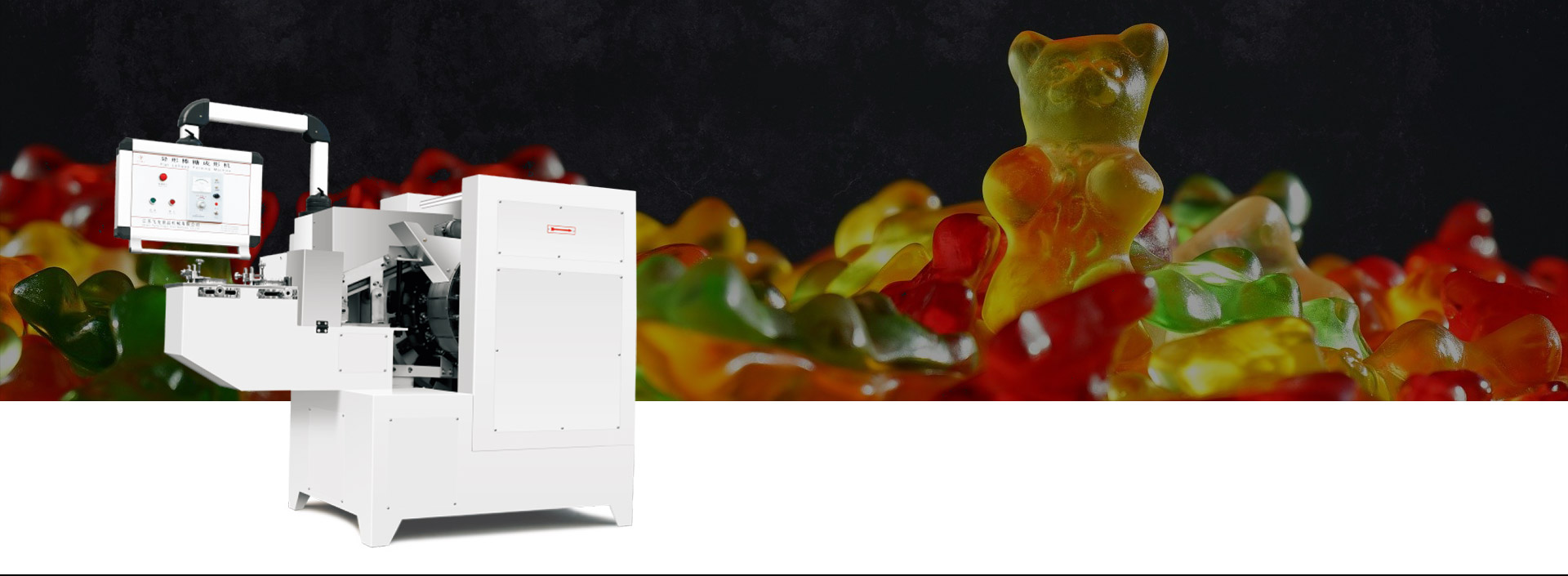
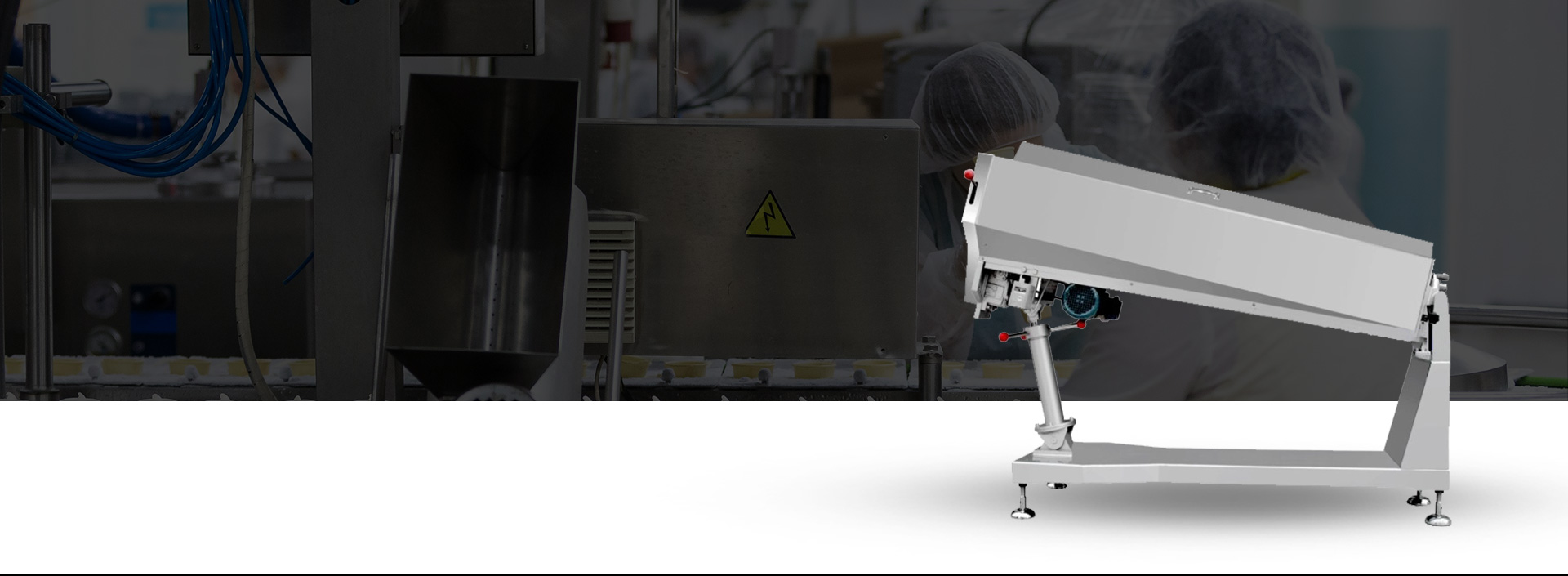
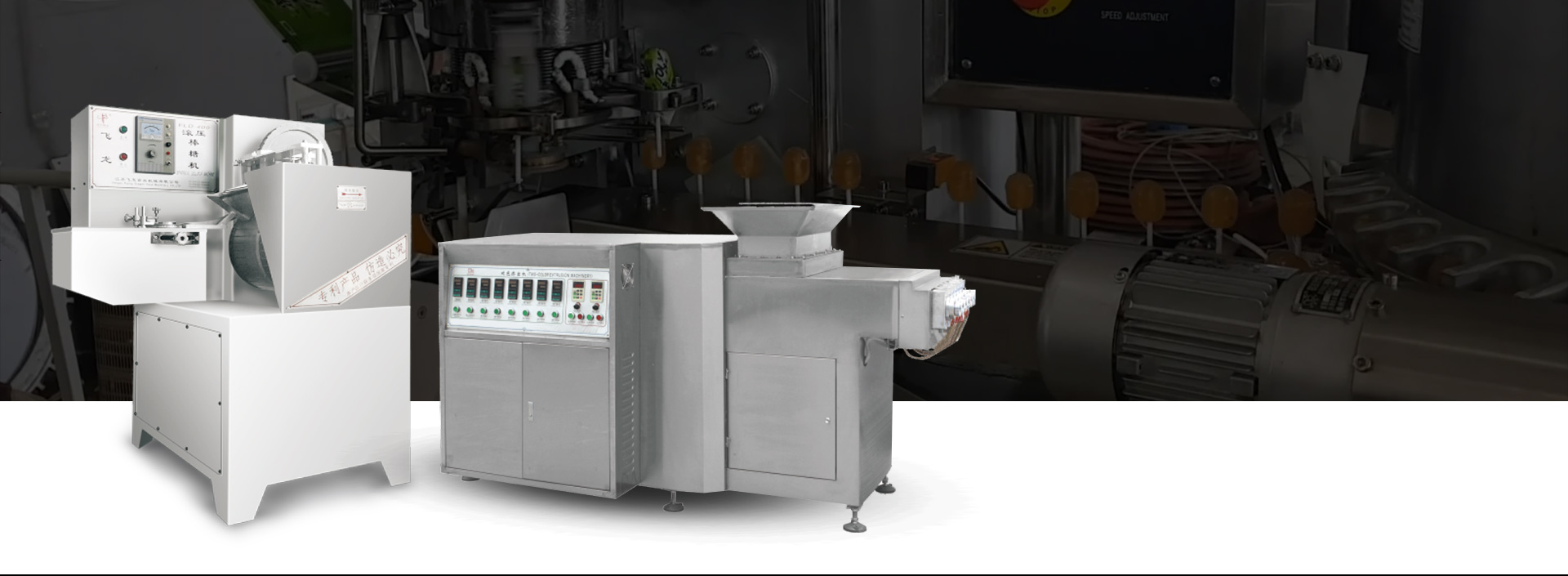
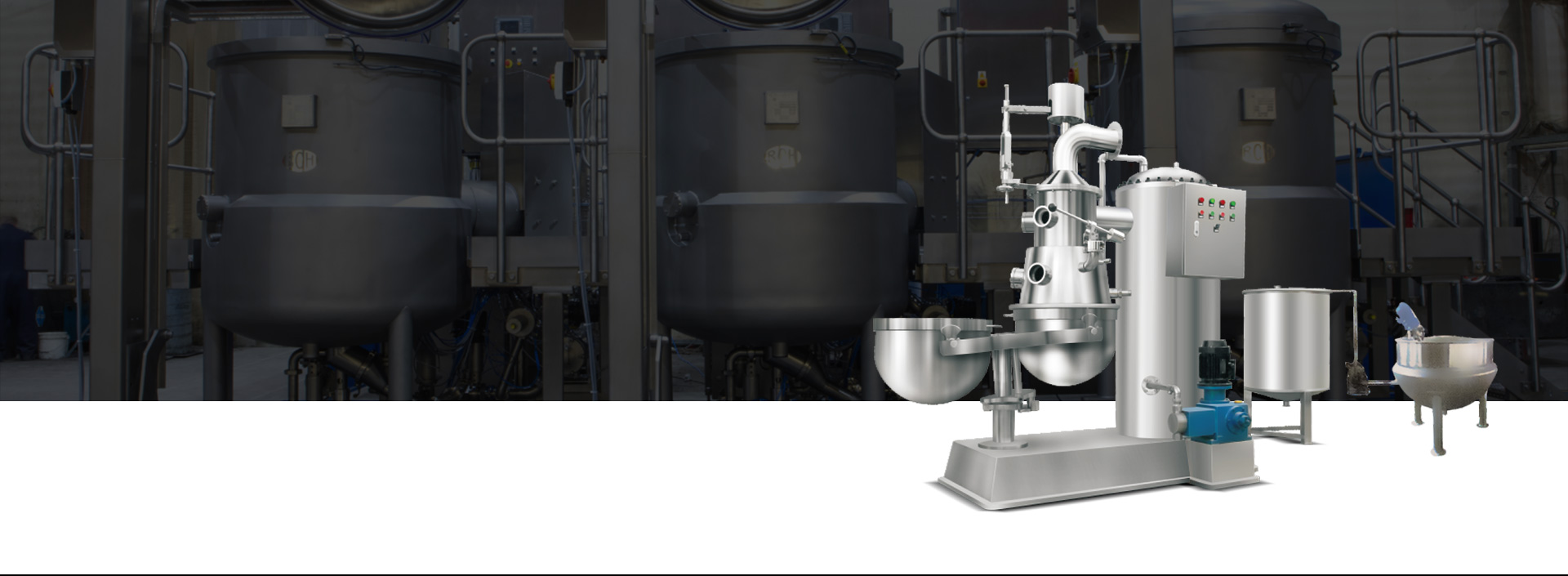
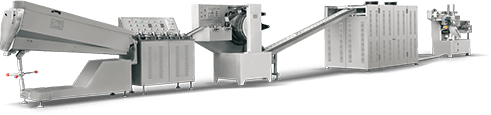
Sugar is a nightmare for machinery. It leaves sticky gunk everywhere, handles high heat, and beats up moving parts day in and day out. If you want your candy cane production line to actually run without constant headaches, you need a solid game plan. That means stopping sugar buildup before it starts, spotting wear early, and keeping everything running smoothly from the initial cook all the way to the final wrapper.
Why Is Regular Maintenance Important for Continuous Candy Processing
You can't run a profitable candy line if you're constantly stopping to tweak things. When your cookers, formers, and wrappers are dialed in and clean, the whole line just flows. Operators don't have to waste half their shift adjusting settings on the fly. Catching a sticky belt or a loose chain early stops a minor hiccup from turning into a major breakdown that kills your daily output. Plus, candy quality depends entirely on clean surfaces and exact temperatures. A tiny bit of buildup or a slight temperature swing ruins the shape and size of the candy canes, and then your packaging machines will start jamming up. Take care of the small stuff now, and you won't have to pay for massive, expensive rebuilds down the road.
Which Parts of Processing Equipment Need Regular Attention
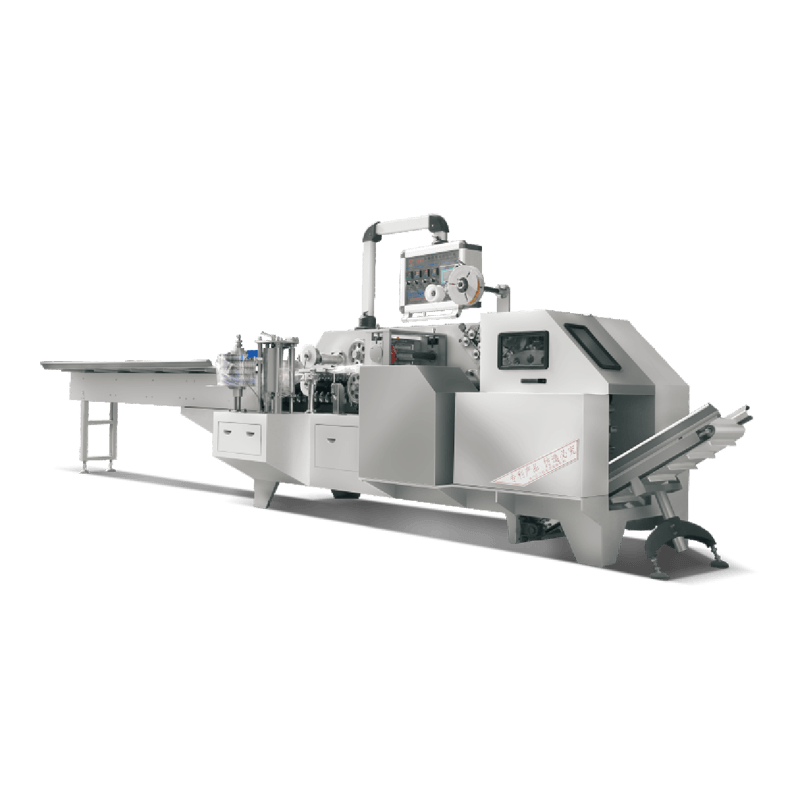
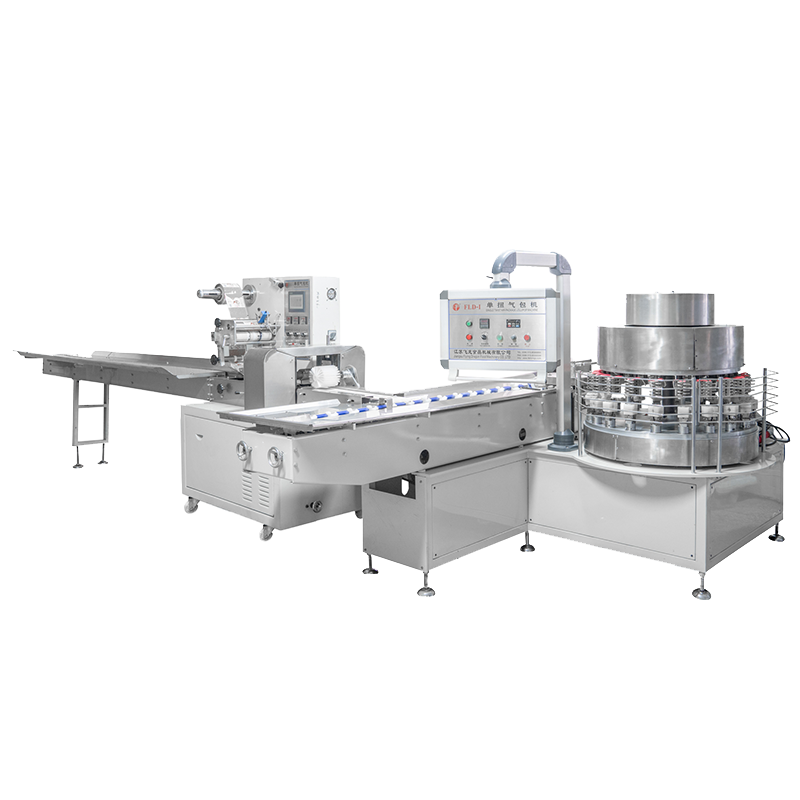
First up are the cooking kettles. They go through constant heating and cooling, which bakes a hard sugar crust onto the walls. This crust messes up heat transfer and confuses the temperature sensors. Next, look at your mixers, pullers, and forming rollers. They touch the hot, sticky candy directly, so if you don't clean the dies and paddles, the candy will stick and deform. Don't forget the conveyors either—sugar dust and broken candy bits love to hide in the gaps and under the belts, causing them to slip or jam. Your cooling tunnels need clean air vents and working sensors to cool the candy evenly. Finally, keep a close eye on the cutting blades and wrapping heads. Even a tiny bit of sticky residue here will dull your blades and mess up the wrapping film.
How to Perform Daily Maintenance on Processing Equipment
Before you start the shift, do a quick walk-around. Make sure all safety guards are locked down, check that no tools were left on the belts, and double-check that the night crew cleaned everything properly. Turn on the heaters and make sure the controllers are actually reaching their target temperatures. Once the line starts up, keep your ears open. If you hear a weird squeal or see a belt jerking, stop the line and fix it before it gets worse. When the shift ends, don't wait to clean. Get to work while the machines are still warm. Warm sugar wipes off easily, but if you let it sit overnight, it turns to concrete and you'll be chipping away at it for hours the next morning.
How to Clean Processing Equipment Properly
You need to wash away every speck of sugar from any surface that touches the candy. Use warm water and soft, food-safe tools. Never use metal scrapers or wire brushes—you'll scratch up the polished rollers and dies, and then candy will stick to them forever. Follow the right steps for each machine: let the cooking kettles cool down a bit first, but you can usually wash the forming dies right where they are. Stick to approved, food-safe cleaners that won't corrode the metal. When washing, keep water away from the electronics. Don't spray hoses near motors or control panels; wipe them down with a damp cloth instead. Before you restart, do a final check to ensure no water puddles or cleaning rags were left behind.
How to Maintain the Main Components of Forming Equipment
Check your heaters and temperature sensors regularly for scale buildup so they don't give false readings. Inspect the forming dies, rollers, and blades for tiny nicks or sticky spots that could ruin the candy's shape or leave ragged edges. When it comes to bearings and joints, use the exact food-grade grease recommended by the manufacturer. Don't over-grease them, because excess lube just acts like a magnet for sugar dust; but don't leave them dry either, or they'll burn out. Keep your belts and drive chains tight and tracking straight. Finally, open up the electrical cabinets occasionally to blow out any dust and check for loose wires so your control screens and alarms work when you need them.
What Are the Common Maintenance Problems in Candy Processing
What usually goes wrong? First, dried sugar buildup ruins heat transfer and makes the candy stick to everything. Second, if your candy canes are coming out deformed or uneven, you probably have worn-out dies or bad temperature control. Third, temperature jumps usually mean a sensor is failing or an air vent is blocked. Fourth, squealing noises or slipping belts mean you need to tighten a chain or grease a dry bearing. Finally, wrapping jams almost always happen because sticky gunk built up on the sealing jaws or the wrapping film got misaligned. Nip these issues in the bud daily, and they won't turn into major headaches.
| Maintenance Focus Area | Typical Action | Frequency Guidance |
|---|---|---|
| Product contact surfaces | Clean off sugar buildup and check for wear | After every production run |
| Moving mechanical parts | Lubricate joints, check belt tension and alignment | Weekly, or as condition dictates |
| Temperature control systems | Check sensor feedback and clear air vents | Monthly review, plus daily checks |
| Electrical connections | Inspect wire terminals and blow out dust | Scheduled periodic checks |
| Cutting and sealing units | Sharpen/swap blades, clean heat-seal jaws | Adjust based on cutting performance |
How to Create a Preventive Maintenance Schedule
Start with daily washdowns and quick checks to keep sugar from building up. Once a week, focus on the moving parts—tighten the belts, check the chains, inspect the forming rollers, and measure wear. Once a month, dig deeper into the electrical panels, calibrate the temperature sensors, and check the heating loops. For big overhauls, follow the manufacturer's manual to swap out worn parts. Keep a simple logbook of what you fixed and when. Also, keep a stock of common spare parts on hand—like blades, belts, and sensors—so you don't have to wait days for a shipment when something breaks.
How Does Proper Maintenance Support Production Efficiency
A clean, well-maintained line just runs better. The candy moves from the cooker to the wrapper without stopping, which keeps your output high. Because the forming machines are working perfectly, the candy canes arrive at the packaging station at the exact right size and temperature, meaning the wrappers can run at full speed without jamming. Plus, because you're inspecting parts regularly, you can see when a belt or blade is wearing out and order a replacement before it breaks. This keeps your whole operation running smoothly without those frustrating, unexpected stops.
What Should Manufacturers Consider When Maintaining Processing Equipment
When you're buying or setting up equipment, look for machines that are easy to tear down and clean. If a machine has hidden corners where sugar can hide, cleaning it will be a nightmare. Make sure you can easily get spare parts and that the manuals are easy to read. It's also vital to train your operators—they need to know how the machines work and how to clean them properly, not just how to press the start button. Finally, make sure all your cleaning chemicals and lubricants are food-safe and match what the manufacturer recommends so you don't void your warranty or fail a safety audit.
Key Practices for Long-Term Equipment Reliability
At the end of the day, keeping your line running comes down to a few simple habits: do your daily checks, wash the machines after every run, grease the bearings on schedule, and inspect your key parts regularly. Write down what you do, keep spare parts on the shelf, and your line will run smoothly for years.
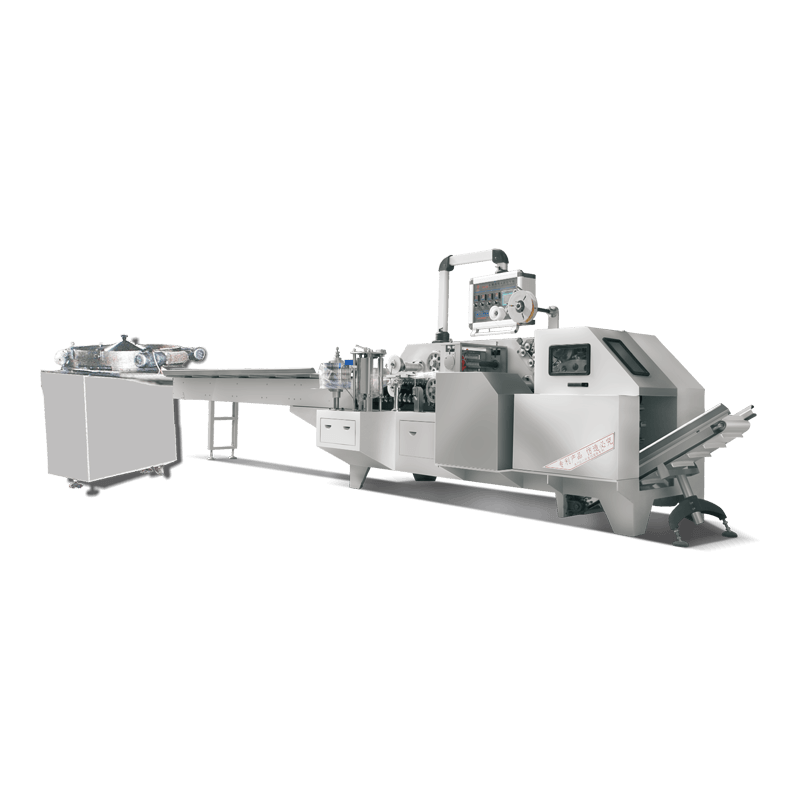
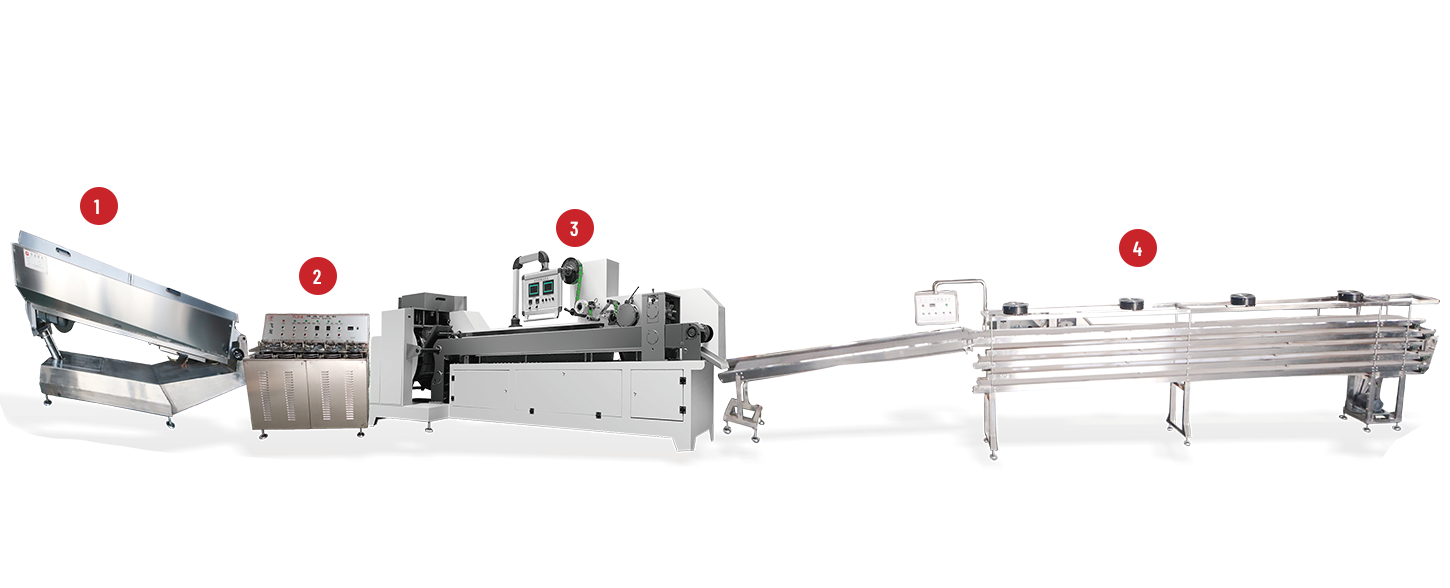
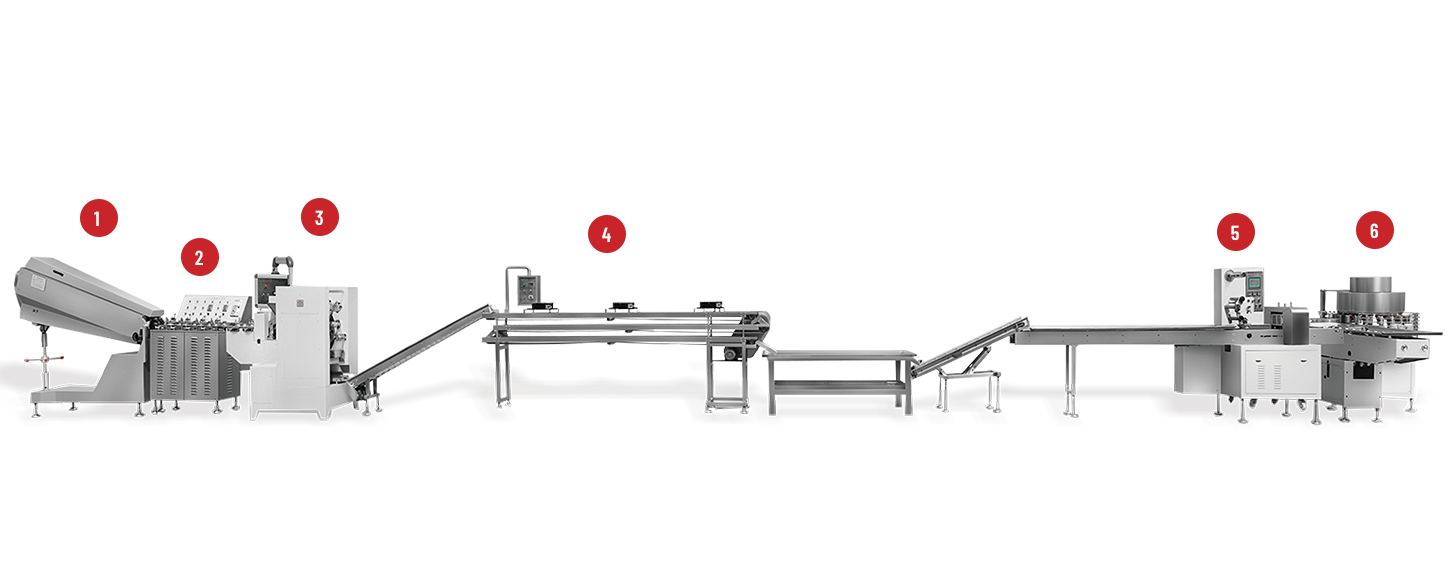
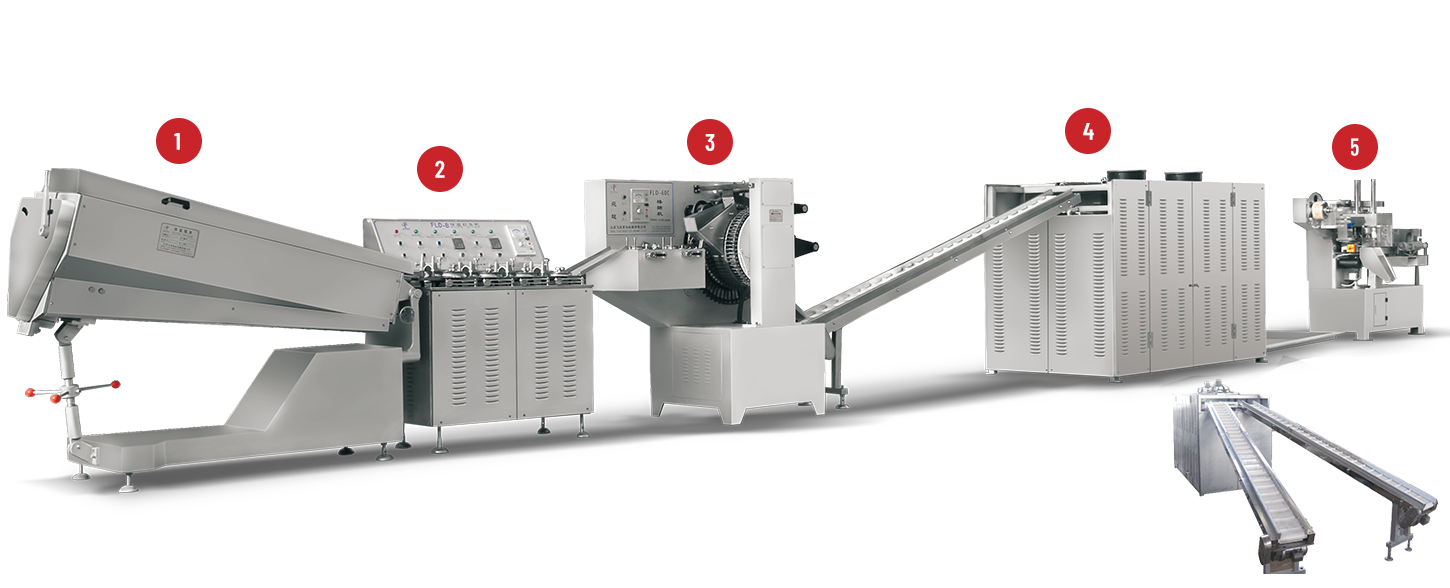
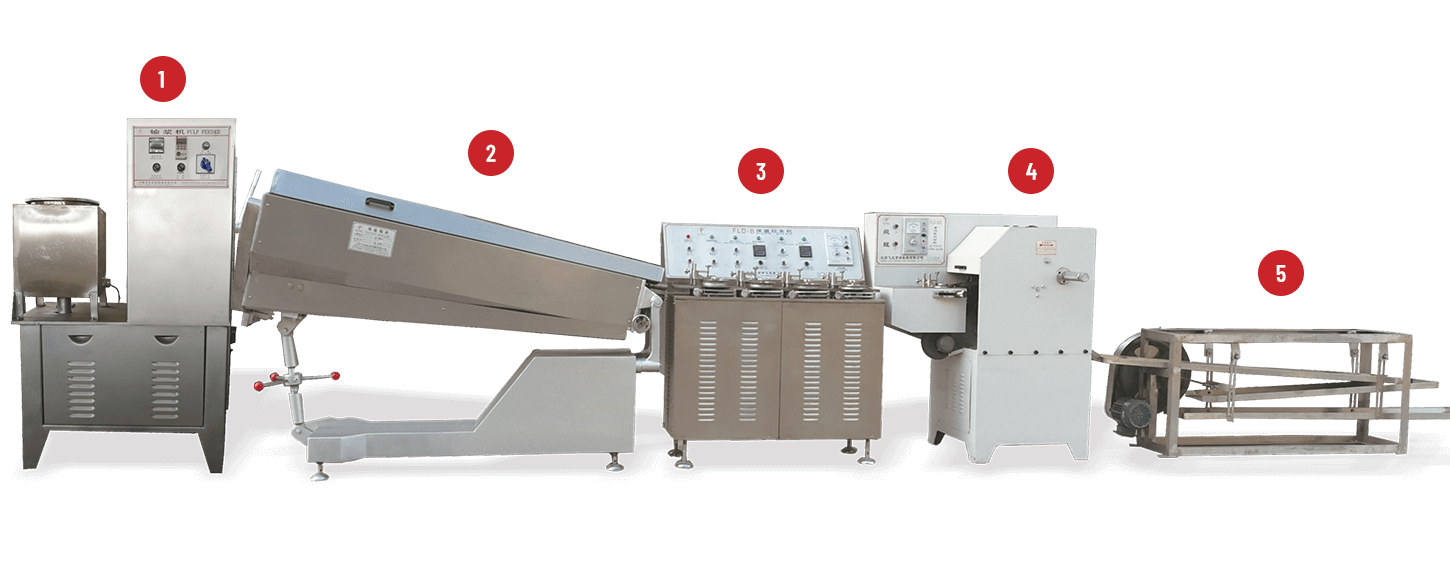
Jiangsu Flying Dragon Food Machinery Co., Ltd. designs and builds specialized candy-making equipment, including forming lines. They focus on simple, heavy-duty designs that are easy to clean and built to last.
 +86-(0)515-8465666
 +86-(0)515-85566996
 +86-138 1559 9708
 flyloong@flyloongcn.com

 Home
