

 ENG
 English
 中文简体
 русский
 Français
 Español
 عربى
What Sets Custom Flat Lollipops Apart from Regular Lollipops
Flat lollipops differ from rounded or ball-type sweets mainly in geometry. The candy body is pressed or formed into a thin, broad shape so that one or both faces present a large, even surface. That surface is what makes logos, characters, seasonal motifs and simple colour patterns readable after wrapping. Regular spherical or oval lollipops offer less continuous area for the same kind of graphic treatment, so flat designs are preferred when the product itself must carry the design rather than only the wrapper.
Because the piece is flat, thickness, outline and edge quality become part of the product specification. Thin sections must set without warping; outlines must stay sharp enough for the intended silhouette; stick placement must stay centred so the piece balances in the hand and in the wrap. Those dimensional rules drive mould or die choice, cooling time and handling between forming and packing. Custom work multiplies the variants—different outlines, face designs and stick lengths—so production planning has to treat shape changeover and recipe behaviour as routine constraints, not exceptions.
Main Steps in Industrial Flat Lollipop Production
Preparing and Processing the Candy Mass
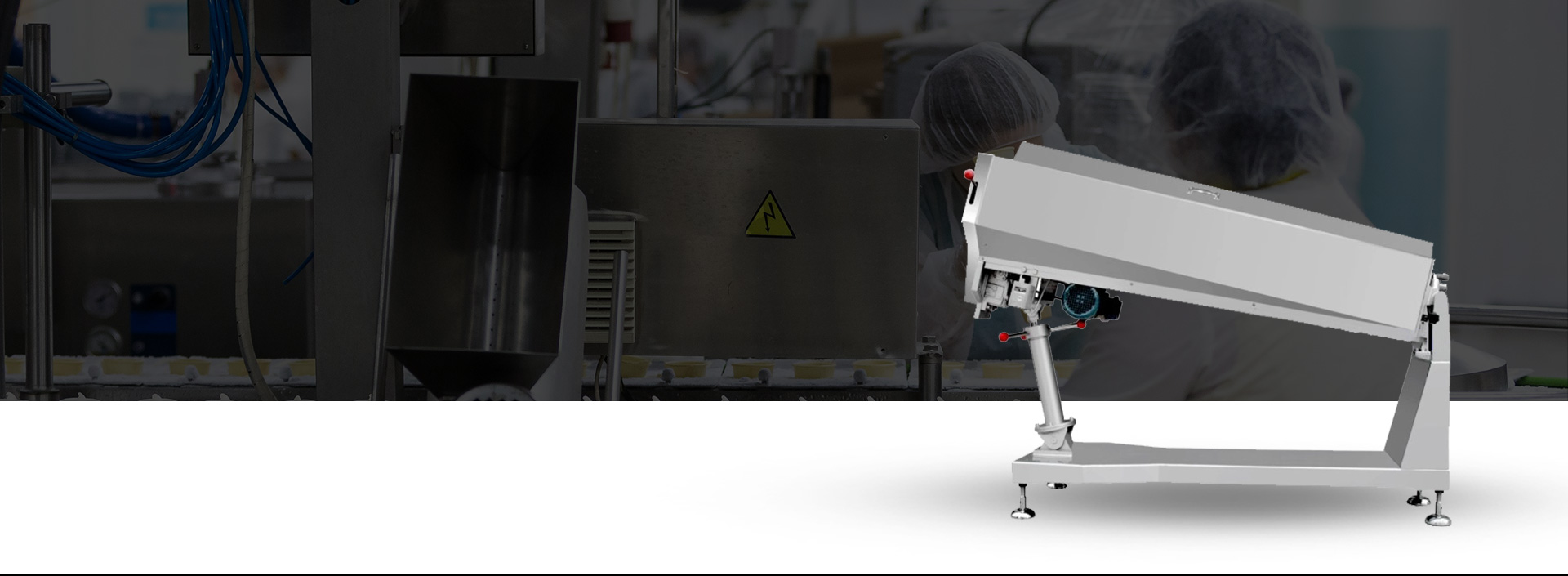
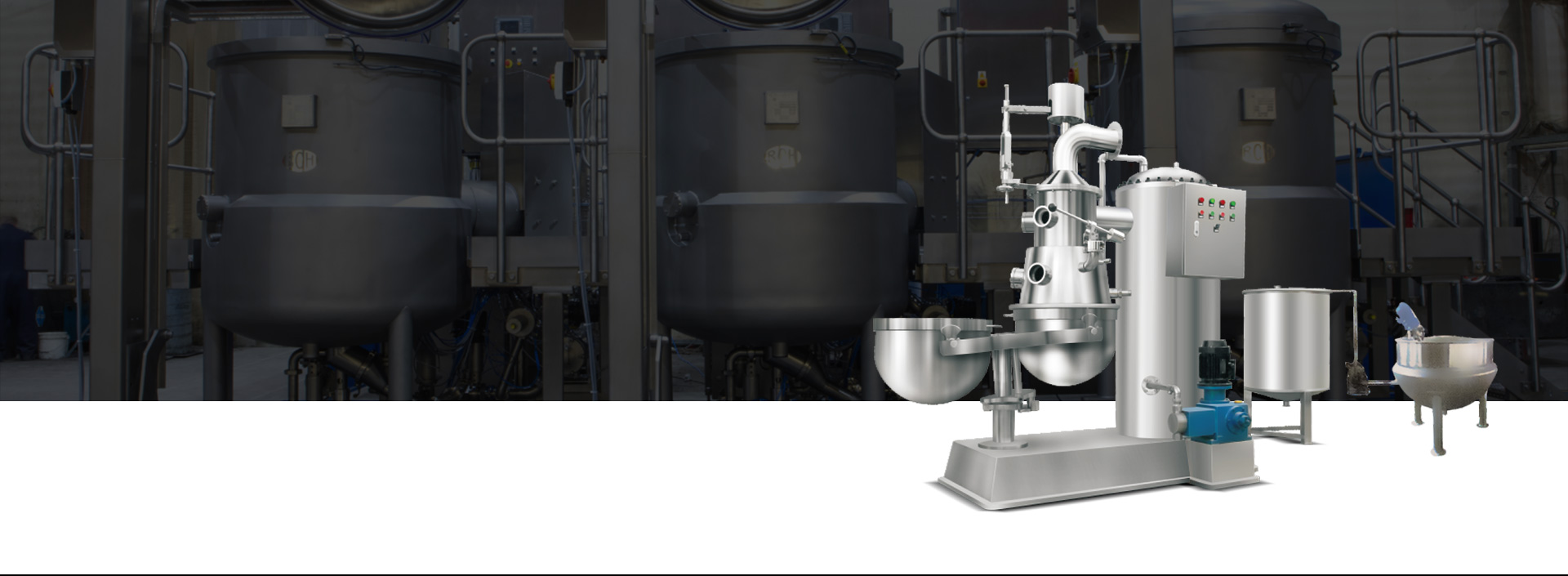
Sugar-based or otherwise formulated candy mass is cooked and conditioned until temperature and consistency suit forming. Flavour, colour and any inclusions are mixed in according to the batch recipe. The mass must be plastic enough to fill the flat cavity yet stable enough to hold the outline once formed. Batching controls and temperature management at this stage determine whether later forming runs cleanly or sticks, voids or deforms.
Forming the Candy into the Required Flat Shape
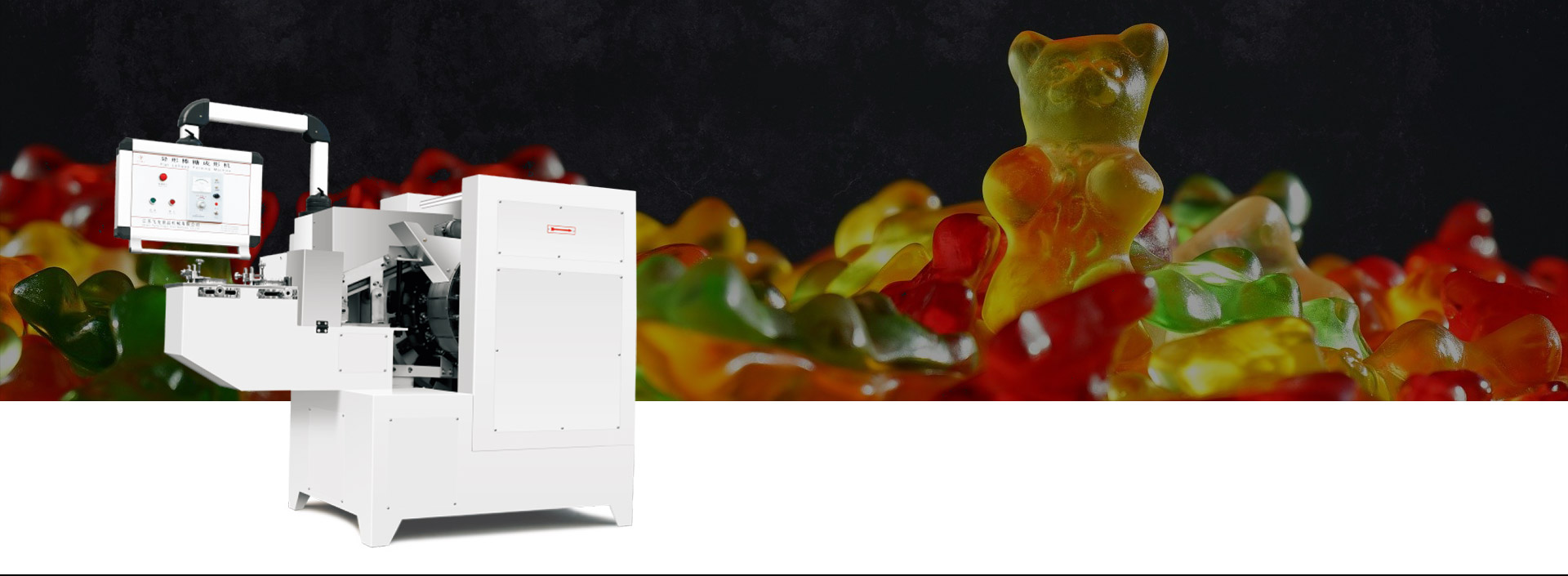
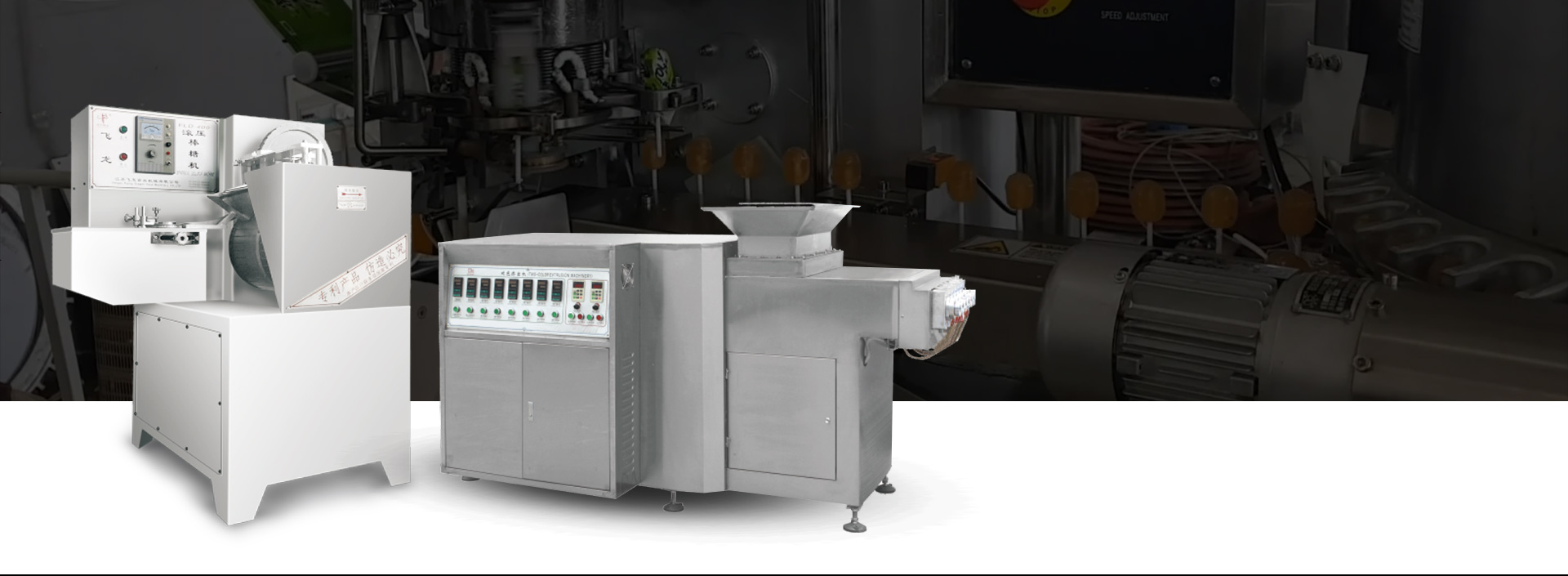
Forming equipment shapes the mass into the specified flat profile. Dies, moulds or equivalent tooling define outline and thickness. Uniform fill and release are essential so that successive pieces match the drawing. Custom designs rely on tooling that matches the artwork's silhouette; worn or incorrect tooling shows up immediately as blurred edges or uneven thickness.
Inserting and Positioning the Lollipop Sticks
Sticks are introduced at the point in the cycle designed for the line—during forming or in a dedicated insertion step—so that depth and alignment stay within tolerance. Off-centre sticks complicate wrapping and look unfinished on the shelf. Stick material and diameter must suit both the candy weight and the packing method that follows.
Cooling and Setting the Formed Lollipops
After forming, pieces need controlled cooling so the structure sets without warping or surface bloom. Cooling conveyors or chambers provide time and airflow matched to thickness and recipe. Handling too early marks the faces; cooling too slowly can slow the whole line. Set pieces are firmer and ready for individual wrapping.
Preparing Finished Pieces for Individual Packaging
Oriented, set lollipops are transferred toward packing so that each piece can be wrapped without clusters or doubles. Orientation matters for flat products because the wide face should sit correctly in the wrap. Coordination between the end of the forming line and the packing infeed reduces manual sorting and keeps rate steady.
How Industrial Equipment Supports Custom Flat Production
Consistent Forming Across Repeated Cycles
Mechanical forming repeats the same cavity fill and release pattern so that shape variation stays narrow when settings and mass condition are stable. Consistency is what allows a custom outline to remain recognisable throughout an entire production run.
Supporting Different Flat Designs
Changeable tooling and adjustable settings allow the same line concept to run more than one flat silhouette. Changeover discipline—cleaning, tool securing and trial pieces—decides whether design switches stay efficient or become lengthy stoppages.
Linking Forming, Cooling and Packing
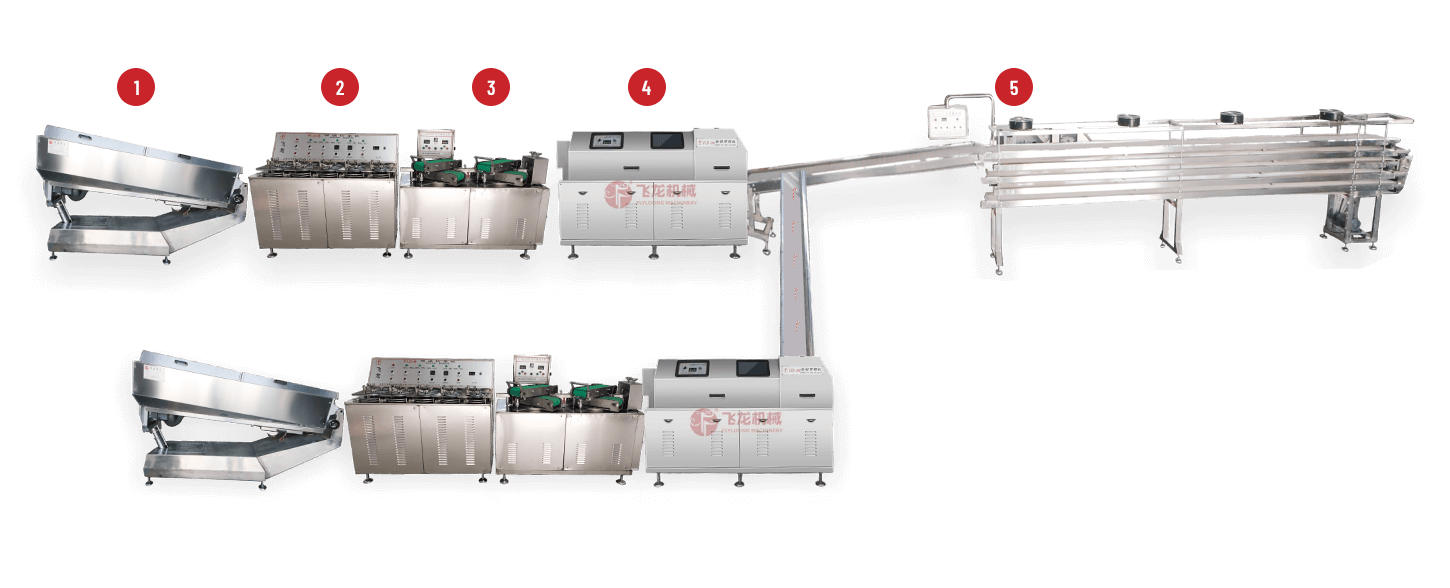
When conveyors and transfers are planned as one flow, pieces move from forming through cooling into packing without intermediate storage piles that deform soft candy or demand extra handling. Continuity is especially useful when many small custom batches share the same hall.
Reducing Repetitive Manual Handling
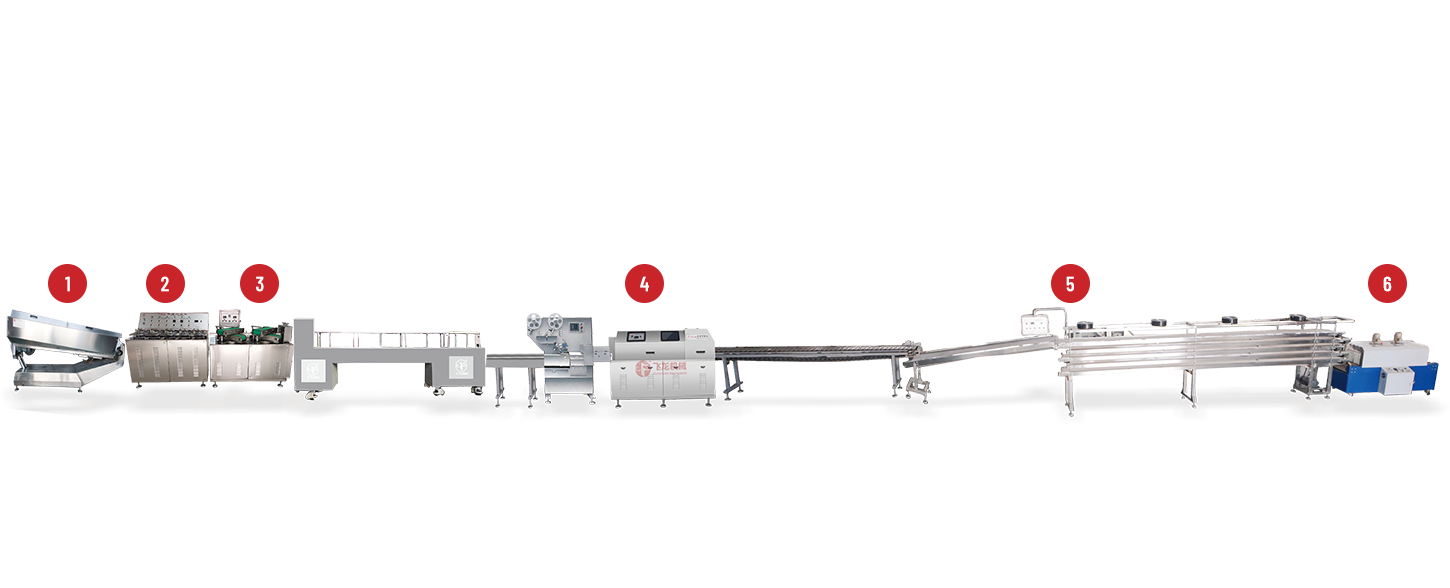
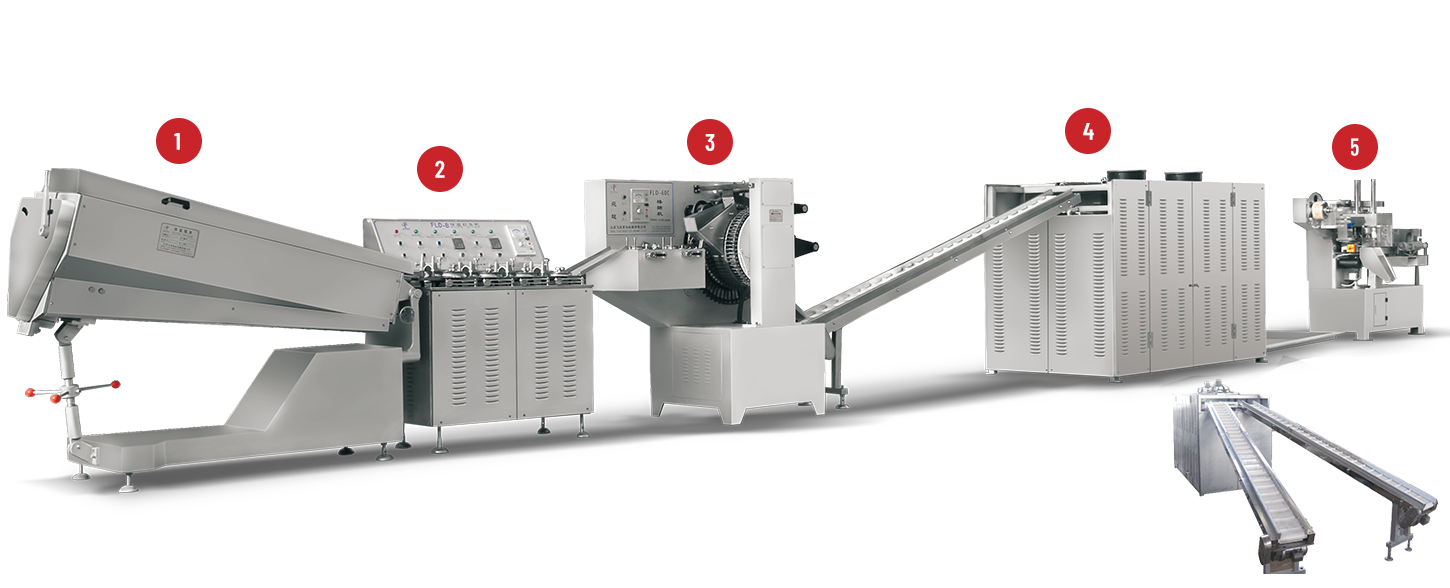
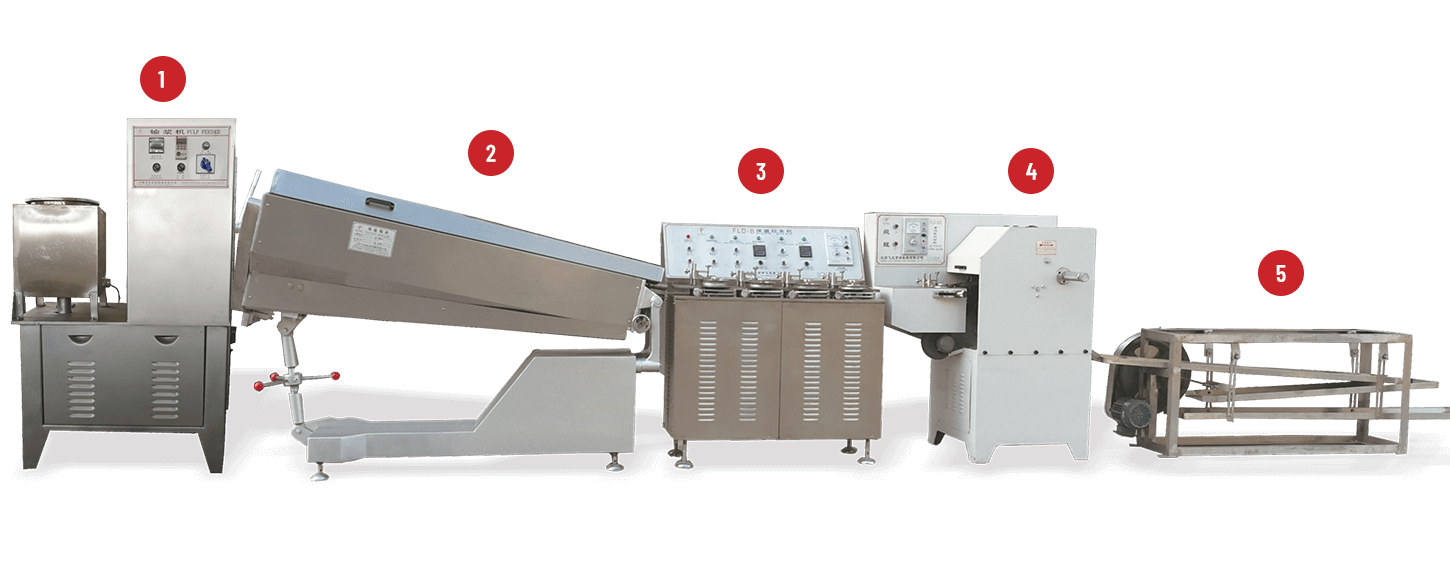
Mechanical forming, stick placement and transfer cut the amount of hand work per piece. Operators focus on supervision, quality checks and changeovers rather than shaping each lollipop individually. A Lollipop Making Machine in a flat-forming configuration is specified for that shift from craft-style handling to repeatable mechanical cycles.
Matching Configuration to Product Specifications
Capacity, tooling range and cooling length are selected against the product list: thickness range, outline sizes, stick types and target output. Equipment that is only roughly related to those needs forces compromises in quality or speed.
How a Custom Flat Lollipop Production Setup Supports Manufacturing
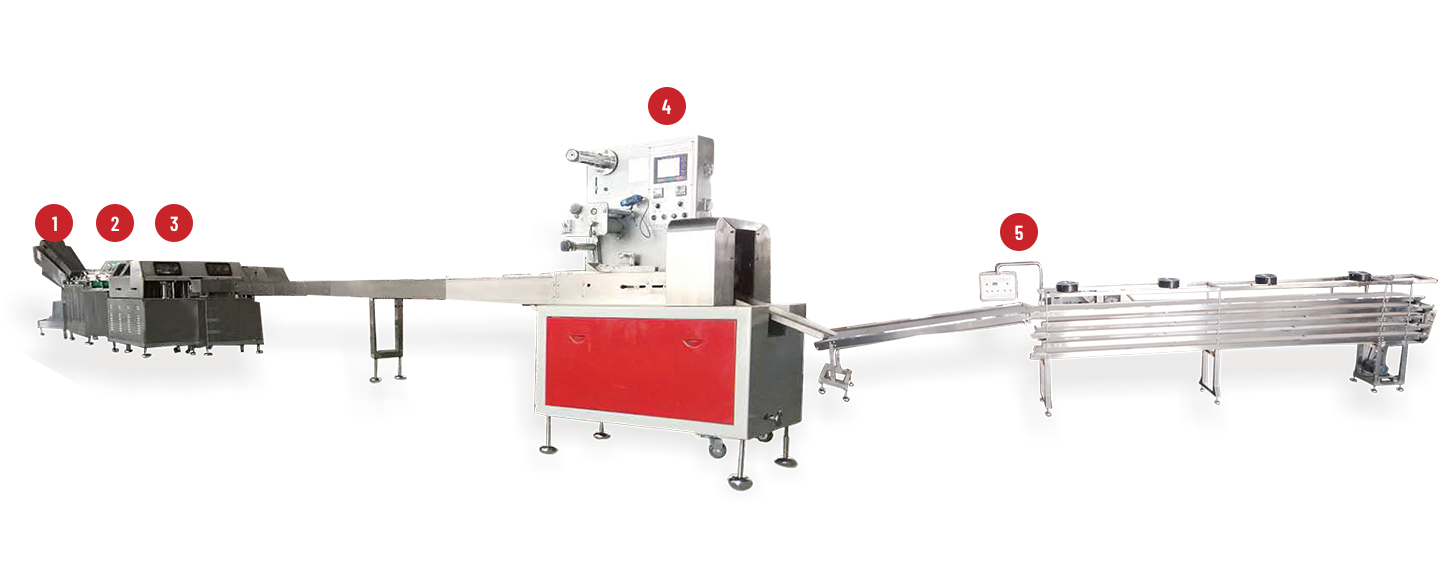
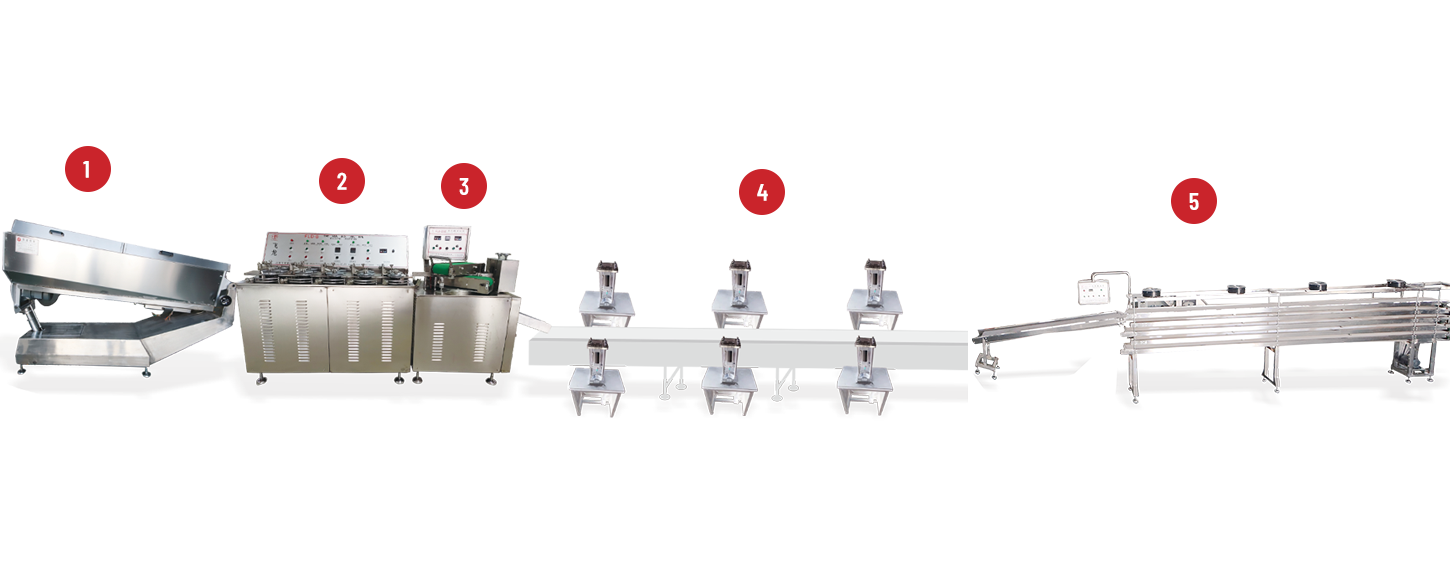
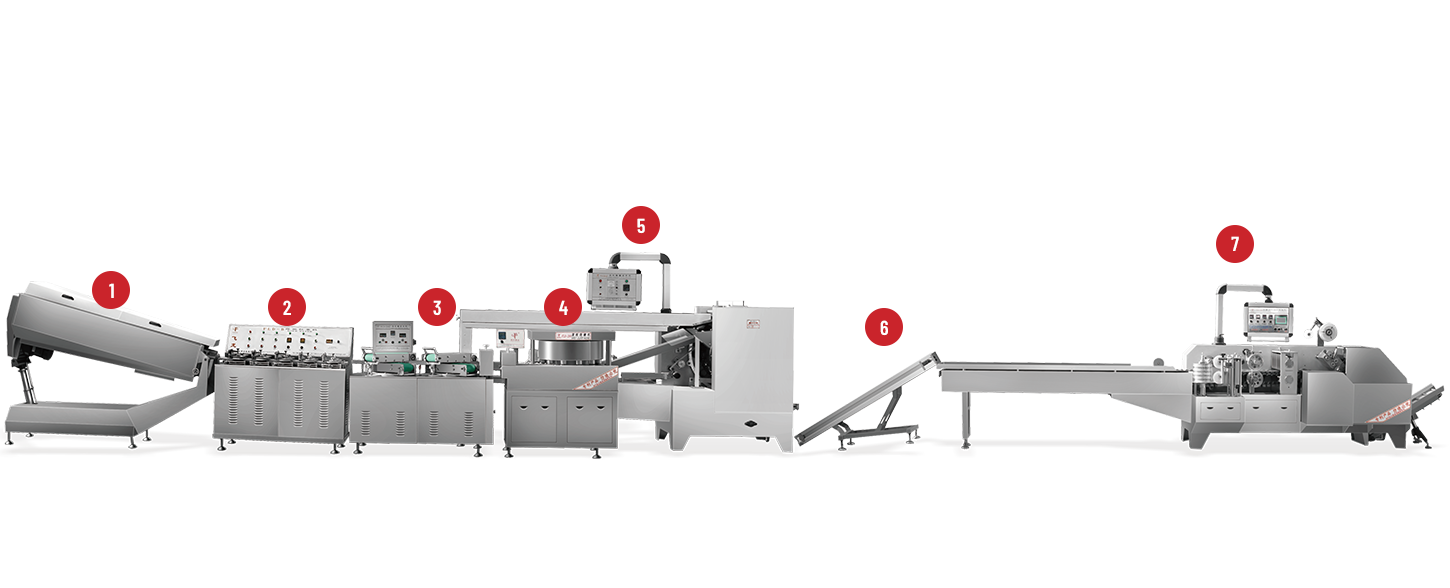
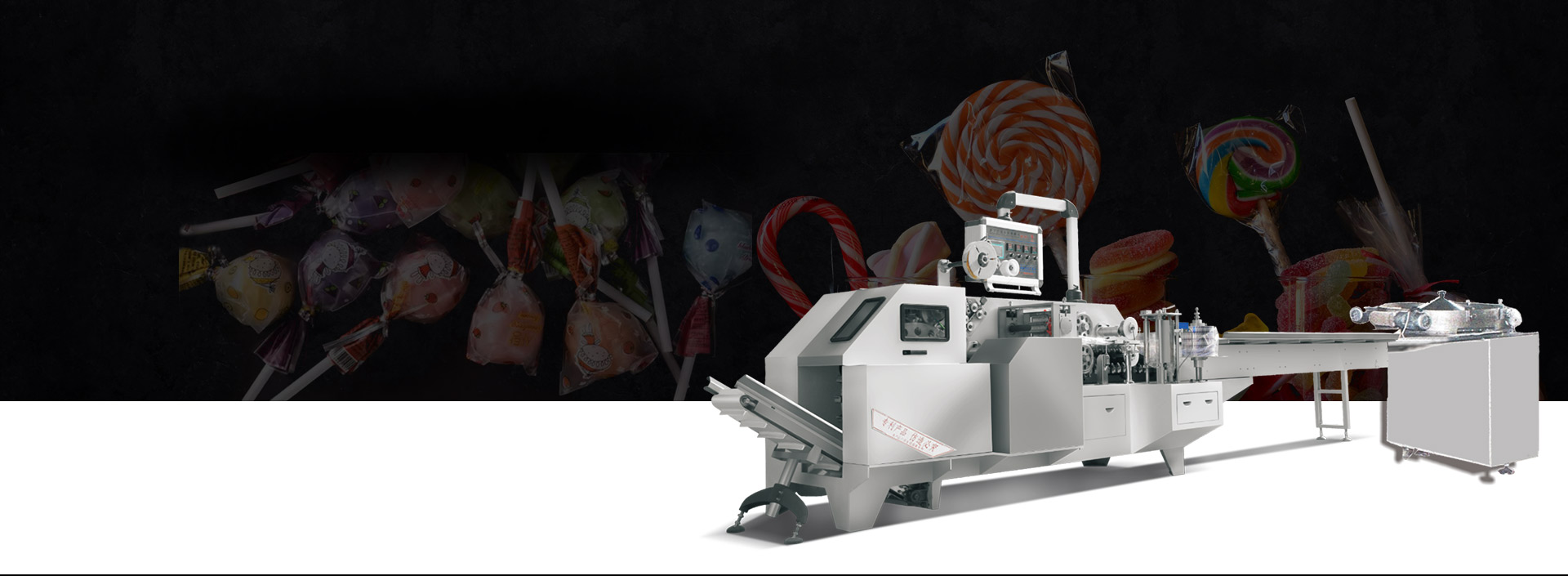
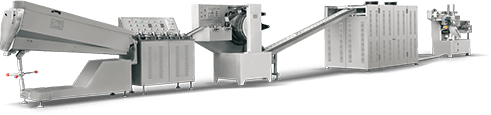
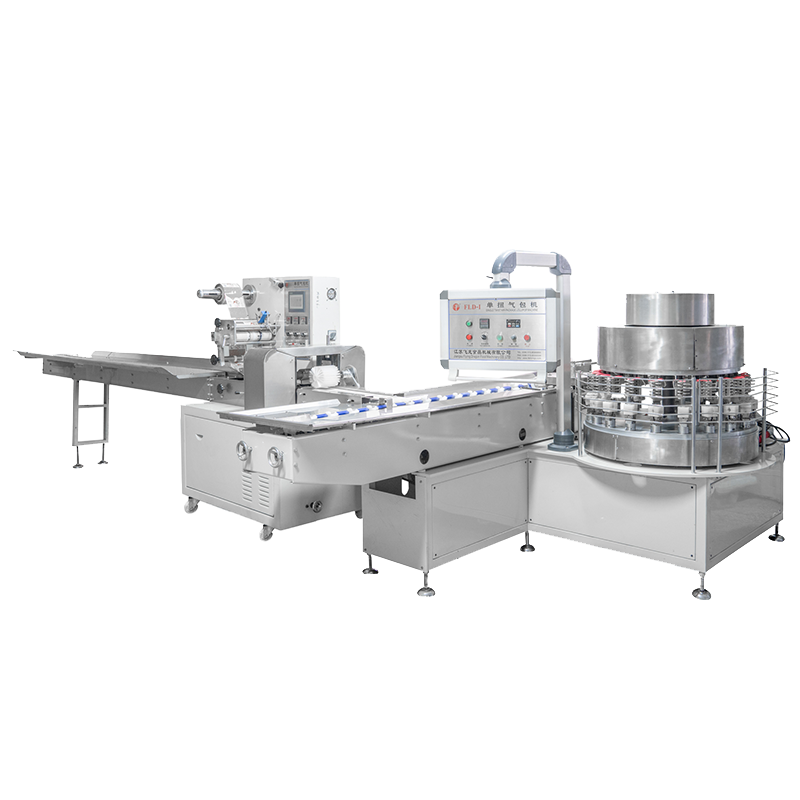
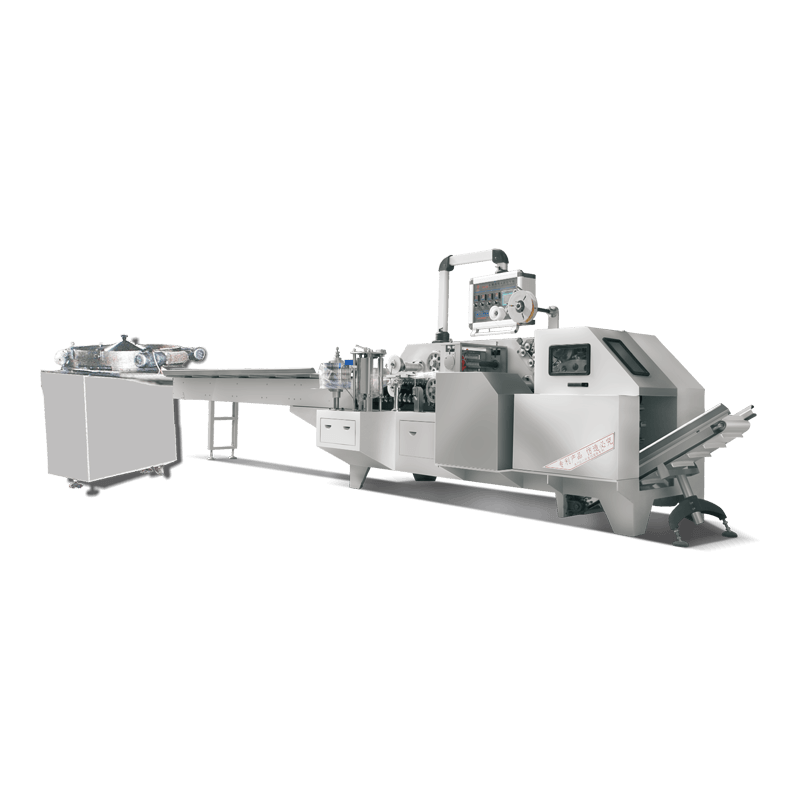
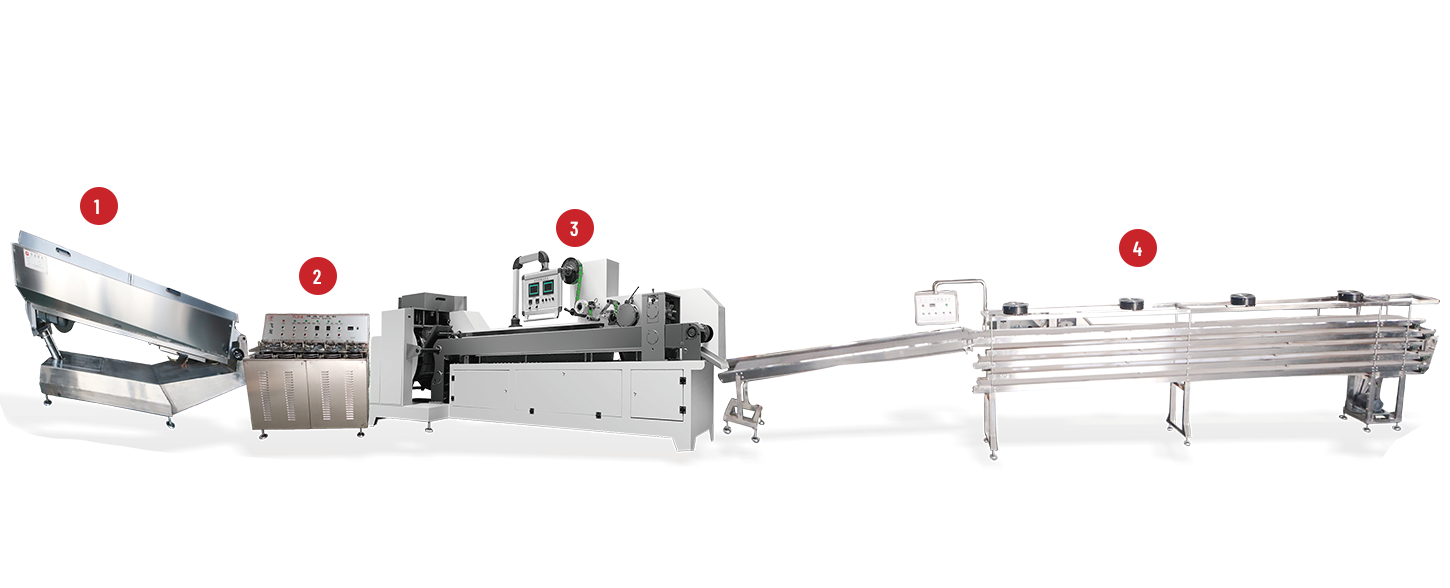
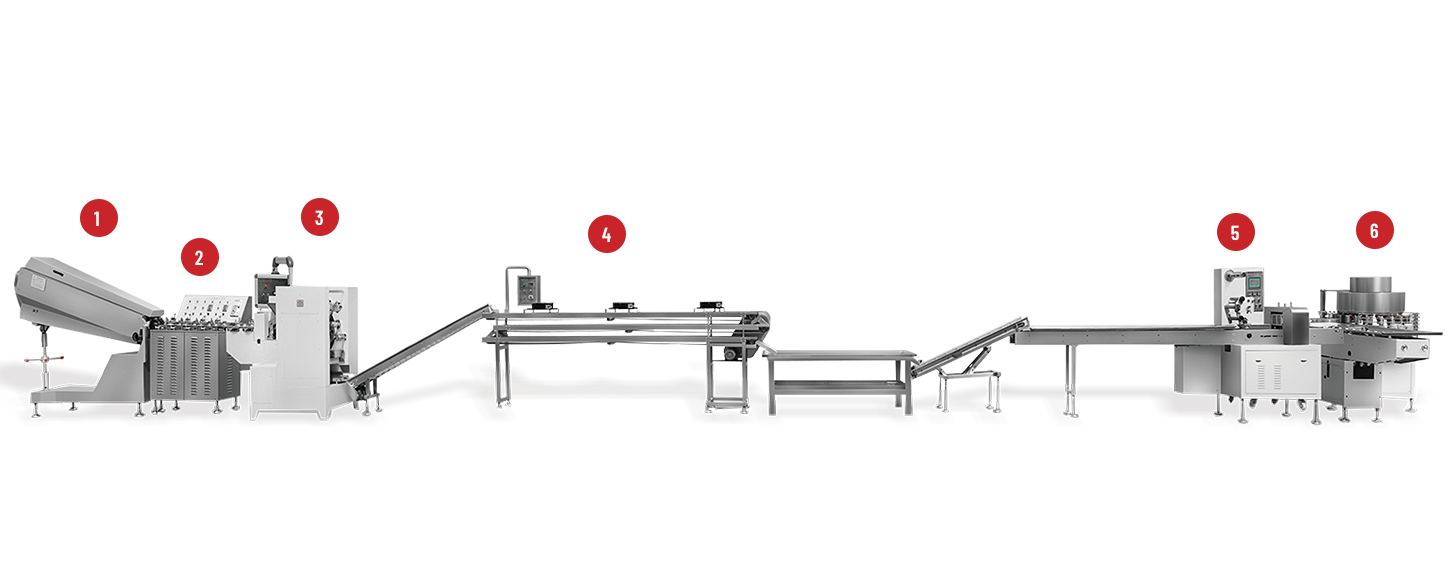
A coordinated production setup for custom flat lollipops ties mass preparation, forming, stick insertion and cooling to the dimensions and design rules of the product. Forming tools are chosen for the outline; process temperatures and times are set for the recipe; transfer methods protect the flat faces. When the same organisation also plans individual wrapping, the forming line is laid out so that discharge matches the packing machine's infeed style and rate. Connection to a flat lollipop twist packing stage turns formed candy into shelf-ready units without a large manual wrapping bench. The value lies in treating forming and packing as one sequence rather than as two isolated workshops.
How Twist Packing Fits the Flat Lollipop Process
Moving Finished Pieces into Packaging
Set, oriented lollipops arrive at the packing area by conveyor or controlled feed. Spacing and orientation should already suit the wrapper's product handles so that operators are not re-sorting every piece.
Twist Packing of Individual Pieces
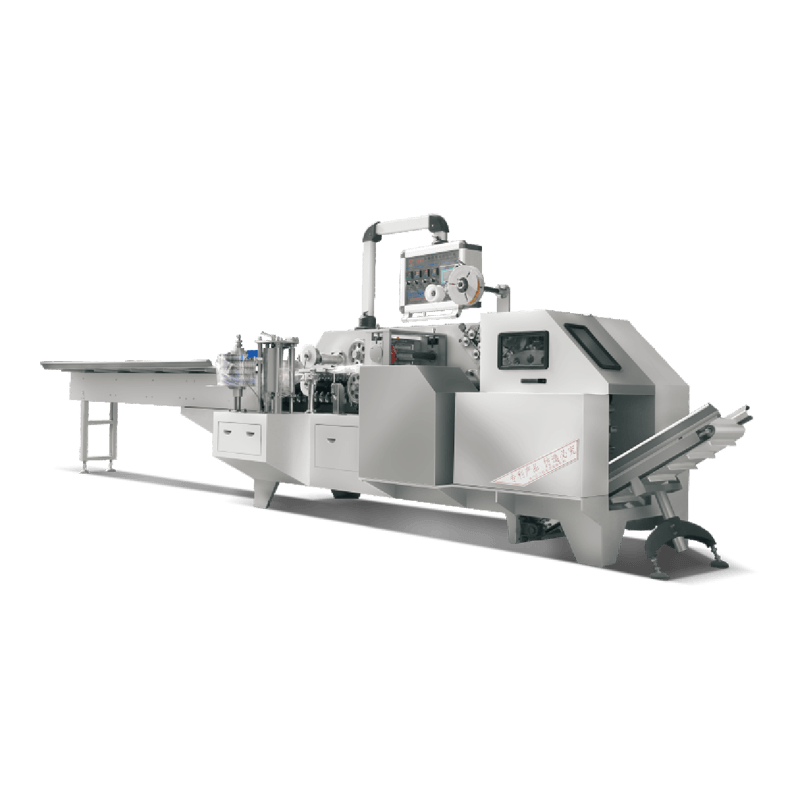
Twist packing wraps each lollipop and closes the film with twists, typically around the stick region, so that the flat face remains visible or protected according to the film and fold design. The method suits single-piece sales and hygienic handling after the line.
Why Forming and Packing Should Be Coordinated
If forming output far exceeds packing capacity, product queues soften or stick together. If packing runs faster than forming, the wrapper starves and efficiency falls. Matched rates, buffers and product orientation reduce both problems. Industrial Candy Making Equipment for flat lollipops is therefore planned as a chain from mass to wrapped piece, not as a single isolated former.
Cutting Manual Wrapping Work
Automated or semi-automated twist packing replaces repetitive hand wrapping for standard individual packs. Labour shifts toward film supply, quality sampling and machine attendance, which matters when order volumes rise or when many short custom runs still need neat individual wraps.
Production Stages and Control Focus
| Stage | Main purpose | Control focus |
|---|---|---|
| Candy mass preparation | Recipe-ready mass at forming condition | Temperature, mixing, consistency |
| Flat forming | Outline and thickness as specified | Tooling condition, fill, release |
| Stick insertion | Centred, secure stick placement | Depth, alignment, stick quality |
| Cooling and setting | Stable shape without warping | Time, airflow, handling care |
| Transfer to packing | Oriented single pieces | Spacing, face orientation |
| Individual twist packing | Wrapped unit ready for sale or boxing | Film feed, twist quality, rate match |
Quality and Changeover Considerations
Custom programmes change outlines and colours more often than a single long-running standard product. Tool storage, identification and cleaning between allergen or colour runs protect both design accuracy and food safety. Sample checks on thickness, stick position and wrap integrity at the start of each variant catch issues before large quantities are committed. Documentation of settings for each design shortens the next changeover on the same tool set.
From Flat Design to Wrapped Piece on an Industrial Line
Custom flat lollipops are produced by preparing candy mass, forming it into a specified flat outline, placing sticks, cooling until set and wrapping pieces individually. Equipment supports that path when forming stays consistent, tooling can reflect different designs and cooling and packing are rate-matched to the former. Jiangsu Flying Dragon Food Machinery Co., Ltd. supplies candy production and packing equipment for lollipop and related confectionery lines. Review of forming method, stick handling, cooling needs and packing style against the flat product design supports selection of a production arrangement suited to repeated custom flat lollipop manufacturing.
 +86-(0)515-8465666
 +86-(0)515-85566996
 +86-138 1559 9708
 flyloong@flyloongcn.com

 Home
