

 ENG
ENG
 English
 中文简体
中文简体 русский
 Français
 Español
 عربى
عربى
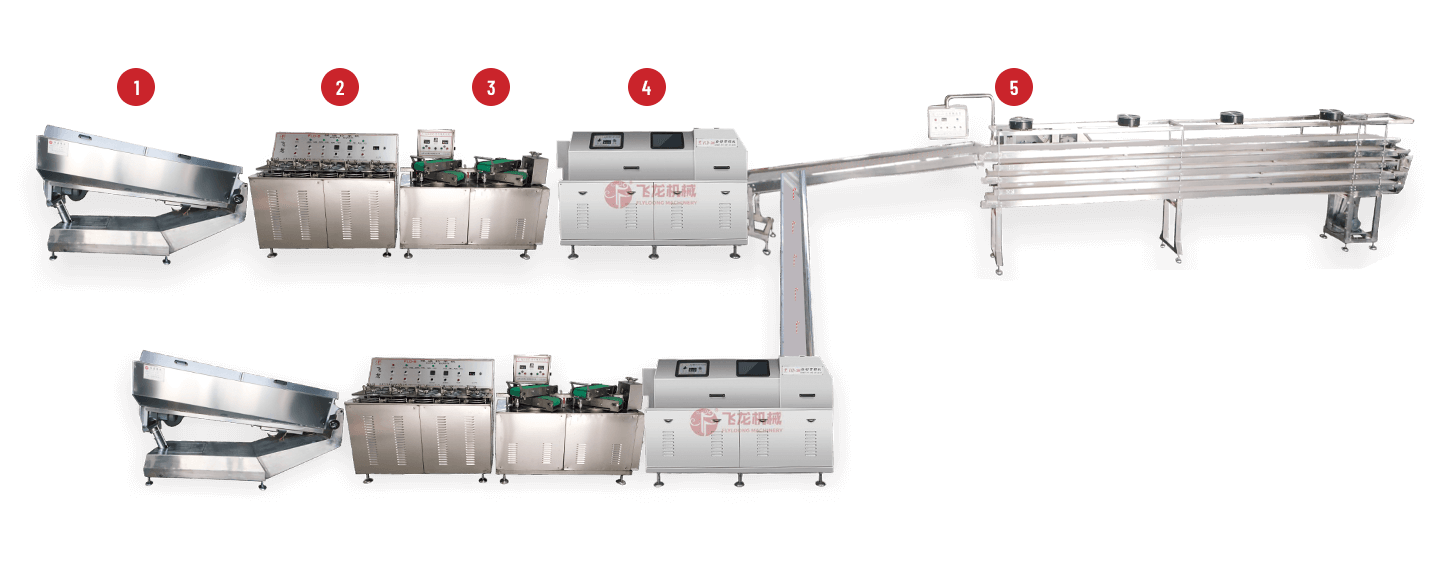
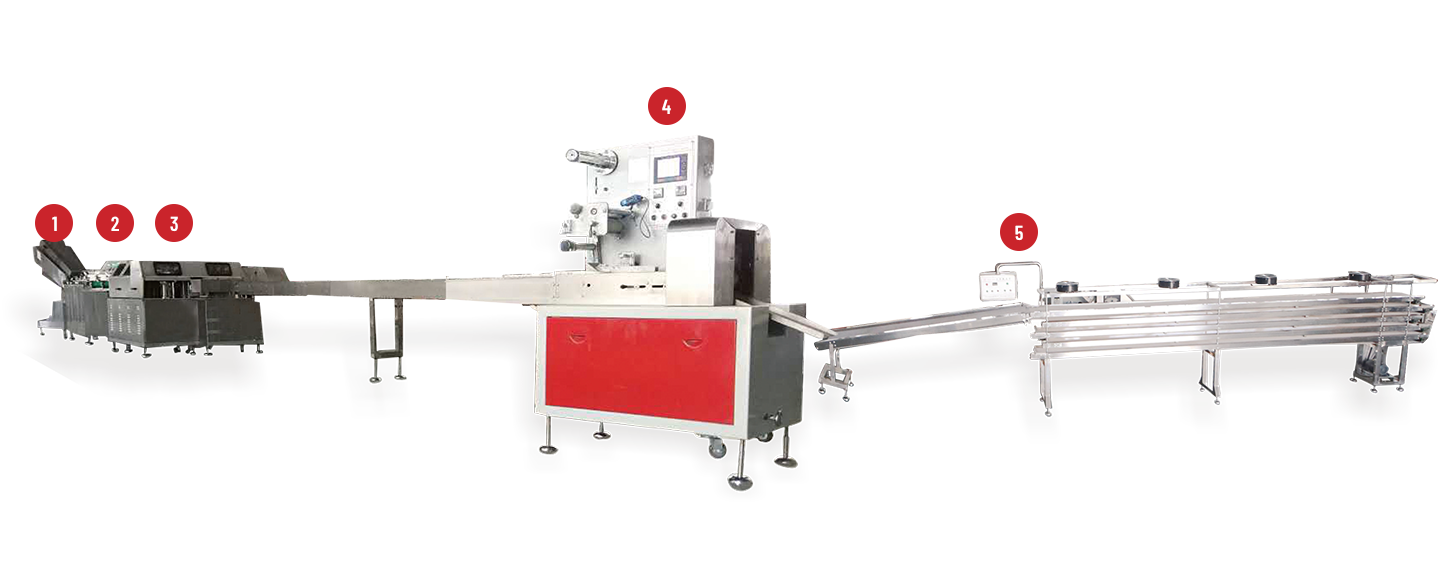
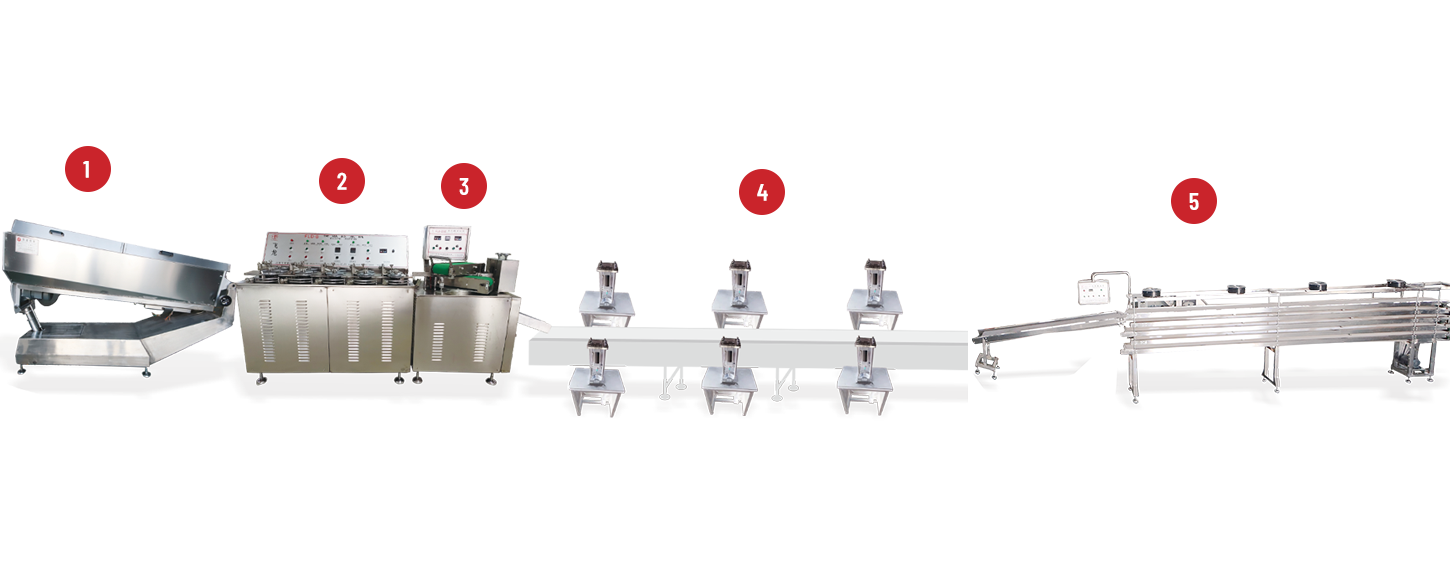
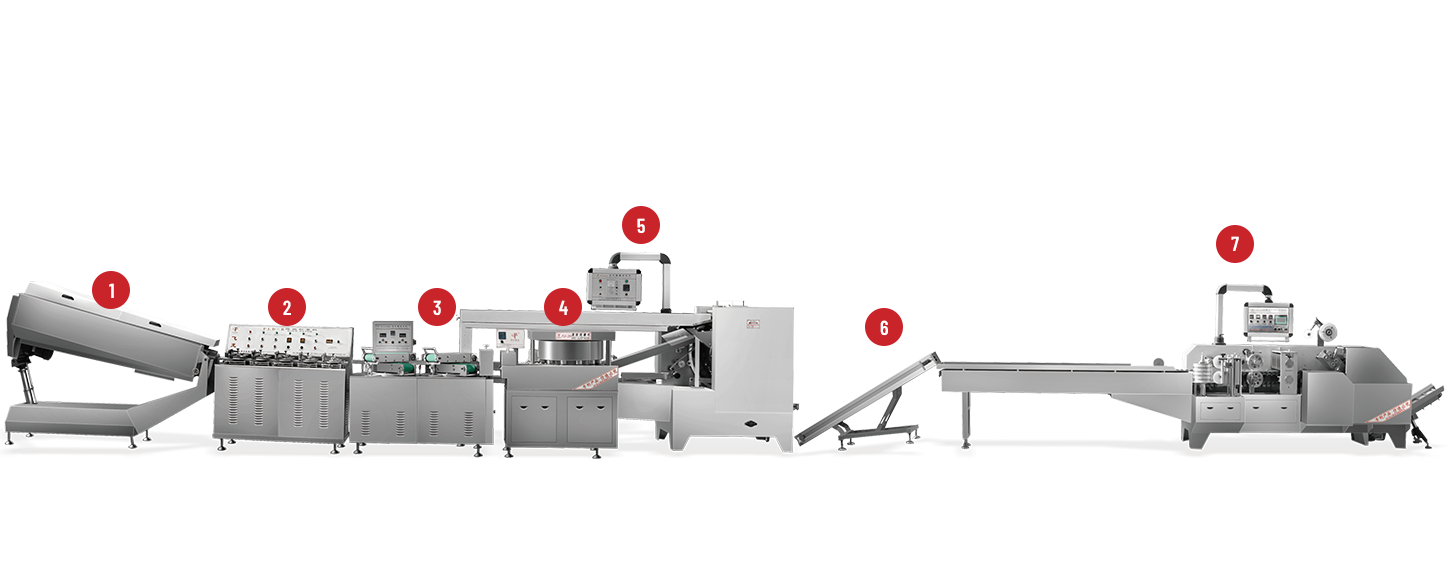
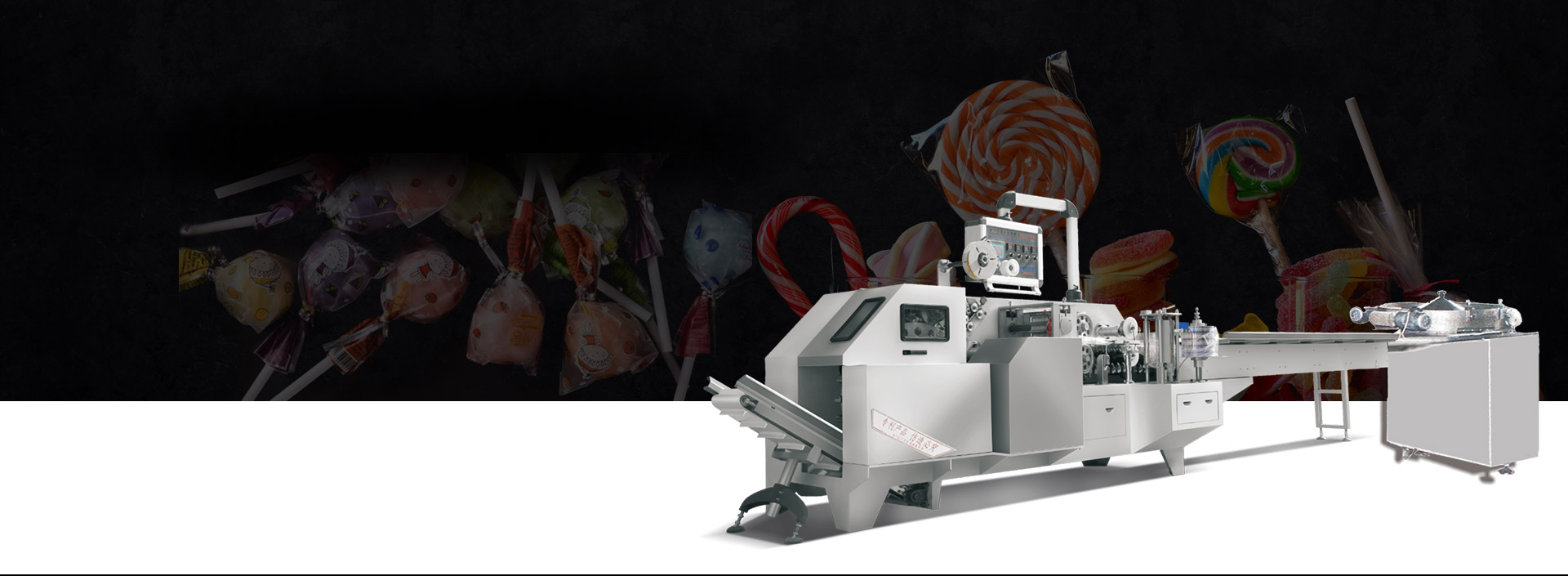
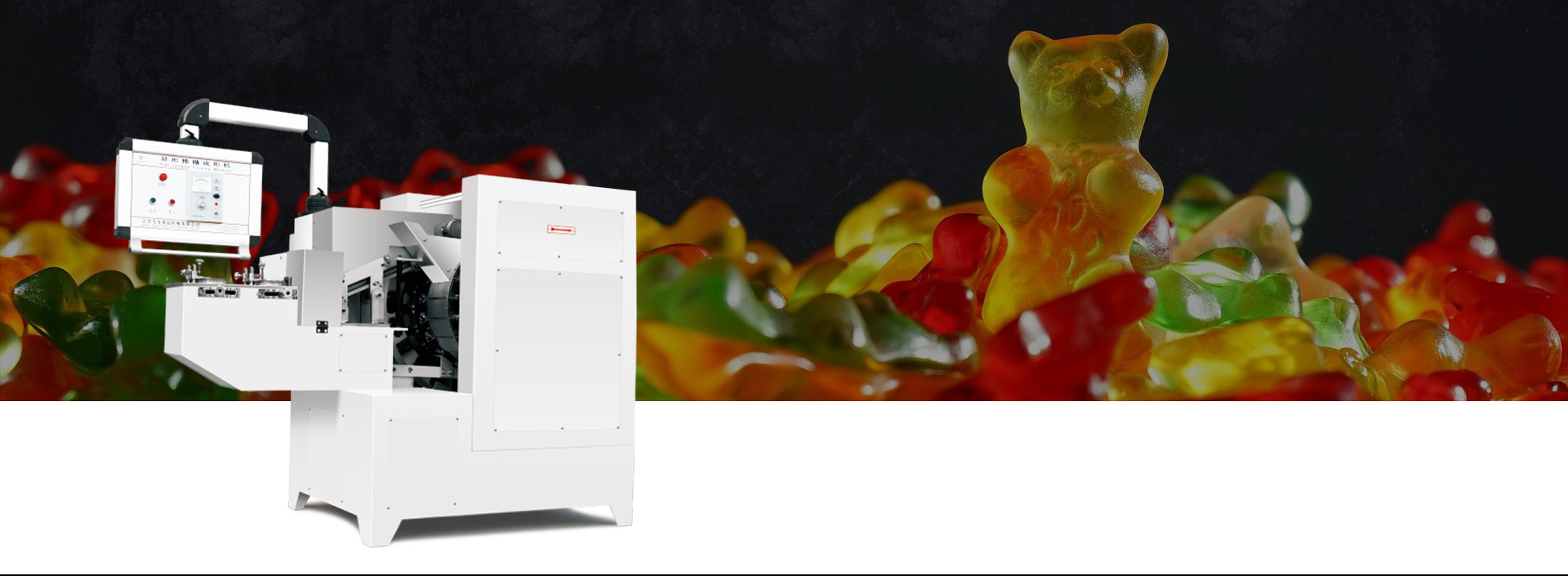
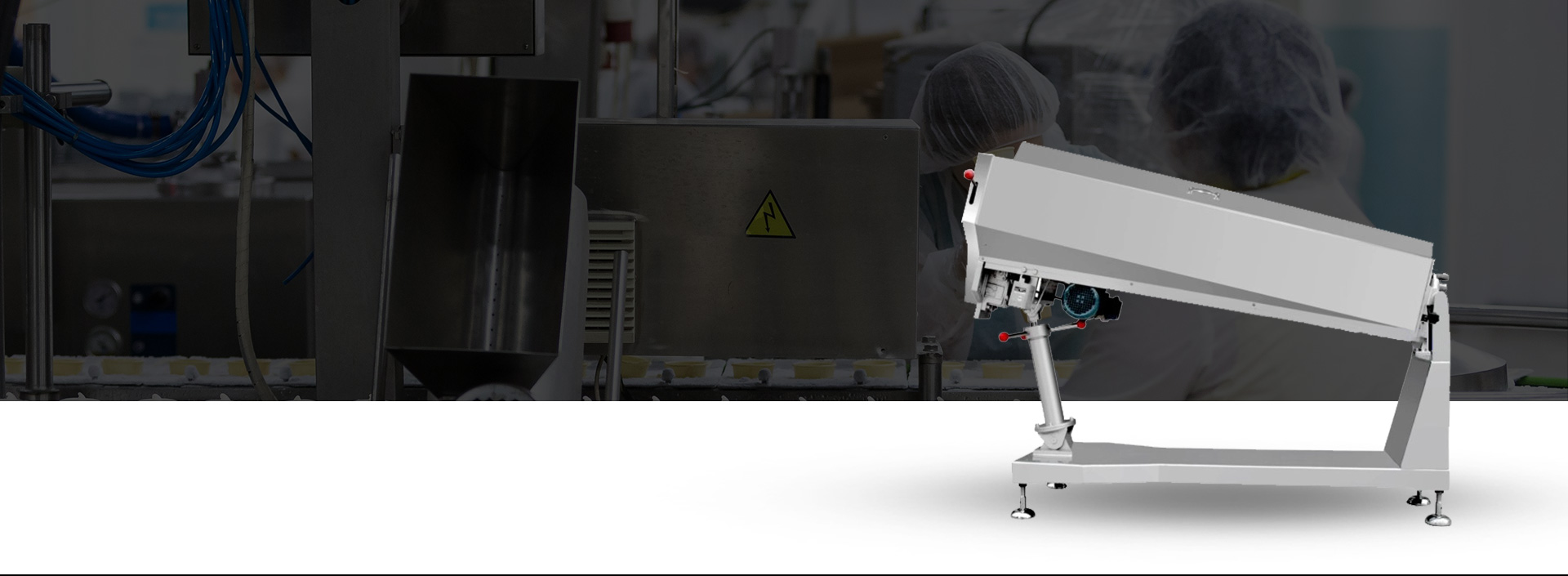
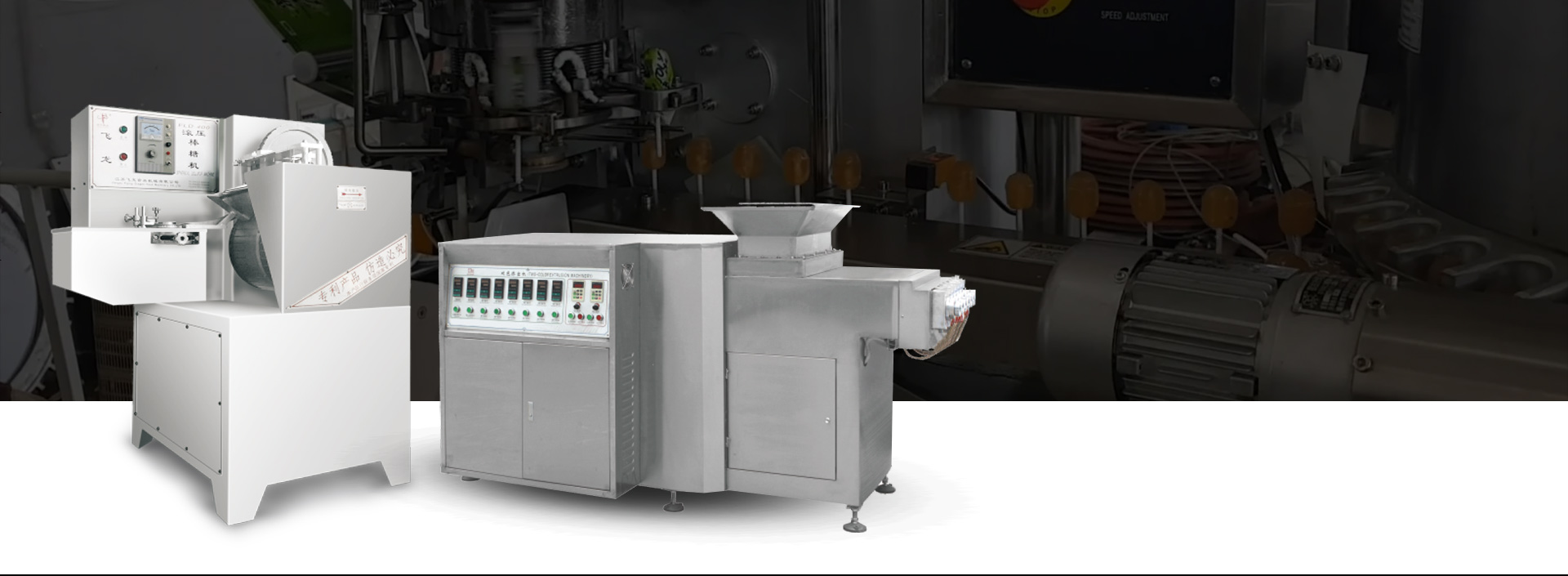
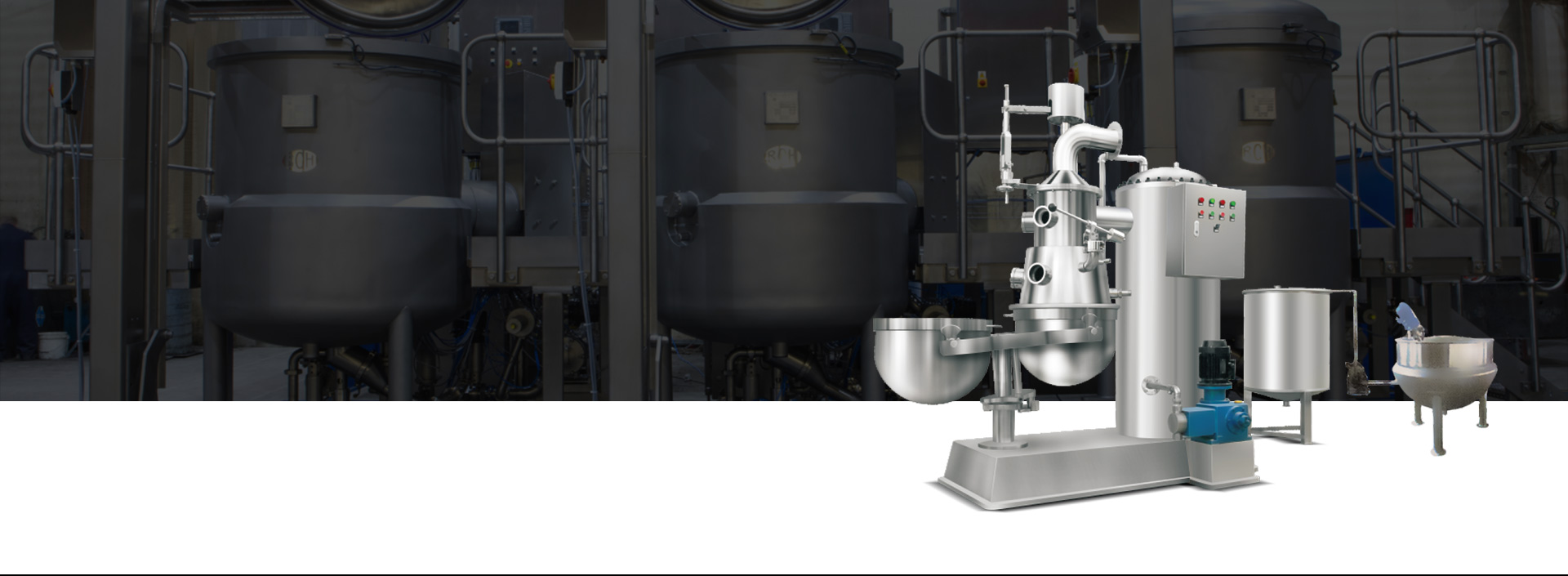
Candy comes in many forms. Some pieces are round and smooth. Others are long, flat, square, twisted, layered, or attached to a stick. Even candies that look similar can behave differently during handling and packaging.
This variety creates a practical challenge for confectionery producers. A packing process needs to move products into an organized position before wrapping or enclosing them. The process also needs to match the shape of the candy and the selected package.
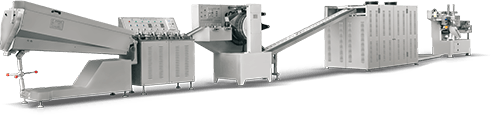
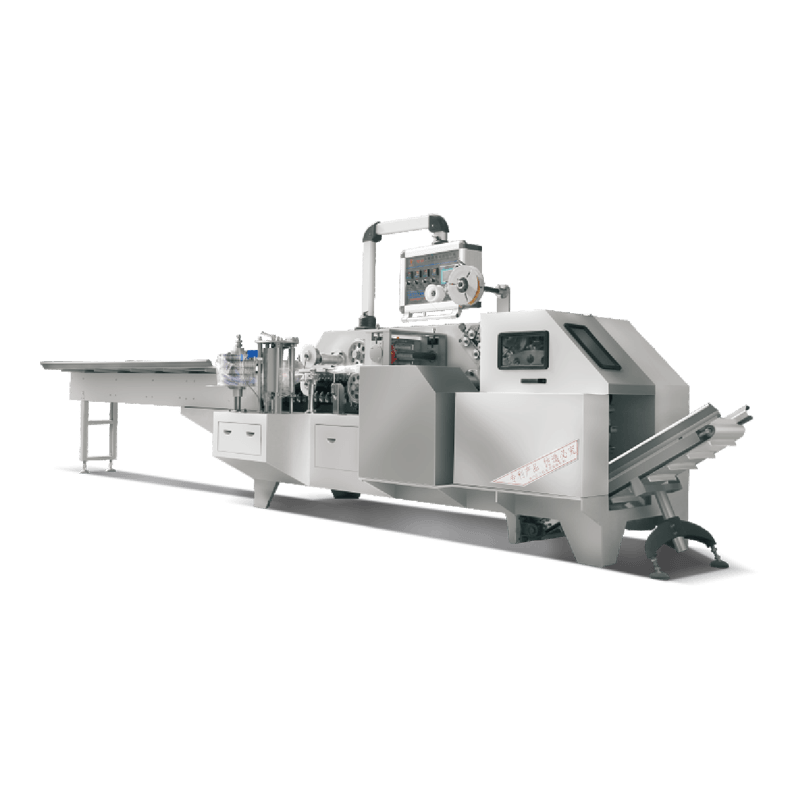
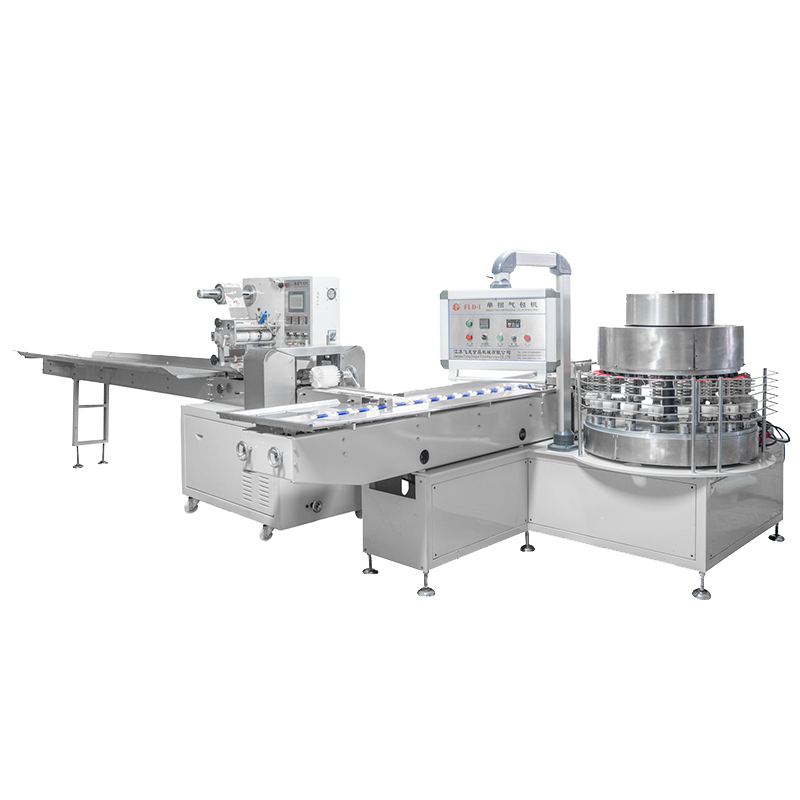
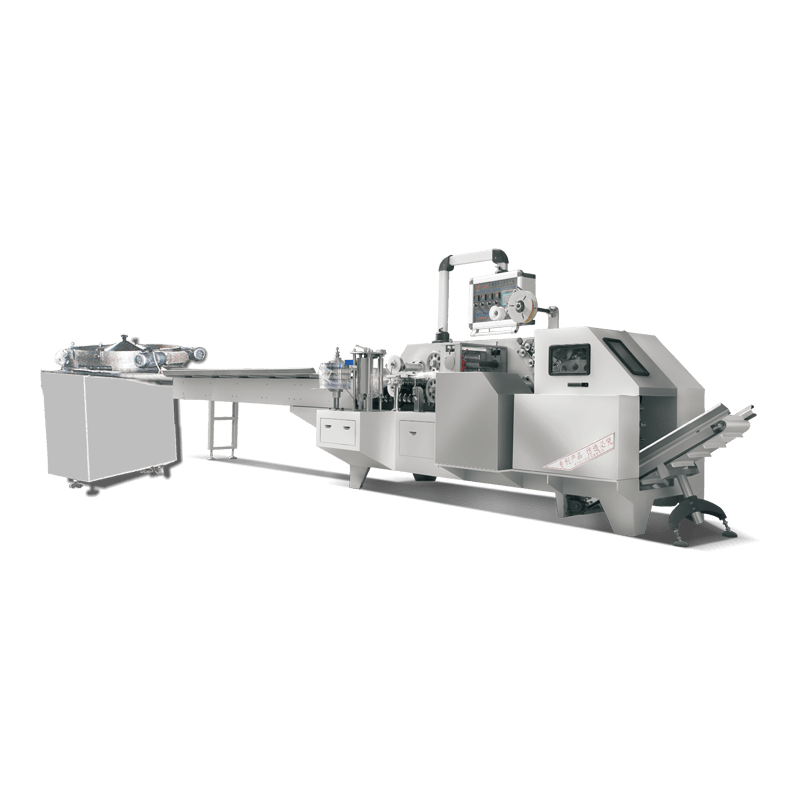
A confectionery packing machine can support this work by organizing product movement and connecting candy handling with packaging. Its design can be adjusted around different product characteristics. The purpose is not to treat every candy in exactly the same way. It is to create a suitable path for each product type.
As confectionery production becomes more varied, the relationship between candy shape and packaging is attracting more attention. Product design, packaging style, and machine selection are increasingly considered together.
Why Does Candy Shape Matter During Packaging?
Candy shape affects how a product moves.
A round candy can roll or change position easily. A flat piece may remain more stable. A long candy may need to travel in a particular direction. A lollipop includes a stick that changes how the product can be positioned.
These differences matter before the wrapper even reaches the candy.
If products arrive in an irregular arrangement, the packing process may become less organized. Candy can overlap, turn, or move away from the intended position. A suitable packing system helps guide products into a more controlled flow.
| Candy Shape | Common Handling Consideration | Possible Packaging Direction |
|---|---|---|
| Round | Can change position easily | Individual wrapping |
| Square | More stable orientation | Individual or grouped packaging |
| Flat | Requires suitable product positioning | Wrap or pouch packaging |
| Long | Direction needs attention | Individual or grouped wrapping |
| Twisted | Shape can vary during handling | Flexible packaging |
| Layered | Surface should be handled carefully | Protective wrapping |
| Stick-based | Product and stick need coordinated handling | Individual wrapping |
| Irregular | May require flexible positioning | Customized packaging |
The table does not represent fixed rules. Packaging choices depend on the actual product.
The important point is that candy shape becomes part of the packaging conversation.
How Does a Confectionery Packing Machine Organize Different Candy Shapes?
A packing machine generally needs to create an orderly product flow before packaging.
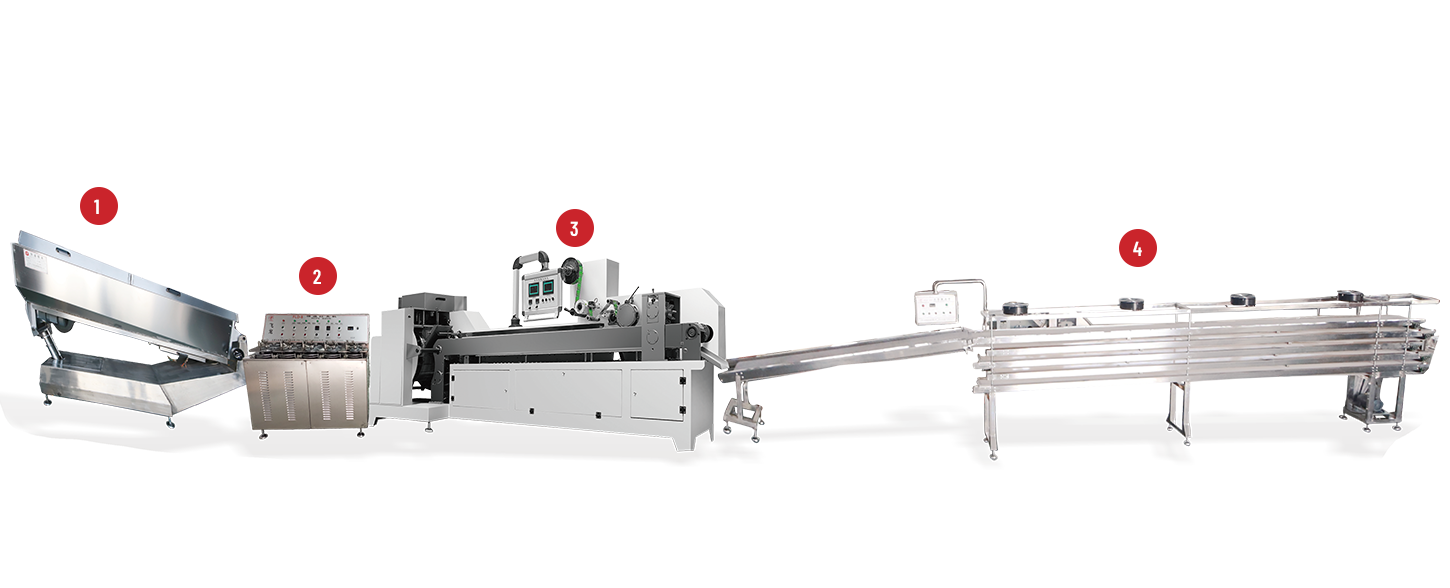
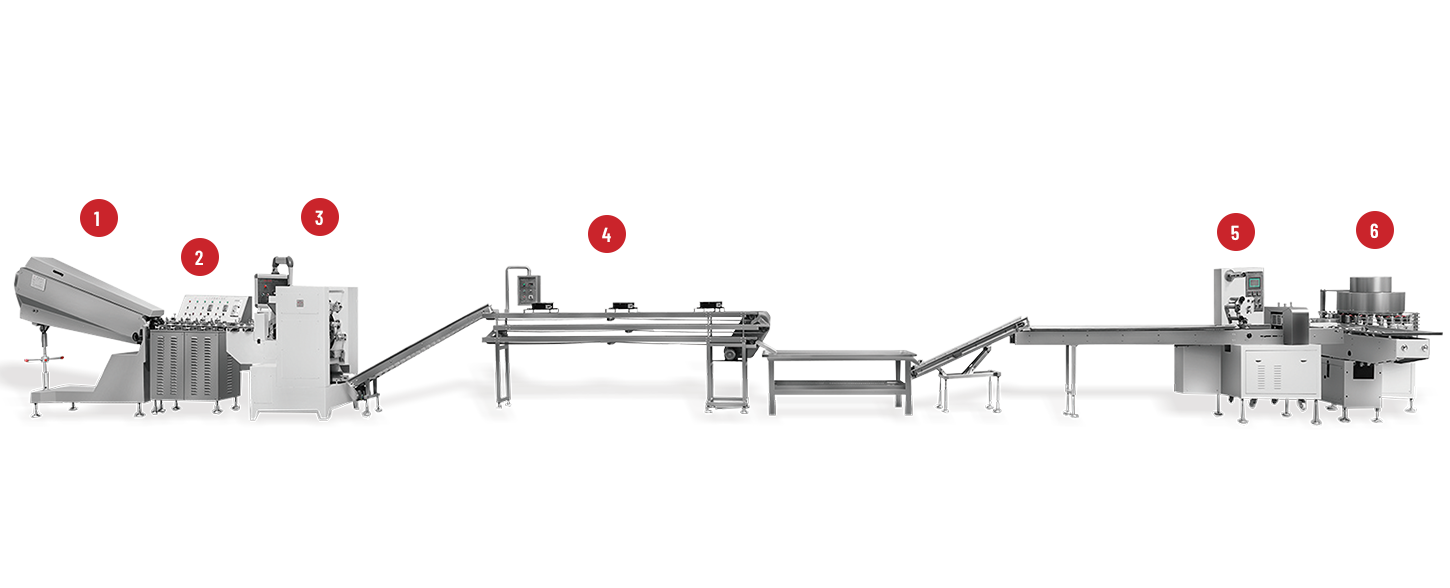
The process can be viewed as a series of simple activities:
- Candy enters the handling area.
- Products are separated or arranged.
- Pieces move toward the packaging position.
- Packaging material meets the product.
- The package is formed around the candy.
- Finished packages move toward collection.
The details vary with the equipment and product.
For round candy, the handling process may focus on preventing pieces from moving unpredictably. For long candy, the system may need to encourage a particular direction. For stick-based products, the candy and stick need to remain coordinated.
This is why a confectionery packing machine is not simply a wrapper applicator.
The handling stage has an important role.
When products are presented in a more organized manner, the packaging stage can operate as part of a connected process rather than as an isolated activity.
Manufacturers can therefore consider the complete movement of the product when selecting or developing packing equipment.
How Are Round and Square Candies Handled Differently?
Round and square candies may appear simple, but their movement can be quite different.
Round pieces have curved surfaces. They can roll or rotate when moving from one part of the packing process to another. Their orientation can change without much resistance.
Square or rectangular pieces have flatter surfaces and defined edges. They may remain in a more stable position during movement.
This difference can influence the way products are arranged before wrapping.
For round candy, the packing process may need to guide each piece into a consistent position. For square candy, the system may focus more on spacing and alignment.
Packaging material also interacts with the shape.
A wrapper needs to surround the product without creating an awkward package. The final appearance can influence how consumers view the candy.
This is especially relevant for retail products where the wrapper is part of the product presentation.
The machine therefore needs to handle the candy as a physical object while also supporting the desired package appearance.
How Can Packing Machines Handle Long, Flat, and Irregular Candies?
Not every confectionery product has a compact shape.
Long candies may need to move in a particular direction. Flat products may require careful positioning to avoid turning. Irregular products can create a different challenge because their shape may not provide a consistent contact surface.
A confectionery packing machine can address these differences through product-specific handling arrangements.
The goal is to create a predictable path.
For long products, the machine may guide pieces so that they reach the wrapping area in a suitable direction. For flat candies, product spacing and orientation can become more important. For irregular products, the packaging process may need to allow more variation.
This is where flexible equipment design becomes useful.
Manufacturers may produce several types of confectionery within the same facility. A packing area that can accommodate different product forms can help reduce the need for completely separate packaging arrangements.
However, flexibility does not mean that every machine can package every type of candy.
Product characteristics still matter.
A manufacturer needs to consider the actual candy shape, surface, texture, packaging material, and desired package format before choosing a suitable solution.
What Challenges Do Stick-Based Candies Create?
Lollipops and other stick-based confectionery products have a special feature.
The candy and the stick form one product, but they behave differently during handling.
The candy head may be round, flat, shaped, or decorated. The stick extends from the product and needs to remain in an appropriate position during packaging.
This creates an additional positioning requirement.
A packing machine designed for stick-based candy needs to consider both parts of the product. The candy should reach the wrapping area in a suitable position. The stick should not interfere with the package.
The wrapper may also need to surround the candy while leaving the stick in a practical position.
This makes lollipop packaging different from packaging a simple individual candy.
The product design and packaging design therefore need to work together.
| Product Feature | Packaging Consideration |
|---|---|
| Candy head | Shape and surface affect wrapping |
| Stick | Requires controlled positioning |
| Connection area | Needs appropriate package coverage |
| Overall length | Influences product movement |
| Package appearance | Needs to present the product clearly |
For confectionery producers, this relationship can influence machine selection and packaging development.
A change in candy shape may also require a change in how the product is presented to the machine.
How Does Product Texture Affect Shape Handling?
Shape is only one part of the packaging challenge.
Texture also matters.
Some candies have firm surfaces. Others are softer, sticky, layered, or coated. Two products with similar shapes may therefore require different handling approaches.
A soft candy may respond differently to movement than a hard candy. A sticky surface may require more attention during product separation. A coated candy may need careful handling to maintain its appearance.
This means that a confectionery packing machine needs to be considered in relation to the complete product.
| Product Characteristic | Possible Handling Concern |
|---|---|
| Firm surface | Product movement and positioning |
| Soft texture | Careful handling |
| Sticky surface | Product separation |
| Coated surface | Maintaining product appearance |
| Layered structure | Avoiding unnecessary disturbance |
| Fragile decoration | Protecting visible details |
The packaging process should support the candy rather than create unnecessary stress.
This is particularly important for products where appearance is part of their appeal.
A candy with a carefully designed shape or surface can lose some of its visual value if the packaging process does not handle it appropriately.
Which Packaging Formats Work with Different Candy Shapes?
The candy shape often influences the package format.
Individual wrapping is common for small pieces. Bags can accommodate groups of candies. Boxes can hold selected products or collections. Some products may use flexible pouches or other packaging styles.
The choice depends on the product and market purpose.
A small round candy may be suitable for individual wrapping. Several irregular candies may be grouped into a bag. A shaped chocolate product may require packaging that provides more space around the product.
| Candy Form | Possible Packaging Format |
|---|---|
| Small individual candy | Individual wrapping |
| Multiple small pieces | Bag or pouch |
| Long candy | Individual or grouped wrapping |
| Lollipop | Individual wrapping |
| Shaped confectionery | Protective individual package |
| Mixed candy | Group or collection packaging |
These are general examples rather than fixed applications.
Packaging decisions can also depend on storage, transportation, retail presentation, and consumer use.
The packing machine needs to support the selected format while maintaining an organized product flow.
This is why manufacturers often consider the candy and package as a pair.
How Can Manufacturers Improve Flexibility When Packaging Different Candies?
Product variety is common in confectionery production.
A manufacturer may handle several candy shapes within one facility. Seasonal products, new designs, and different package sizes can increase the variety further.
This creates a need for flexible production planning.
A packing machine may support flexibility through adjustable product handling arrangements or changeable packaging configurations. The exact approach depends on the equipment.
The wider production system also matters.
Workers need to know which product is being packed. Packaging materials need to match the product. Finished packages need to move into the correct collection area.
Good organization can make product changes easier to manage.
Manufacturers can also group products according to their handling characteristics.
For example, several round products may share similar handling requirements. Long products may form another group. Stick-based products may require a separate arrangement.
This approach can make packaging planning easier.
It also helps manufacturers understand where equipment flexibility is useful and where a dedicated solution may be more appropriate.
What Should Manufacturers Consider When Choosing a Confectionery Packing Machine?
Candy shape should be part of the selection process, but it should not be the only consideration.
Manufacturers can look at several aspects of the product and packaging process.
Product shape
Is the candy round, flat, long, square, irregular, or attached to a stick?
Product texture
Is the surface firm, soft, sticky, coated, or layered?
Packaging style
Will the product be individually wrapped, grouped, placed in a bag, or enclosed in another package?
Product presentation
Does the final package need to show the shape or appearance of the candy clearly?
Product variety
Will the machine handle one candy type or several related products?
Production organization
How will products enter the packing area, and where will finished packages go?
Cleaning and maintenance
Can the equipment be kept suitable for routine production needs?
These questions help manufacturers look at the entire packaging process.
A machine should fit the product rather than forcing the product into an unsuitable handling method.
How Is Candy Shape Influencing Confectionery Packaging Development?
Candy design and packaging are becoming more closely connected.
A new product may have an unusual shape because the manufacturer wants a different visual identity. That shape then affects how the product is moved, positioned, wrapped, and displayed.
Packaging teams therefore need to understand the physical characteristics of the candy.
The same applies in reverse.
A desired packaging style may influence the shape of the candy. A product designed for individual wrapping may have different requirements from one intended for grouped packaging.
This relationship creates a wider role for confectionery packing machines.
They are part of a production process that connects product design, handling, packaging, and finished goods preparation.
Manufacturers can benefit from considering these areas together.
As candy products continue to appear in different forms, packing equipment needs to remain closely connected with product characteristics. Round, square, flat, long, irregular, layered, and stick-based candies each bring different handling considerations. A suitable confectionery packing machine can organize these products for packaging while helping manufacturers maintain a clear relationship between candy shape and package design.
 +86-(0)515-8465666
 +86-(0)515-85566996
 +86-138 1559 9708
 flyloong@flyloongcn.com
 Home
Home