

 ENG
ENG
 English
 中文简体
中文简体 русский
 Français
 Español
 عربى
عربى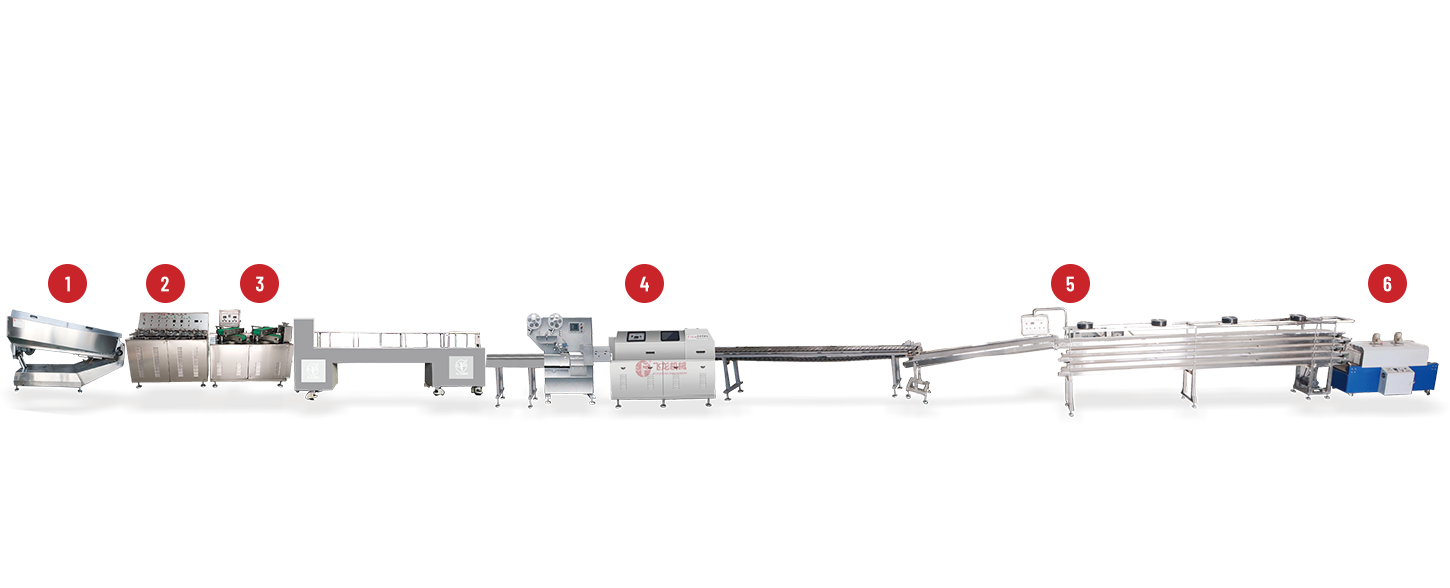
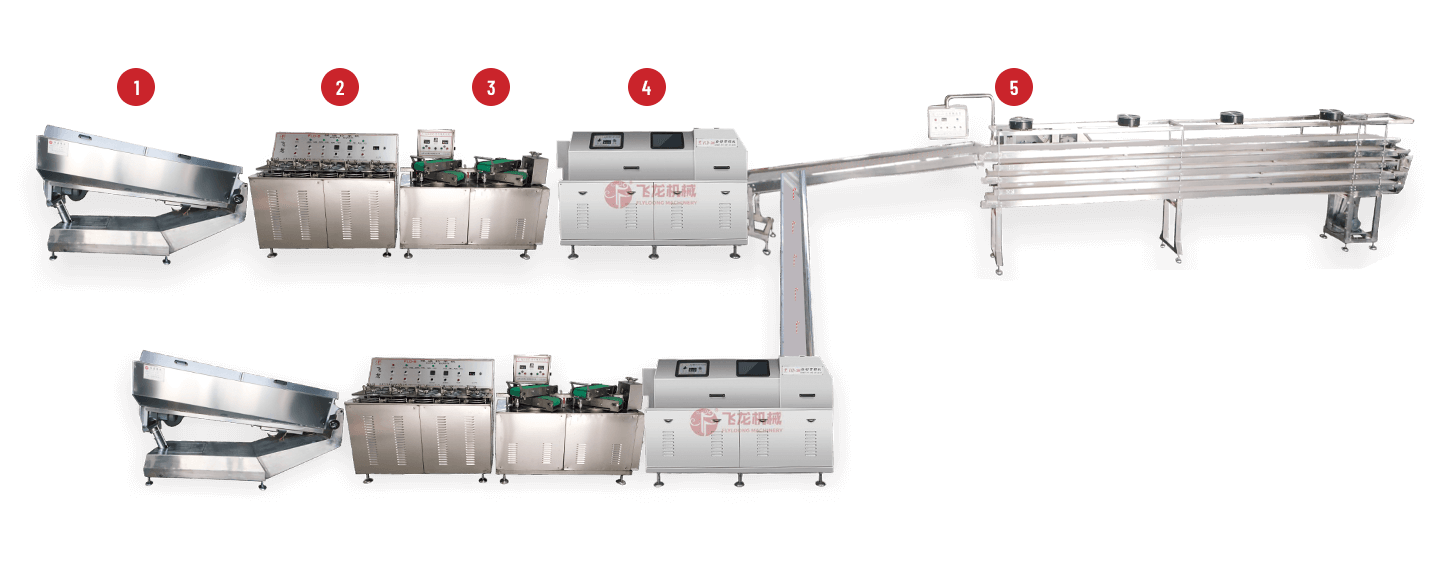
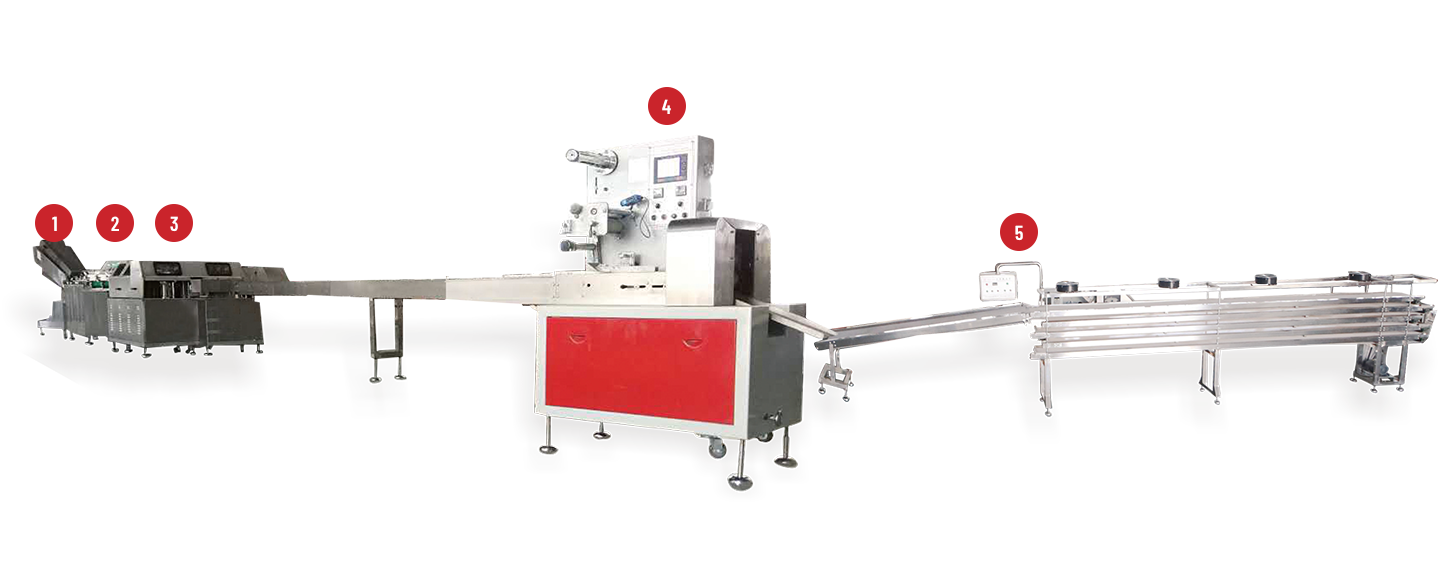
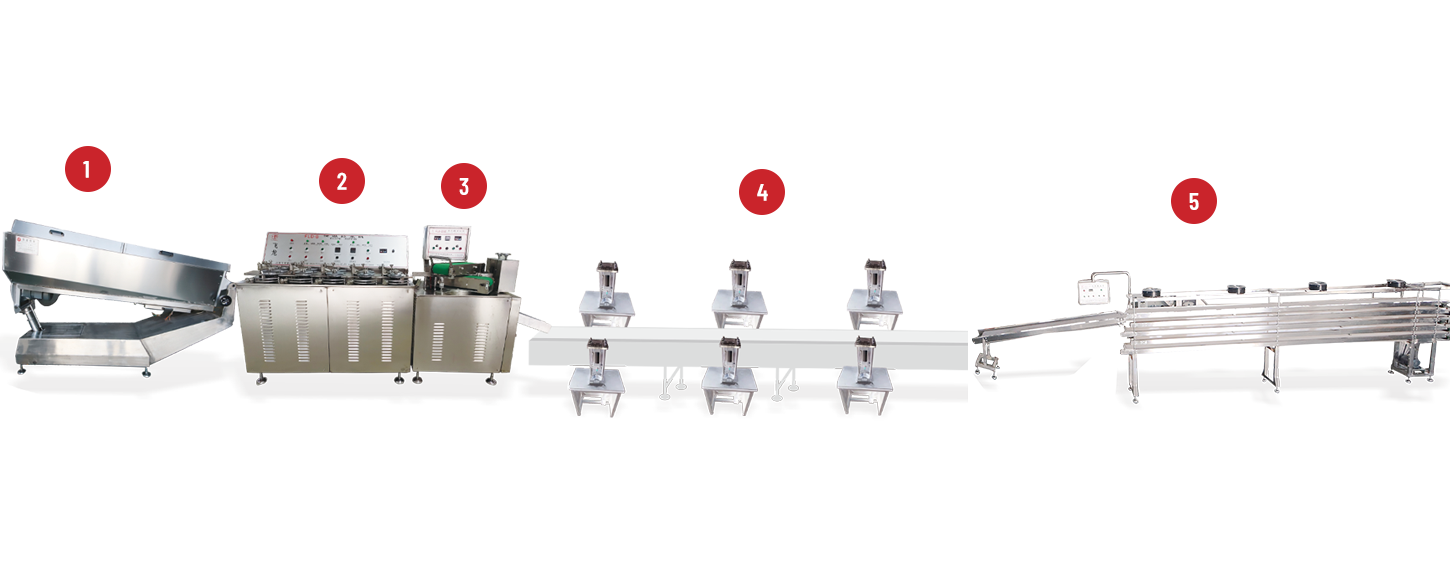
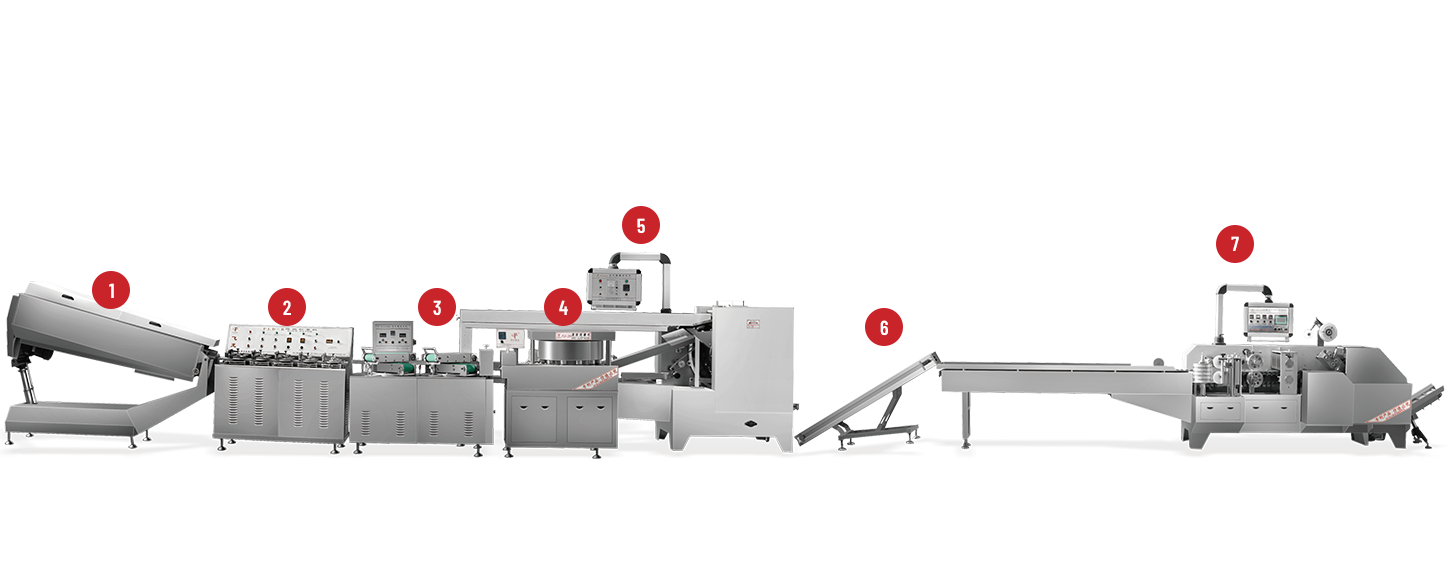
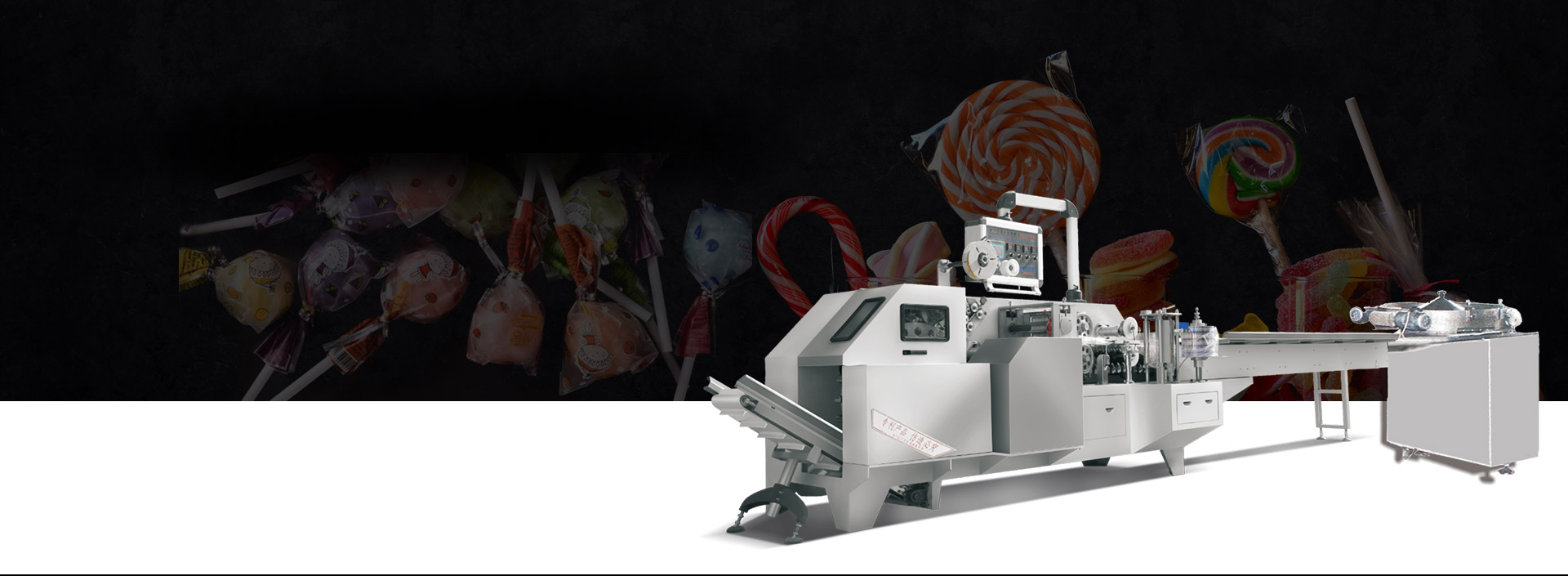
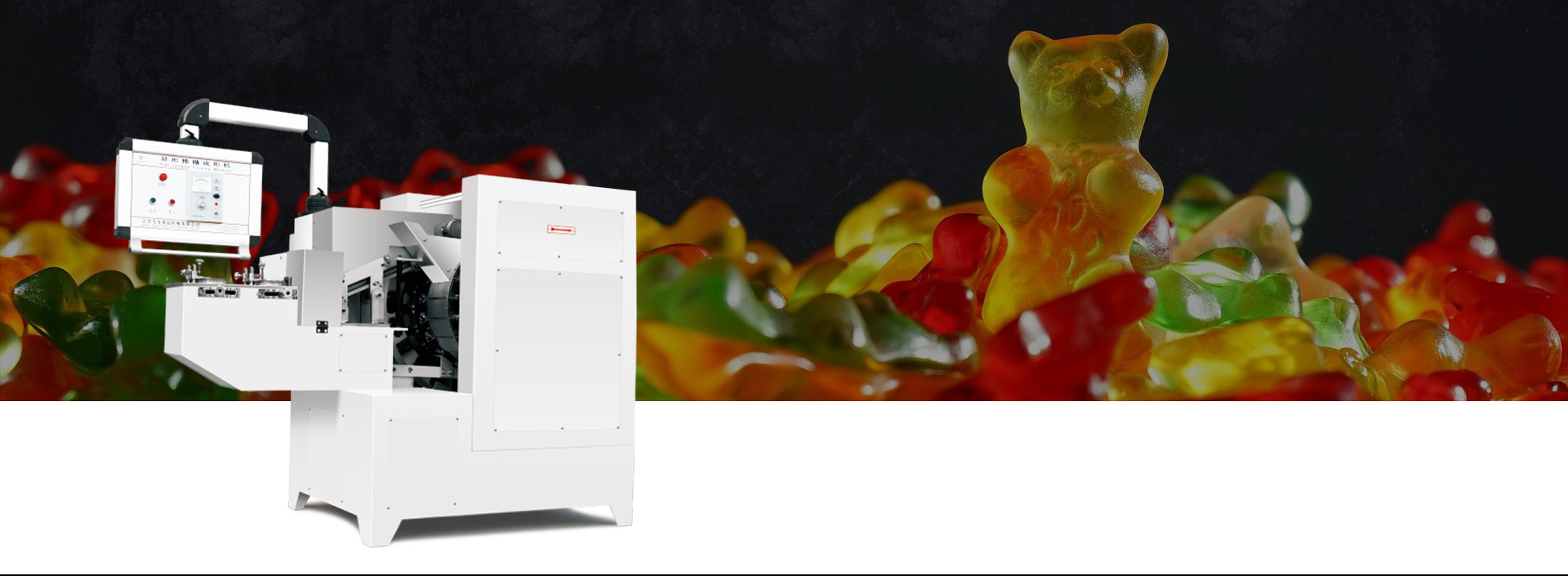
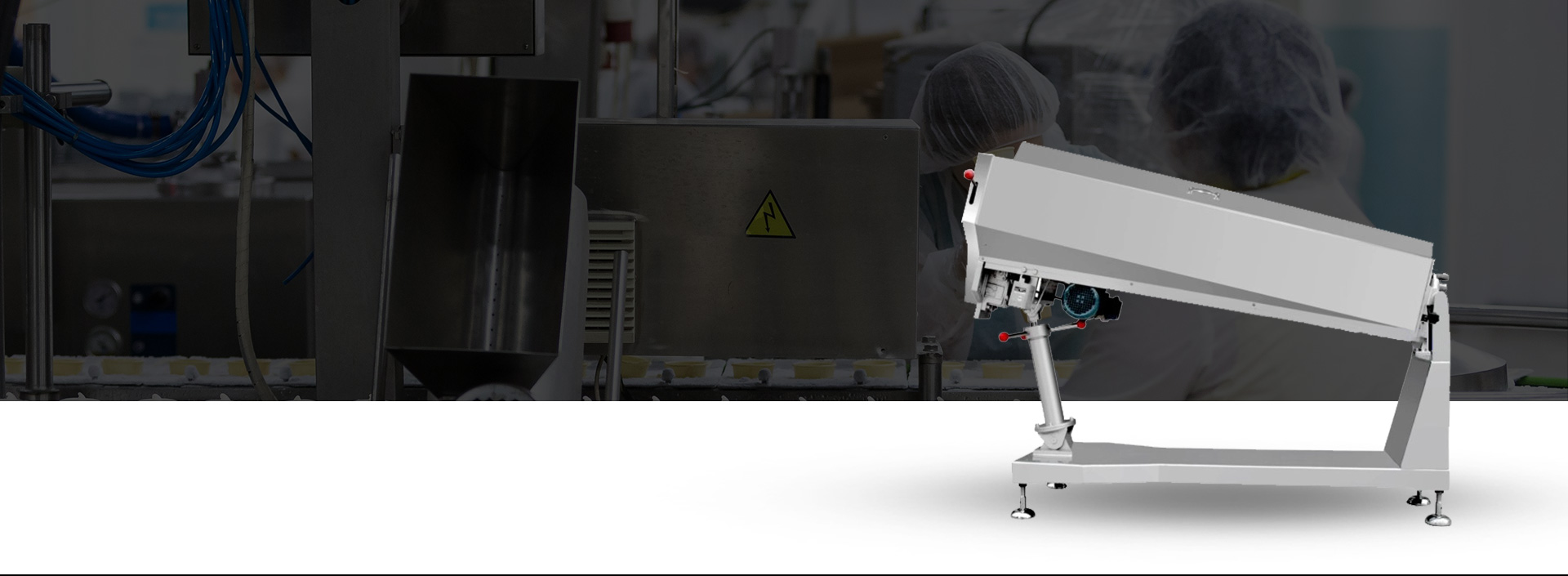
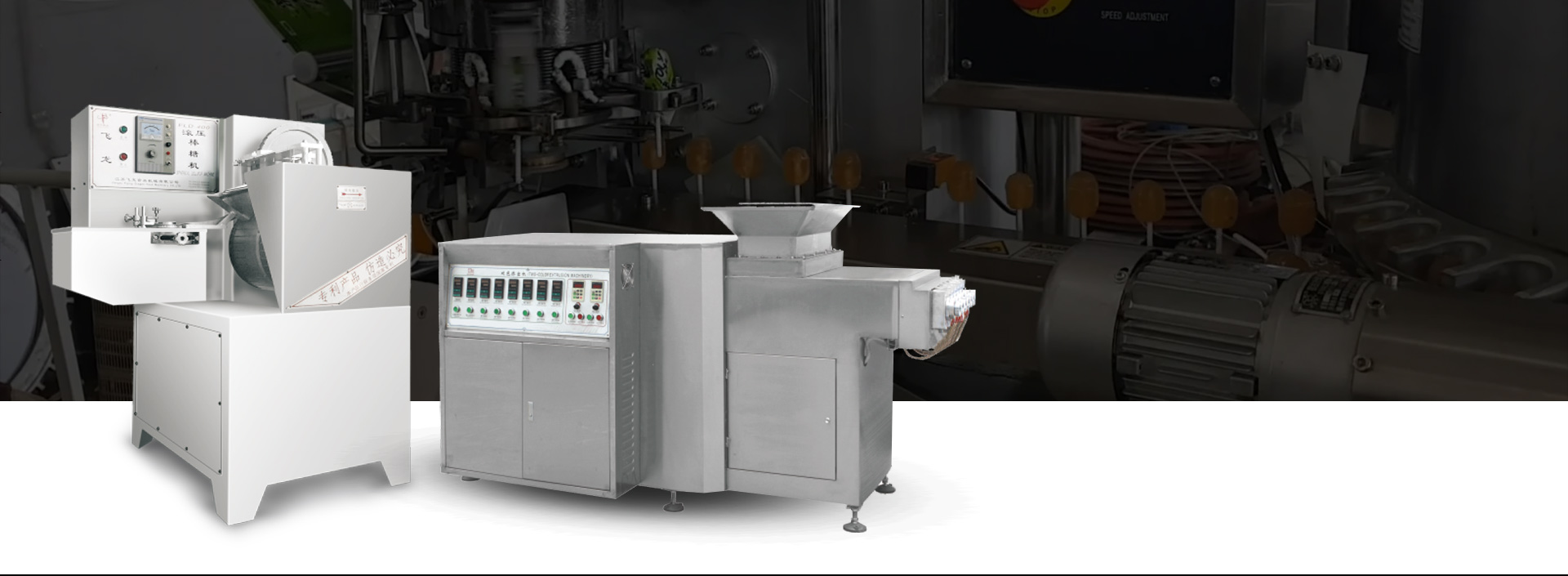
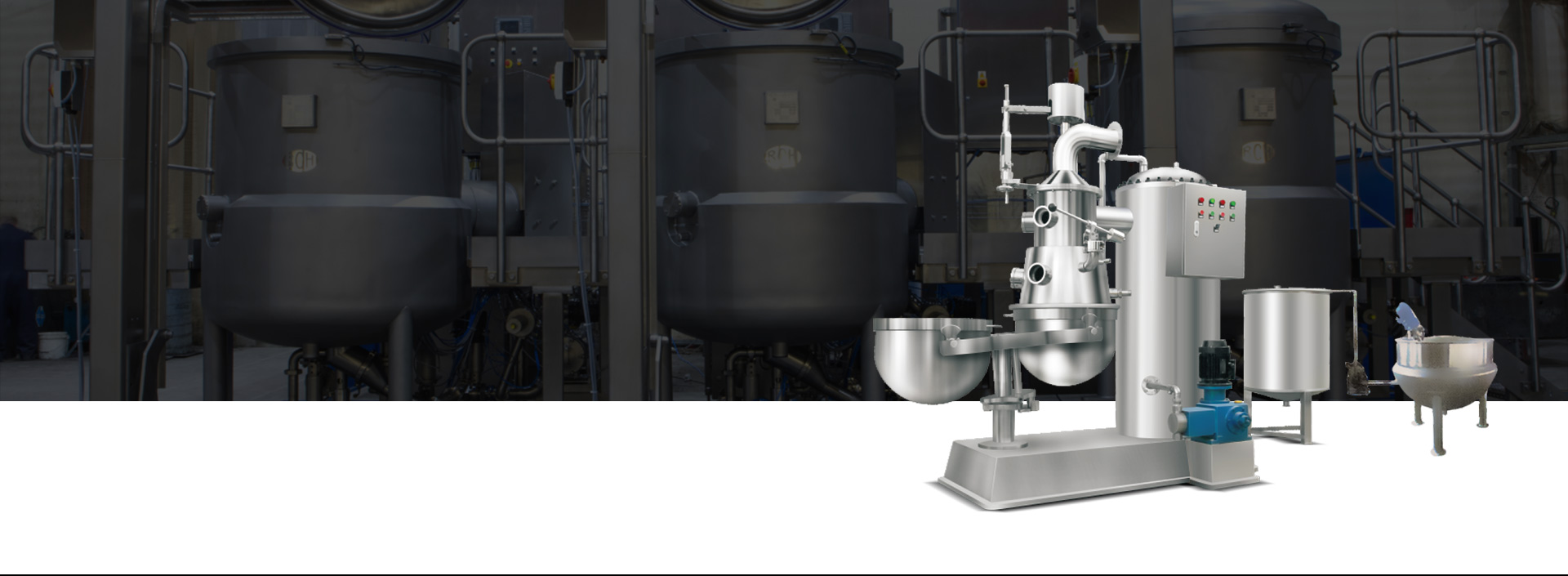
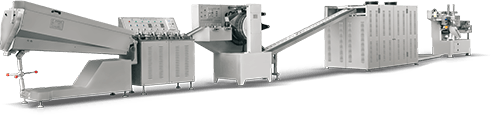
Candy production is often associated with colorful products and attractive packaging. Behind that familiar image is a production process that needs careful organization. Candy must move from one stage to another in a controlled way. Packaging needs to match the product. Finished items need to remain clean, presentable, and ready for storage or distribution.
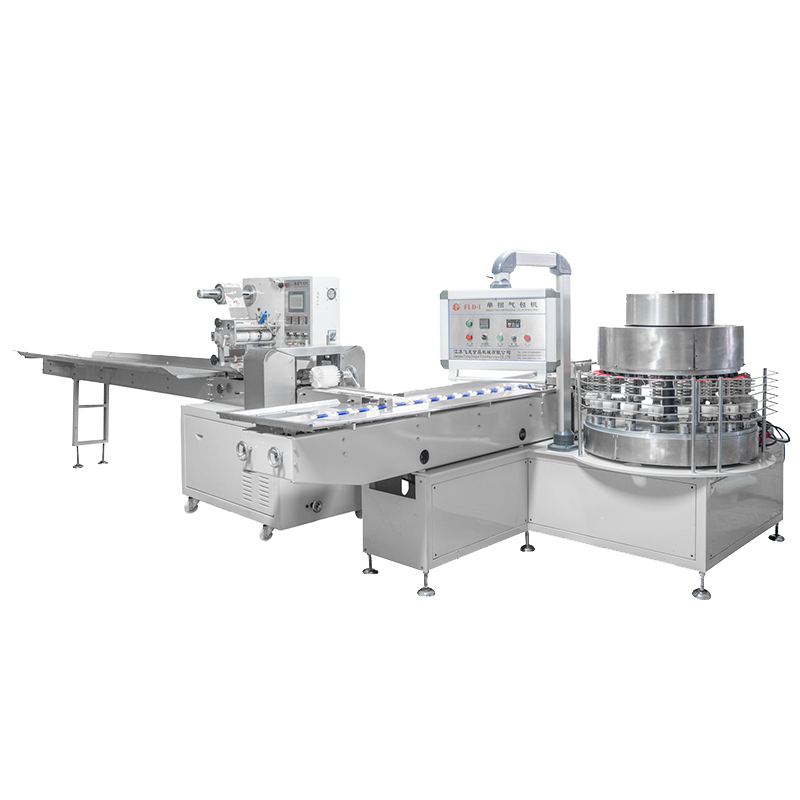
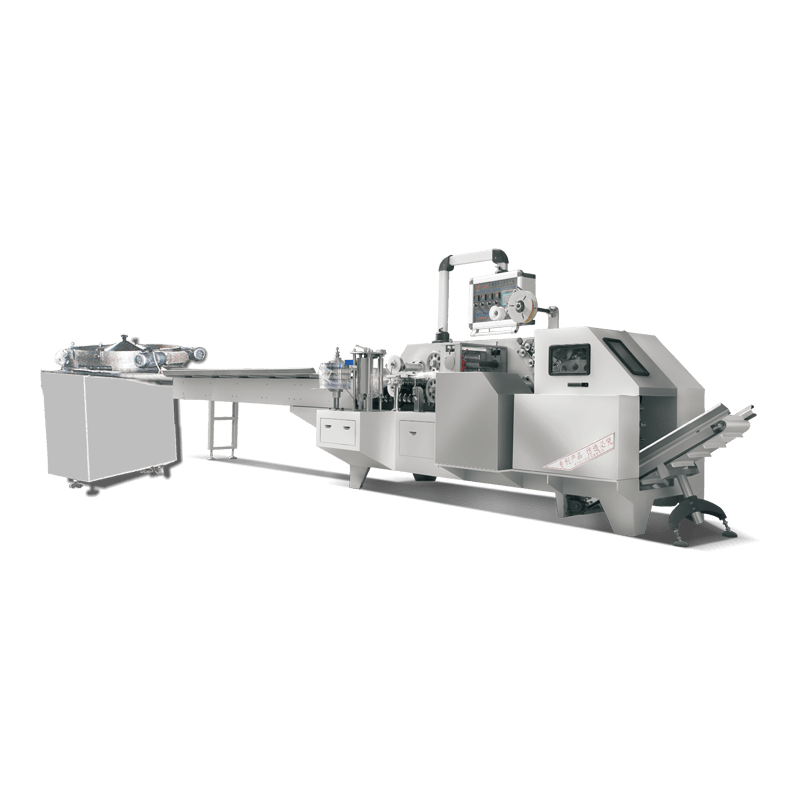
This is where packing machine confectionery have become an important part of modern candy production. They connect product handling with packaging work and help manufacturers create a more organized production flow.
Different candies have different shapes, textures, and packaging needs. A hard candy may need a different wrapping approach from a soft confectionery product. A lollipop may require a different process from a small individually wrapped candy. The packaging system therefore needs to work with the characteristics of the product rather than treating every item in exactly the same way.
The role of packing equipment is also expanding. It is no longer only about putting a wrapper around a finished product. It can support product movement, packaging organization, inspection, and the transition from production to finished goods handling.
Why Is Organization Important in Candy Production?
Candy production involves several connected activities. Ingredients are prepared, products are formed, treated, cooled, handled, and eventually packaged.
Each stage needs to connect smoothly with the next one.
If packaging is poorly organized, products may accumulate before the packing area. Workers may need to move candy manually between different stages. Packaging materials may become difficult to manage. These issues can make an otherwise orderly production process feel disconnected.
A packing machine can provide a more structured link between finished confectionery products and their packaging.
The equipment receives products in an organized manner and prepares them for the selected packaging process. The finished packages can then move toward inspection, collection, storage, or distribution.
| Production Area | Role of Organized Packing |
|---|---|
| Product handling | Keeps candy moving in an orderly manner |
| Packaging preparation | Connects products with suitable packaging materials |
| Individual wrapping | Gives separate pieces a consistent package |
| Collection | Helps gather finished products efficiently |
| Inspection | Makes packaged products easier to check |
| Storage preparation | Keeps finished goods organized for the next stage |
This organization is especially useful when manufacturers handle different product varieties.
A clear packaging flow can help reduce unnecessary movement between production stages. It can also make the overall workspace easier to manage.
How Do Confectionery Packing Machines Fit into the Production Process?
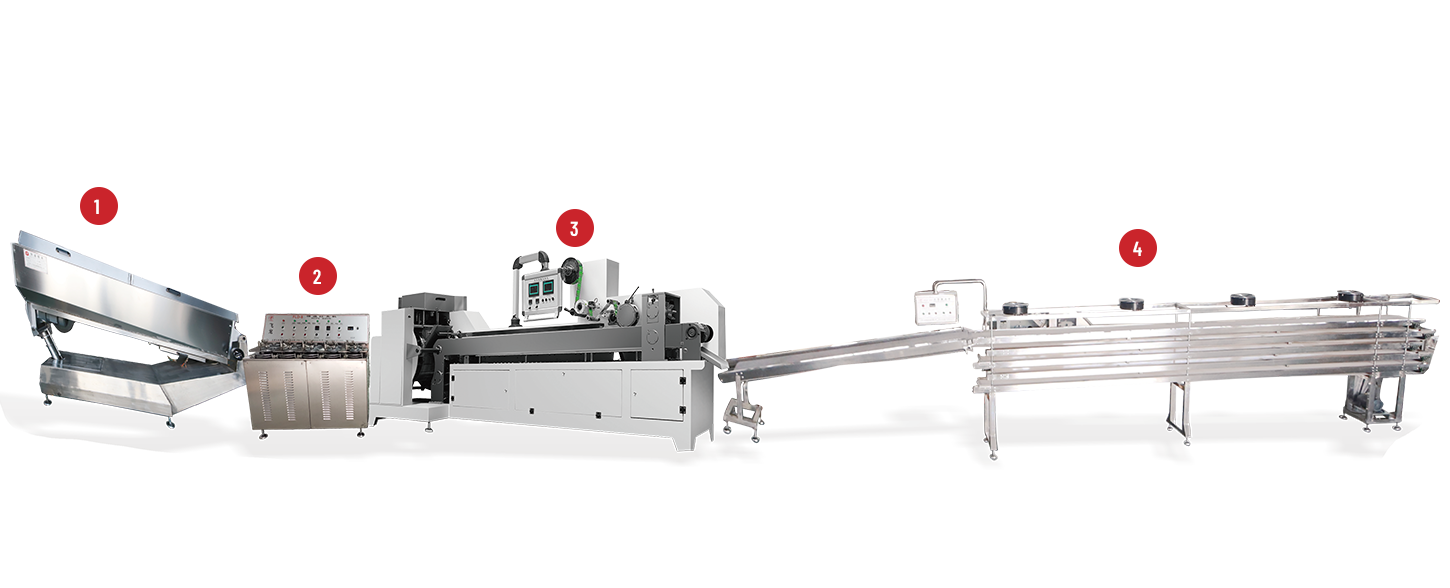
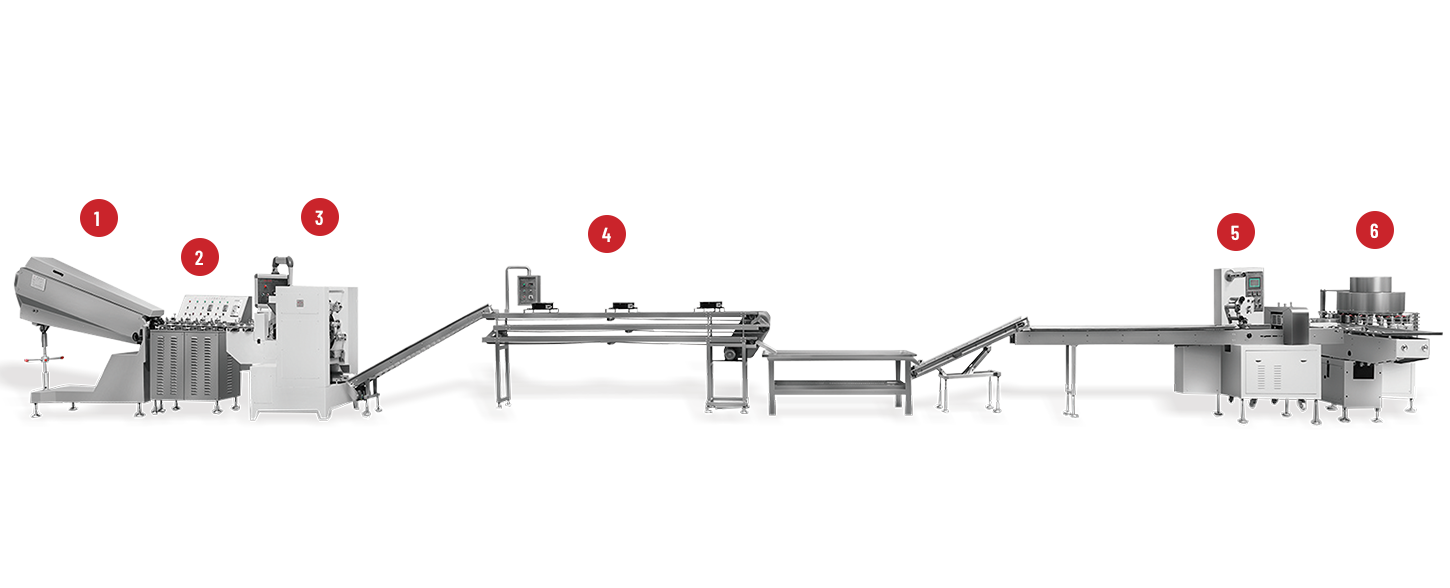
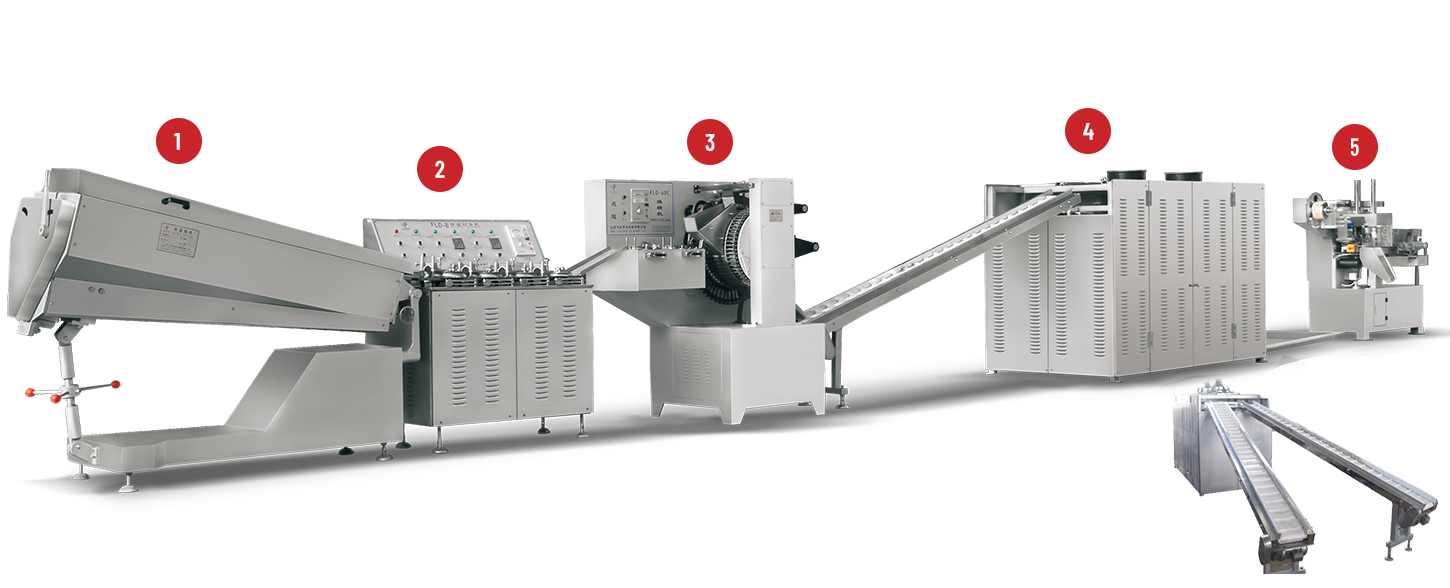
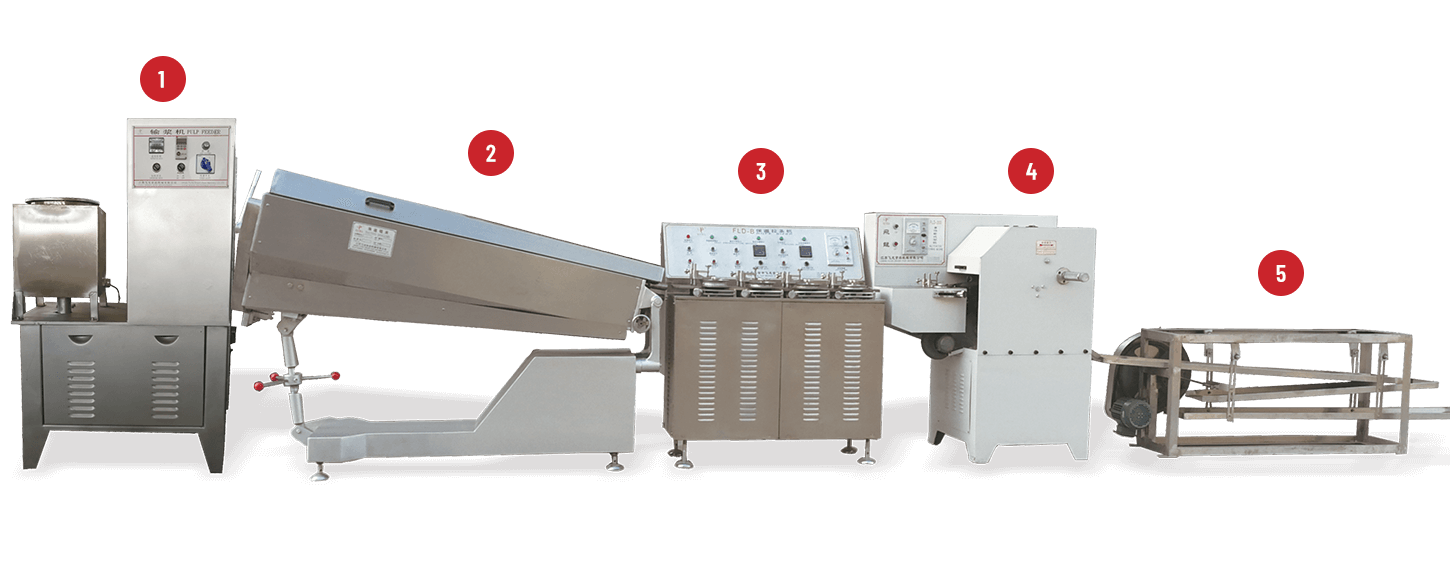
A confectionery packing machine usually works as part of a wider production system.
The candy reaches the packing area after the appropriate preparation stages. The machine then handles the product according to its packaging requirements.
The process can include several basic activities:
- Product arrival
- Product arrangement
- Packaging material preparation
- Wrapping or enclosing
- Package formation
- Finished product collection
The exact process depends on the type of confectionery and the chosen package.
The important point is the connection between these activities.
Candy should reach the packaging area in an organized condition. Packaging material should be ready for use. Finished products should have a clear route away from the packing area.
This creates a more predictable workflow.
A well-organized packing area can also make it easier for workers to identify where products are coming from and where finished packages are going.
For manufacturers producing several candy varieties, this type of structure can be especially useful.
What Types of Candy Can Use Organized Packing Processes?
Confectionery products come in many forms.
Some are hard and compact. Others are soft or chewy. Some have simple shapes, while others have sticks, layers, fillings, or decorative surfaces.
These differences influence packaging requirements.
A packing machine needs to accommodate the product rather than forcing every type of candy into one packaging approach.
Common confectionery categories can include:
| Confectionery Type | Packaging Consideration |
|---|---|
| Hard candy | Individual wrapping and organized handling |
| Lollipops | Product shape and stick arrangement |
| Chewy candy | Gentle product handling |
| Gummies | Shape and surface characteristics |
| Toffee | Individual or grouped packaging |
| Candy bars | Product size and package presentation |
| Chocolate confectionery | Product protection and careful handling |
| Mint products | Small product arrangement and packaging |
The packaging style may change according to the product.
A candy manufacturer may also use several packaging formats for the same product. One version may be individually wrapped. Another may be placed in a larger package for retail or distribution.
This makes flexibility an important consideration.
Manufacturers need packing systems that can support their product range while keeping the production area organized.
How Does Packaging Help Keep Candy Production More Consistent?
Consistency is important in confectionery packaging.
Consumers expect packages to look organized. Retailers also need products that can be handled and displayed easily.
Manual packaging can be suitable for some small operations or specialty products. However, when candy production becomes more organized, repetitive packaging work can become more difficult to manage manually.
Packing machines can help create a repeatable packaging process.
The same general sequence can be used across a production run. Products enter the packing area, packaging material is applied, and finished pieces leave the machine in an organized manner.
This can help reduce unnecessary differences between packages.
The appearance of the finished product also matters.
A package that is neatly formed can make a candy product easier to present. The wrapper becomes part of the product experience rather than simply serving as a protective layer.
This is particularly relevant in confectionery, where color, shape, and package presentation often work together.
Why Does Product Handling Matter in Confectionery Packing?
Candy can be surprisingly sensitive during handling.
Some products are hard and durable. Others may have soft surfaces or delicate shapes. Certain products can stick together if they are not handled appropriately.
A packing system therefore needs to consider how candy moves through the packaging area.
The goal is to maintain an orderly flow without creating unnecessary product disturbance.
Product handling can influence several parts of the packaging process:
- How candy enters the machine
- How individual pieces are separated
- How products are positioned
- How packaging material reaches the product
- How finished packages leave the machine
This is one reason why confectionery packing machines are often designed around particular product categories.
A system intended for small individual candies may not be suitable for a product with a very different shape.
Manufacturers can therefore select equipment based on the actual candy products they produce rather than simply choosing equipment based on package appearance.
How Can Packing Machines Support Different Packaging Styles?
Packaging is part of candy product design.
A manufacturer may want individual wrapping for single pieces. Another product may require a bag, pouch, box, or grouped package.
Different packaging styles create different production requirements.
Confectionery packing machines can support various packaging approaches depending on their design.
| Packaging Style | Common Product Direction |
|---|---|
| Individual wrapping | Single candies and small confectionery |
| Bag packaging | Groups of small products |
| Pouch packaging | Flexible retail packages |
| Box packaging | Selected candy collections |
| Group packaging | Multiple pieces sold together |
| Display-oriented packaging | Products intended for retail presentation |
The choice is influenced by more than appearance.
Manufacturers also consider how products will be stored, transported, displayed, and opened.
Packaging materials can also affect the design of the packing process.
This means the machine, product, and packaging material need to work as part of one system.
A well-planned packaging approach can make production easier to organize because each package type has a defined process.
What Role Does Automation Play in Organized Candy Production?
Automation is changing the way many production areas are organized.
In confectionery packaging, the purpose is not simply to remove manual work. It is also about creating a clearer connection between different stages of production.
A packing machine can perform repetitive actions in a consistent sequence. Workers can then focus on tasks that require observation, material preparation, product checks, and production management.
This can create a different working environment.
Instead of repeatedly handling every candy piece, workers may supervise the packaging process and respond when materials need attention.
Automation can also make production planning easier.
When the packaging process follows a clear sequence, manufacturers can better coordinate product movement, packaging materials, and finished product collection.
However, automation does not mean that every candy producer needs the same equipment.
The right level of automation depends on the product range, packaging style, production organization, and business needs.
A smaller operation may require a simpler packing arrangement. A larger production environment may need more connected equipment.
The important factor is whether the equipment fits the actual production process.
How Can Confectionery Packing Machines Support Product Changes?
Candy manufacturers often develop new product shapes, flavors, package designs, or product combinations.
These changes can affect the packaging process.
A new candy shape may need a different way of entering the machine. A new package design may require changes in how packaging material is handled. A product sold in multiple formats may need more flexibility in the packing area.
This makes adaptability an important part of modern confectionery production.
A packing system should not be viewed only as equipment for one fixed product.
Manufacturers can consider how the machine will fit future product development.
For example, a company may produce individually wrapped candy today and later introduce a grouped package. If the production system can accommodate different packaging needs, the transition may be easier to organize.
Product development and packaging development are therefore becoming more closely connected.
Packaging teams may need to work with production teams when developing new confectionery products. The shape and surface of a candy can influence how it should be packaged. The package itself can also influence how the product is presented.
This interaction creates opportunities for more thoughtful product development.
What Should Manufacturers Consider When Selecting a Confectionery Packing Machine?
Choosing a packing machine requires attention to the complete production process.
The machine should match the type of candy being produced. Packaging materials should also be compatible with the intended packaging style.
Manufacturers can consider several areas before making a decision.
Product characteristics
Candy shape, texture, size, and handling needs can influence equipment selection.
Packaging format
Individual wrapping, bags, pouches, boxes, and grouped packages may require different approaches.
Production organization
The machine should fit the existing workflow rather than creating unnecessary movement between production stages.
Product variety
Manufacturers handling several confectionery products may need a more flexible packing arrangement.
Cleaning and maintenance
The equipment should be practical to clean and maintain within the production environment.
Workspace arrangement
The packing machine needs to fit naturally into the available production area. Workers should have reasonable access to the equipment and packaging materials.
Finished product handling
The packaging process should provide a clear route for finished goods after they leave the machine.
These considerations help manufacturers look beyond the machine itself.
The purpose of packing equipment is to support the wider production system.
How Is Organized Packaging Shaping Modern Confectionery Production?
The role of packaging continues to expand within the confectionery industry.
Candy packaging now connects several business needs. It supports product handling, protects the product, creates retail presentation, and helps organize finished goods.
For manufacturers, this means the packing area can no longer be treated as an isolated final step.
It is part of the production flow.
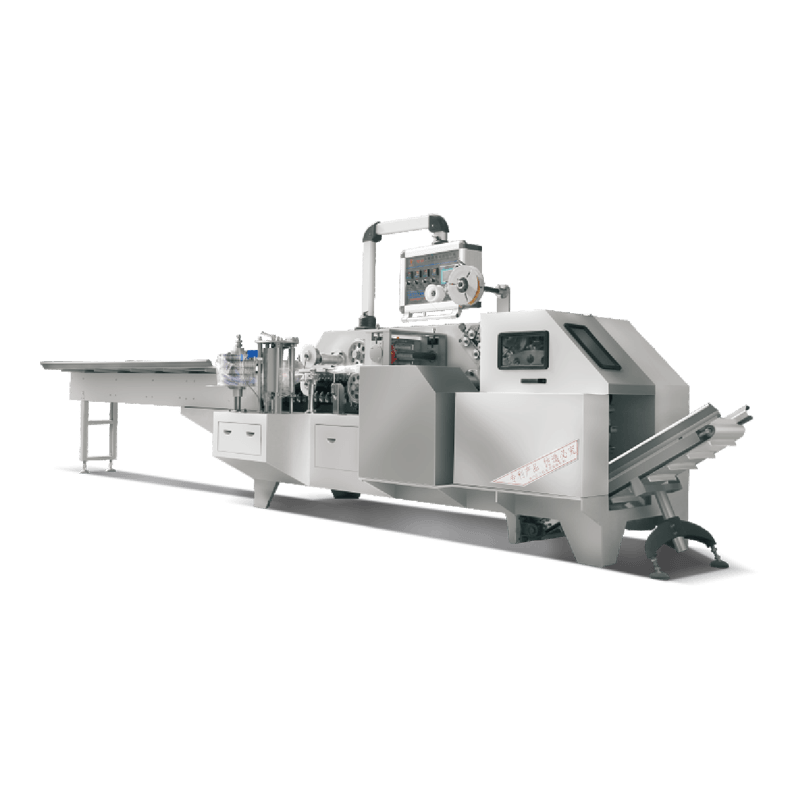
Confectionery packing machines support this shift by bringing product movement and packaging into a more structured process. They can help manufacturers manage different candy types, packaging formats, and production requirements while creating a clearer route from finished candy to packaged goods.
The trend also encourages closer cooperation between product design and packaging design.
A candy's shape can influence its package. A package's appearance can influence how the product is positioned in the market. Production planning then needs to connect these decisions with the available packing process.
As confectionery products continue to develop in different forms and packaging styles, organized packing will remain closely connected with how manufacturers manage candy production, product handling, and finished goods preparation.
 +86-(0)515-8465666
 +86-(0)515-85566996
 +86-138 1559 9708
 flyloong@flyloongcn.com
 Home
Home