

 ENG
ENG
 English
 中文简体
中文简体 русский
 Français
 Español
 عربى
عربى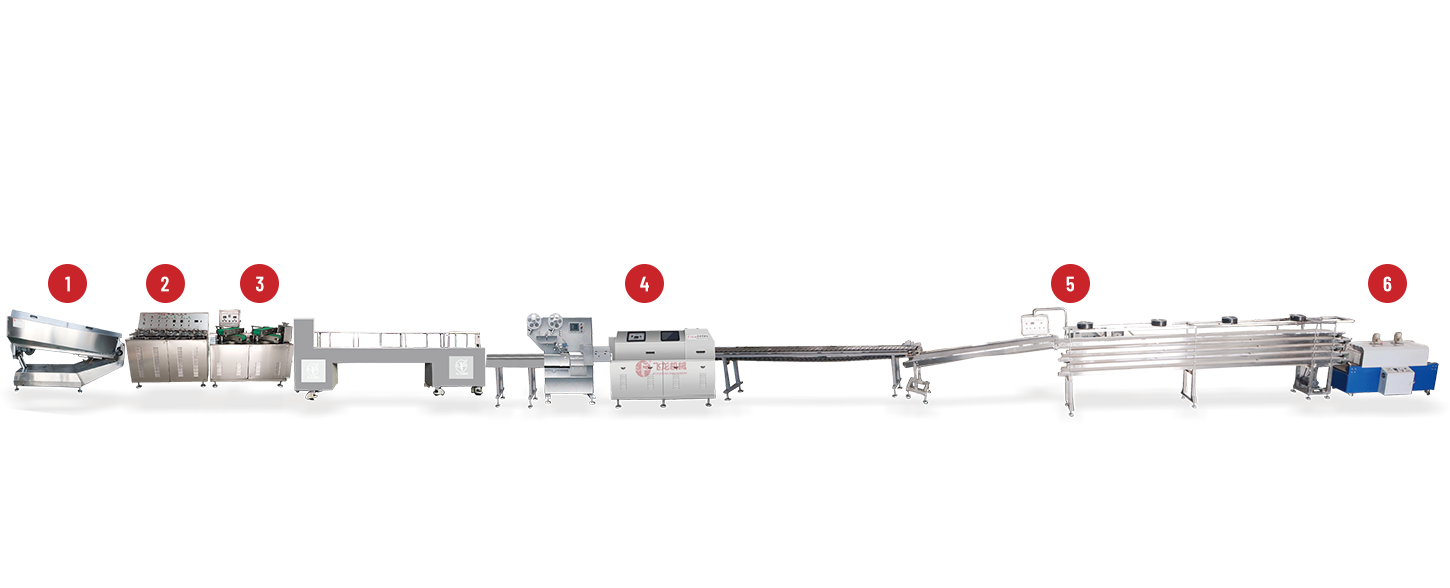
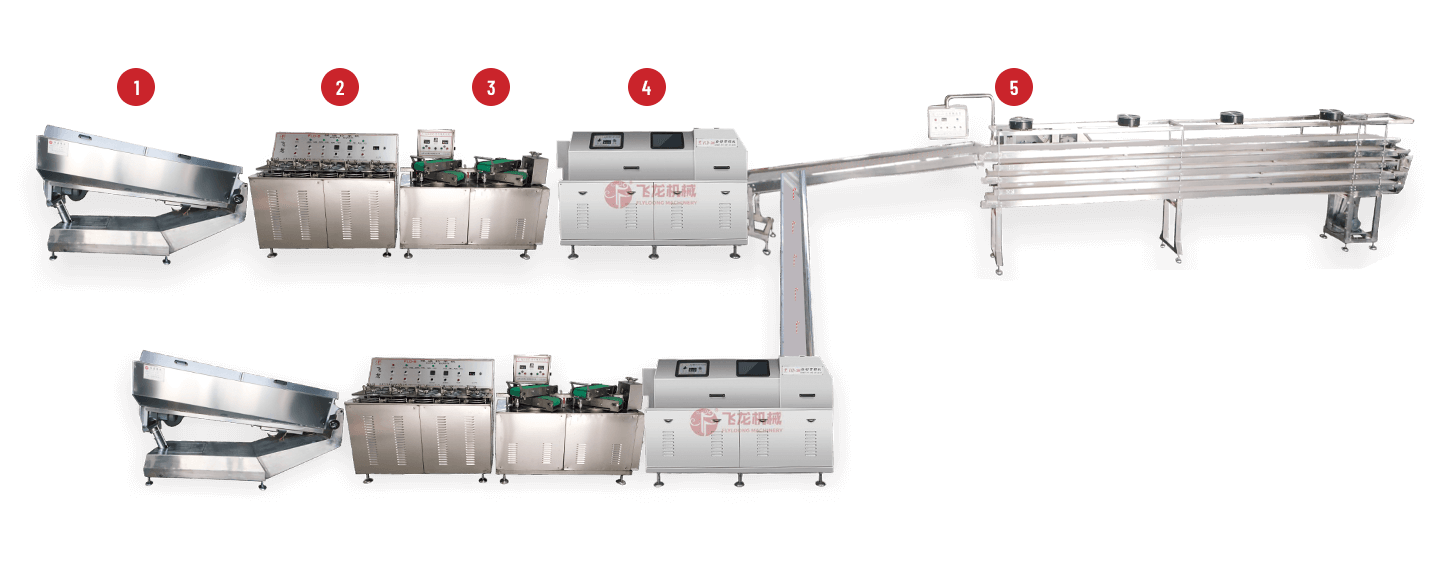
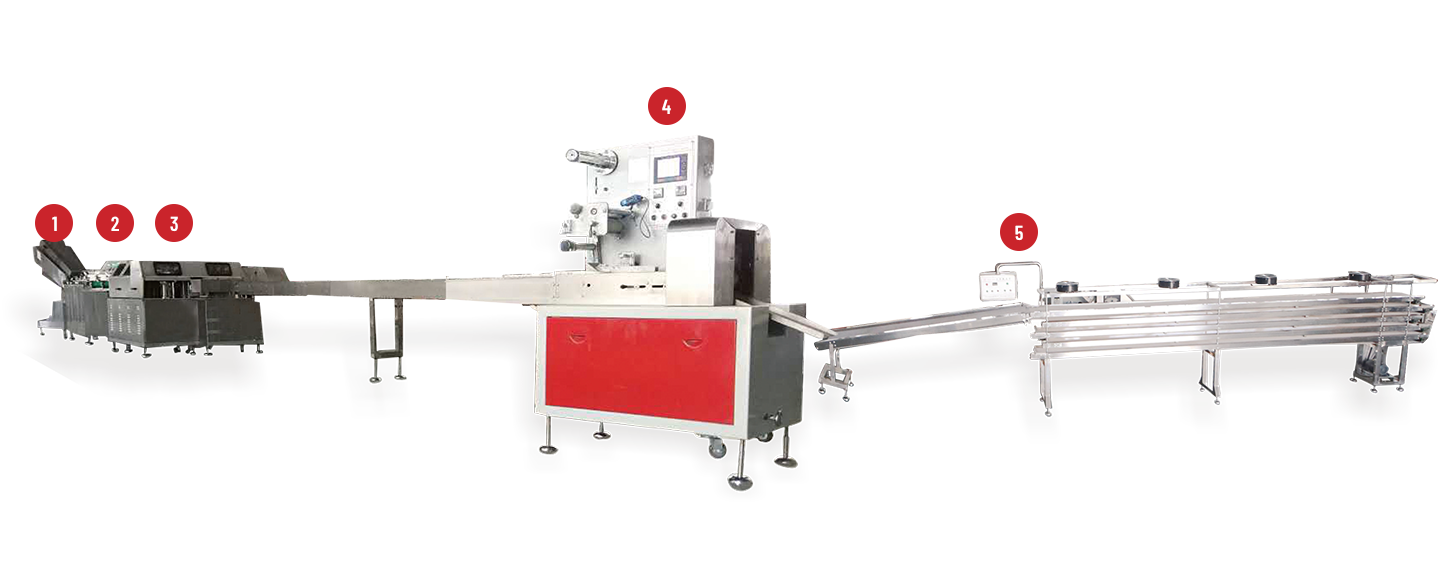
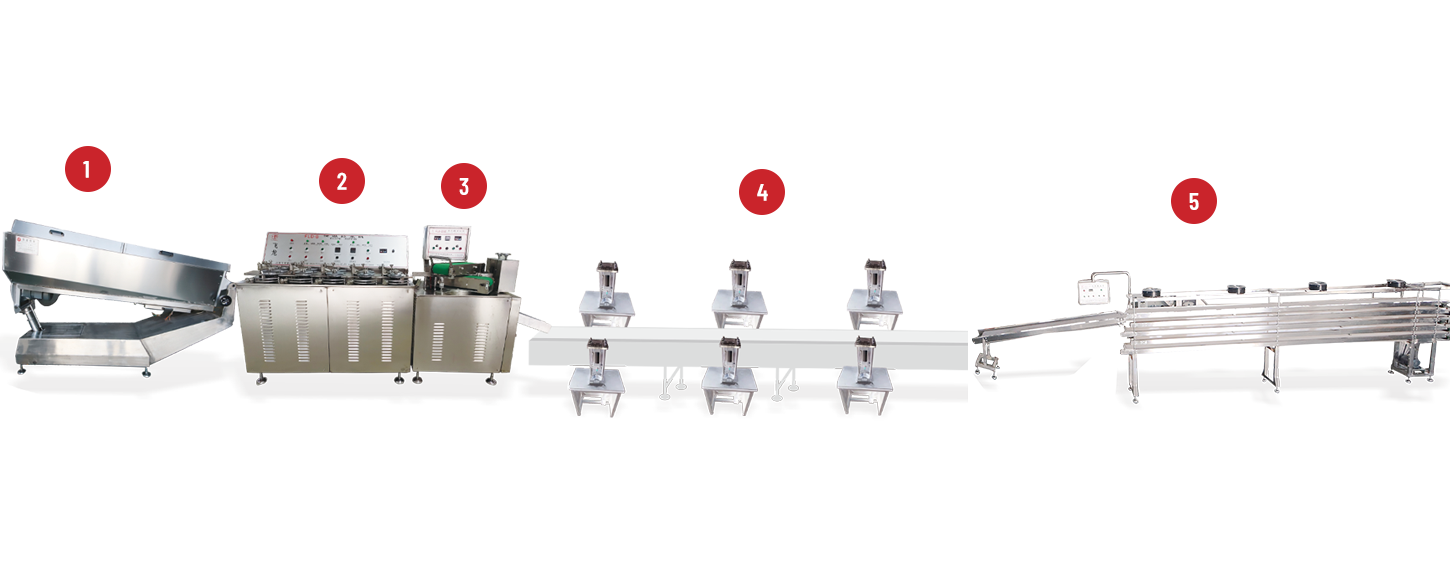
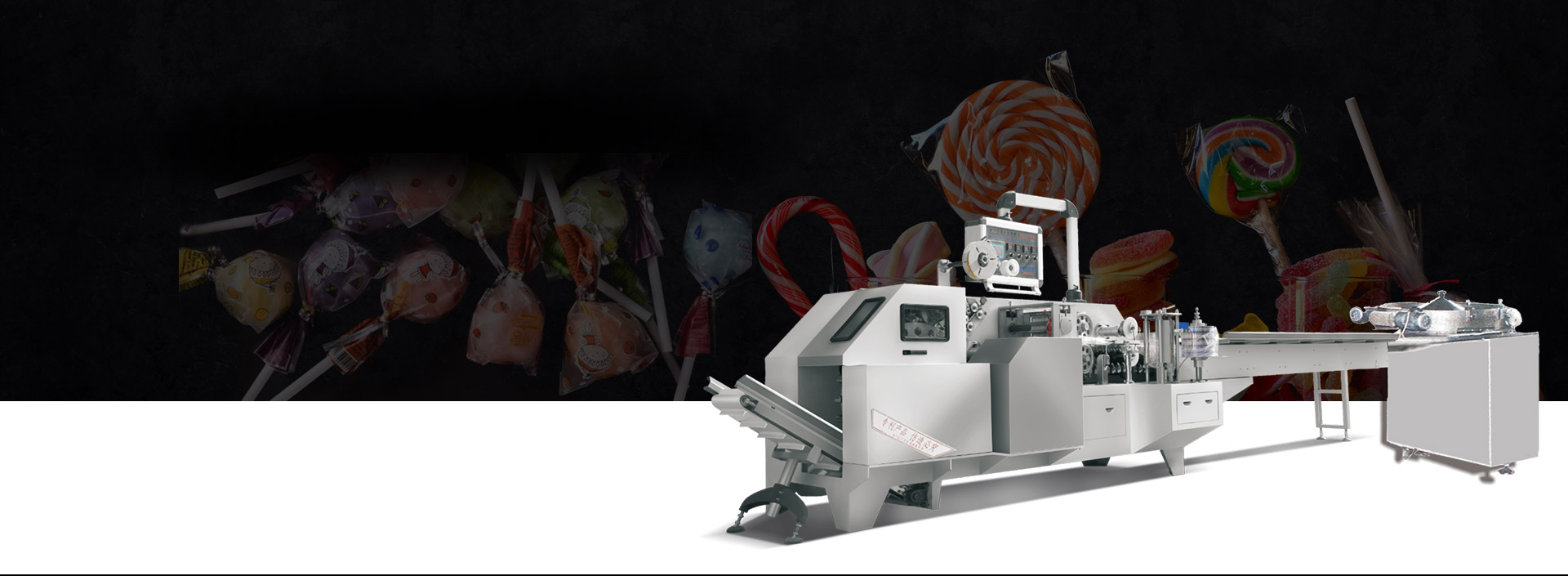
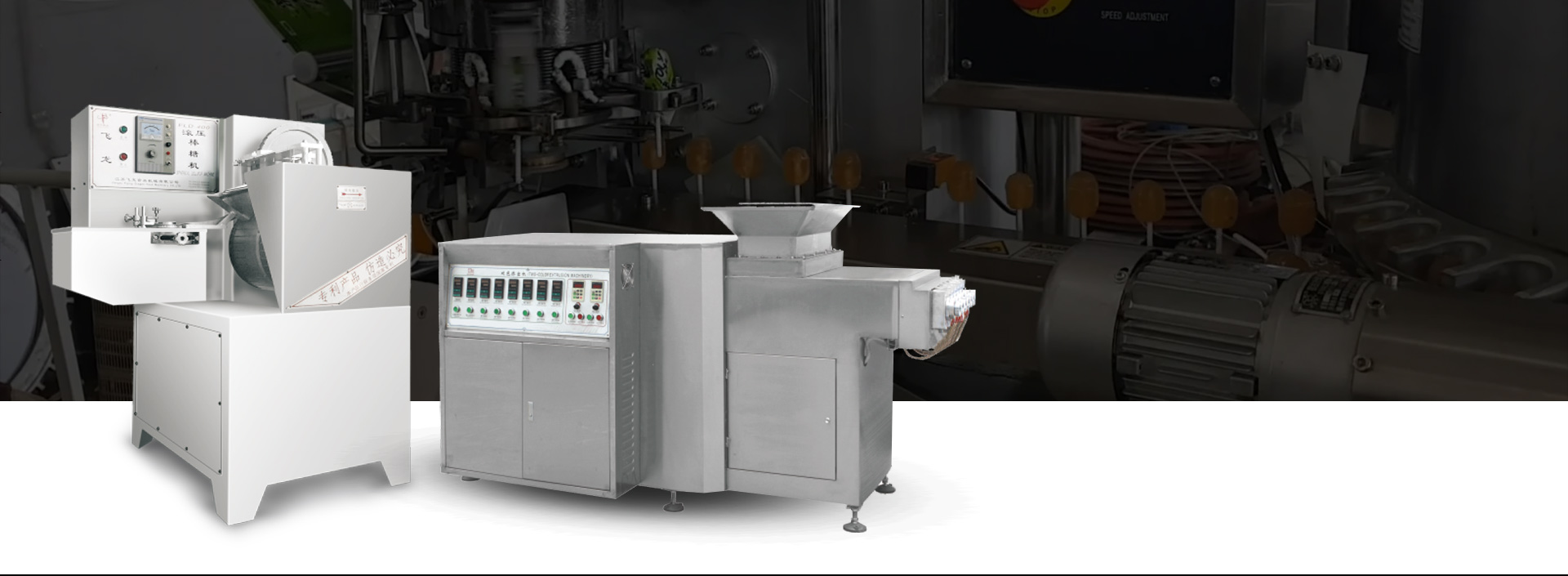
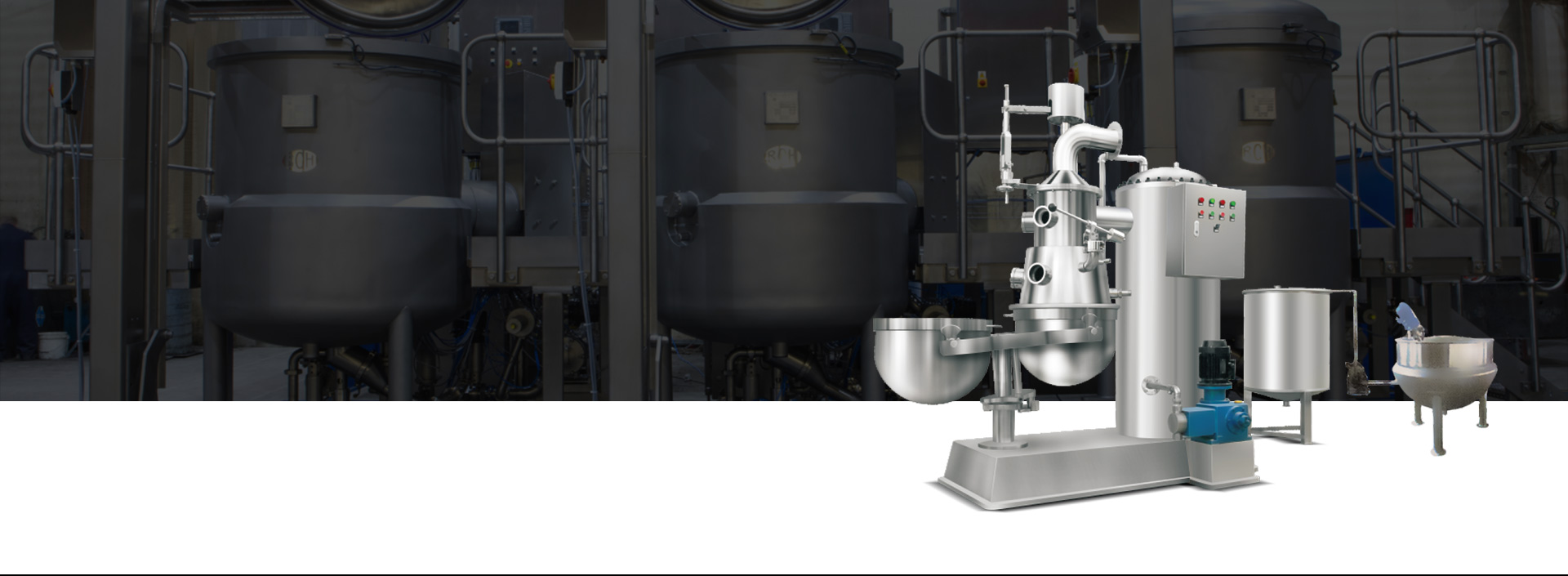
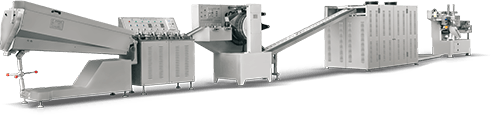
Hard candy packaging is no longer limited to one familiar appearance. Walk through a confectionery aisle and different wrapping styles can be seen side by side. Some candies have neatly folded wrappers. Others use twisted ends. Some are enclosed in a smooth outer package that gives the product a clean and modern look.
These differences are not only about appearance. Packaging can influence how a candy is protected, presented, handled, and prepared for sale. For candy producers, the choice of wrapping style can also be connected with product shape, packaging material, production workflow, and customer expectations.
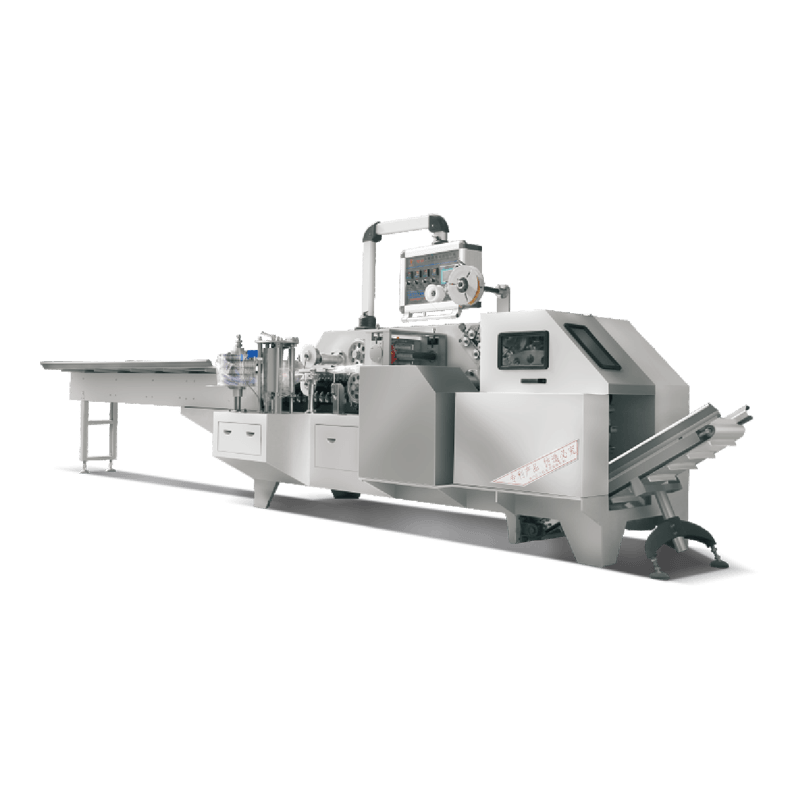
This raises a practical question: can one hard candy packaging machine handle different wrapping styles?
The answer depends on the machine design, the candy product, and the packaging format being considered. Some equipment is built around a particular wrapping method. Other systems are designed with greater flexibility and may support more than one packaging approach.
Understanding this difference can help candy producers make more informed equipment decisions.
What Wrapping Styles Are Commonly Used for Hard Candy?
Hard candy can genuinely show up in several packaging formats. The choice often comes down to the shape of the product and the visual effect the producer's chasing.
Twist wrapping is one genuinely familiar option. The wrapper folds around the candy, with the ends twisted to hold everything in place. This style carries a traditional appearance and can make individually wrapped candies genuinely easy to spot.
Fold wrapping takes a genuinely different approach. The packaging material folds around the candy in a more structured way. It can create a neat appearance and often works well for products with suitable shapes.
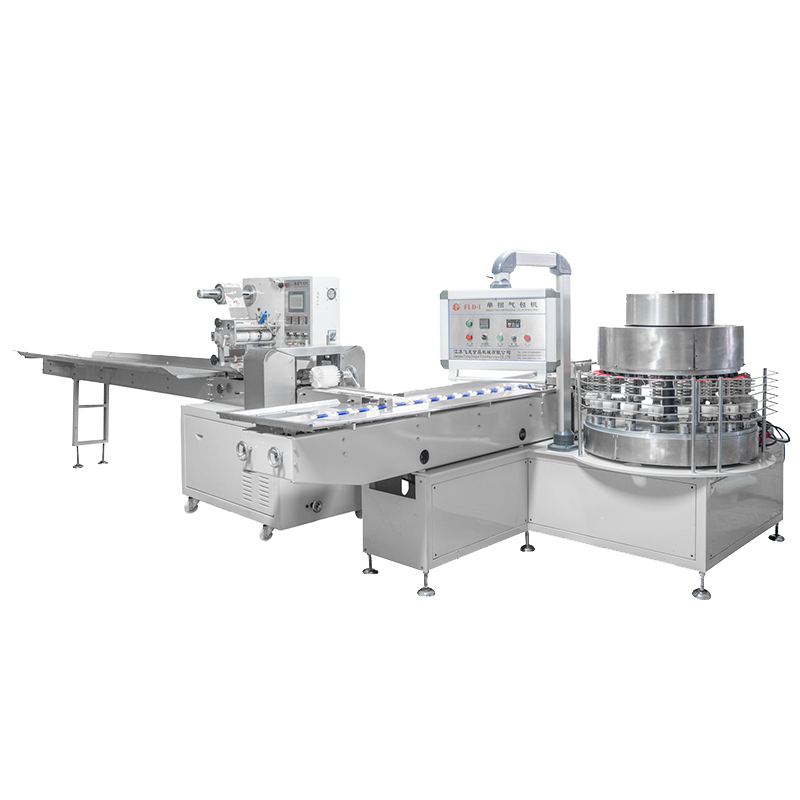
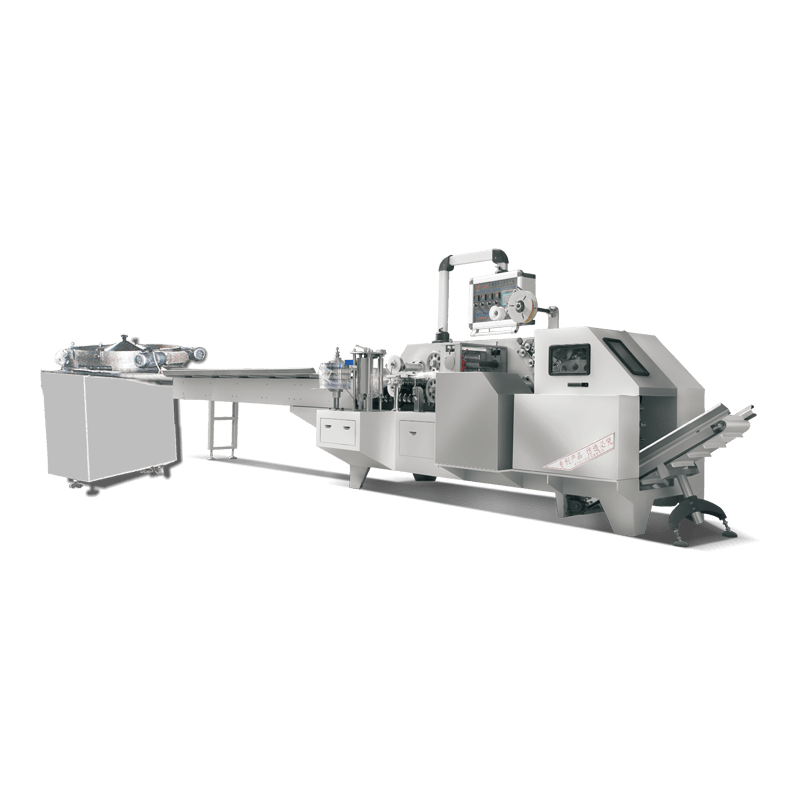
Flow wrapping creates yet another type of presentation. The candy gets enclosed in a continuous package, producing a smooth outer surface. This style can suit products that need a more modern retail appearance.
There are also packaging formats built for groups of candies rather than individual pieces. These might get used for gift packs, assorted products, or larger retail presentations.
| Wrapping Style | Typical Appearance | Main Consideration |
|---|---|---|
| Twist Wrapping | Wrapped candy with twisted ends | Suitable product shape and wrapper handling |
| Fold Wrapping | Neatly folded outer material | Consistent folding and presentation |
| Flow Wrapping | Smooth sealed package | Product arrangement and material compatibility |
| Group Packaging | Several candies packed together | Product organization and package size |
| Specialty Wrapping | Decorative or customized appearance | Product shape and packaging design |
Not every hard candy packaging machine can support all of these styles. Each method uses packaging material in a different way.
The important point is that packaging flexibility should be evaluated based on actual production needs.
How Does Candy Shape Affect Wrapping Style?
The shape of the candy has a direct influence on packaging.
A round candy may be suitable for several wrapping approaches. A rectangular piece may work naturally with folded packaging. An irregular candy may require more careful handling to achieve a neat final appearance.
The surface of the candy also matters. Some hard candies have smooth surfaces. Others may have coatings, patterns, or textured finishes. These characteristics can influence how the wrapper sits around the product.
Size variation is another consideration.
If candies in the same product range vary significantly in shape or size, a wrapping system may need greater flexibility. A machine that works well with one consistent product may not provide the same experience when the product changes.
This is why candy producers should not select packaging equipment based only on the desired wrapper appearance.
The candy itself needs to be considered.
A useful evaluation can include:
- Candy shape
- Surface characteristics
- Product consistency
- Desired wrapper appearance
- Packaging material
- Individual or group packaging
- Expected product changes
These factors provide a clearer picture of whether a particular wrapping approach is suitable.
Can One Machine Support More Than One Wrapping Style?
Some hard candy packaging machines genuinely can support different wrapping styles, though this capability genuinely varies quite a bit.
A machine built specifically for one packaging method might not adapt easily to another. The wrapping process, material movement, product positioning, and package formation can all genuinely differ from one style to the next.
Equipment designed with flexibility in mind might allow certain shifts between packaging formats. That said, flexibility genuinely doesn't mean unlimited compatibility across the board.
A machine, for instance, might support two wrapping approaches that lean on similar product handling methods. Switching to a completely different packaging format might genuinely require additional changes or a whole different type of equipment.
This distinction genuinely matters for buyers.
It's easy to see the phrase "multi-style packaging" and assume every possible wrapping method's available. A better approach is genuinely asking which specific styles actually get supported.
Buyers can also think through how often packaging styles genuinely need to change.
If a candy producer sticks with one wrapping style for most products and only occasionally shifts formats, a simple machine with limited flexibility might genuinely do the job fine. If the product range spans several candy shapes and packaging appearances, a more adaptable solution might genuinely prove more useful.
The right level of flexibility, in the end, genuinely comes down to the production plan.
Why Does Packaging Material Matter?
Different wrapping styles often genuinely demand different packaging materials, or at least different ways of handling the same material.
A wrapper genuinely needs to move smoothly through the packaging process. It also needs to form the desired shape around the candy without creating some untidy appearance.
Material characteristics can genuinely shape this whole process.
A wrapper might be flexible, stiff, smooth, textured, printed, or specially finished. These differences can genuinely affect how it folds, moves, and sits around the candy.
The relationship between the machine and the wrapper, then, genuinely deserves real attention.
A packaging machine might suit a particular wrapping style just fine but still require the right packaging material to actually achieve the intended result.
That's exactly why buyers should genuinely test the actual wrapper intended for production whenever possible. A general statement about material compatibility might not fully capture the experience with a particular product.
Packaging appearance also genuinely matters from a consumer's point of view.
A candy wrapper is often the first visible part of the product a shopper sees. Clean folds, stable positioning, and an appropriate finish genuinely help create a consistent presentation.
That genuinely makes material selection part of the wider packaging decision rather than some separate issue off to the side.
How Can Different Wrapping Styles Change Product Presentation?
Packaging does more than cover a candy.
It can communicate the character of a product.
A twisted wrapper may create a familiar and playful appearance. A folded package may look more structured. A smooth package can give the candy a clean retail presentation.
This gives candy producers more ways to position similar products.
A traditional hard candy may use a familiar wrapping style that matches consumer expectations. A specialty candy may use a different package to create a more distinctive appearance.
Packaging can also influence how products are displayed.
Individually wrapped candies may be placed in jars, bags, trays, or retail displays. The shape of the finished package can affect how easily products are arranged.
This is another reason why wrapping style should be selected with the complete sales environment in mind.
The packaging needs to work during production, but it also needs to make sense after the candy leaves the production area.
What Should Candy Producers Consider Before Changing Wrapping Styles?
Changing a wrapping style can affect more than the machine.
It may influence packaging materials, product presentation, operator routines, storage, and retail handling.
A candy producer considering a new wrapping style can review the process in several stages.
1. Review the candy
Look at the product shape, surface, and consistency. Determine whether the proposed wrapping style fits the candy naturally.
2. Review the packaging material
Check whether the material is suitable for the intended package appearance and handling process.
3. Review the machine
Determine whether the existing equipment supports the desired wrapping style. If it does not, identify what changes would be required.
4. Review the workflow
Consider how the new wrapping process would affect product loading, material preparation, inspection, and finished product handling.
5. Review the final appearance
The package should look appropriate for the product and the intended sales environment.
This process can help prevent a situation where a new wrapper looks attractive in theory but creates difficulties during everyday production.
How Does Flexibility Affect Small Candy Producers?
Flexibility can have particular value for smaller confectionery businesses.
Small producers often work with several product types. They may introduce seasonal flavors, specialty shapes, gift products, or limited packaging designs.
A rigid packaging process can make these changes more difficult.
A machine with some packaging flexibility can give producers more room to adjust their product presentation. It may also reduce the need to maintain separate equipment for every packaging format.
However, flexibility should be practical.
If changing from one wrapping style to another requires complicated procedures, frequent adjustments may create additional work. Operators may also need extra training.
The useful flexibility is therefore not necessarily the ability to handle every possible format. It is the ability to support the packaging styles that a business genuinely needs.
For small production teams, simple changes can be more valuable than a long list of unused functions.
Which Features Help a Packaging Machine Adapt to Different Wrapping Styles?
When comparing hard candy packaging machines, buyers can look beyond the basic promise of flexible packaging.
Several practical features deserve attention.
| Feature | Why It Matters |
|---|---|
| Product Compatibility | Helps the machine work with the intended candy shape |
| Wrapper Compatibility | Supports the selected packaging material |
| Format Flexibility | Allows different packaging approaches when supported |
| Easy Adjustment | Makes product or wrapper changes more manageable |
| Simple Operation | Helps operators learn the packaging process |
| Accessible Cleaning | Supports regular care of the equipment |
| Workflow Fit | Allows the machine to work naturally with surrounding processes |
| Product Handling | Helps maintain the condition and appearance of the candy |
These considerations can make comparisons more meaningful.
A machine may offer several wrapping options, but that does not automatically make it suitable for every candy producer. The key question is whether those options match the products and packaging styles actually used.
How Should Businesses Choose Between Different Packaging Approaches?
There is no universal wrapping style for every hard candy.
A producer focused on a traditional appearance may prefer twist wrapping. Another business may want a cleaner package for a modern retail setting. A specialty candy maker may place more attention on decorative presentation.
The choice can also change as the product range develops.
A business that currently sells one candy may later add another product with a different shape. A packaging method that works well today may need to become more flexible in the future.
This makes equipment selection an important part of packaging planning.
Businesses can compare machines by asking direct questions:
- Which wrapping styles does the machine actually support?
- Which candy shapes can it handle?
- Which packaging materials are suitable?
- How easily can operators change between supported formats?
- How does the finished package look?
- Does the machine fit the available workspace?
- Can the packaging process integrate with existing production activities?
- Will the equipment remain useful if the product range changes?
These questions help shift the focus from general claims to practical use.
For hard candy producers, the ability to handle different wrapping styles can create more room for product variety. Yet flexibility works better when it matches the candy, the wrapper, the workflow, and the intended market presentation.
A suitable packaging approach is therefore not simply about putting a wrapper around a piece of candy. It is about creating a process in which the product, material, machine, operator, and final package work together naturally.
 +86-(0)515-8465666
 +86-(0)515-85566996
 +86-138 1559 9708
 flyloong@flyloongcn.com
 Home
Home