

 ENG
ENG
 English
 中文简体
中文简体 русский
 Français
 Español
 عربى
عربى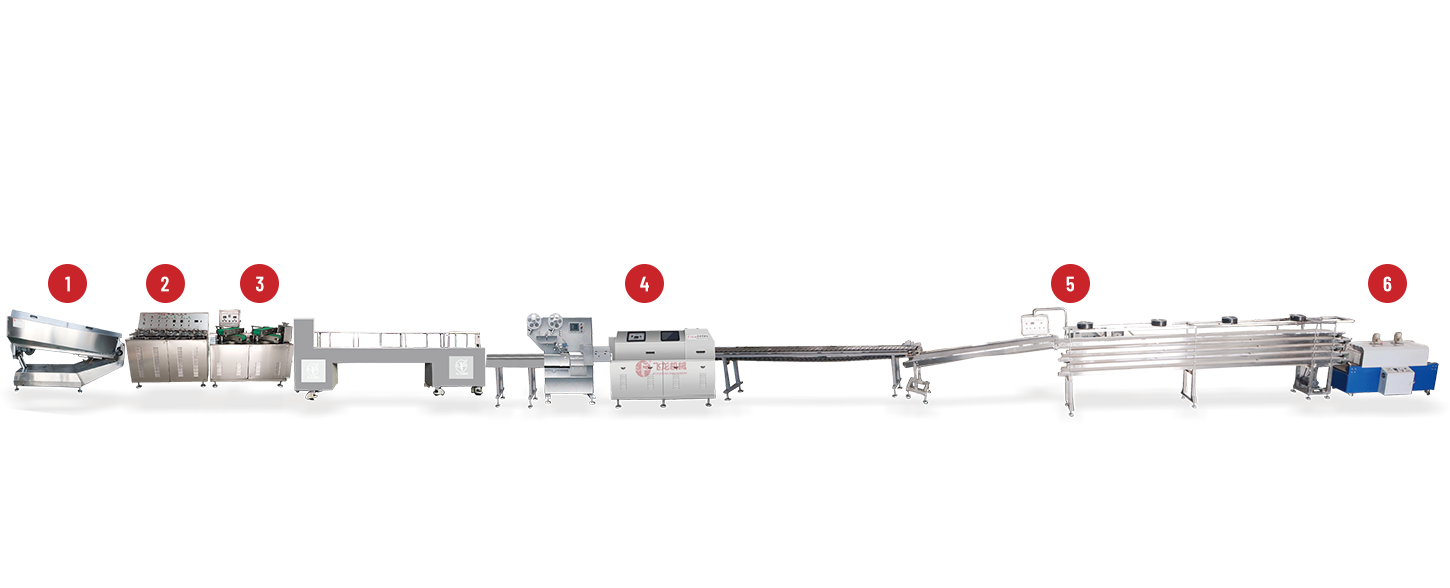
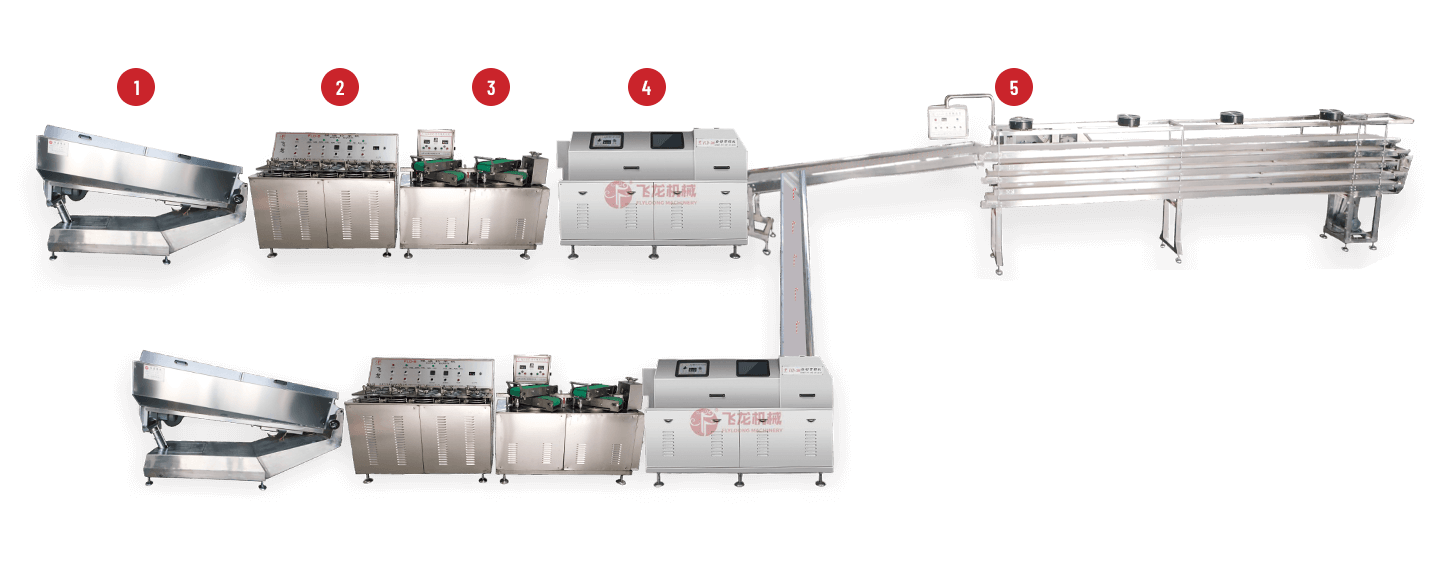
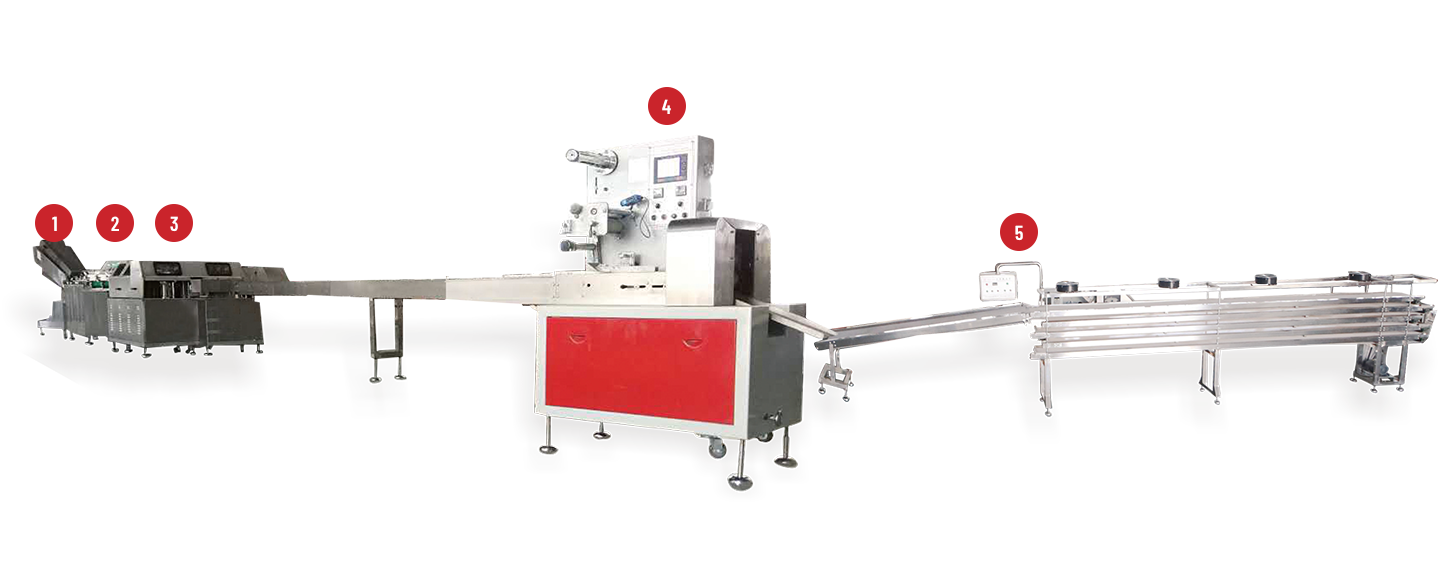
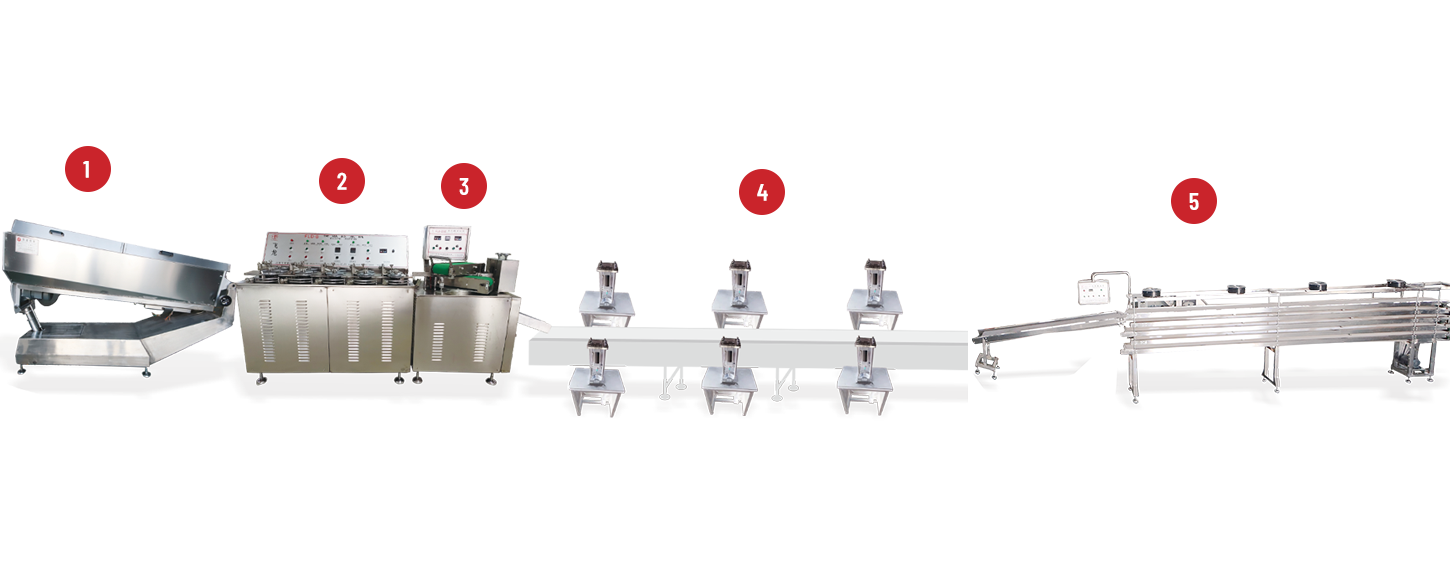
Candy packaging is changing alongside the way confectionery businesses operate. Small producers, specialty candy makers, bakeries, gift businesses, and food workshops may need packaging that looks neat without creating an unnecessarily complicated production process.
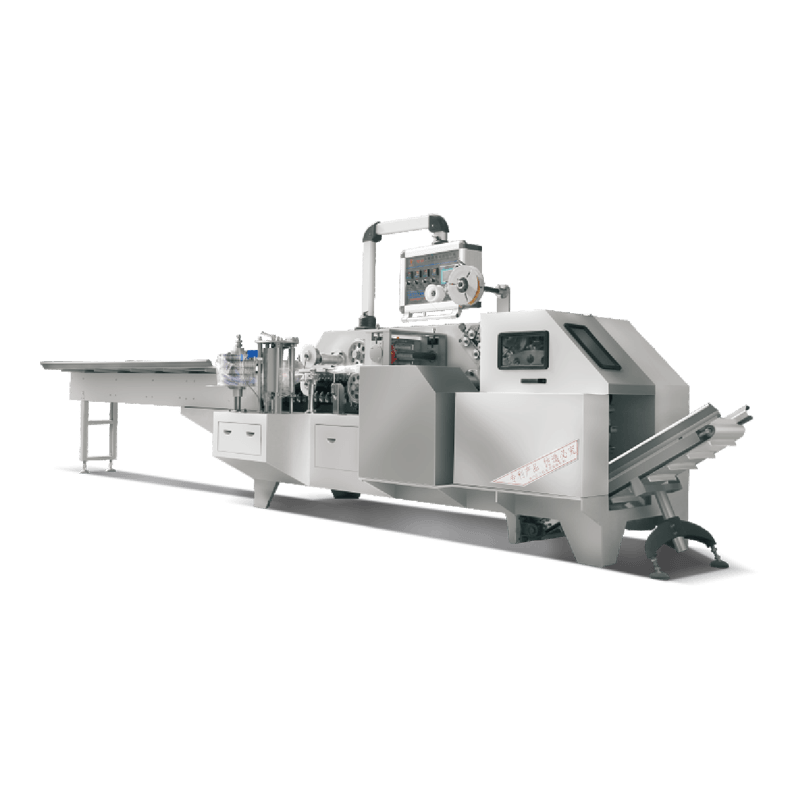
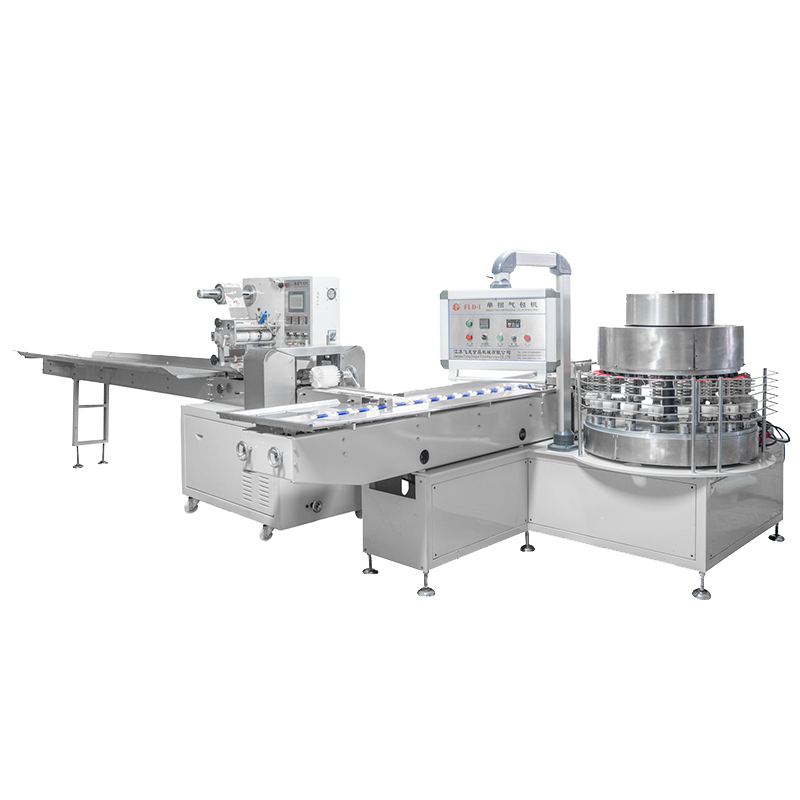
This is where a tabletop candy wrapping machine can attract attention. Its compact format can fit into working environments where space is limited. It can also offer an alternative to handling every piece of candy by hand.
Yet choosing a suitable machine is not simply about finding a compact piece of equipment. Different candies have different shapes, textures, surfaces, and packaging requirements. A wrapping machine should match the product and the workflow around it.
Buyers also need to consider how often the machine will be used, who will operate it, what type of wrapping is required, and how easily the equipment can fit into existing production activities.
The right features therefore depend on the actual needs of the business. A machine designed for one type of candy may not be equally suitable for another. Looking beyond appearance and purchase price can help buyers make a more practical decision.
What Type of Candy Will the Machine Handle?
The candy itself should be one of the main considerations.
Candy products can vary greatly in shape and texture. Some are firm and compact. Others may have soft centers, irregular surfaces, sticky coatings, or delicate finishes. A wrapping system needs to work with the physical characteristics of the product rather than forcing every candy into the same packaging process.
Shape is also important. A simple rectangular or round candy may be relatively straightforward to wrap. A product with an unusual shape may require a different approach.
The wrapper must also fit the product naturally. If the packaging material is too loose, the finished piece may look untidy. If it is handled too aggressively, the candy or its surface may be affected.
Before choosing a machine, buyers can create a simple product checklist:
| Candy Consideration | Why It Matters |
|---|---|
| Shape | Influences how the wrapper fits around the product |
| Surface | May affect how the packaging material behaves |
| Texture | Can influence how the candy moves through the wrapping process |
| Size Variation | Helps determine how flexible the equipment needs to be |
| Product Firmness | Affects how the candy responds during handling |
| Wrapper Style | Determines whether the machine is suitable for the desired appearance |
This basic evaluation can prevent a common purchasing mistake. A machine may appear suitable in general terms but still be a poor match for a particular candy product.
How Important Is Packaging Flexibility?
Packaging preferences are becoming more varied. Candy is not always sold in one standard format. A producer may offer individual pieces, gift products, seasonal collections, or specialty items with different appearances.
This makes flexibility an important feature.
A tabletop candy wrapping machine that can accommodate different product types or packaging arrangements may be more useful as a business changes its product range.
Flexibility does not mean that one machine needs to handle every possible product. Instead, it means the equipment should provide a reasonable degree of adjustment for the products it is expected to handle.
This can include changes related to product size, wrapper positioning, or packaging style.
For a small business, flexibility may have particular value. Product lines can change frequently. A candy maker may test a new flavor or introduce a different shape without wanting to completely change the packaging process.
A flexible machine can make these changes easier to manage.
However, buyers should avoid assuming that more adjustment automatically means a better choice. Too many complicated settings can make daily operation less convenient. The useful level of flexibility is the level that supports real production needs.
What Makes a Machine Easy to Operate?
Ease of operation has a direct effect on daily work.
A machine can have many functions, but if operators struggle to understand them, the equipment may slow down the workflow rather than improve it.
For tabletop candy wrapping machines, simple controls can be valuable. Operators should be able to understand basic functions without spending excessive time learning complicated procedures.
Clear instructions also matter. Different employees may use the same equipment during different shifts or production activities. An easy-to-understand operating process can reduce confusion.
The loading process deserves attention as well. Operators should be able to prepare the machine without unnecessary steps. Changes between different candy products should also be manageable.
A practical operating experience often includes:
- Clear controls
- Straightforward product loading
- Easy adjustment
- Simple wrapper replacement
- Understandable operating instructions
- Convenient access to areas that require routine attention
The goal is not to make the machine appear sophisticated. The goal is to make the work easier.
For small production teams, this distinction can be especially important. Employees may already be responsible for several tasks. Equipment that requires constant attention can become a burden.
How Should Buyers Think About Machine Size?
The tabletop format is one of the main reasons businesses consider this type of equipment.
Space can be a real concern in small production rooms. A candy workshop may need to accommodate preparation areas, storage, packing tables, and other equipment. Every piece of machinery needs to fit into the available workflow.
A compact machine can help preserve valuable working space. But physical size should not be considered alone.
The space around the machine also matters.
Operators need room to load candy, handle packaging materials, inspect finished products, and perform routine cleaning. If the machine fits on a table but leaves no comfortable working area, the overall setup may still be inconvenient.
The position of the machine should therefore be considered as part of the production process.
A useful approach is to think about the complete movement of materials:
Candy preparation → product placement → wrapping → inspection → finished product handling
The machine should fit naturally into this sequence.
This is particularly relevant for businesses that rely on manual preparation before or after wrapping. A machine should support the existing workflow rather than create unnecessary movement between different work areas.
Why Does Wrapper Compatibility Matter?
The packaging material is just as important as the machine.
Candy wrappers can differ in appearance, flexibility, surface characteristics, and intended presentation. Some products may require a simple appearance, while others are designed for gift packaging or specialty retail.
The wrapping machine needs to work appropriately with the selected packaging material.
This is an area where buyers should ask detailed questions before making a purchase. General claims about packaging compatibility may not tell the whole story.
The better approach is to consider the actual wrapper intended for production.
Questions worth asking include:
- Can the machine handle the intended type of wrapping material?
- Is the wrapper easy for operators to load?
- Can the material be positioned consistently?
- Does the finished package match the desired appearance?
- Can packaging materials be changed without disrupting the workflow?
Packaging appearance can influence how consumers perceive a candy product. A neatly wrapped piece can look organized and ready for sale. Poorly positioned material can have the opposite effect.
For this reason, wrapper compatibility should be evaluated together with the final appearance of the packaged candy.
What Role Does Cleaning and Maintenance Play?
Food-related equipment needs regular attention to cleanliness.
Candy can leave behind sugar, coatings, crumbs, or other residues during production. These materials can accumulate if cleaning is difficult or neglected.
A tabletop candy wrapping machine should therefore be easy to inspect and clean as part of normal working routines.
Accessible surfaces can make routine cleaning more manageable. Areas where candy or packaging material passes through should be considered carefully. If an operator cannot easily see or reach a particular area, maintaining it may become more difficult.
Maintenance is another practical consideration.
Buyers should understand which parts require routine attention and whether those tasks are straightforward for the intended operators. Clear maintenance instructions can also make day-to-day equipment management easier.
The objective is simple. Cleaning and routine care should fit into the production schedule instead of becoming an unexpected obstacle.
For food businesses, this is not merely a convenience issue. A clean working environment supports responsible food handling practices and helps maintain an organized production area.
How Can Businesses Evaluate Safety and Product Handling?
Candy production involves direct contact between food products, packaging materials, operators, and machinery. Responsible equipment selection should therefore include consideration of safe operation and appropriate food handling.
Operators should be able to work around the machine comfortably. Moving parts should be appropriately protected, and operating procedures should be clear.
Product handling is also important. Candy can be delicate. Excessive pressure or unsuitable movement may affect its appearance.
A well-matched wrapping process should handle the product in a controlled way. The candy should move through the process without unnecessary handling.
Businesses should also consider the training needs of operators. Even relatively simple equipment requires proper instruction. Employees need to understand how to load products, manage packaging materials, respond to interruptions, and carry out routine cleaning.
Good equipment selection is therefore connected with good working practices.
A machine should not be judged only by what it can do. Buyers should also ask how comfortably and safely people can use it during ordinary production.
Which Features Matter Most for Long-Term Use?
Purchase decisions are often influenced by immediate needs. However, candy businesses can change over time.
A small producer may begin with one product and later introduce different flavors, shapes, or packaging styles. A machine that suits only the current situation may become less useful as the business develops.
This is why long-term practicality deserves attention.
The equipment should have a role beyond the immediate production task. Buyers can consider whether it will remain useful if the product range changes or production activities become more organized.
Support and replacement parts can also matter. Businesses should understand how routine service is handled and whether assistance is available when needed.
The machine's construction should be considered from a practical perspective as well. Daily use places demands on equipment. A machine that is difficult to maintain or frequently requires complicated attention may create additional work for operators.
A simple evaluation framework can help:
| Feature | Question to Ask |
|---|---|
| Product Compatibility | Does it suit the candy being produced? |
| Packaging Flexibility | Can it support the intended wrapping style? |
| Operation | Can employees learn to use it comfortably? |
| Space | Does it fit naturally into the available work area? |
| Cleaning | Can routine cleaning be carried out conveniently? |
| Maintenance | Are normal care tasks easy to understand? |
| Product Handling | Does the wrapping process suit the candy's characteristics? |
| Future Use | Could the equipment remain useful as product needs change? |
These questions shift attention away from simple product comparisons. They encourage buyers to consider how the machine will actually perform within their own working environment.
How Can Buyers Compare Different Tabletop Candy Wrapping Machines?
Comparing equipment can become confusing when manufacturers describe features in different ways. A useful comparison should focus on practical needs rather than the number of functions listed in a product description.
Buyers can begin with the candy itself. If the equipment cannot handle the product properly, other features become less important.
The next step is packaging. The wrapper, finished appearance, and desired presentation should all be considered.
The operating process should then be examined. Can employees load the candy easily? Can packaging materials be changed without unnecessary delays? Is the cleaning process manageable?
Space should also be included in the evaluation. A tabletop machine may save floor space, but its surrounding working area still needs to be practical.
Finally, buyers can consider future needs. A machine that supports reasonable product flexibility may offer more value if the business plans to introduce additional candy varieties.
This approach creates a clearer picture of what actually matters.
For a small confectionery operation, the ideal choice may not be the machine with the functions. It may simply be the one that fits the candy, packaging materials, workspace, operators, and daily production routine with the fewest unnecessary complications.
 +86-(0)515-8465666
 +86-(0)515-85566996
 +86-138 1559 9708
 flyloong@flyloongcn.com
 Home
Home