

 ENG
ENG
 English
 中文简体
中文简体 русский
 Français
 Español
 عربى
عربى
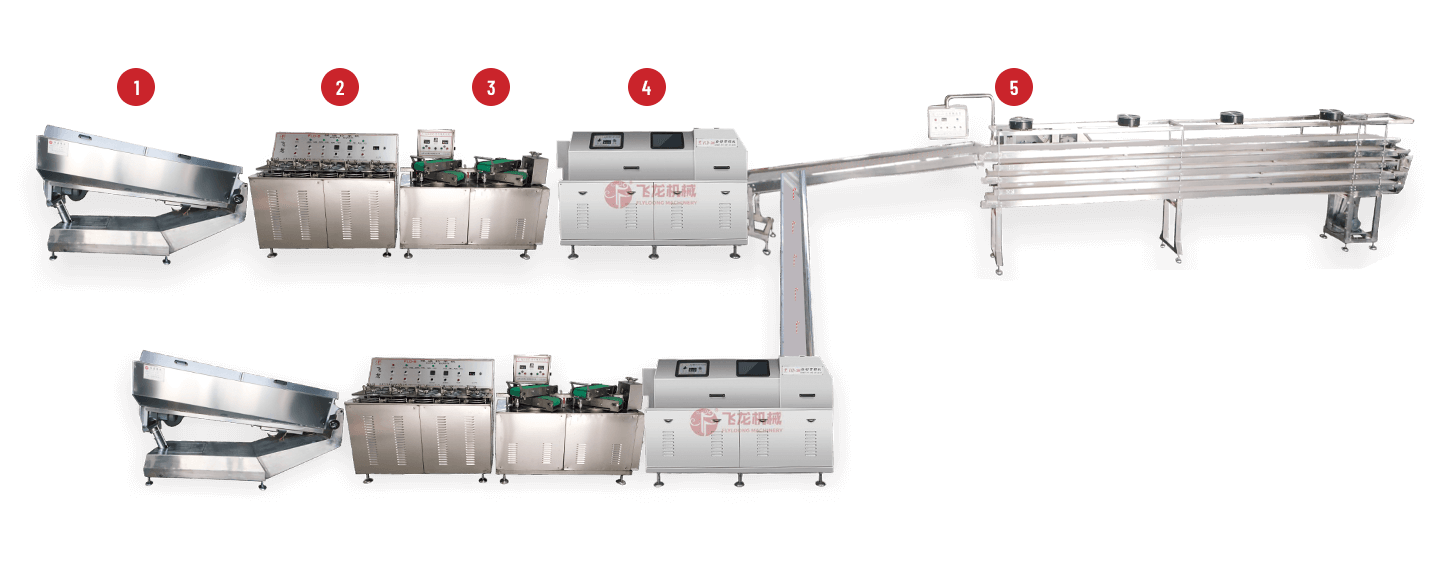
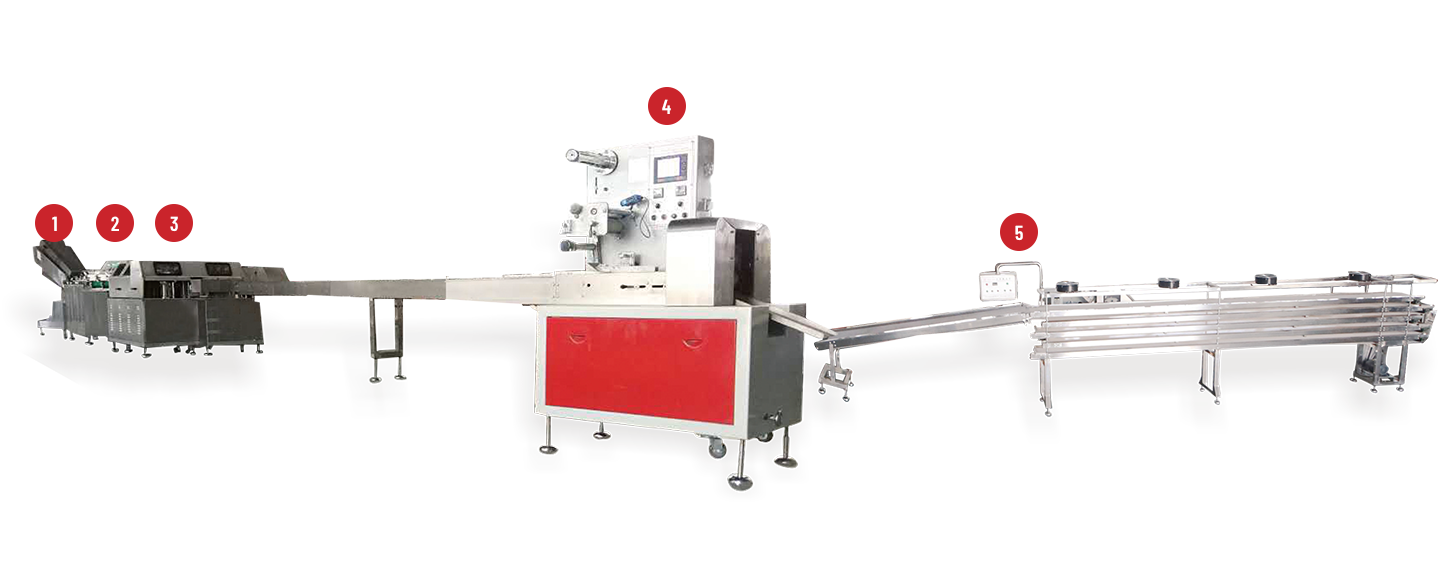
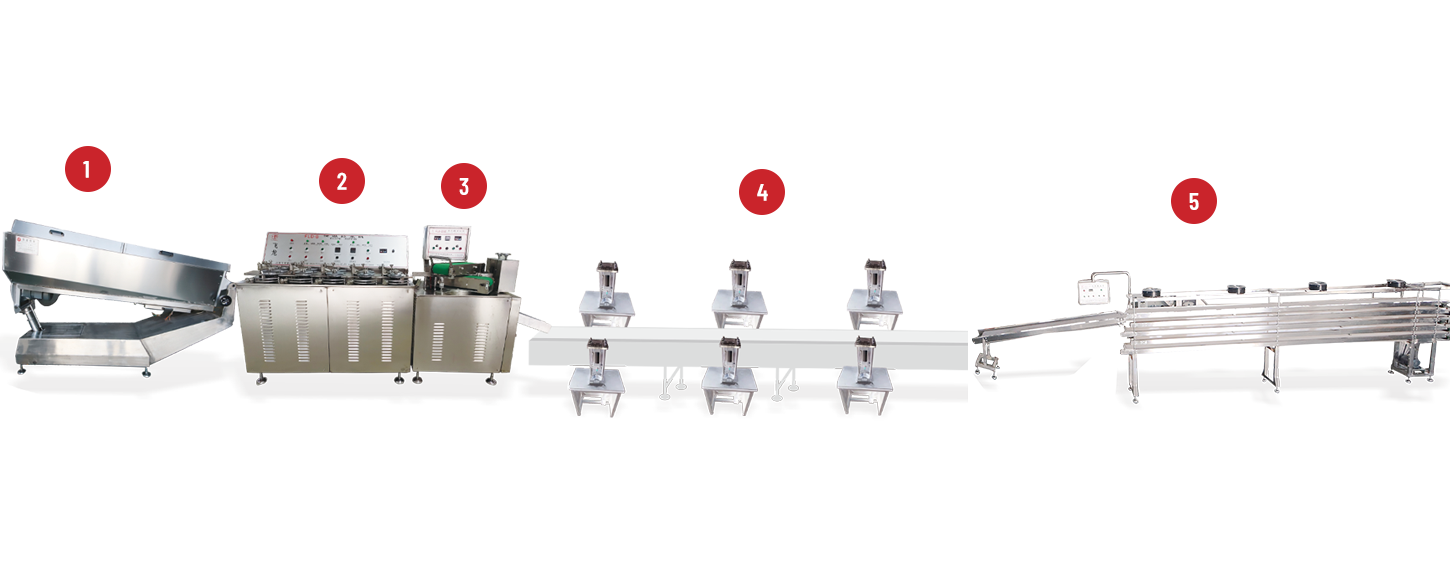
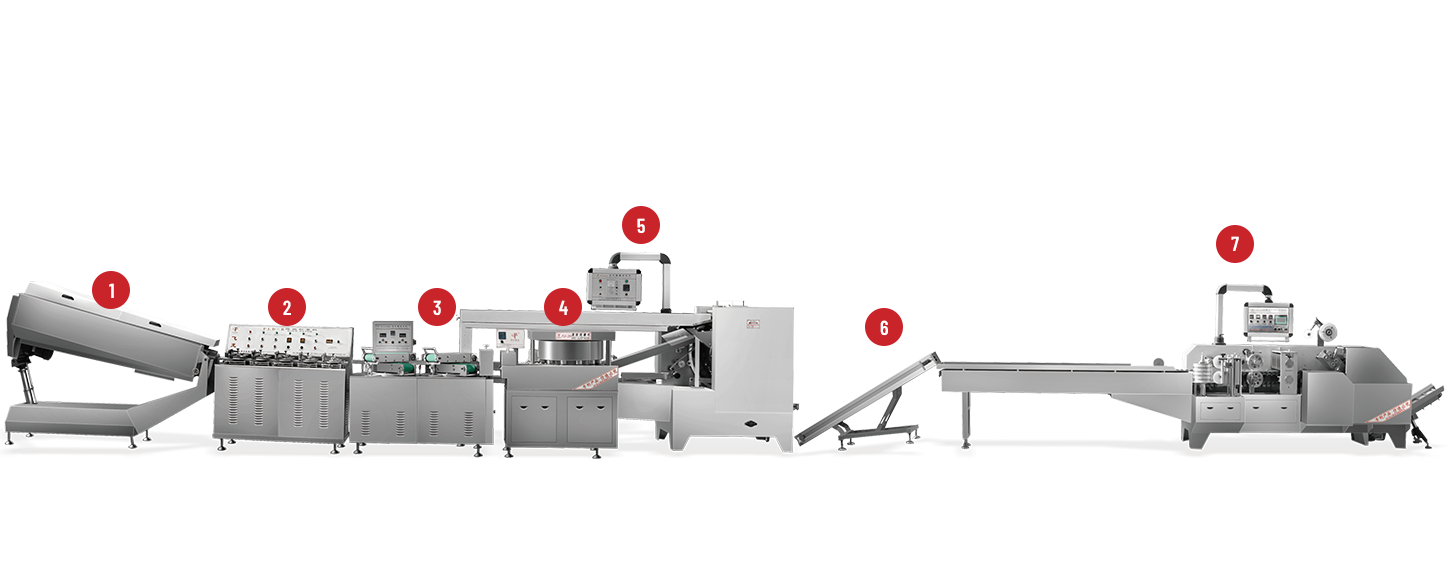
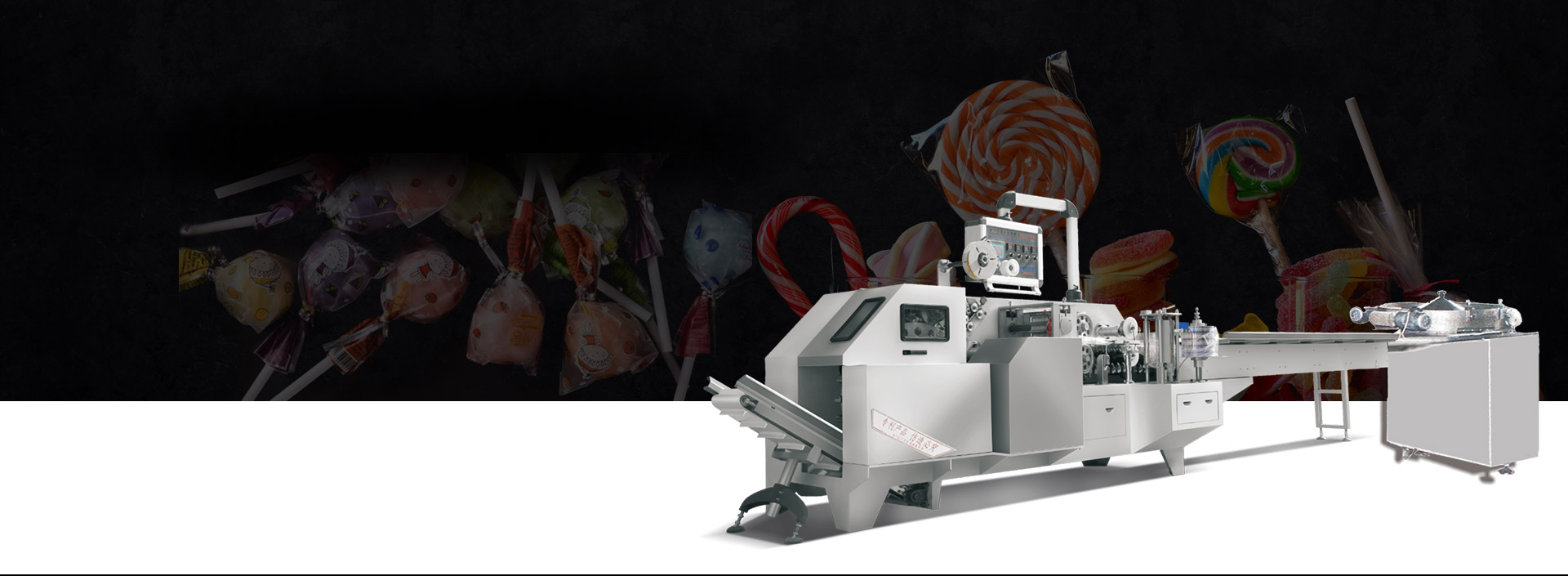
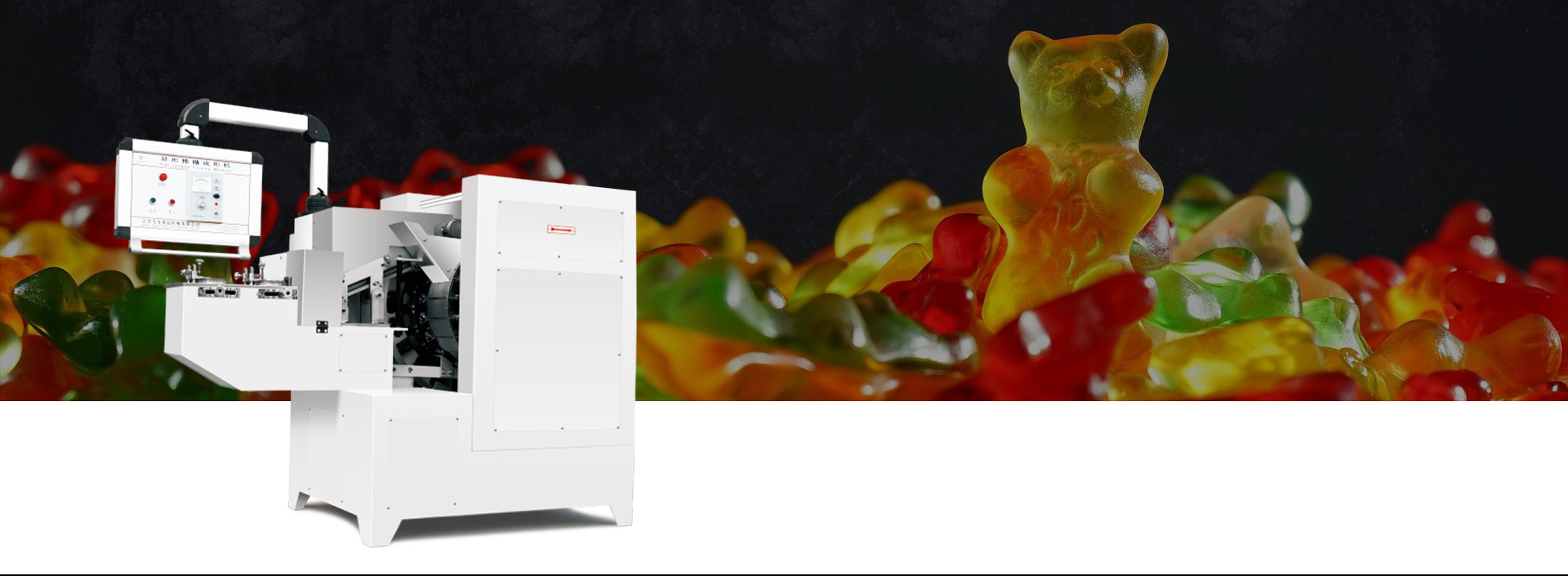
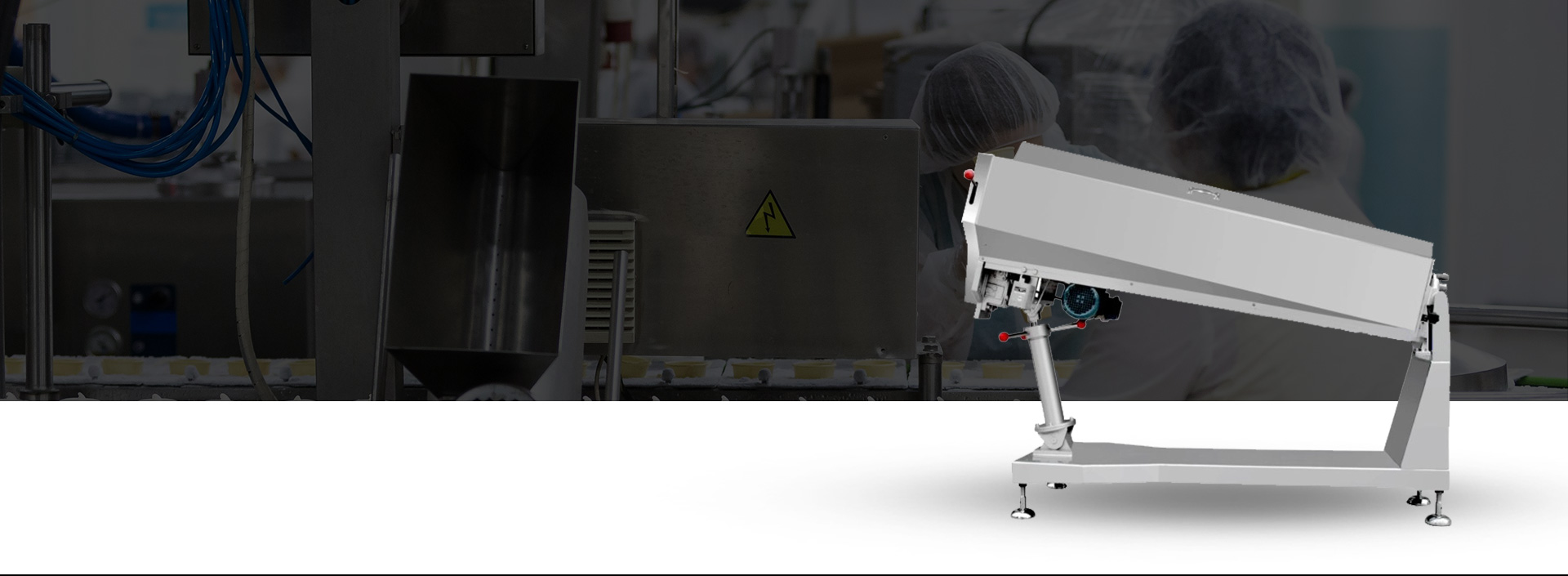
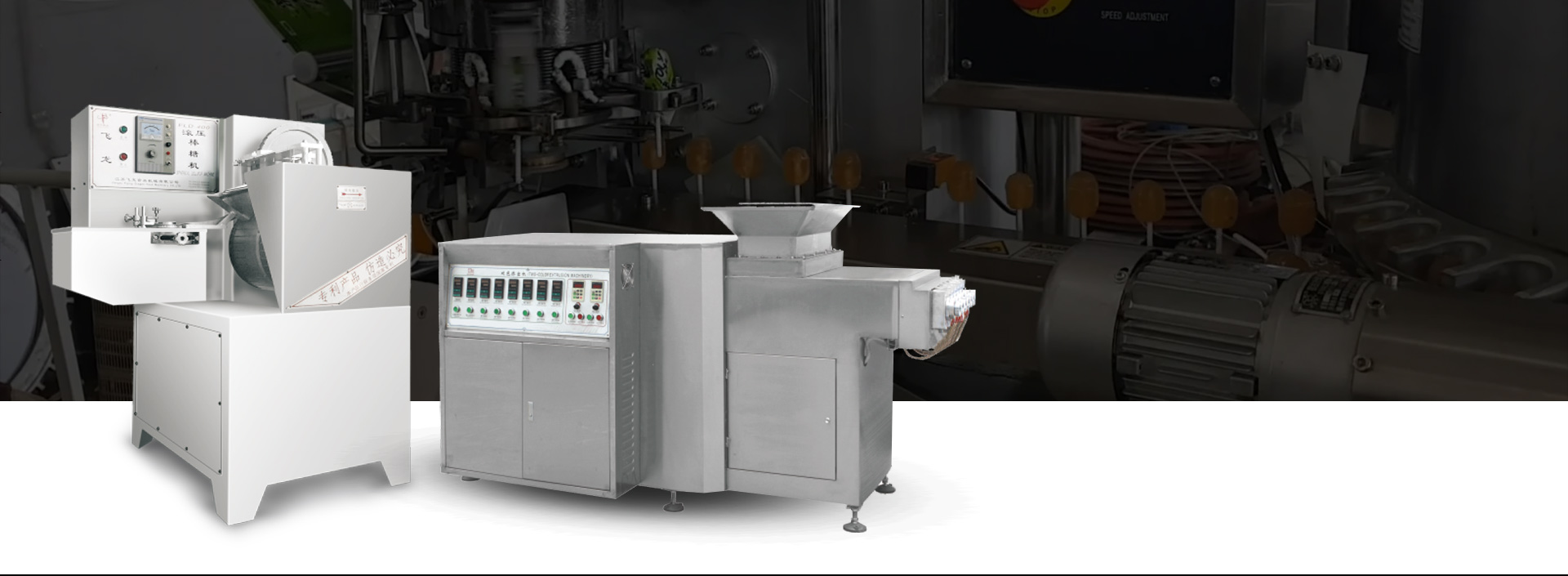
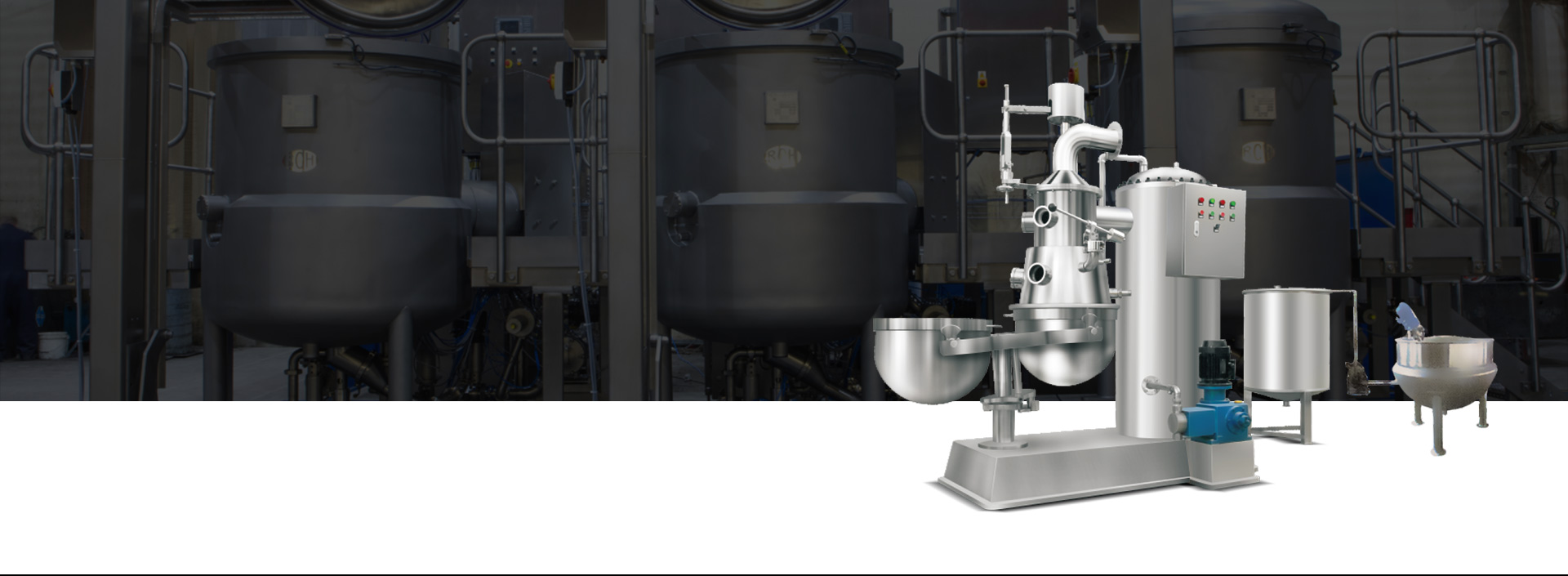
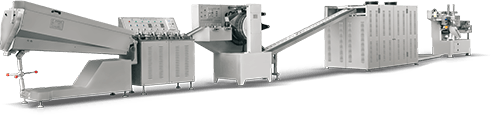
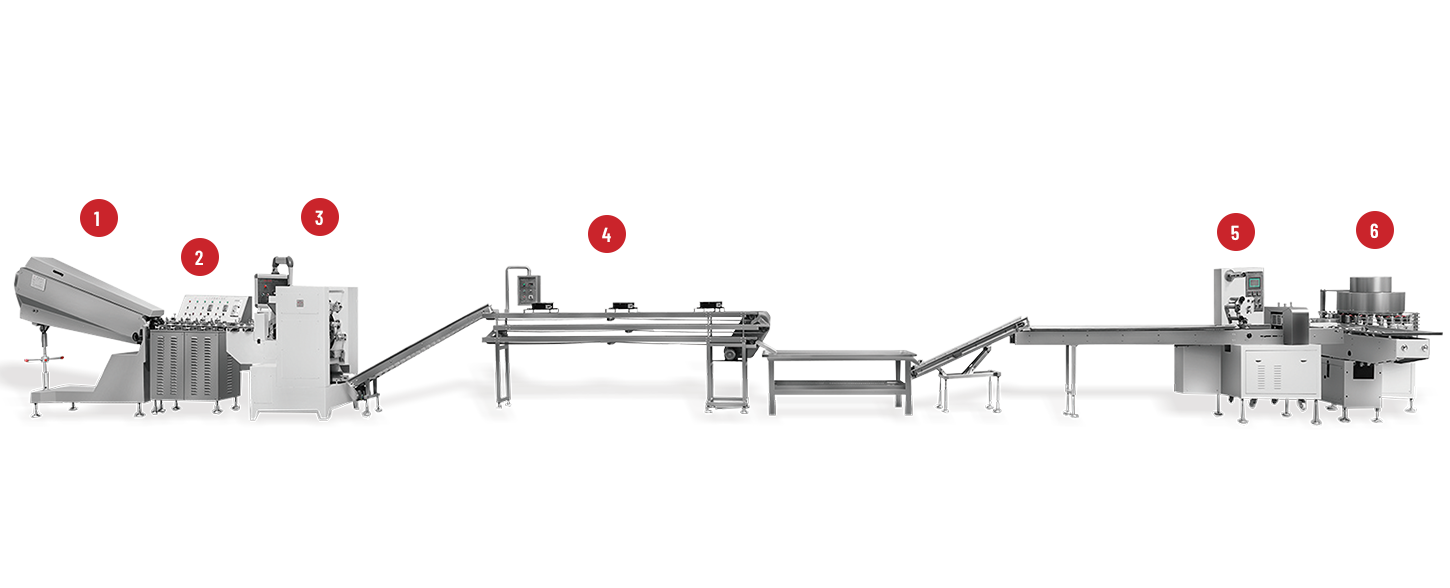
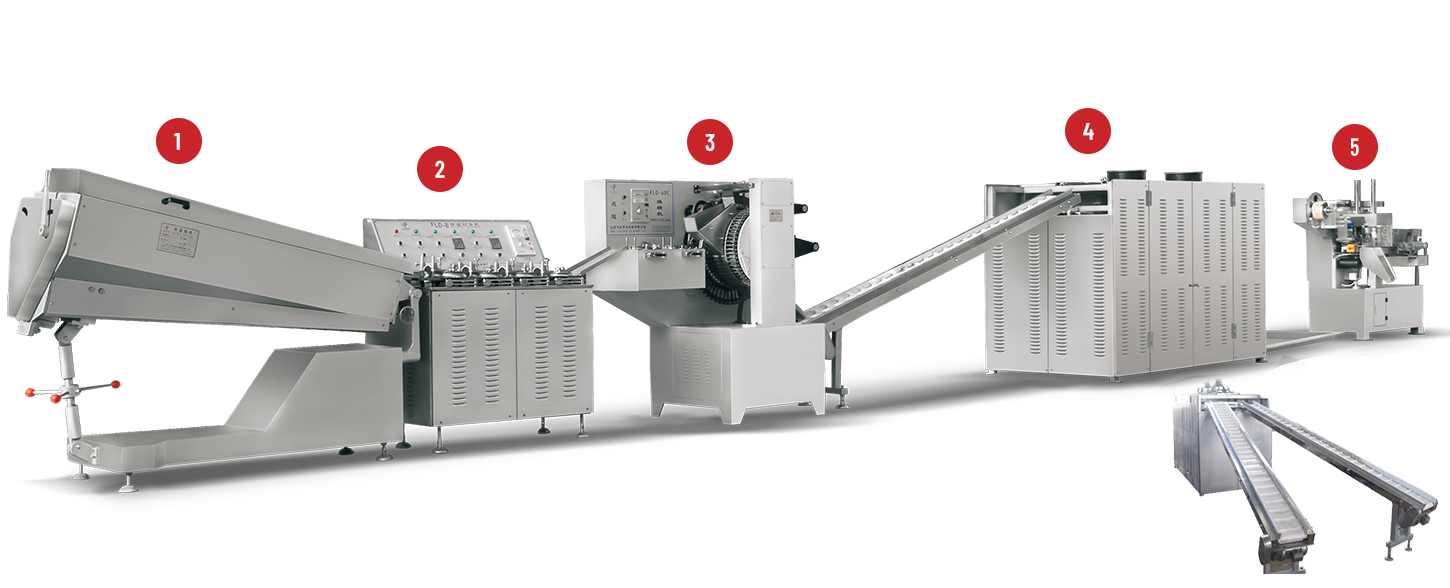
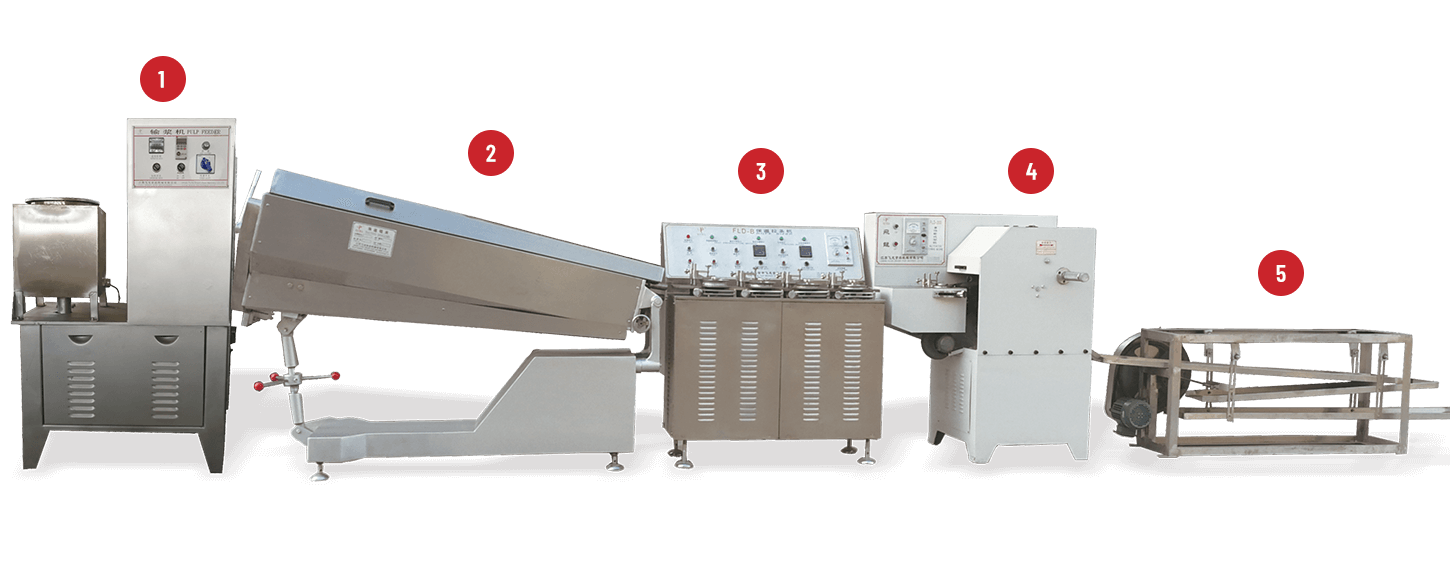
The candy industry is paying closer attention to the equipment behind familiar products. A soft candy pulling machine may look like a relatively simple part of a production line, yet its condition can influence how smoothly a candy process operates.
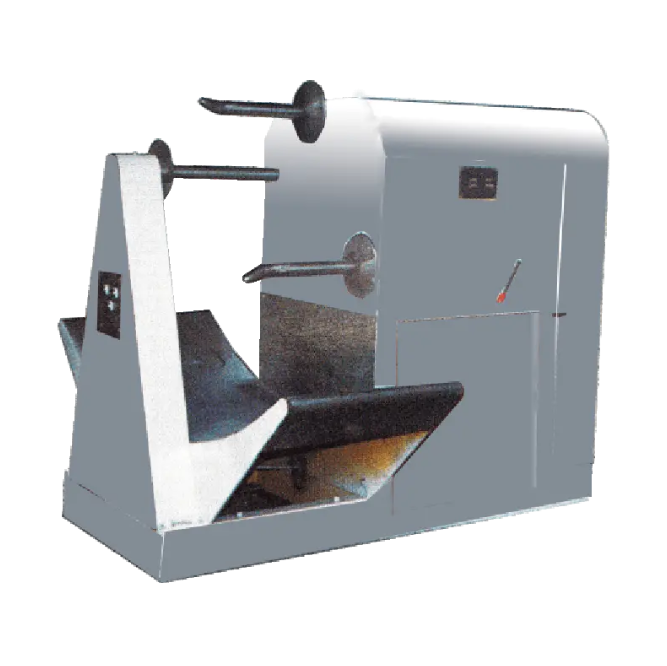
For Soft Candy Pulling Machine Suppliers, equipment quality is not limited to the finished appearance of a machine. It involves material selection, structural design, component fitting, assembly, inspection, cleaning considerations, and communication with customers.
A machine used around food products also needs to fit the working environment. Surfaces should be practical to clean. Parts that come into regular contact with candy should be selected with the application in mind. The overall structure needs to support routine operation and maintenance.
Quality management therefore begins long before a machine reaches a candy factory.
What Does Equipment Quality Mean for a Soft Candy Pulling Machine?
Equipment quality can mean different things to different buyers. Some focus on appearance. Others pay more attention to operation, cleaning, maintenance, or long-term use.
For Soft Candy Pulling Machine Suppliers, these concerns need to be considered together.
A soft candy pulling machine is used to work candy material through a repeated pulling process. During production, the machine needs to maintain stable movement while handling sticky food material. This makes the relationship between individual components important.
A well-organized quality process can cover several areas:
| Quality Area | What Suppliers May Consider |
|---|---|
| Materials | Suitability for the working environment |
| Structure | Stability and practical operation |
| Components | Fit, movement, and ease of replacement |
| Surface | Cleaning and daily care |
| Assembly | Correct installation of individual parts |
| Inspection | Condition of the completed machine |
| Documentation | Clear operating and maintenance guidance |
| Customer Support | Assistance during installation and use |
The exact approach varies between manufacturers.
The important point is that equipment quality is created through many small decisions. A supplier cannot rely on a final inspection alone to control every aspect of a machine.
How Does Material Selection Affect Machine Quality?
Material selection is one of the earliest decisions in equipment production.
Candy processing involves direct contact with food ingredients, moisture, heat, cleaning activities, and repeated mechanical movement. The materials used in the machine therefore need to match the working conditions.
Soft Candy Pulling Machine Suppliers may use different materials for different parts. Areas exposed to candy may require surfaces that are practical for food processing and routine cleaning. Structural sections may have different requirements.
Material choice can influence:
- Surface cleanliness.
- Resistance to normal wear.
- Ease of maintenance.
- Appearance after repeated cleaning.
- Compatibility with the production environment.
- Service requirements.
Using a suitable material does not automatically guarantee good equipment quality. The material still needs to be properly processed and assembled.
Suppliers also need to pay attention to material consistency. If a custom machine uses several material types, each selection should have a clear purpose.
This becomes particularly important when buyers request changes to the standard design.
A supplier may need to evaluate whether a requested material, finish, or component is suitable for the intended application rather than simply accepting the change.
Can Better Structural Design Help Suppliers Maintain Quality?
A machine can contain reliable individual components and still perform poorly if the overall structure is not well planned.
The structure determines how different parts work together.
For a soft candy pulling machine, the working section needs to remain organized while the machine repeatedly performs its intended movement. The frame needs to provide suitable support. Access to important areas can also affect cleaning and maintenance.
Good design often involves simple questions.
Can operators reach the areas that need cleaning? Can commonly serviced components be accessed without unnecessary disassembly? Are the working parts positioned in a practical way? Does the machine fit naturally into the customer's production arrangement?
These questions are closely connected with quality.
A machine that is difficult to clean may create additional work for operators. A machine that is difficult to maintain may require more time when routine service is needed.
For this reason, Soft Candy Pulling Machine Suppliers often need to consider the entire user experience during the design stage.
Quality is not only about whether the machine works.
It is also about whether people can use and care for it in a practical way.
How Important Is Component Quality During Assembly?
A finished machine is made from many individual parts.
Even when each component appears acceptable on its own, problems can occur if the parts do not fit together properly.
Assembly is therefore an important stage in equipment quality management.
Workers need to check the position and connection of components during production. Moving parts should operate as intended. Fasteners and supporting components need to be installed correctly. Electrical elements, where included, should also be organized according to the equipment design.
A clear assembly process can reduce avoidable variation.
Some suppliers divide assembly into several inspection points rather than waiting until the machine is completely finished.
For example:
- Frame inspection - Check the main structure before other parts are installed.
- Component fitting - Confirm that major parts are positioned correctly.
- Movement check - Observe whether moving sections operate smoothly.
- Surface check - Look for visible damage or processing issues.
- Final assembly check - Review the completed machine before testing.
This approach allows problems to be identified closer to where they occur.
It can also make production easier to manage when several machines are being prepared for different customers.
How Can Suppliers Use Testing to Find Problems Before Delivery?
Testing gives manufacturers an opportunity to examine the finished machine under working conditions.
For Soft Candy Pulling Machine Suppliers, testing can cover more than whether the machine starts and stops.
The supplier may check the movement of the working parts, the interaction between components, control functions, safety features, and the overall operating condition.
Where appropriate, the machine can also be observed through a simulated production process.
The purpose is not to promise that every possible issue can be eliminated. No manufacturing process can provide that guarantee.
Instead, testing gives the supplier a practical opportunity to identify visible problems before shipment.
Testing can also help confirm that the machine matches the agreed design.
This is especially useful for custom orders. A buyer may request changes to the structure, control arrangement, material selection, or production setup.
The final inspection can then compare the completed machine with the agreed requirements.
Clear records can make this process easier.
Photos, inspection notes, sample approvals, and production documents can help both the supplier and buyer understand what was produced.
Does Cleaning Design Influence Equipment Quality?
Candy production can leave material on surfaces and around working components.
Cleaning is therefore part of normal equipment care.
A machine with complicated or difficult-to-reach areas can take more effort to clean. This may affect daily production routines.
Soft Candy Pulling Machine Suppliers can consider cleaning during the design stage rather than treating it as an afterthought.
Smooth and accessible surfaces may be easier to maintain. Removable or accessible parts can make routine cleaning more practical where the design allows it.
Suppliers should also provide clear care instructions.
The exact cleaning method should depend on the machine materials and the manufacturer's recommendations. Using an unsuitable cleaning method may damage surfaces or components.
A useful maintenance guide can explain:
- Which areas need regular cleaning.
- Which parts should be checked during routine care.
- Which cleaning methods are appropriate.
- Which components should remain protected from moisture.
- When professional service may be required.
These details can help customers use the machine more consistently.
Equipment quality does not end when the machine leaves the factory. How easily it can be maintained also influences its practical value.
How Do Suppliers Manage Quality When Producing Custom Machines?
Customization creates additional challenges.
A standard machine design usually follows an established production process. A custom order may introduce different materials, component arrangements, dimensions, or control requirements.
Every change can affect another part of the machine.
For example, changing the working section may require changes to the supporting structure. A different layout may affect access for cleaning. A new component may require a different connection arrangement.
This is why custom production needs careful communication.
Soft Candy Pulling Machine Suppliers can use drawings, product samples, reference photographs, written requirements, and approval documents to establish a shared understanding with buyers.
The process may look like this:
Customer Requirement → Design Discussion → Sample or Drawing → Buyer Confirmation → Production → Inspection → Delivery
Each step provides an opportunity to identify differences before they become production problems.
Buyers also have a role in quality management.
Clear information about the candy product, production environment, cleaning practices, and desired workflow can help the supplier understand the actual application.
A supplier cannot reasonably design for conditions that have not been communicated.
What Role Does Supplier Experience Play in Equipment Quality?
Experience can influence how a supplier approaches unusual requirements.
A supplier that regularly produces candy machinery may have encountered different production layouts, material preferences, cleaning routines, and customer requirements.
This does not mean every experienced supplier will be suitable for every project.
The more useful question is whether the supplier can explain how it approaches a particular requirement.
Buyers can ask about:
- Previous experience with similar equipment.
- Material selection for food-contact areas.
- Custom design procedures.
- Inspection methods.
- Cleaning guidance.
- Spare component availability.
- Installation assistance.
- Routine maintenance support.
The answers can reveal how seriously the supplier treats the production process.
Communication also matters.
A supplier should be able to explain design choices in simple terms. If a requested change creates a practical issue, it should be discussed before production rather than hidden until the finished machine is delivered.
Open communication can reduce misunderstandings.
It can also help both sides make better decisions when a custom design is involved.
How Can After-Sales Support Protect Equipment Quality?
Even a carefully manufactured machine needs routine care.
Components can experience normal wear during use. Cleaning procedures can affect surfaces. Operators may have questions about settings or maintenance. A machine may also need replacement components at some point.
After-sales support gives buyers a way to address these situations.
Soft Candy Pulling Machine Suppliers can provide support through operating instructions, maintenance information, troubleshooting guidance, replacement parts, and technical assistance where appropriate.
The level of support varies among suppliers.
For buyers, it is useful to understand what is actually included before placing an order.
Questions can include:
What documents are provided with the machine?
Clear instructions can make installation and daily operation easier.
Are replacement components available?
This can matter when a wearable or replaceable component needs attention.
How are service questions handled?
A clear communication process can save time when an issue appears.
Does the supplier provide installation guidance?
This may be useful when the equipment is being introduced into a new production environment.
How are custom machines supported?
A customized machine may require more specific documentation than a standard model.
Quality support should match the machine that was actually delivered.
Can Clear Production Records Help Maintain Consistency?
Documentation is sometimes treated as administrative work, but it can support manufacturing consistency.
Production records can help suppliers track material choices, component versions, inspection results, and customer requirements.
This becomes particularly useful when the same customer orders equipment more than once.
A supplier can refer back to previous specifications rather than relying on memory.
Clear records may include:
- Approved drawings.
- Material information.
- Component lists.
- Inspection records.
- Assembly notes.
- Customer-approved samples.
- Packaging instructions.
- Maintenance documents.
These records can create a connection between the original design and the finished machine.
They also help different teams within a factory understand the same product requirements.
For Soft Candy Pulling Machine Suppliers, this can make quality management more organized as product varieties increase.
What Should Buyers Ask Soft Candy Pulling Machine Suppliers About Quality?
Buyers do not need to inspect every manufacturing detail themselves. A focused conversation can reveal how a supplier manages equipment quality.
Useful questions include:
- How are materials selected for different machine areas?
- How is the machine inspected during assembly?
- Is the finished equipment tested before shipment?
- How are custom design changes documented?
- What cleaning guidance is supplied?
- What routine maintenance does the supplier recommend?
- How are replacement components handled?
- What support is available after delivery?
The answers should be specific enough to give the buyer a clear picture of the supplier's process.
A supplier that can explain its approach to materials, design, assembly, testing, cleaning, documentation, and service gives buyers more information to work with.
For Soft Candy Pulling Machine Suppliers, maintaining equipment quality is an ongoing process. It begins with understanding the application and continues through material selection, design, assembly, testing, inspection, packaging, and customer support. Small decisions at each stage can influence how the finished machine fits into a candy production environment.
 +86-(0)515-8465666
 +86-(0)515-85566996
 +86-138 1559 9708
 flyloong@flyloongcn.com
 Home
Home