

 ENG
 English
 中文简体
 русский
 Français
 Español
 عربى
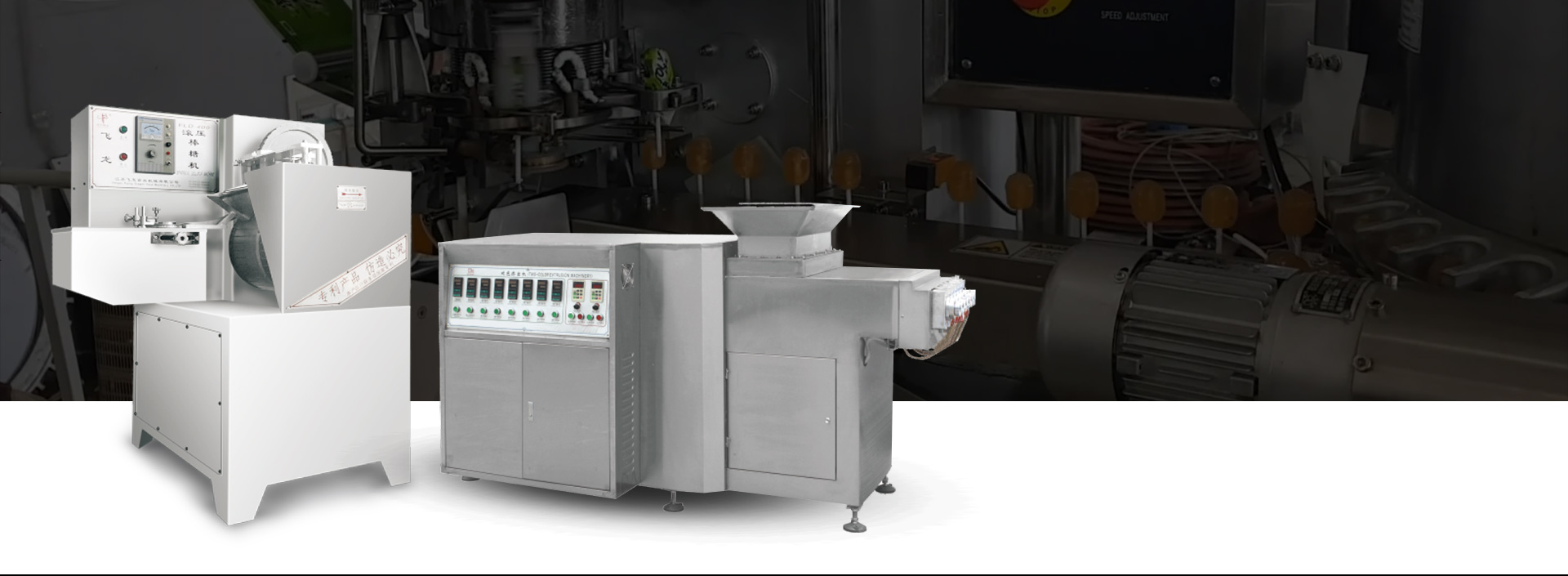
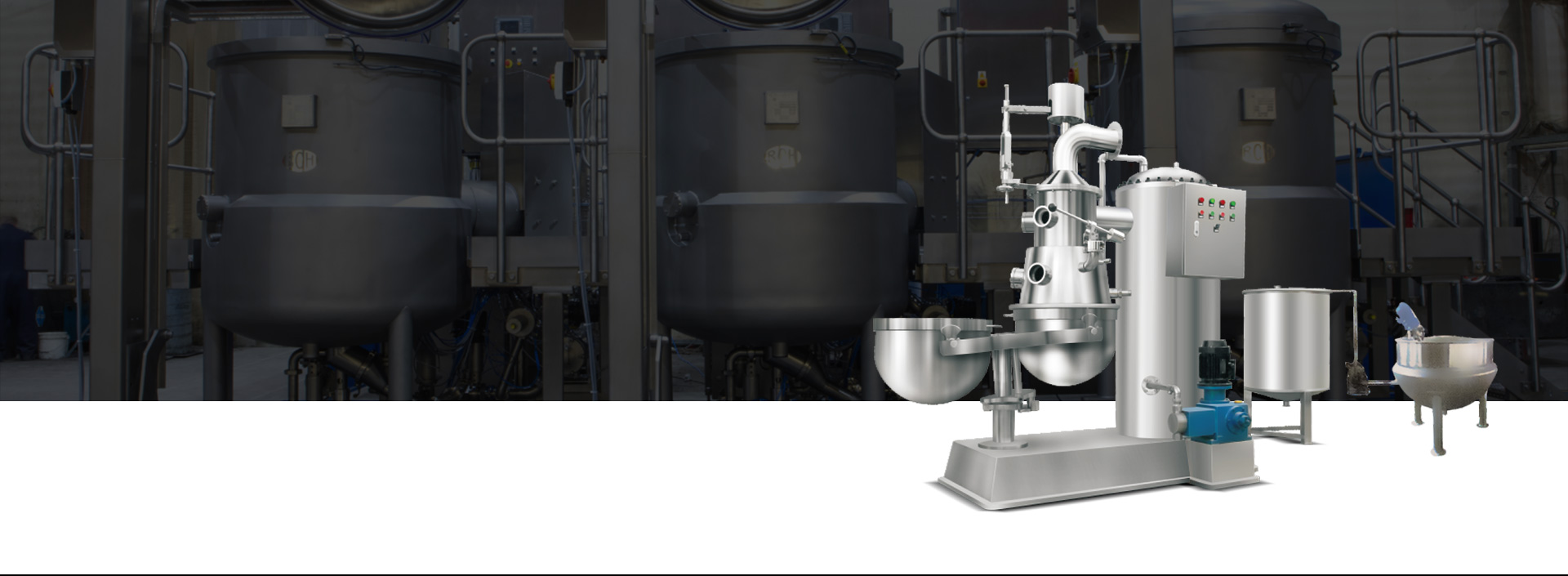
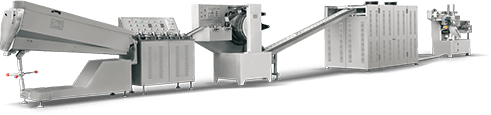
Two Ways to Organise Hard Candy Manufacture
What Is Batch Production in Hard Candy Manufacturing
Batch production cooks and processes sugar mass in defined lots. Each lot is prepared, cooked, handled and formed as a unit before the next lot starts. Equipment can be shared across recipes when cleaning and changeover fit the schedule. This approach suits plants that switch flavours, colours or shapes often.
How Does Continuous Production Work in Candy Processing
Continuous production keeps sugar syrup, cooking, conditioning and forming linked so material moves without full stops between stages. Once the line is stabilised, output is steady rather than tied to the end of a single kettle cycle. Changeover still occurs, but the design goal is uninterrupted flow for long runs of the same product.
Why Production Methods Matter When Planning a Candy Manufacturing Line
Method choice affects building layout, staffing, cleaning windows and how quickly a new order can be introduced. Selecting batch or continuous logic early prevents buying machines that fight the intended way of working.
Raw Materials, Mixing and Sugar Cooking
How Batch Production Handles Ingredient Preparation and Mixing
In batch work, weighed ingredients enter a cooker or pre-mix vessel for one lot. Operators control cook time and temperature per batch. Flexibility is high; each batch can follow a different recipe if the plant accepts the cleaning and setup time.
How Continuous Processing Maintains a Connected Sugar Cooking Workflow
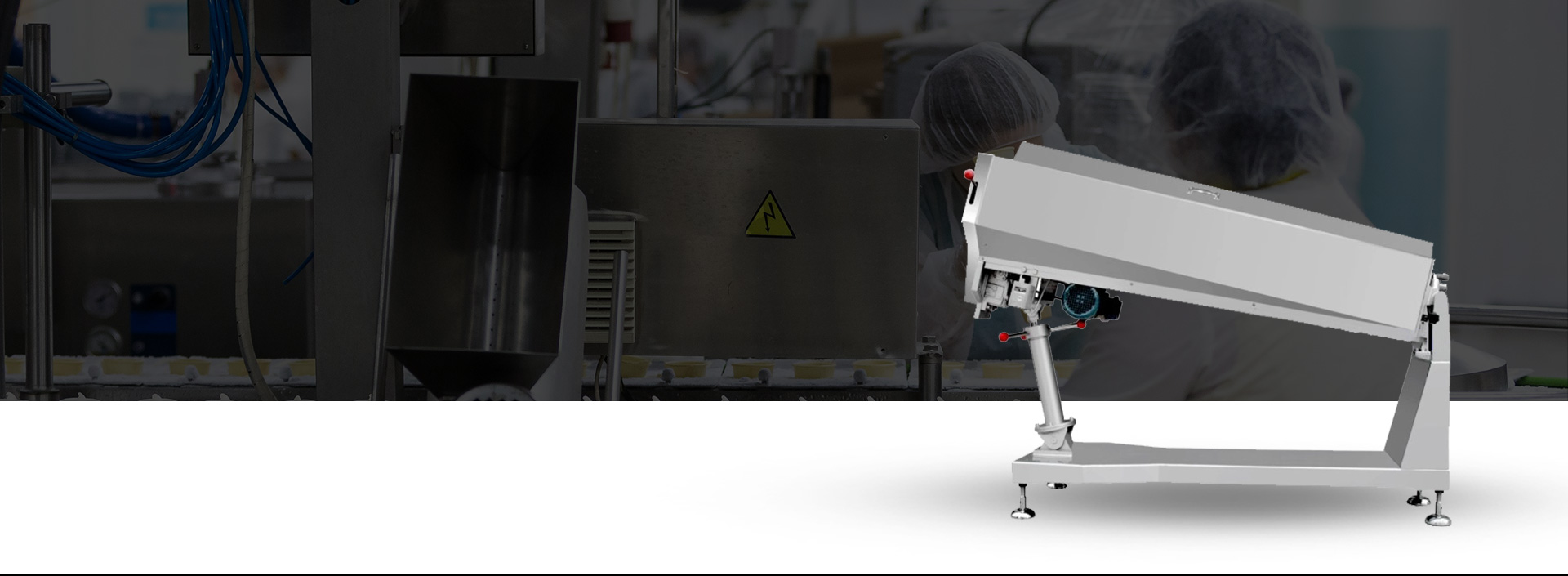
Continuous cooking feeds syrup in a steady stream through heaters and vacuum or atmospheric stages matched to the recipe. Sensors and controls hold conditions so the mass arriving at forming stays within a narrow window. Ingredient handling is organised around constant feed rather than discrete kettle loads.
Comparing Ingredient Handling and Cooking Arrangements
Batch emphasises discrete control and recipe variety. Continuous emphasises stable feed and long runs. Both need accurate weighing and moisture control; they differ in whether cooking is a repeated cycle or an ongoing stream.
Equipment Layouts for Each Method
Common Equipment Used in Batch Hard Candy Manufacturing
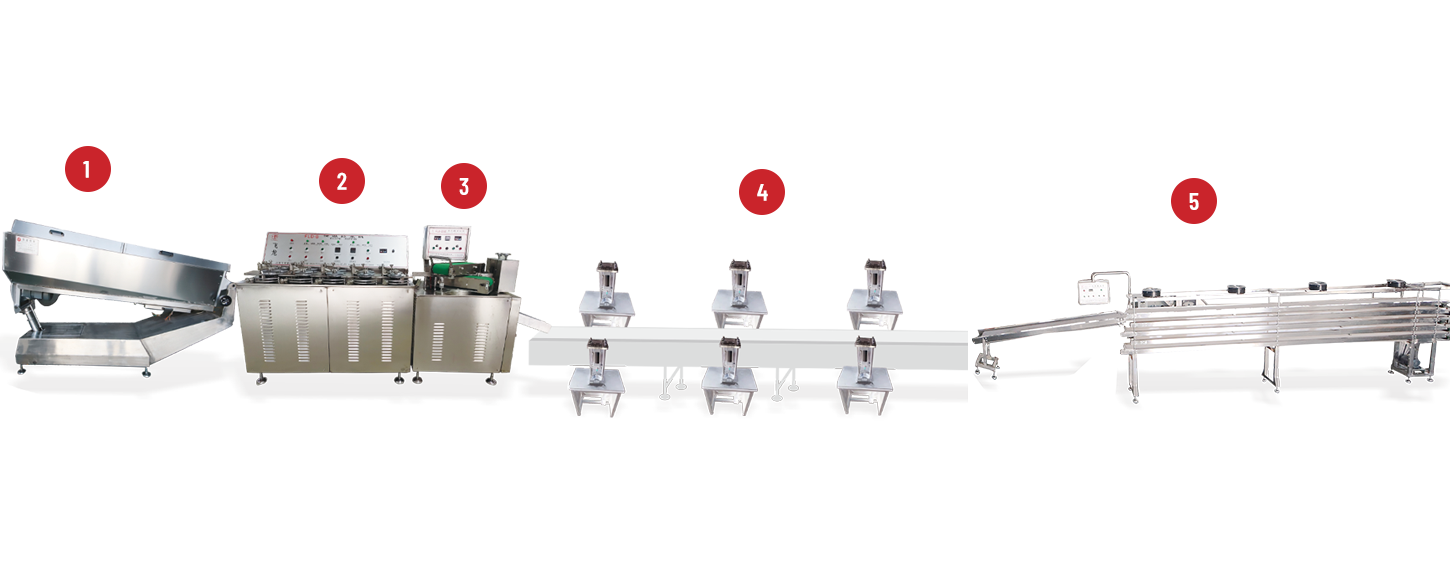
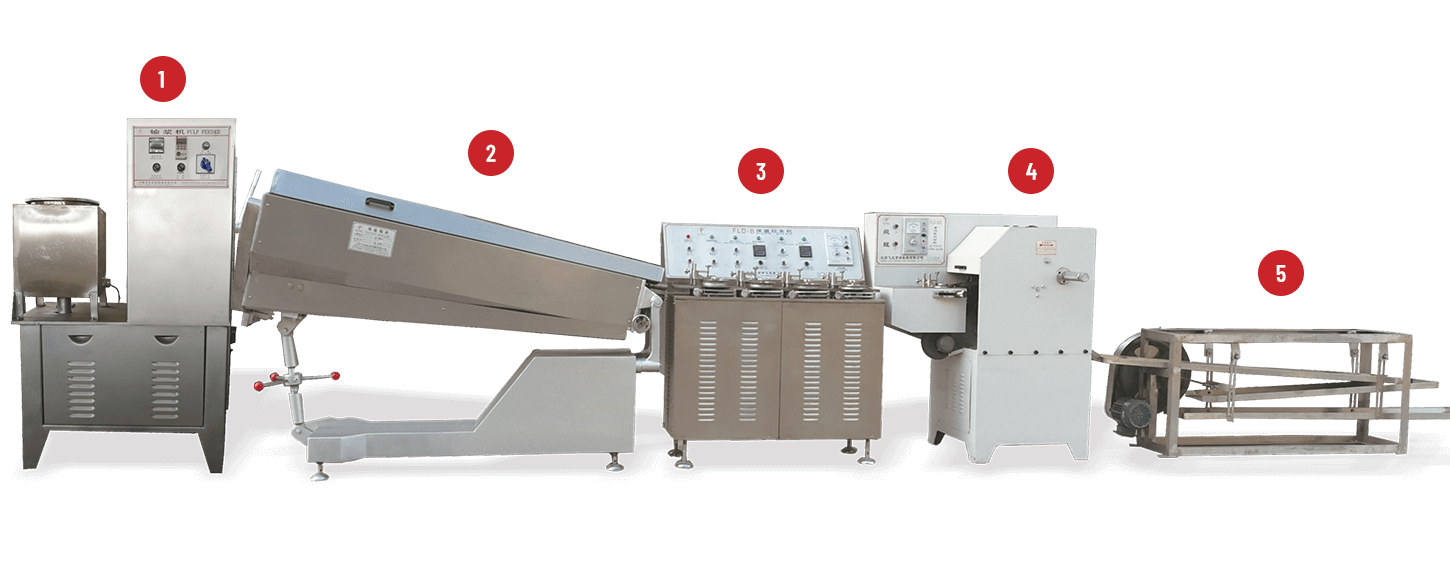
Typical batch rooms include cookers, cooling or pulling points, batch rollers or kneaders, and separate forming units. Material may move by trolley or short conveyors between stations. Cleaning access around kettles and open equipment is a daily planning item.
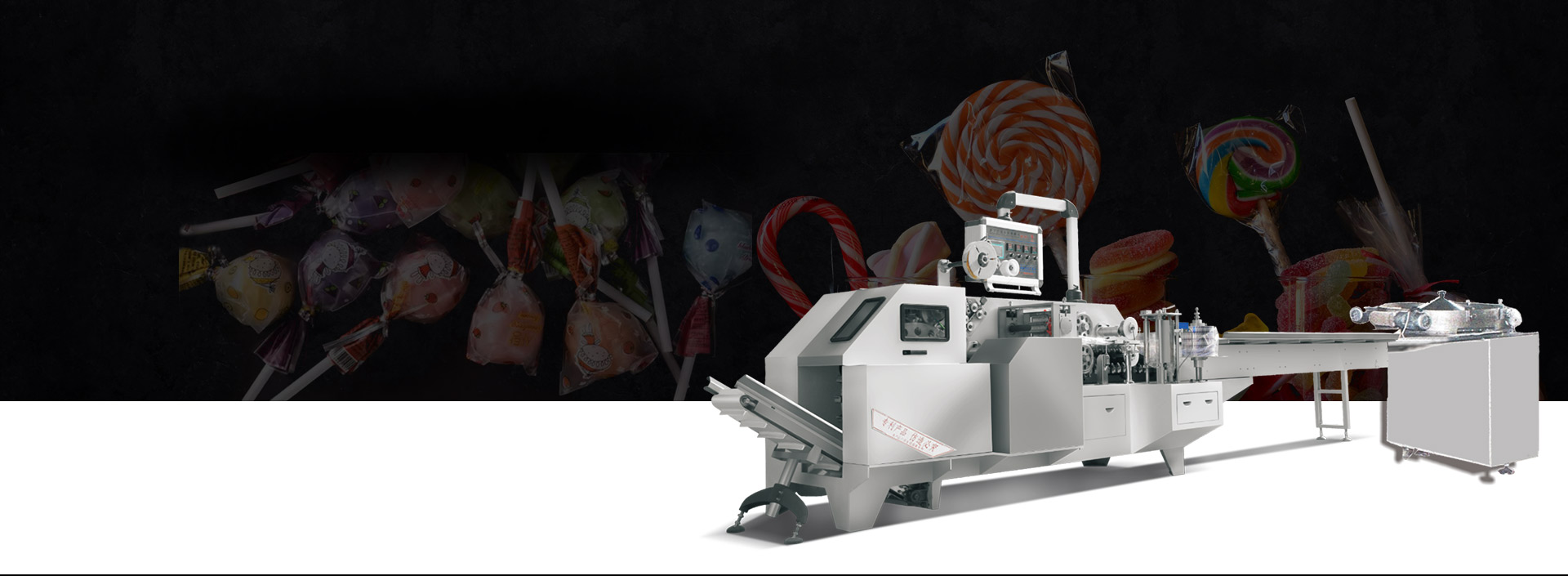
Integrated Processing Equipment for Continuous Hard Candy Production
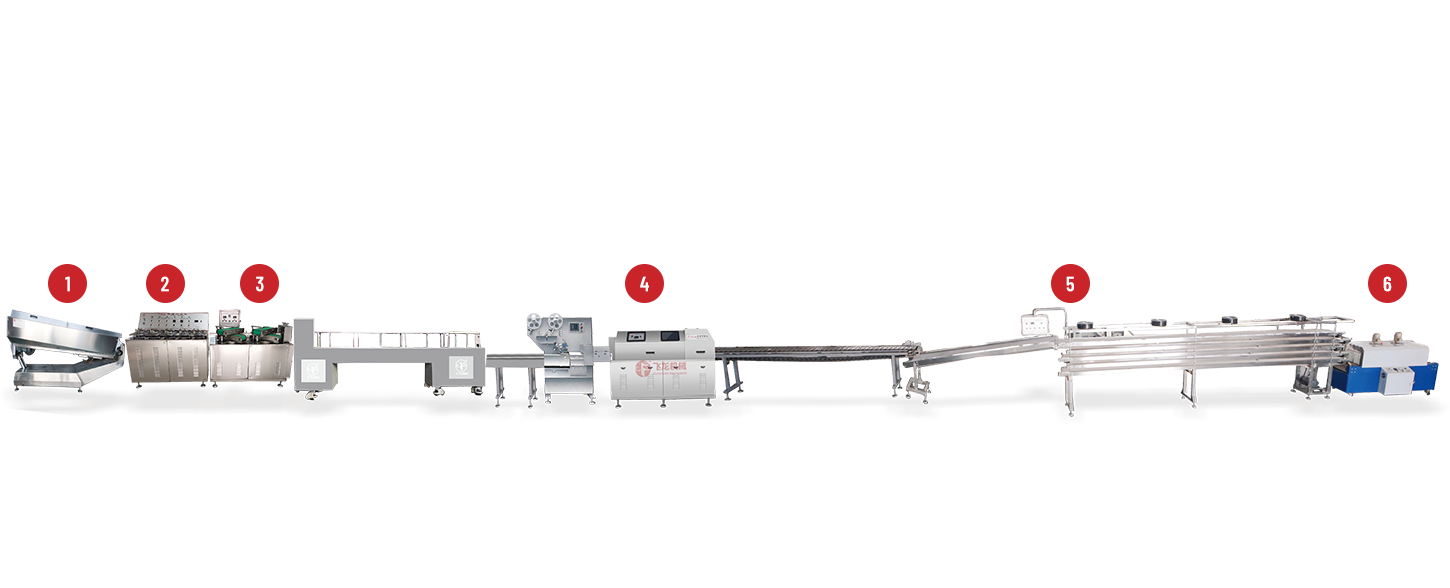
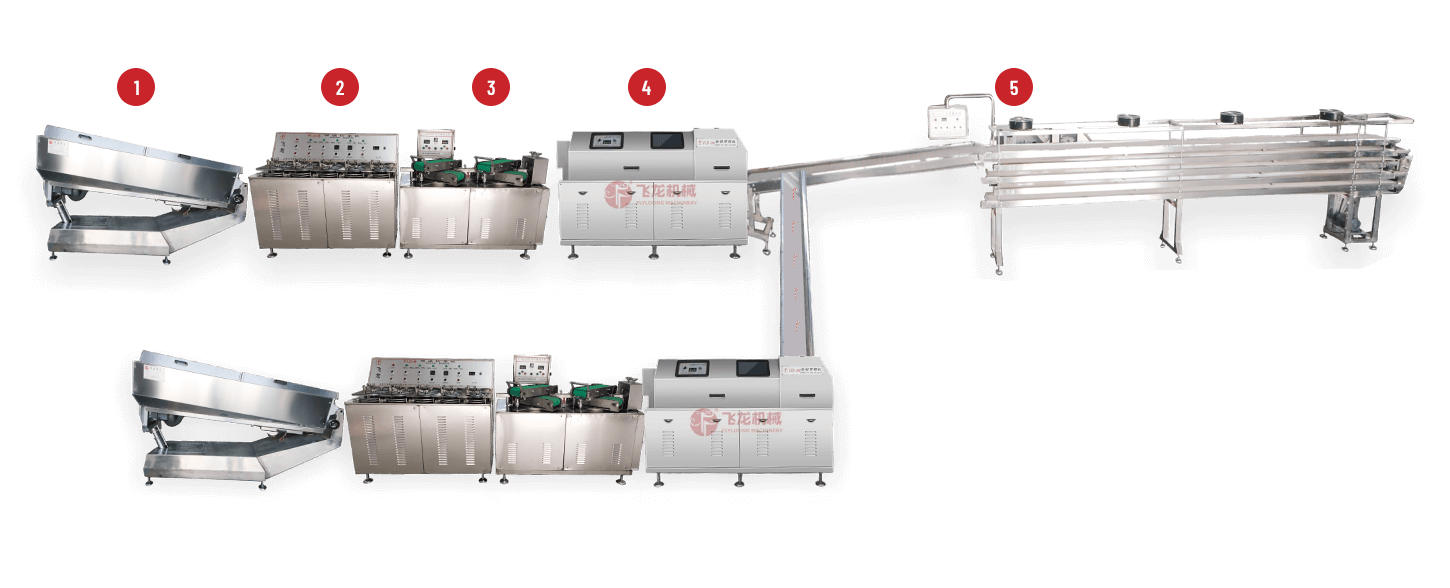
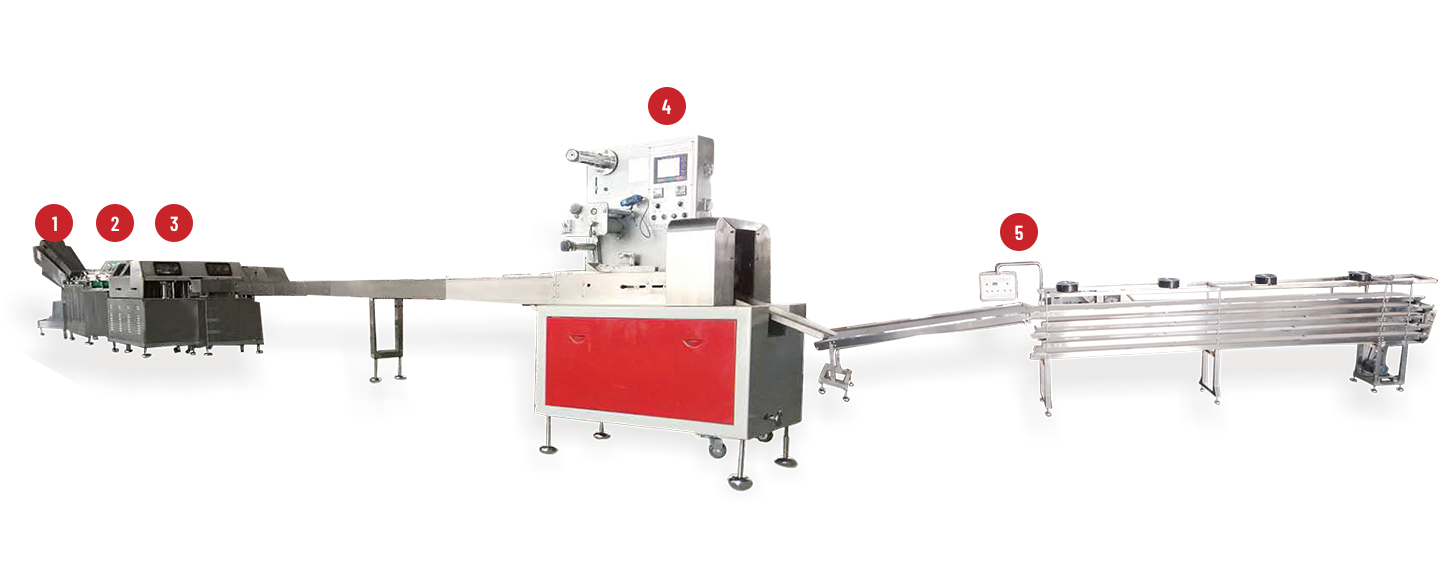
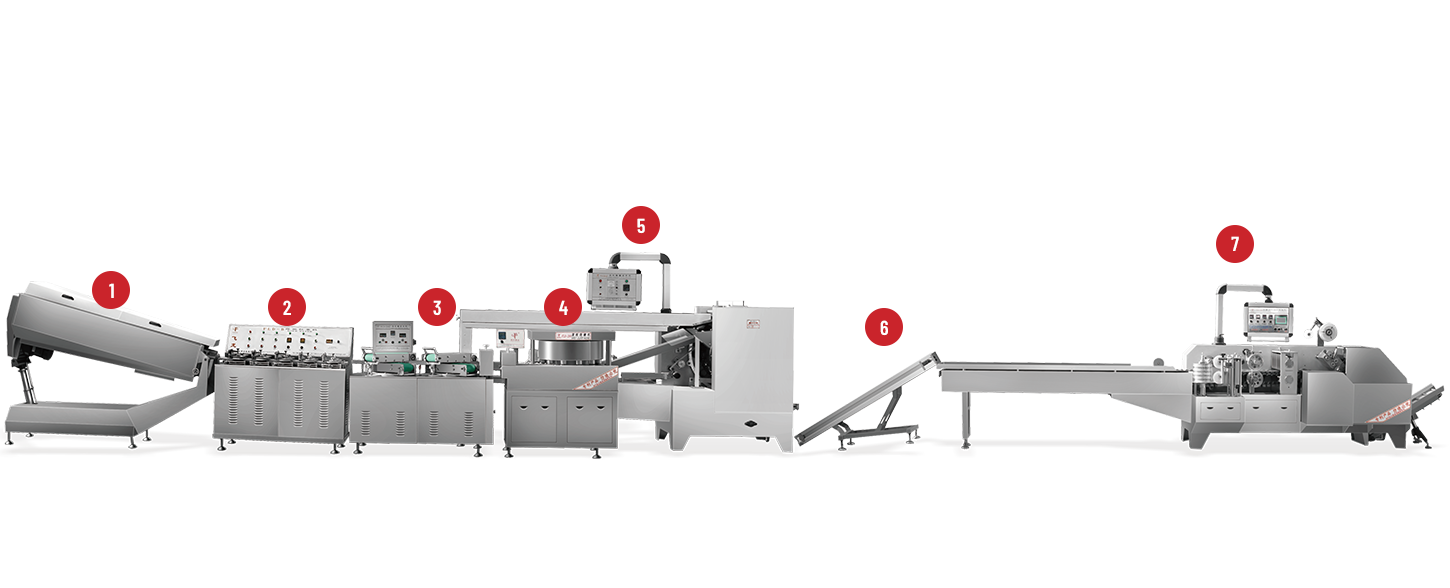
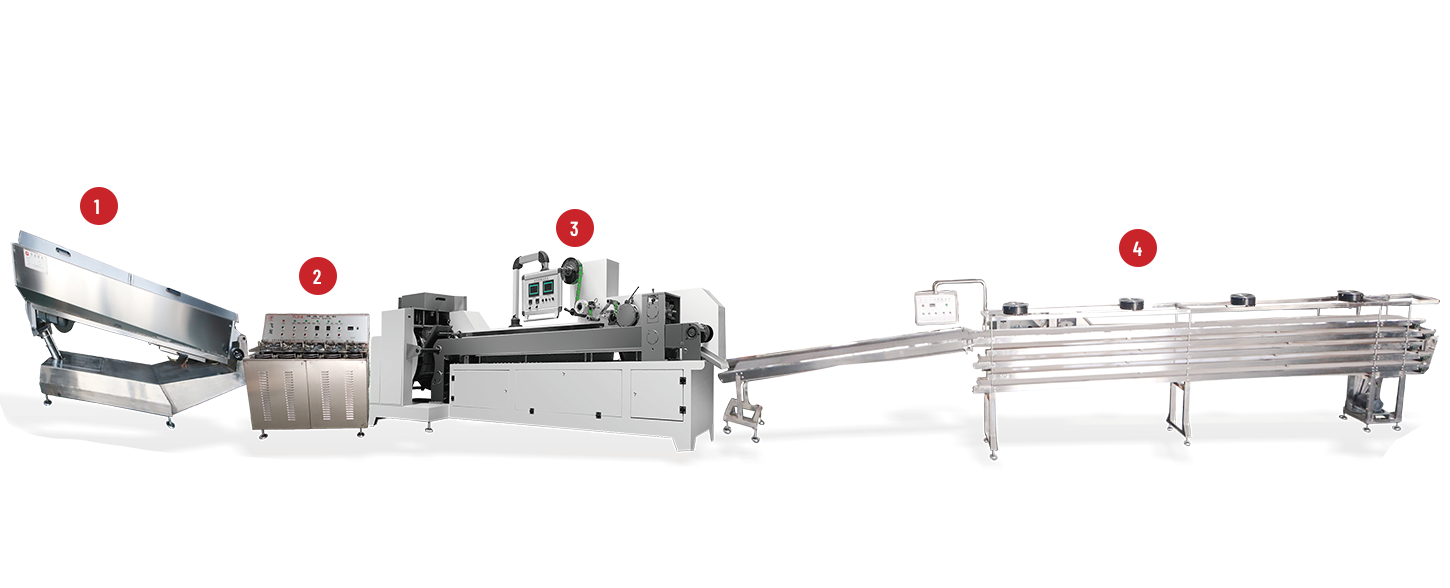
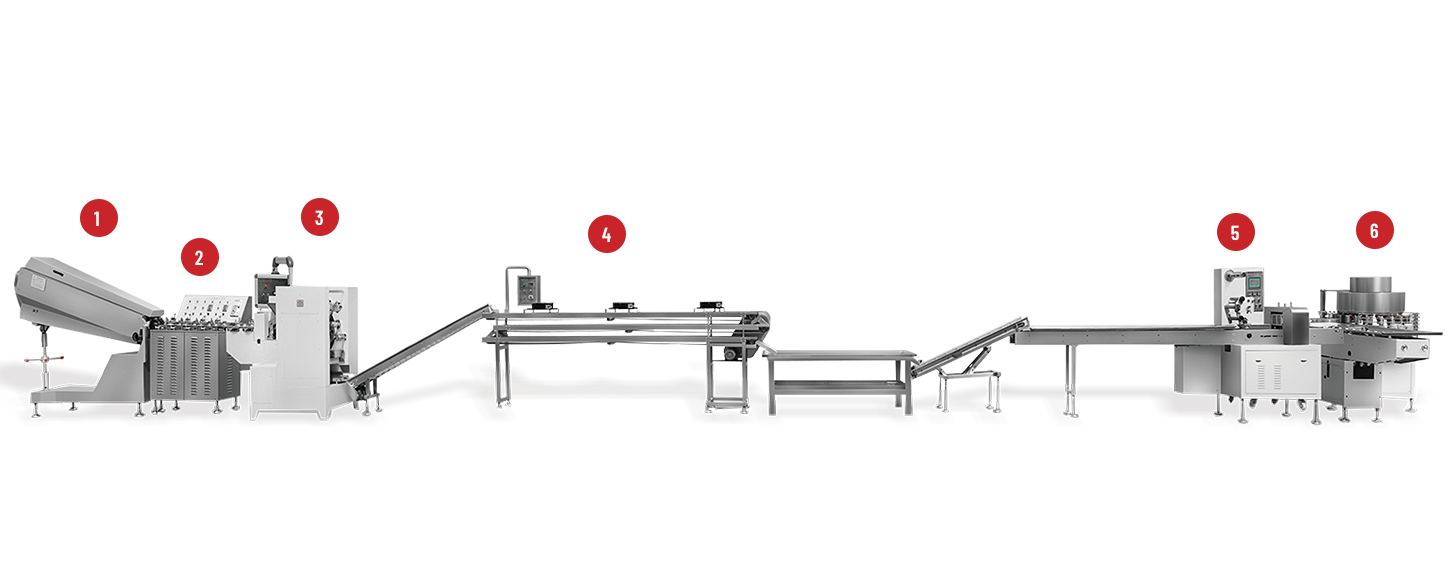
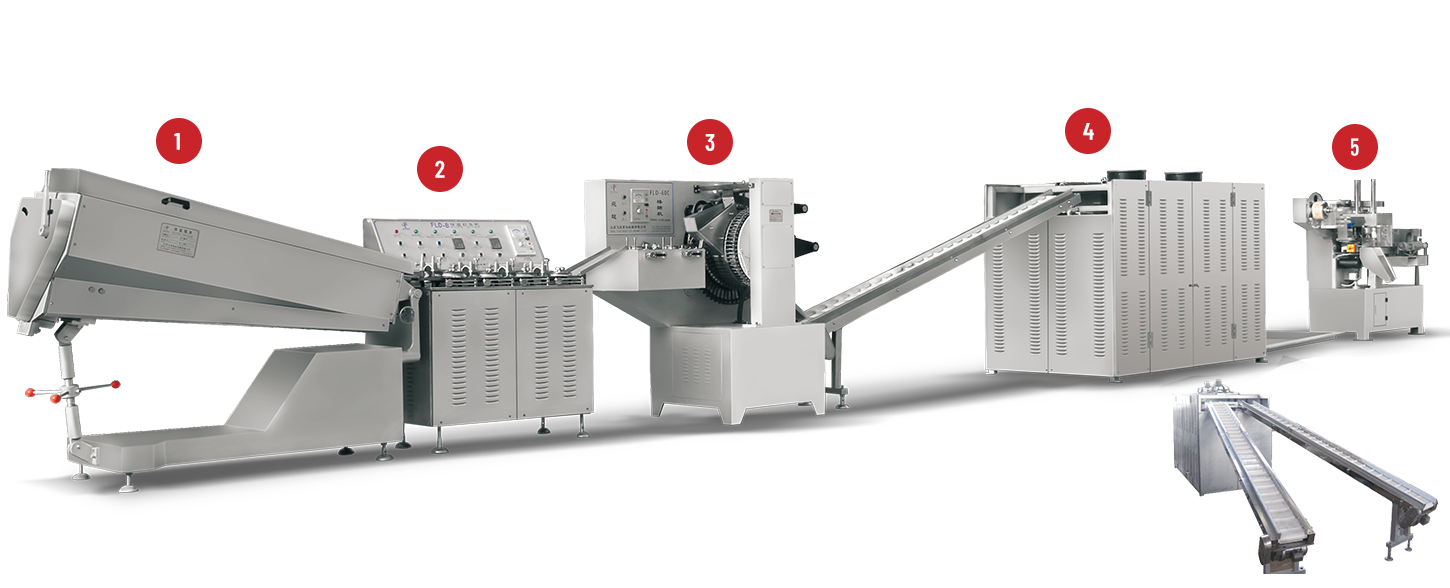
Continuous lines link cooking, tempering or conditioning, forming and cooling more tightly. Transfers are often enclosed or short. The line is planned as one system so bottlenecks at one stage slow the whole path.
How a Complete Candy Production Line Connects Different Processing Stages
Whether batch or continuous, a coherent line defines how cooked mass reaches forming and how formed pieces reach cooling and packing. A Hard Candy Production Line should be judged on those connections, not only on individual machine names.
Forming and Shaping Differences
Candy Mass Handling and Forming in Batch Production
Batch mass is often conditioned to a workable plasticity, then fed to drop rollers, dies or cutters in portions. Operators may adjust forming settings between lots when shapes change.
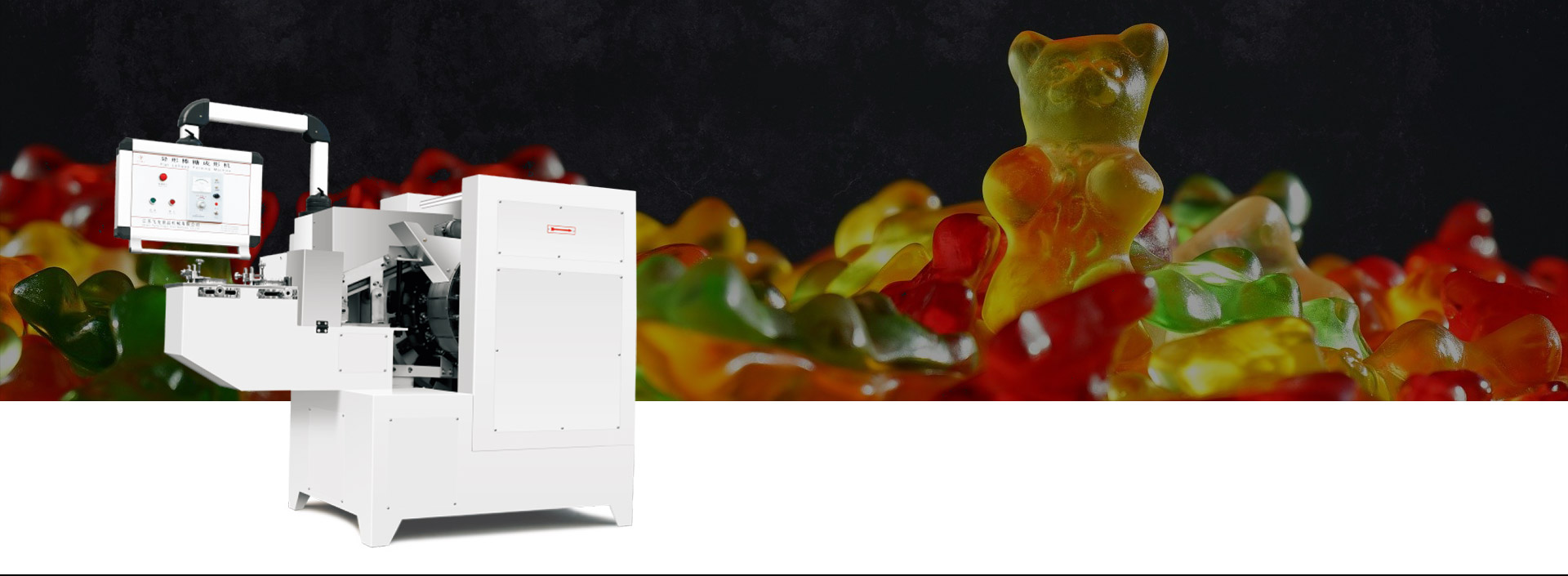
Continuous Forming Processes for Consistent Hard Candy Shapes
Continuous forming accepts a steady ribbon or rope of mass and cuts or moulds it at a set rate. Consistency depends on stable upstream cooking and temperature. Long runs of one shape benefit from this arrangement.
Applying Different Forming Methods to Traditional Hard Candy Products
Hard candies include simple drops, filled pieces and striped or shaped specialties. Forming hardware must match the product family; method (batch or continuous) then follows volume and variety targets.
Candy Cane Lines as a Specialised Application
Understanding the Production Process of Traditional Candy Canes
Candy canes need cooked sugar mass, controlled striping or colour layering, forming into a rope, cutting to length and bending into the familiar hook while the piece is still plastic enough to hold the shape.
How Candy Cane Production Line Equipment Supports Sugar Cooking, Mixing and Forming
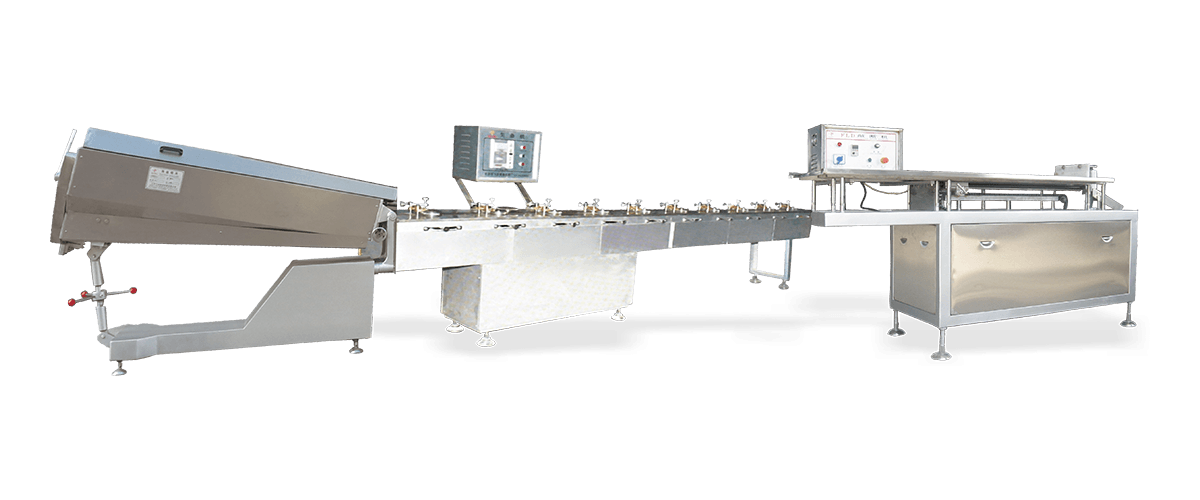
A dedicated path keeps cooking, colour addition, rope forming and bending in sequence so the mass does not set before the hook is made. Candy Cane Production Line layouts focus on that timing.
Coordinating Color, Stripes and Shaping Processes in Candy Cane Manufacturing
Stripes require ordered layering or co-extrusion of coloured mass. Shaping must follow while temperature still allows bending without cracking. Coordination between colour feed and forming speed is essential.
Considering Batch and Continuous Processing for Different Candy Cane Production Requirements
Short seasonal runs or many colour variants may lean batch; long runs of standard canes may lean continuous. Some plants mix both approaches for different products.
Flexibility, Variety and Workflow
Why Batch Production Offers Flexibility for Different Candy Recipes
Changing flavour or colour between batches is straightforward when vessels and lines are cleaned to the plant's standard. Custom and limited editions fit this model.
How Continuous Production Supports Connected Manufacturing Operations
Continuous flow reduces intermediate storage of hot mass and can stabilise labour patterns around a running line. It rewards products that stay on the line for long periods.
Choosing Suitable Production Arrangements for Different Hard Candy Shapes and Flavors
High variety and frequent change favour batch logic. High volume of few SKUs favours continuous logic. Many factories run a hybrid: continuous for core items, batch for specialties.
Labour, Cleaning and Maintenance
Managing Ingredient Preparation and Equipment Cleaning in Batch Production
Batch plants plan cleaning between incompatible colours or allergens. Labour peaks around cook, form and clean cycles rather than pure steady-state watching.
Coordinating Equipment Operation in Continuous Candy Manufacturing
Continuous lines need operators who understand the whole path so a drift at cooking is corrected before forming waste builds. Start-up and shut-down discipline matter.
Considering Maintenance Access and Operational Convenience When Selecting a Candy Production Line
Access to cookers, formers and conveyors for inspection and cleaning should be confirmed before purchase. Sugar Machinery Manufacturers that document access and service points help plants plan real downtime.
Selecting Equipment Against Factory Goals
Matching Batch Production Equipment with Small-Batch and Customized Candy Orders
When orders are varied and volumes per SKU are limited, batch cookers and flexible formers align with the commercial pattern.
Considering Continuous Production Equipment for Ongoing Manufacturing Requirements
When a few products run for long periods, continuous cooking and forming justify the integration effort.
Selecting a Suitable Candy Cane Production Line for Specialized Candy Products
Cane-specific forming and bending stages should be confirmed if canes are a standing product. A second reference to Candy Cane Production Line options belongs in that specialised comparison.
Investing in a Candy Production Line That Matches Product Range and Factory Development Plans
Capacity, variety, seasonal peaks and possible new shapes should all appear in the decision. Hard Candy Production Line choices that ignore future mix changes may need early replacement. Sugar Machinery Manufacturers should be asked for layout and process fit, not only machine lists.
Batch Versus Continuous at a Glance
| Aspect | Batch-oriented practice | Continuous-oriented practice |
|---|---|---|
| Recipe change | Natural between lots after cleaning | Planned stop and purge or dedicated line |
| Cooking | Discrete kettle or cooker cycles | Steady syrup feed and cooking path |
| Forming | Portioned feed to formers | Steady rope or ribbon into formers |
| Labour pattern | Peaks at cook, form, clean | Steady monitoring of a linked path |
| Best fit | Variety, customs, seasonal peaks | Long runs of stable SKUs |
| Cane production | Flexible colour runs; careful timing | Stable stripe and bend for volume canes |
Matching Method to Product Mix and Plant Reality
Batch and continuous hard candy production differ in cooking rhythm, forming feed, changeover and labour pattern; the better choice follows product variety, volume stability and cane or specialty requirements rather than a single universal rule. Jiangsu Flying Dragon Food Machinery Co., Ltd. supplies candy processing equipment for hard candy and related forming applications. Review of recipe range, run lengths and forming needs against line design supports selection of cooking and forming arrangements suited to the factory's manufacturing plan.
 +86-(0)515-8465666
 +86-(0)515-85566996
 +86-138 1559 9708
 flyloong@flyloongcn.com

 Home
