

 ENG
 English
 中文简体
 русский
 Français
 Español
 عربى
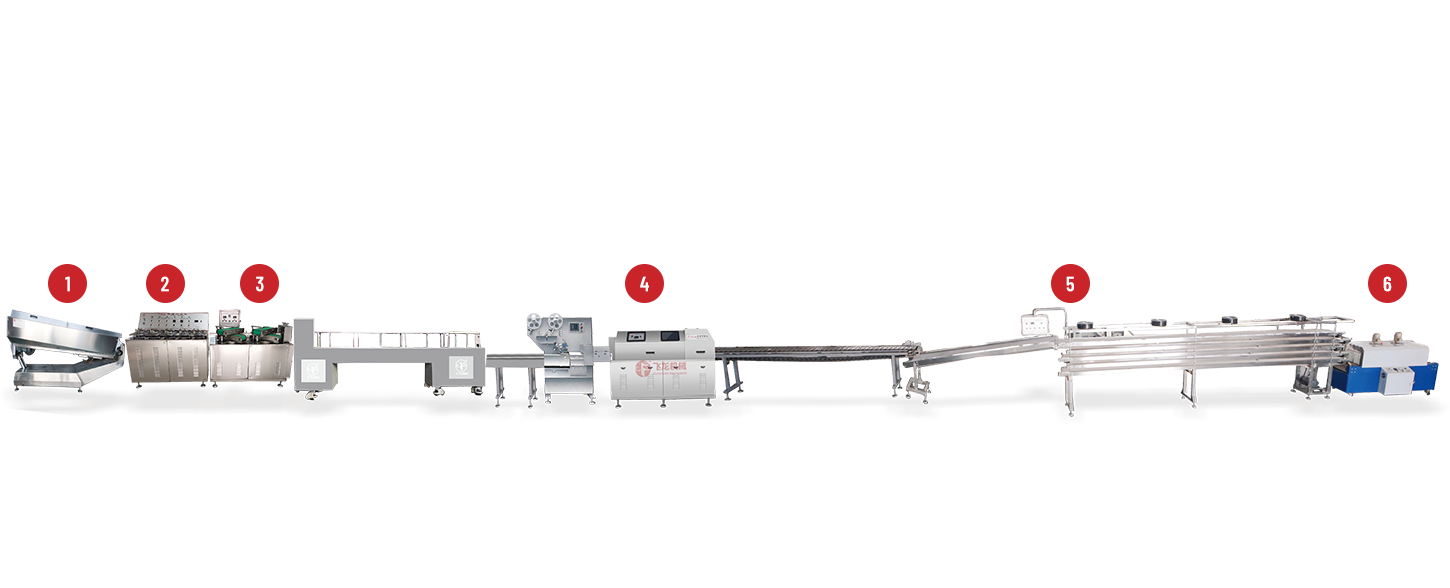
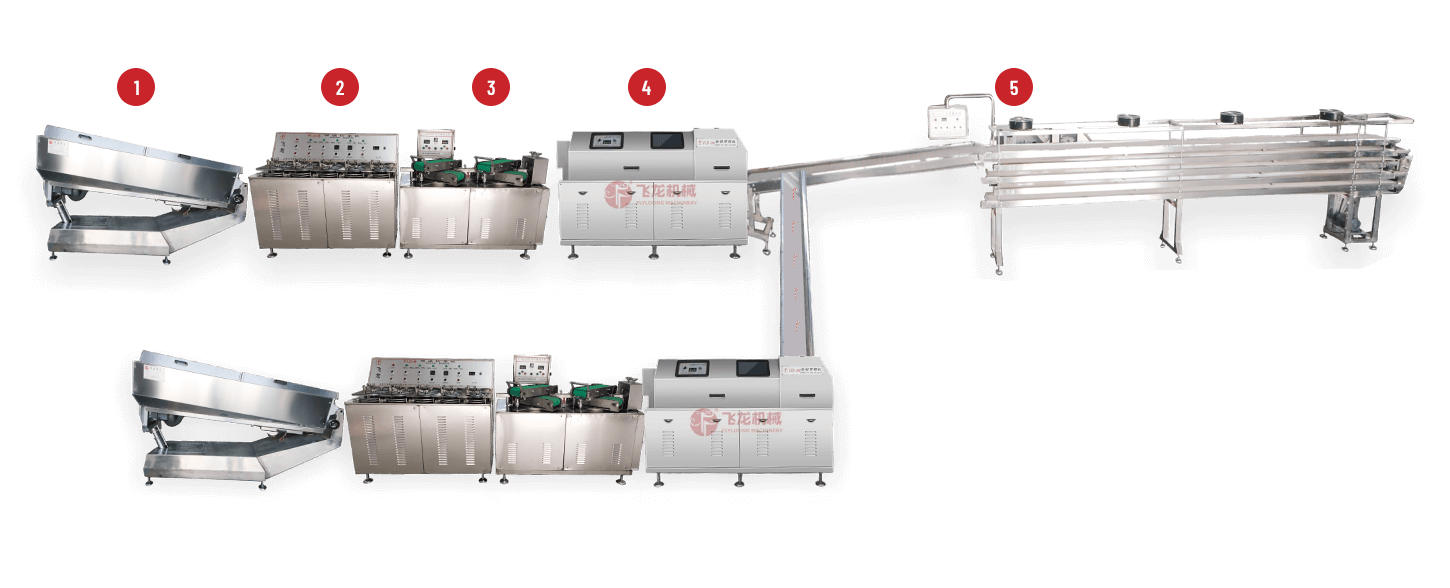
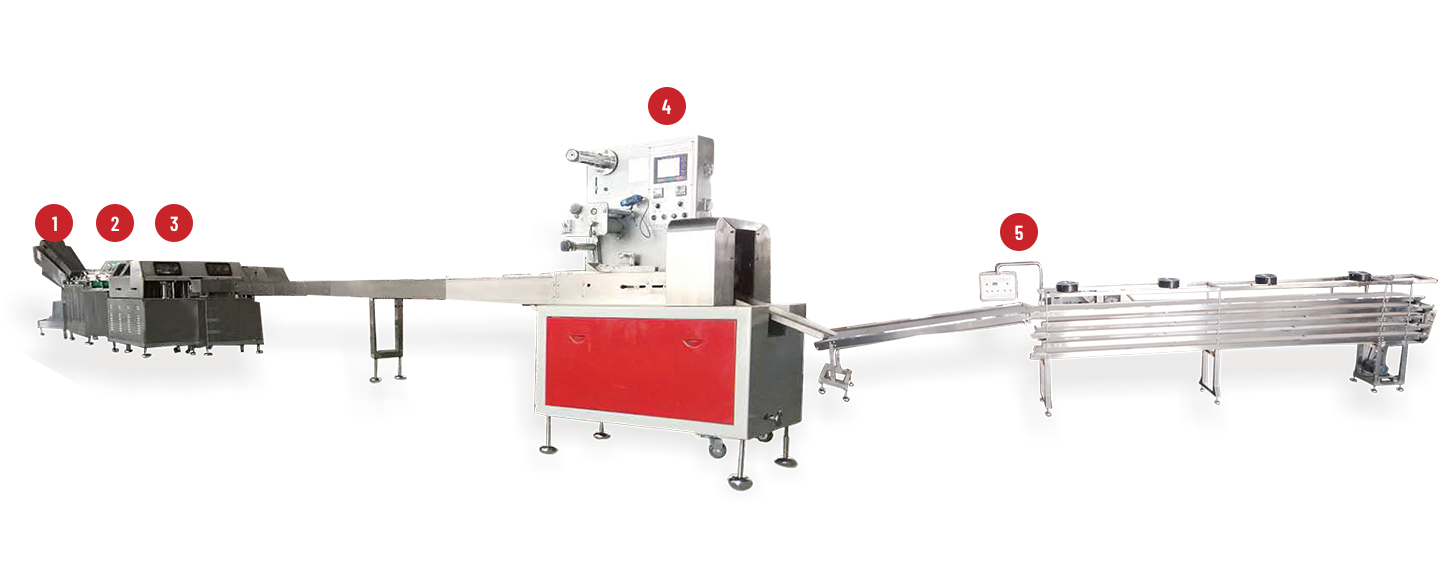
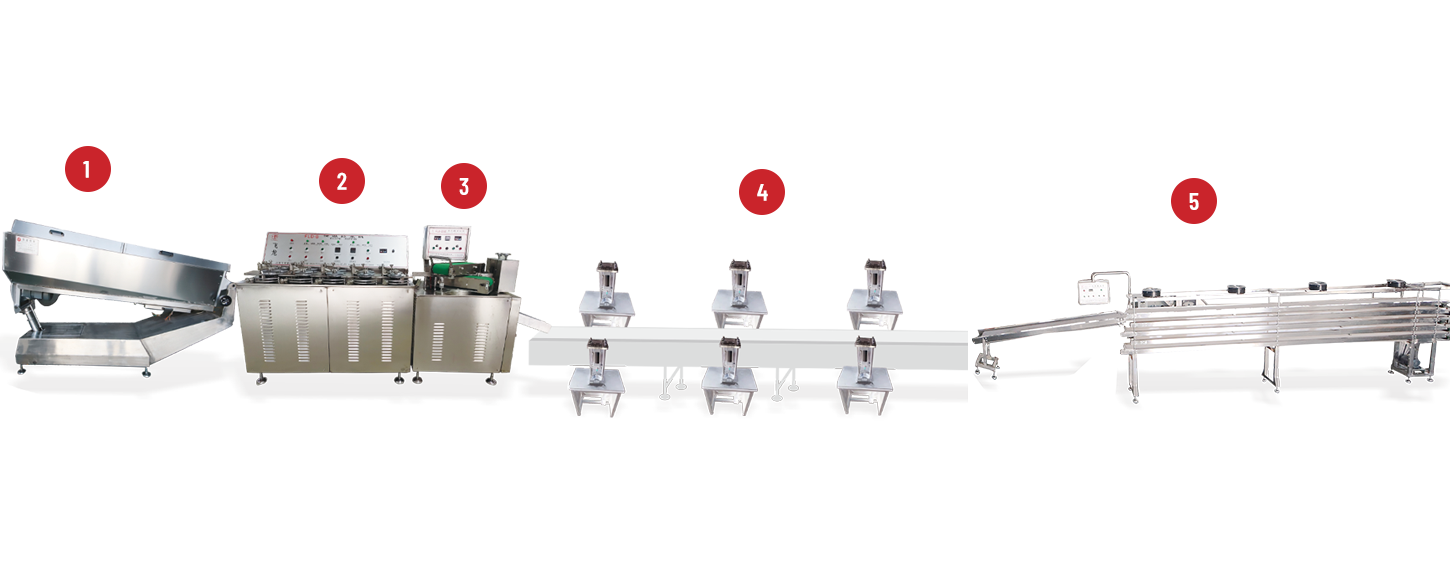
Identifying Required Candy Cane Product Types Before Line Design
Configuration starts with the product, not with a generic machine list. Stick length, diameter, hook shape, stripe pattern, colour set and whether the range includes only classic canes or also custom seasonal variants all change what the line must do. Traditional red-and-white striped canes need reliable striping and bending; custom shapes or multi-colour patterns may need different forming tools or slower changeovers.
Matching the production line configuration to the intended product range avoids buying capacity that cannot make the SKU mix, or under-buying flexibility that marketing already plans to use. Written product specifications—drawings, target weights, stripe rules—give equipment selection a fixed reference instead of verbal approximations that shift between meetings.
Selecting Suitable Candy Preparation and Cooking Equipment
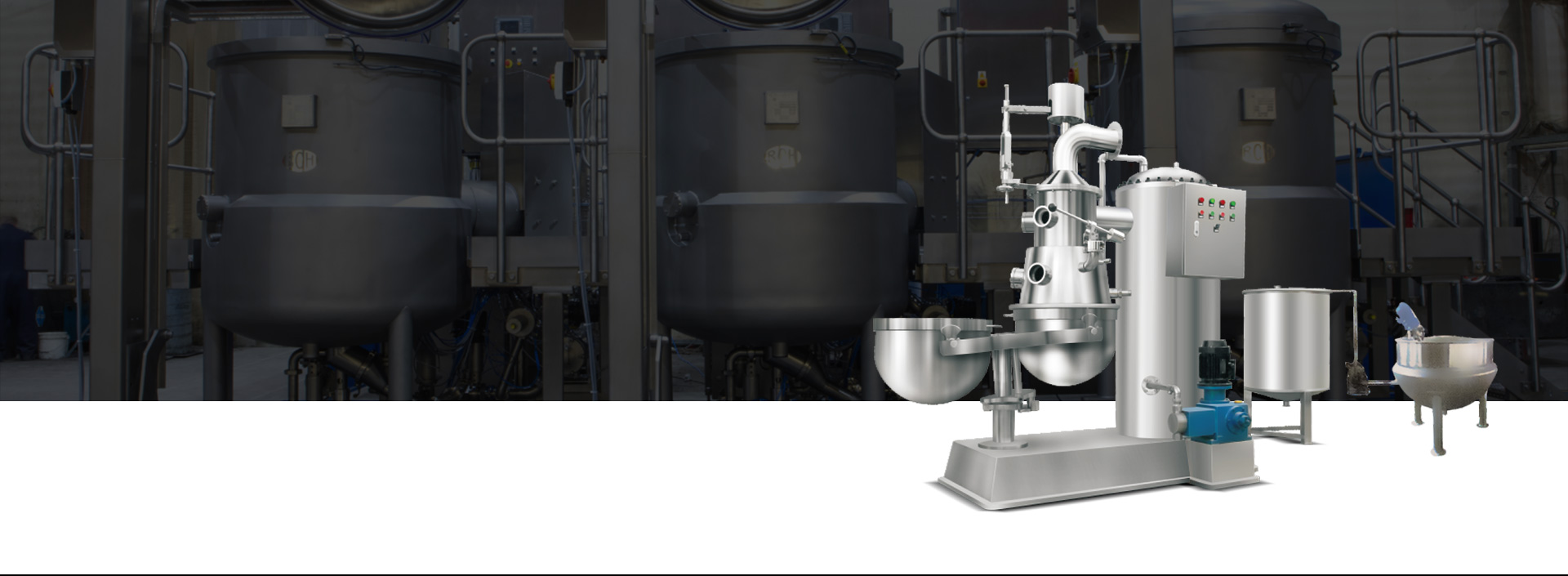
Ingredient mixing supports even distribution of sugar, syrups and other recipe components before heat is applied. Cooking equipment then drives the mass to a workable state for later stretching and forming. The cooker and mixer must suit the formulation: batch size philosophy, inclusion of colours or flavours at defined points and the way mass is discharged into conditioning.
Preparation and cooking form the foundation of the line. If the mass leaves this section uneven or at the wrong working condition, every downstream station fights the same problem. Selecting preparation equipment that matches required candy formulation and processing method keeps the rest of the configuration honest.
Configuring the Candy Cooling and Conditioning Section
After cooking, the mass must reach a consistency fit for striping, pulling and bending. Cooling and conditioning equipment bring temperature and texture into that window and hold them there long enough for continuous feed to the former. Arrangements can be adjusted according to how the plant handles mass—open belts, controlled rooms or intermediate working tables—provided the candy does not skin over or stay sticky in the wrong places.
Coordinating cooling with upstream cooking and downstream forming maintains workflow. A cooker that outruns the conditioner creates hot bottlenecks; a conditioner that starves the former creates gaps and restarts. Suitable conditioning arrangements help continuous production when residence time and surface condition stay within what the forming section expects.
Choosing Appropriate Candy Forming and Cutting Equipment
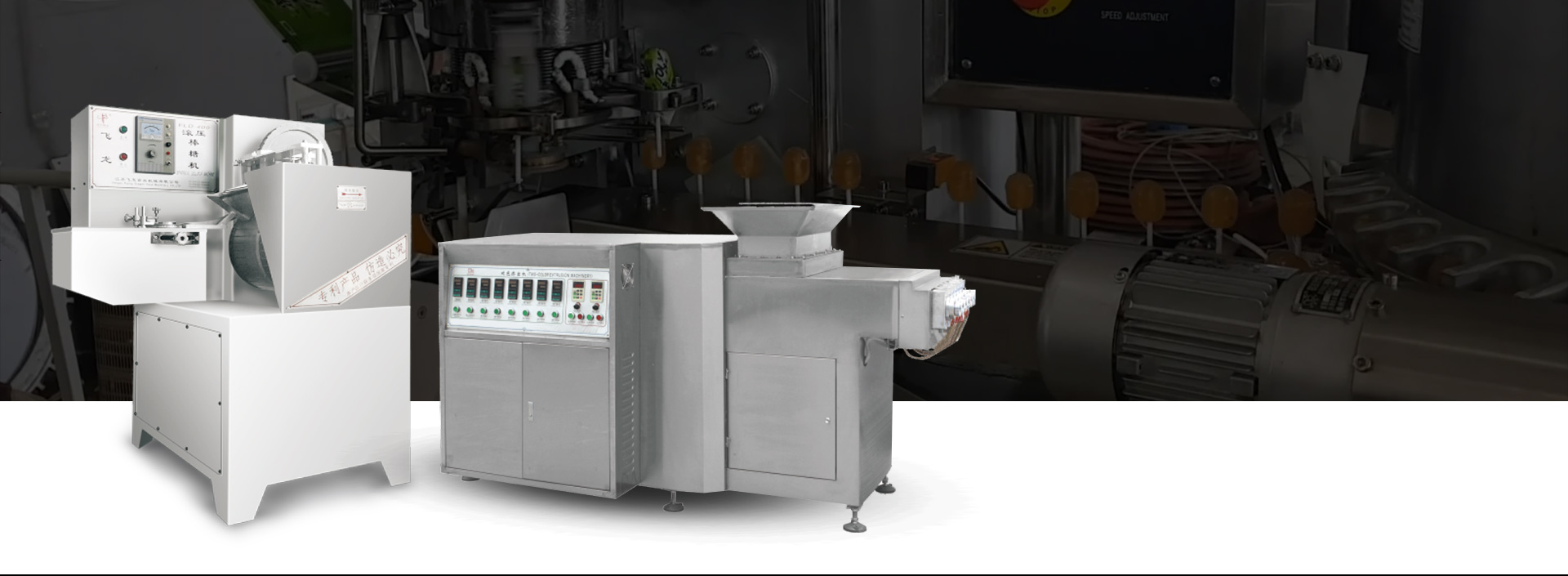
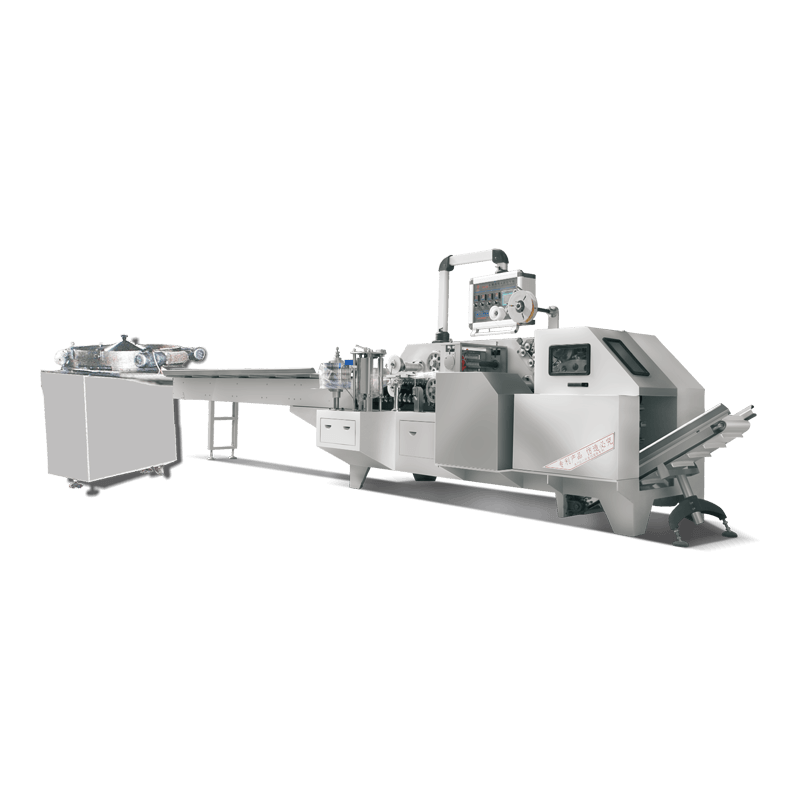
Forming equipment is selected for the cane geometry: rope diameter, cut length and hook profile. Rolling and stretching create the long strand; cutting divides it; bending puts the classic crook in place while the candy can still take a set. Decorative patterns that were arranged upstream must survive this mechanical path without smearing.
Different forming arrangements accommodate various designs when tooling and guides are part of the plan, not an afterthought. Matching forming equipment with the intended finished product means verifying that stripe retention, hook consistency and stick straightness are achievable on the chosen machines, not only that the brochure shows a cane-shaped outline. A Candy Production Line for mixed classic and custom work needs changeover practicality written into the forming choice.
Arranging Equipment According to Capacity and Production Workflow
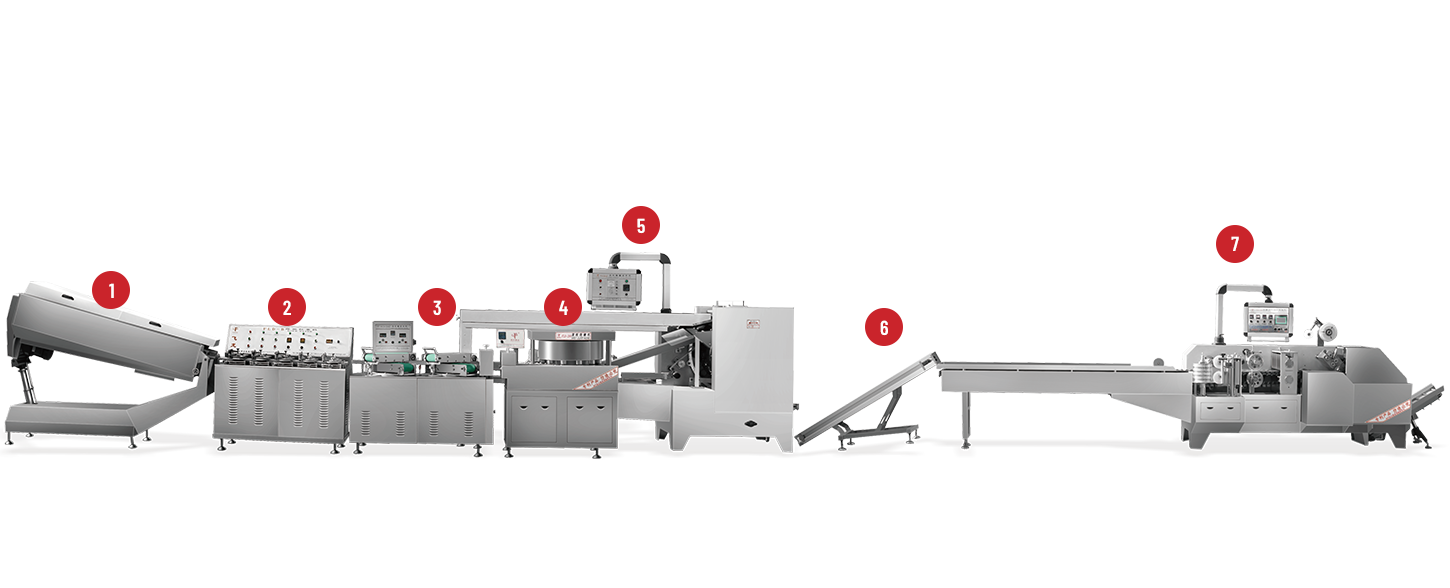
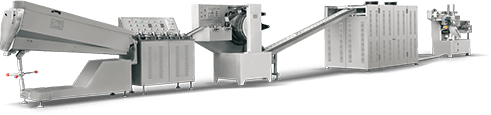
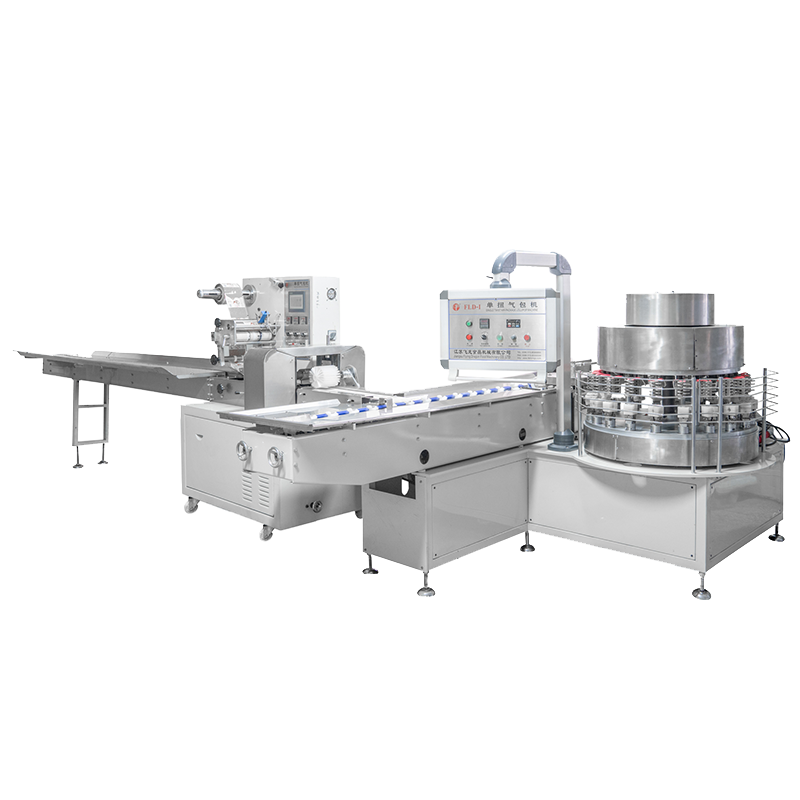
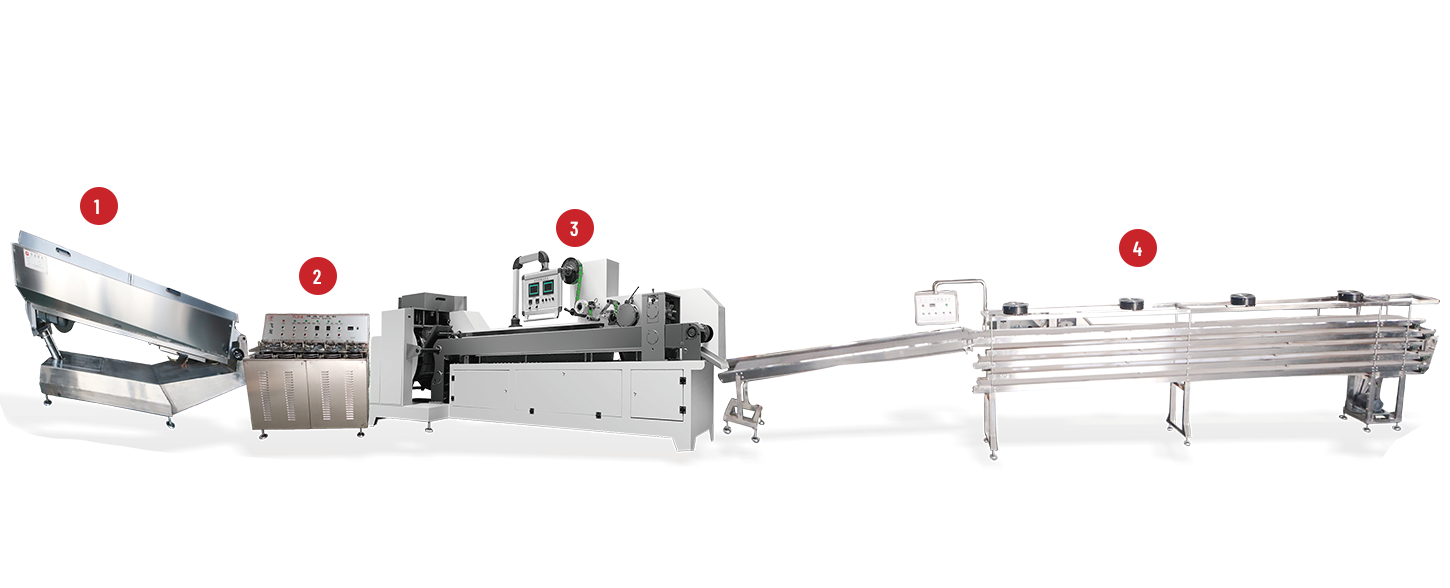
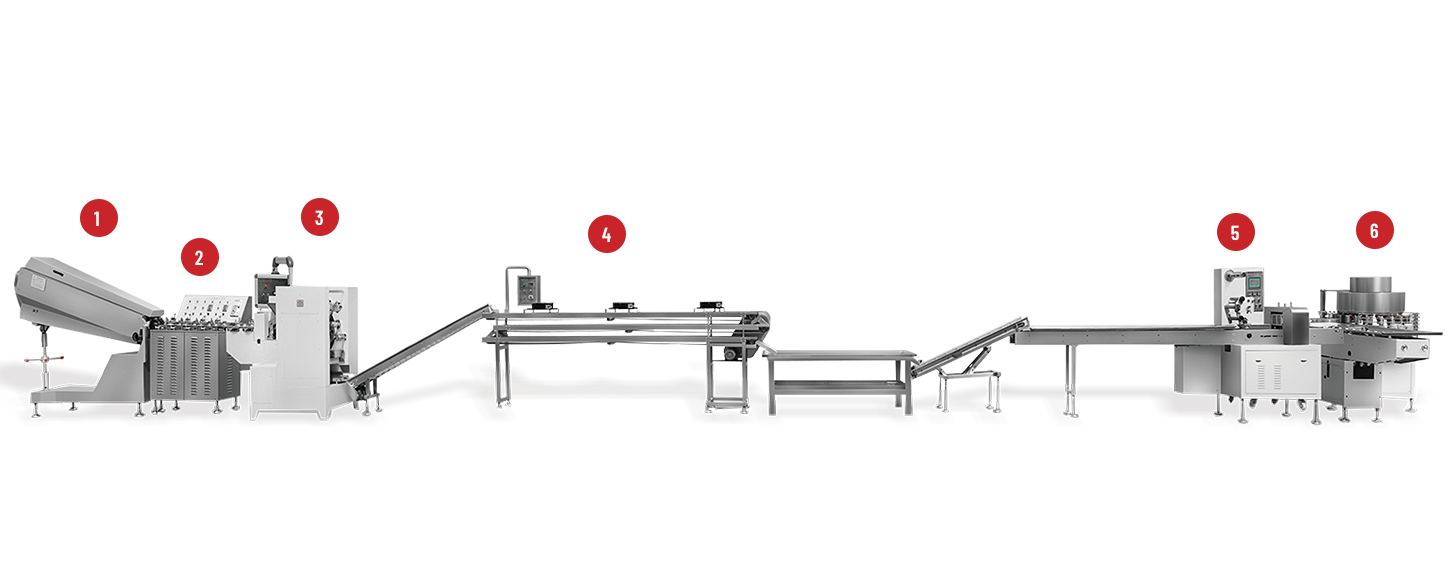
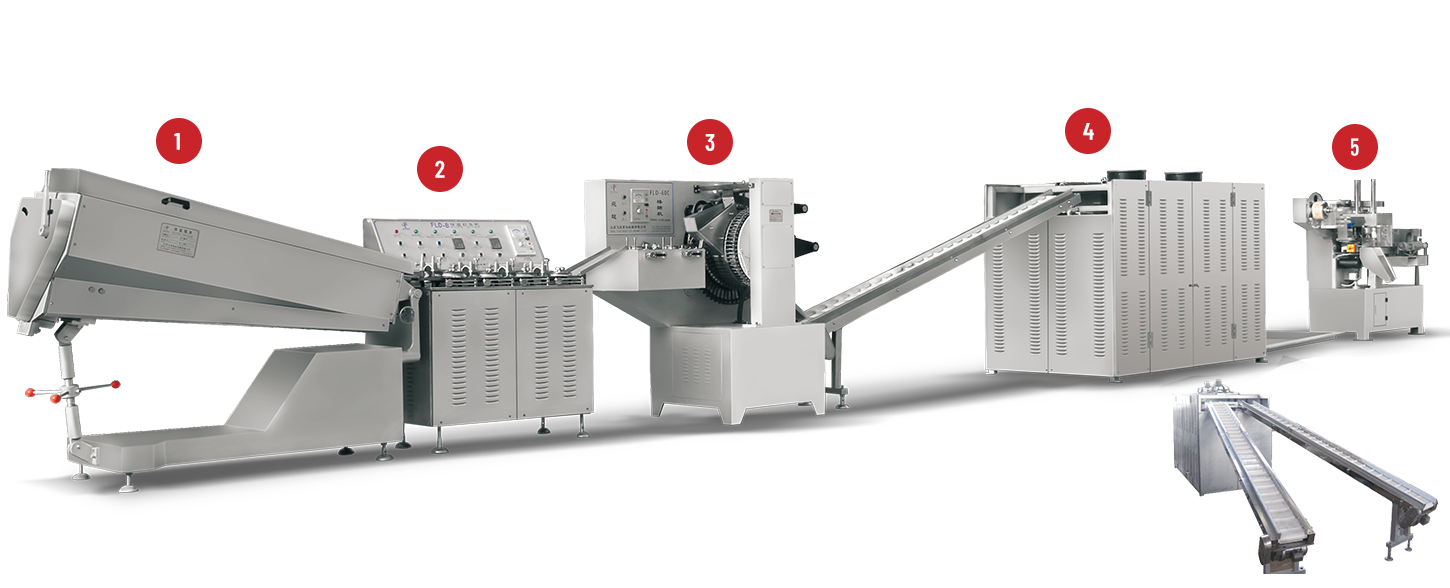
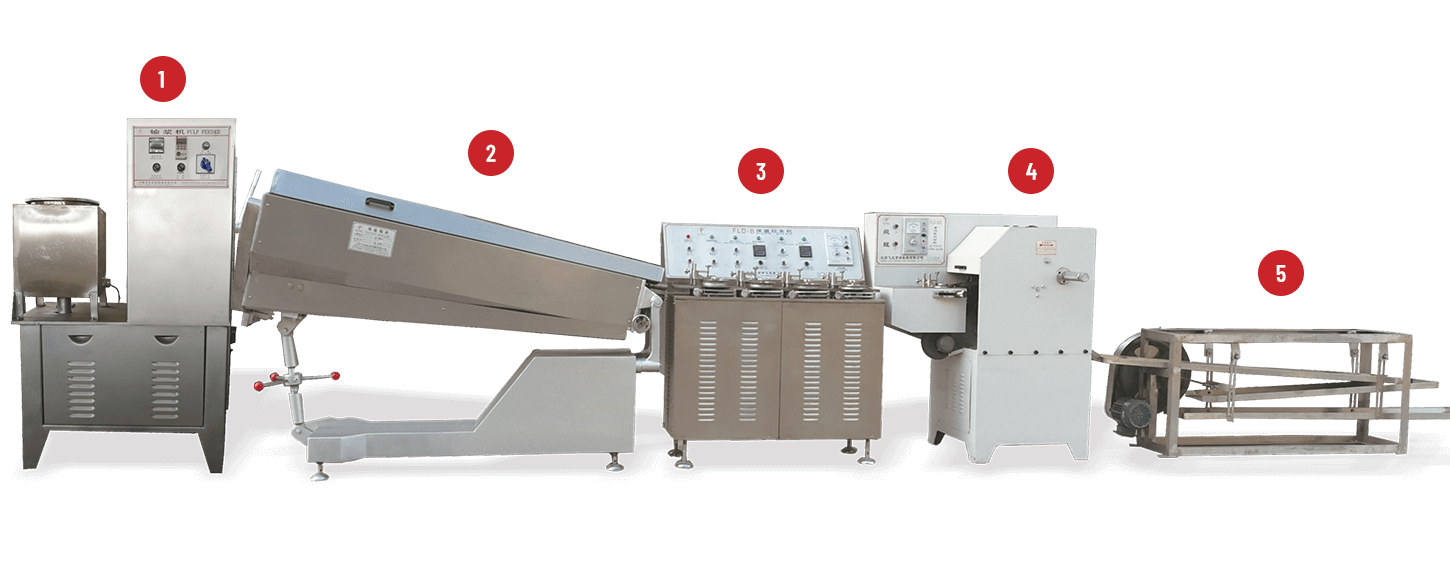
Layout should follow the real sequence: prepare, cook, condition, form, cool for setting, then handle finished pieces toward packing. Material should move forward with short, clean transfers rather than long open carries that cool the mass unpredictably or invite debris. Operating speeds of linked sections need coordination so that buffers neither empty nor overflow during normal runs.
A well-organised layout supports material movement and continuous processing when operators can reach controls, when cleaning access is preserved and when scrap from start-up does not contaminate finished lanes. Capacity planning ties each section to the target output of finished canes, including the time cost of recipe or colour changes if the plant runs more than one variant.
Adapting Automation Level and Operational Requirements
Automation can cover feeding, forming transfers and finished handling to different degrees. Higher automation suits stable, high-volume classic canes; more manual intermediate steps may suit frequent design changes or smaller runs. The choice should follow production needs and staffing reality rather than extensive automation for its own sake.
Accessibility for cleaning, inspection and routine maintenance belongs in the same decision. Sugar masses demand hygienic design and practical wash-down or dry-clean routines depending on the plant's rules. Flexible configuration accommodates later product design changes when spare space, utility capacity and control architecture leave room for tooling or station swaps. Candy Equipment Suppliers are often asked to balance these operational constraints against the mechanical list of machines.
Configuration Factors Linked to Production Choices
| Configuration focus | Driven by product / ops need | Line implication |
|---|---|---|
| Product range definition | Sizes, stripes, classic vs custom | Tooling and changeover design |
| Cook and prepare | Recipe and batch style | Mass quality into conditioning |
| Cool and condition | Texture window for forming | Matched residence to cooker and former |
| Form, cut, bend | Hook and stick geometry | Stripe retention; shape consistency |
| Layout and speed balance | Target output; transfer hygiene | Continuous flow with accessible stations |
| Automation and maintenance | Labour model; cleaning regime | Practical access; scalable control |
Changeover and Future SKU Planning
Lines that will run several cane variants need documented changeover steps: colour handling, rope diameter guides, cut length and bend settings. Storing dedicated tools per major SKU reduces setup errors. Utilities—steam, cooling water, compressed air, power—should be sized with a margin for the heaviest realistic product mix, not only the initial SKU on the order list. Configuration is complete only when the plant can name how a second product will be introduced without rebuilding the room.
Matching Line Design to Cane Products and Plant Reality
Configuring a candy cane production line means defining product types, selecting cooking and preparation plant, setting cooling and conditioning, choosing forming and cutting suited to the cane design, laying out a balanced workflow and setting automation and maintenance access to match operations. Jiangsu Flying Dragon Food Machinery Co., Ltd. supplies candy processing equipment and line configurations for formed sugar products including candy canes. Review of product specifications, output targets, hygiene rules and growth plans against equipment options supports a line layout suited to stable commercial cane production.
 +86-(0)515-8465666
 +86-(0)515-85566996
 +86-138 1559 9708
 flyloong@flyloongcn.com

 Home
