

 ENG
 English
 中文简体
 русский
 Français
 Español
 عربى
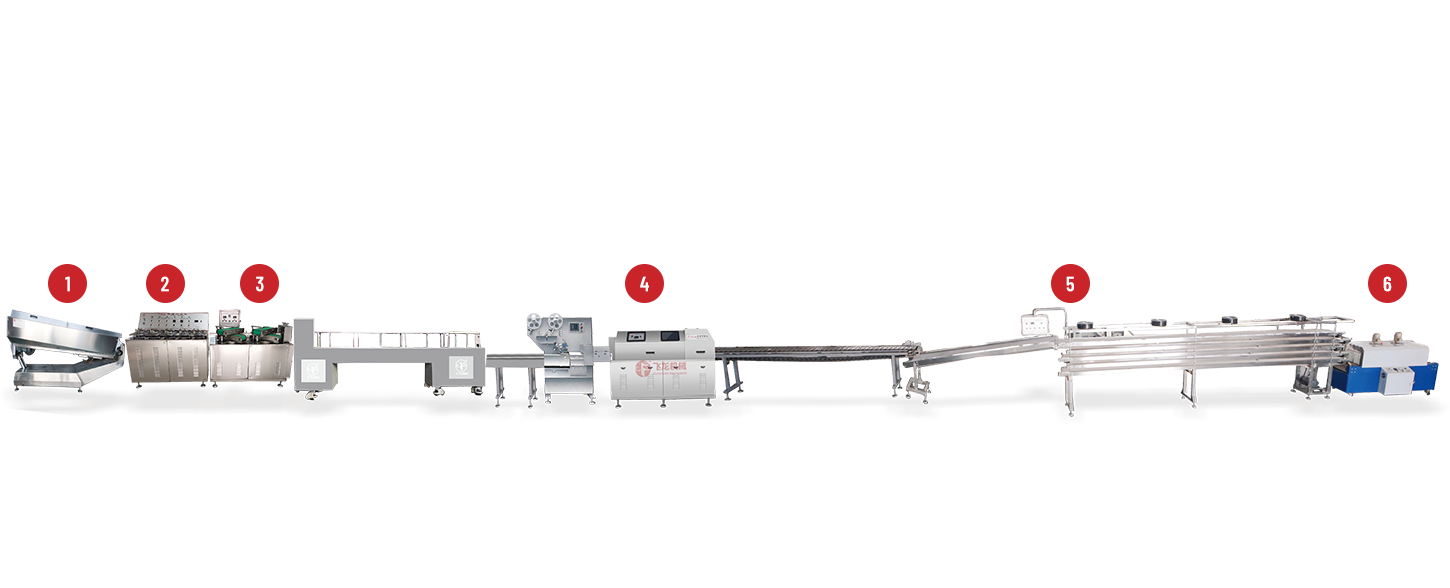
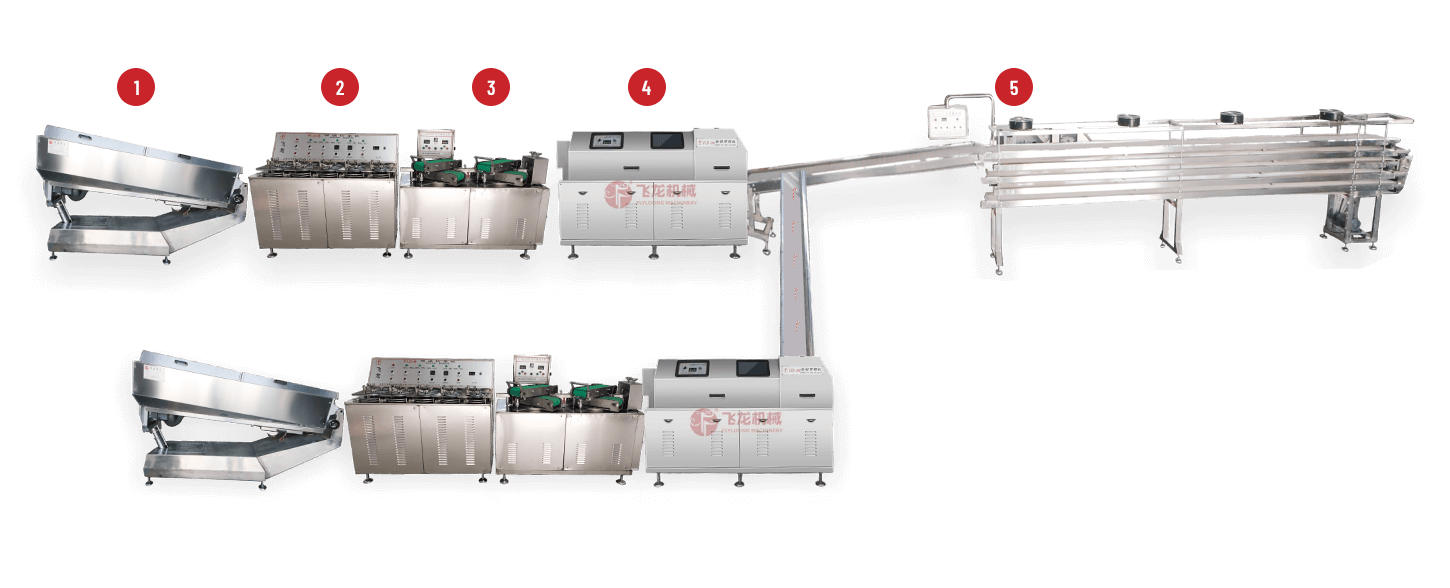
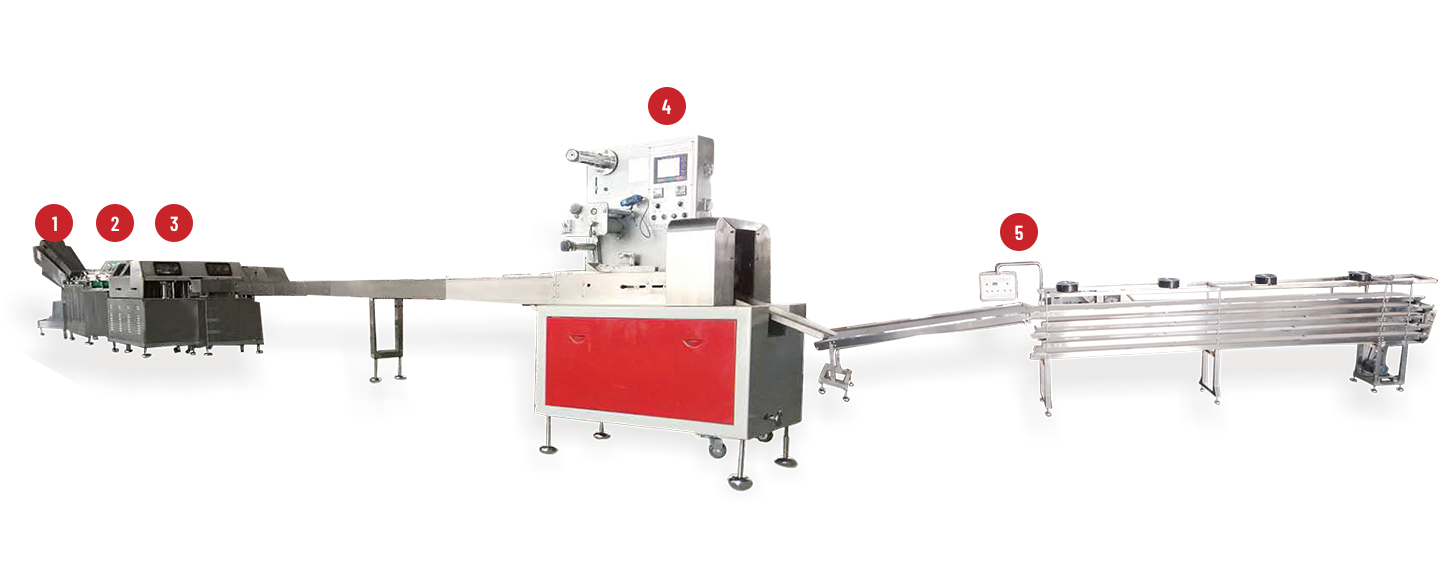
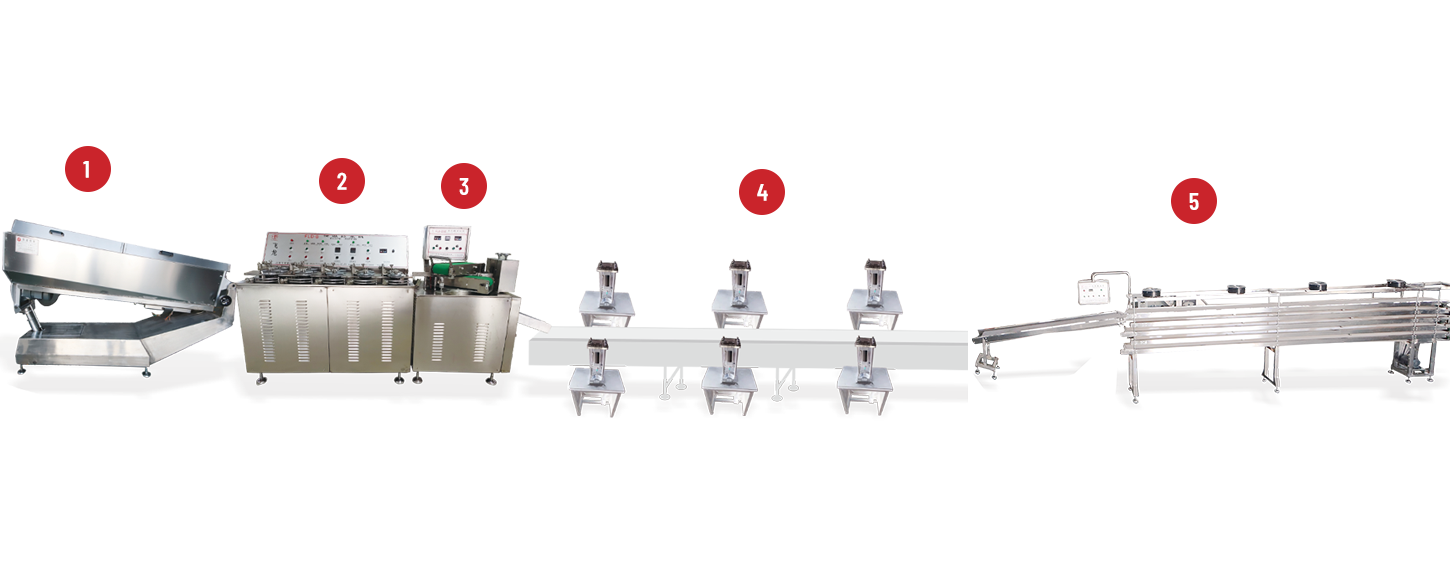
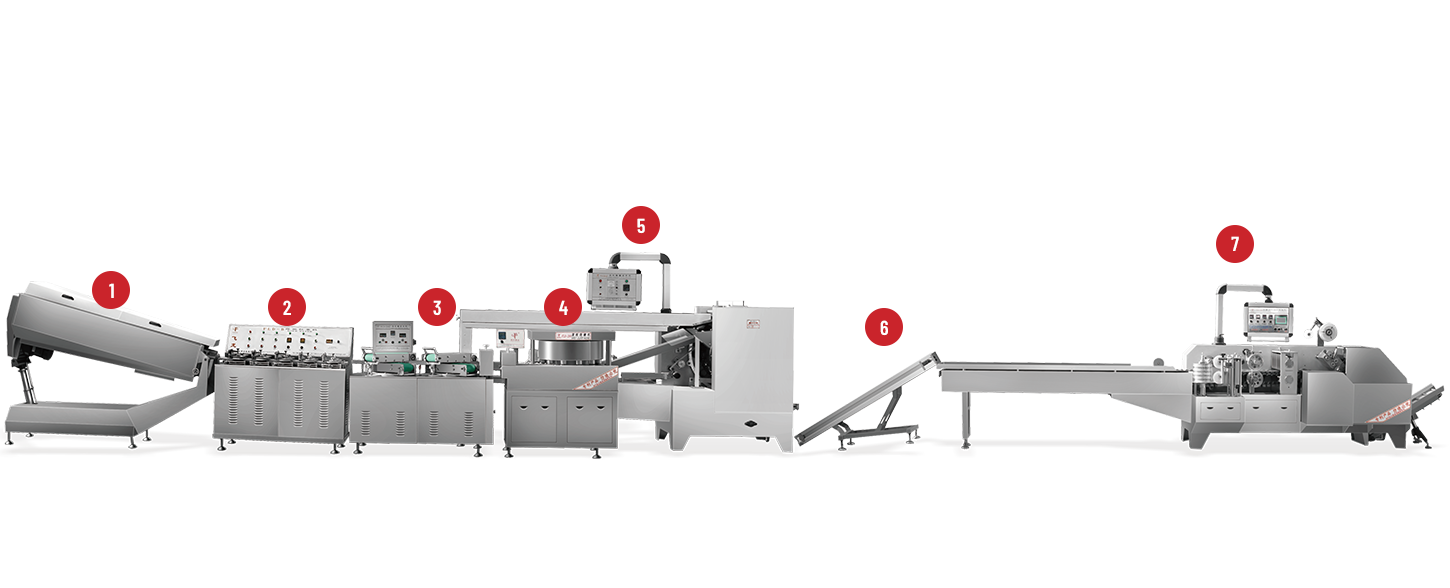
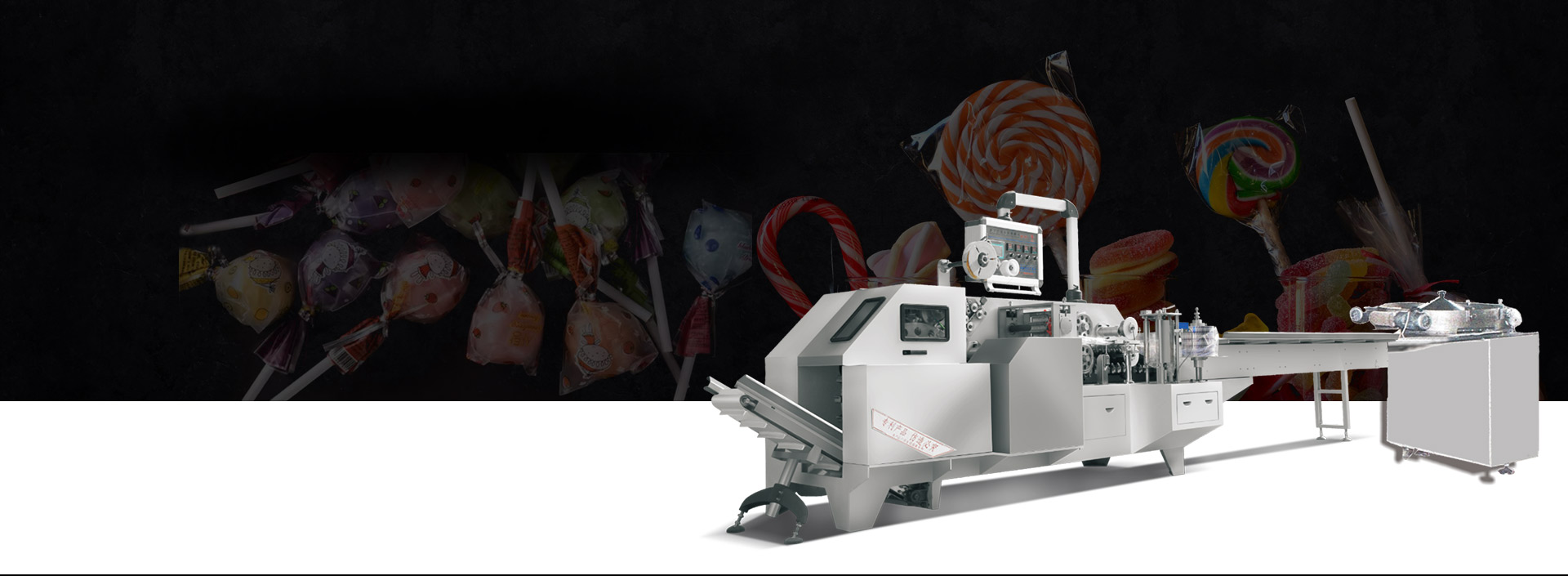
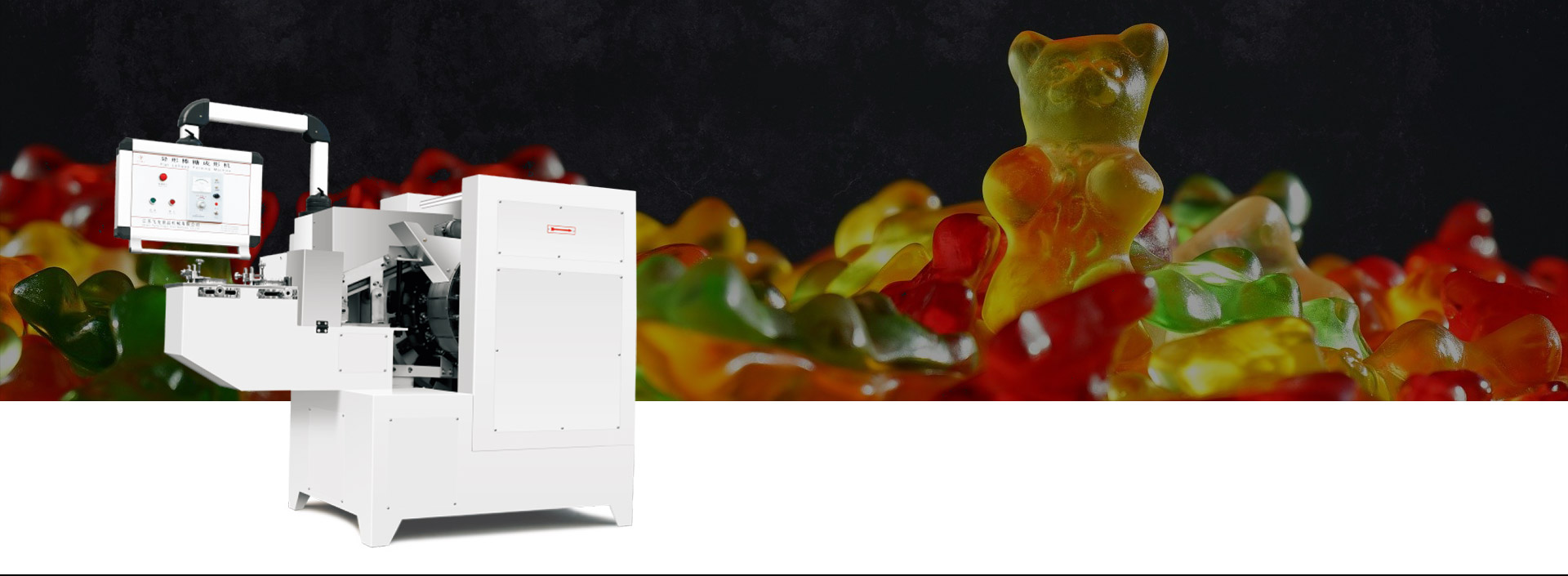
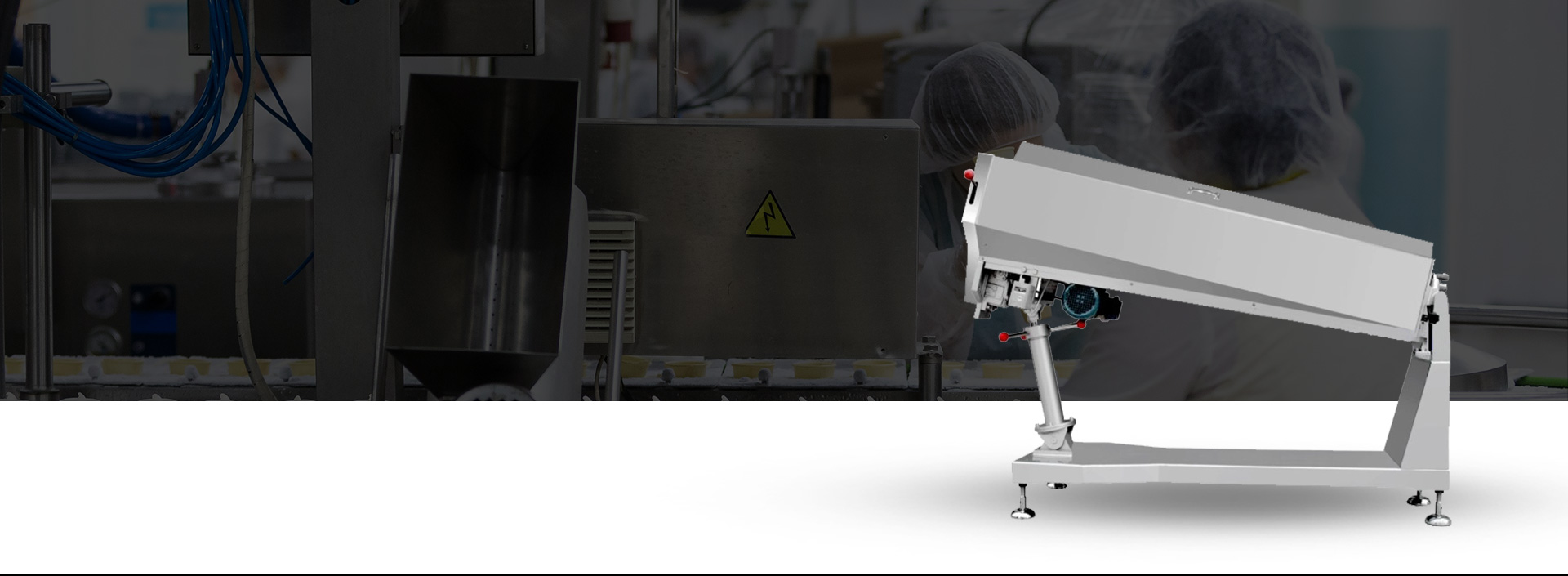
Preparing the Candy Mixture for Shaping Operations
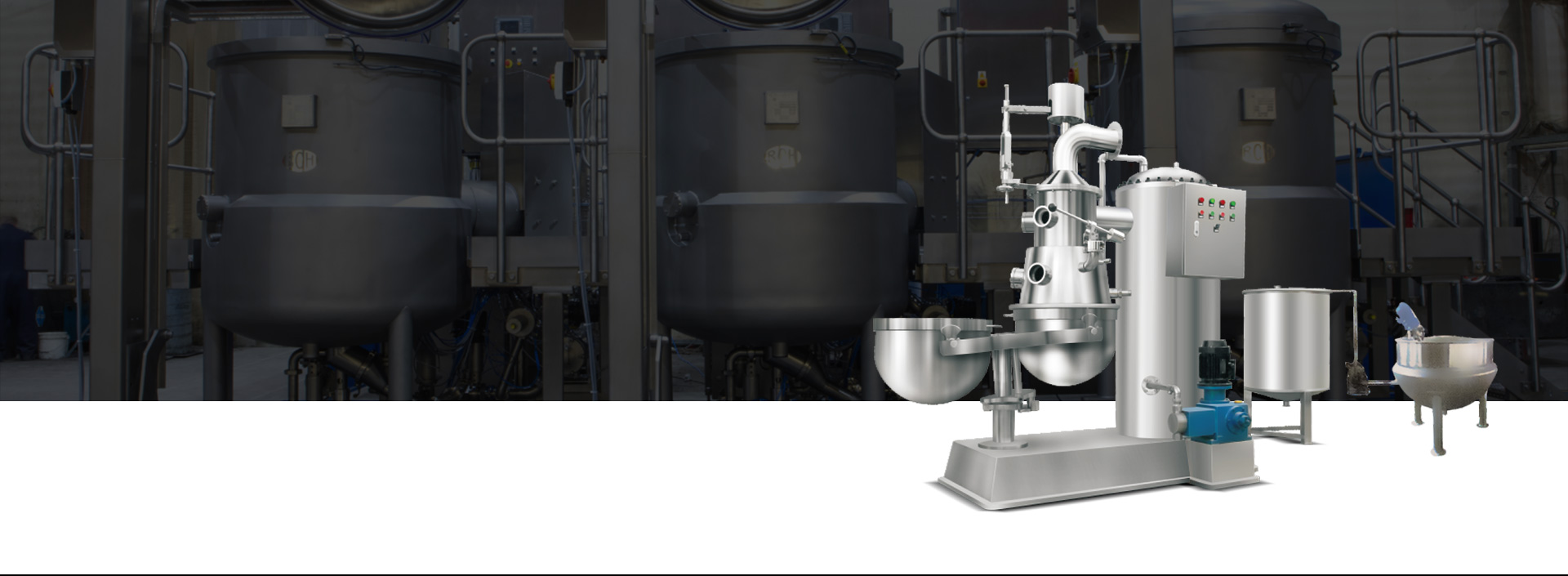
Candy cane production begins with a cooked sugar mass. Sugar, glucose syrup, water and other recipe ingredients are combined and heated until the mixture reaches a workable state that can later be stretched, striped and formed. Cooking drives off moisture and develops the texture that will hold a hook shape after cooling rather than collapsing into a soft blob.
Consistent mixing and cooking matter because uneven batches behave differently on the line: one part may be too stiff to stripe cleanly while another stays sticky and smears. Preparation sets the baseline for every later step. When the mass leaves the cooker in a uniform condition, stretching and forming equipment can run with fewer stops for rework.
Cooling and Conditioning the Candy Mass Before Forming
Hot candy cannot be pulled into neat ropes or bent into hooks. Controlled cooling brings the mass down to a consistency that handlers and machines can work—plastic enough to stretch and stripe, firm enough not to flow away. Conditioning equipment holds or works the candy in that window so that temperature and texture stay even from the outside of a batch to the centre.
Temperature management at this stage supports smooth processing. If the mass is still too hot, stripes blur and hooks droop; if it is overcooled, the candy cracks when bent. Conditioning is therefore a deliberate process step, not simply waiting on a table until the candy "feels right" by chance.
Adding Colors and Creating Decorative Stripe Patterns
Food colouring is worked into portions of the mass to create the classic contrast against the main body colour. Coloured and uncoloured (or differently coloured) portions are arranged so that, when the candy is stretched and folded, continuous stripes run along the eventual stick. Layer arrangement during forming determines whether stripes appear sharp, wide, narrow or broken.
Controlled colour distribution contributes to consistent stripe patterns from piece to piece. Manual or mechanical striping methods both depend on the same principle: keep the coloured lanes from fully mixing into the base while the rope is still being elongated. Visual identity of the candy cane depends heavily on this stage going well before any hook is bent.
Stretching and Rolling the Candy into Long Continuous Strands
Stretching and rolling equipment pulls and works the prepared mass into long strands of suitable thickness for cutting into individual canes. Elongation aligns the stripe layers along the length of the rope and refines the cross-section so that later cuts produce similar diameters. Mechanical handling helps maintain the coloured-layer arrangement while the cross-section is reduced.
Consistent rolling and forming operations prepare the candy for cutting. Variation in rope thickness shows up immediately as uneven stick weight and awkward bending at the hook. A Candy Production Line for canes treats rope formation as a core controlled process, not an informal pull by hand between unrelated machines.
Cutting and Bending Candy into the Traditional Cane Shape
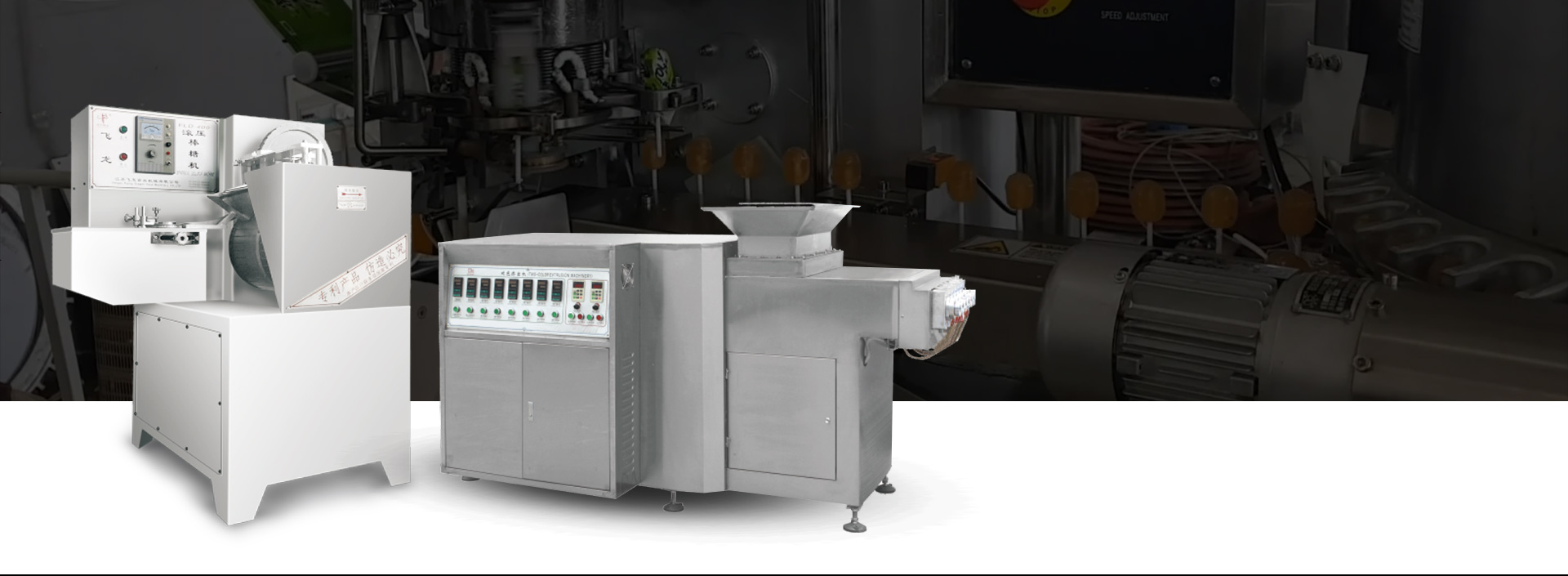
Cutting equipment divides the continuous strand into individual lengths. Forming mechanisms then bend one end of each piece into the familiar hook while the candy is still pliable enough to take a permanent set. Tooling and timing maintain consistent hook size and orientation during continuous processing so that packs look uniform on the shelf.
Coordinating cutting and bending preserves the candy cane design: a straight stick with a defined crook rather than a random curve or a broken tip. If the mass has cooled too far before the bend, hooks crack; if it is still too soft, hooks sag before the piece is fully set. Synchronisation between cut length and bend station is part of ordinary line setup.
Cooling, Setting and Final Shape Inspection of Finished Canes
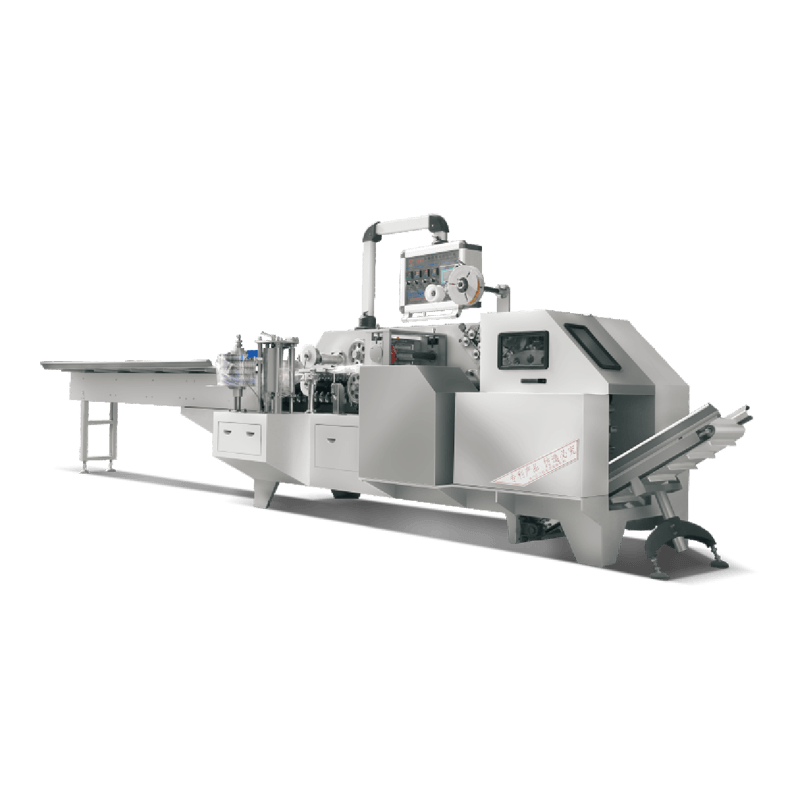
Formed canes need further cooling so the shape locks in before packing or bulk handling. As heat leaves the piece, the structure becomes firm enough to stack, wrap or feed into packaging without losing the hook geometry. Cooling layout must match the rate at which canes leave the forming section so that pieces are not forced together while still soft.
Inspection covers overall shape, stripe appearance and surface condition—broken hooks, smeared colour, bubbles or debris. Proper cooling and careful handling maintain the finished appearance that consumers recognise. Rejects at this stage protect brand consistency more cheaply than complaints after distribution. Candy Equipment Suppliers typically design cooling and handling sections with that inspection access in mind.
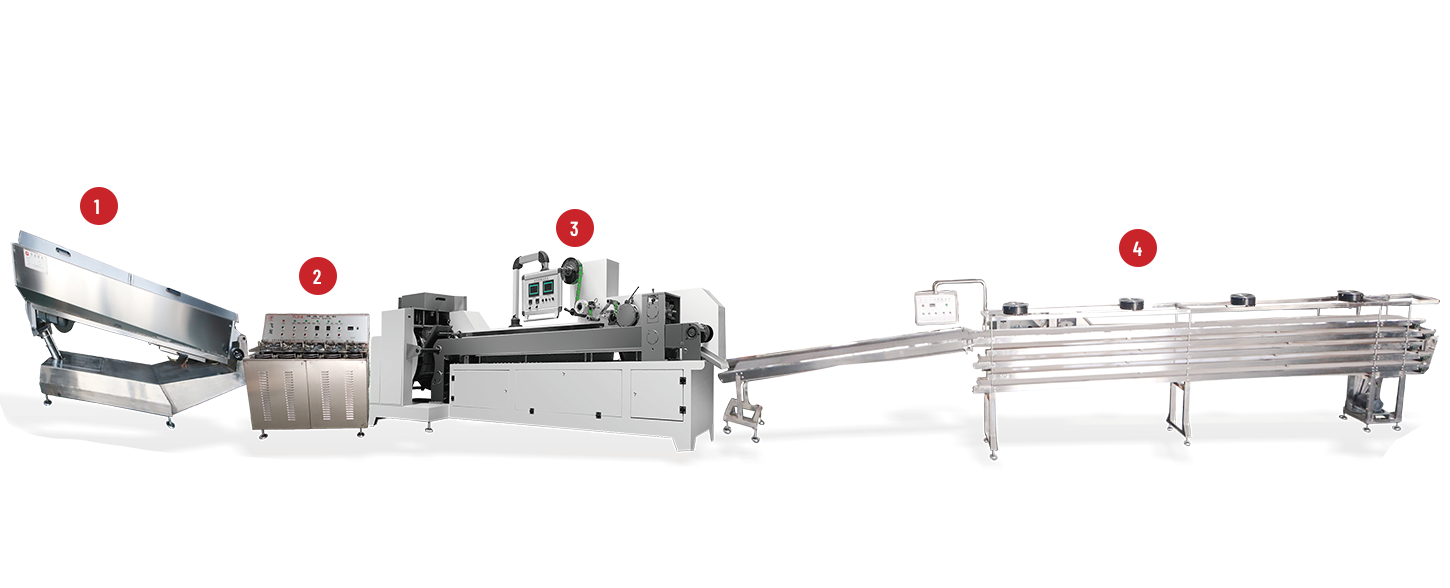
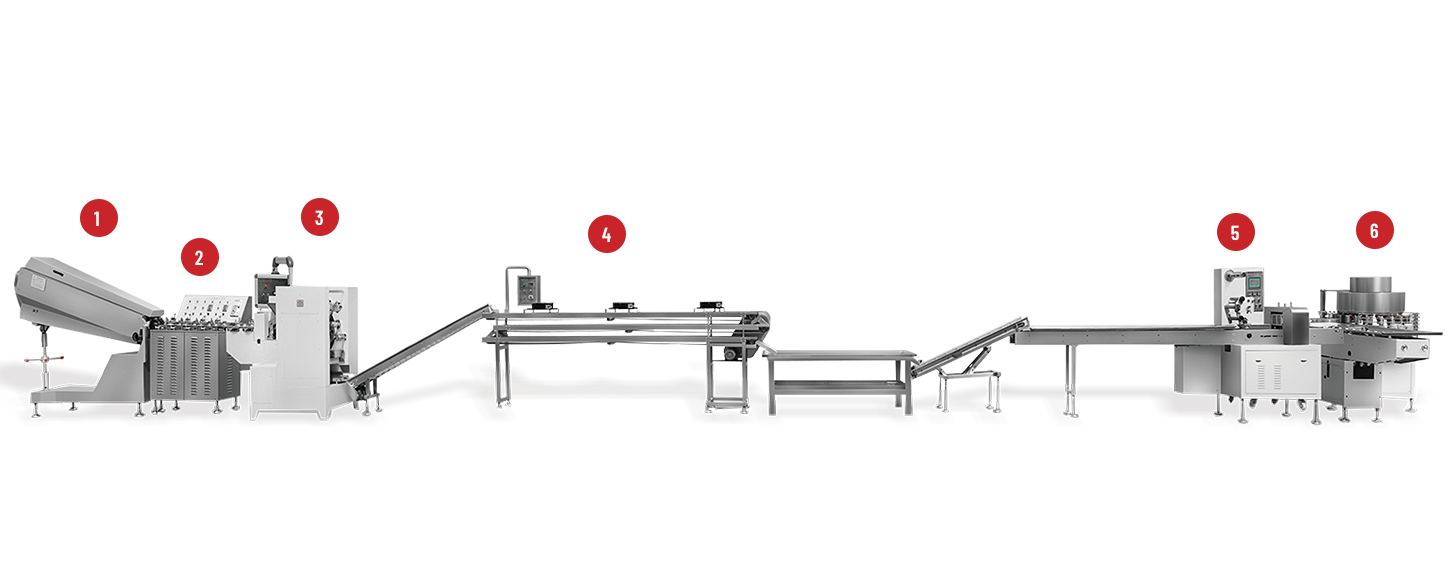
Production Stages from Mass to Finished Cane
| Stage | Purpose | Quality focus |
|---|---|---|
| Cook and mix | Create uniform workable candy mass | Even moisture and texture |
| Cool and condition | Reach forming consistency | Temperature evenness through the mass |
| Colour and stripe | Build decorative longitudinal pattern | Clear, continuous stripe layout |
| Stretch and roll | Form long strands of controlled thickness | Diameter consistency; stripe retention |
| Cut and bend | Individual sticks with classic hook | Length control; hook shape retention |
| Final cool and inspect | Set shape; release good product | Firm structure; visual and shape standards |
Process Coordination Across the Cane Line
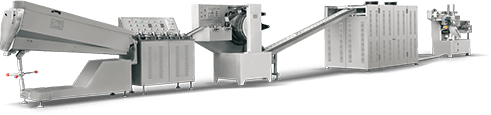
Each stage hands a semi-finished state to the next. Cooking without workable cooling wastes energy; striping without stable rope diameter wastes colour paste; bending without timely final cooling wastes forming effort. Line balance—matching output of one section to the intake of the next—keeps candy in the correct texture window and reduces scrap. Hygiene and allergen controls run in parallel with shape control because open sugar masses pick up debris easily.
From Cooked Mass to Hook-Shaped Finished Pieces
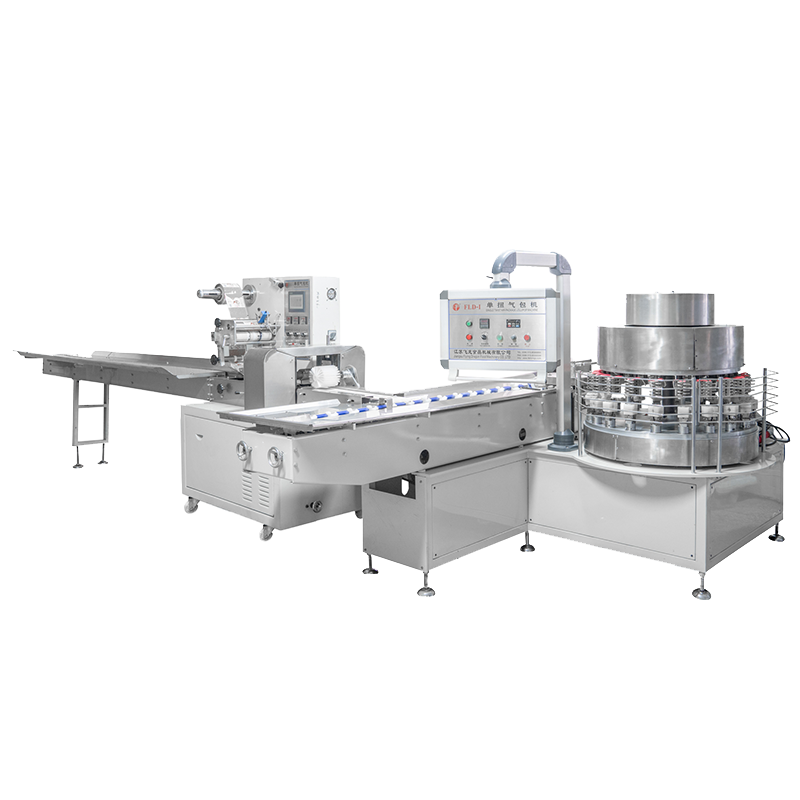
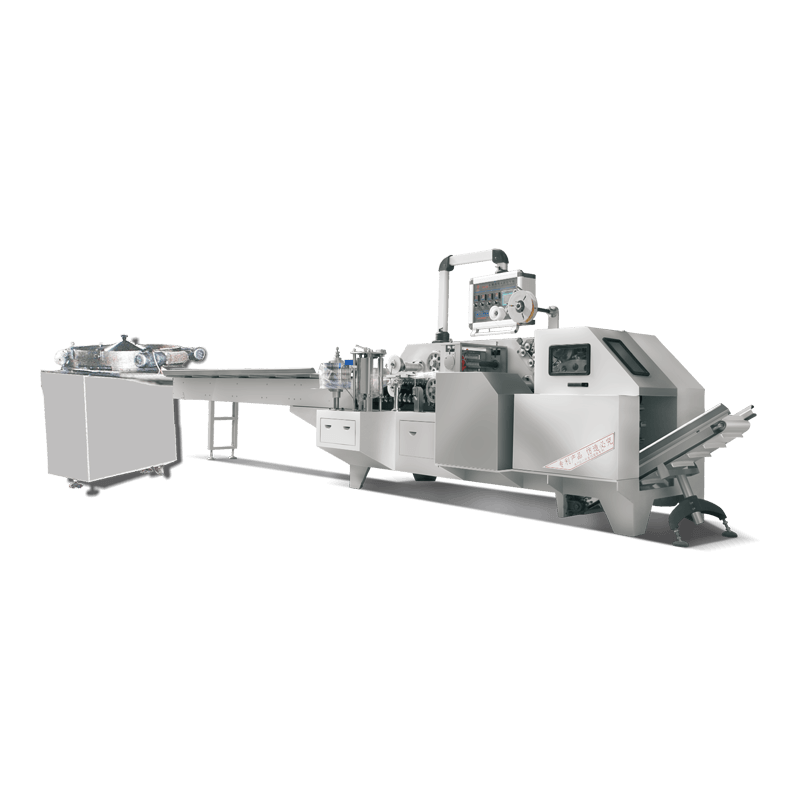
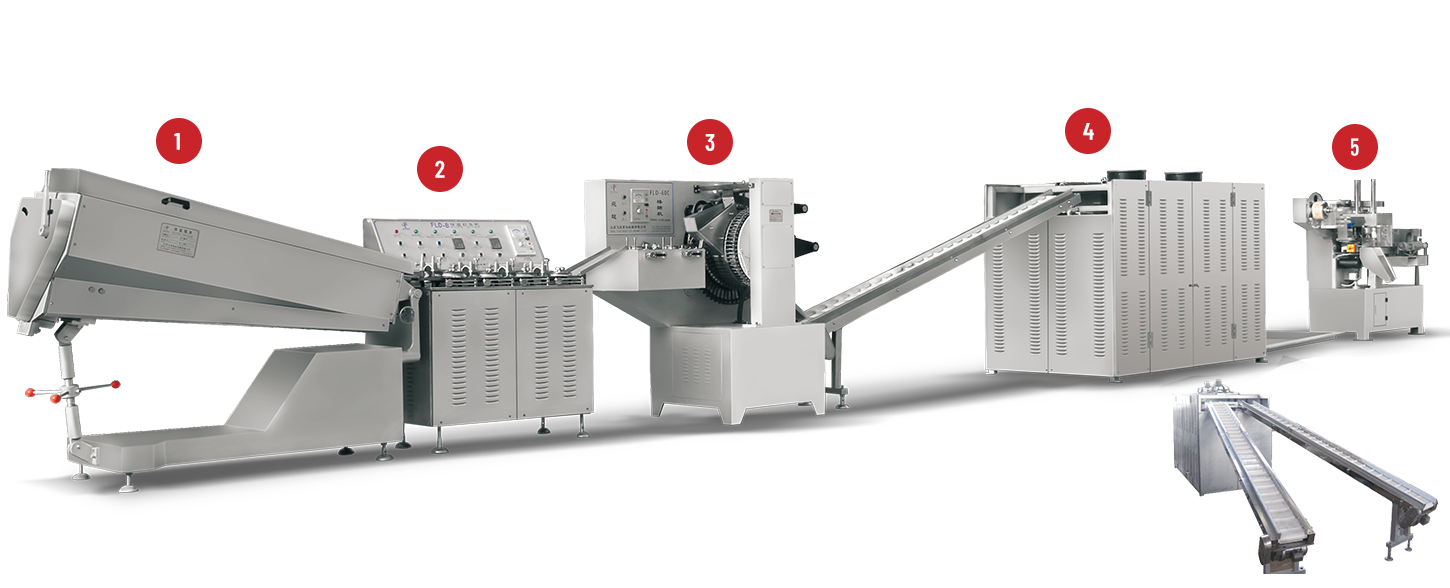
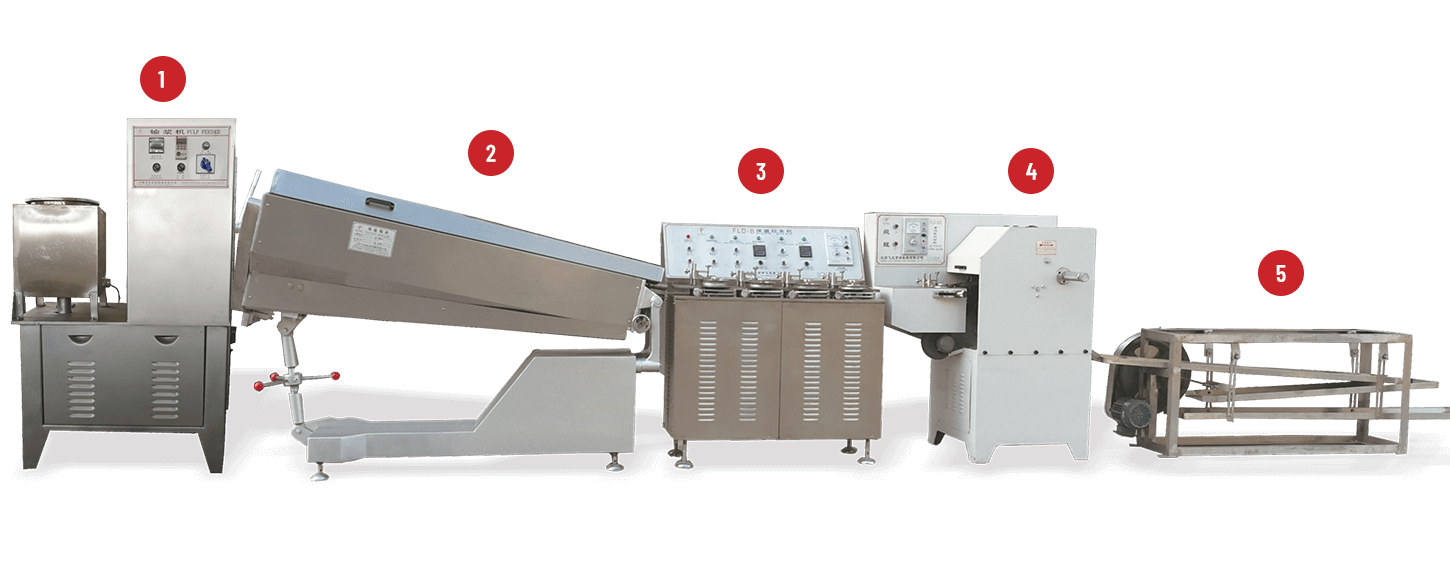
Candy canes are shaped by preparing a uniform cooked mass, conditioning it to a workable state, adding and arranging colour for stripes, stretching into strands, cutting and bending into the hook form, then cooling and inspecting the set pieces. Jiangsu Flying Dragon Food Machinery Co., Ltd. supplies candy processing equipment for formed sugar products including cane-style lines. Review of recipe behaviour, target stick size, stripe design and packing method against equipment layout supports stable candy cane forming in commercial production.
 +86-(0)515-8465666
 +86-(0)515-85566996
 +86-138 1559 9708
 flyloong@flyloongcn.com

 Home
