

 ENG
ENG
 English
 中文简体
中文简体 русский
 Français
 Español
 عربى
عربى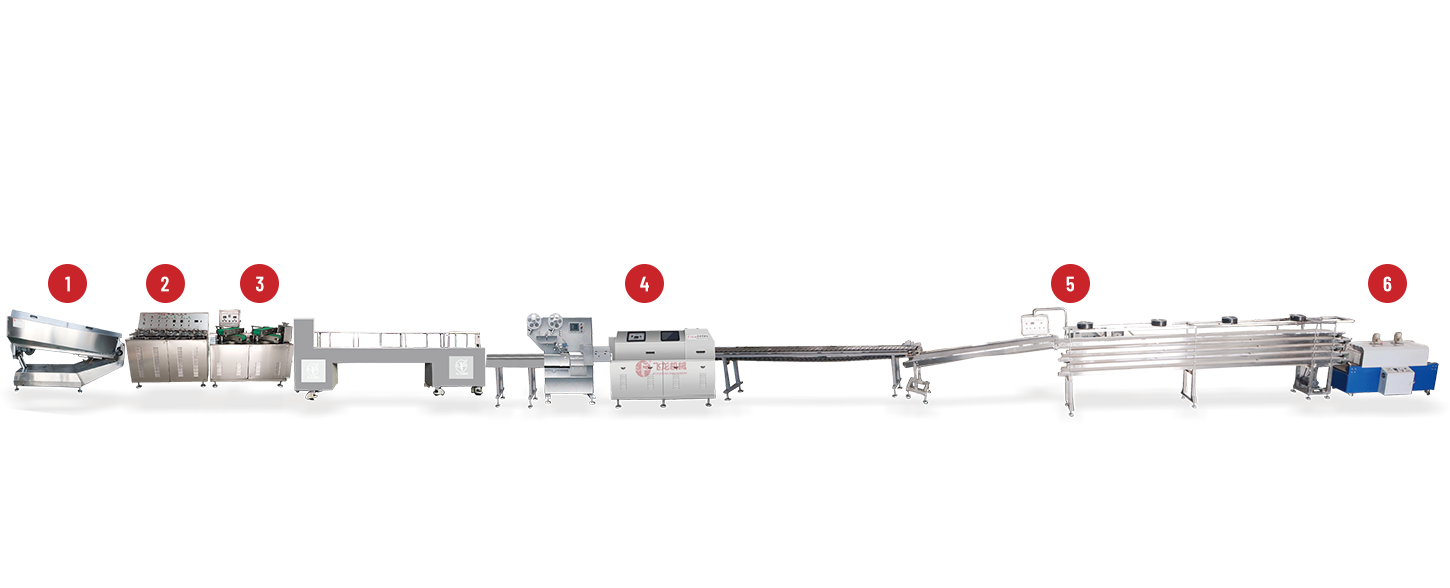
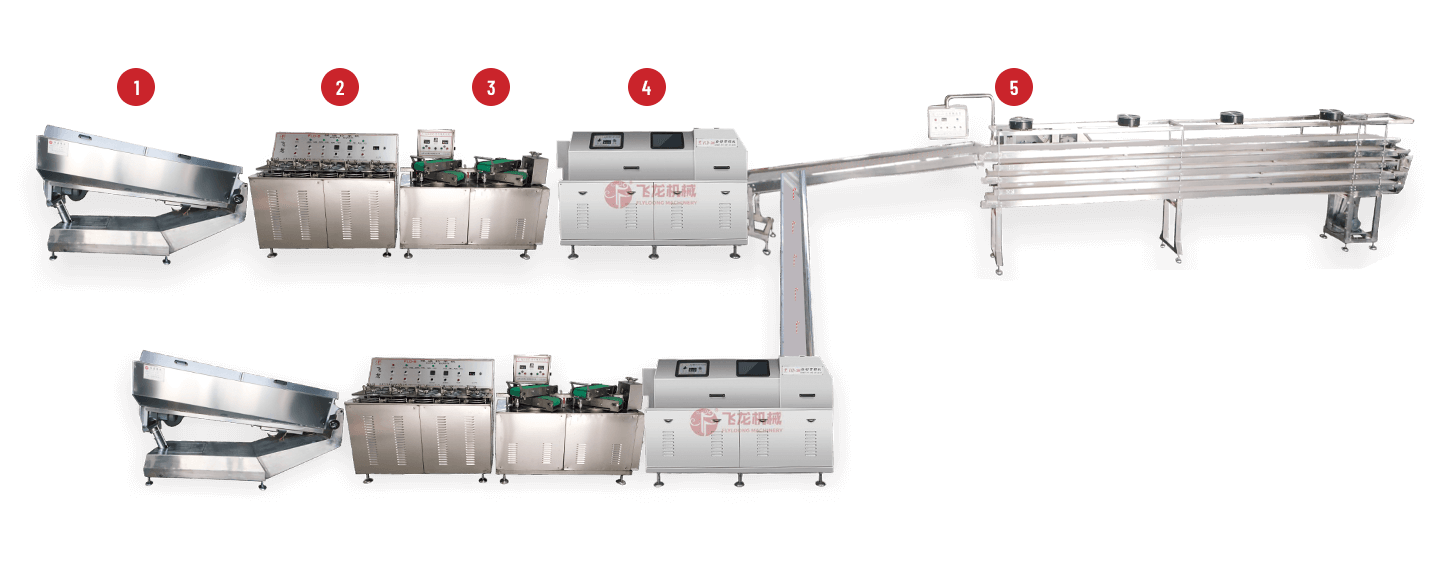
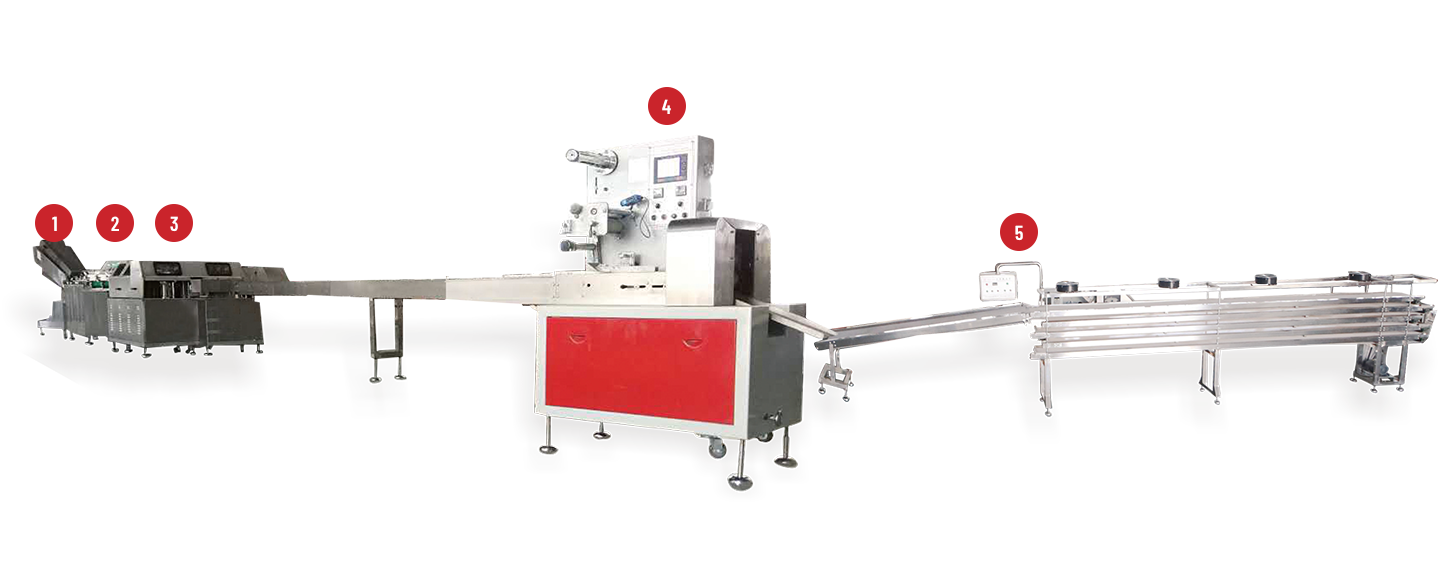
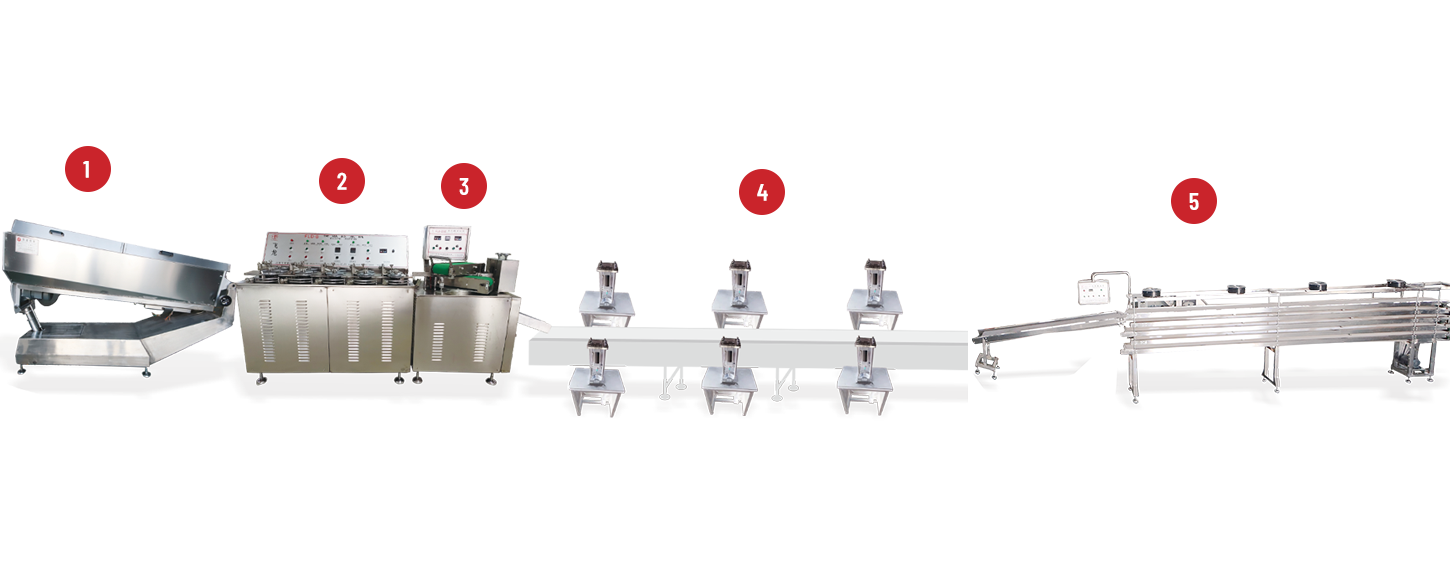
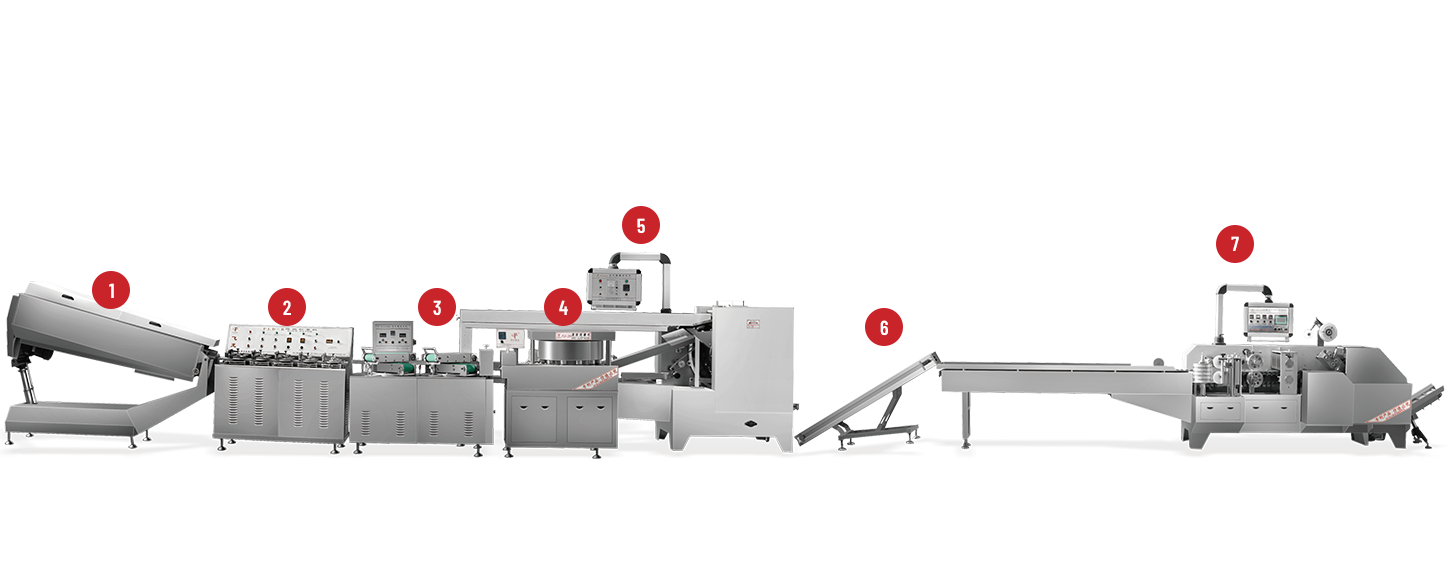
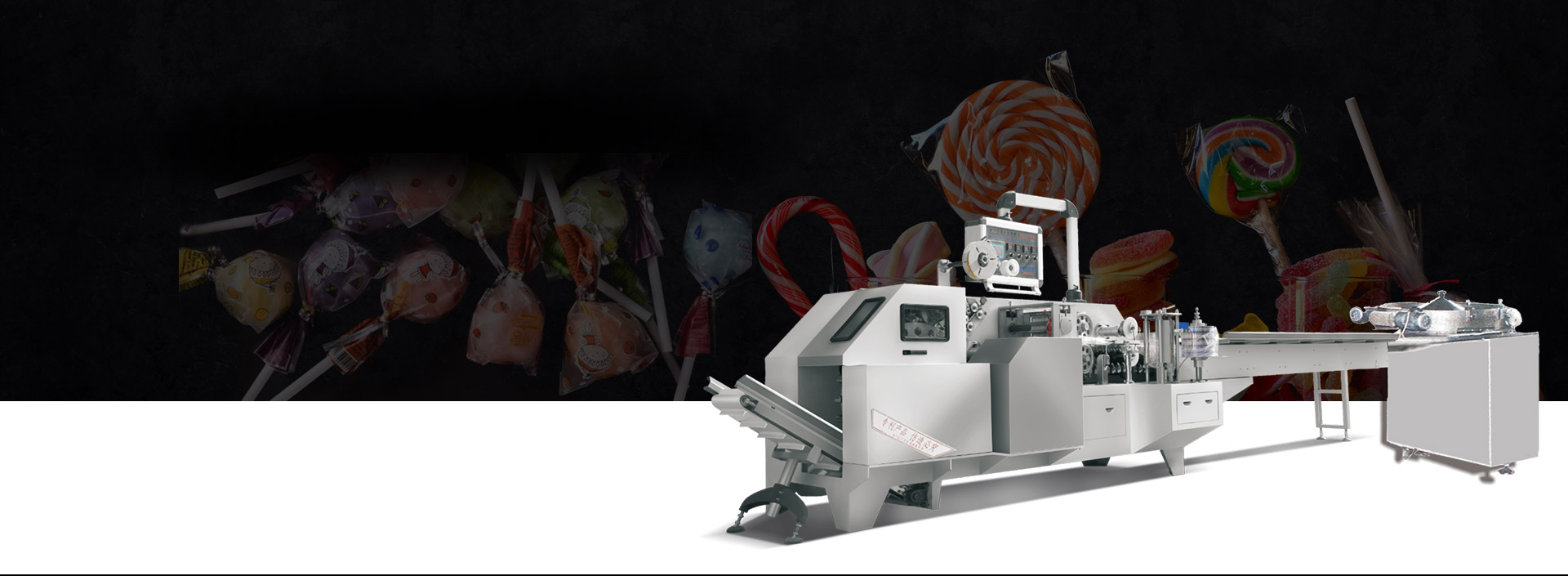
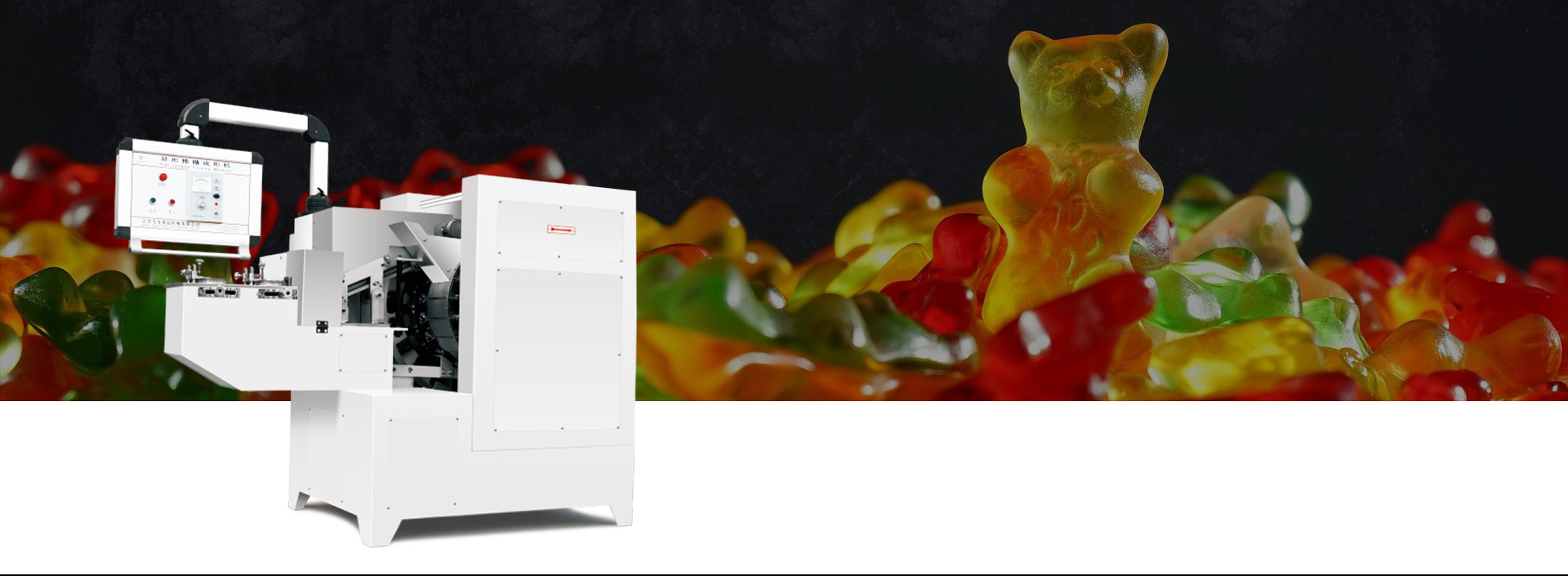
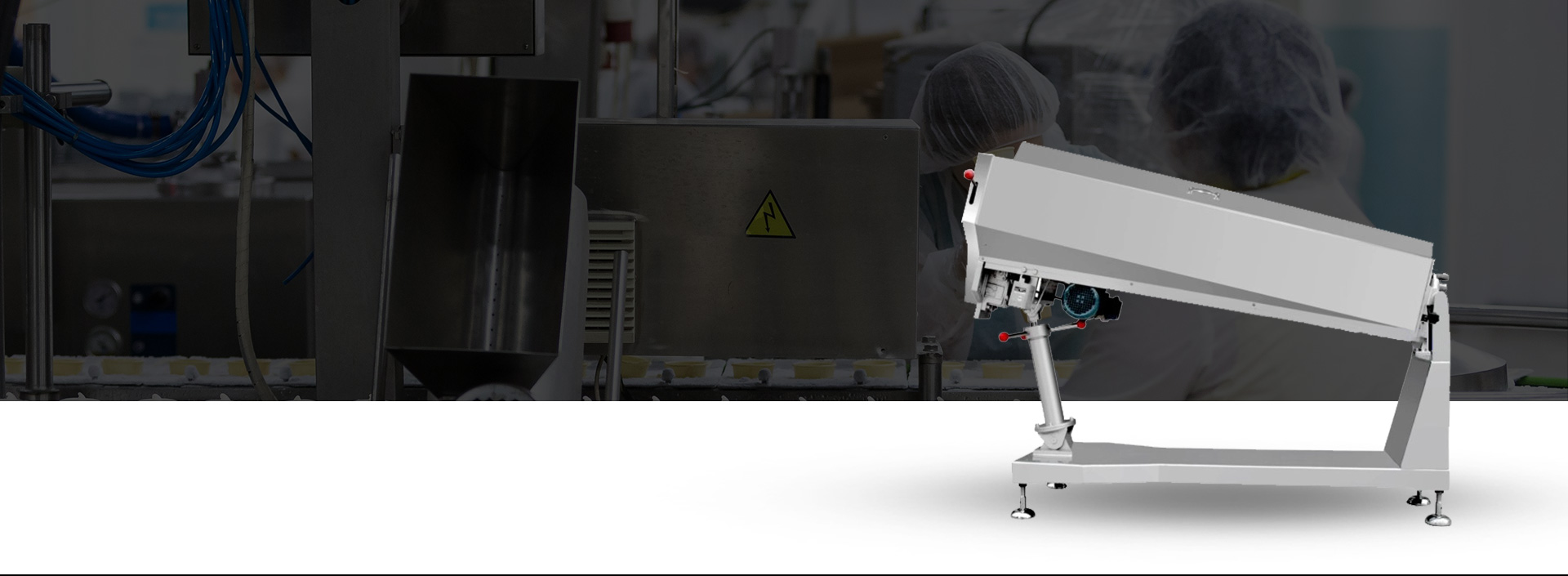
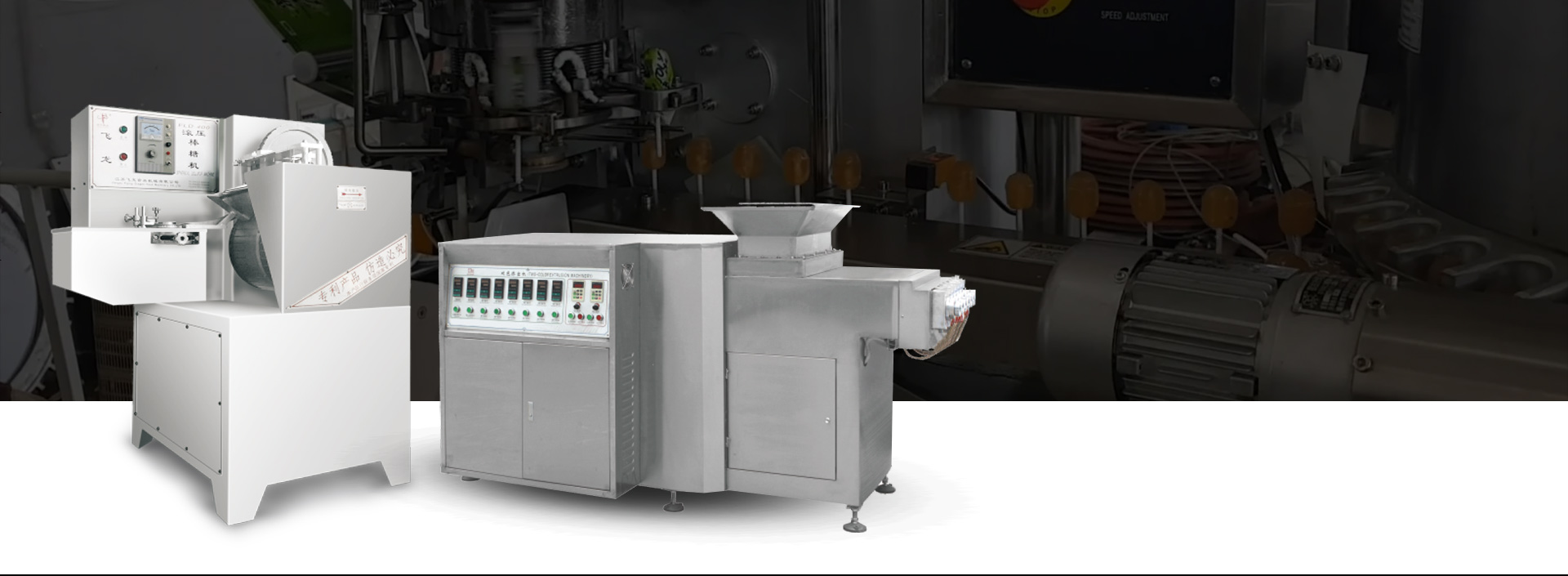
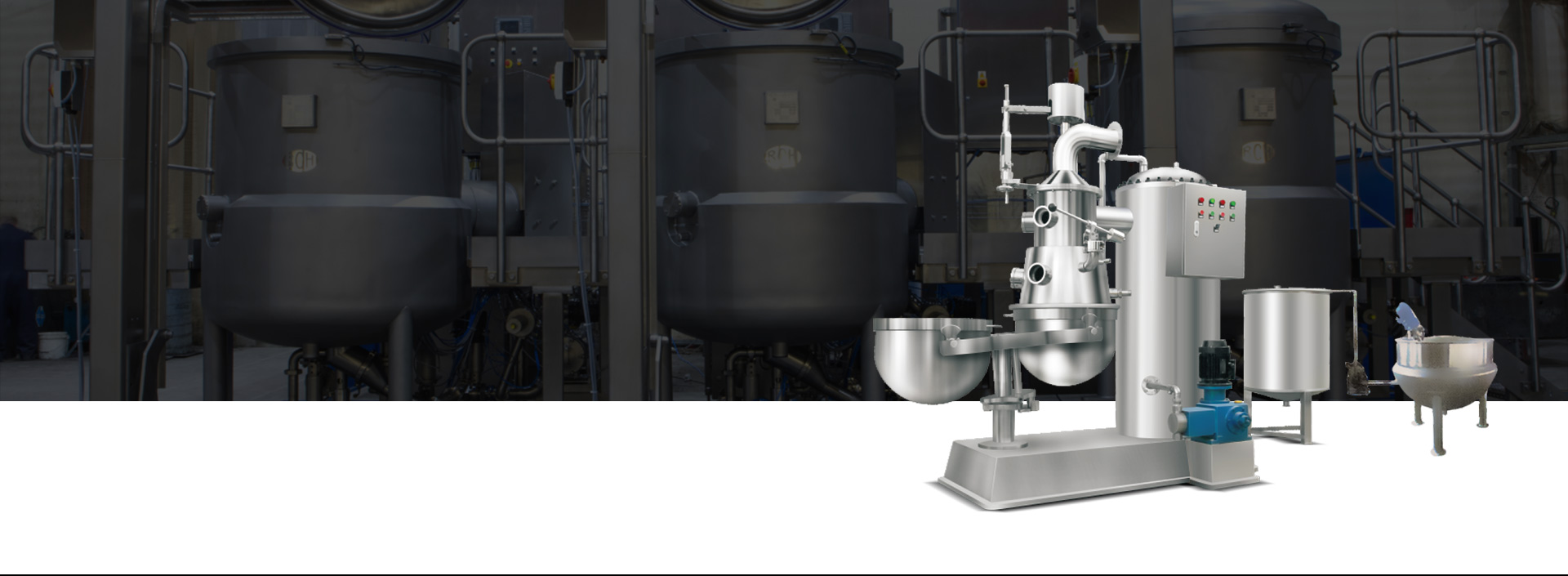
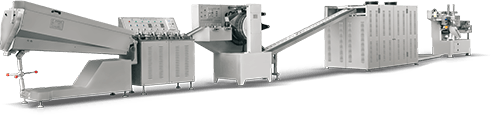
The candy industry keeps expanding as people chase more variety in flavor, texture, and overall product style. Candy bars have held onto their popularity for a simple reason — they let manufacturers combine different ingredients into something genuinely convenient to eat. But for the people actually making them, a good recipe is only half the equation. The production process itself carries just as much weight in keeping output stable and keeping pace with a market that never really stops shifting.
The right candy bar production line can help manufacturers organize their operations, smooth out workflow, and give product development a lot more room to breathe. Picking that equipment, though, takes real thought. Every factory has its own goals, its own production plans, its own specific requirements to work around.
Beyond just basic function, manufacturers need to weigh things like flexibility, production management, ease of use, and adaptability — all of which shape how much long-term value that equipment actually delivers.
Why Is Choosing the Right Candy Bar Production Line Important?
A production line sits at the heart of the whole manufacturing process. It ties together every stage, turning raw ingredients into something ready to sell.
Without the right setup, manufacturers tend to run into trouble with production organization, keeping products consistent, and adapting to shifting customer tastes.
A well-built production line tends to support:
- More organized production overall
- Smarter use of manufacturing resources
- Easier product adjustments down the line
- Better production management
- More stable, predictable results
| Important Consideration | Why It Matters |
|---|---|
| Production flexibility | Helps support different product needs |
| Workflow organization | Makes production easier to manage |
| Product consistency | Supports similar product quality |
| Equipment adaptability | Helps respond to market changes |
Choosing equipment is really a long-term decision, not a quick fix. Manufacturers need to think past current needs and consider where their production might have to go down the road.
What Production Flexibility Should a Candy Bar Production Line Have?
The candy market doesn't sit still for long. People keep chasing new flavors, new shapes, new ingredient combinations, and a line that can flex with those changes hands manufacturers a lot more opportunity than one that can't.
Flexible equipment lets companies explore new candy bar concepts without tearing apart their entire production setup every time.
A few flexibility features worth prioritizing:
Support for different product styles — candy bars vary wildly in size, texture, ingredients, and appearance, and a genuinely flexible line can handle that range without constant retooling.
Easy production adjustments — plans change, designs evolve, and equipment that makes those shifts painless saves a lot of headaches down the line.
Adaptation to market trends — as consumer tastes keep moving, flexible equipment gives manufacturers a real shot at capitalizing on new opportunities rather than missing them.
A flexible candy bar line genuinely widens the range of what a manufacturer can develop and bring to market.
How Does Production Consistency Affect Candy Bar Manufacturing?
Consistency matters enormously in food production. People expect their favorite candy bar to taste and look the same every single time — nobody wants surprises in a snack they already love.
A good production line helps manufacturers hold steady conditions throughout the whole process rather than letting quality drift batch to batch.
That consistency shows up as:
- Similar shapes across every batch
- Stable, predictable appearance
- Well-organized production steps
- Reliable results run after run
The more controlled a production process is, the smaller the gap between batches — which means a more predictable experience for the customer buying it.
For manufacturers, consistency isn't purely about product quality either. It ripples into production planning, inventory management, and how much trust customers actually place in the brand over time.
Should a Candy Bar Production Line Support Easy Operation?
Ease of operation deserves real attention when picking a production line. Overly complex systems tend to pile on management headaches and demand a lot more training than anyone budgeted for.
A production line that's genuinely easy to operate helps workers get comfortable with daily tasks a lot faster.
A few operation features worth checking for:
Clear control methods — workers need a straightforward way to monitor production and manage each stage without second-guessing themselves.
Simple maintenance — regular upkeep matters for stable operation, and equipment that's easier to maintain cuts down on unplanned downtime.
Better production monitoring — clear insight into how production is actually progressing supports smarter, faster management decisions.
None of this diminishes the value of skilled workers, either. Easy operation just means those workers can put their experience to better use instead of fighting the equipment itself.
How Important Is Equipment Adaptability for Future Production?
The candy industry keeps shifting in what it demands, and manufacturers often find themselves needing to launch new products or rework production plans on relatively short notice.
A production line with genuine adaptability makes those pivots a lot less painful.
Adaptability tends to cover:
- Supporting a range of different product ideas
- Working across varied production requirements
- Leaving room for future upgrades
- Fitting different factory setups and conditions
Manufacturers really need to think about how equipment supports where the business is headed, not just where it stands today. A line built with adaptability in mind tends to keep paying off well past the initial purchase.
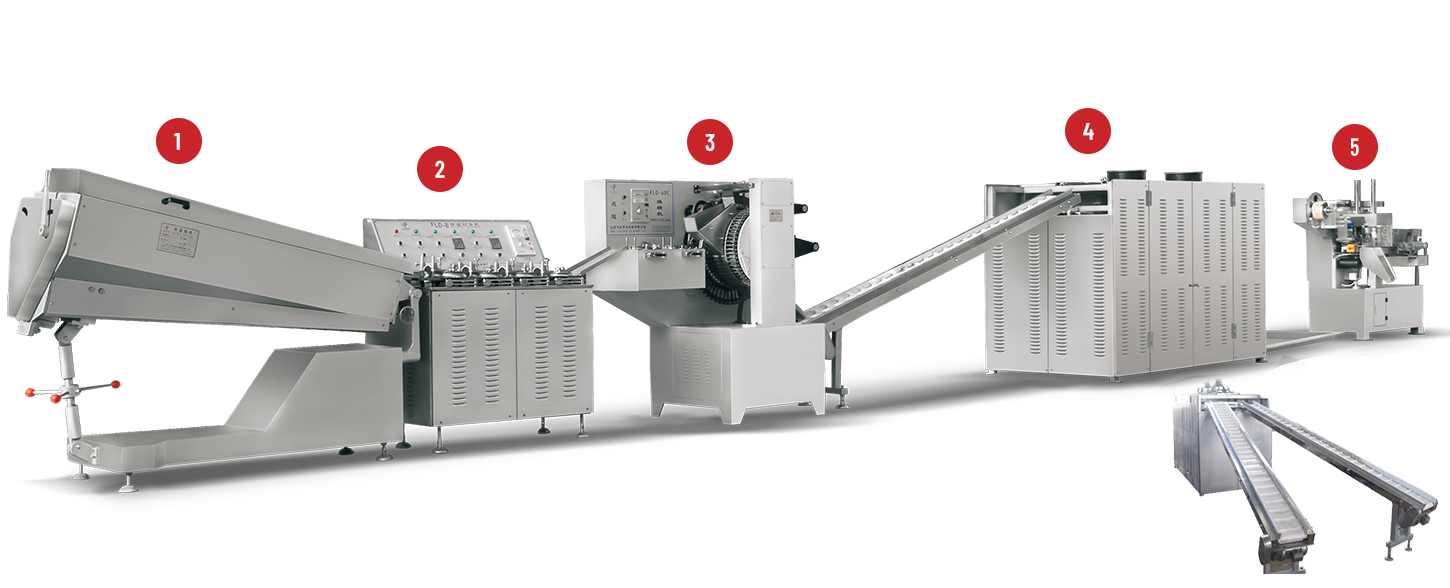
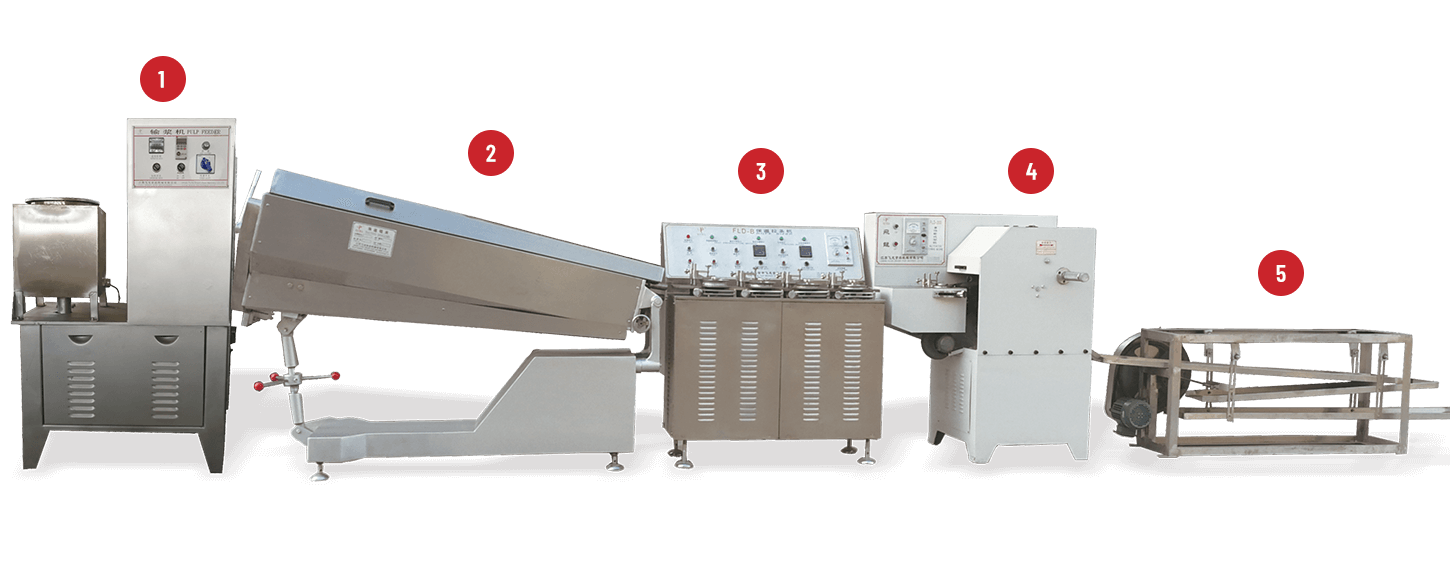
What Role Does Automation Play in Candy Bar Production Lines?
Automation has become a genuinely central part of modern food manufacturing. It ties different production stages together and smooths out workflow in ways manual processes often struggle to match.
In candy bar production specifically, automation tends to support:
- Material handling
- Product forming
- Coordination between production stages
- Packaging preparation
Automation cuts down on repetitive manual work and helps manufacturers run things more efficiently overall.
That said, automation needs to actually fit the factory it's going into. Every business has different goals, so equipment choices should be grounded in real conditions, not just chasing the new tech. A thoughtful balance between automation and human oversight tends to create the effective production environment.
Why Is Production Efficiency an Important Feature?
Production efficiency shapes how manufacturers manage time, resources, and the day-to-day rhythm of running a factory.
A well-suited candy bar line improves workflow by connecting different production stages a lot more smoothly than a disjointed setup ever could.
| Production Area | Possible Improvement |
|---|---|
| Workflow management | Creates a more organized process |
| Production planning | Supports better scheduling |
| Resource use | Helps manage materials effectively |
| Product handling | Reduces unnecessary production steps |
Efficiency isn't purely about churning out more product, either. It's just as much about building a process that's easier to manage and holds up well over the long haul. Manufacturers should look for equipment that delivers on both productivity and steady, reliable operation.
How Can Manufacturers Evaluate Candy Bar Production Line Suppliers?
Picking the right equipment is only half the job — choosing the right supplier matters just as much.
A few things worth weighing when evaluating suppliers:
Understanding of industry needs — a good supplier genuinely understands candy production and can offer solutions that fit real-world requirements, not generic ones.
Product support — how responsive and communicative a supplier is can shape the whole purchasing experience, for better or worse.
Customization ability — every factory setup looks a little different, and a supplier willing to offer flexible options tends to fit specific needs a lot better.
Long-term cooperation — production equipment is a long-term investment, and a stable, ongoing relationship with the supplier helps manage whatever comes up down the road.
A reliable supplier relationship really does support better equipment use and smoother long-term development.
What Should Candy Manufacturers Consider Before Buying a Production Line?
Before committing to a candy bar production line, it's worth stepping back and reviewing production goals honestly.
A few questions worth sitting with:
What type of candy bars will actually get produced?
Different products often call for different production approaches entirely.
How much flexibility is genuinely needed?
Think honestly about whether new products are likely down the road.
What do the factory conditions actually look like?
Space, workflow, and management style all need to line up with whatever equipment gets chosen.
What are the long-term goals here?
Equipment should support where the business is heading, not just cover what's needed right now.
Careful planning up front makes it a lot more likely manufacturers land on a production line that genuinely fits their strategy.
The features that define a strong candy bar production line ripple through nearly every part of manufacturing, from day-to-day organization to long-term product development. Flexibility, consistency, ease of operation, adaptability, smart automation, and solid supplier support all deserve real consideration. As the candy industry keeps evolving, choosing the right equipment gives manufacturers a genuine shot at smoother operations and a better handle on whatever new opportunities the market throws their way.
 +86-(0)515-8465666
 +86-(0)515-85566996
 +86-138 1559 9708
 flyloong@flyloongcn.com
 Home
Home