

 ENG
ENG
 English
 中文简体
中文简体 русский
 Français
 Español
 عربى
عربى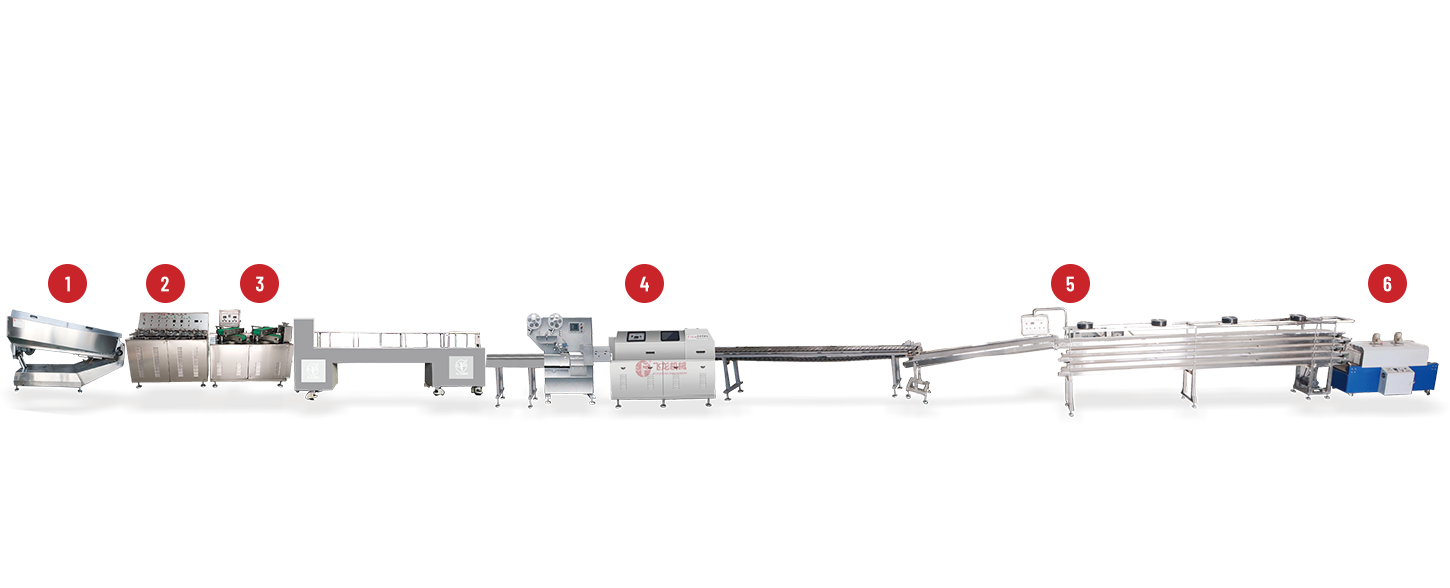
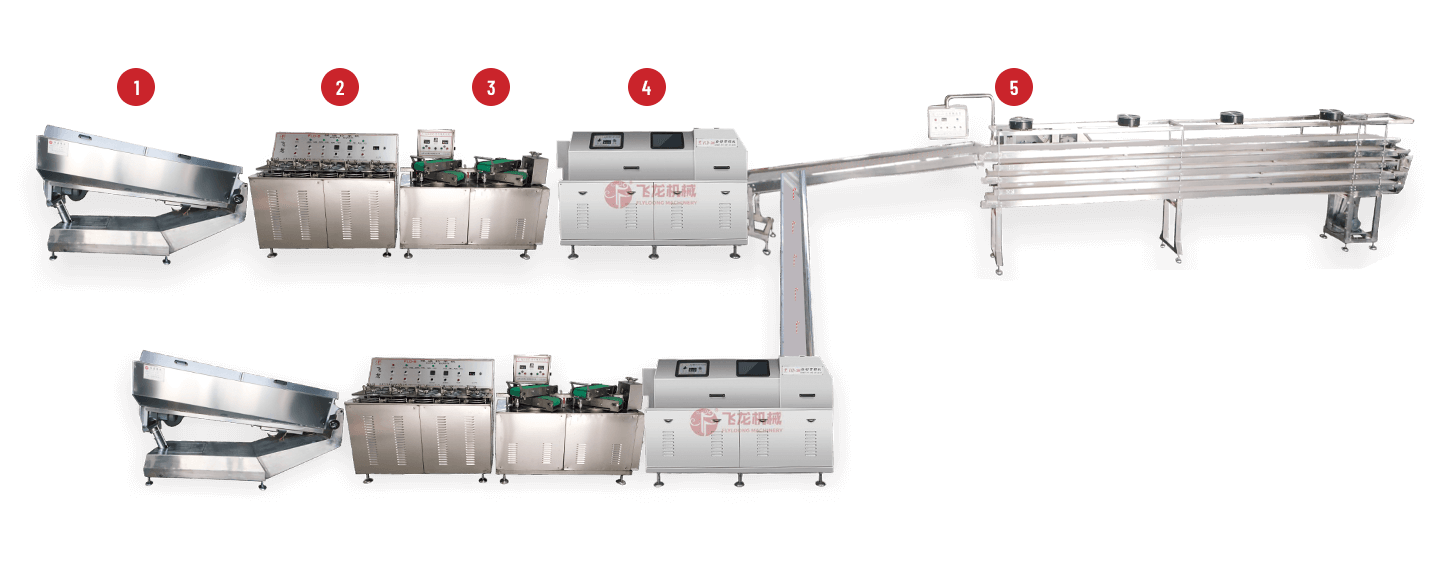
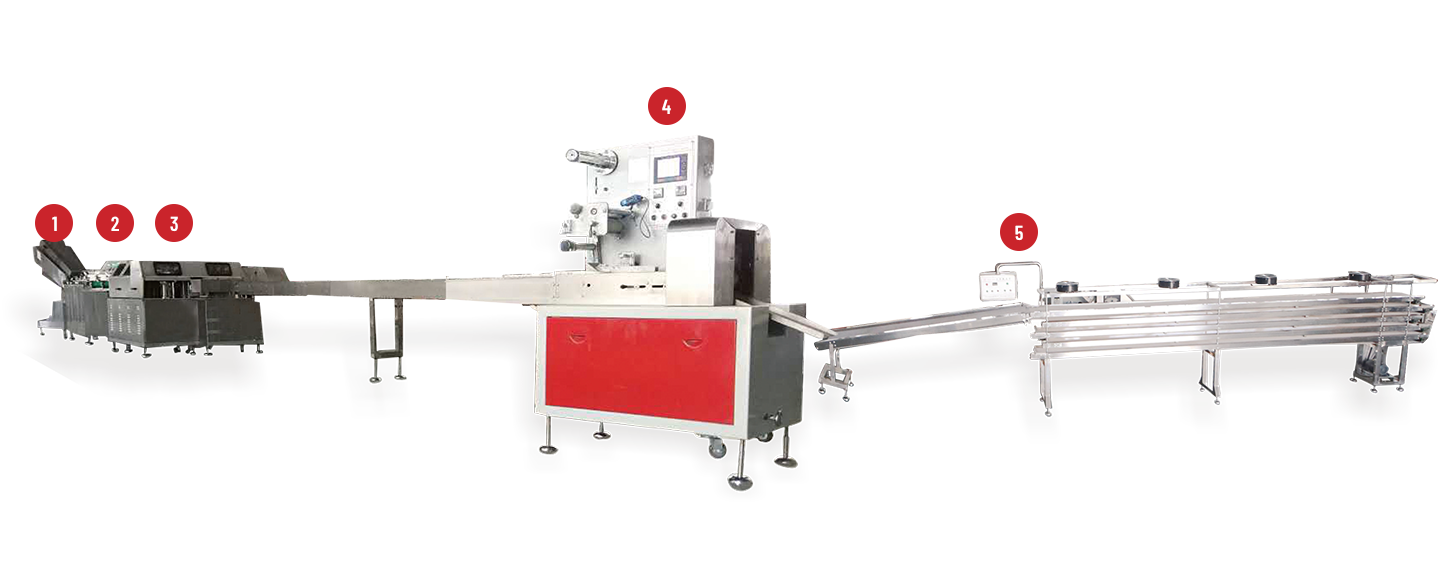
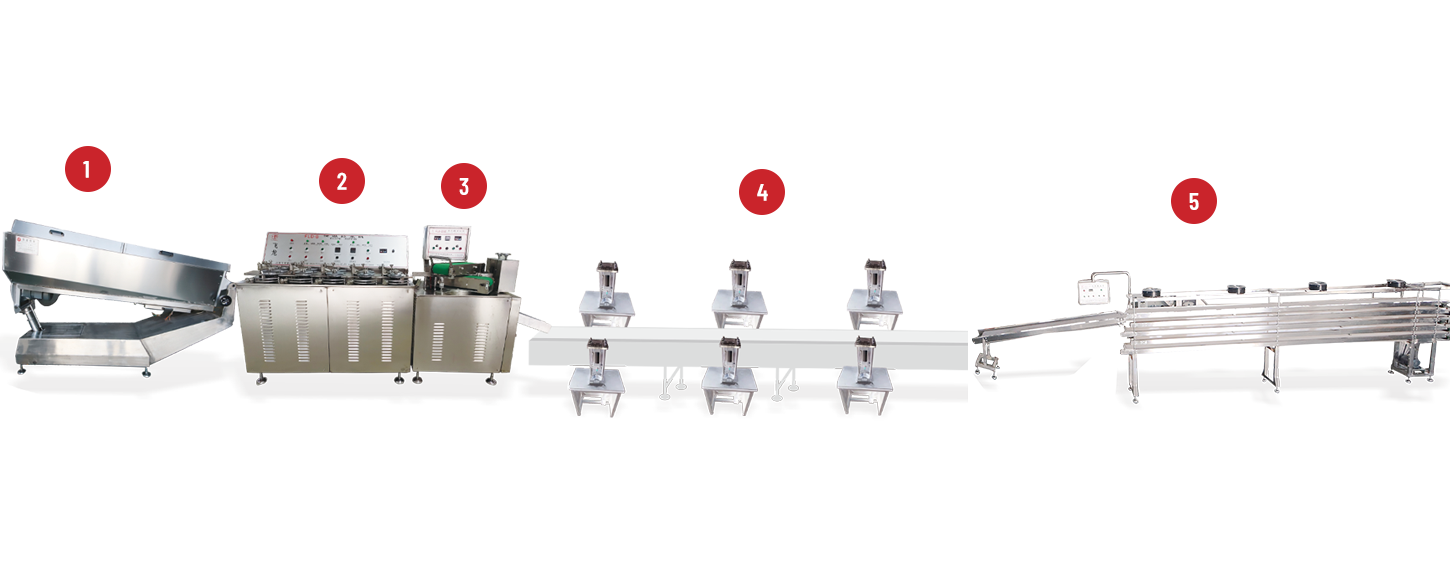
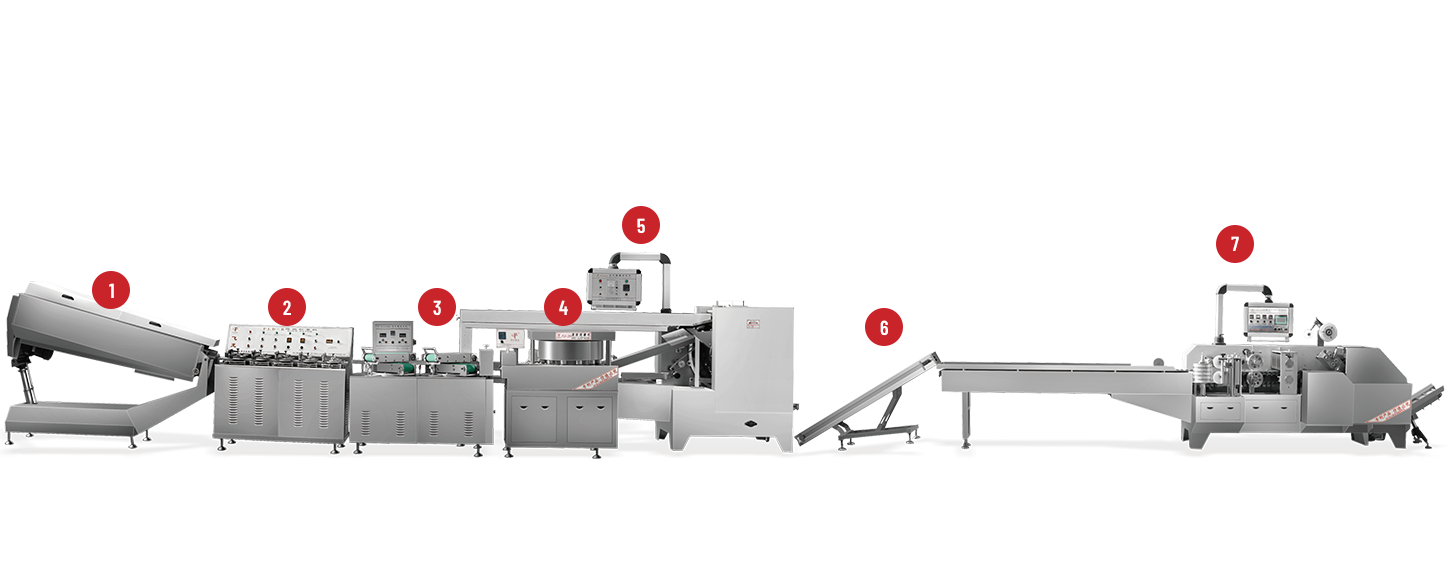
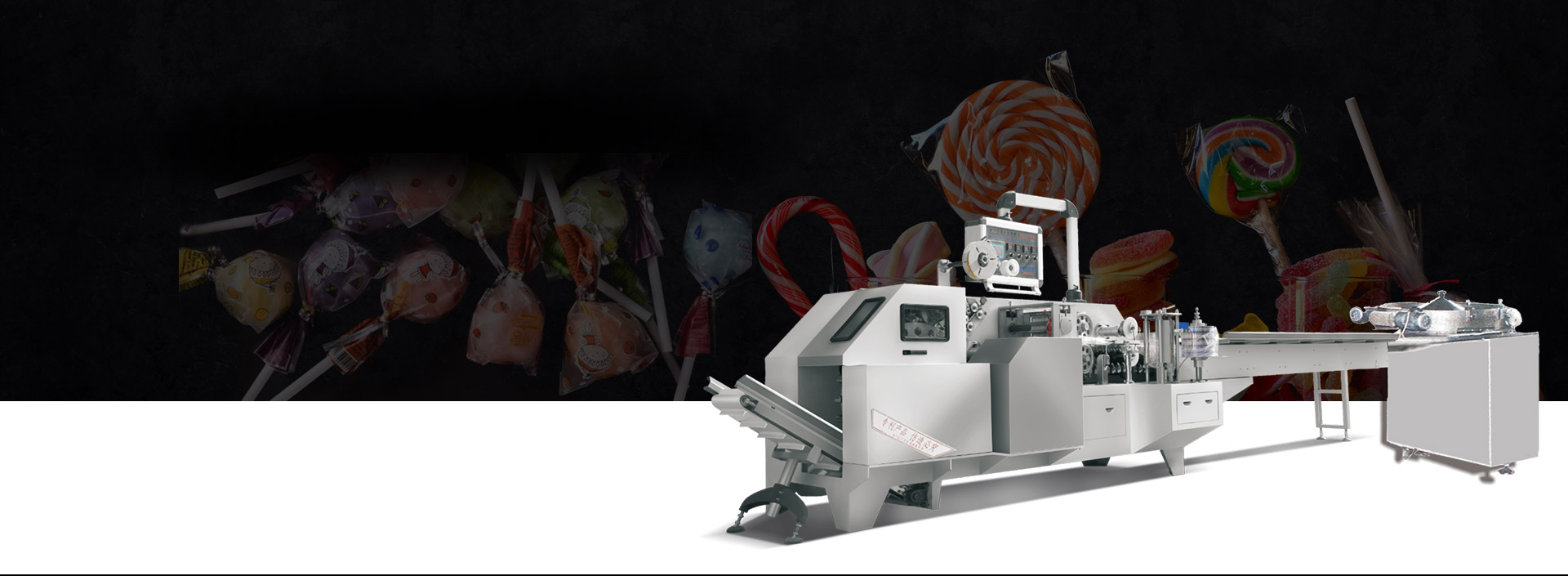
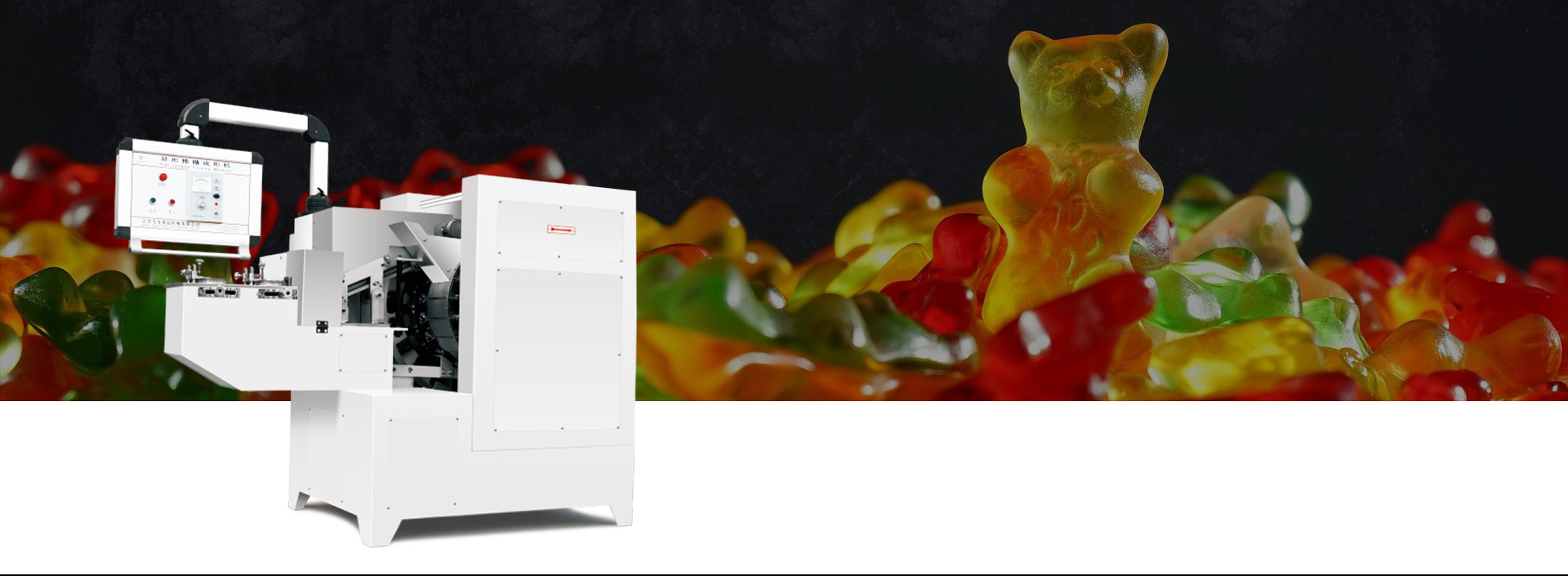
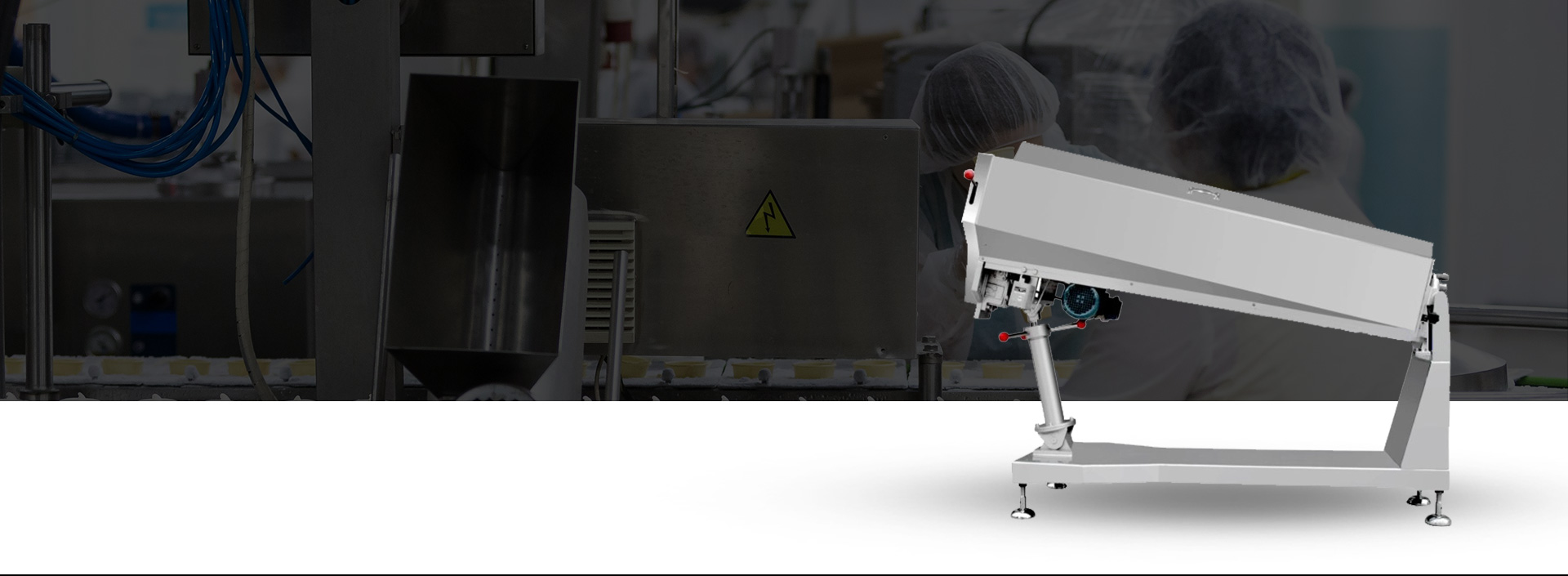
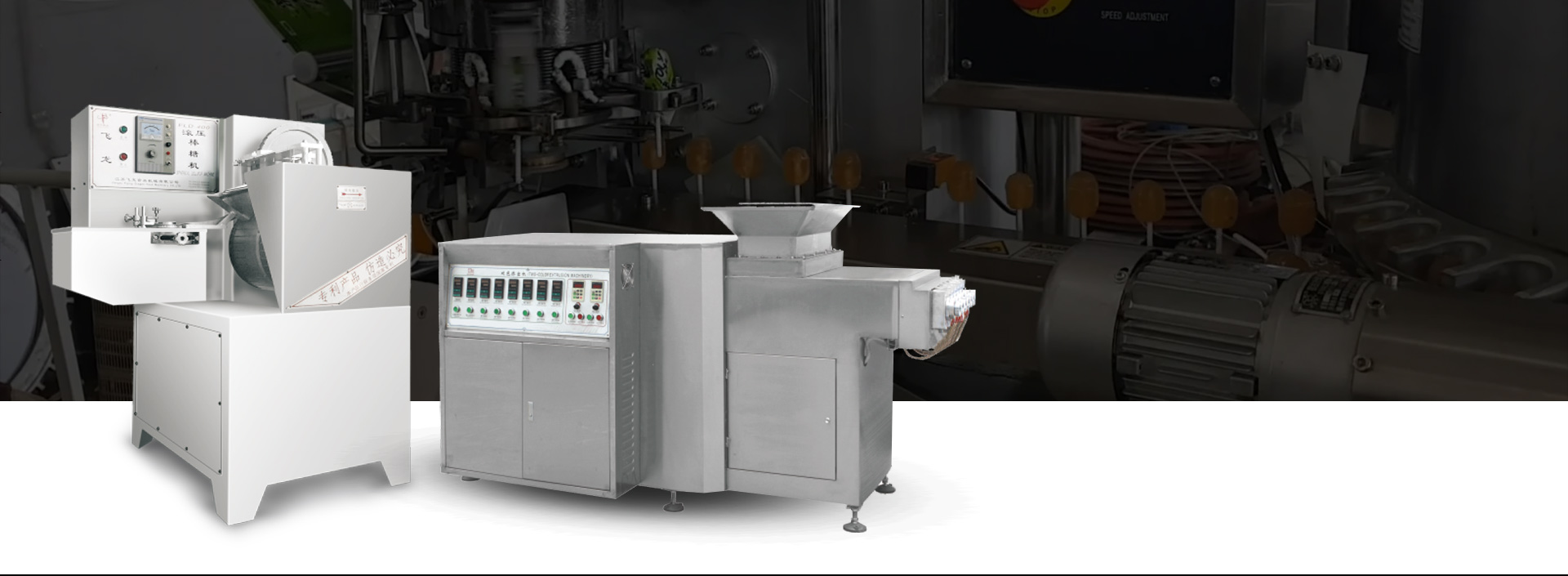
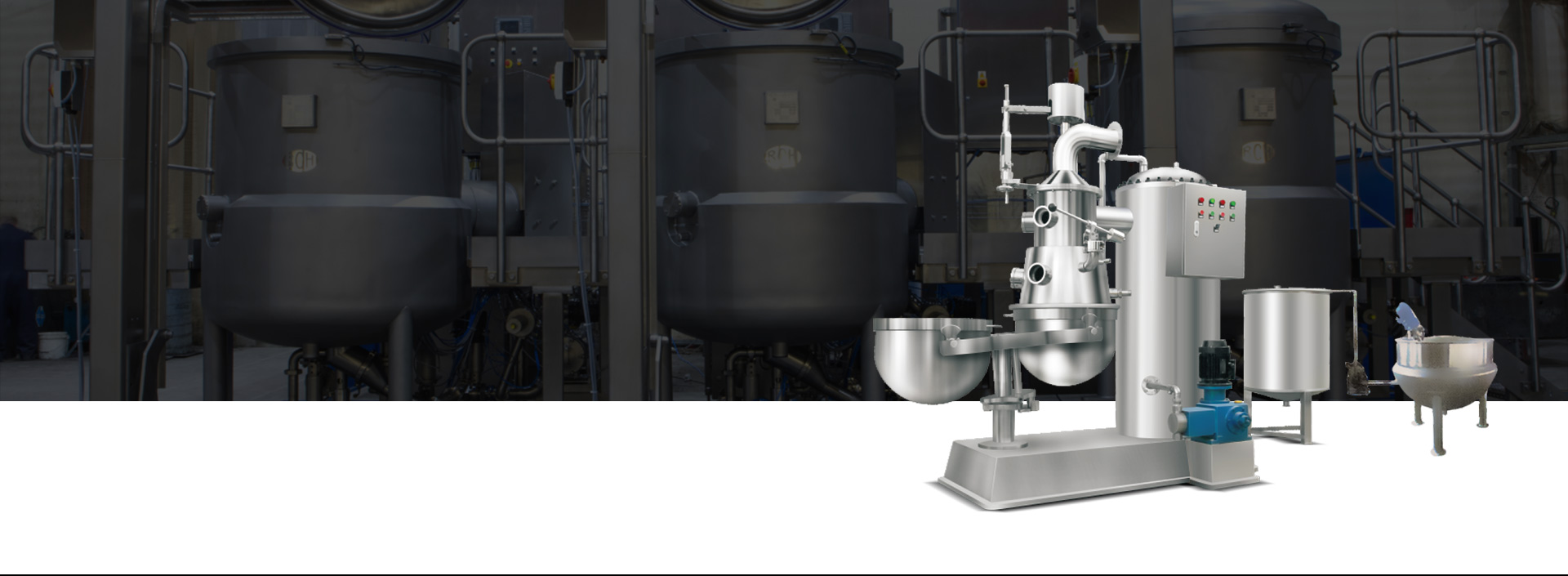
The confectionery world keeps shifting as tastes evolve and manufacturers hunt for smarter ways to churn out the sweets people actually love. Toffee's stuck around as a genuine favorite thanks to its rich flavor and smooth texture, but keeping that quality consistent batch after batch isn't nearly as simple as it sounds. Between quality control, production flow, and market demands that never sit still, manufacturers have plenty on their plate.
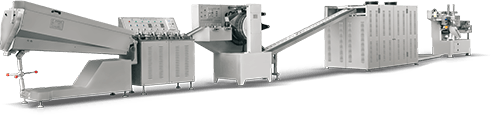
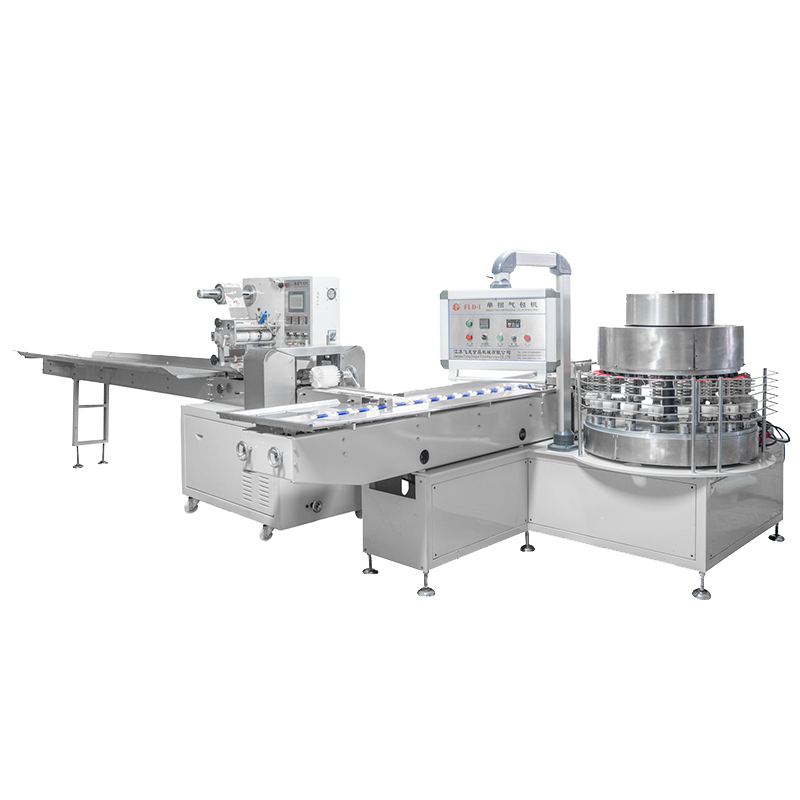
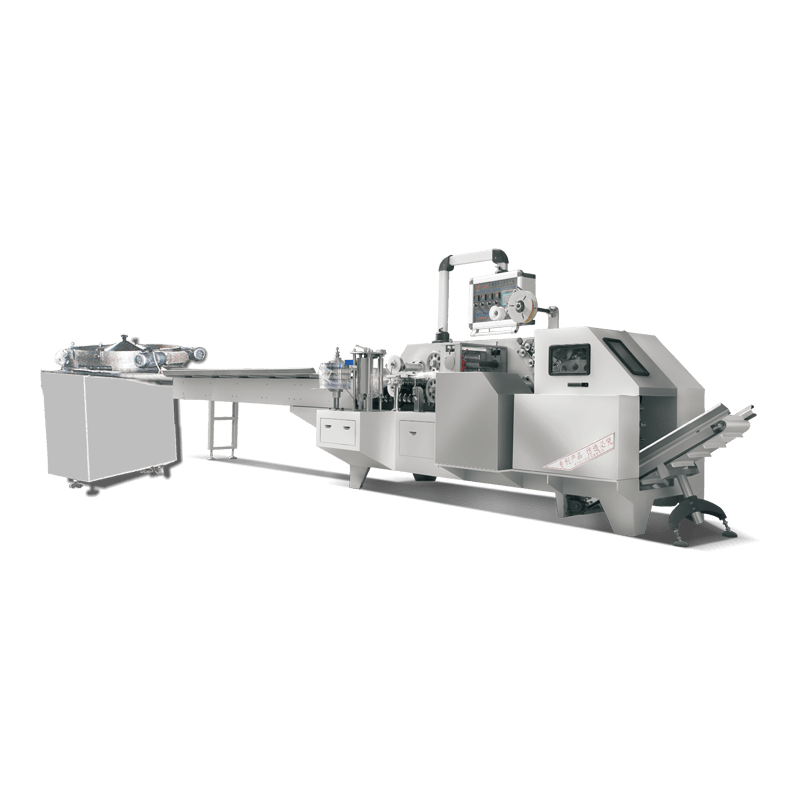
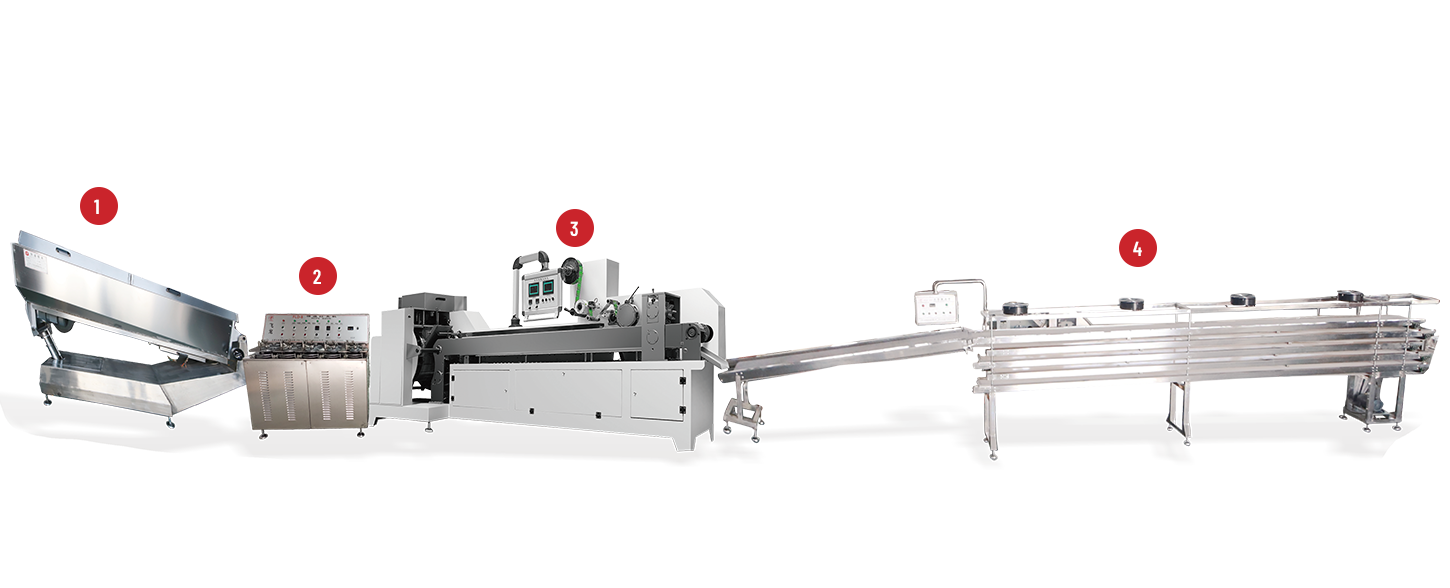
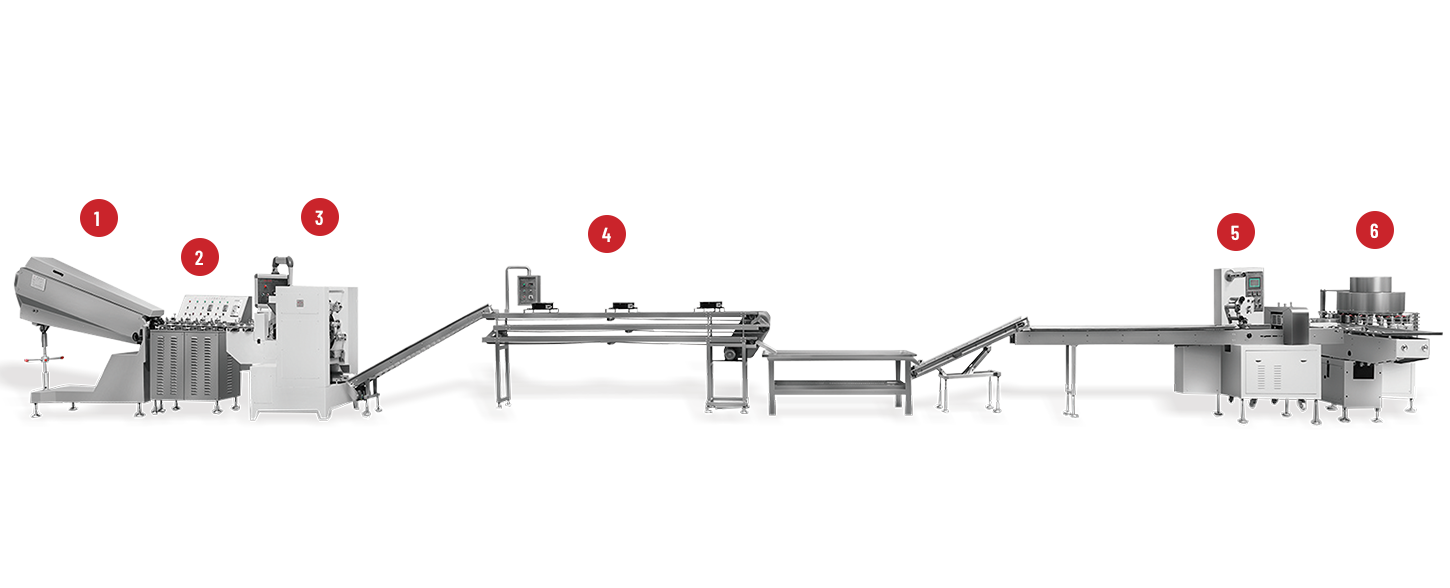
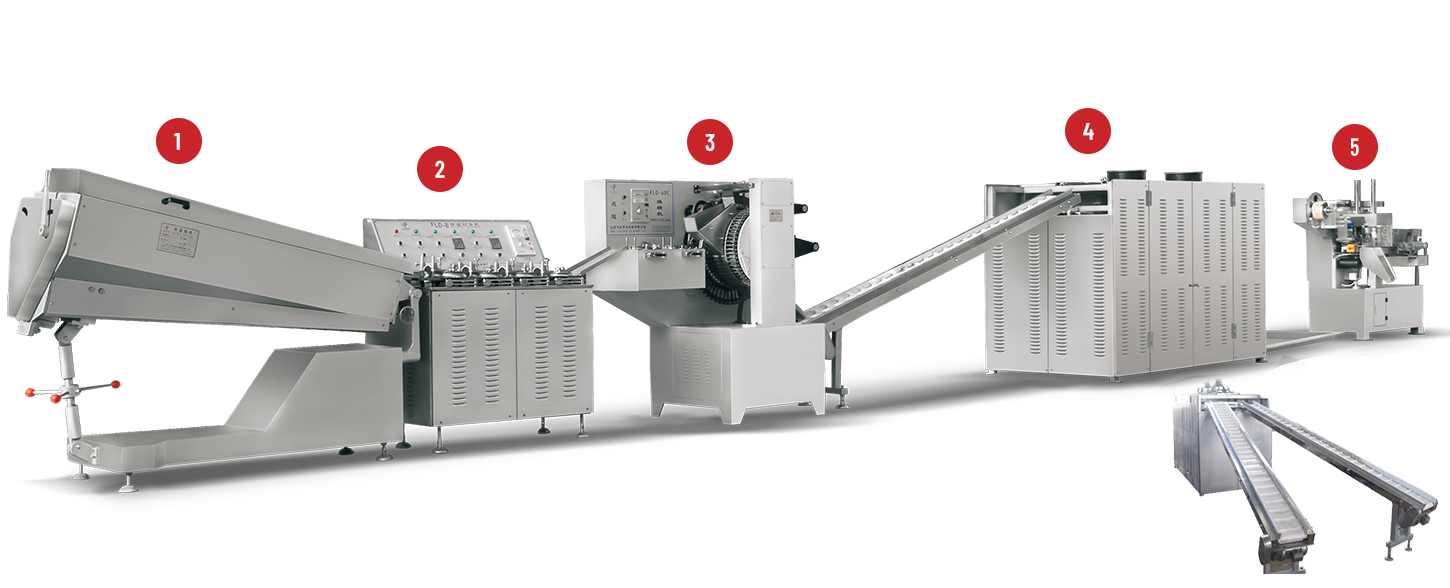
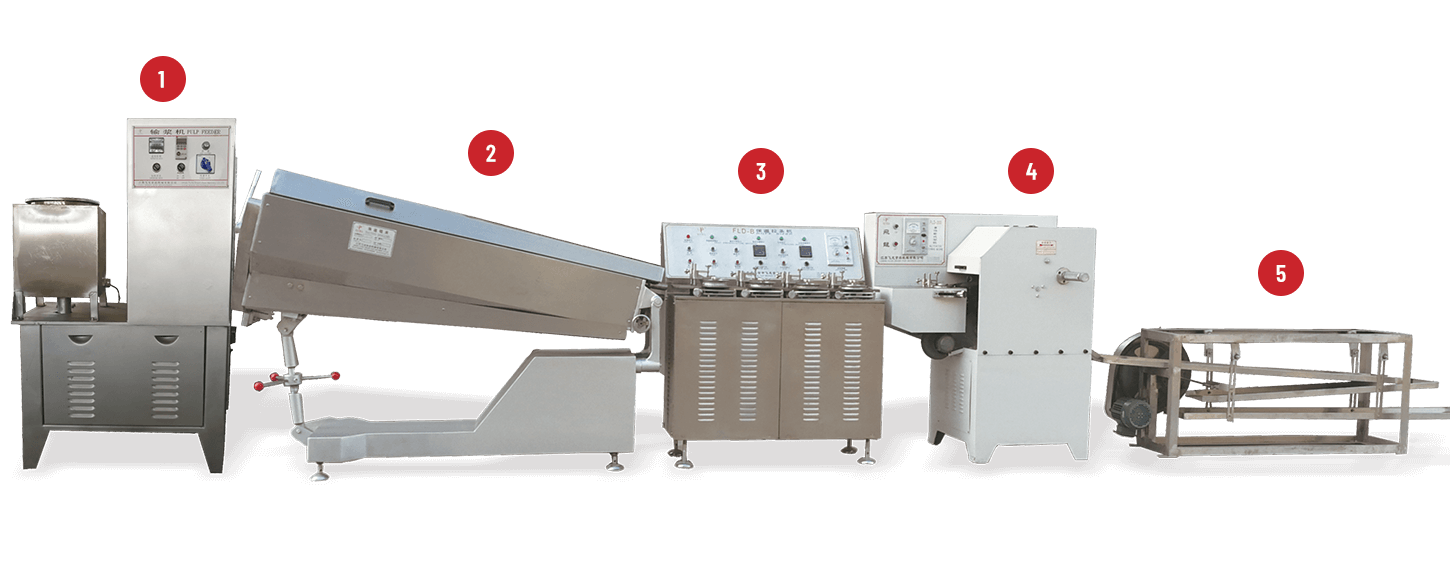
Automatic toffee production line have emerged as a real answer for a lot of candy makers dealing with exactly this. These systems are built to bring more structure to the production process, easing some of the friction that traditional manufacturing methods tend to run into.
As demand keeps growing for convenient, varied confectionery products, manufacturers are paying a lot more attention to equipment that can actually deliver stable operations while still leaving room for creative product development.
Why Are Toffee Manufacturers Facing Production Challenges?
Toffee production runs through multiple stages, and every single one of them can shift the final product in some way. Keeping all of that consistent takes real effort.
Traditional methods tend to lean heavily on manual involvement, and that reliance can make it genuinely hard to keep conditions steady across an entire production run.
A few challenges that show up regularly:
- Keeping product consistency intact batch to batch
- Managing overall production efficiency
- Cutting down on interruptions along the way
- Supporting a wider range of product designs
- Keeping pace with shifting consumer tastes
| Production Challenge | Possible Impact |
|---|---|
| Manual operation differences | May influence product consistency |
| Complex production steps | Requires careful process management |
| Changing market needs | Creates demand for flexible production |
| Large production requirements | Needs better production organization |
These pressures are exactly what's nudging manufacturers toward automated solutions. It's not just about cranking out more candy — it's about building a manufacturing environment that's genuinely smoother and easier to control.
How Can Automatic Toffee Production Lines Support Manufacturing Processes?
Automatic lines pull together different production stages into something a lot more connected, which makes the whole process easier to actually manage day to day.
Compared to fully manual setups, automation cuts down on how much repeated human handling certain stages actually need.
A few areas where this really shows up:
Material preparation — a more organized prep process keeps the whole production flow running a lot smoother.
Candy forming — automated equipment helps produce consistent shapes and appearances run after run, without the small variations manual shaping tends to introduce.
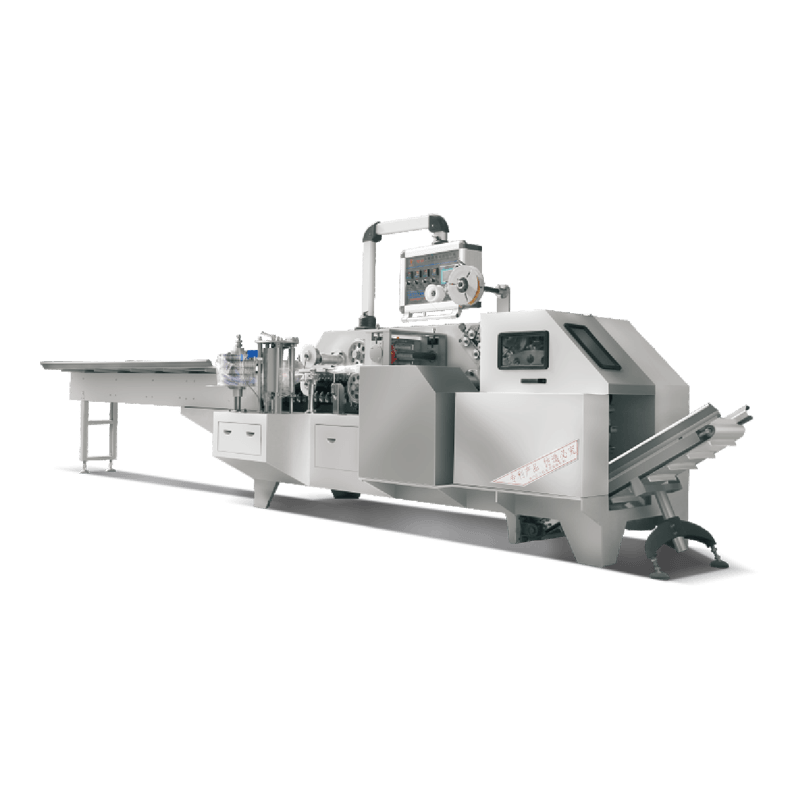
Packaging preparation — a properly connected production line makes it easier to move finished product toward packaging without unnecessary delays.
By tightening up coordination between these stages, automatic lines chip away at a lot of the common headaches manufacturers deal with.
Could Automation Improve Toffee Product Consistency?
Consistency really matters in candy manufacturing. People expect their favorite toffee to look and taste the same every single time they buy it — nobody wants a surprise.
Human operation still plays a genuinely important role in manufacturing, but repetitive tasks tend to get harder to manage consistently the longer a production run goes on.
Automatic lines help here by keeping operations a lot more stable across the board.
That tends to translate into:
- More consistent product shapes
- Better-organized production overall
- Fewer noticeable differences between batches
- Easier monitoring throughout the process
| Automation Support | Production Influence |
|---|---|
| Controlled production steps | Helps maintain stable output |
| Organized workflow | Reduces unnecessary interruptions |
| Repeated task support | Improves process consistency |
Consistency isn't just about how a piece of toffee looks, either. It genuinely shapes consumer confidence and how strongly people associate quality with a specific brand. For manufacturers, keeping that quality steady over time is a real piece of long-term business health.
How Do Automatic Toffee Production Lines Reduce Labor Challenges?
Labor management is its own genuine headache in confectionery production. A lot of tasks demand the same repeated motion over and over, and that repetition can pile up into real workload and management strain.
Automatic lines take a lot of that repetitive work off workers' plates, freeing people up to focus on things like production oversight, quality checks, and other tasks that actually need human judgment.
Automation tends to ease:
- Repetitive manual labor
- Overall production pressure
- Workflow interruptions
- Inconsistencies between different operators
That said, automation doesn't sideline workers — skilled employees are still essential for running equipment, monitoring conditions on the floor, and pushing product improvements forward. The real story here is people and machines working together, and that partnership has become a genuinely important part of modern candy manufacturing.
Are Automatic Toffee Production Lines More Flexible for Product Development?
The candy market never really sits still. People keep chasing new flavors, new shapes, new packaging styles, and manufacturers need equipment that can actually keep up with that appetite for variety without sacrificing efficiency.
Automatic toffee lines offer real flexibility here, supporting a wide range of production needs at once.
Manufacturers tend to lean on this flexibility to explore:
Different product shapes — varied candy appearances help build out genuinely distinct product lines.
Different production styles — flexible equipment makes it easier to shift manufacturing plans when needed.
New product ideas — better production support lets manufacturers test out creative concepts a lot more easily than rigid, manual setups would allow.
This flexibility matters precisely because the confectionery market keeps moving. Consumer interest shifts constantly, and manufacturers need a way to respond quickly rather than lagging behind.
Can Automatic Production Lines Improve Factory Management?
Factory management spans a lot of ground — production planning, material use, workflow organization, quality control, all of it tangled together.
Automatic toffee lines help pull these different pieces into much better coordination.
A more organized production setup tends to help manufacturers:
- Get a clearer read on production progress in real time
- Arrange workflows more effectively
- Cut down on unnecessary production headaches
- Improve communication across different departments
Good factory management was never just about churning out more product. It's about building a stable environment where quality and efficiency can actually grow together, rather than one getting sacrificed for the other. Automation hands manufacturers real tools to manage those modern production challenges.
What Role Does Automation Play in the Future of Toffee Manufacturing?
The confectionery industry keeps drifting toward more flexible, well-organized production methods. As customer expectations keep evolving, manufacturers need equipment that can actually keep pace with new demands as they come up.
Automatic toffee lines look set to play a genuinely important part in where manufacturing heads next.
A few trends worth watching:
| Development Direction | Possible Influence |
|---|---|
| More flexible equipment | Supports different product demands |
| Better production management | Helps improve workflow |
| More automated operations | Reduces repeated manual tasks |
| Improved adaptability | Supports market changes |
Manufacturers aren't just shopping for machines that make candy anymore. They're looking for genuine solutions that help them navigate production challenges in a market that keeps shifting under their feet. Automation is turning into a real bridge between what production actually needs and what consumers actually expect.
Should Candy Manufacturers Consider Automatic Toffee Production Lines?
Choosing production equipment always comes down to a lot of specific factors — every manufacturer has different goals, different production plans, different market pressures to deal with.
Before committing to an automatic toffee line, it's worth thinking through:
Production goals — get clear on what kind of products you're actually trying to make and whether the equipment genuinely supports that vision.
Product variety — think honestly about whether flexibility across different product designs is something you'll actually need.
Factory conditions — make sure available space and existing workflow actually match what the equipment requires.
Long-term development — equipment choices should support where the business is headed, not just where it is right now.
Automatic production lines aren't simply a swap-in replacement for traditional methods. They represent a genuinely different way of thinking about how production gets managed from the ground up.
How Are Automatic Toffee Production Lines Changing Candy Manufacturing?
The rise of automatic toffee production lines mirrors bigger shifts happening across the confectionery industry as a whole. Manufacturers keep searching for ways to build better production environments while still keeping pace with what consumers actually want.
Automation genuinely helps tackle challenges tied to consistency, workflow, labor, and product flexibility — all at once, rather than addressing them in isolation.
As candy markets keep evolving, production equipment is going to keep playing a central role in helping manufacturers adapt. Automatic toffee production lines open up real possibilities for companies chasing a more organized, more flexible way of getting toffee from raw ingredients to store shelves.
 +86-(0)515-8465666
 +86-(0)515-85566996
 +86-138 1559 9708
 flyloong@flyloongcn.com
 Home
Home