

 ENG
ENG
 English
 中文简体
中文简体 русский
 Français
 Español
 عربى
عربى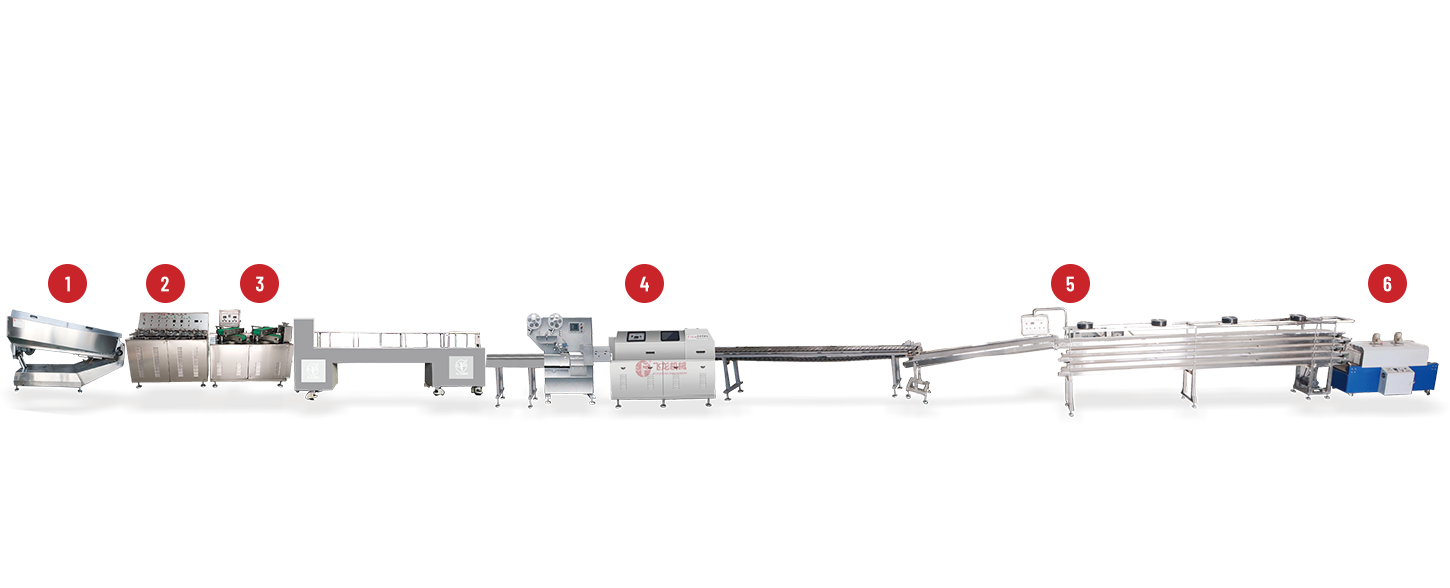
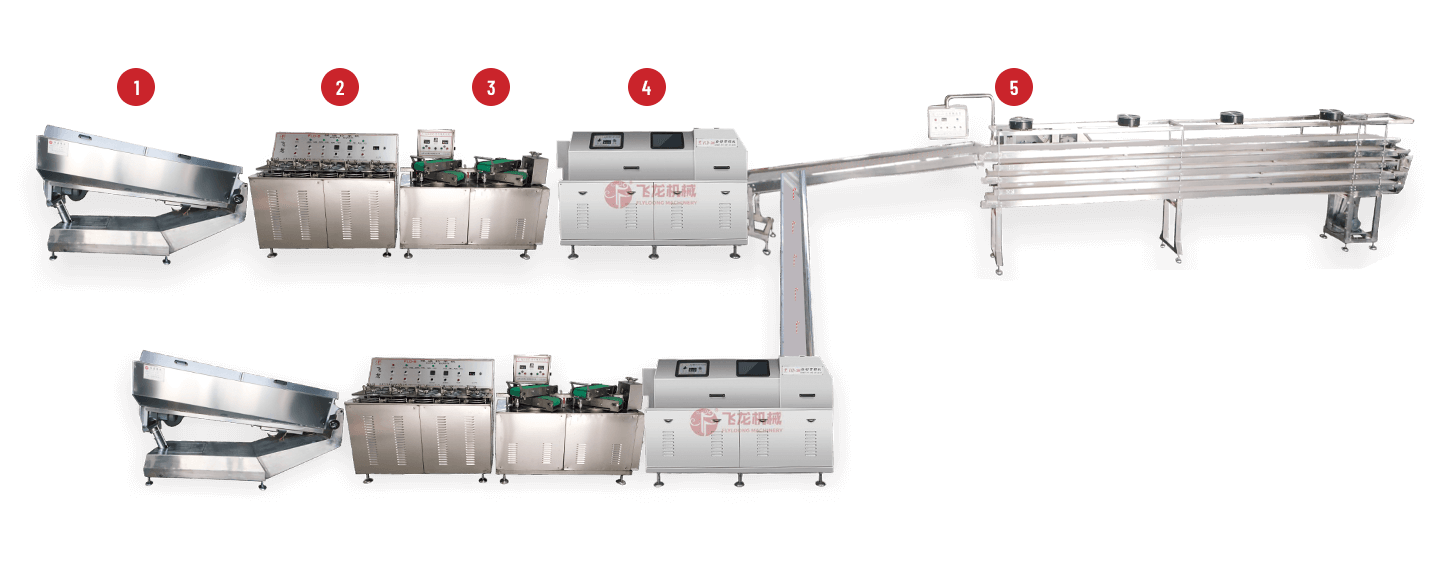
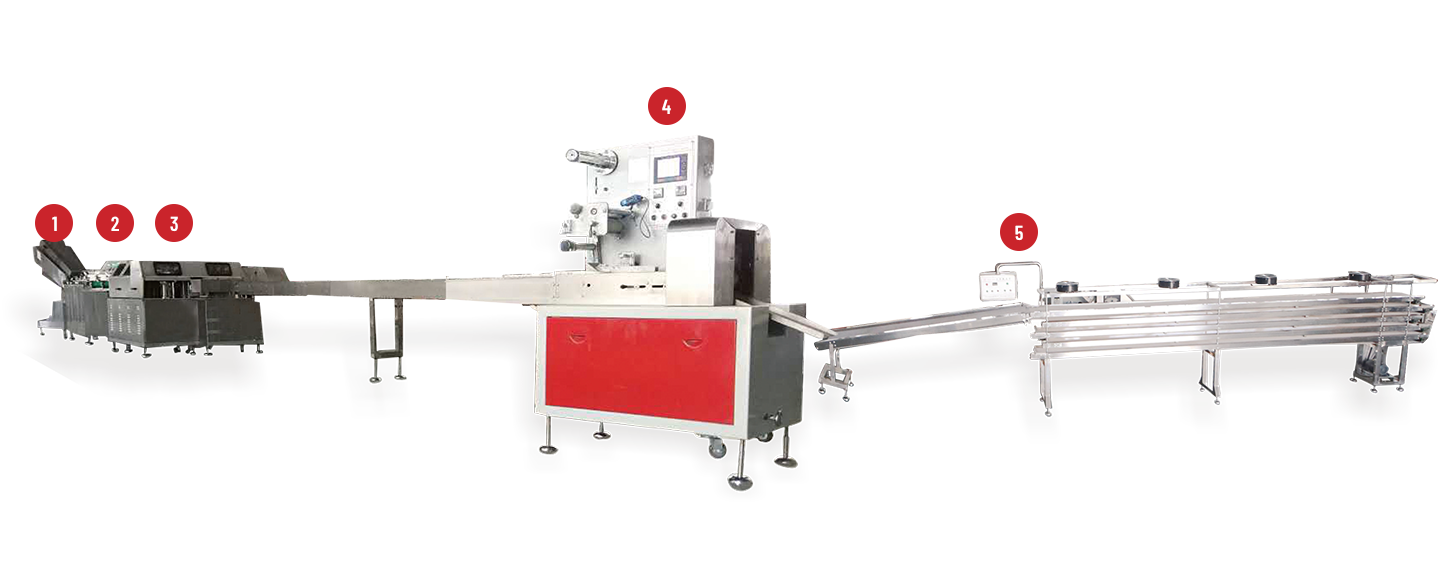
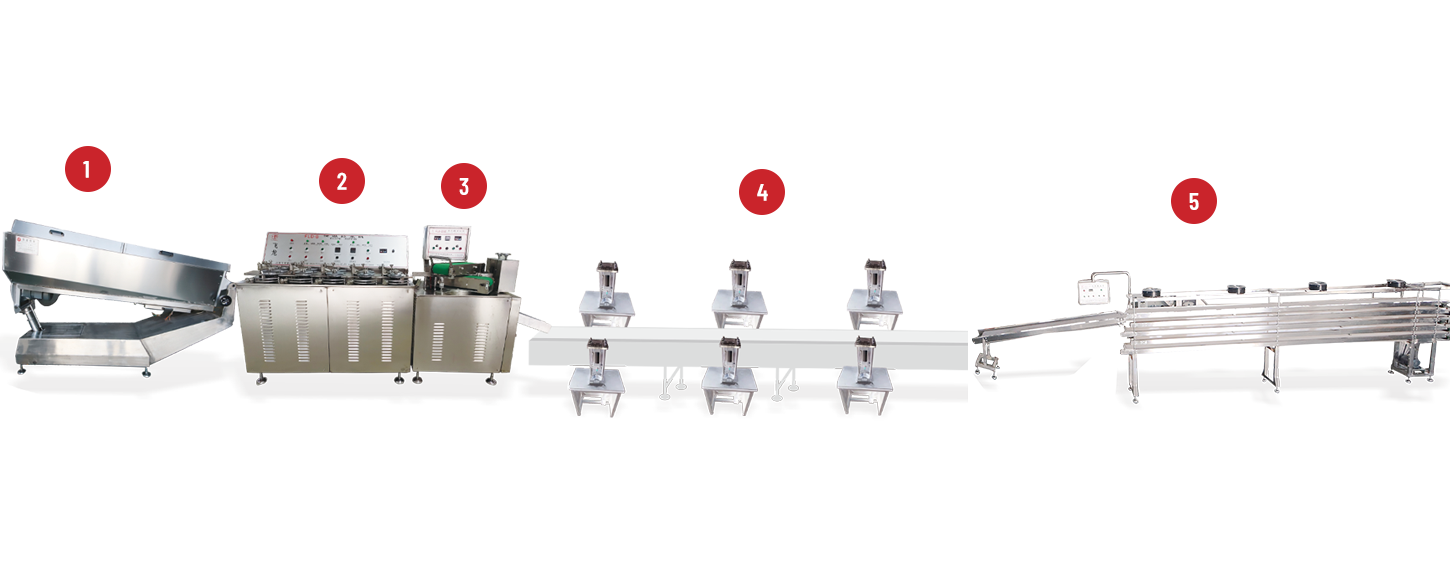
Why Choosing the Right Deposit Jelly Machine Matters
In jelly production, many decisions are made before the first batch is ever produced. Recipes are tested, molds are discussed, packaging ideas are planned. The deposit jelly machine is often selected somewhere in the middle of this process. At that moment, it may seem like just another piece of equipment. In reality, this choice influences daily production far more than most people expect.
What makes this decision difficult is that the results are not always immediate. A machine can appear usable during early operation, yet small problems may slowly build up. Weeks later, teams begin to notice repeated adjustments, uneven results, or growing pressure during production runs. By then, the cause is harder to trace back to the original equipment choice.
Understanding why this decision matters helps avoid these long term issues before they become part of daily routine.
Daily Production Is Shaped by the Depositing Stage
Depositing sits at the center of the jelly production process. It connects cooking, molding, cooling, and packaging. If this step does not run smoothly, other stages feel the impact.
In real factories, problems often appear in simple ways:
- Operators need to stop the line to correct filling behavior
- Mold rows do not look the same after depositing
- Production speed changes from batch to batch
- Extra attention is needed just to keep things moving
These situations are rarely dramatic. They feel manageable at first. However, when they happen every day, they affect how people work and how reliable the schedule becomes.
A deposit jelly machine that fits actual production needs allows the line to run with fewer interruptions. Operators spend less time reacting and more time monitoring. This creates a calmer and more predictable working rhythm.
Consistency Is Not Only About Appearance
Jelly products are judged quickly. Shape, size, and surface condition are noticed immediately by buyers and consumers. These qualities are set during depositing.
When depositing is stable, products from the same batch look similar. This makes cooling, demolding, and packing easier to manage. When depositing varies, later steps must compensate, often through manual sorting or additional checks.
Over time, small differences can create larger concerns. Inconsistent products may raise questions about process control, even if the recipe itself has not changed. Choosing the right deposit jelly machine helps reduce this risk by supporting uniform filling from the start.
Material Loss Often Starts Small
Material waste during depositing is easy to overlook. Dripping, overflow, or incomplete filling may only involve small amounts each time. But repeated across many cycles, these losses add up.
A machine that handles material flow smoothly helps reduce this problem. Stable depositing means:
- Less residue left behind
- Fewer spills that require cleaning
- More predictable yield from each batch
When material usage becomes more predictable, purchasing and inventory planning also become easier. This improves cost awareness without adding extra control steps.
How Equipment Choice Affects Workflow
Depositing does not work alone. Its timing affects how other parts of the line behave. If depositing is irregular, cooling tunnels may wait, or packaging teams may need to adjust unexpectedly.
| Production Aspect | Better Equipment Fit | Poor Equipment Fit |
|---|---|---|
| Line rhythm | Stable and planned | Frequently adjusted |
| Operator workload | Monitoring focused | Constant intervention |
| Coordination | Predictable | Reactive |
| Scheduling | Easier to manage | Often revised |
When equipment fits the intended workflow, departments work together more smoothly. When it does not, coordination becomes a daily challenge.
Long Term Costs Are Not Always Obvious
The initial purchase price of a machine is clear. Long term cost is less visible. Extra cleaning time, repeated small stoppages, and higher labor involvement may not stand out at first.
These issues often show up as:
- Longer preparation before each run
- More effort required to maintain hygiene
- Dependence on experienced operators to keep things stable
Over months, these patterns increase operating pressure. Choosing the right deposit jelly machine early helps prevent these slow building costs.
Flexibility Matters in Real Markets
Jelly products change. New shapes appear. Seasonal items are introduced. Formulations are adjusted. Depositing equipment plays a key role in how easily these changes can be handled.
A machine that allows different molds or tolerates varied material behavior gives teams more room to adapt. This makes product development less stressful and reduces disruption to existing production.
When flexibility is limited, teams may avoid changes simply to protect stability. Over time, this limits growth. Choosing adaptable equipment supports change without forcing major adjustments.
Operators Are Part of the System
Even with automation, people remain central to production. Equipment behavior influences how operators work and how confident they feel.
Machines that behave predictably allow operators to develop routine. Machines that require constant correction increase fatigue and raise the chance of mistakes.
Benefits of operator friendly equipment include:
- Easier training
- More consistent shift performance
- Less reliance on individual experience
When processes are easier to understand, production becomes more stable across different teams and schedules.
Hygiene and Cleaning Are Easier With the Right Fit
Cleanliness is essential in jelly production. Depositing equipment that supports practical cleaning routines helps maintain hygiene without extending downtime.
Machines that are difficult to clean may lead to:
- Longer cleaning periods
- Inconsistent sanitation routines
- Higher pressure before production restarts
Equipment that aligns with realistic cleaning practices allows sanitation to become part of normal scheduling rather than an obstacle.
Planning Depends on Predictable Performance
Production planning relies on trust. When depositing runs consistently, output forecasts become more reliable. This helps with storage, logistics, and delivery coordination.
Unpredictable equipment forces teams to adjust schedules frequently. This creates pressure across departments and reduces confidence in planning.
Choosing the right deposit jelly machine supports steady performance, which in turn supports reliable planning and smoother coordination.
Common Outcomes When the Choice Is Not Right
Factories that select unsuitable depositing equipment often face similar challenges over time:
- Gradual increase in waste
- Longer setup and cleaning periods
- Higher dependence on manual adjustment
- Difficulty introducing new products
- Frequent schedule changes
These issues rarely appear all at once. They grow slowly, which makes them harder to correct later.
A Practical View of Equipment Selection
Choosing a deposit jelly machine is not just a technical step. It is a practical decision that affects people, processes, and planning. The right choice supports stability, flexibility, and clear routines.
When equipment fits production reality, teams spend less time fixing problems and more time focusing on quality and consistency. This creates a stronger foundation for long term operation.
Understanding why this decision matters helps manufacturers make choices that support steady production rather than short term convenience.
Key Technical Factors to Evaluate
After understanding why choosing the right deposit jelly machine matters, the next step is knowing what to look at during evaluation. In real production environments, technical factors are rarely judged in isolation. What seems acceptable during a brief test may feel very different after several weeks of continuous operation.
Many production teams only realize this later. The machine works, products come out, yet something feels difficult. Operators make frequent adjustments. Cleaning takes longer than expected. Small delays appear between batches. None of these problems are serious on their own, but together they increase pressure on daily work.
Evaluating technical factors is therefore less about checking boxes and more about understanding how a machine behaves during ordinary production days.
Depositing Stability Comes Before Speed
One of the first things noticed during operation is how stable the depositing process feels. Stability here means whether the machine delivers material in a consistent way from the start of a run to the end.
In factories, unstable depositing often shows up quietly:
- Early molds look different from later ones
- Operators adjust settings several times per shift
- Filling behavior changes without recipe changes
These signs do not always stop production, but they require attention. Over time, this attention turns into habit. Operators expect variation and compensate for it. That compensation becomes part of daily work.
A machine worth considering is one that allows operators to observe rather than constantly correct. Stability reduces mental load and helps production remain predictable.
Temperature Behavior Is Observed, Not Calculated
Temperature is often discussed in technical terms, but on the production floor it is felt rather than measured. Operators notice when material flows smoothly and when it suddenly behaves differently.
When temperature management during depositing is inconsistent, several things may happen:
- Material becomes harder to control
- Residue increases inside the system
- Cleaning becomes more demanding
Rather than focusing on numeric control, many experienced teams pay attention to how often adjustments are needed. A stable system allows long runs without repeated intervention. This is often more valuable than theoretical precision.
Hopper Interaction Affects More Than Feeding
The hopper is sometimes treated as a simple container. In practice, its interaction with material influences how smoothly production runs.
Poor hopper interaction may lead to:
- Uneven feeding into the depositing system
- Material sticking along inner surfaces
- Extra manual stirring during operation
These issues increase operator involvement. Over time, they also increase cleaning effort. A practical hopper design supports natural material movement and reduces unnecessary handling.
When evaluating equipment, observing how material behaves inside the hopper during normal operation provides useful insight.
Mold Handling Shapes Daily Flexibility
Molds are changed more often than many planners expect. New shapes, seasonal products, or small design updates all require adjustments.
From a technical perspective, mold handling should feel routine rather than disruptive. In real production, challenges often appear as:
- Longer setup time between batches
- Difficulty aligning molds consistently
- Increased trial runs after changes
When mold handling is complicated, teams may avoid change to protect stability. Equipment that allows molds to be positioned and removed easily supports flexibility without adding stress.
Production Rhythm Matters More Than Maximum Output
A common mistake during evaluation is focusing on how fast a machine can operate. Speed alone does not determine efficiency.
Production rhythm reflects how well the depositing stage fits with cooking, cooling, and packaging. When rhythm is off balance, teams experience waiting or rushing.
Signs of poor rhythm alignment include:
- Cooling systems sitting idle
- Operators adjusting pace to avoid overflow
- Packaging teams waiting for consistent supply
Machines that support steady rhythm help departments work together naturally. This reduces coordination effort and supports more reliable scheduling.
Cleaning Is Part of Every Working Day
Cleaning is not an occasional task. It happens every day, sometimes several times a day. Equipment design strongly affects how cleaning fits into production planning.
In practice, cleaning related issues include:
- Hard to reach areas where residue collects
- Unclear cleaning steps that vary by operator
- Longer downtime than expected between runs
A machine that supports straightforward cleaning allows sanitation to become routine rather than disruptive. When cleaning time is predictable, scheduling becomes easier and hygiene practices remain consistent.
Operator Experience Shapes Machine Performance
Even automated machines depend on human interaction. Setup, monitoring, and cleaning all involve people. Equipment that works well on paper may feel demanding in practice.
From an operator perspective, useful equipment shows:
- Clear responses to adjustments
- Predictable behavior during operation
- Simple routines that are easy to remember
When machines require constant attention, training becomes longer and performance varies between shifts. Equipment that supports clear routines helps maintain consistency even when staff changes.
Adaptability Supports Product Changes
Product variation is common in jelly production. Formulations change. Shapes evolve. New ideas are tested.
Equipment adaptability affects how smoothly these changes happen. In flexible systems:
- Small adjustments do not disrupt the whole line
- Trial products can be tested with less risk
- Teams feel more confident introducing change
Limited adaptability often leads to hesitation. Production teams may delay new products simply because adjustments feel risky. Evaluating how equipment handles variation helps protect future development.
Stability During Long Runs Reveals Real Behavior
Short tests rarely tell the full story. Many issues appear only after hours of continuous operation.
During longer runs, teams may notice:
- Gradual changes in filling behavior
- Increased need for cleaning later in the shift
- Operator fatigue caused by repeated corrections
Equipment that behaves consistently throughout the day supports steady output and reduces stress. Observing performance over time provides more useful information than brief demonstrations.
Integration With Existing Workflow
No machine works alone. Depositing equipment must fit into the existing production environment.
Integration challenges often involve:
- Line layout constraints
- Operator movement around the machine
- Coordination with upstream and downstream stages
When equipment fits naturally into the workflow, fewer workarounds are needed. This supports smoother adoption and reduces disruption during installation.
Maintenance Should Be Predictable
Maintenance is inevitable. What matters is whether it can be planned.
Practical maintenance evaluation focuses on:
- Ease of inspection
- Clarity of routine tasks
- Accessibility during daily checks
When maintenance requirements are predictable, unexpected downtime becomes less frequent. This supports stable production planning.
Technical Factors Seen as a Whole
Each technical factor influences others. Depositing stability affects cleaning. Temperature behavior affects material flow. Mold handling affects scheduling.
Evaluating these elements together helps decision makers understand how the machine will behave in daily use rather than ideal conditions.
| Area to Observe | Daily Impact |
|---|---|
| Depositing behavior | Product consistency |
| Temperature stability | Flow reliability |
| Hopper interaction | Waste control |
| Mold handling | Changeover speed |
| Cleaning routine | Downtime management |
| Operator interaction | Training stability |
| Adaptability | Product development |
| Long run behavior | Planning reliability |
Avoiding Common Evaluation Traps
During evaluation, some traps appear frequently:
- Judging performance only during short tests
- Ignoring operator workload
- Overlooking cleaning effort
- Assuming current products will never change
Being aware of these traps helps teams make more balanced decisions.
Technical Evaluation as a Practical Process
Technical evaluation works best when grounded in daily production reality. Instead of focusing on features, it is useful to imagine ordinary workdays.
Questions that often clarify decisions include:
- Will this reduce daily adjustments
- Can it support change without disruption
- Does it fit how the team already works
These questions connect technical factors with real operation.
Building Long Term Stability Through Careful Evaluation
Choosing a deposit jelly machine involves many technical considerations, but the goal remains simple. The machine should make daily work easier, not harder.
When technical factors align with production reality, teams gain confidence. Processes become more stable. Planning becomes clearer.
Evaluating technical factors in this practical way helps manufacturers choose equipment that supports steady operation over time rather than short term convenience.
Common Mistakes When Choosing a Deposit Jelly Machine
After reviewing technical factors, many production teams assume the hardest part is over. In reality, mistakes are often made not because information is missing, but because decisions are rushed or based on incomplete understanding. These mistakes rarely cause immediate failure. Instead, they quietly shape daily production in ways that become harder to change later.
What follows is not a list of dramatic errors, but a collection of patterns commonly seen across jelly production facilities. These mistakes appear reasonable at the time. Only after weeks or months of operation do their effects become clear.
Mistake One. Focusing on Purchase Cost Instead of Daily Use
One of the most common mistakes is placing too much weight on the initial purchase cost. Budget considerations are necessary, but cost alone does not reflect how equipment behaves during daily operation.
In many factories, this mistake shows up as:
- Higher labor involvement than expected
- Longer preparation before each run
- Frequent adjustments during production
What seemed economical at the beginning may require more attention every day. Over time, this extra effort becomes part of routine work, increasing operating pressure without being clearly linked back to the original decision.
Evaluating cost without considering daily workload often leads to choices that look efficient on paper but feel demanding in practice.
Mistake Two. Assuming One Machine Fits All Products
Jelly products vary widely. Texture, flow behavior, shape, and cooling requirements differ from one product to another. A common assumption is that a single deposit jelly machine can handle every variation without difficulty.
In reality, problems begin when:
- New formulations behave differently during depositing
- Mold designs change and require adjustment
- Product size or appearance standards shift
When equipment lacks adaptability, teams may avoid product changes simply to maintain stability. This limits development and slows response to market needs.
Choosing equipment without considering reasonable product variation often leads to rigidity rather than flexibility.
Mistake Three. Underestimating Cleaning and Changeover Time
Cleaning is sometimes treated as a secondary concern during evaluation. The focus stays on production output, while sanitation is assumed to be manageable.
In practice, cleaning affects:
- Daily schedules
- Shift handover timing
- Consistency of hygiene routines
When cleaning takes longer than expected, pressure builds between batches. Teams may rush or delay tasks, leading to uneven routines.
Machines that are difficult to clean do not always appear problematic during short demonstrations. The issue becomes clear only when cleaning repeats every day. Underestimating this factor is one of the most frequent sources of frustration in real production environments.
Mistake Four. Judging Performance Only During Short Tests
Short trials rarely reflect long term behavior. Many machines perform smoothly during initial demonstrations or brief test runs.
Issues often emerge later, such as:
- Gradual change in depositing behavior
- Increased residue buildup during extended runs
- Greater need for adjustment near the end of shifts
Relying only on short evaluations can hide these patterns. Production reality involves repetition, fatigue, and extended operation. Decisions based solely on brief tests may overlook how equipment behaves under routine pressure.
Mistake Five. Ignoring Operator Experience and Workload
Machines are operated by people, not just systems. Ignoring how operators interact with equipment is a common oversight.
This mistake appears when:
- Only experienced staff can run the machine smoothly
- Training new operators takes longer than expected
- Performance varies noticeably between shifts
Equipment that demands constant attention increases fatigue and raises the chance of mistakes. Over time, reliance on a small group of skilled operators creates operational risk.
Considering operator workload during selection helps build more stable and balanced teams.
Mistake Six. Prioritizing Speed Over Rhythm
Production speed often receives more attention than production rhythm. Faster output may appear attractive, but speed alone does not guarantee efficiency.
Problems arise when:
- Depositing does not match cooling capacity
- Packaging waits for inconsistent supply
- Operators slow down manually to avoid issues
These situations create uneven flow and coordination challenges. A machine that fits the rhythm of the entire line often supports smoother operation than one focused solely on speed.
Ignoring rhythm leads to frequent adjustments that reduce overall efficiency.
Mistake Seven. Overlooking Integration With Existing Workflow
New equipment must fit into an existing environment. Ignoring layout, operator movement, or process order can create daily inconvenience.
Common integration issues include:
- Limited space for cleaning access
- Awkward operator positions during monitoring
- Bottlenecks between stages
These problems may seem minor during installation but become part of daily routine. Equipment that does not integrate naturally often forces teams to develop workarounds, increasing complexity over time.
Mistake Eight. Expecting Technical Features to Solve Process Issues
Technical features can support production, but they cannot replace sound process design. A common mistake is expecting equipment alone to fix broader workflow problems.
This expectation leads to disappointment when:
- Production remains unstable despite upgrades
- Operators continue making manual adjustments
- Planning challenges persist
Machines perform within the context of processes. Selecting equipment without reviewing workflow often shifts problems rather than solving them.
Mistake Nine. Not Considering Long Term Maintenance Patterns
Maintenance is inevitable. The mistake lies in assuming it will be minimal or rare.
Maintenance related challenges often include:
- Difficulty accessing key areas
- Unclear inspection routines
- Dependence on external support for small issues
When maintenance planning is not considered early, downtime becomes unpredictable. Over time, this disrupts schedules and reduces confidence in planning.
Evaluating how maintenance fits into daily routines helps avoid these hidden disruptions.
Mistake Ten. Treating Equipment Choice as a One Time Decision
Some teams view equipment selection as a single event rather than an ongoing relationship. This mindset limits future adjustment.
Production conditions change. Markets evolve. Staff turnover occurs. Equipment that allows adjustment and learning supports these changes.
Treating the decision as final rather than adaptable reduces long term resilience.
A Practical Summary of Common Mistakes
| Mistake Pattern | Long Term Impact |
|---|---|
| Cost focused decisions | Higher daily workload |
| Limited adaptability | Restricted product development |
| Cleaning overlooked | Schedule pressure |
| Short test reliance | Hidden instability |
| Operator needs ignored | Inconsistent performance |
| Speed over rhythm | Coordination challenges |
| Poor integration | Daily inconvenience |
| Feature reliance | Process imbalance |
| Maintenance ignored | Unplanned downtime |
| Fixed mindset | Reduced flexibility |
Why These Mistakes Persist
These mistakes persist because they often feel reasonable at the time. Production teams are under pressure to move forward. Short term clarity is easier to measure than long term behavior.
Many issues only appear gradually. By the time they become noticeable, processes have adapted around them, making correction more difficult.
Awareness is therefore the first step. Recognizing common patterns helps teams question assumptions before decisions become fixed.
Learning From Experience Rather Than Correction
Factories that avoid these mistakes usually share a similar approach. They evaluate equipment through daily use scenarios rather than isolated features. They consider people, processes, and routines together.
Instead of asking whether a machine can perform a task, they ask:
- Will this reduce daily adjustment
- Can this support change without disruption
- Does this fit how the team works
These questions shift focus from capability to usability.
Turning Mistakes Into Better Decisions
Understanding common mistakes does not mean avoiding all risk. It means making informed tradeoffs. No machine removes all challenges, but the right choice reduces unnecessary ones.
By learning from patterns seen across many facilities, manufacturers can approach equipment selection with clearer expectations. This leads to decisions that support stable operation rather than reactive correction.
A More Practical Way Forward
Choosing a deposit jelly machine is not about finding an ideal solution. It is about avoiding decisions that quietly increase daily difficulty.
When teams understand where mistakes commonly occur, they are better prepared to evaluate options realistically. This perspective supports steady production, manageable routines, and gradual improvement rather than constant adjustment.
Avoiding common mistakes allows equipment to become a support tool rather than a daily challenge.
What to Remember
Choosing a deposit jelly machine is more about practical fit than fancy features. It affects how smoothly production runs, how operators manage their work, and how easily new products can be tried. A machine that feels stable, easy to clean, and simple to operate makes life on the production floor much easier.
Many common mistakes happen because decisions focus too much on cost, speed, or short tests. Problems like inconsistent filling, extra adjustments, or longer cleaning routines often show up slowly. Recognizing these issues early can save time and reduce stress in daily operations.
In the end, it's about observing how the machine works in real conditions, thinking about staff interactions, and anticipating changes in recipes or molds. Machines that fit these needs help production stay steady and predictable.
Flyloong-Candymachine offers deposit jelly machines designed with real production experience in mind, helping teams spend less time fixing issues and more time keeping processes smooth. Choosing equipment with these factors in mind helps build a production line that is easier to manage, more flexible, and more reliable over time.
 +86-(0)515-8465666
 +86-(0)515-85566996
 +86-138 1559 9708
 flyloong@flyloongcn.com
 Home
Home