

 ENG
ENG
 English
 中文简体
中文简体 русский
 Français
 Español
 عربى
عربى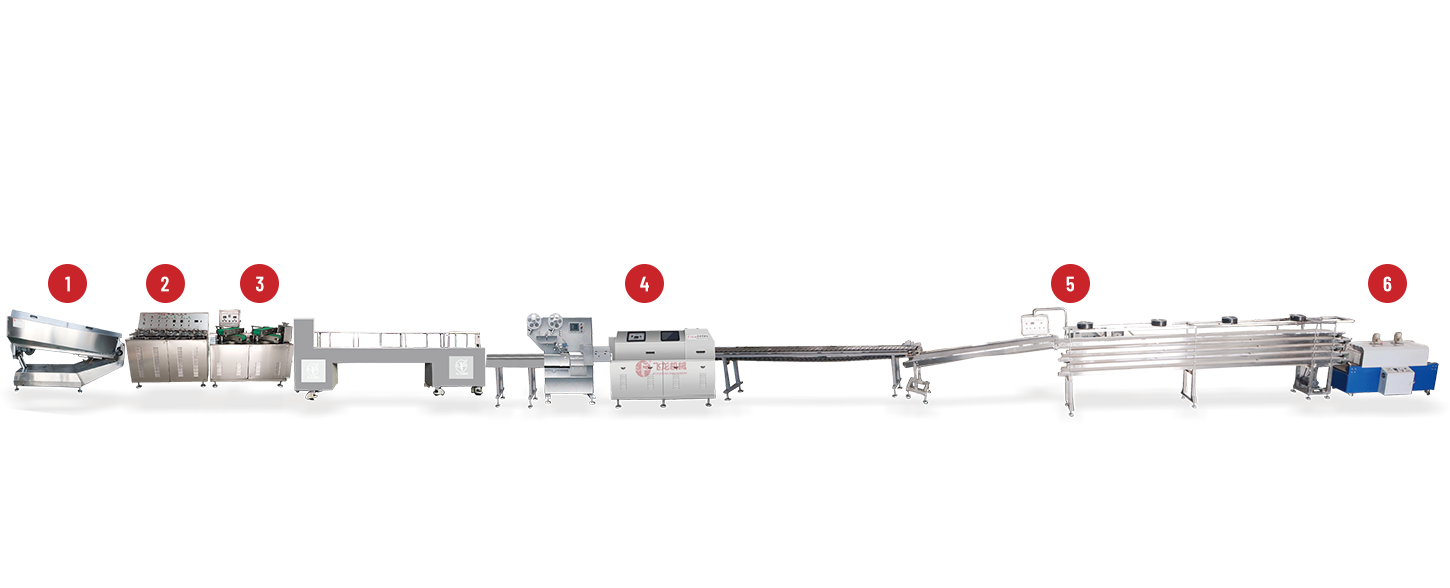
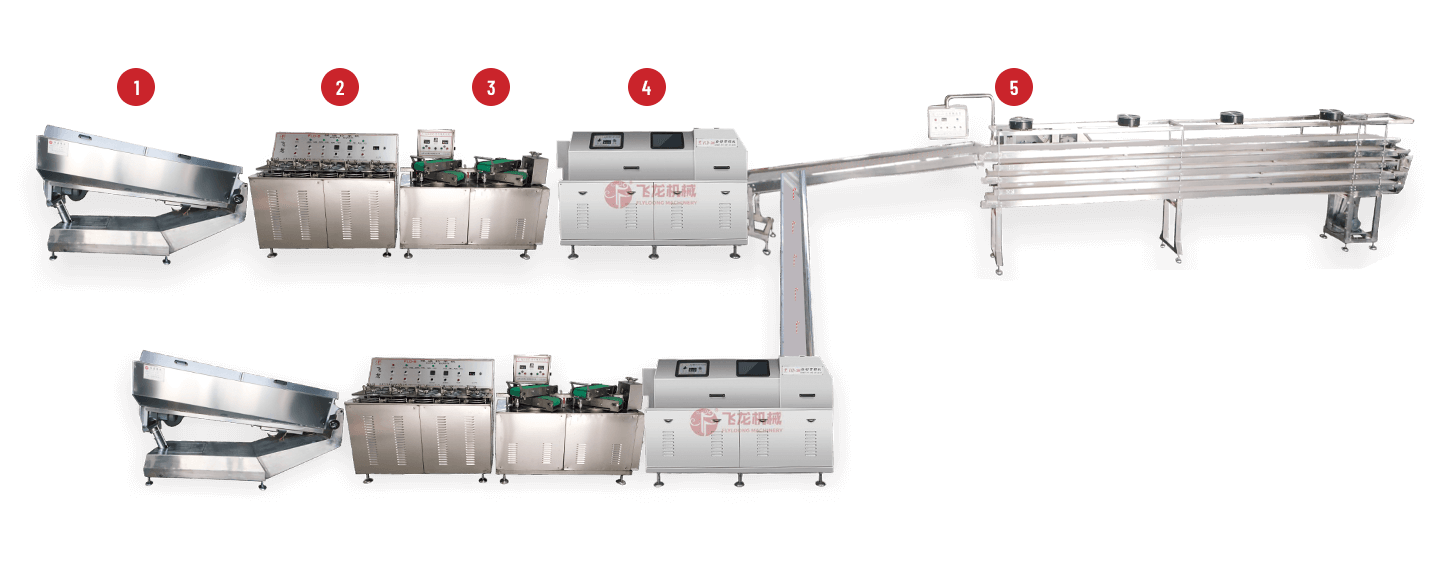
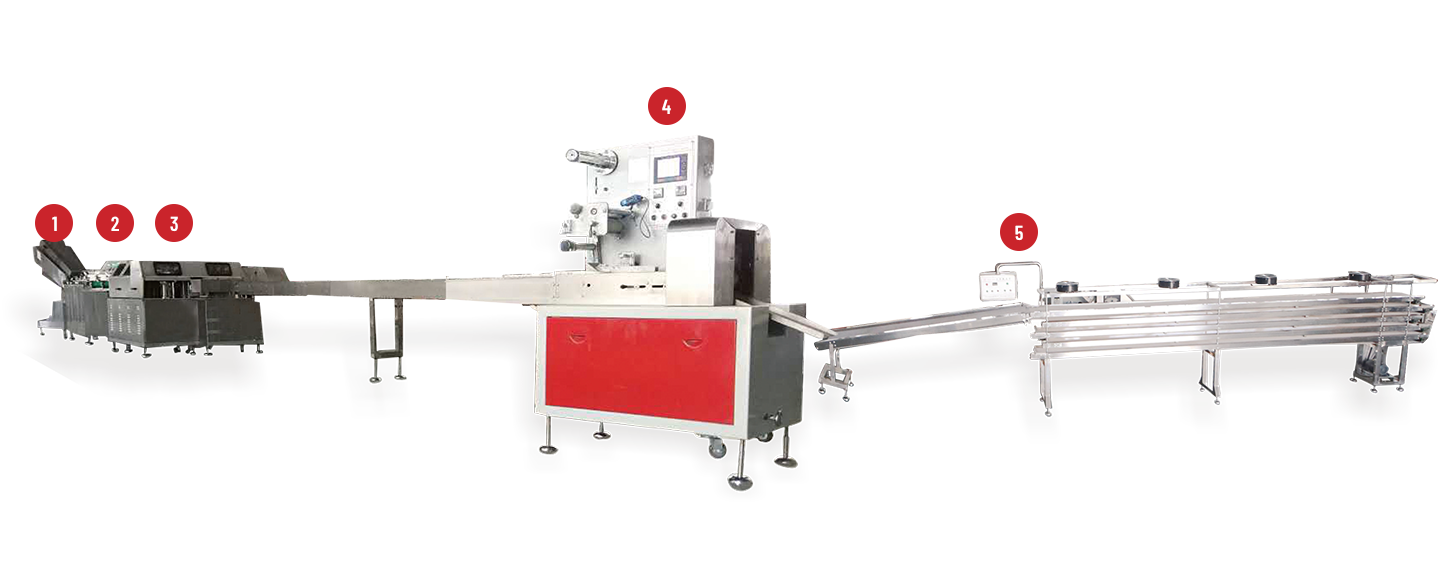
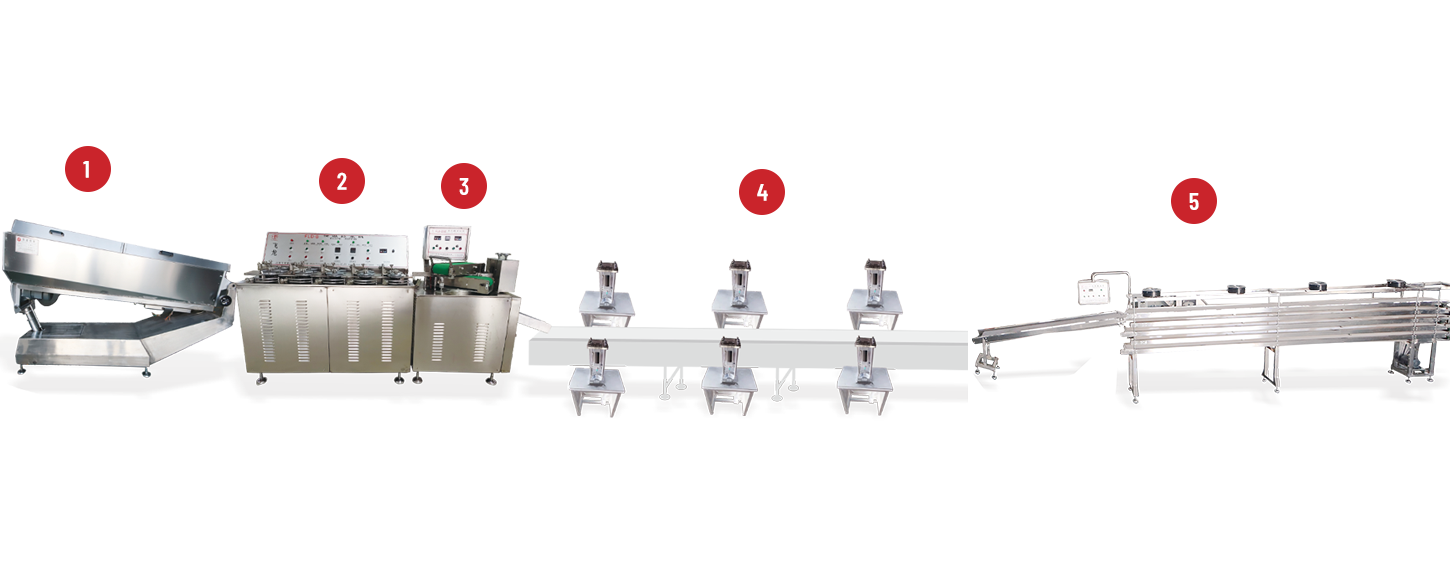
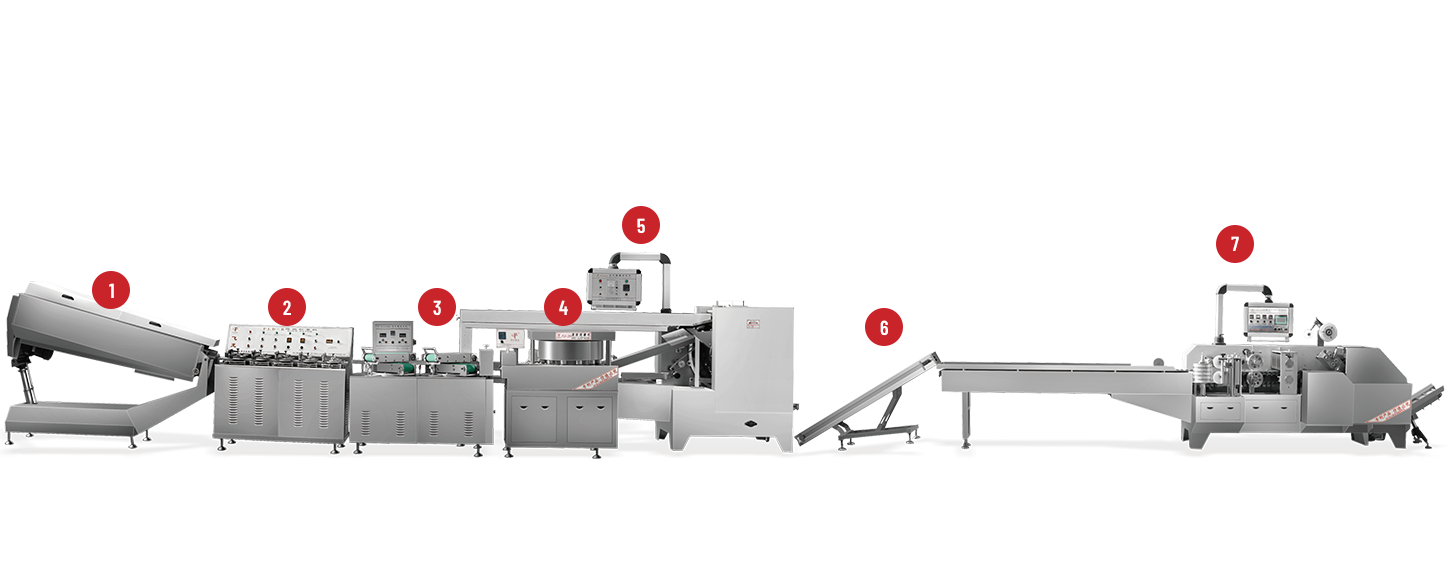
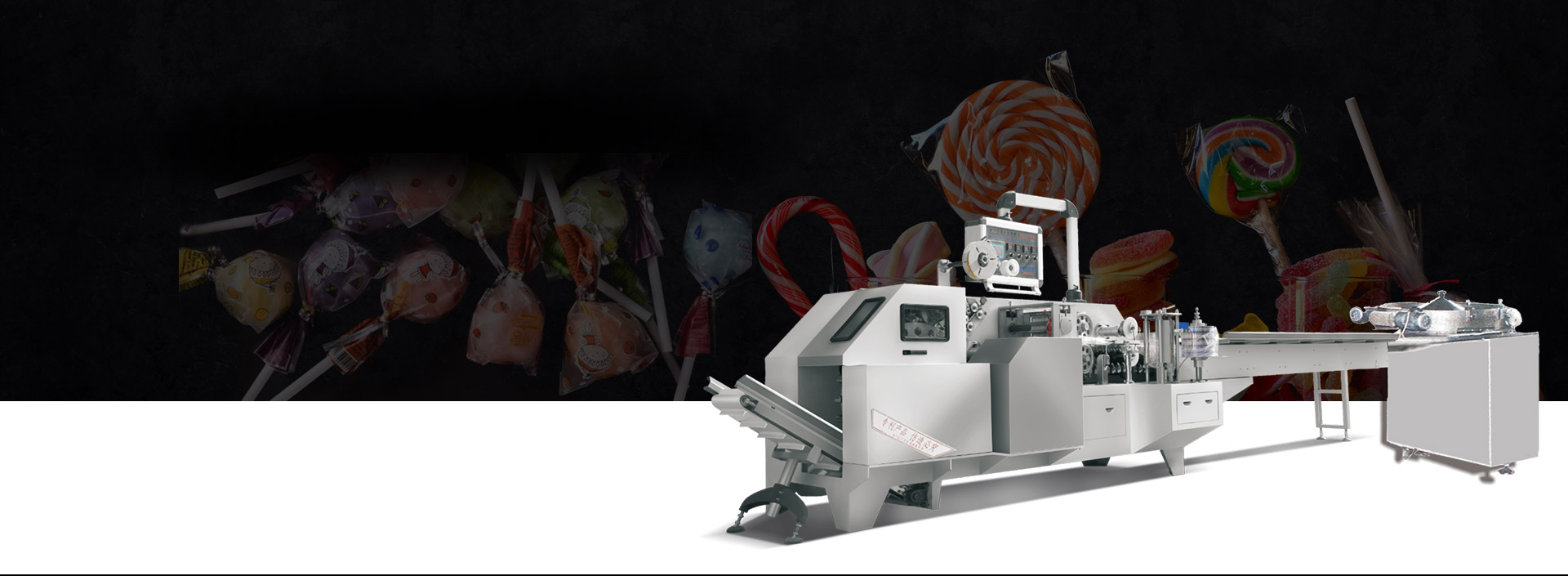
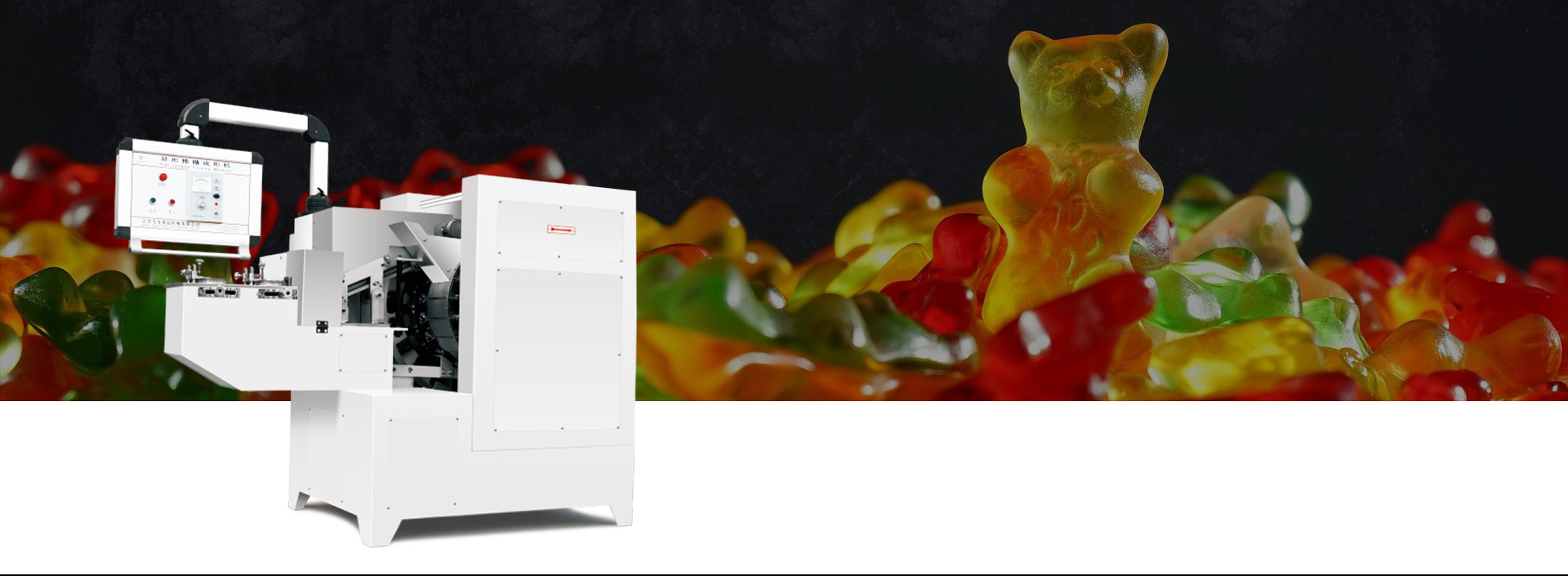
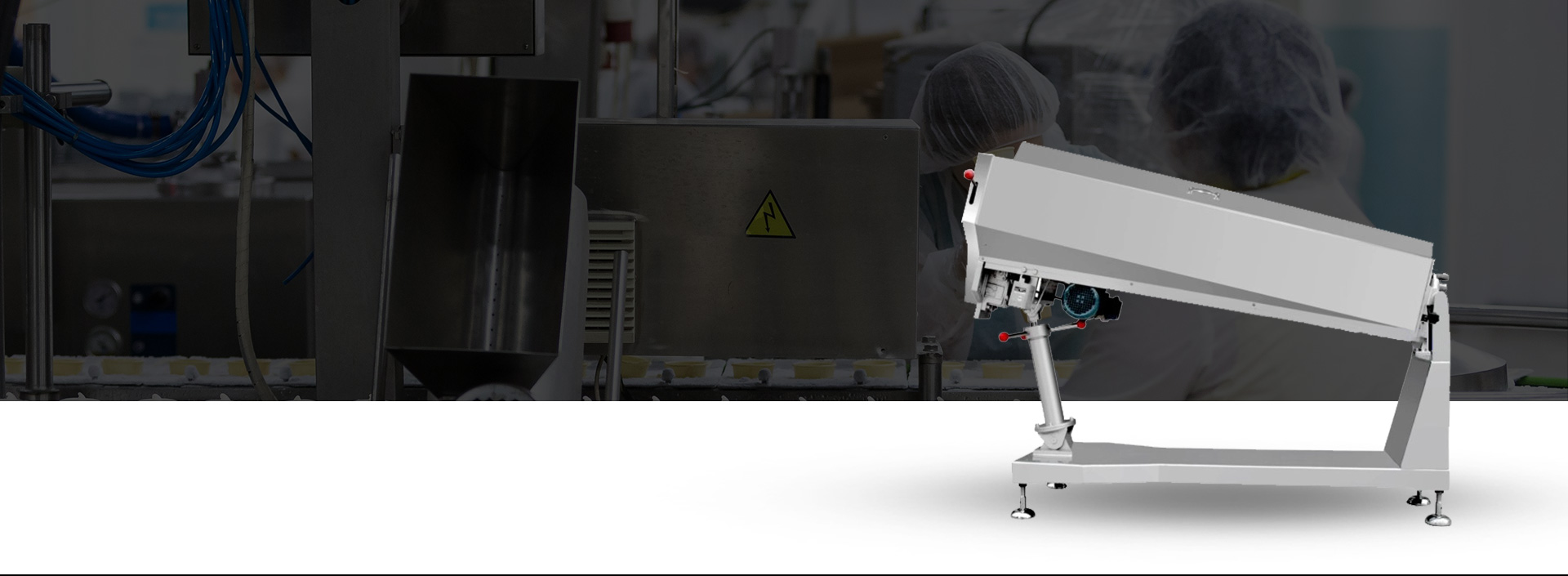
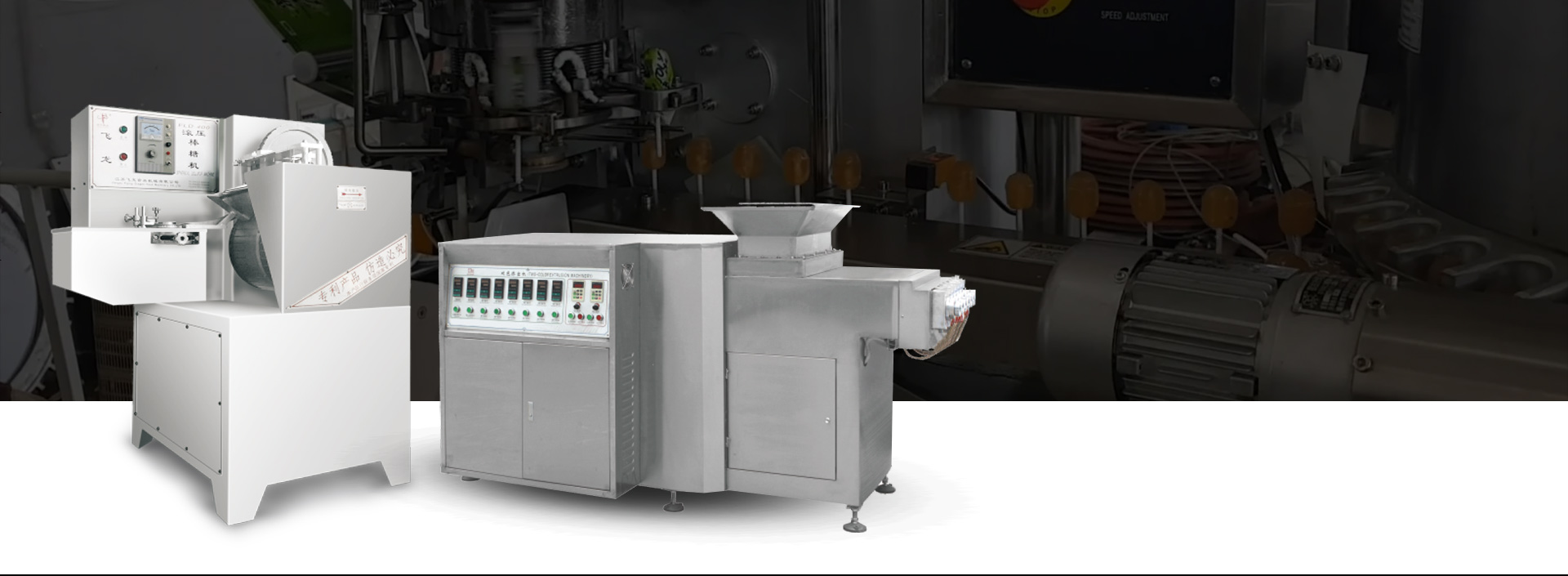
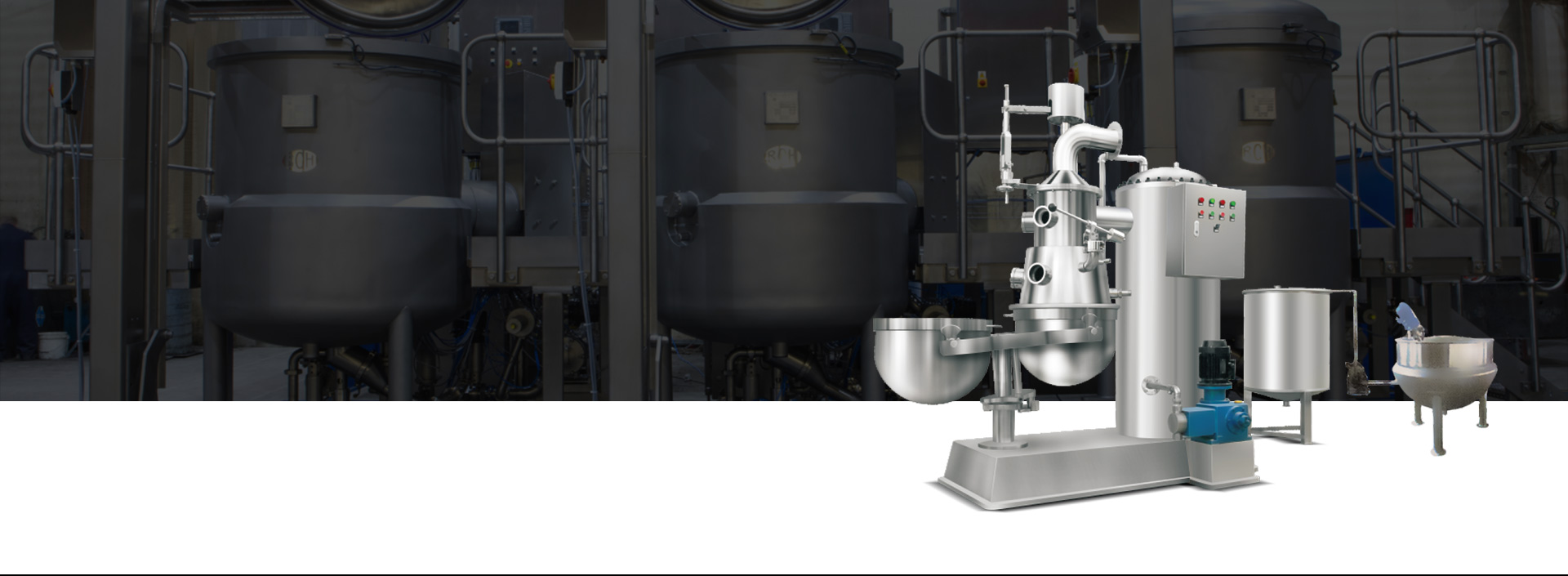
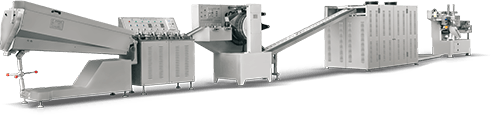
What Is a Deposit Jelly Machine
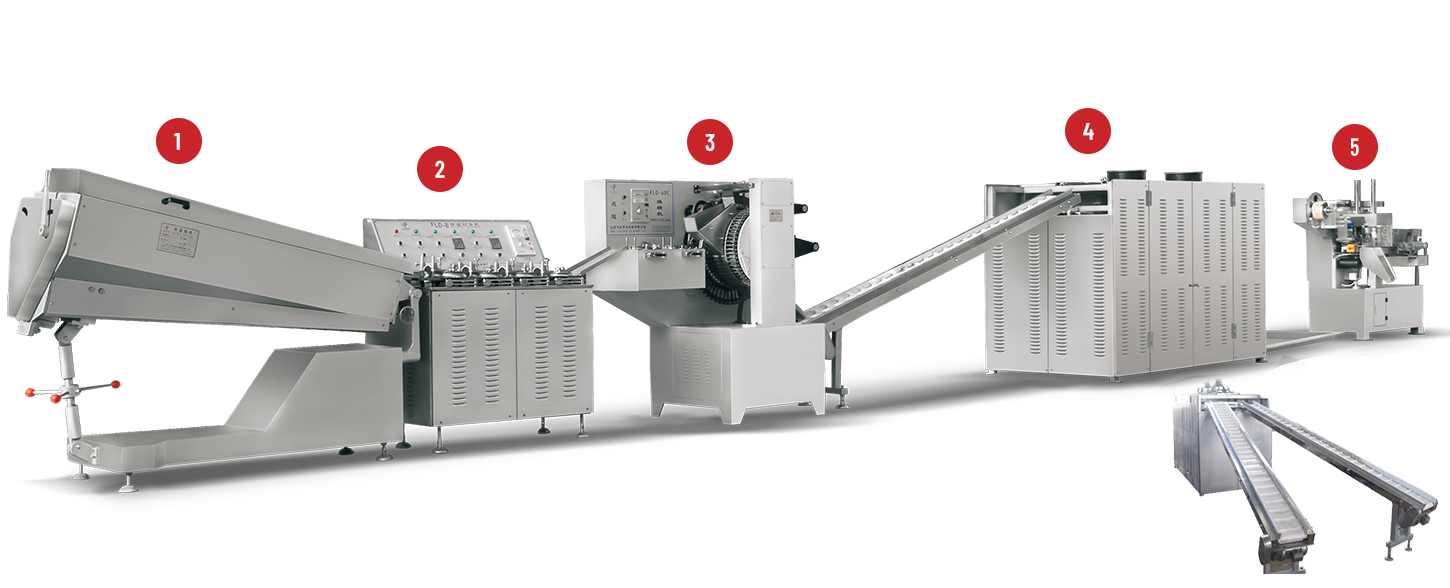
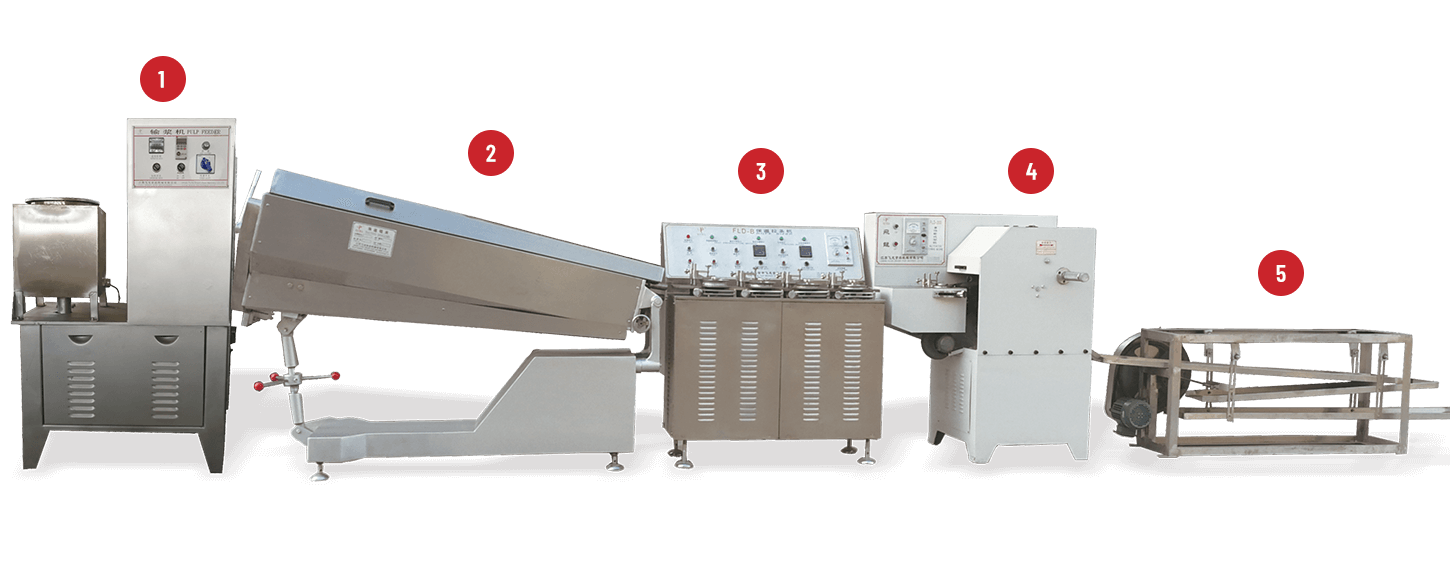
A Deposit Jelly Machine is used during the forming stage of jelly candy production, where liquid or semi-liquid material is shaped before it cools and sets. Instead of pouring by hand or relying on open filling methods, this type of equipment guides the jelly mixture into molds in a controlled and orderly manner. The goal is to keep each piece consistent while maintaining a smooth production flow.
In practice, the machine works as a bridge between cooking and setting. Once the jelly mixture reaches a suitable state for forming, it is transferred into the depositing system. From there, the material is guided into individual mold cavities with measured movement rather than free flow. This approach helps avoid uneven filling, surface defects, or unnecessary overflow during shaping.
A Deposit Jelly Machine is commonly applied in factories that produce jelly candies, soft sweets, or similar molded confectionery items. It supports stable operation across repeated cycles, which is especially useful when multiple shapes or cavity layouts are involved. By adjusting basic operating settings and mold arrangements, the same system can be used for different product designs without changing the overall process logic.
From a production perspective, this equipment also helps organize the workspace. The depositing action follows a fixed rhythm, allowing molds to move in sequence through filling, setting, and release stages. This creates a clearer workflow compared to manual handling and helps reduce interruptions caused by inconsistent filling.
Another characteristic of a Deposit Jelly Machine is its focus on cleanliness and order. Jelly material is guided through enclosed paths rather than exposed pouring, which helps keep the forming area cleaner during operation. This also makes routine cleaning more manageable at the end of a production run.
A Deposit Jelly Machine is not only about placing jelly into molds. It is about shaping control, process stability, and maintaining a steady pace between preparation and cooling. For manufacturers working with molded jelly products, it plays a practical role in turning fluid mixtures into finished shapes with repeatable results while supporting everyday production needs.
What Are The Advantages Of a Deposit Jelly Machine
The transition from hand-filling to mechanised deposition in a sugar factory changes the way the whole forming process feels.Manual filling is often done on the basis of experience, timing, and repetition.The Deposit Jelly Machine introduces a controlled movement in which the jelly flows into the molds in a predictable rhythm, and the molds move in sequence to create a more fluid flow.
Consistency in Appearance
When jelly is deposited by hand, slight variations in volume or placement can cause uneven surfaces, shallow cavities, or small air pockets. With a mechanized depositor, material is guided into each cavity steadily. Pieces emerge with similar fill levels and cleaner edges. While not identical at a microscopic level, the visual uniformity is noticeable across a batch.
Flow and Timing
The rhythm established by a Deposit Jelly Machine allows molds to progress without frequent pauses for manual corrections. Filling, setting, and movement through cooling sections become part of a continuous chain. Operators notice that when the line maintains this steady pace, it reduces unexpected bottlenecks and interruptions that often appear during manual handling.
Adaptability with Different Mold Layouts
One practical advantage is flexibility. It is possible to introduce a mold board with a different shape or a cavity layout without changing the overall movement of the machine. Adjustments are made on the control panel, such as spacing or storage volume, so that production teams can move more easily from one design to the next. You can accommodate seasonal or experimental shapes with a minimum of downtime.
Cleaner Working Area
A controlled depositing system directs material through enclosed paths, reducing splashes and stray jelly around trays or tables. Staff can focus more on monitoring flow rather than constantly cleaning surfaces, and the area remains tidier throughout a shift. This also simplifies end-of-run cleaning and reduces the risk of cross-contamination between batches.
Reduced Need for Manual Rework
Consistent filling eliminates the need to scrape, refill, or adjust individual cavities. The operator might be more concerned about the downstream steps of the process, such as cooling, stripping, or polishing. The reduced interference at the forming phase usually translates to smoother transitions along the line.
Structured Workflow and Predictability
A Deposit Jelly Machine contributes to a clear sequence of actions. Material preparation, depositing, mold movement, and setting occur in a linked rhythm. Staff can anticipate where each batch is in the process, reducing guesswork and coordination issues. Over time, the line develops a predictable pace that guides both molds and operators efficiently.
Practical Comparison
| Aspect | Manual Filling | Deposit Jelly Machine |
|---|---|---|
| Fill uniformity | Variable | Steady and consistent |
| Line rhythm | Stop-and-go | Continuous flow |
| Cleanup frequency | High | Reduced |
| Adaptation to new molds | Slow and labor-intensive | Quick adjustments |
| Operator focus | Correction-heavy | Observation and control |
In addition to these measurable differences, the effects can also be felt in subtle ways. The feel of the mold moving in synchronization with the sediment, the fewer interruptions, and the cleaner surrounding surfaces all help to create a more structured environment. The production team often reports that these changes allow the whole shaping phase to feel more controlled and less reactive, even if it's a long run or a change in product style.
The advantages are not limited to efficiency or appearance alone. They extend to daily workflow, staff attention, and operational rhythm, making the forming process feel smoother without introducing unnecessary complexity. Each batch follows a similar motion from filling to cooling, helping the line maintain a steady pace that benefits the overall production sequence.
How Does a Deposit Jelly Machine Work
A Deposit Jelly Machine does more than simply fill molds. It controls flow, timing, and portioning to create consistent candy shapes. On the production floor, it transforms what used to be a slow, hands-on step into a coordinated, flowing process.
1. Preparing the Material
Before any depositing begins, the jelly mixture is loaded into the machine's holding area. The texture matters: it should be fluid enough to move easily, but firm enough to hold its shape when it hits the mold. Operators often watch the flow carefully, noticing small variations that could affect the final product. This preparation stage may seem simple, but it sets the tone for the rest of the process.
2. Depositing in Motion
Once the material is ready, molds move forward on a conveyor or rotating platform. The machine releases jelly into each cavity in measured portions. The movement is rhythmic — the molds advance, the jelly is deposited, and the line keeps flowing. Some portions stretch slightly, others settle quickly. This creates a natural, uniform look across a batch without halting the line.
Small adjustments can be made during operation. Operators can tweak the speed, the spacing between molds, or the amount deposited, all without stopping production. This flexibility allows for different shapes, cavity layouts, or minor recipe changes without interrupting workflow.
3. Continuous Flow Along the Line
After filling, molds advance to the next stage. The jelly begins to settle and take shape. The process is seamless: molds move, deposits form, and operators monitor the line. The rhythm is visible. Staff can anticipate where any issue might occur, reducing the need for constant corrections.
| Stage | Manual Handling | Deposit Jelly Machine |
|---|---|---|
| Filling | Variable, requires frequent attention | Steady, measured portions |
| Mold Movement | Stop-and-go, irregular | Smooth, continuous advance |
| Material Control | Relies on manual judgment | Guided and adjustable |
| Cleanup | High frequency | Reduced splashing and residue |
4. Adapting to Different Molds
One of the advantages of this system is its adaptability. Mold patterns or cavity shapes can be changed without stopping the entire line. Whether a factory is testing a new shape or switching seasonal designs, the depositing system can adjust, keeping the line moving.
5. Workflow Benefits
The coordinated movement of molds and jelly portions creates a sense of rhythm along the production line. Workers can focus on monitoring flow rather than correcting overfilled or underfilled cavities. The line feels less reactive and more organized. Each batch moves predictably from filling to setting, which helps maintain efficiency without constant intervention.
6. Observation and Control
Even though the machine handles most of the depositing, human supervision remains important. Operators watch for variations in jelly texture or unexpected movements in molds. They adjust settings when necessary, ensuring that each piece maintains a consistent look and weight. The machine complements human judgment rather than replacing it entirely.
The overall effect is a smooth, flowing process. Molds glide forward. Jelly fills the cavities with a consistent rhythm. Operators can make fine adjustments on the fly. The line remains continuous, clean, and predictable.
What Are The Key Specifications Of a Deposit Jelly Machine
Finding the correct Deposit Jelly Machine can dramatically improve the smooth operation of a candy line. A number of models are available, and knowing a couple of key points will help you choose the one that fits your space and your work flow.
Size and Placement
First, think about where the machine will sit. Check the length, width, and height. A machine that fits comfortably on your line avoids awkward adjustments and keeps other equipment accessible. Crowded spaces slow everyone down, so this might seem basic, but it's surprisingly important.
Materials and Build
The materials affect both durability and hygiene. Smooth, easy-to-clean surfaces matter. Many of the machines are made of stainless steel or the like, which can withstand frequent cleaning. Rounded edges and simple paths help reduce the amount of leftover jelly and speed up maintenance.
Speed of Depositing
Speed is about balance. Too slow, and the line falls behind. Too fast, and portions may spill or lose their shape. The good setups let operators adjust how quickly jelly is released into molds, making it easy to switch between small batches or more intricate designs.
Temperature Control
Jelly responds to heat. Too warm, it may run and spill; too cool, and it may harden too soon. A Deposit Jelly Machine that can manage temperature ensures the mixture flows properly into each cavity. Operators can make small tweaks without stopping the line, keeping production consistent.
Power and Electrical Compatibility
Before installing, make sure your machine's power requirements are consistent with your facility. Voltage, plug type, and frequency vary by region. Choosing a compatible machine will help you avoid any surprises or downtime.
Cleaning and Day-to-Day Maintenance
A well-designed machine makes cleaning easier. Accessible parts and smooth surfaces reduce residue buildup, so staff spend less time scrubbing and more time monitoring production. Simple maintenance keeps the line running with fewer interruptions.
Observation and Adjustment
Even an automatic system needs a human touch. The operator can look out for irregular filling, air bubbles, or small drops. Quick adjustments help to keep the line consistent. The machine does most of the work, but human supervision makes sure that the output is up to expectations.
| Feature | Why It Matters |
|---|---|
| Size and Placement | Fits neatly in production space, avoids workflow issues |
| Materials and Build | Durable, easy to clean, maintains hygiene |
| Speed of Depositing | Matches line pace, prevents spillage or delays |
| Temperature Control | Keeps jelly flowing properly, ensures consistency |
| Power Requirements | Compatible with local electrical supply |
| Cleaning & Maintenance | Reduces residue, simplifies routine |
| Observation & Adjustment | Allows quick fixes, maintains quality |
When these specifications are considered, the machine becomes more than just a piece of equipment—it supports steady production, consistent output, and smoother operation for the entire line. Staff can focus on monitoring rather than constantly fixing small problems, and the workflow feels natural and predictable.
Why invest in a Deposit Jelly Machine
The benefits include the following:
Safety Features
Because these machines operate independently, they have multiple safety features.
Lower Costs
Although the initial cost is higher, they can reduce your recurring production costs.
Automation level
These machines feature modern technology, supporting the production of reliable, well-formed gummy candy products.
Increased Production
Because they operate with minimal human intervention, their production capacity is higher than semi-automatic versions.
Why Choose Flyloong-candymachine
Fits Right In
The machine installs smoothly on most production lines. No awkward adjustments, no blocked space—just a seamless fit.
Consistent Output
Jelly deposits stay even. Molds move steadily, letting staff focus on small tweaks instead of fixing constant errors.
Flexible for Any Batch
Switching molds or batch sizes is simple. Seasonal designs or new shapes don't slow down the line.
Easy to Clean
Accessible panels and smooth surfaces make cleaning quick. Less time scrubbing means more time monitoring production.
Operator-Friendly
Controls are clear, sightlines are open, and adjustments happen instantly. Operators can respond to minor changes without stopping the machine.
Flyloong-candymachine keeps the production line running smoothly. Reliable, adaptable, and easy to use—this equipment supports teams day after day.
 +86-(0)515-8465666
 +86-(0)515-85566996
 +86-138 1559 9708
 flyloong@flyloongcn.com
 Home
Home