

 ENG
ENG
 English
 中文简体
中文简体 русский
 Français
 Español
 عربى
عربى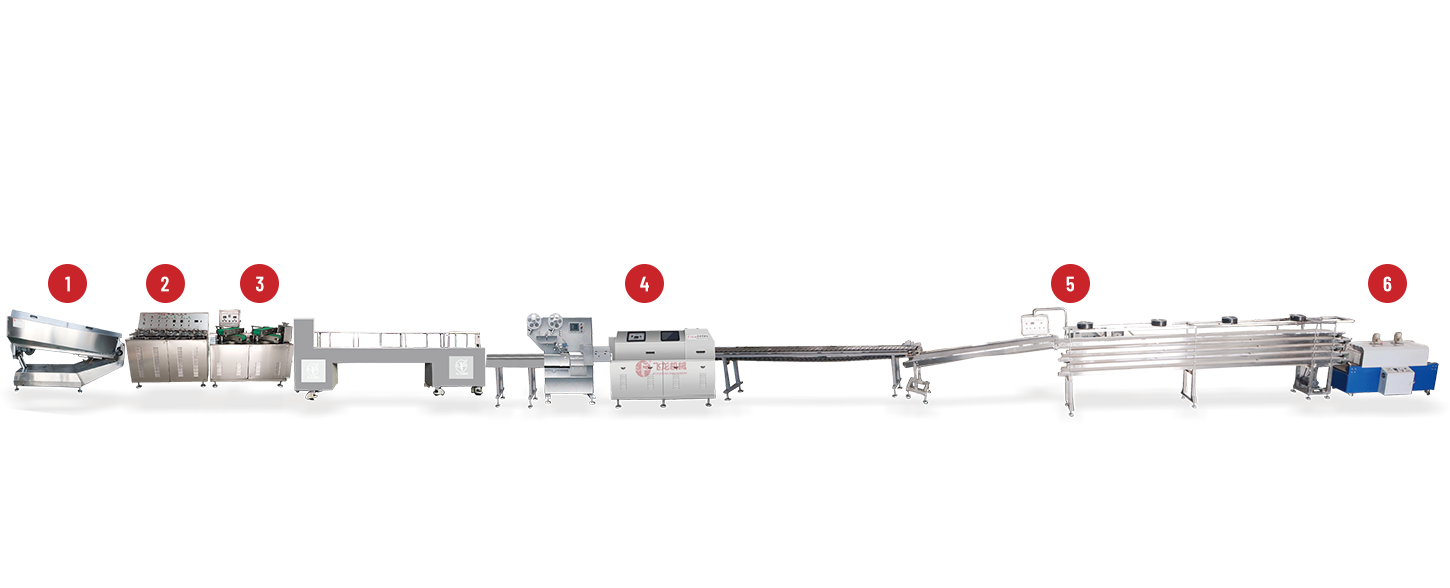
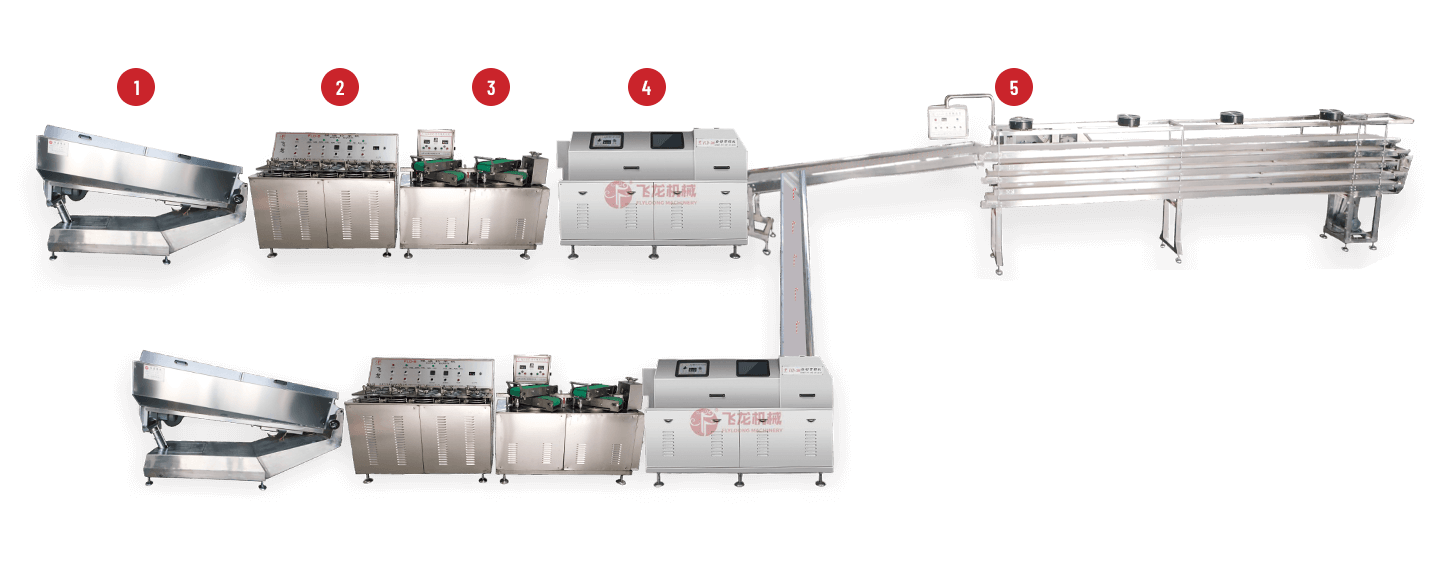
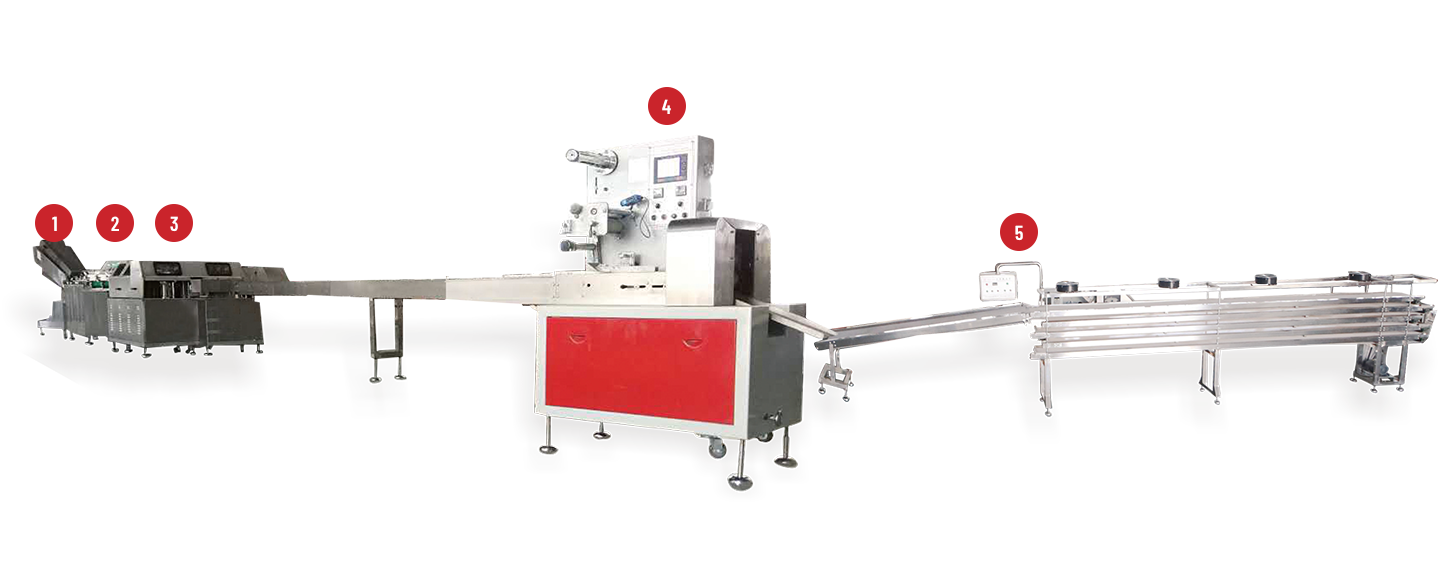
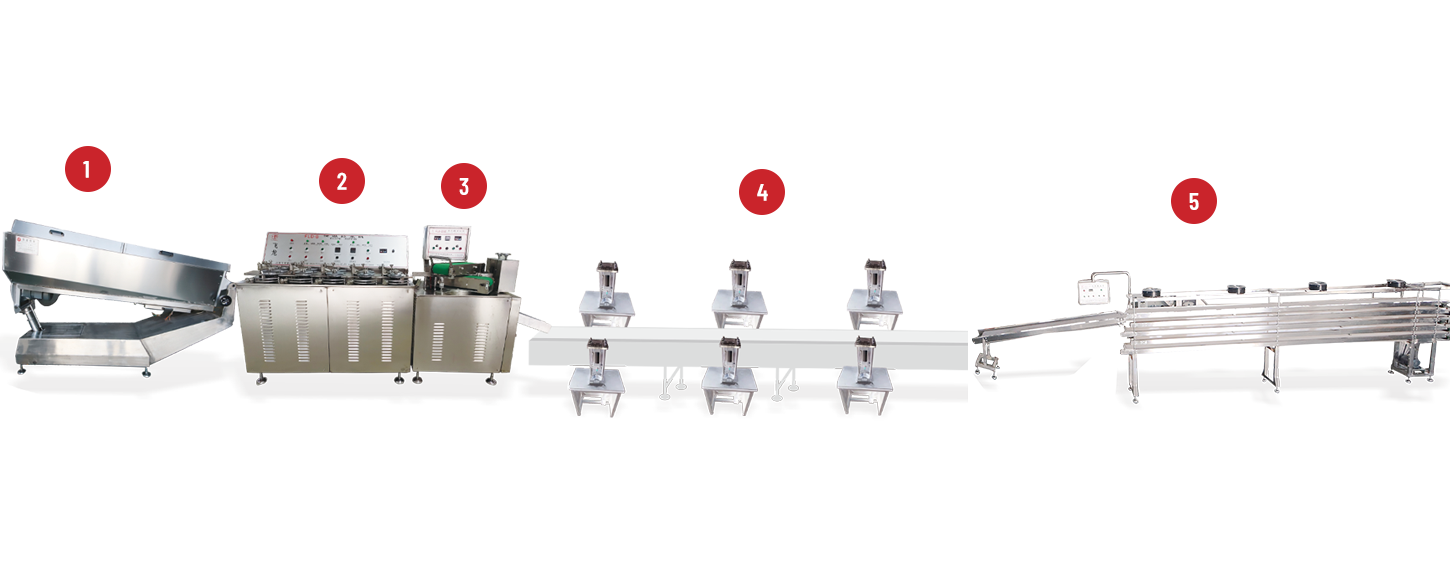
Why Flat Lollipop Work Still Depends on Small Details
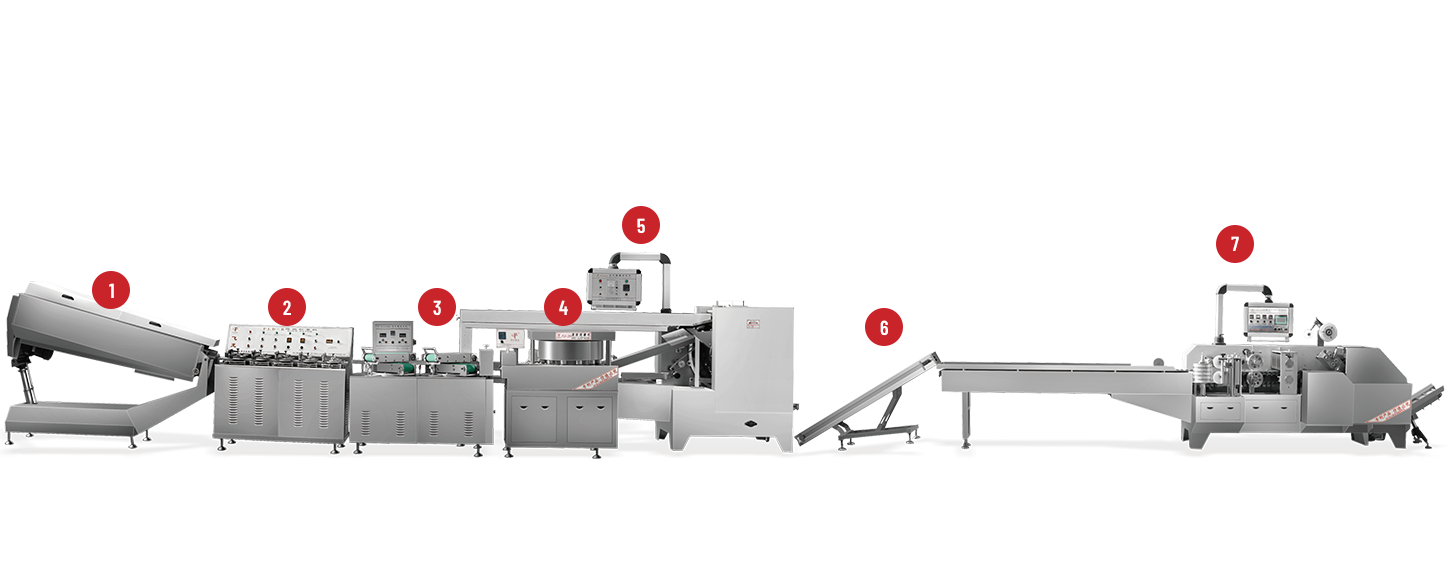
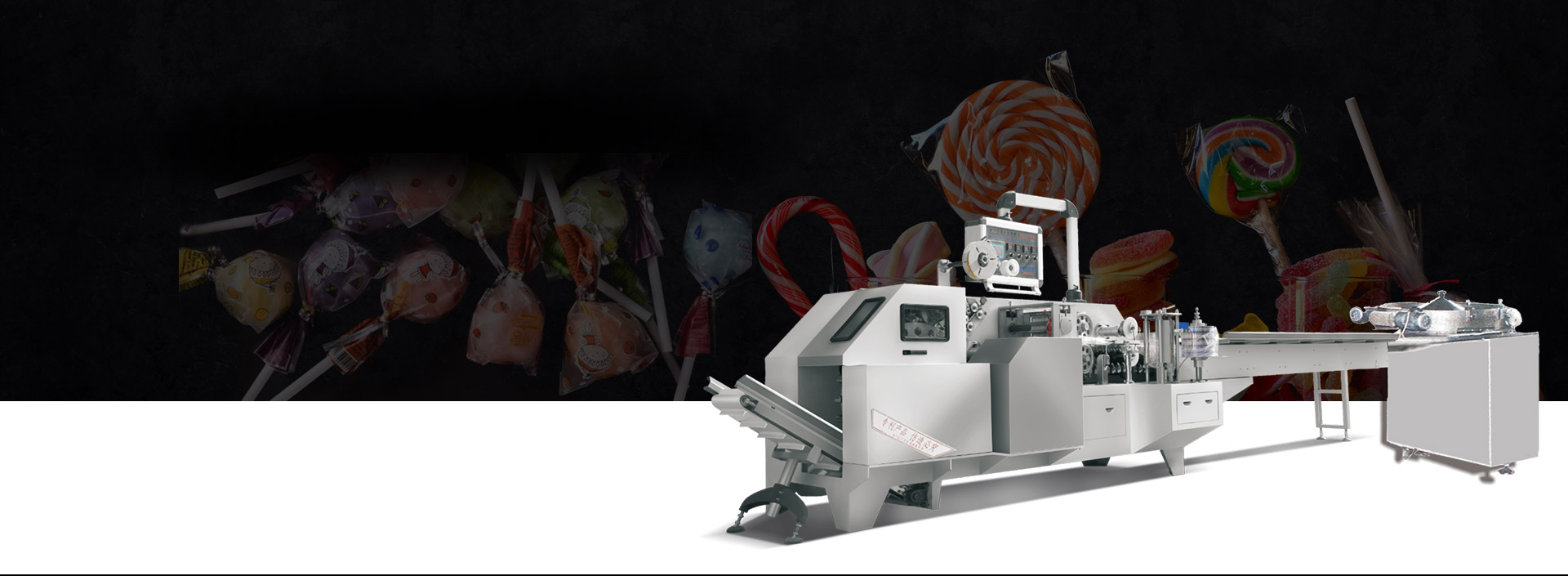
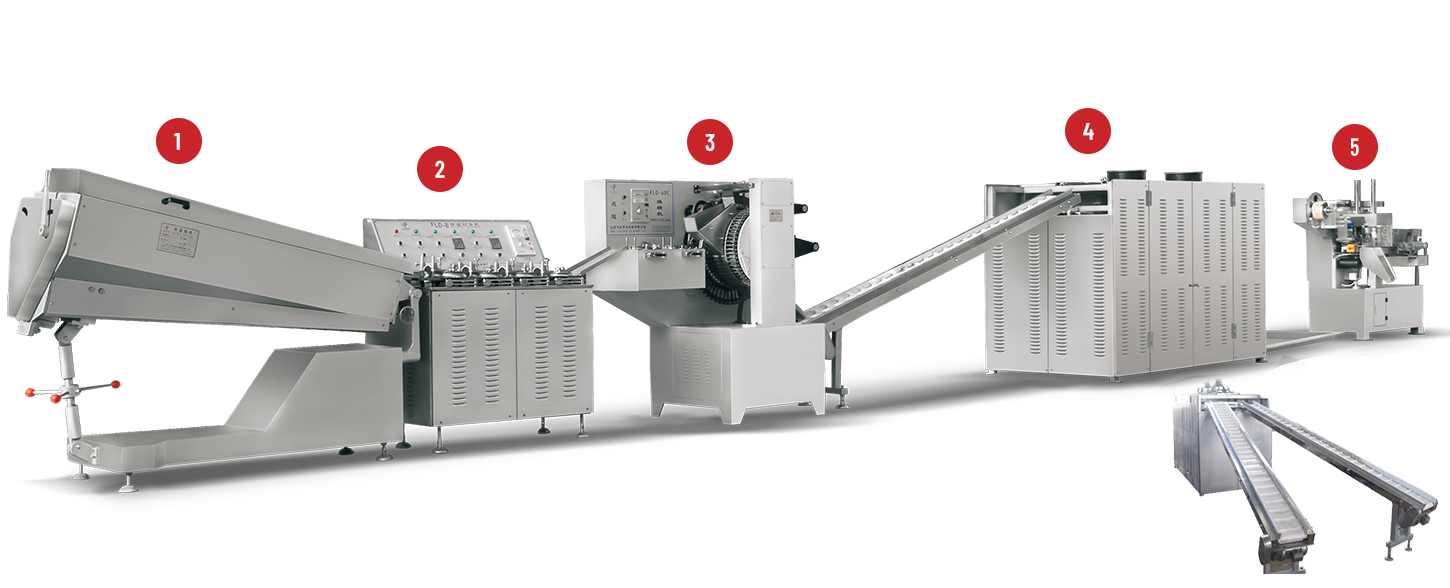
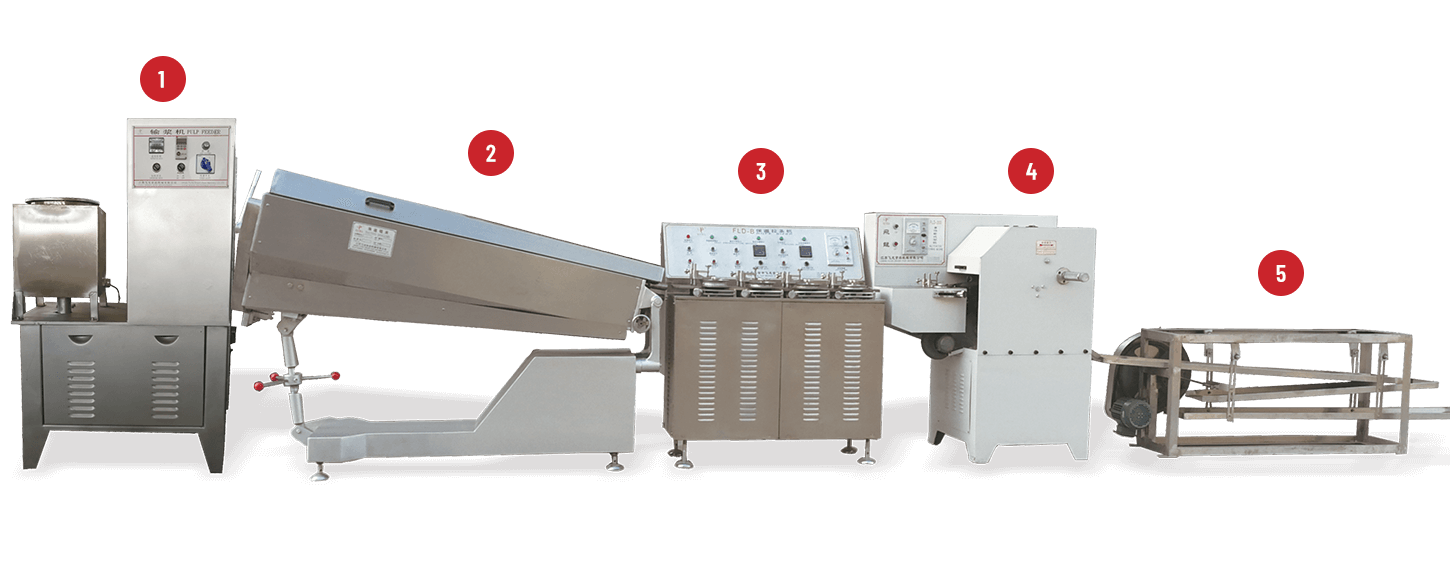
At glance, making flat lollipops does not sound especially complicated. Sugar is cooked, flavor is added, the mix is shaped, and the pieces cool down. But anyone who has spent time around a sweet-making room knows that the real work is in the small details. A little change in temperature, a small delay in timing, or a messy bench can affect the batch in ways that are easy to notice later. That is part of the reason Custom Flat Lollipop Production keeps drawing attention from manufacturers. It gives them a way to shape the process around real orders instead of forcing every job into the same mold.
The appeal is not only about appearance. It is also about routine. In a small workshop, a process that feels steady is worth a lot. Workers can move from one step to the next without stopping to correct avoidable problems, and that makes the day easier to manage. For a manufacturer, that kind of smooth flow matters just as much as the final look of the candy.
Flat lollipops also leave room for variation without becoming difficult to handle. That is useful when a business wants to make something for a seasonal promotion, a special event, or a regular retail line. The same process can support different flavors and forms as long as the basics stay under control. That flexibility is one of the reasons people keep using this format.
How the process usually begins
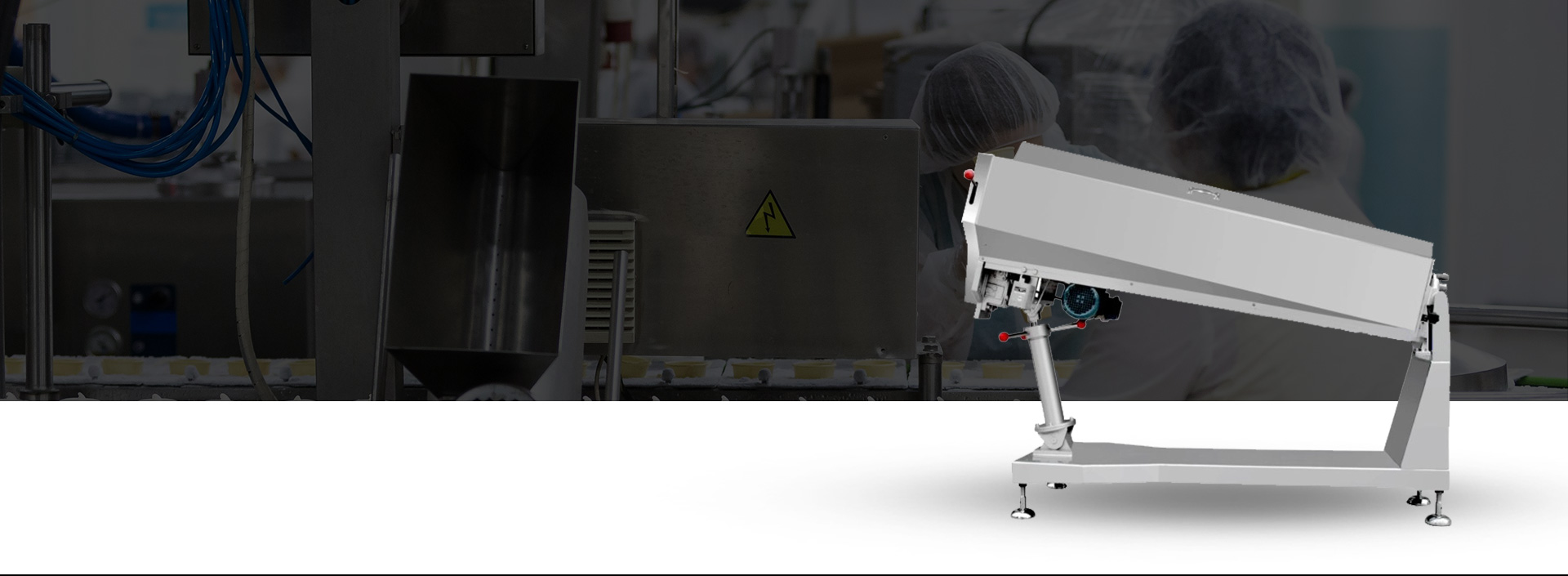
Candy work starts with preparation, and this one is no different. Ingredients need to be checked, weighed, and kept ready before the heat comes on. The room itself matters too. A clean bench, enough space for trays, and a clear place for cooling all make the work easier from the start. If those parts are handled in a rushed way, the whole batch tends to feel that rush later.
The mixture itself needs careful handling. Sugar and syrup have to come together in a way that stays smooth, and the flavor should be added at the right moment. Too much heat can change the way the mixture behaves. Too little can leave the texture off. Operators learn fairly quickly that the process works better when the temperature is watched closely rather than guessed at.
This is where Custom Flat Lollipop Production becomes practical instead of just decorative. The work has to be repeatable. A batch that comes out clean and even is easier to package, easier to store, and easier to sell. That is why the early steps matter so much. Once the base is right, the rest of the process usually moves more easily.
Why shape and flavor need to be handled together
A flat lollipop is not just a sweet piece on a stick. It is also a small visual product. People notice its shape before they taste it. That means the shape and the flavor cannot be treated as separate tasks. They are part of the same result.
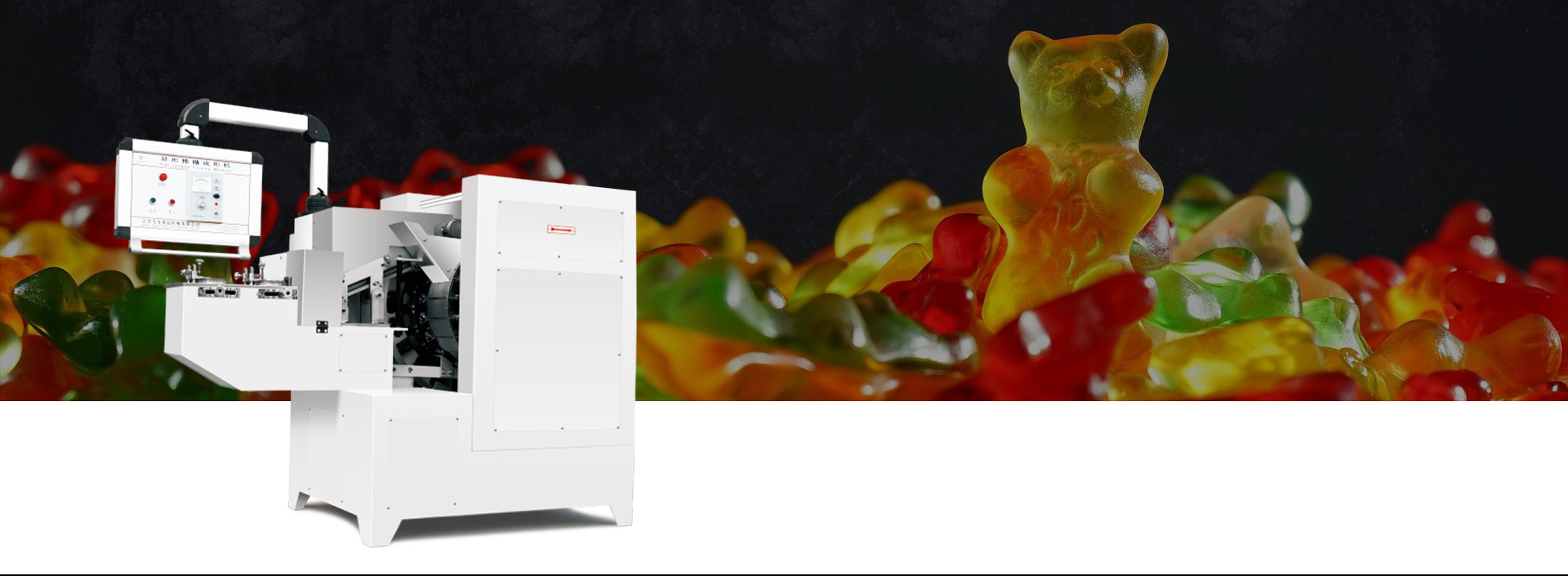
Shape choice often depends on the customer and the setting. Some buyers want a simple round or square form. Others want something themed, playful, or tied to a special occasion. A good production setup can handle that without making the room harder to use. The point is not to make every piece look different. The point is to keep enough room for variety when the order calls for it.
Flavor works in a similar way. Some batches call for fruit notes. Others lean toward citrus, mint, or a more familiar sweet profile. The maker needs enough control to keep the taste clean while still fitting the intended style. In Custom Flat Lollipop Production, that kind of control is part of the value. The process should support the idea behind the product, not fight against it.
This is why many producers prefer a method that can shift a little without becoming unstable. A flexible line makes it possible to respond to different requests while keeping the work organized. That is often more useful than chasing a dramatic result.
What the ingredients actually influence
Ingredients do more than decide taste. They change how the candy behaves while it is being made. Sugar forms the base. Syrup helps with movement and texture. Flavoring affects the final impression. Color gives the piece its look. If one part is off, the result usually shows it.
Moisture is another thing that deserves attention. Candy mixtures can react to the room more than people sometimes expect. A damp room may slow setting or affect the finish. A dry room may make the process behave differently again. This is one reason good operators keep an eye on the environment as well as the recipe itself.
This matters in Custom Flat Lollipop Production because the product is visible from the outside. If the finish is uneven, that shows quickly. If the texture is off, it is often obvious once the piece cools. The ingredients and the conditions around them have to work together. That is why experienced makers often spend more time on consistency than on novelty. A reliable batch is usually more useful than an unpredictable one.
Small adjustments can also help. A slightly different syrup balance may improve handling. A timing change may preserve aroma better. A shift in flavor timing may help the batch keep its character during heating. None of these changes are dramatic on their own, but together they shape the final result.
Why the room layout is worth thinking about
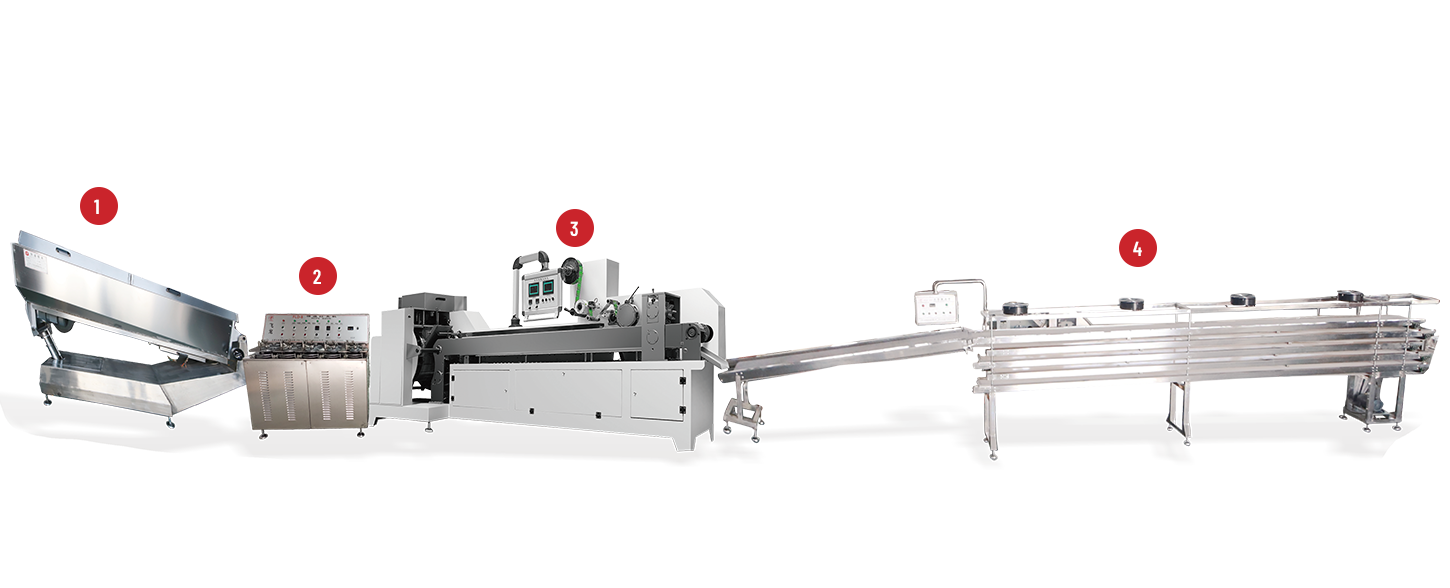
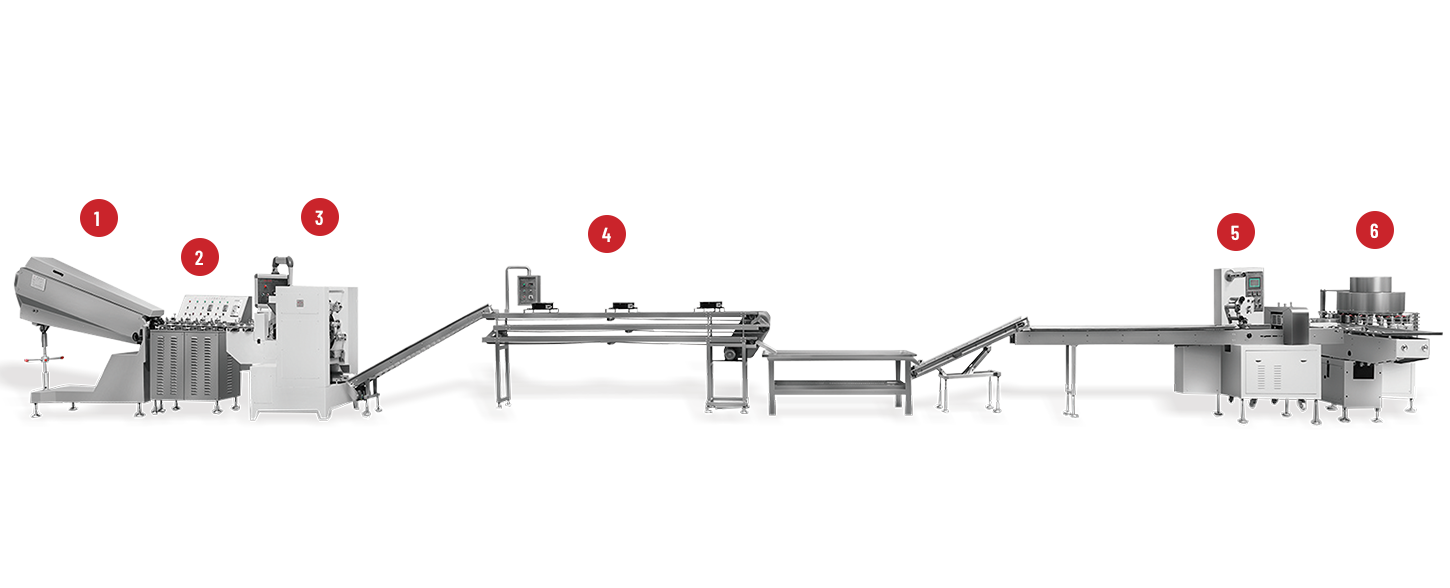
A sweet-making room does not need to be large to be effective. It needs to be arranged sensibly. A place for ingredients, a place for heating, a place for molding, and a place for cooling all help the work move in a natural direction. If those parts are scattered, the day tends to feel more tiring than it should.
Layout becomes even more important in a smaller workshop. A worker may need to move between stations several times during one batch. If that path is awkward, the chance of spills, confusion, or delays increases. A cleaner layout often leads to fewer interruptions and a calmer pace.
That is one reason Custom Flat Lollipop Production works better when planning starts early. The setup should match the way the room is actually used. It should not make people stretch, twist, or move around obstacles just to complete a normal task. The easier the room is to move through, the easier the work usually becomes.
It also helps with cleaning. If the process is arranged in a logical order, cleanup is less of a chore. The team already knows where things belong and where the used tools are going to go. That saves time and keeps the room in better shape for the next batch.
Why heat and timing are still the real turning points
People outside the work sometimes think candy is about pouring and waiting. In practice, the timing is what often decides whether the batch looks clean or feels off. The heat has to be controlled, and the transition from one step to the next has to stay smooth enough to avoid problems.
If the mixture is too hot, the shape may spread before it sets. If it is too cool, the candy may not hold its form properly. A batch can also lose some of its surface quality if the cooling stage is rushed or delayed. Producers learn to keep an eye on the whole process instead of relying on a single number or a fixed habit.
That is especially true in Custom Flat Lollipop Production, where the finished surface is easy to inspect. A small flaw is often visible right away. A rough edge, uneven color, or slightly cloudy finish can all point back to heat or timing. That is why good operators keep watching the batch instead of stepping away too early.
A steady process is usually more valuable than a fast one. Once the rhythm is set, the work becomes easier to repeat. That repeatability is part of what makes the format useful in the place.
How routine cleaning changes the next batch
Cleanup is one of the parts people are tempted to delay, and it is also one of the parts that matters . Sugar residue does not stay polite. It hardens, sticks, and gets harder to deal with if it is ignored. That is why many operators prefer to clean equipment while the residue is still fresh.
This does not have to turn into a complicated routine. A simple wash, a quick inspection, and a check for buildup are often enough to keep the equipment in good shape. The goal is to stop small residue from becoming a larger problem later. That applies to the tools, the molds, and the working surfaces.
In a Custom Flat Lollipop Production setting, this habit matters because the process depends on consistency. If the equipment is clean, the next batch has a better chance of coming out evenly. If the tools are left with residue, the next run may behave differently. That is the sort of issue that usually shows up after a few batches, not immediately.
Storage also helps. A dry space with a cover in place can make a real difference. Dust, moisture, and leftover sticky material are all easier to manage when the equipment is stored with care.
When the current setup starts to feel too small
There comes a point in many workshops when the old routine no longer fits as neatly as it once did. Maybe the order size has grown. Maybe the business now needs more shape variety. Maybe the team has simply outgrown the older setup. Those changes do not always arrive all at once, but they usually show up in the daily work.
Signs are often practical rather than dramatic. The line may feel slower. Portions may not come out as evenly. Cleaning may take longer. The machine may need more attention than before. Those are usually the moments when a new setup starts to make sense.
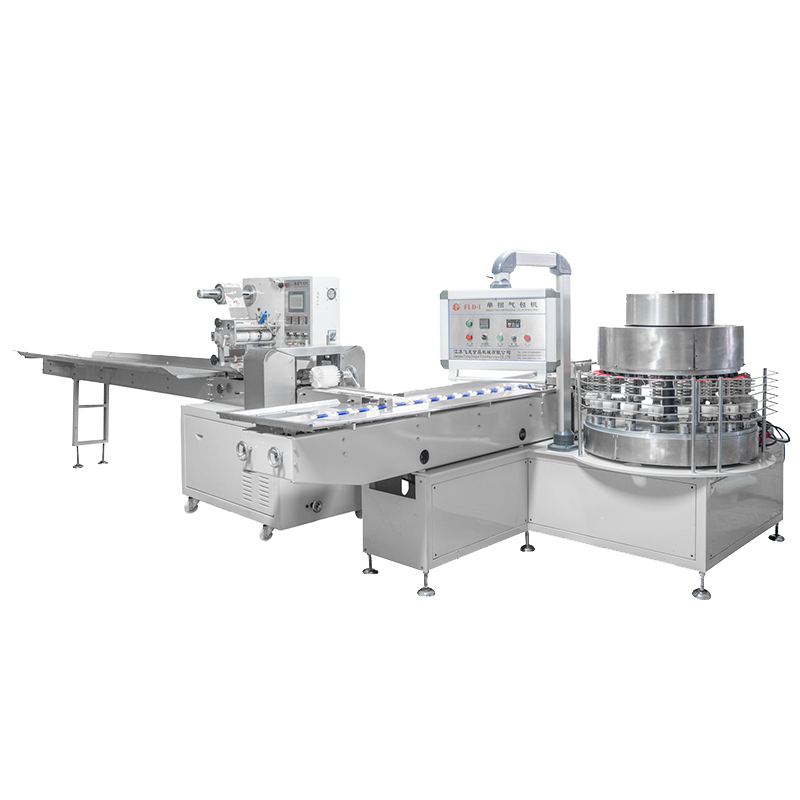
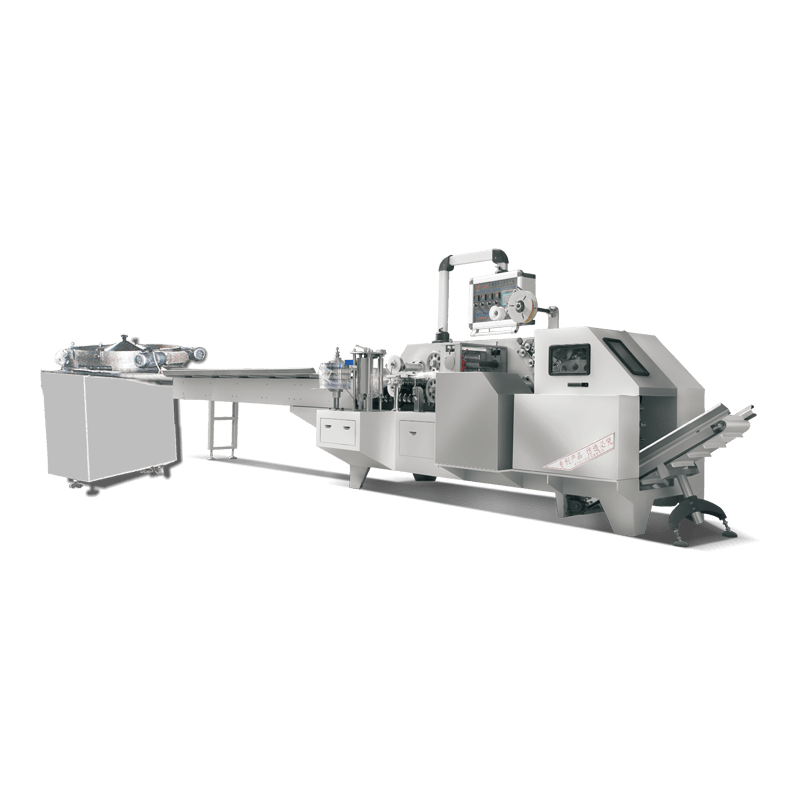
That is also true for Custom Flat Lollipop Production. A process that worked well for testing or small local sales may need a different arrangement once demand increases. It is not always about replacing everything. Sometimes it is about choosing equipment that fits the current job better.
That kind of adjustment can make the whole room easier to manage. It can also reduce the small frustrations that build up when the setup no longer matches the way the business now works.
Which candy styles fit the process more naturally
Some candy styles are easier to handle than others. Simple flat pieces with clean edges usually work well because the process stays easier to control. That does not mean more decorative styles are off the table. It just means they need a little more care.
For example, a batch with layered color or a special flavor blend may take more attention during setup. The operator may need to test the mix before starting a larger run. That extra work is often worthwhile because it helps avoid waste later. Small trial batches are especially useful when trying something new.
This is one reason Custom Flat Lollipop Production keeps its place in the market. It gives enough room for variation while still staying manageable. A manufacturer can handle a routine order one day and a special theme the next without having to rebuild the whole operation. That kind of flexibility is practical and useful.
It also helps when the product needs to be packed or displayed in a neat way. A candy that keeps its shape and looks balanced is easier to present well. The final product does not need to be flashy. It just needs to be consistent.
A practical way to think about the work
Candy work is often treated as if it is only about the recipe. In reality, the process depends on many small choices. The room layout matters. Timing matters. Ingredient balance matters. Cleanup matters. Even the way workers move around the space can change the result.
That is why Custom Flat Lollipop Production continues to attract manufacturers who want a process that feels usable rather than difficult. It supports routine work, but it also leaves space for variation. It is flexible without becoming loose and structured without becoming rigid. That balance is what many small and medium-sized producers are looking for.
The work tends to go better when the basics are handled well. A clean room, a steady heat source, a sensible layout, and a routine that people can follow all help the batch stay on track. Those things may not be exciting, but they are the parts that keep the day moving.
A good candy room does not need to be complicated. It needs to be calm, organized, and consistent enough to handle regular work without creating extra pressure. That is what makes this format useful for manufacturers and small workshops alike.
When the process is handled carefully, the result is easier to repeat. When the room is arranged well, the work feels less tiring. When the ingredients are balanced and the timing stays under control, the product usually comes out cleaner. Those are the small practical gains that matter .
For that reason, Custom Flat Lollipop Production remains a useful topic for manufacturers who want flexibility without chaos. It gives them a way to manage different orders while keeping the process in a shape they can live with every day. That kind of usefulness does not need dramatic language. It just needs to work.
 +86-(0)515-8465666
 +86-(0)515-85566996
 +86-138 1559 9708
 flyloong@flyloongcn.com
 Home
Home