

 ENG
ENG
 English
 中文简体
中文简体 русский
 Français
 Español
 عربى
عربى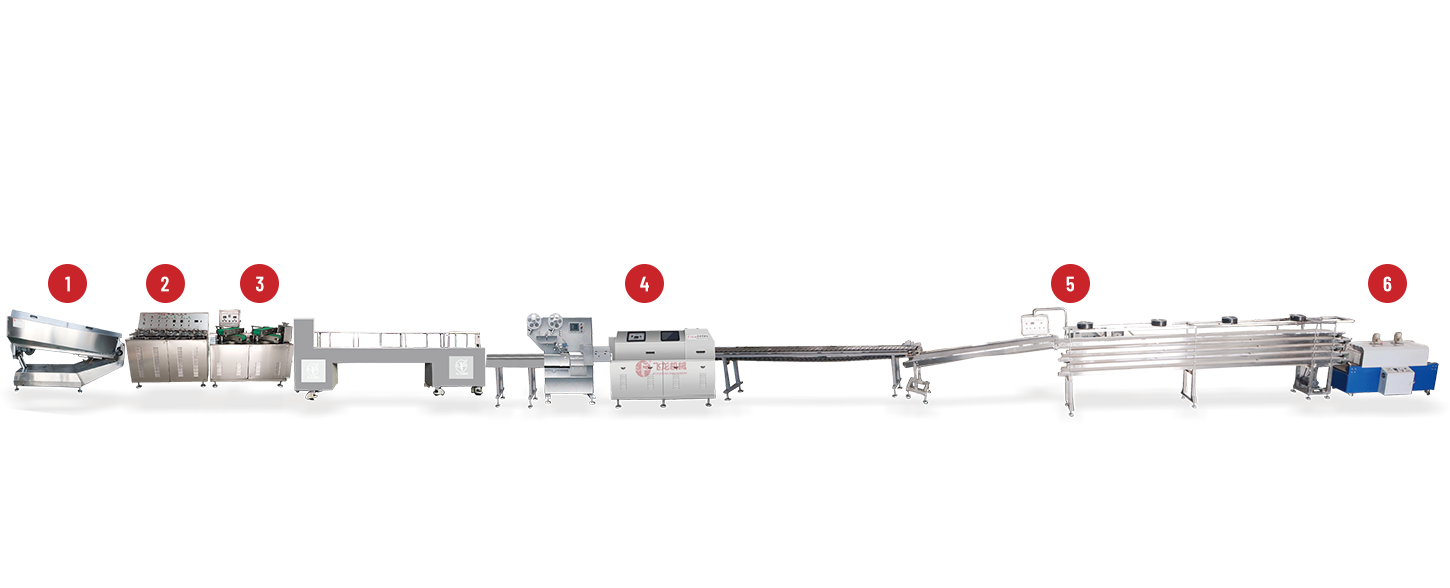
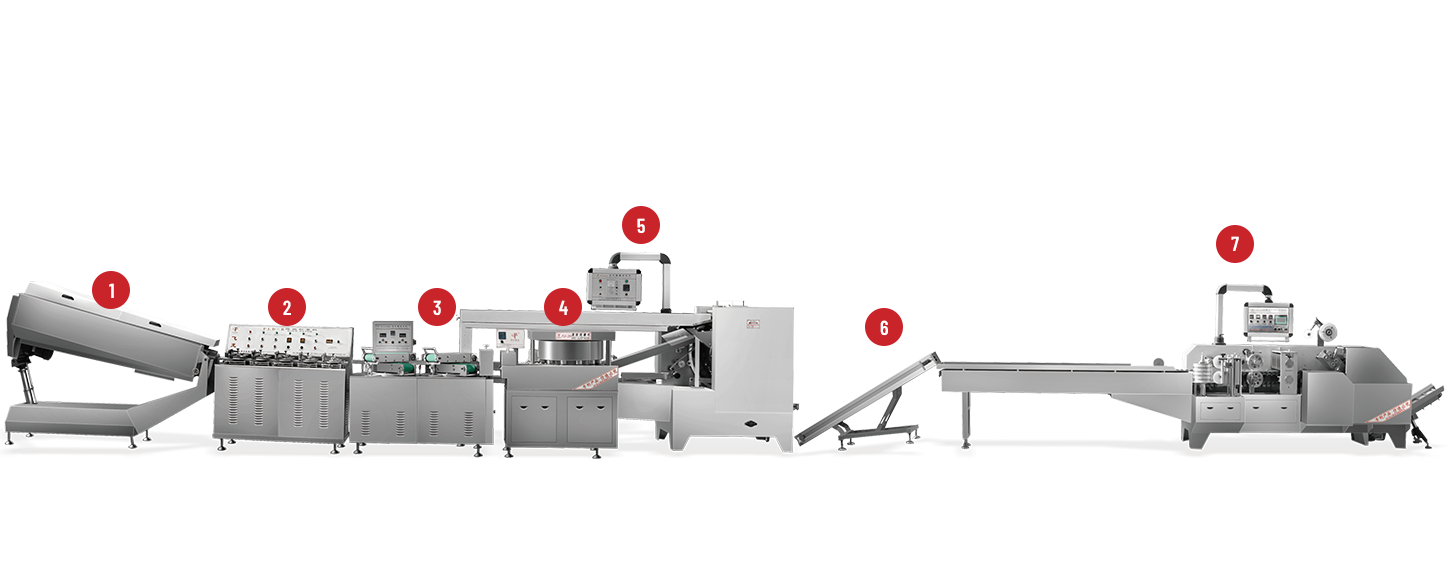
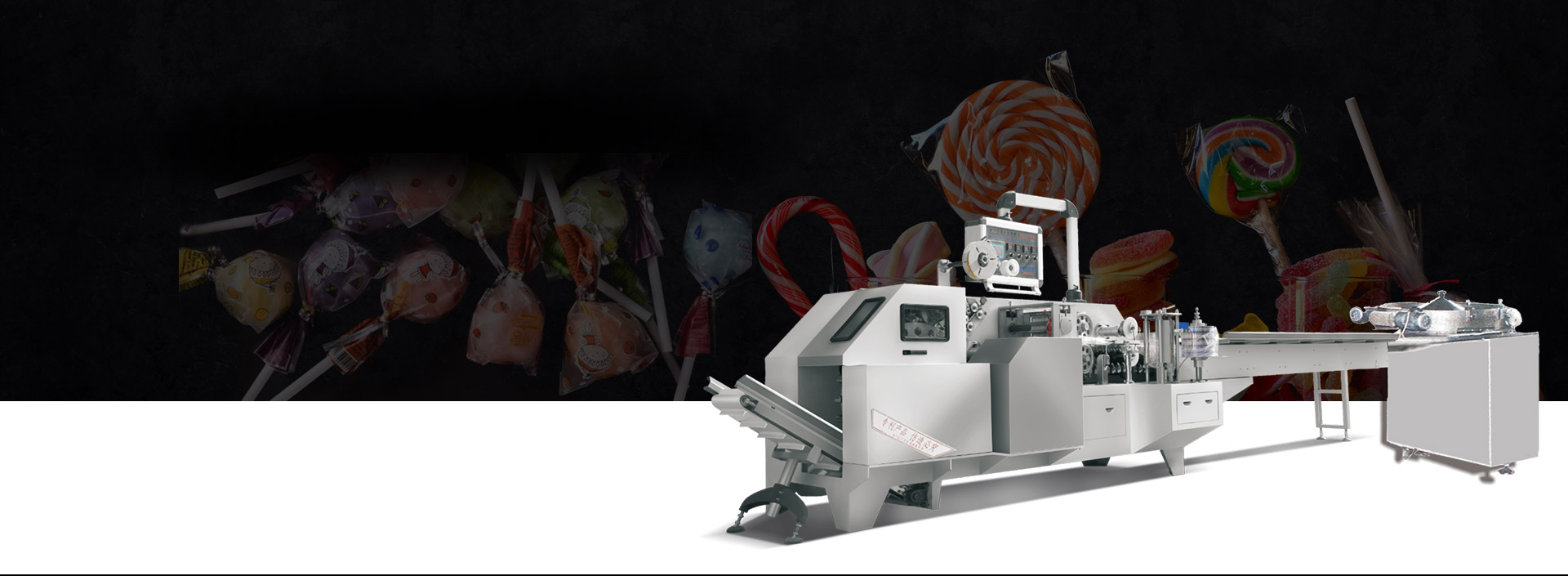
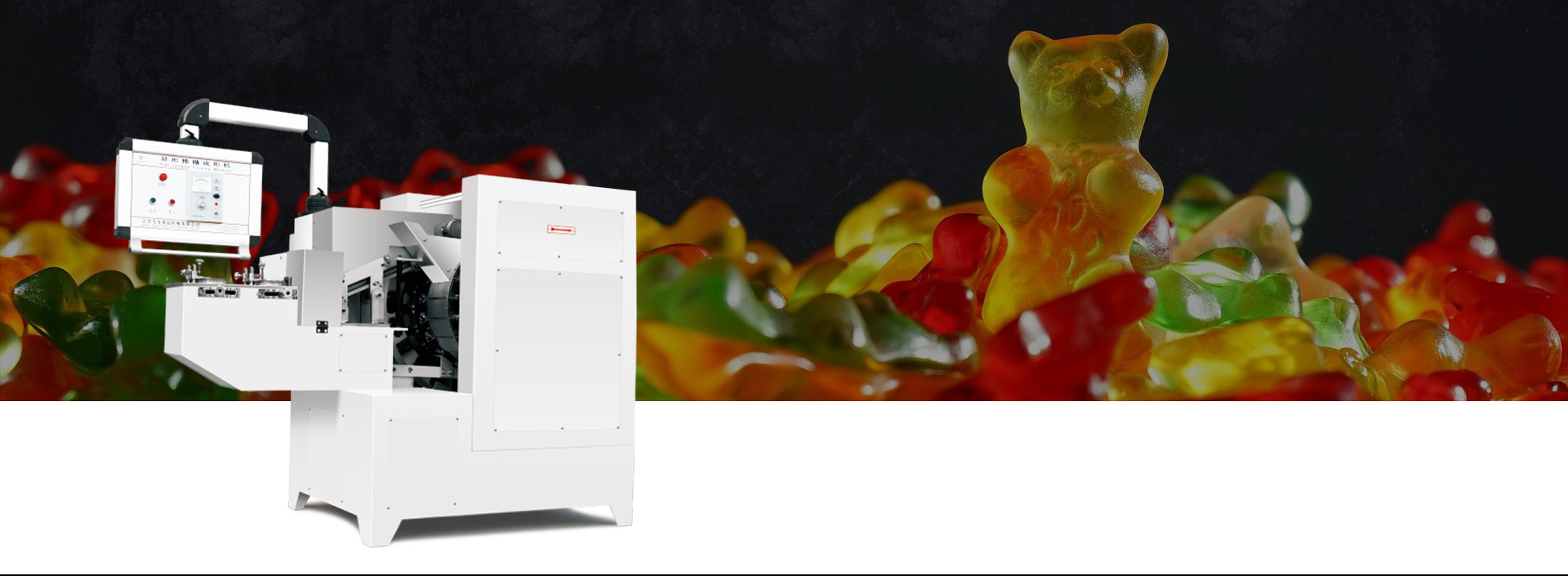
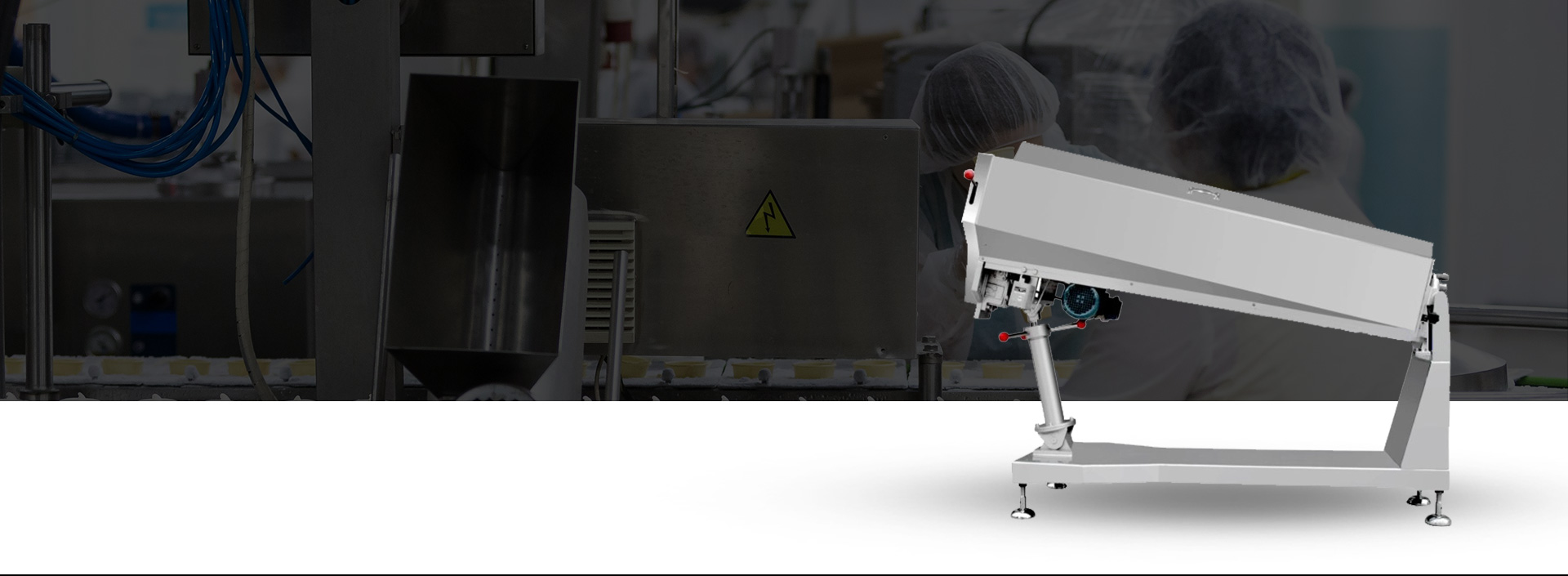
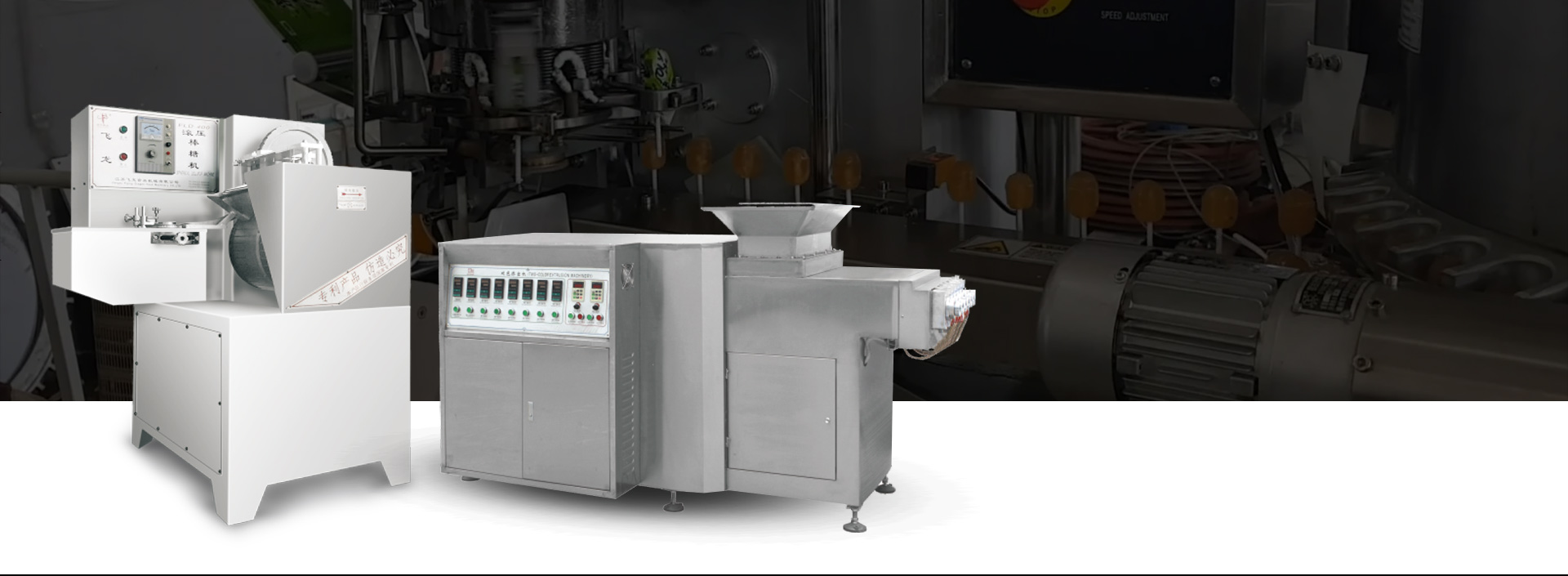
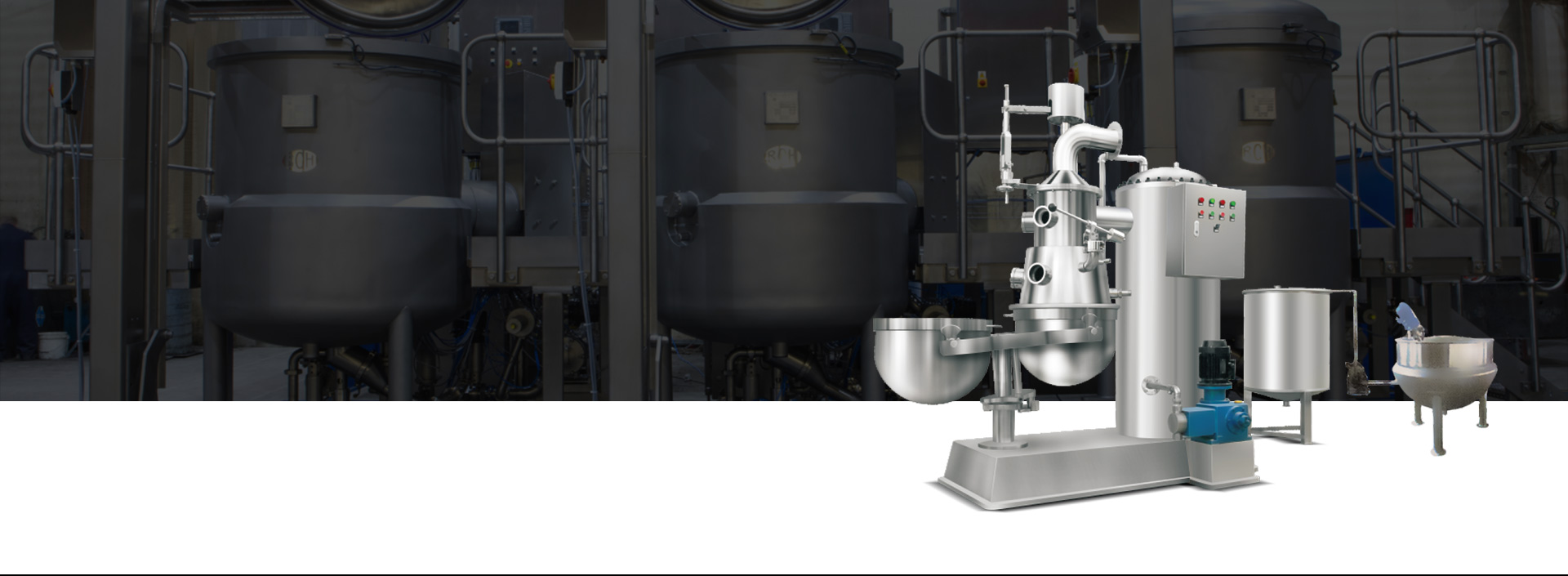
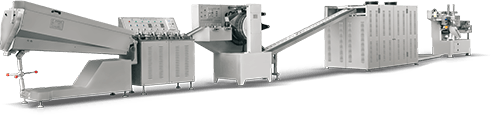
Candy bars are sold in many places and in many forms. Some are made for everyday snacks. Others are produced for retail shelves, food service, gift packs, or private-label products. Although the candy itself receives most of the attention, packaging is an important part of how the finished product moves from a production area to the customer.
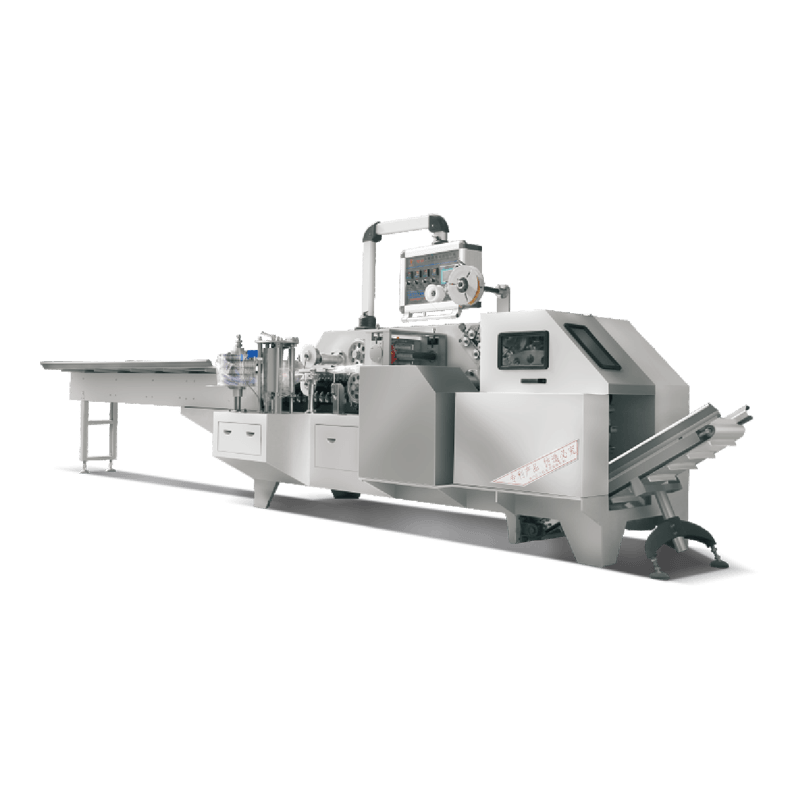
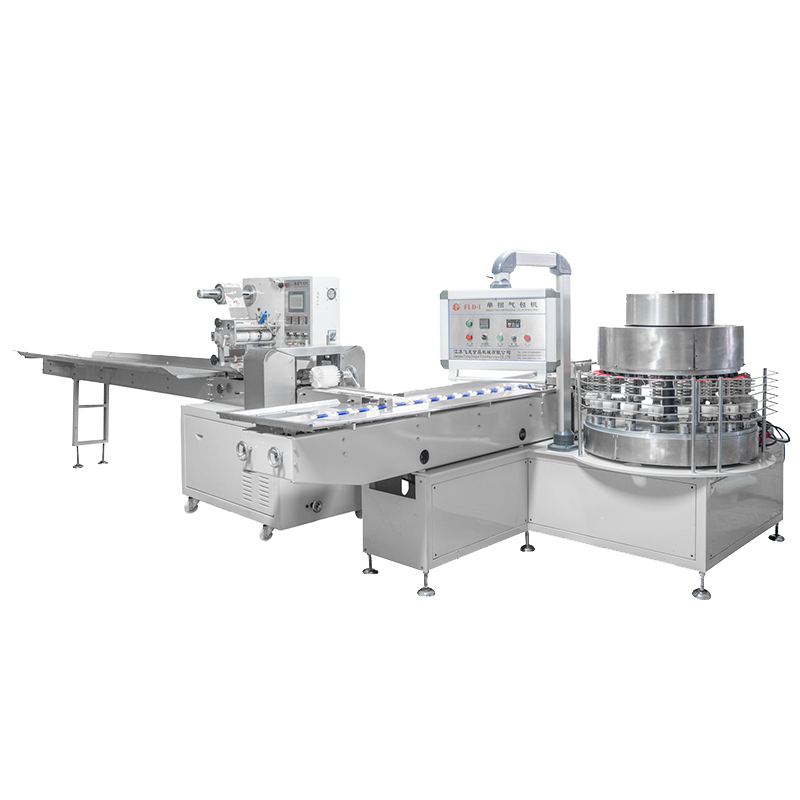
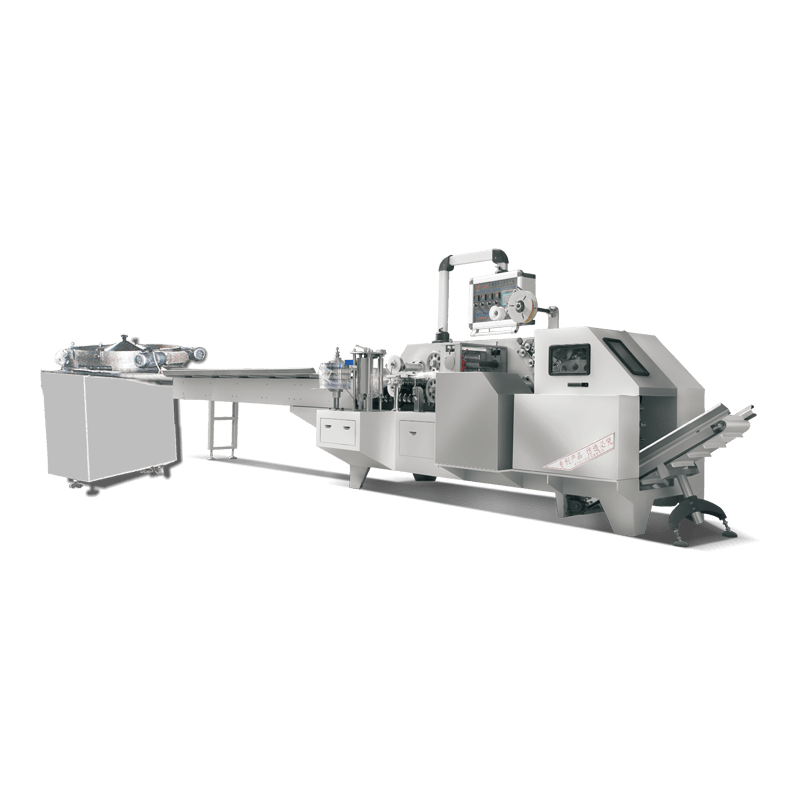
A Candy Bar Packaging Machine is used to organize and automate parts of this packaging process. It can help place candy bars into suitable packaging, form or close the package, and prepare finished products for further handling.
The role of the machine depends on the type of candy bar and the packaging method being used. A business producing one simple product may have different packaging needs from a manufacturer handling several candy varieties.
Packaging is also connected with product handling. Candy bars need to be moved from production to storage, distribution, and sale without losing their intended presentation. A suitable packaging process helps connect these stages.
What Is a Candy Bar Packaging Machine Used For?
The basic purpose of a Candy Bar Packaging Machine is to package candy bars in an organized production process.
Before packaging, candy bars may have already passed through several stages of production. Once the product is ready, it needs to be placed into its package and prepared for the next stage.
Depending on the production setup, a packaging machine may support several activities:
- Feeding candy bars into the packaging process
- Positioning products for packaging
- Wrapping or enclosing the candy
- Closing the package
- Moving packaged products to the next stage
- Preparing finished candy bars for handling and distribution
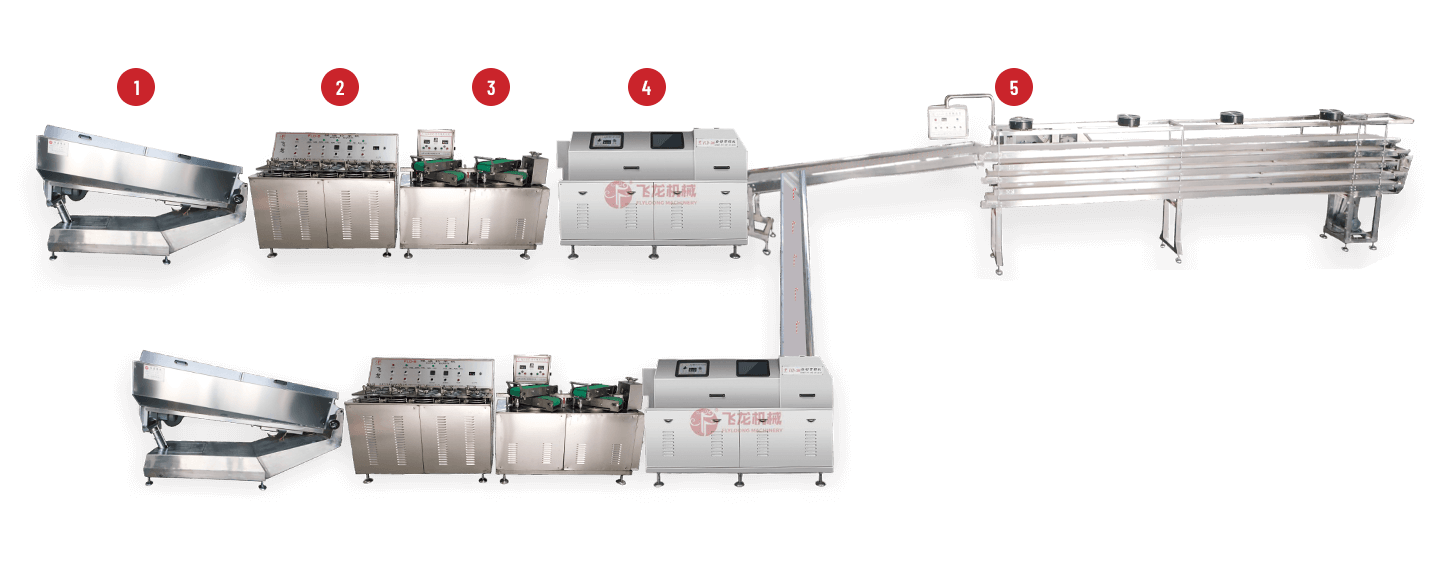
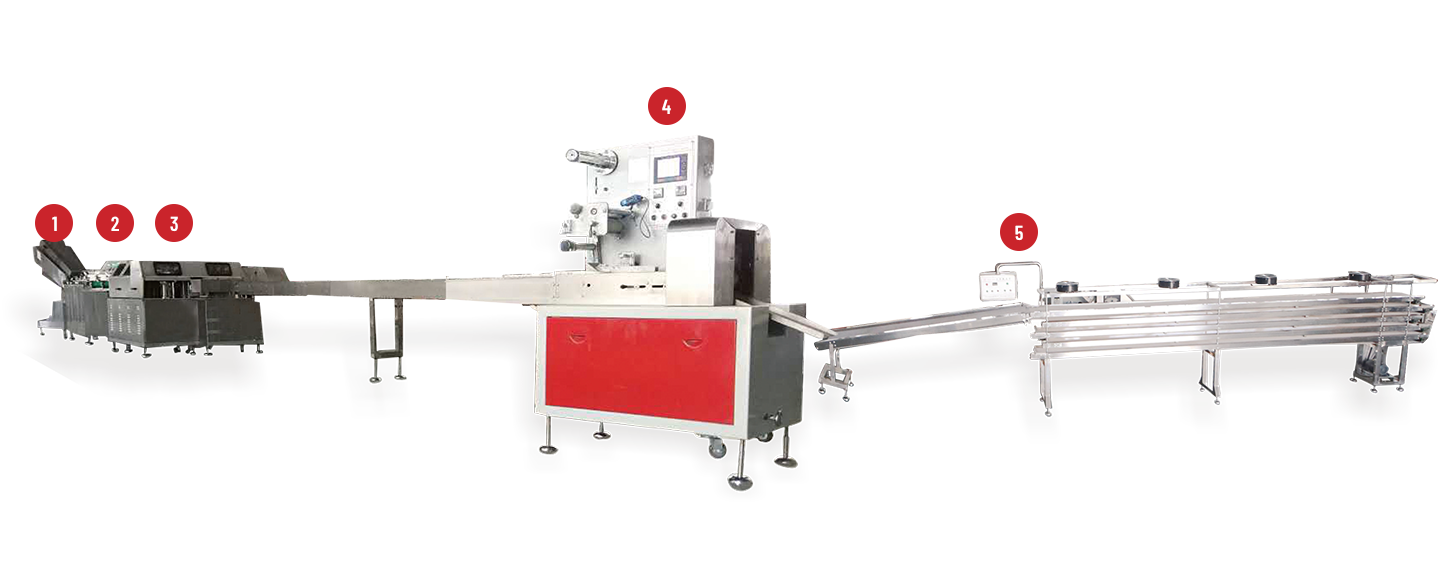
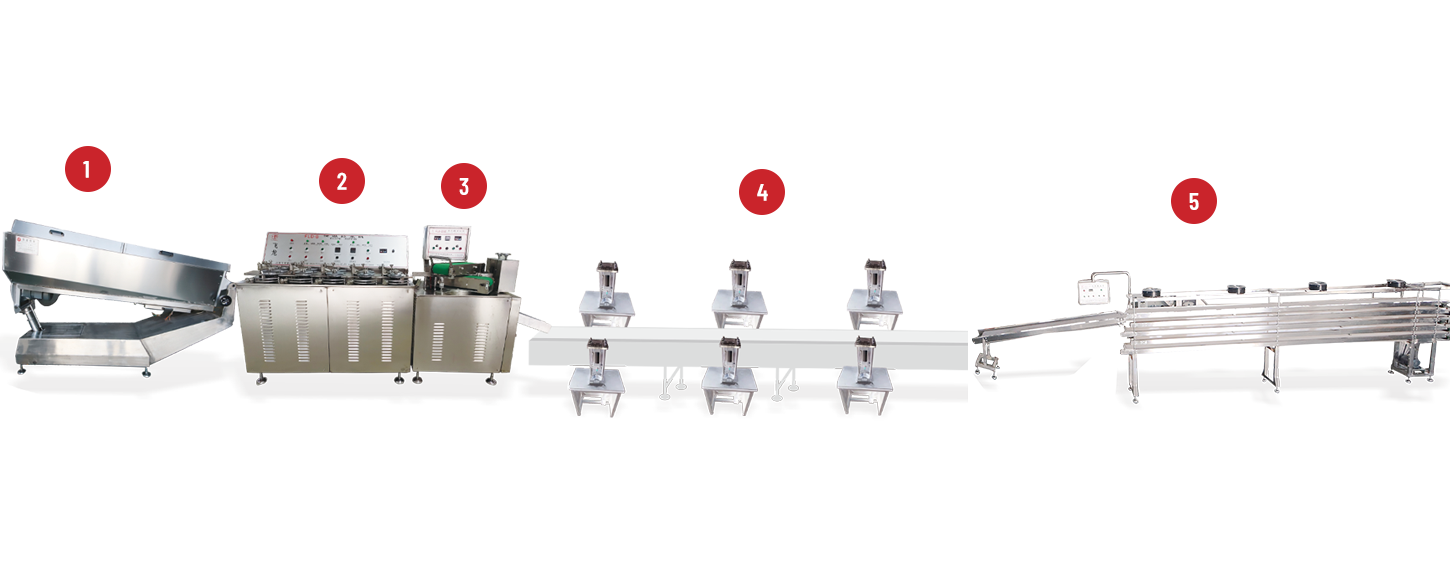
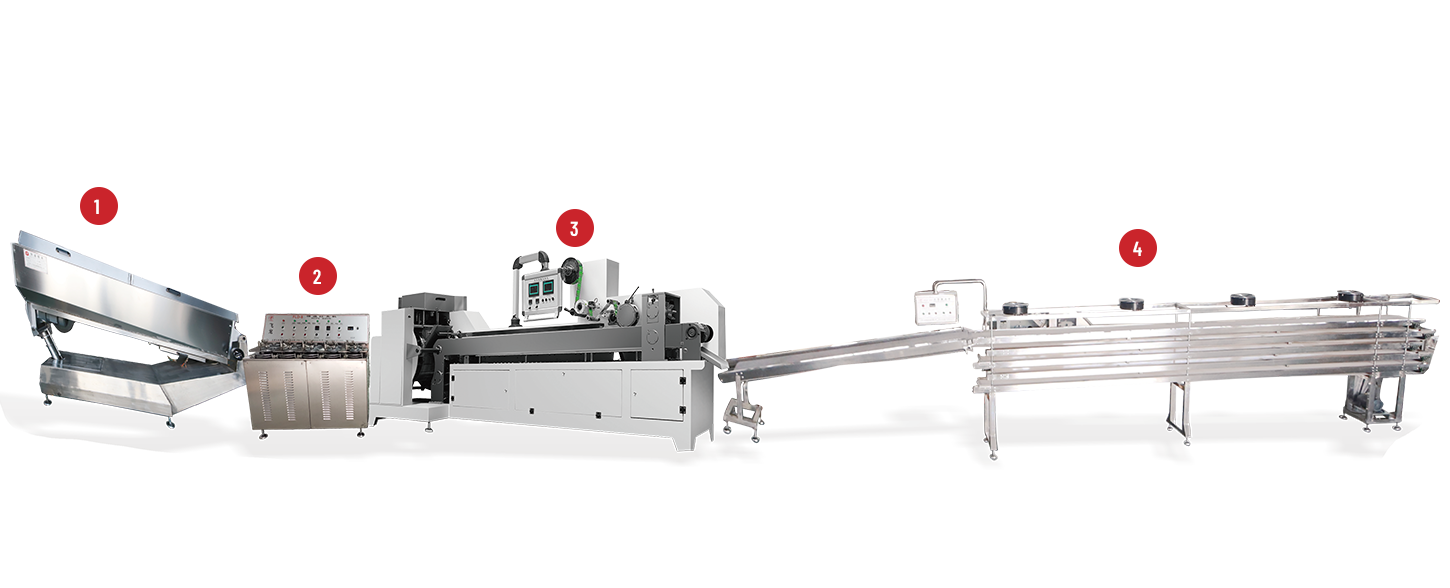
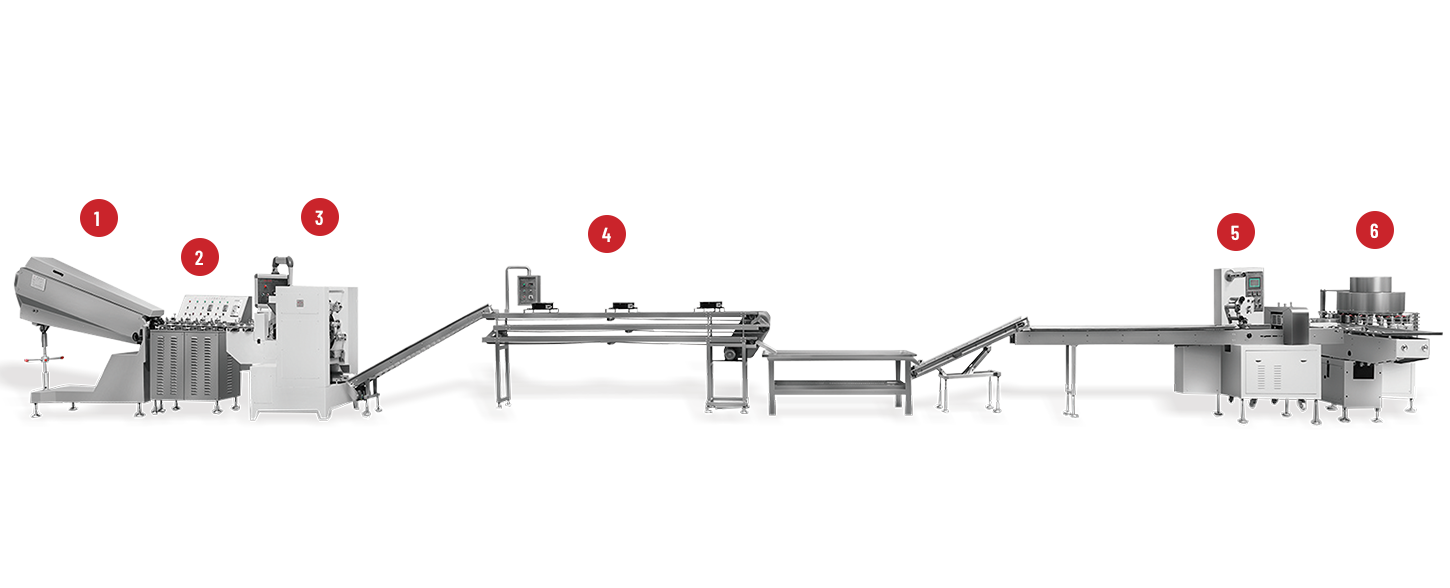
These activities can be arranged in different ways. The machine may form part of a larger candy production line, or it may be used as a dedicated packaging system.
The main purpose is not simply to cover the candy. Packaging also creates an organized way to handle finished products.
| Packaging Role | Practical Purpose |
|---|---|
| Product Feeding | Moves candy bars into the packaging process |
| Product Positioning | Places candy bars in a suitable position |
| Wrapping | Encloses the candy bar with packaging material |
| Package Closing | Helps secure the package around the product |
| Product Handling | Moves packaged candy to the next stage |
| Finished Product Preparation | Prepares products for storage or distribution |
This makes the Candy Bar Packaging Machine part of the wider production workflow rather than an isolated piece of equipment.
How Does a Candy Bar Packaging Machine Fit Into Candy Production?
Candy production doesn't really wrap up the moment the bar itself has been formed and cooled.
That finished product still needs handling, packaging, storage, and prep before it can move toward distribution. Packaging is really the bridge connecting production with everything that happens afterward.
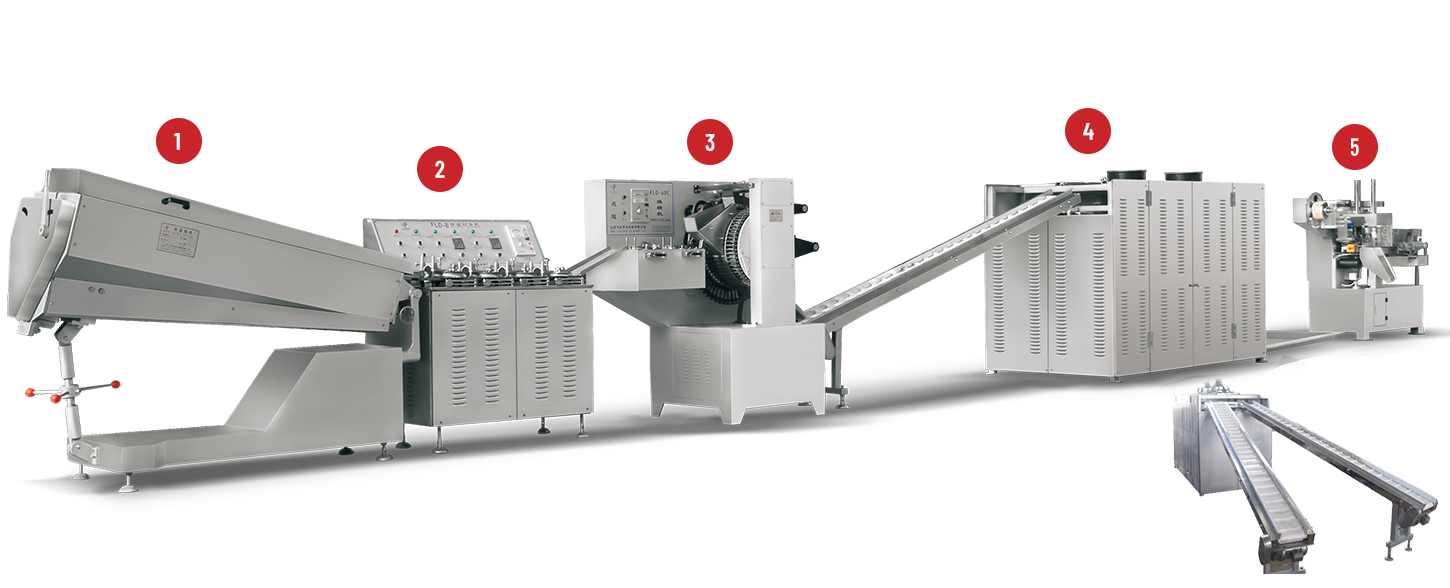
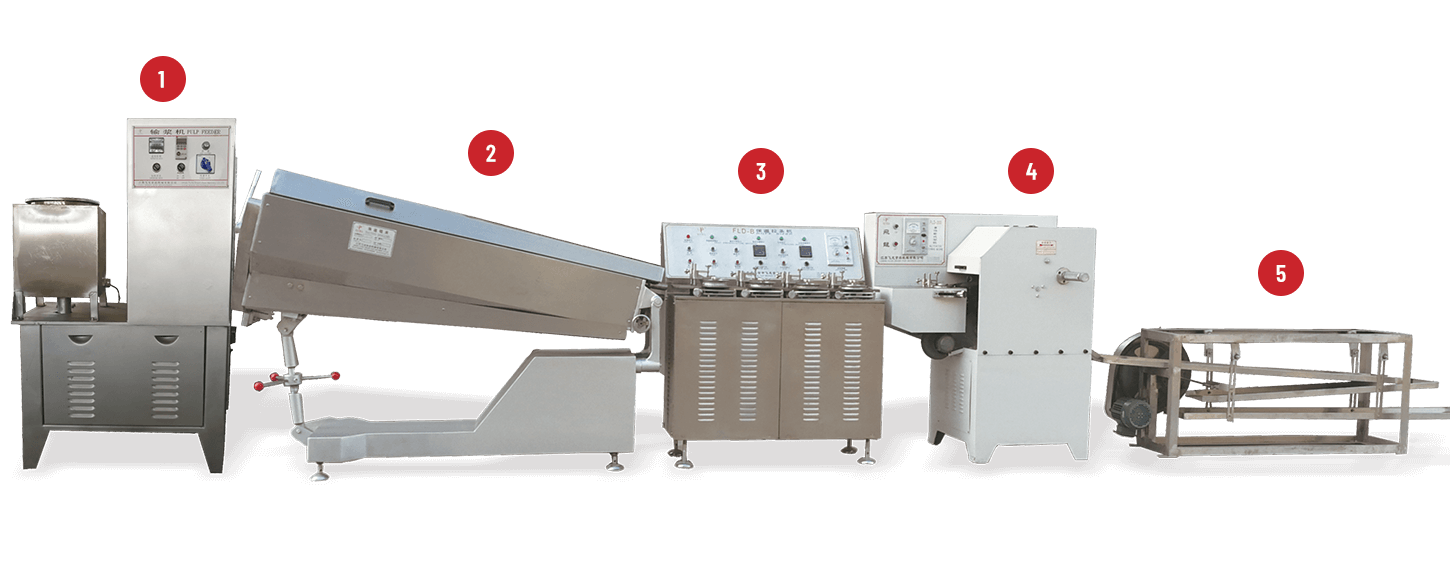
A typical workflow tends to run something like this: candy production, then product handling, then packaging, then finished product handling, then storage or distribution.
The packaging machine sits right between the prepared candy and the finished, packaged product ready to ship out.
That position gives packaging a genuinely practical role in production planning. If candy comes off the line faster than it can get packaged, products end up sitting around waiting between stages. If packaging isn't organized well, moving finished candy through the rest of the process turns into more of a struggle than it should be.
A candy bar packaging machine helps build a more structured flow through all of this.
For a candy manufacturer, that structure makes the packaging stage a lot easier to coordinate alongside everything else happening in production. The exact setup depends on the business itself and whatever type of candy is actually being made.
Some manufacturers handle several candy products under one roof at once. Others stick to a narrower product range and keep things simpler by design. Either way, the packaging process needs to fit how that particular factory actually runs day to day.
This is exactly why packaging equipment tends to get considered alongside the broader production layout, rather than picked out on its own.
What Types of Candy Bars Can a Candy Bar Packaging Machine Handle?
Candy bars can differ in shape, size, texture, and overall design. A simple snack bar may have different packaging needs from a layered candy product or a filled confectionery product.
The packaging method should therefore match the product.
A candy bar with a simple shape may be easier to position and wrap. A product with an irregular shape may require more attention during handling. Products with different surface characteristics can also affect the way packaging is arranged.
This does not mean that one machine needs to handle every type of candy bar. Manufacturers can select equipment based on the products they actually make.
| Candy Bar Type | Packaging Consideration |
|---|---|
| Simple Candy Bar | Straightforward product positioning |
| Filled Candy Bar | Careful handling during packaging |
| Layered Candy Bar | Suitable package arrangement |
| Shaped Candy Bar | Attention to product positioning |
| Assorted Candy Bar | Flexible product handling |
| Specialty Candy Bar | Packaging matched to product design |
Product variety can influence the way a manufacturer approaches packaging equipment.
A company that produces several candy bar styles may need a packaging process that can accommodate different product arrangements. A business with a limited product range may organize its packaging process around a smaller set of requirements.
The important point is that packaging begins with the product itself.
Why Does Packaging Matter for Candy Bars?
Packaging serves several practical purposes.
It keeps the candy enclosed during handling and helps separate the product from its surroundings. It also creates a defined format for storage and distribution.
For customers, packaging is often the part of the product they see before opening it. This means packaging can influence how the product is presented on a shelf or at a point of sale.
For manufacturers, packaging also affects how products are handled after production.
Packaged candy bars are easier to organize into groups, move between locations, and prepare for further distribution. Packaging can therefore connect product protection with everyday factory operations.
There is also a communication function. Packaging may provide space for product information, usage information, ingredient details, or other information required for the intended market.
The packaging machine does not create all of these functions by itself. Instead, it supports the physical process of applying the chosen packaging to the candy.
This distinction matters because packaging design and packaging machinery need to work together.
A package that looks suitable on paper still needs to fit the actual production process. The candy needs to enter the packaging stage in a suitable condition, and the finished package needs to leave the process in an organized form.
How Does Automation Change Candy Bar Packaging?
Manual packaging can work for certain production environments. Workers can place candy bars into packages, close them, and prepare them for the next stage.
As production becomes more organized, however, businesses may look for ways to reduce repetitive handling.
Automation allows some packaging activities to be carried out as part of a connected process. A Candy Bar Packaging Machine can take over selected packaging tasks while workers remain involved in product preparation, quality checks, material handling, and other activities.
This can change the way labor is organized.
Instead of having workers repeat the same packaging action throughout the day, a production team can focus on coordinating the packaging process and managing tasks around the machine.
The level of automation can vary between businesses.
| Packaging Approach | General Characteristics |
|---|---|
| Manual Packaging | Relies mainly on workers for packaging activities |
| Partly Automated Packaging | Combines machine operation with manual handling |
| Automated Packaging | Uses machinery for a larger share of the packaging process |
| Integrated Packaging | Connects packaging with other production activities |
There is no single approach for every candy business.
A smaller manufacturer may use a simpler packaging arrangement. A larger production environment may integrate packaging more closely with the rest of the production line.
The right arrangement depends on the product range, workflow, available space, and business requirements.
Can a Candy Bar Packaging Machine Support Different Packaging Styles?
Packaging is not limited to one appearance.
Candy bars can be presented in individual packages, grouped packages, or other formats designed for different sales and distribution situations. The package may also be connected with a particular product concept or market.
A packaging machine needs to match the chosen packaging style.
For example, an individual candy bar may require a simple wrapping process. A group of products may need to be arranged before being placed into a larger package.
Different packaging materials can also create different handling requirements. The packaging process needs to bring the candy and packaging material together in an organized way.
This makes packaging planning an important part of product development.
Manufacturers can consider:
- The shape of the candy bar
- The intended package format
- The way products will be sold
- How packaged products will be handled
- How the package connects with storage and distribution
These considerations help define the role of the packaging machine.
A business does not necessarily need a packaging system that can handle every possible package style. It needs a system that matches the packaging formats relevant to its products.
What Should Candy Manufacturers Consider When Choosing a Packaging Machine?
Choosing a Candy Bar Packaging Machine starts with understanding the actual production needs.
The candy product should be considered carefully. Manufacturers can look at its shape, handling characteristics, packaging format, and product range.
The production workflow is also important. The machine needs to fit the stages before and after packaging. If products cannot move smoothly into or out of the packaging process, the overall workflow may become less convenient.
Available production space can also influence the choice. A machine needs to fit into the working environment while leaving room for people, materials, product movement, and maintenance activities.
Manufacturers may also consider:
| Consideration | Related Question |
|---|---|
| Product Type | What candy bars will be packaged? |
| Product Variety | Will the same system handle different products? |
| Packaging Style | What type of package will be used? |
| Production Flow | How will products enter and leave the packaging stage? |
| Workspace | Where will the machine be placed? |
| Material Handling | How will packaging materials be supplied? |
| Finished Products | How will packaged candy bars be handled afterward? |
| Future Needs | Could the product range change over time? |
Supplier communication can also help clarify whether a machine fits a particular production situation.
Manufacturers can provide information about the intended application, packaging formats, product compatibility, and operating process. Buyers can then compare this information with their own production plans.
The goal is to connect the equipment with the real needs of the business.
Where Is a Candy Bar Packaging Machine Commonly Used?
Candy bars are produced for many types of markets, so packaging machines can appear in different production environments.
A confectionery factory may use packaging equipment as part of a larger candy production line. A private-label manufacturer may use it to package products made for different customers. A specialty candy business may need packaging equipment that fits a narrower product range.
Retail-oriented production is another common setting. Candy bars intended for stores need to be packaged before they can move into distribution and sales channels.
Food service businesses can also have packaging requirements when candy bars are prepared for individual sale or included in larger food offerings.
| Business Setting | Possible Packaging Role |
|---|---|
| Candy Factory | Supports regular candy packaging |
| Private-Label Production | Packages products for different customers |
| Specialty Candy Business | Handles selected candy bar products |
| Retail Supply | Prepares products for store distribution |
| Food Service | Supports individually packaged candy products |
| Contract Manufacturing | Connects different customer products with packaging |
The packaging machine therefore has a role that extends beyond simply enclosing a candy bar.
It helps connect the finished confectionery product with the practical steps that follow production. Once a candy bar is packaged, it can be organized for storage, moved through distribution, and presented to customers in its intended format.
As candy businesses develop different products and packaging concepts, the machine becomes part of a wider relationship between product design, packaging choice, production flow, and finished-product handling.
 +86-(0)515-8465666
 +86-(0)515-85566996
 +86-138 1559 9708
 flyloong@flyloongcn.com
 Home
Home