

 ENG
ENG
 English
 中文简体
中文简体 русский
 Français
 Español
 عربى
عربى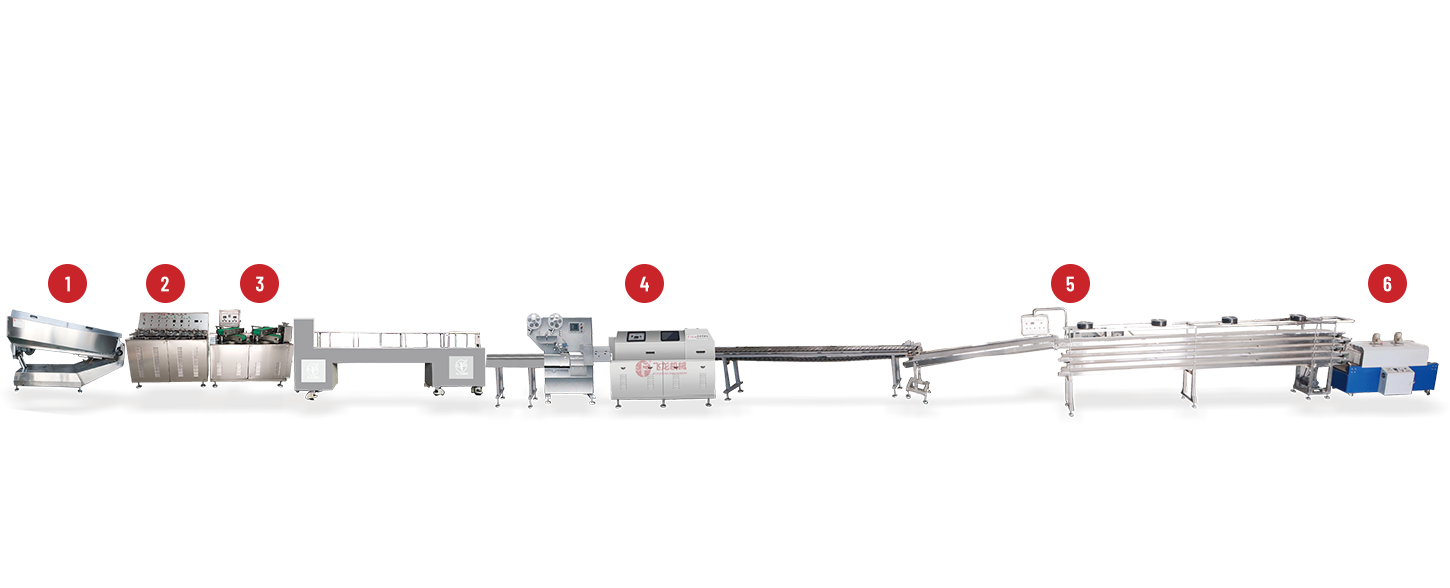
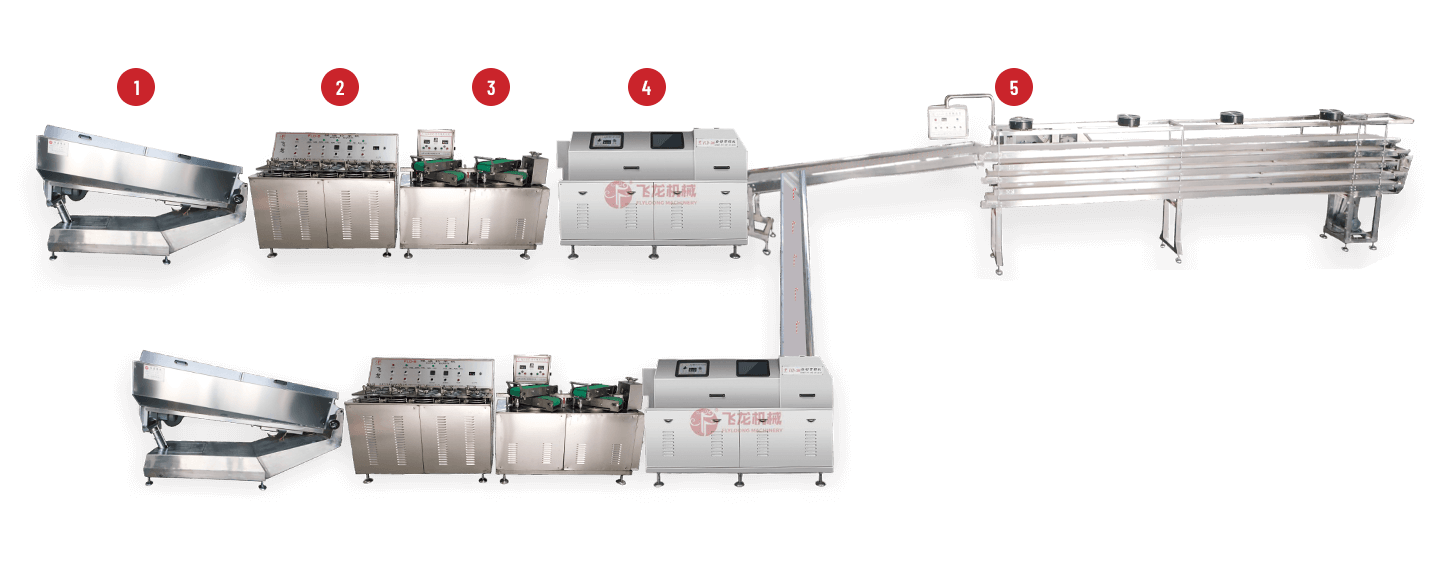
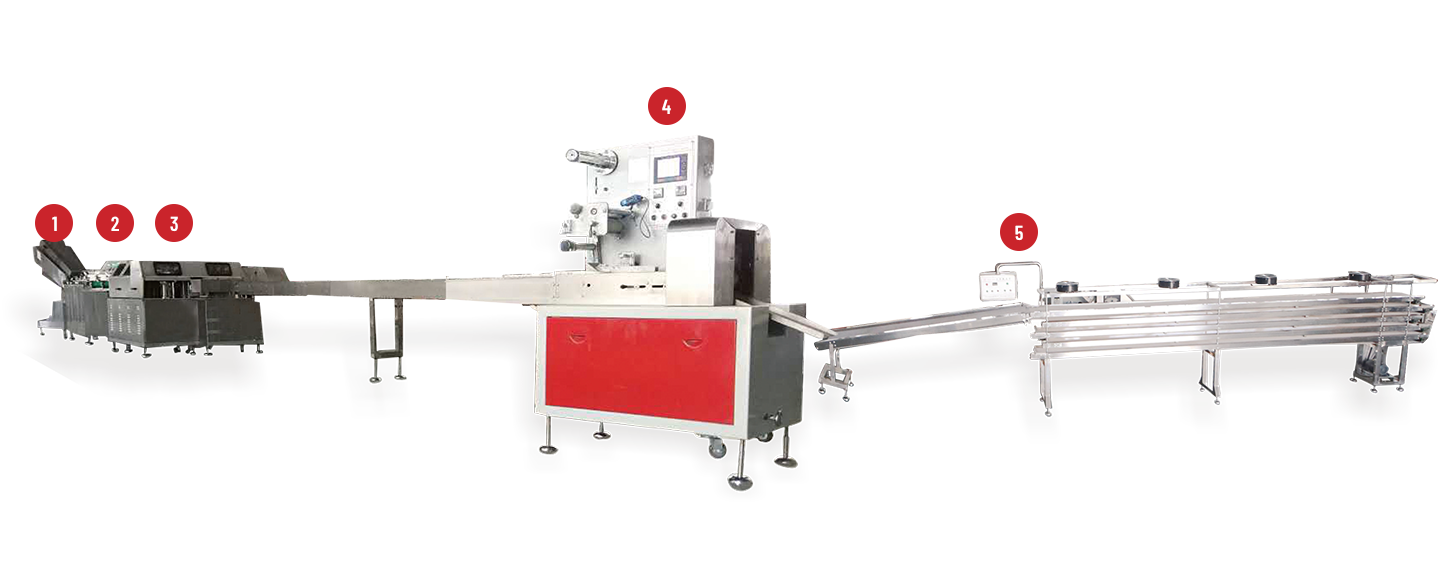
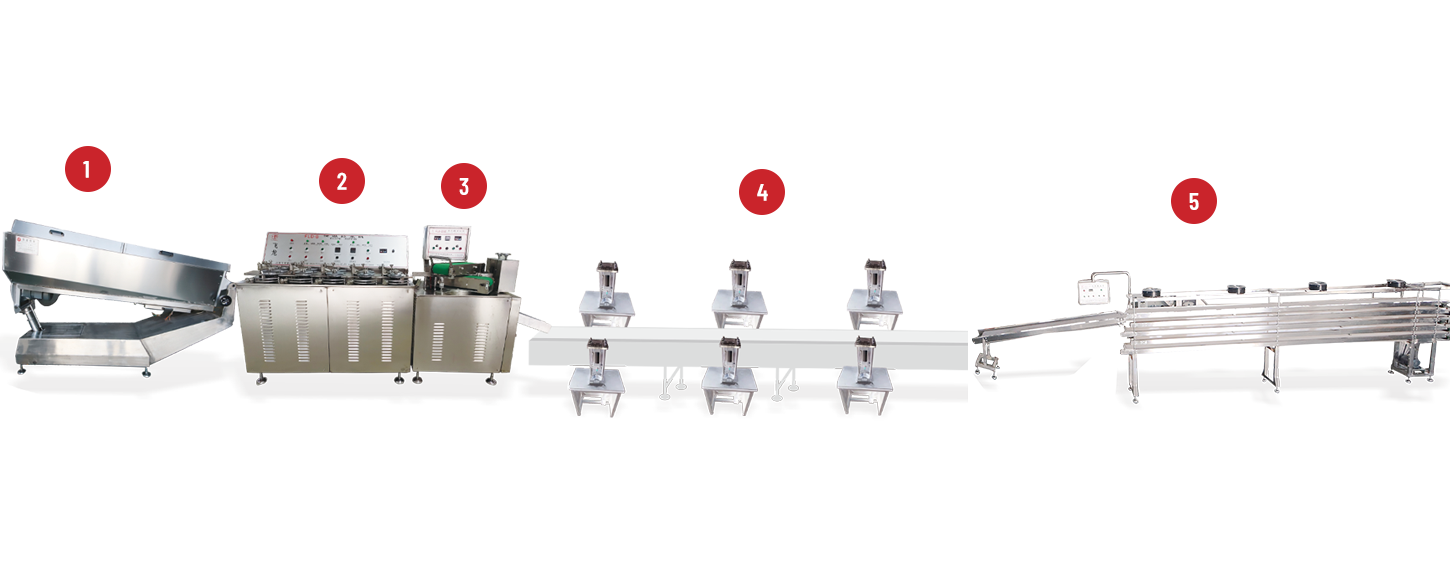
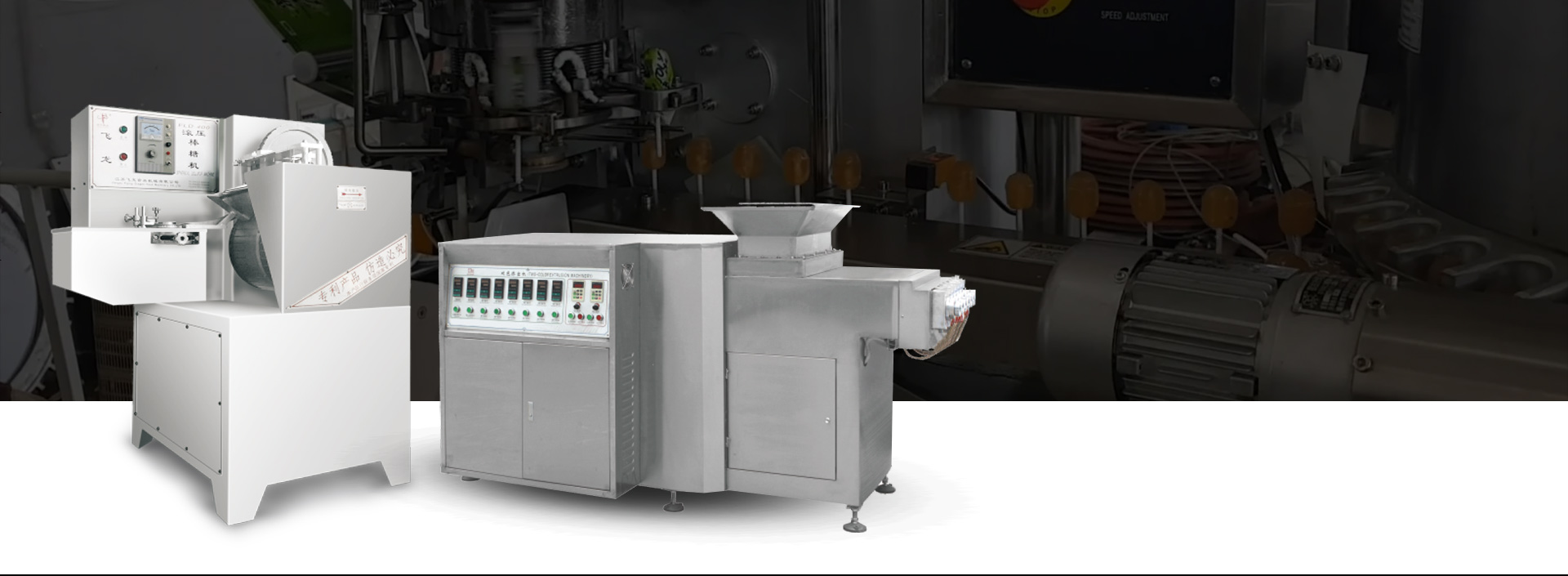
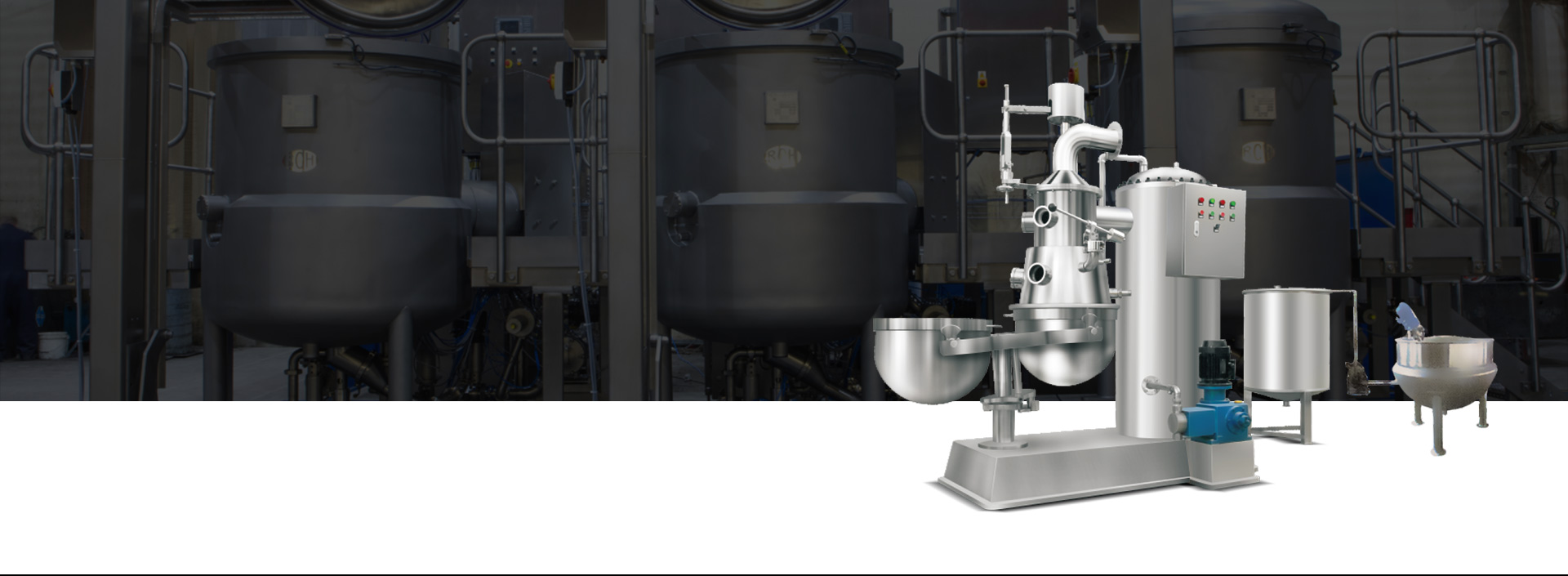
What Is a Milk Candy Machine
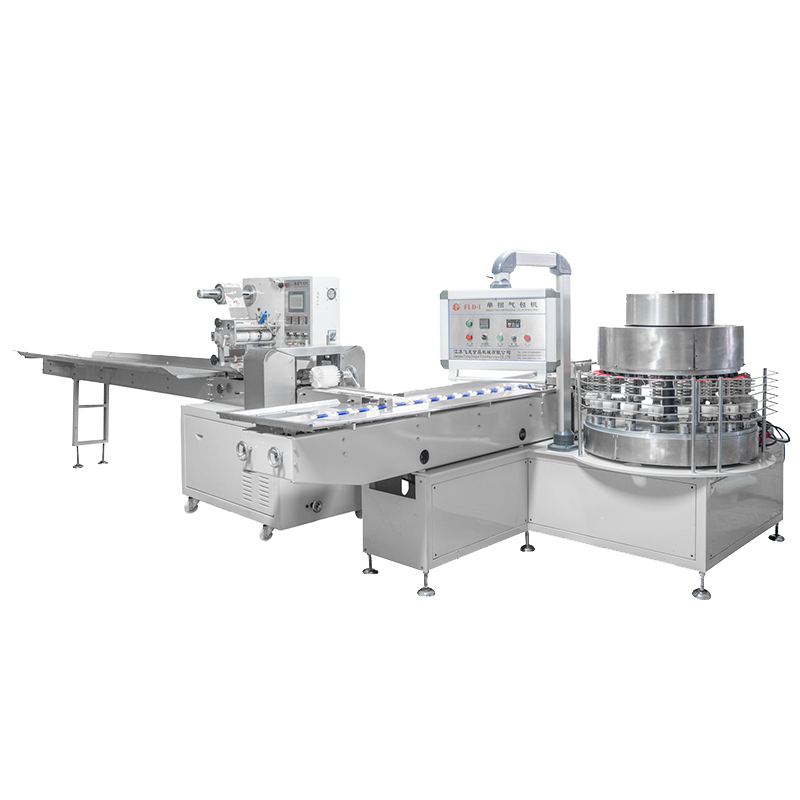
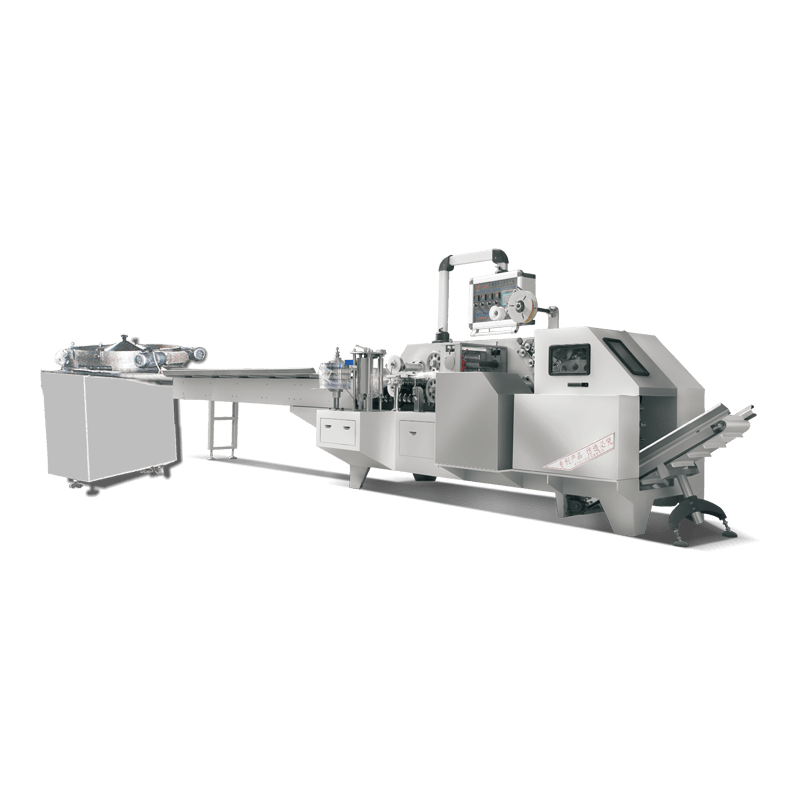
A Milk Candy Machine is a type of food processing equipment used to support the production of milk based confectionery. It is intended to assist in the processing of the raw materials, heating, mixing, shaping and the basic shaping steps that are common in the production of milk sweets. Simply put, it helps to convert a liquid or semi-liquid material into a finished candy with a stable shape and a consistent texture.
Unlike common kitchen tools, the device is designed for reuse in the manufacturing environment. Emphasis is placed on hygiene control, stability of operation, and consistency of process. This is particularly important when making sweets, where a slight change in temperature or pace of stirring may have an effect on the taste, appearance and stability of the product.
From an industry view, milk candy has special characteristics. Milk content can react differently during heating compared with sugar alone. A dedicated machine is developed to manage these characteristics in a controlled way, rather than relying on manual handling or general purpose devices.
Key ideas behind a Milk Candy Machine include the following points.
- It supports controlled heating and mixing to reduce uneven texture.
- It helps keep ingredient contact surfaces clean and suitable for food use.
- It allows repeatable production steps, which is helpful for batch planning.
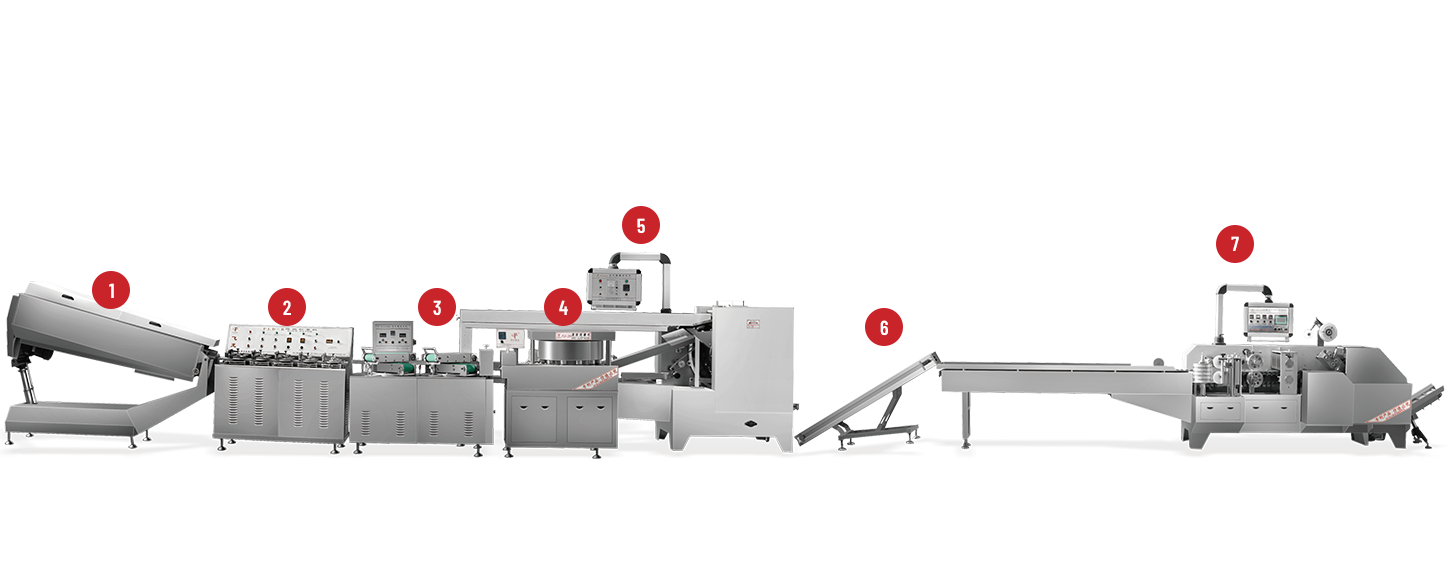
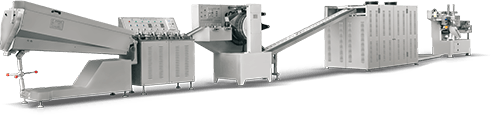
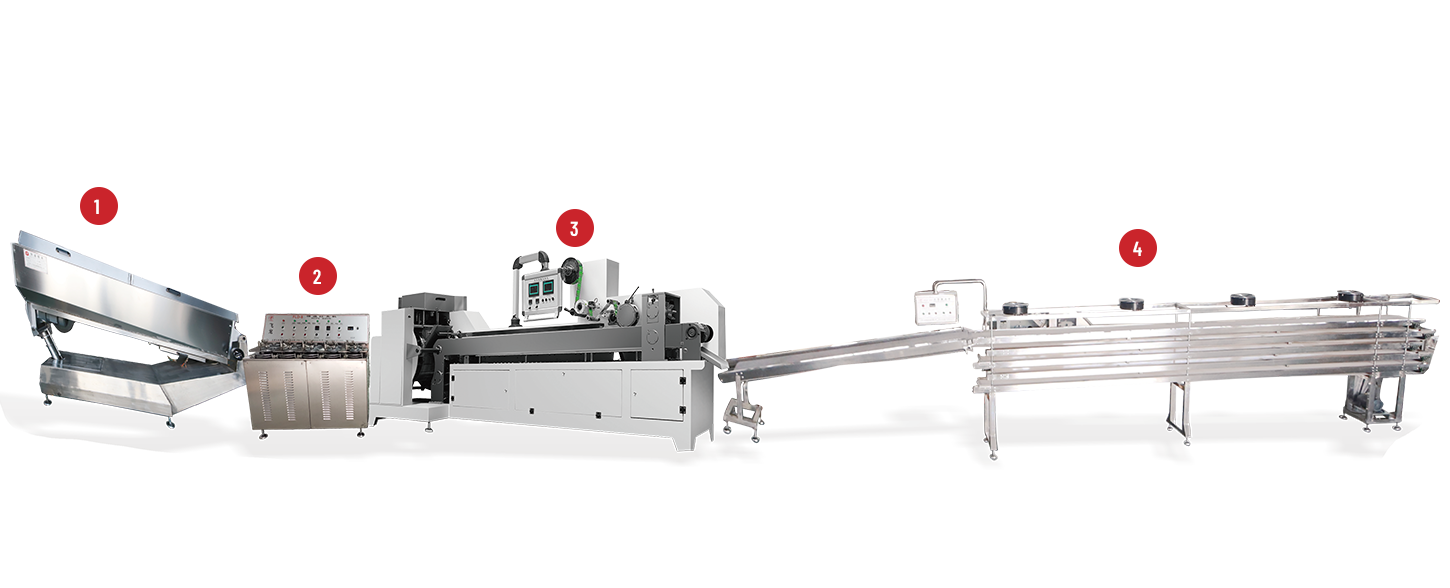
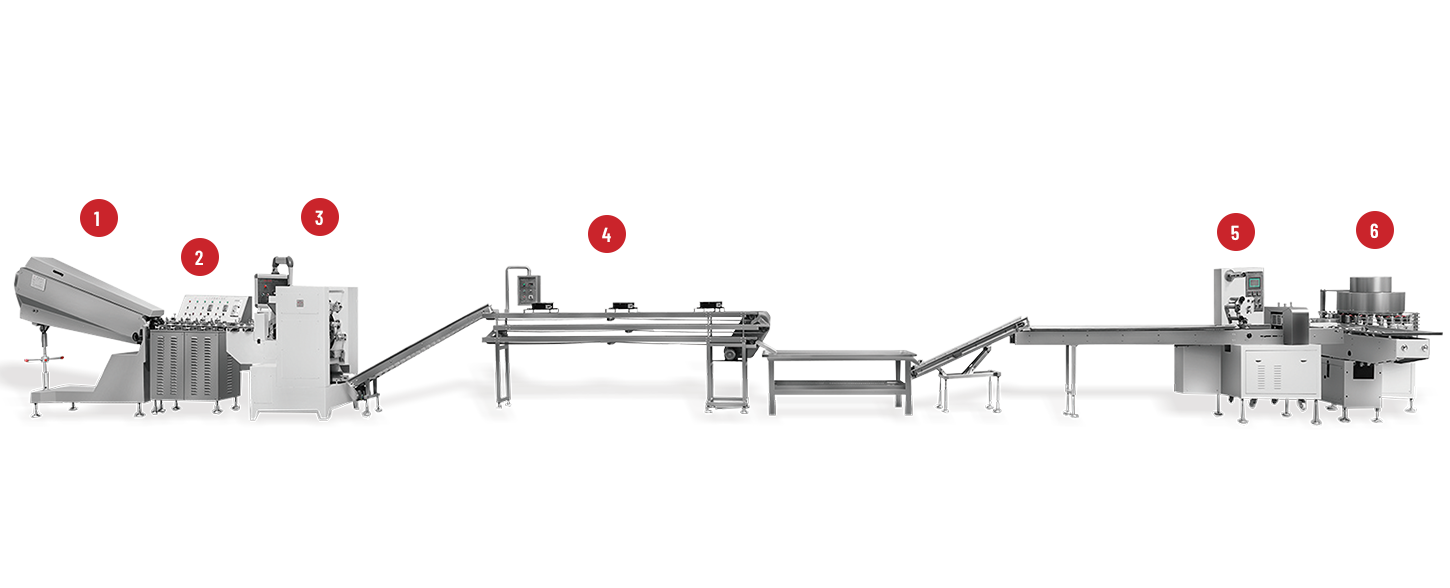
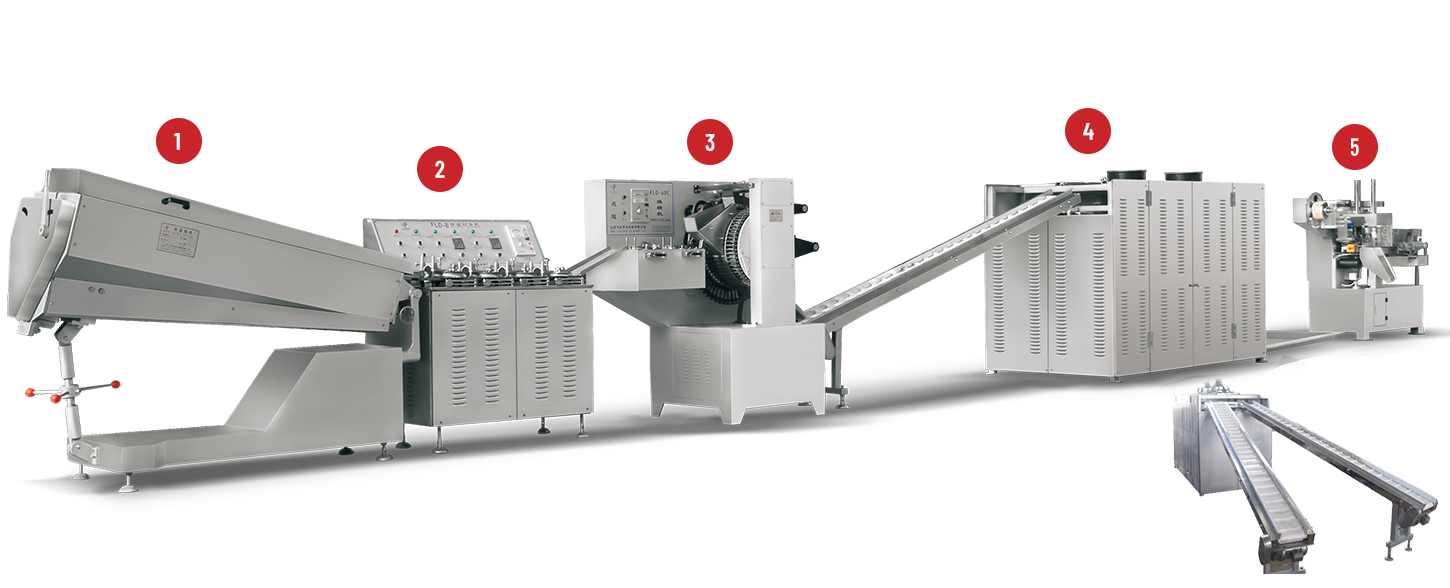
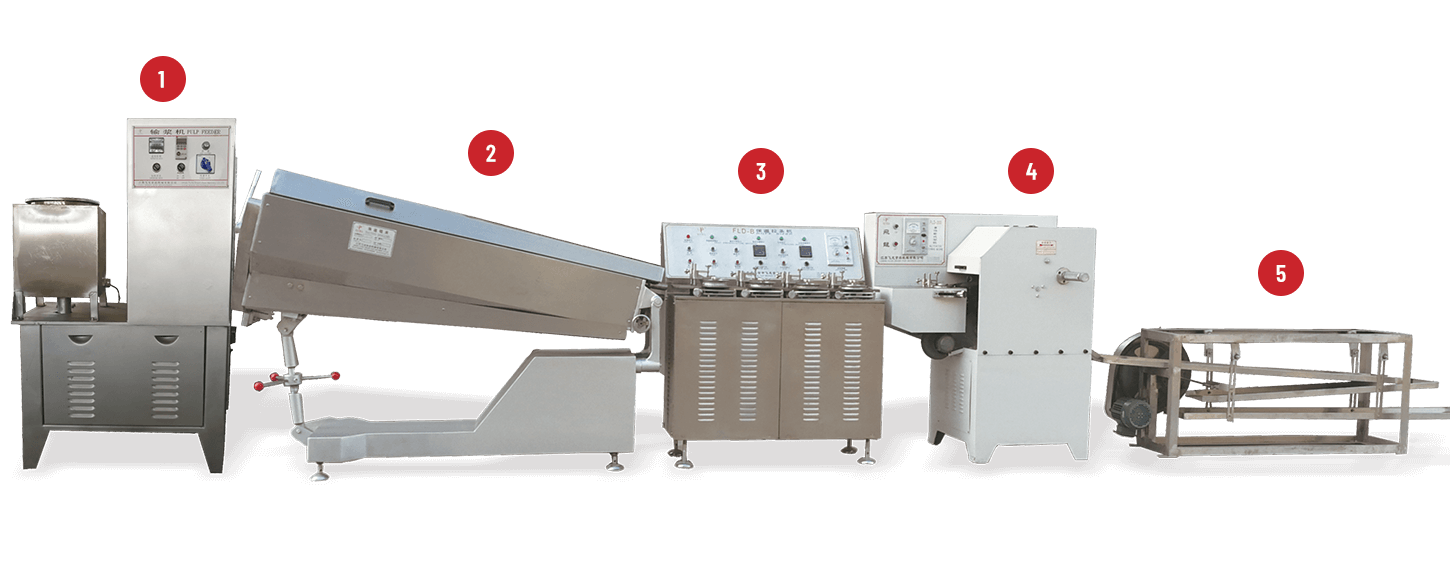
On many production lines, this type of machine is used as a core unit, not as a separate tool. It is often used in conjunction with cooling, cutting, or wrapping machines to complete the entire process.
Why Milk Candy Production Needs Dedicated Equipment
Milk candy may look simple on the surface, but its production involves several sensitive steps. These steps require steady control, clean handling, and clear workflow planning. Dedicated equipment is developed to meet these needs in a practical and compliant way.
Milk based ingredients behave differently from many other confectionery materials. The interaction of milk proteins, fats, and sugars can alter the texture, colour and taste of milk when they are heated. If these interactions are not handled with care, the end product will be different for each lot. Specialized equipment helps reduce these differences by supporting a more stable process.
One key reason for using dedicated equipment is ingredient sensitivity. Milk can scorch, separate, or thicken unevenly if temperature and movement are not balanced. Manual or generic tools often struggle to maintain this balance for a long time. Dedicated machines are designed to conduct heat and mixing more smoothly, which allows for more predictable results.
Another important reason is hygiene management. Milk based products are more sensitive to contamination than many dry or sugar only candies. Dedicated equipment usually follows food industry practices that make cleaning easier and reduce hidden contact points. This helps operators maintain a clean production environment without adding unnecessary complexity to daily routines.
The need for dedicated equipment can be explained more clearly by looking at the main challenges in milk candy production.
- Milk reacts quickly to heat changes and uneven stirring.
- Sticky mixtures can build up on surfaces if movement is inconsistent.
- Repeated handling increases the risk of hygiene issues.
Specialized machinery is designed to deal with these problems in a structured manner. Rather than relying on constant human adjustments, the machine supports a stable working flow and reduces abrupt changes in the production process.
Consistency is another factor that strongly affects the choice of equipment. In a business environment, customers usually expect the same taste and appearance when buying a product. Small variations in cooking time or mixing rhythm can affect this expectation. Specialized equipment helps to standardize these steps, and it is easier to keep a steady output across the different batches.
Also, from an operational point of view, a dedicated facility supports better time management. Manual manufacturing usually requires careful attention in each phase. This can be tiring for workers and difficult to maintain during long production runs. The use of special machines allows operators to concentrate more on monitoring and coordination, instead of continuing to do manual work.
Production approach comparison
| Aspect | Dedicated equipment | General tools |
|---|---|---|
| Process stability | More predictable over time | Varies with operator input |
| Cleaning workflow | Structured and repeatable | Often time consuming |
| Ingredient handling | Adapted to milk mixtures | Not always suitable |
| Labor demand | More balanced workload | High manual involvement |
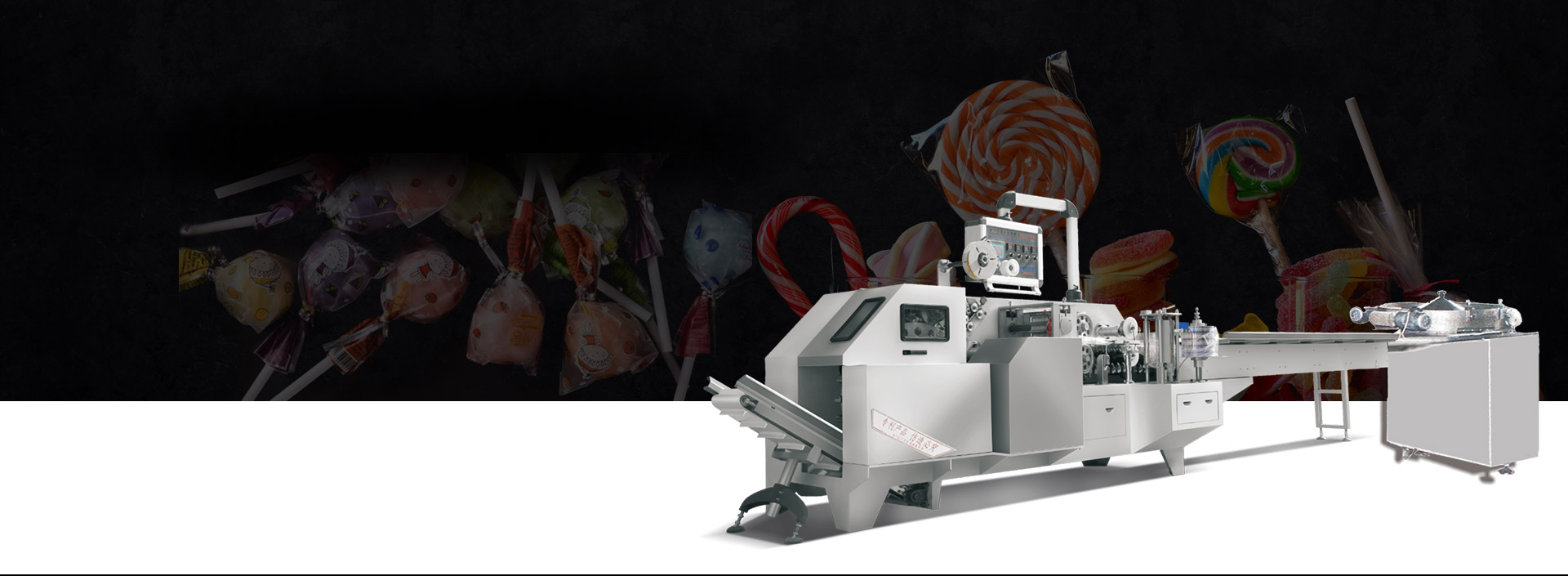
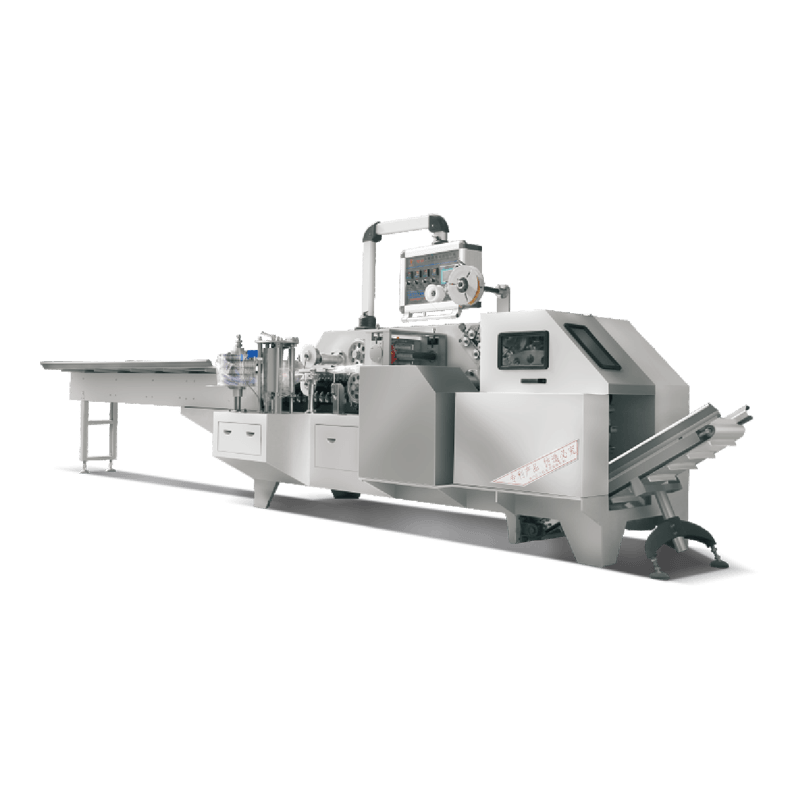
Another reason milk candy production benefits from dedicated equipment is workflow integration. Candy production rarely ends after cooking. Cooling, shaping, cutting, and packing usually follow. Dedicated machines are often designed to connect smoothly with these later steps. This reduces unnecessary transfers, which can cause product damage or temperature loss.
Using general equipment may require frequent stopping and restarting to move materials between stages. Each interruption increases the chance of inconsistency. Dedicated equipment supports a more continuous flow, which helps maintain product structure until the candy is ready for the next step.
Safety considerations also play a role. Milk candy mixtures are often heated and sticky. Manual handling increases the risk of burns or spills. Dedicated equipment reduces direct contact with hot materials. This supports a safer working environment and aligns with common workplace safety practices.
Another aspect worth noting is training and skill balance. Traditional candy making often depends on experienced workers who understand timing and texture through observation. While this knowledge remains valuable, dedicated equipment helps reduce reliance on individual judgment alone. New operators can learn processes more easily when steps are supported by stable machinery.
This does not remove the need for human oversight. Instead, it changes the role of workers from constant manual action to process supervision. This shift is common in modern food production, where machines support consistency while people focus on quality checks and adjustments.
Dedicated equipment also helps with production planning. When output steps are more predictable, it becomes easier to estimate material usage, schedule shifts, and manage storage. This level of planning is difficult to achieve when results vary widely from one batch to another.
The reasons discussed above can be grouped into practical benefits that many producers consider important.
- Better control over sensitive milk based mixtures.
- Clear hygiene routines that fit food industry norms.
- Reduced variation in texture and appearance.
- Improved safety for daily operations.
- Easier coordination with later production stages.
Another point to consider is long term operation. General tools may work for small experiments or limited batches. Over time, repeated exposure to sticky milk candy mixtures can increase wear and cleaning difficulty. Dedicated equipment is built with these conditions in mind, helping support stable use over longer periods.
From a compliance perspective, dedicated equipment also aligns better with food production guidelines. While specific rules vary by region, the general expectation is that food contact equipment should be easy to clean and suitable for the ingredients used. Machines designed for milk candy production are more likely to meet these expectations without frequent modification.
It is also helpful to look at this topic from a product quality angle. Milk candy is often valued for its smooth texture and balanced taste. Achieving this balance depends on controlled heating and mixing. Dedicated equipment supports these controls in a way that is difficult to replicate with tools designed for other purposes.
In addition, production scale influences equipment needs. As output volume grows, small manual adjustments become harder to manage. Dedicated machines help maintain similar results whether the batch size changes slightly or production runs extend over longer periods.
The following list summarizes why producers often move toward dedicated equipment as their operations develop.
- Early stage production may rely on simple tools.
- Growing demand increases the need for consistency.
- Hygiene requirements become more structured.
- Workflow efficiency becomes more important.
The specialised facilities are responding to these changes by providing a more transparent structure for day-to-day production. It supports small groups as well as larger operations by reducing unnecessary variability and helping to keep order.
To sum up, the production of dairy products requires special equipment, due to the sensitivity of the ingredients, the hygiene expectations, the consistency objectives, the safety issues, and the efficiency of the workflow. These machines aren't just automated. The aim is to promote stable and comprehensible practices which correspond to the characteristics of dairy confectionery.
Common Production Process of Milk Candy
Making milk candy has several steps. It is not as simple as it looks. Each step changes how the candy tastes, feels, and looks. Knowing the process helps make steady results. Machines can help, but understanding each part is key.
1. Prepare Ingredients
Start by measuring everything. Milk, sugar, and any flavors or colors should be ready.
- Sift sugar or dry powders to remove clumps.
- Warm milk gently for easier mixing.
- Add flavors slowly so they blend well.
Good preparation avoids lumps and uneven cooking later. Machines make it smoother, but careful hands work too.
2. Cook and Stir
Next, heat the mixture. Milk and sugar react to heat, so do it slowly.
- Stir constantly to stop burning.
- Heat gently, in stages if needed.
- Machines can move the mixture evenly.
Cooking right makes the mixture smooth. Too fast or uneven, and the texture suffers.
3. Make the Mixture Thicker
After cooking, the candy mixture may be thin. It needs to be thicker to shape.
- Let some water evaporate slowly.
- Stir to keep it even.
- Machines help control how thick it gets.
If it's too thin, candies stick. If too thick, shaping becomes hard.
4. Cool Before Shaping
Once thickened, the mixture should cool a little.
- Use trays or belts to spread the heat evenly.
- Some mix may be formed into sheets or ropes.
- Cool slowly so the texture stays smooth.
Proper cooling makes the mixture easy to handle.
5. Shape and Cut
After cooling, shape the candies.
- Extrude into long ropes if making sticks.
- Use molds for shapes like squares or rounds.
- Cut ropes into even pieces.
Machines make this easier and more uniform. Less manual touch keeps the candy clean.
6. Finish the Surface
Some candies need a finish.
- Dust with sugar or starch so pieces don't stick.
- A light glaze can make them shiny.
- Machines ensure every piece looks similar.
Finishing helps the candy store better and look attractive.
7. Cool and Set Completely
After shaping and finishing, let candies cool fully.
- Use trays or cooling tunnels.
- Cool slowly so they don't crack or stick.
- Machines keep the cooling even across all pieces.
Proper cooling keeps candies in shape and texture intact.
8. Package
Finally, pack the candies to protect them.
- Wrapping machines reduce touching.
- Automated lines work faster for bigger batches.
- Packaging stops moisture or dust from getting in.
Good packaging also makes storage and transport easier.
Production Overview
| Step | Goal | How it's Done |
|---|---|---|
| Prepare Ingredients | Mix evenly | Mixers, sifters, pre-warm milk |
| Cook and Stir | Smooth mixture | Heated kettles, stirrers |
| Thicken Mixture | Hold shape | Evaporation units, stirrers |
| Cool Before Shaping | Easy to handle | Cooling trays, belts |
| Shape and Cut | Uniform pieces | Extruders, molds, cutters |
| Finish Surface | Look good, prevent sticking | Dusting or glazing |
| Cool Fully | Stable texture | Cooling tunnels, trays |
| Package | Protect candy | Wrapping machines, automated lines |
Tips for Daily Production
- Watch temperature carefully at every step.
- Stir well to avoid lumps.
- Keep everything clean to prevent contamination.
- Plan steps so nothing sits too long.
- Machines help, but people still check quality.
Following this simple flow helps make candies that taste the same every time. Machines reduce errors, but careful observation is still important. Small batches or large runs can both benefit if the steps are followed carefully.
Key Components of a Milk Candy Machine
It takes more than just the ingredients to make milk candy. The machine itself plays a key role in making sure that each batch is identical in taste, texture and appearance. The Milk Candy Machine is not an individual device, but a system consisting of several components, each of which is responsible for a particular task. Understanding these components helps the operator to manage the production effectively and to maintain the quality of the product over time.
| Component | Purpose | Function |
|---|---|---|
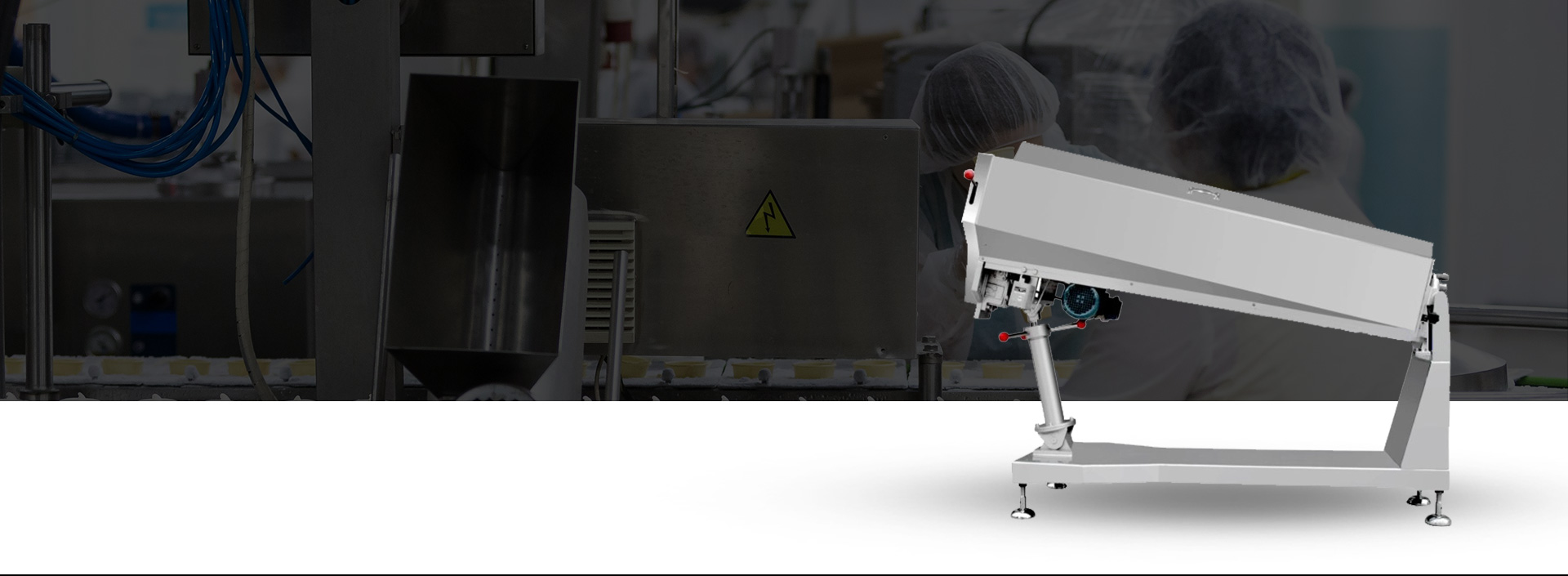
| Mixing and Preheating Unit | Combine ingredients evenly | Warm milk, mix sugar, add flavorings |
| Cooking and Heating Section | Cook mixture safely | Apply heat, maintain uniform stirring |
| Viscosity Adjustment Unit | Reach desired thickness | Reduce water, monitor consistency |
| Cooling System | Prepare mixture for forming | Lower temperature gradually, pre-form sheets or ropes |
| Shaping and Forming Unit | Create candy shapes | Extrude, mold, cut |
| Surface Finishing Section | Improve appearance | Dust sugar or apply glaze |
| Final Cooling and Setting Unit | Stabilize texture | Cool uniformly to prevent sticking or cracking |
| Packaging Integration | Protect and store | Wrap candies, reduce handling, maintain freshness |
Why Each Component Matters
- Mixing and Preheating: Sets the foundation for smooth cooking.
- Cooking Section: Make sure the texture is uniform and prevent burning.
- Viscosity Adjustment: Control the thickness, which is essential for forming.
- Cooling System: Preserve the texture and prepare the candy for shaping.
- Shaping Unit: Reduces variability and improves productivity.
- Surface Finishing: Improves appearance and handling.
- Final Cooling: Stabilizes the product for packing.
- Packaging: Preserve sweets and preserve their quality when stored or transported.
Tips for Operators
- Always check the consistency of ingredients before cooking.
- Note the temperature and mixture at every step.
- Keep the equipment clean to meet hygiene standards.
- Follow the flow of work to prevent delays or over-processing.
- Make careful adjustments to keep the output uniform.
Practical Notes
- Not all machines have every section built in; some may require separate units.
- Small manufacturers may combine steps, but larger operations typically separate the various functions.
- Continuous use of special machines reduces errors, improves workflow, and maintains product quality.
- Operators should concentrate on monitoring rather than manual work to make sure that each batch is up to standard.
Knowing the components of the Milk Candy Machine helps the operators to manage their production. Each component contributes to coherence, effectiveness, and security. Carefully handled, the candy can keep its desired taste, texture, and appearance in batches.
Different Types of Milk Candy Machine
Milk candy production uses different kinds of machines depending on the scale, product type, and production method. Each type of machine is designed to handle specific steps, from mixing to packaging. Choosing the right machine helps keep production smooth, consistent, and safe.
1. Batch Type Milk Candy Machine
Batch machines are commonly used by small to medium producers.
- Ingredients are added in batches.
- Cooking, mixing, and shaping happen in separate stages.
- Operators can monitor and adjust each batch carefully.
Batch machines are flexible, allowing small changes in recipes. They are suitable for limited production and experimentation with flavors or shapes.
2. Continuous Type Milk Candy Machine
Continuous machines are designed for larger operations.
- Ingredients move through different sections without stopping.
- Cooking, thickening, and shaping happen continuously.
- Less manual intervention is required compared to batch machines.
These machines are ideal for steady production of uniform candies. They reduce handling and keep workflow organized, which helps maintain quality across larger volumes.
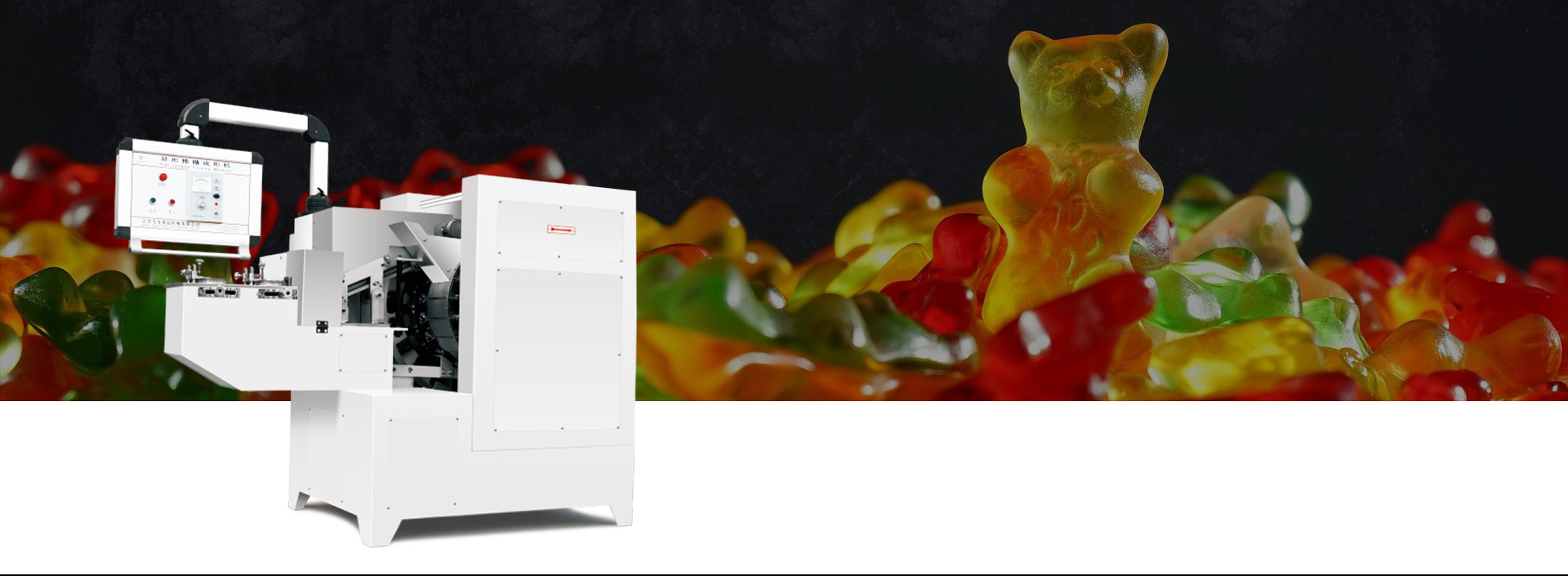
3. Extruder Type Machine
Extruder machines are used when candies need a consistent shape, such as sticks or ropes.
- The mixture is pushed through a shaping die.
- The size and length of candies can be adjusted.
- Cutting mechanisms divide ropes into uniform pieces.
Extruders save time and make production more consistent. They are often paired with cooling and packaging systems for seamless workflow.
4. Mold Type Machine
Mold machines create candies with specific shapes.
- Liquid or semi-solid mixture is poured into molds.
- Candies are set or cooled in the mold before being removed.
- Common shapes include squares, rounds, or other designs.
These machines are used when appearance is important. They provide uniform size and shape without extensive manual labor.
5. Coating and Finishing Machine
Some candies receive coatings such as sugar, starch, or glaze.
- Machines apply coatings evenly to prevent sticking.
- They can handle large quantities at once.
- This step also improves appearance and handling for packaging.
Coating machines are often added to existing lines to enhance the final product.
Different Types of Milk Candy Machine
Milk candy production uses different kinds of machines depending on the scale, product type, and production method. Each machine is designed to handle specific steps, from mixing to packaging. Choosing the right machine will help make sure that production is smooth, continuous, and safe.
1. Batch Type Milk Candy Machine
Batch machines are commonly used by small to medium producers.
- Ingredients are added in batches.
- Cooking, mixing, and shaping happen in separate stages.
- Operators can monitor and adjust each batch carefully.
Batch machines are flexible, allowing small changes in recipes. They are suitable for limited production and experimentation with flavors or shapes.
2. Continuous Type Milk Candy Machine
Continuous machines are designed for larger operations.
- Ingredients move through different sections without stopping.
- Cooking, thickening, and shaping happen continuously.
- Less manual intervention is required compared to batch machines.
These machines are ideal for steady production of uniform candies. They reduce handling and keep workflow organized, which helps maintain quality across larger volumes.
3. Extruder Type Machine
Extruder machines are used when candies need a consistent shape, such as sticks or ropes.
- The mixture is pushed through a shaping die.
- The size and length of candies can be adjusted.
- Cutting mechanisms divide ropes into uniform pieces.
Extruders save time and make production more consistent. They are often paired with cooling and packaging systems for seamless workflow.
4. Mold Type Machine
Mold machines create candies with specific shapes.
- Liquid or semi-solid mixture is poured into molds.
- Candies are set or cooled in the mold before being removed.
- Common shapes include squares, rounds, or other designs.
These machines are used when appearance is important. They provide uniform size and shape without much manual work.
5. Coating and Finishing Machine
Some candies receive coatings such as sugar, starch, or glaze.
- Machines apply coatings evenly to prevent sticking.
- They can handle large quantities at once.
- This step also improves appearance and handling for packaging.
Coating machines are often added to existing lines to enhance the final product.
Tips for Choosing a Machine
- Think about the size of your production: You can use a batch machine in a small batch, and a larger volume will benefit from a continuous machine.
- Consider the type of product: the shape and the coating affect the selection of the machine.
- Evaluation of workflow integration: Some machines are linked to refrigeration and packing lines.
- Maintenance and Cleaning Plan: Simpler machines can be more easily cleaned for smaller operations.
Understanding the types of milk candy machines helps producers plan their operations. Each type has its own merits, and the correct selection is determined by the size of the production, the type of candy, and the desired workflow. Through the selection of machines that meet their requirements, manufacturers can consistently produce sweets that meet the quality expectations.
How Milk Candy Machine Fit Different Production Needs
Milk candy production isn't universal. Different plants and products require different machinery. Choosing the right machine will allow the production to run smoothly and maintain the consistency of the candy.
Start with Production Volume
Think about how much candy you plan to make.
- If you are producing small batches, a batch machine will be good. You can pay close attention to every step and adjust the ingredients or the time of cooking.
- Continuous machines can save time and reduce the amount of manual labor for medium-scale production while maintaining stable results.
- Large scale operations often rely on fully integrated systems. They can run long hours and keep output uniform without constant supervision.
Shape Matters
What kind of candy you make also matters.
- Rope or stick-shaped candies work best with extruder machines. They push the mixture into long strands and cut it evenly.
- If you need square, round, or special shapes, mold machines are the answer. They keep each piece consistent without a lot of manual effort.
- For candies that need a coating, finishing machines apply sugar, starch, or glaze evenly, preventing sticking and making them look better.
Workflow Integration
Candy making isn't just cooking. You have cooling, shaping, and packaging after the mixture is ready. Machines that connect smoothly to these next steps help a lot.
- Less handling means fewer mistakes and less chance of temperature or texture problems.
- Integrated lines keep the process moving, so candy quality stays consistent from start to finish.
Hygiene and Safety
Milk candies are more sensitive than plain sugar treats. Machines should help keep everything clean and reduce risks.
- Smooth surfaces and fewer hidden corners make cleaning easier.
- Less manual contact with hot candy lowers the chance of burns or spills.
- Machines designed for milk candy often follow standard food safety practices, keeping both the product and workers safe.
Flexibility for Recipes
Some factories will have to experiment with new flavors or seasonal variations. Batch machines are flexible, allowing operators to adjust recipes easily. Modular continuous machines also allow adjustments without stopping the line entirely.
Maintenance Matters
Keeping machines in good shape is essential.
- Simple machines are easier for small producers to clean and maintain.
- Large, integrated machines may take more planning, but they reduce errors and keep output consistent.
- Regular maintenance ensures each batch meets expectations and prevents unexpected downtime.
Tips for Operators
- Match the machine to your production volume.
- Pick machines that suit the candy shape and type.
- Make sure equipment integrates well with the full production line.
- Keep everything clean and follow safety practices.
- Schedule regular maintenance to avoid downtime.
Practical Advice
- Small factories may combine steps in one machine.
- Larger operations usually separate functions for efficiency.
- The right machine reduces mistakes, keeps workflow steady, and produces consistent candy.
- Operators focus on supervision and quality rather than constant manual work.
Choosing the right milk candy machine depends on your production size, candy type, and workflow needs. The proper setup makes production more efficient, reduces errors, and helps keep candy uniform in taste, texture, and appearance.
Selecting the right milk candy machine is more than choosing equipment; It's about matching your production requirements, product types, and workflow. Appropriate settings help to maintain consistency in quality, reduce errors, and make day-to-day operations more manageable. By knowing how the machines work and how they fit into every step, manufacturers can make sure that each batch is up to expectations in terms of taste, texture and appearance. Careful handling of machines not only increases efficiency, but also supports long term, reliable production.
 +86-(0)515-8465666
 +86-(0)515-85566996
 +86-138 1559 9708
 flyloong@flyloongcn.com
 Home
Home