

 ENG
ENG
 English
 中文简体
中文简体 русский
 Français
 Español
 عربى
عربى
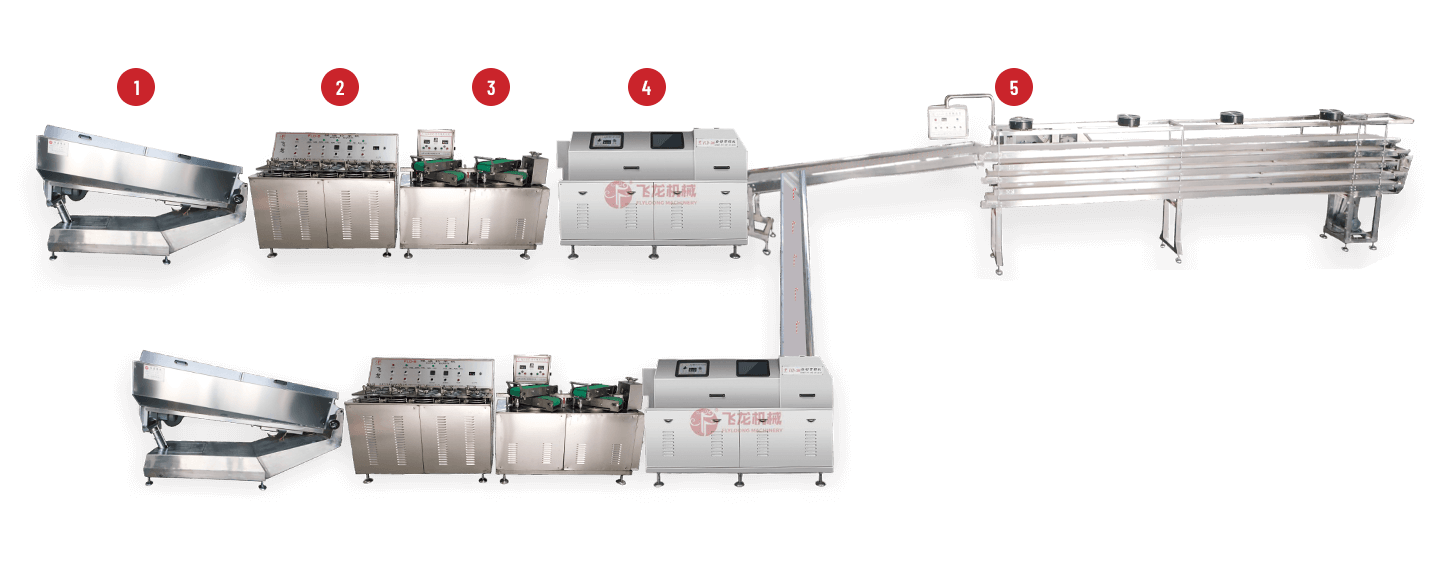
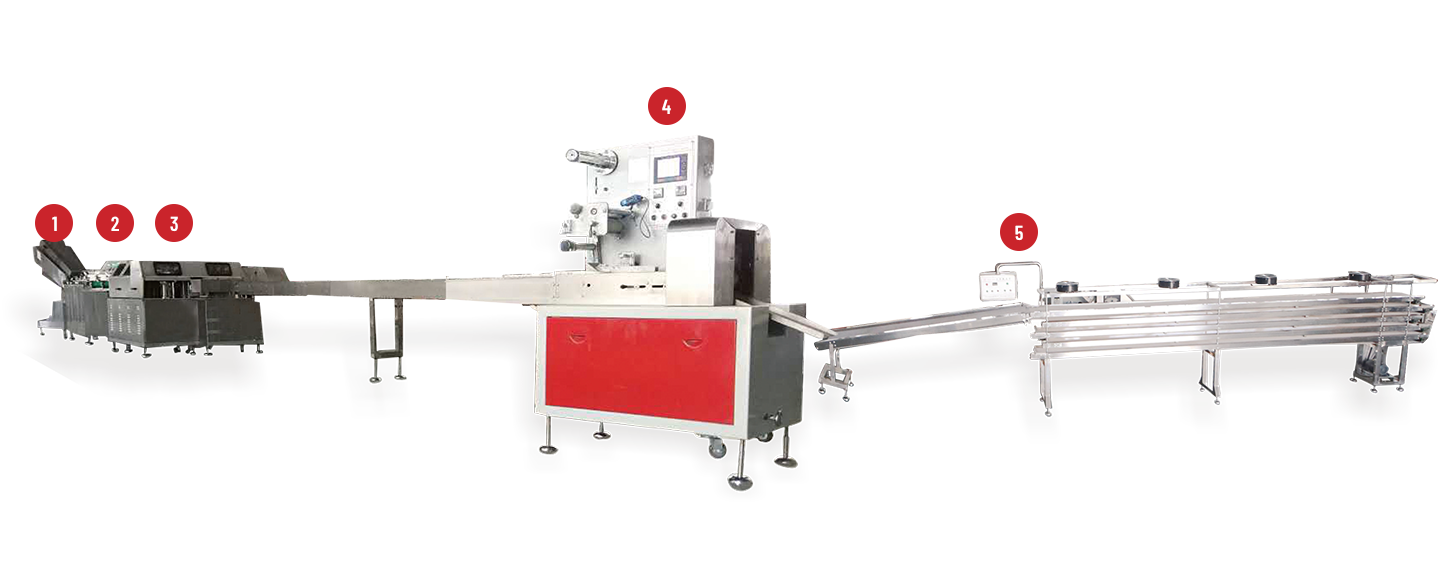
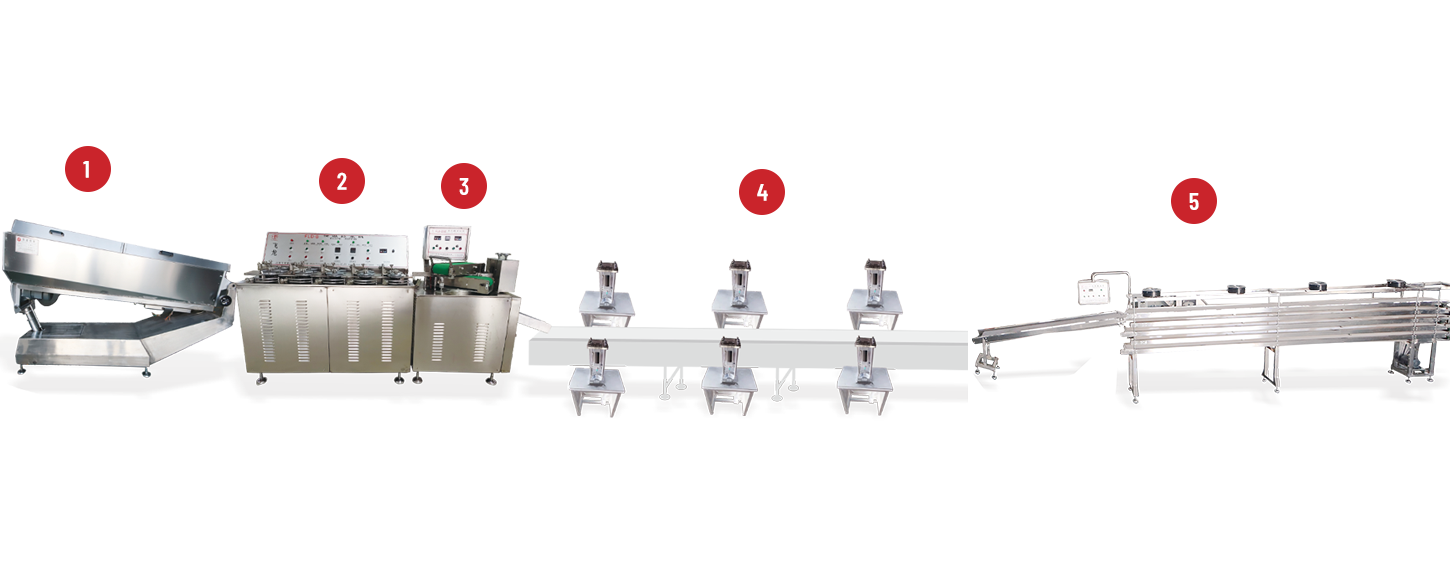
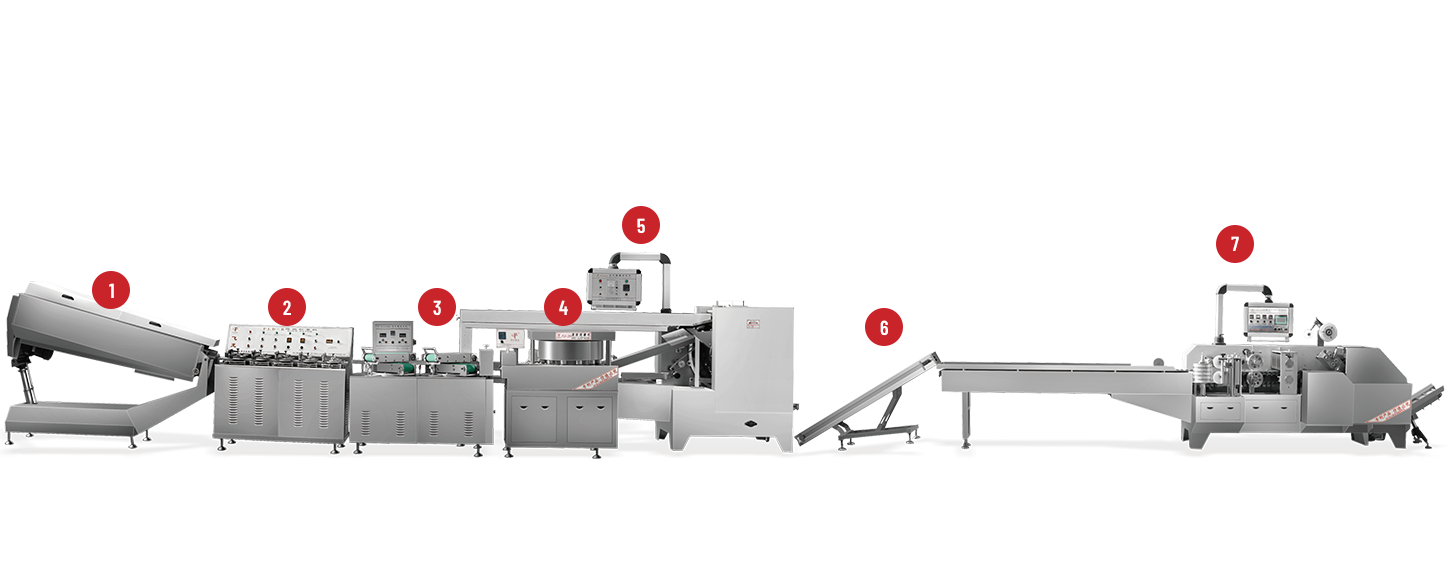
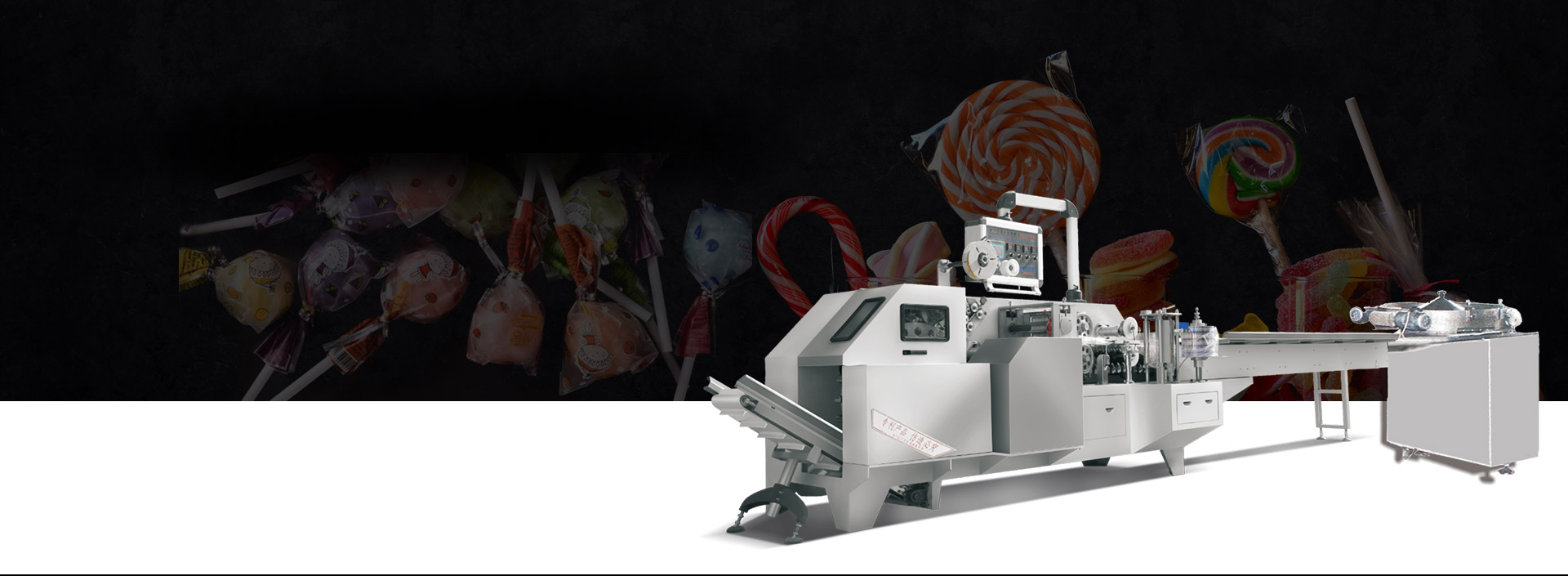
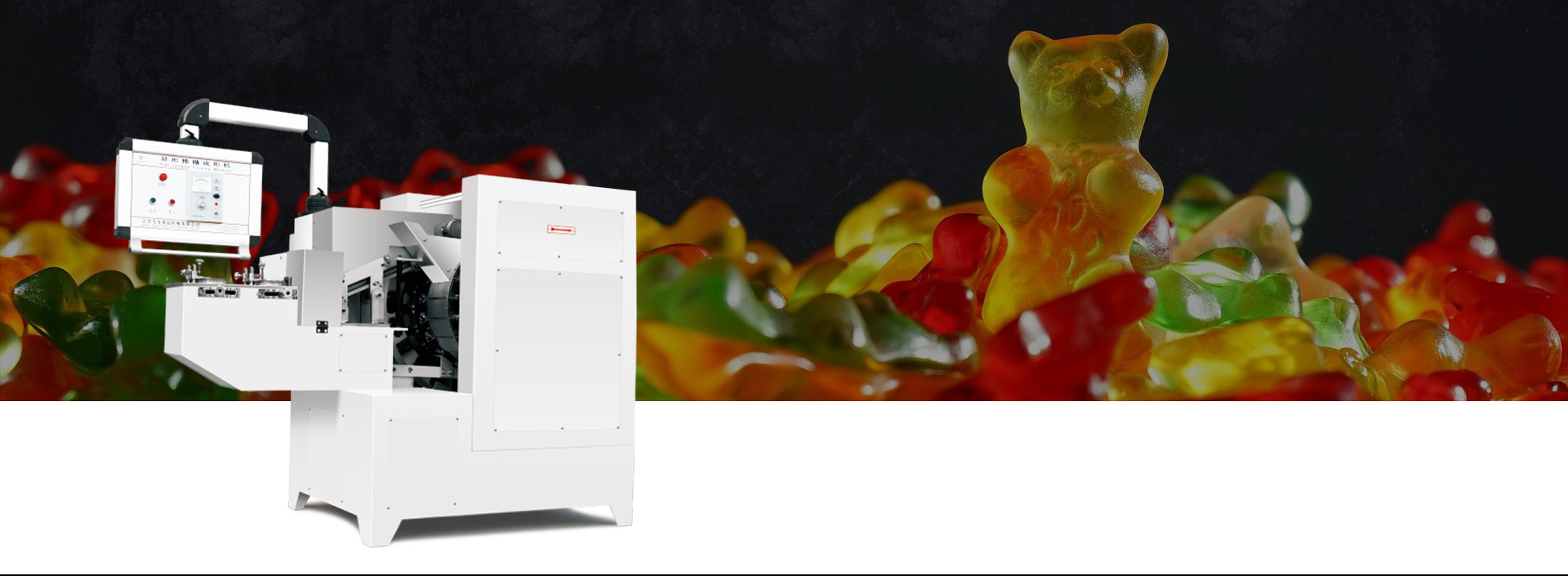
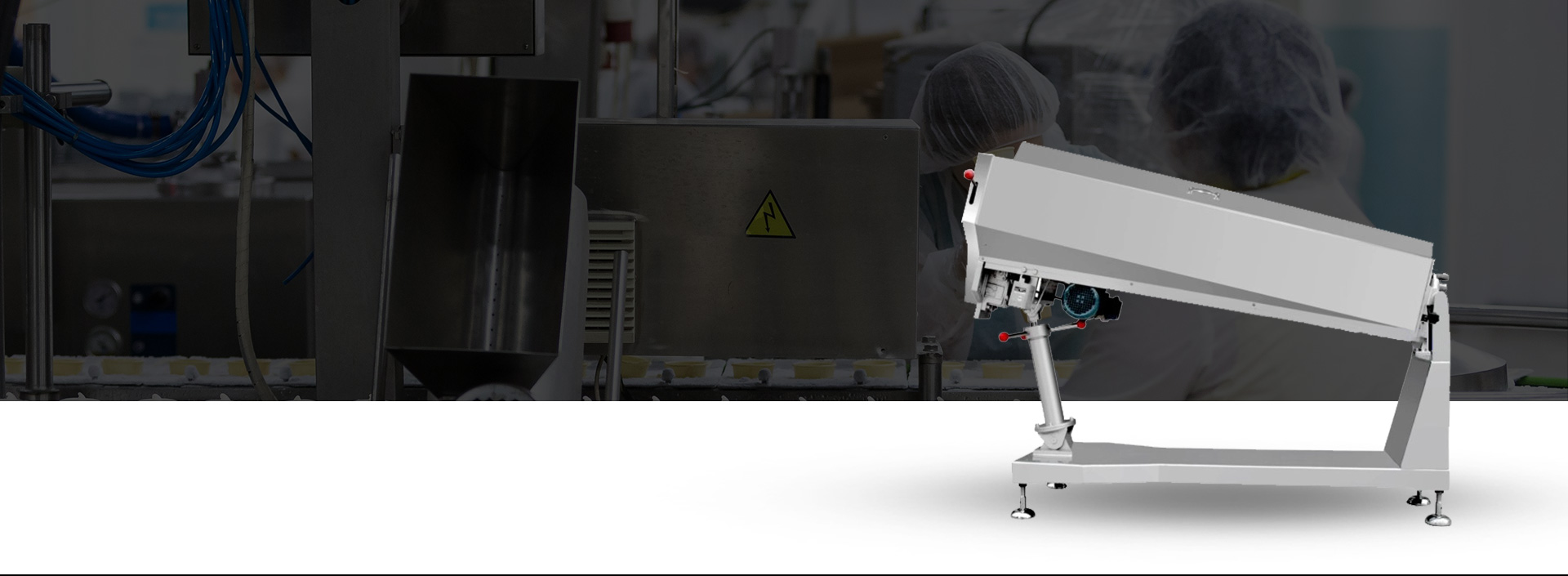
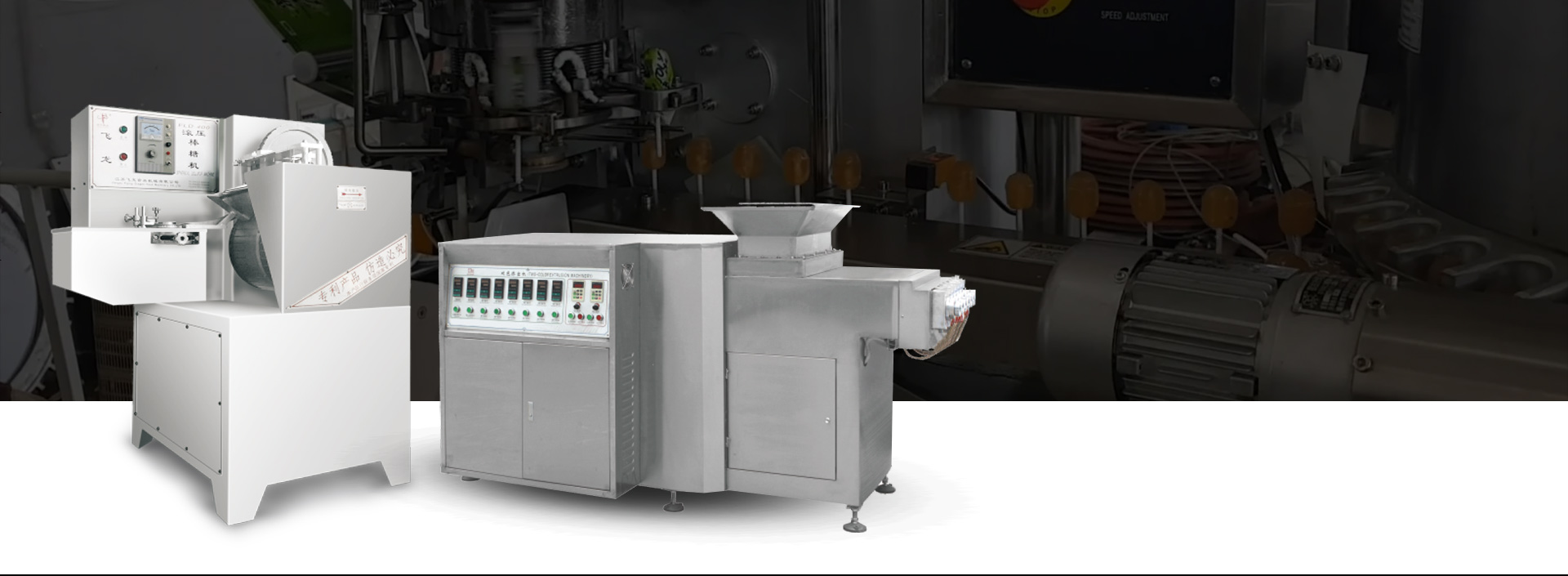
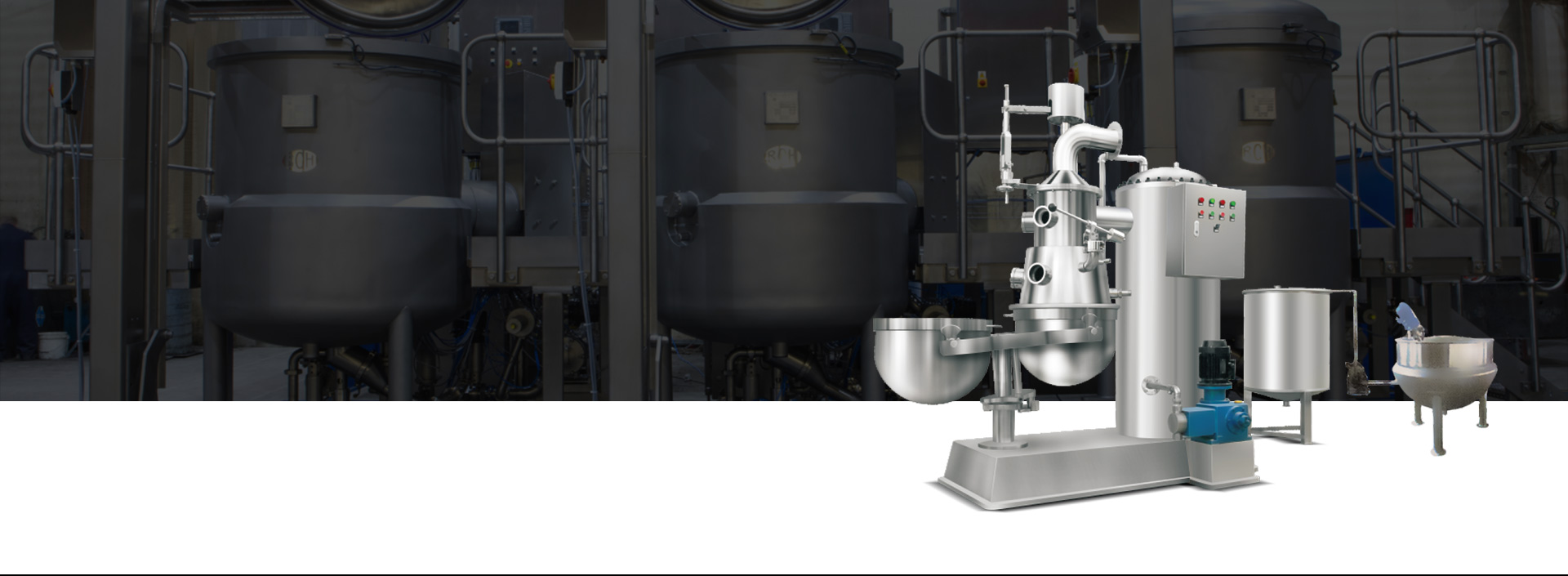
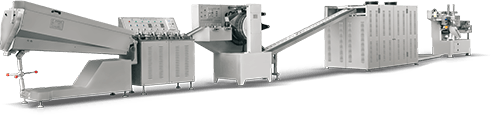
Toffee candy production is a delicate balance of art and science. A toffee candy machine—whether it's a cooking kettle, cooling drums, depositors, or wrapping equipment—must be operated with precision. Mistakes in any step can ruin batch quality, reduce yield, or even threaten operator safety. Below are common mistakes to avoid, along with practical advice to prevent them.
1. Neglecting Proper Training and Operator Knowledge
One of the most fundamental mistakes is underestimating the importance of operator training. Even a well-engineered toffee machine can produce poor results if the person running it doesn't fully understand the process.
- Insufficient Understanding of the Process: Operators may not fully grasp how sugar crystallizes, why temperature control matters, or what "thread" and "soft ball" stages are in candy making. Without this knowledge, they might overcook or undercook, leading to off‑textured toffee.
- Poor Equipment Familiarity: Not all machines are the same. A kettle's temperature gradients, cooling drum surface, or depositor responsiveness differ across models. If operators aren't familiar with these peculiarities, they may misuse the machine, causing inconsistent candy.
- Lack of Safety Training: Toffee production involves boiling sugar at high temperatures, which is inherently dangerous. Operators who don't know how to operate safety interlocks, emergency shutoffs, or handle hot pans correctly are at risk of burns or equipment damage.
How to Avoid This Mistake: Implement a rigorous training program that covers both the science of toffee and the specifics of your machinery. Use hands‑on demonstrations, written manuals, and safety drills. Encourage operators to understand not just what buttons to press, but why each step matters.
2. Poor Ingredient Measurement and Proportion Errors
Toffee is essentially sugar, fat (like butter), sometimes milk or cream, flavorings, and other minor components. Precise proportions are critical.
- Inaccurate Weighing: If the sugar, butter, or liquid mix isn't weighed precisely, the batch may not crystallize properly, or may be too hard or too soft. Guessing quantities or using "eyeballing" can lead to inconsistent texture.
- Using Impure or Moist Ingredients: Moisture in sugar or cream can dramatically affect cooking behavior. Wet sugar may cause steam, or an unsteady boil, which interferes with temperature control.
- Ignoring Ingredient Quality: Using lower-quality butter, cream, or flavorings can result in off-flavors or inconsistent melting behavior, affecting how the toffee flows in the machine.
How to Avoid This Mistake: Use calibrated scales for all ingredient measurements. Store sugar, butter, cream, and other components in controlled environments to minimize moisture uptake. Also, maintain strict quality control on incoming raw materials to ensure consistency.
3. Inadequate Temperature Control
Temperature control is possibly the most critical factor in toffee production. Mistakes around this can ruin batches quickly.
- Overcooking: Heating sugar beyond the desired temperature for tooffee (or heating too aggressively) can lead to burning, browning, or caramelization beyond the target, creating hard, brittle, or bitter toffee.
- Undercooking: If the batch does not reach the proper cooking stage, the toffee may remain soft, sticky, or may not set properly.
- Uneven Heating: In kettles or pans, uneven heat distribution can lead to "hot spots" where sugar scorches, even though the average temperature is within range.
- Neglecting Thermal Inertia and Overshoot: Operators may overshoot target temperature because the system continues heating after turning off the heater ("thermal lag"). They might not account for the continued rise in temperature once heating stops.
How to Avoid This Mistake: Use precise, well-calibrated thermometers or digital temperature sensors. Monitor temperature constantly, and account for thermal inertia by stopping heating slightly before your target. Ensure uniform heat distribution in your kettle (stirring if needed, or using jacketed kettles). Automate temperature control if possible, using PID controllers to regulate heating.
4. Poor Timing and Batch Control
Even with the right ingredients and temperature, timing matters significantly.
- Overstaying at a Cooking Stage: Holding sugar too long at a particular temperature or stage can push it into undesirable states (e.g., too hard or too dark).
- Rushing the Cooling Process: If toffee is deposited too early (while still too fluid), it may flow, distort, or not set correctly. Conversely, starting to roll or cut after it's too cool may break or shatter the candy.
- Inconsistent Batch Sizes: Running different batch sizes without adjusting timing or settings can lead to variability in quality. A smaller batch may cook faster or cool quicker than a larger one.
How to Avoid This Mistake: Develop a detailed process chart for each batch size, specifying exact cooking times, temperature holds, and cooling protocols. Use timers and alarms to remind operators when to perform actions. Standardize batch sizes where possible to reduce variability.
5. Insufficient Cooling and Crystallization Control
After cooking, the candy must be cooled and allowed to crystallize properly. Mistakes here often show up later as texture defects.
- Cooling Too Quickly or Too Slowly: Rapid cooling can trap moisture, causing a sticky or tacky surface. Too-slow cooling may allow large sugar crystals to form, resulting in gritty or grainy toffee.
- Poor Cooling Surface Management: The temperature and surface of the cooling drums or tables matter. Dirty or low-friction surfaces may lead to sticking, tearing, or tearing of the candy.
- Uncontrolled Humidity: Ambient humidity can affect how the toffee cools and crystallizes. In humid environments, sugar may absorb moisture and prevent minty snap.
How to Avoid This Mistake: Monitor and control ambient temperature and humidity in the cooling area. Use cooling drums or tables designed for consistent thermal conductivity. Clean surfaces regularly to ensure proper release. Adjust cooling speed based on batch behavior and environmental conditions.
6. Overlooking Hygiene and Cleaning
Toffee production involves sticky, viscous sugar, which can leave residue everywhere. Neglecting cleaning is a huge mistake.
- Incomplete Cleaning: Residual sugar or fat left in the kettle or on cooling drums can burn or degrade over time, contaminating future batches with burnt sugar or off-flavors.
- Ignoring Microbial Risks: Especially when using dairy (cream, butter), residues can harbor bacteria. Poor cleaning can lead to food safety issues.
- Not Disassembling Parts When Needed: Some parts of the machine (valves, depositor spouts, feed tubes) may hide sugar or fat residues that require disassembly for thorough cleaning.
How to Avoid This Mistake: Establish a strict sanitation schedule. After each shift, or batch, clean the kettle, cooling surfaces, and depositor parts. Use food-safe cleaning chemicals. Where possible, disassemble insertable parts to access hidden nooks. Follow a documented clean-in-place (CIP) procedure if your machine supports it. Validate cleanliness through swab tests or visual inspections.
7. Failing to Maintain and Calibrate Equipment
Proper maintenance is crucial to the reliable operation of a toffee candy machine.
- Skipping Preventive Maintenance: Not performing regular maintenance (lubrication, checking belts, inspecting heating elements) can lead to breakdowns or degradation of performance.
- Ignoring Calibration Needs: Temperature probes, pressure gauges, flow meters, and other sensors require regular calibration. An uncalibrated sensor can misread, leading operators astray.
- Worn Components: Over time, wear on rotating drums, conveyor belts, cutter blades, or depositor nozzles can degrade candy shape, consistency, or dosing accuracy.
How to Avoid This Mistake: Plan and adhere to a preventive maintenance schedule. Keep detailed logs for each piece of equipment. Recalibrate sensors periodically (based on manufacturer recommendations). Replace worn parts (e.g., sealing rings, gaskets, nozzles) before they fail, not after.
8. Inadequate Documentation and Standard Operating Procedures (SOPs)
Lack of proper documentation is a frequent but avoidable mistake.
- No Standard Recipe or Process Sheet: Without a written recipe and process sheet, consistency suffers. Operators may improvise or deviate without realizing the impact.
- Missing Batch Records: If you don't document each batch's parameters (temperatures, times, ingredient weights, yield), it's difficult to trace issues or improve performance.
- Failure to Update Procedures: As machines or ingredients change, SOPs may become outdated. Operators may follow old instructions that are no longer valid.
How to Avoid This Mistake: Develop comprehensive SOPs covering every aspect of operation—from ingredient preparation, cooking, cooling, depositing, wrapping, and cleaning. Use batch reporting forms so operators record key parameters and yield. Regularly review and revise SOPs when equipment or process changes occur.
9. Ignoring Safety Hazards
Toffee production involves heat, steam, rotating machinery, and sticky surfaces. Safety must be a constant priority.
- Burn Risks: Boiling sugar can cause severe burns. Splashing, steam, or accidental contact with hot surfaces are common hazards.
- Mechanical Hazards: Moving parts like rollers, conveyors, and cutters can pinch or injure. Lack of guards, poor training, or operator complacency contribute to risk.
- Electric Hazards: Heating kettles, control panels, and electronic sensors present electrical dangers, especially in a sticky, humid environment.
- Inadequate Emergency Procedures: If an operator doesn't know how to shut down the machine safely, or what to do in case of a sugar boil-over or spill, risk multiplies.
How to Avoid This Mistake: Equip all hot and moving components with appropriate guards, insulation, and interlocks. Train operators on emergency shutdown procedures and first aid. Enforce the use of personal protective equipment (PPE): heat-resistant gloves, long sleeves, face shields, and non-slip footwear. Regularly audit safety procedures and conduct drills to maintain preparedness.
10. Mismanaging Flavor Additions and Inclusions
Flavors, nuts, fruit bits, or other inclusions are often added to toffee. Mishandling these can spoil product quality.
- Adding Too Early or Too Late: If you add delicate flavorings or inclusions too early (i.e., before cooking is complete or while sugar is boiling), they may burn or volatilize. If you add too late, they may not distribute evenly.
- Incorrect Temperatures for Add-ins: Some flavorings or inclusions (e.g., chocolate chips, fruit pieces) require precise temperatures to avoid melting or scorching.
- Poor Mixing: Not mixing properly after inclusion can create uneven distribution, pockets of flavor or unincorporated bits, leading to quality inconsistencies.
How to Avoid This Mistake: Plan precisely when to add flavors and inclusions in the process flow. Use a low-shear, controlled mixing step just after cooking but before depositing, if needed. Monitor the temperature of the candy mass at the point of addition to ensure compatibility with the inclusions.
11. Packaging Mistakes
Even if your toffee is cooked and cooled perfectly, mistakes in packaging can ruin the final product.
- Packaging Too Early: Wrapping toffee before it has fully cooled or set can lead to deformation or sticking, especially if the candy is still soft or tacky.
- Using Incompatible Wrappers: Not all packaging materials are suitable. Choosing wrappers that can't withstand the sugar's moisture, stickiness, or temperature may lead to stuck candy, wrapper failure, or stick-to-wrapper problems.
- Ignoring Sanitation in Wrapping Area: The packaging area must remain as clean as the cooking area. Sticky surfaces, sugar spills, or wrappers lying around can lead to contamination or hygiene problems.
How to Avoid This Mistake: Allow toffee to fully cool and set before packaging. Test packaging materials for compatibility (e.g., heat-seal ability, release properties, moisture resistance). Keep the wrapping area clean and well controlled; wipe down surfaces, clean up spills immediately, and avoid cross-contamination.
12. Poor Quality Control and Testing
Skipping or underinvesting in quality control can lead to substandard batches that go unnoticed until too late.
- Not Testing Every Batch: Without sample testing (texture test, moisture content, hardness), you may only spot issues after the candy has reached customers—or worse, fails in production.
- Lack of Sensory Evaluation: Toffee's flavor, texture, and appearance should be evaluated not just by instruments but by taste testers. Ignoring sensory feedback is a mistake.
- Skipping Shelf-Life Testing: Toffee can change over time due to crystallization, moisture absorption, or fat bloom. If you don't test stability under real storage conditions, shelf‑life issues may ruin product consistency.
How to Avoid This Mistake: Implement routine quality checks: sample each batch for moisture content, hardness (e.g., using a texture analyzer), color, and flavor. Employ a sensory panel to ensure consistency. Conduct shelf-life studies under realistic storage conditions to verify stability and adapt your process or packaging accordingly.
13. Scaling Up Without Process Validation
When production grows, many makers make the mistake of simply running larger batches without validating the scaled-up process.
- Assuming Process Is Linear: Sugar behavior, heat transfer, and crystallization dynamics might change when you scale from lab or pilot to large production. Mistaking that the process will behave identically is dangerous.
- Failing to Re‑Optimize Timing and Temperature: Larger kettles, longer cooling drums, or heavier batches may require different cooking times, hold times, or cooling profiles.
- Ignoring Equipment Constraints: Your existing machines may not handle larger volumes efficiently. For example, depositors may clog, or cooling drums may not remove heat quickly enough, leading to quality degradation.
How to Avoid This Mistake: Before scaling up, run pilot batches at the planned production scale. Monitor all critical parameters (temperature, time, texture, yield). Adjust your process (temperatures, hold times, cooling rate) based on results. Revalidate your SOPs and update documentation to reflect scaled-up operations.
14. Underestimating Environmental and Storage Conditions
Production is one thing; storage and distribution is another. Mistakes often come from ignoring how toffee behaves over time and in different environments.
- Improper Storage Temperature or Humidity: Storing toffee in a humid or hot environment can cause softening, stickiness, or sugar blooming.
- Poor Packaging Seal: If packaging isn't airtight, moisture can invade, and toffee may degrade quickly.
- Ignoring Transportation Conditions: During transport, candy may be exposed to temperature swings, vibration, or pressure—leading to deformation or breakage.
How to Avoid This Mistake: Design storage conditions: keep toffee in cool, dry places. Use moisture-barrier packaging with tight seals. For shipping, use protective inner packaging (trays, dividers) or temperature-insulated containers when needed. Monitor storage and transport conditions periodically and adjust as necessary.
15. Lack of Continuous Improvement and Feedback Loop
Many producers make toffee once, set their process in stone, and rarely revisit or improve it. That's a missed opportunity and a mistake.
- Not Analyzing Batch Variability: Without reviewing past batch records, fluctuations in yield, quality, or texture may persist without correction.
- Ignoring Operator Feedback: Those who run the machine every day often see small but critical issues (e.g., "this batch feels a little too soft," or "cooling drum sticks sometimes"). Not gathering their input neglects practical improvements.
- Failing to Innovate: New flavors, process optimizations, or machinery upgrades may offer significant gains. Ignoring innovation can leave you behind.
How to Avoid This Mistake: Hold regular process review meetings. Analyze batch reports and identify trends. Encourage operators to communicate observations and suggest improvements. Invest in pilot testing for process tweaks (new recipes, improved settings, better cleaning methods). Always be open to refining your operation.
16. Overlooking Waste Management and Efficiency
Candy production often produces waste—spills, trimmings, off-quality pieces, or burnt sugar. Mishandling waste is inefficient and costly.
- Not Collecting and Reusing Trim: Broken or miscut toffee pieces may be discarded instead of being recycled or reprocessed safely.
- Allowing Sugar Spills to Burn: Waste sugar left in kettles or on surfaces can burn, creating sticky carbon residue that's hard to clean and can contaminate later batches.
- Ignoring Energy Efficiency: Running the kettle longer than needed or not insulating heating elements can waste energy.
How to Avoid This Mistake: Implement a waste management plan. Collect trimmings and reprocess them when possible (if food-safe). Clean up sugar spills promptly and prevent burning on surfaces to avoid carbon buildup. Insulate your kettle and piping to conserve heat, and optimize heating cycles to save energy.
17. Poor Machine Changeover Practices
If you produce more than one flavor or type of toffee on the same machine, changeover management is critical. Many mistakes happen during transitions.
- Inadequate Purging: Failing to fully purge the previous batch's sugar or flavor residues before starting a new recipe can cause cross‑flavor contamination.
- Rushing Flavor Switches: Operators might be impatient to run the next flavor. This can lead to flavor bleed, especially if cleaning isn't thorough.
- Skipping Intermediate Cleaning: For machines handling multiple products, not performing intermediate cleanouts (between batches) can degrade product quality and safety.
How to Avoid This Mistake: Build a standardized changeover protocol. Document the cleaning steps, purge volumes, intermediate tests (e.g., run a small "flush" batch), and flavor verification. Train operators on this protocol and audit compliance. Use color-coded or labeled parts to reduce cross-contamination risk.
18. Not Accounting for Scaling of Energy and Utilities
As production scale increases, so do utility demands. It's easy to misjudge or underinvest in utilities.
- Underestimating Steam or Electricity Demand: The kettle's heating, cooling system, and depositor may require more steam, water, or electricity than planned. Without sufficient utility capacity, production may slow down or machines may underperform.
- Inadequate Cooling Water Flow: Cooling drums or condensers may not be supplied with enough water, reducing cooling efficiency and slowing down throughput.
- Poor Utility Maintenance: Steam traps might fail, condensers may foul, or water systems may scale, reducing their effectiveness over time.
How to Avoid This Mistake: Conduct a utility demand analysis when planning capacity. Monitor steam, water, and power usage during pilot runs and scale-up. Maintain your utility infrastructure—inspect steam traps, keep water systems clean, and ensure cooling systems are free of scale. Plan for redundancy if production is critical.
19. Ignoring Regulatory and Compliance Requirements
Candy production is subject to food safety, hygiene, and sometimes local regulatory oversight. Mistakes here can be costly.
- Not Following Food Safety Regulations: Failing to adhere to local or national food safety laws (e.g., GMP, HACCP) may lead to contamination, recalls, or fines.
- Poor Traceability: Without proper batch records, ingredient traceability, and labeling, you may struggle to respond to quality issues or recalls.
- Non-compliant Packaging: Wrappers or labels may not meet regulatory requirements (e.g., allergen statements, nutritional info), which can result in legal issues or product rejection.
How to Avoid This Mistake: Establish a robust quality assurance system. Implement food-safety protocols such as GMP practices and HACCP plans. Maintain full traceability of ingredients and batch records. Ensure your packaging and labeling comply with the regulatory requirements in your markets.
20. Underestimating Maintenance Costs in Cost Modeling
Sometimes, when planning a toffee production line, companies budget only for raw materials, labor, and packaging—but forget the long-term maintenance costs.
- Budgeting Only for Materials: Maintenance (replacing nozzles, cleaning chemicals, spare parts) can become a significant line item over time. Ignoring this can create budget shortfalls.
- Unplanned Downtime Costs: Unexpected breakdowns or maintenance can halt production, leading to lost time and cost overruns that were not forecasted.
- Not Investing in Spare Parts: Running without critical spare parts (like seals, sensors, heating elements) means downtime when something inevitably fails.
How to Avoid This Mistake: In your financial planning, include a maintenance reserve. Estimate parts consumption and replacement cycles, and calculate probable downtime costs. Stock essential spares so you minimize downtime when repairs are needed.
Operating a toffee candy machine might look straightforward—sugar, heat, cool, wrap—but the devil is in the details. Many common mistakes in toffee production come from underestimating the complexity of temperature control, ingredient behavior, hygiene, safety, and operational consistency. By focusing on proper training, accurate measurement, rigorous cleaning, continuous quality control, and well-maintained equipment, candy producers can avoid costly pitfalls.

 +86-(0)515-8465666
 +86-(0)515-85566996
 +86-138 1559 9708
 flyloong@flyloongcn.com
 Home
Home