

 ENG
ENG
 English
 中文简体
中文简体 русский
 Français
 Español
 عربى
عربى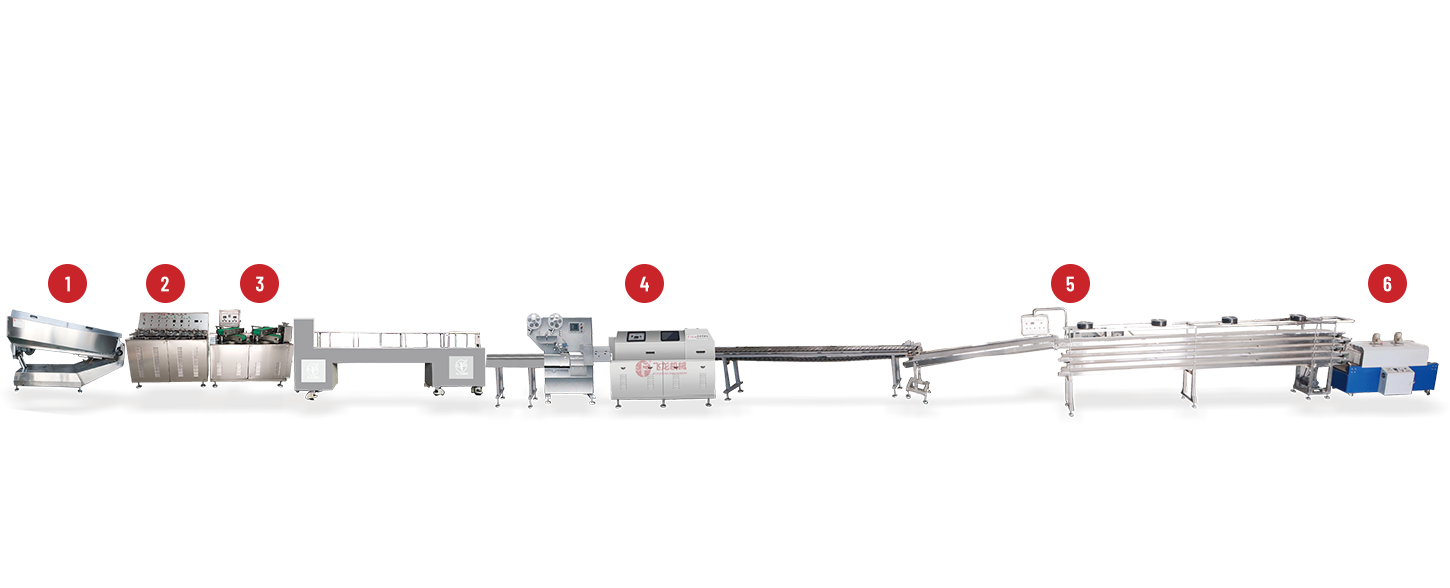
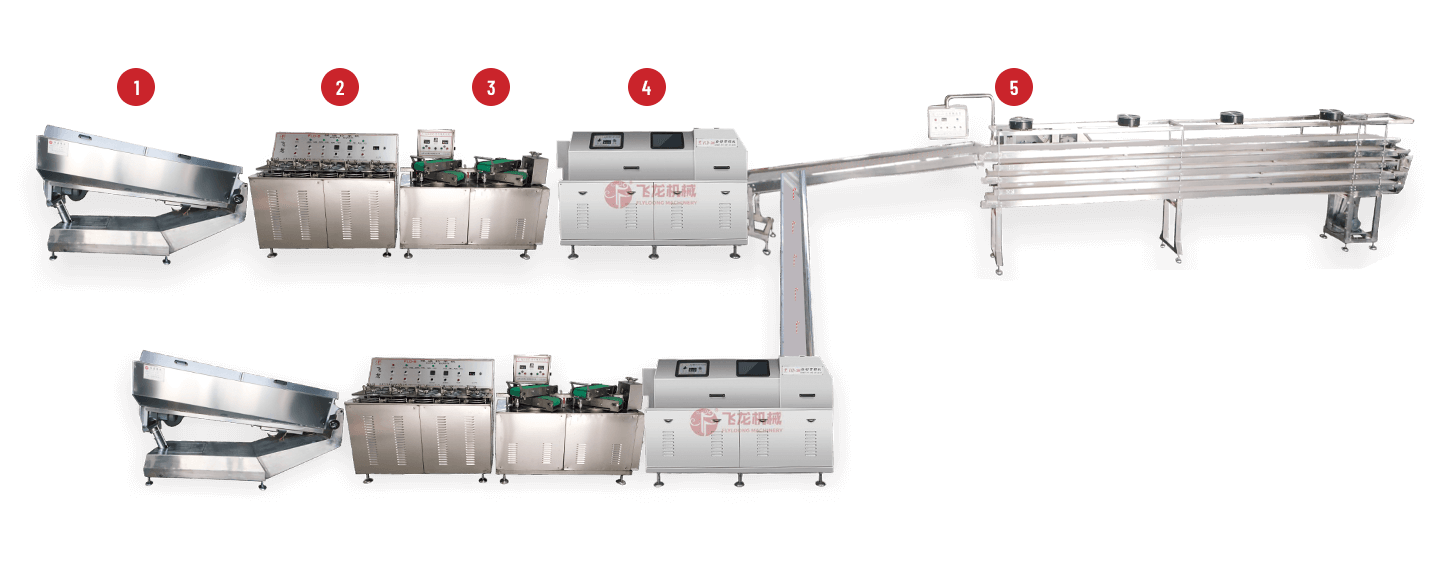
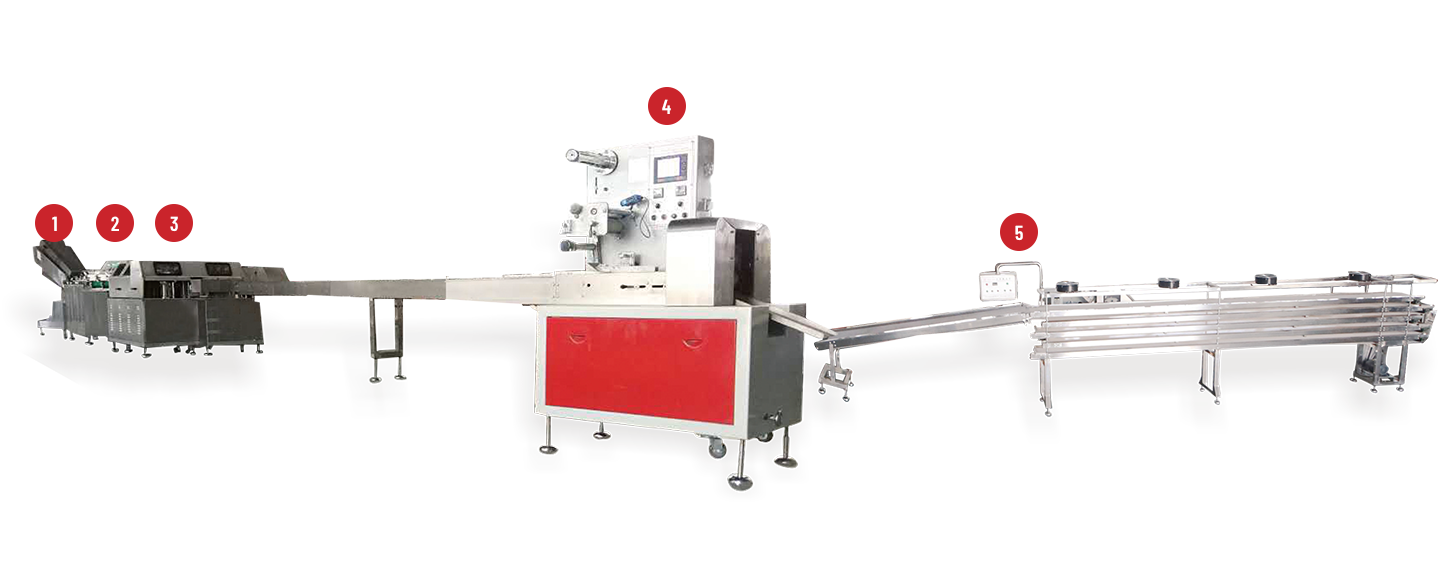
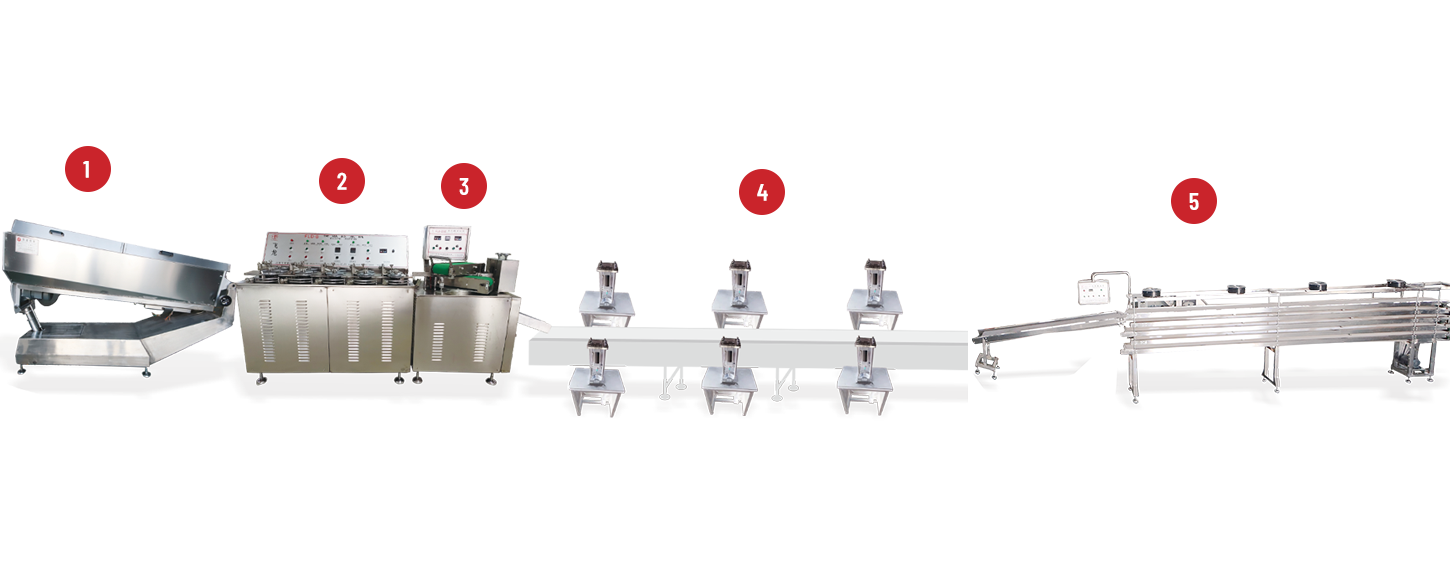
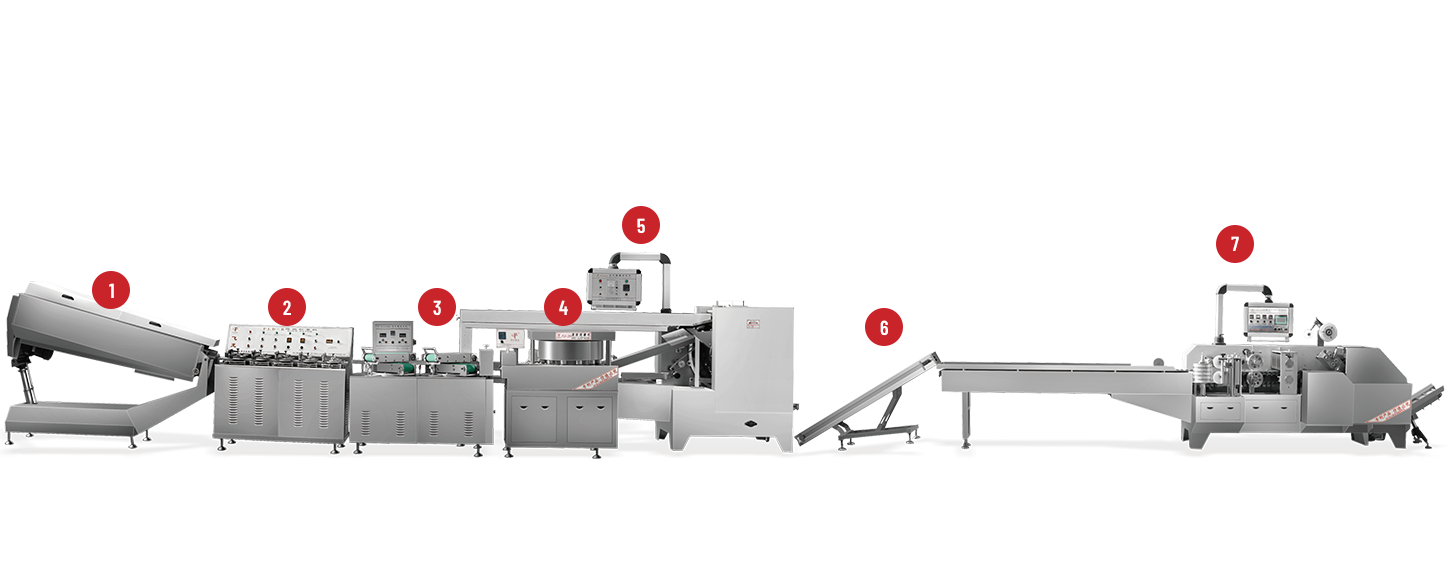
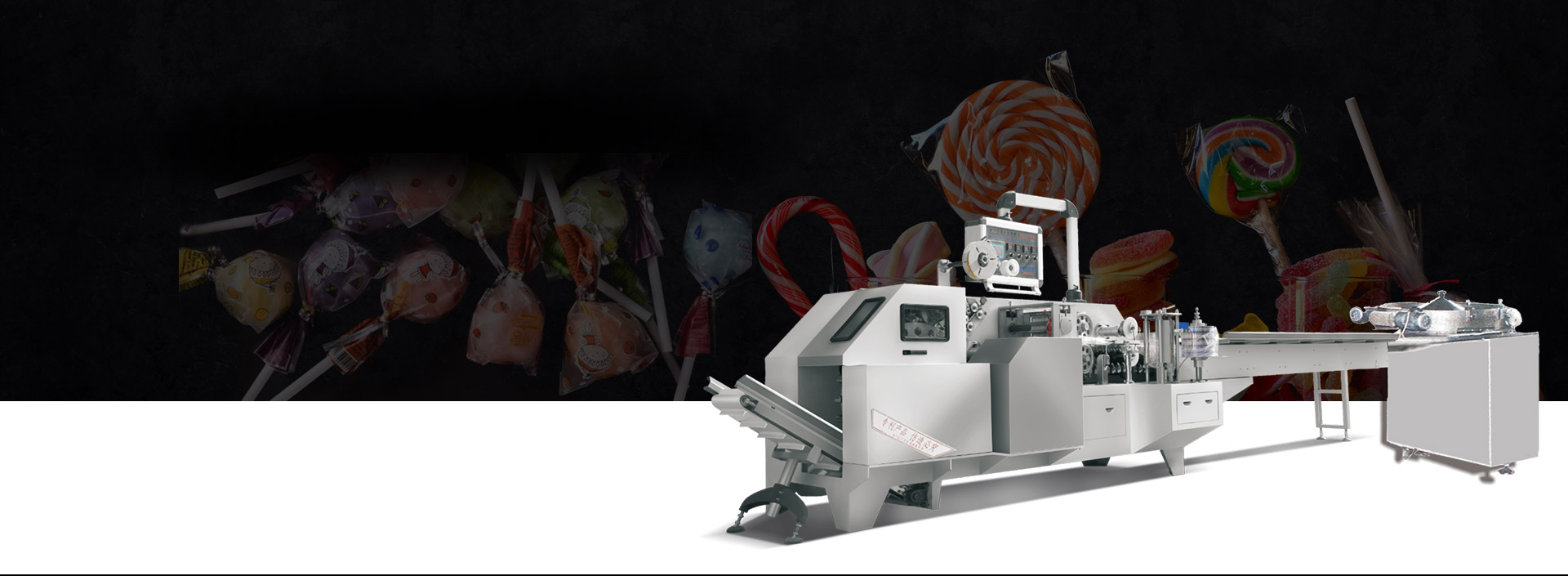
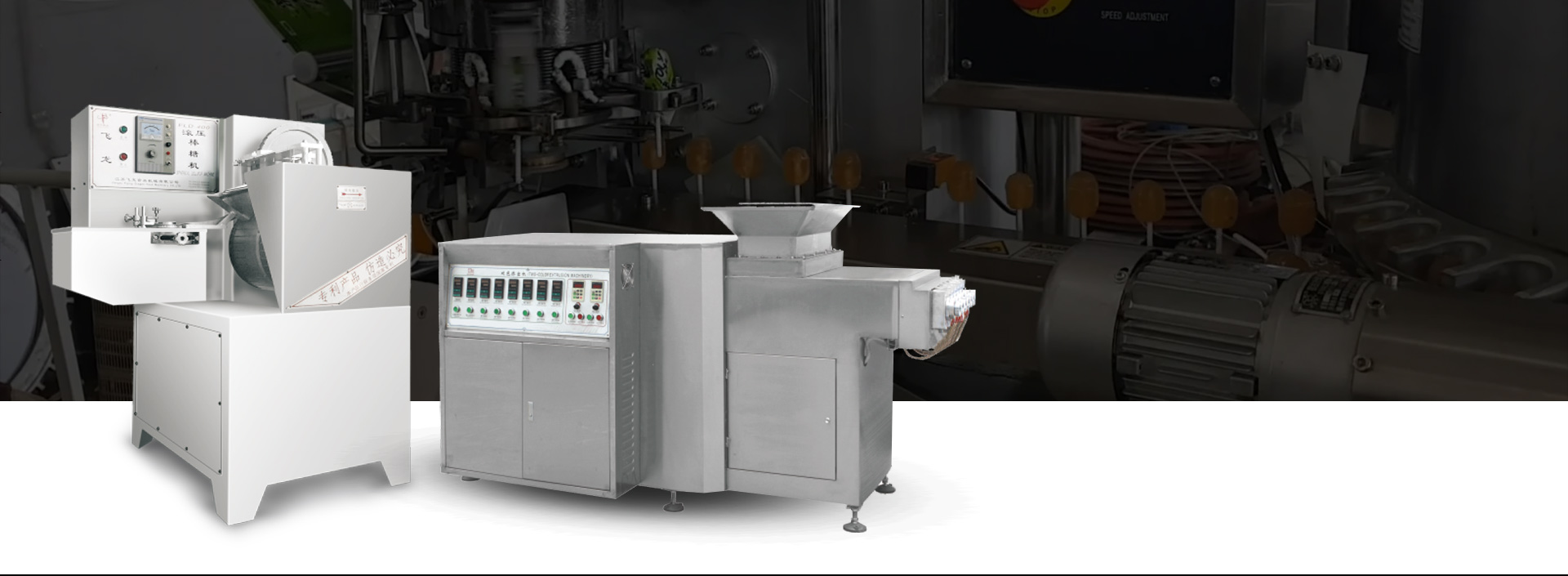
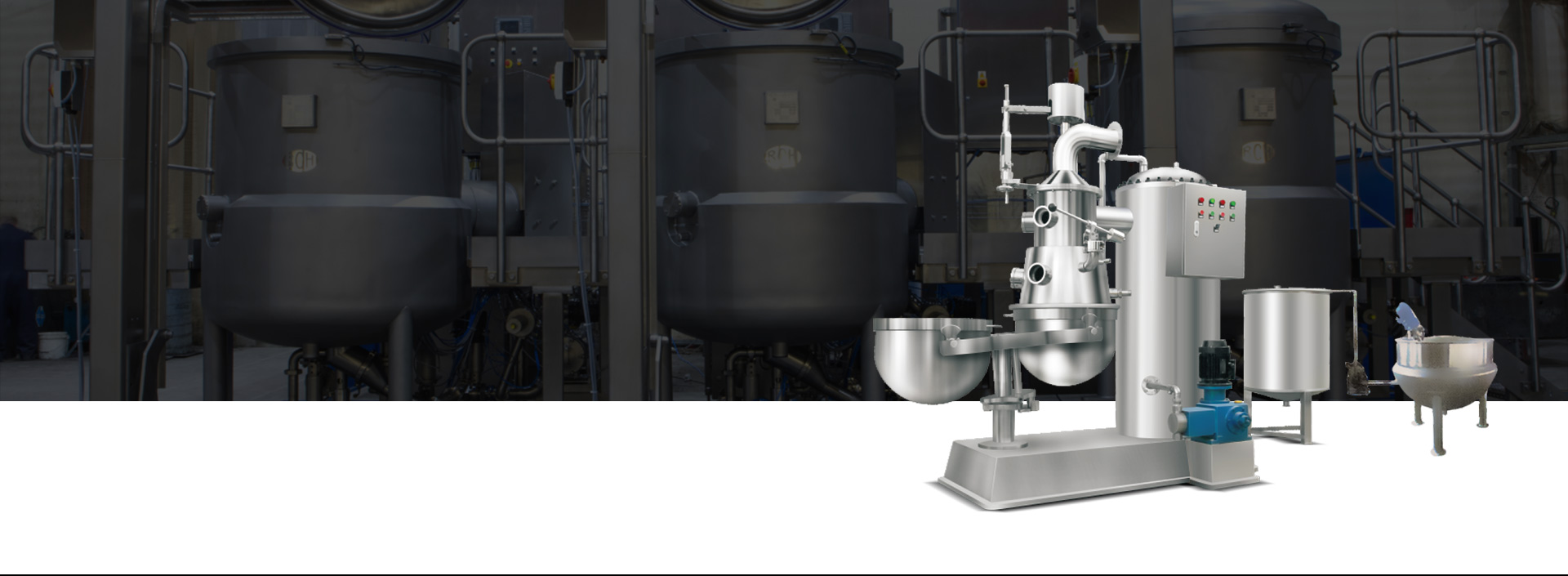
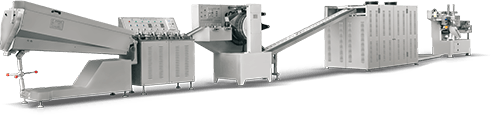
Walk into any retail space that sells sweets and you will notice something subtle. Lollipops are no longer random in color or shape. Many now carry smooth surfaces, repeating color bands, and a sense of order that feels intentional. This shift does not come from chance. It reflects a production method that blends mechanical rhythm with careful handling of materials.
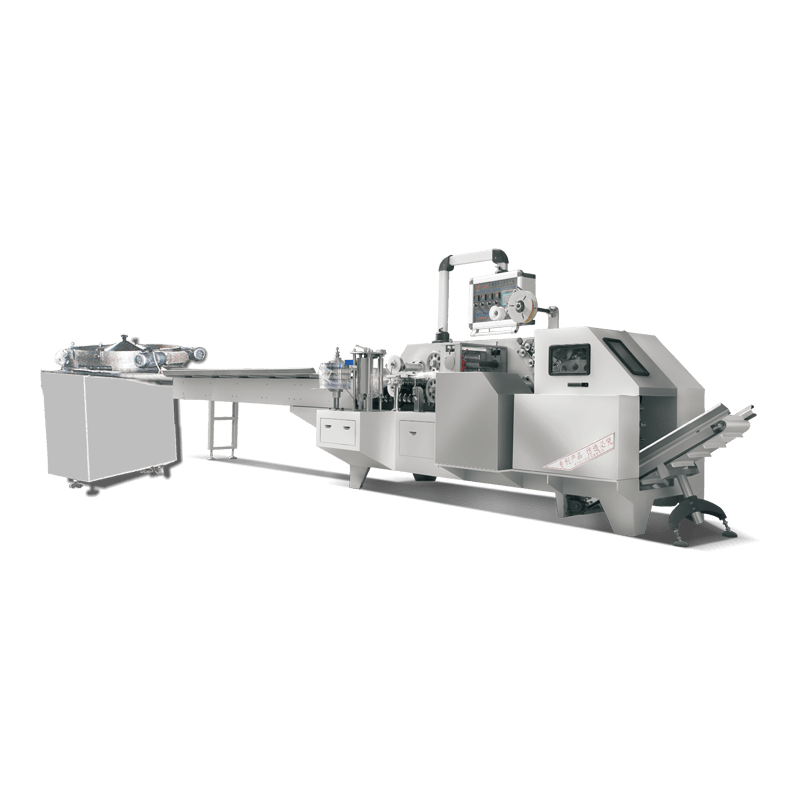
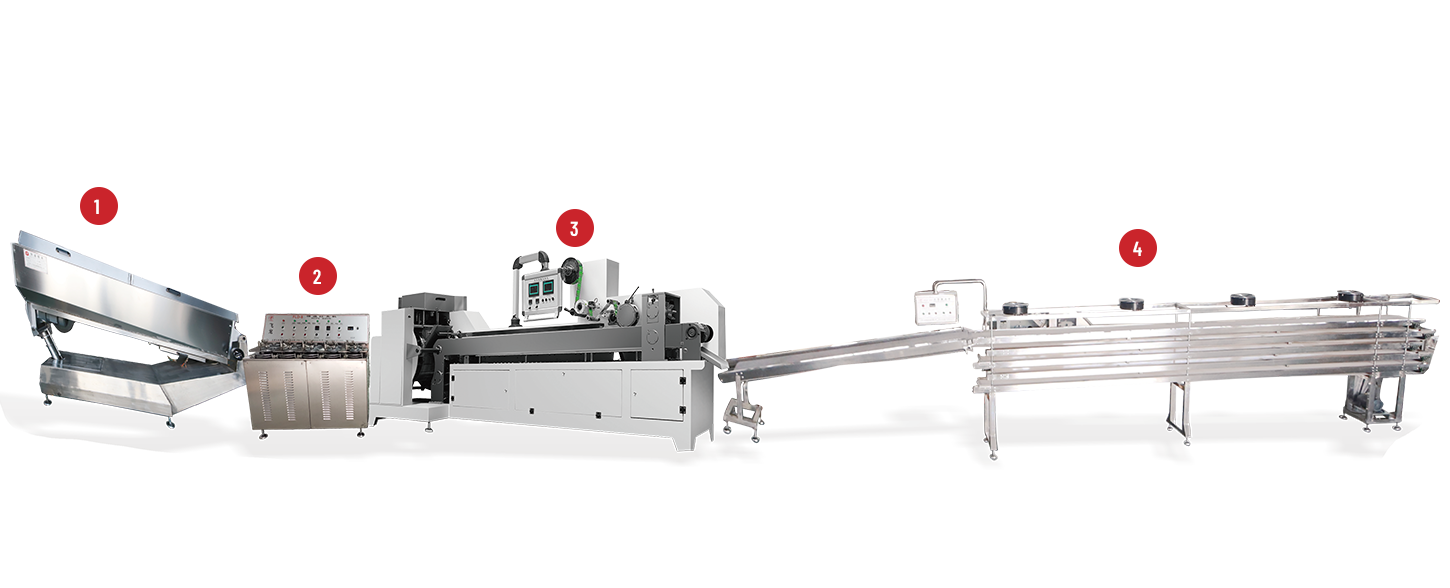
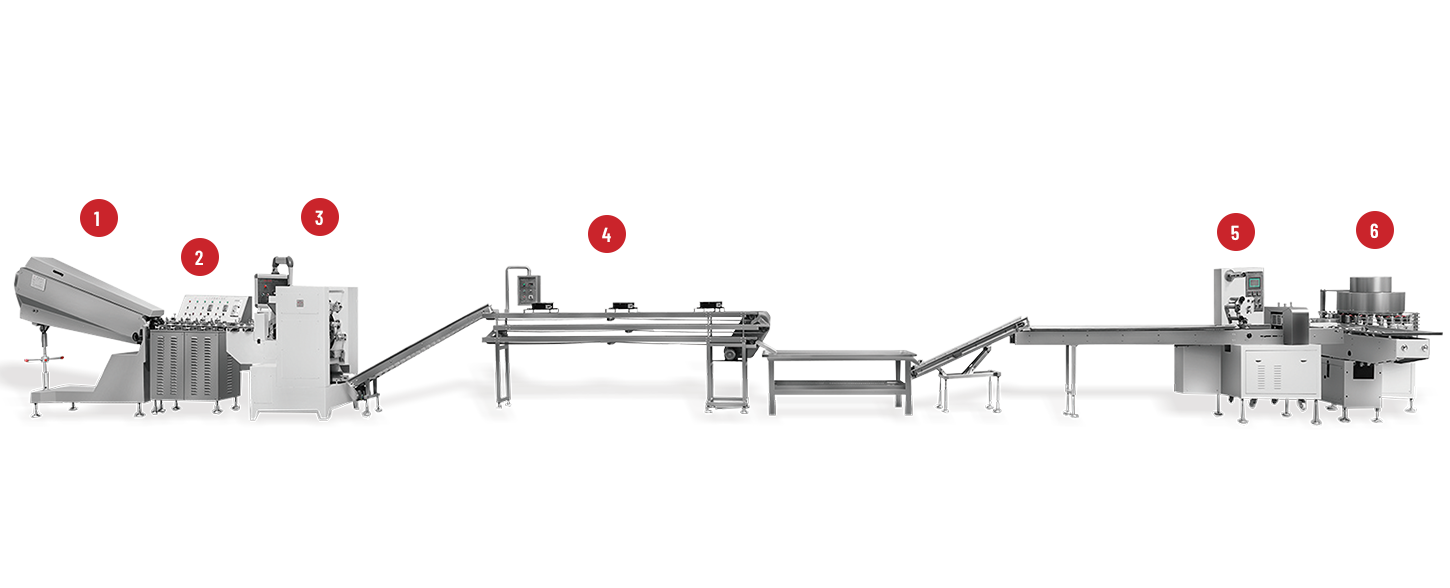
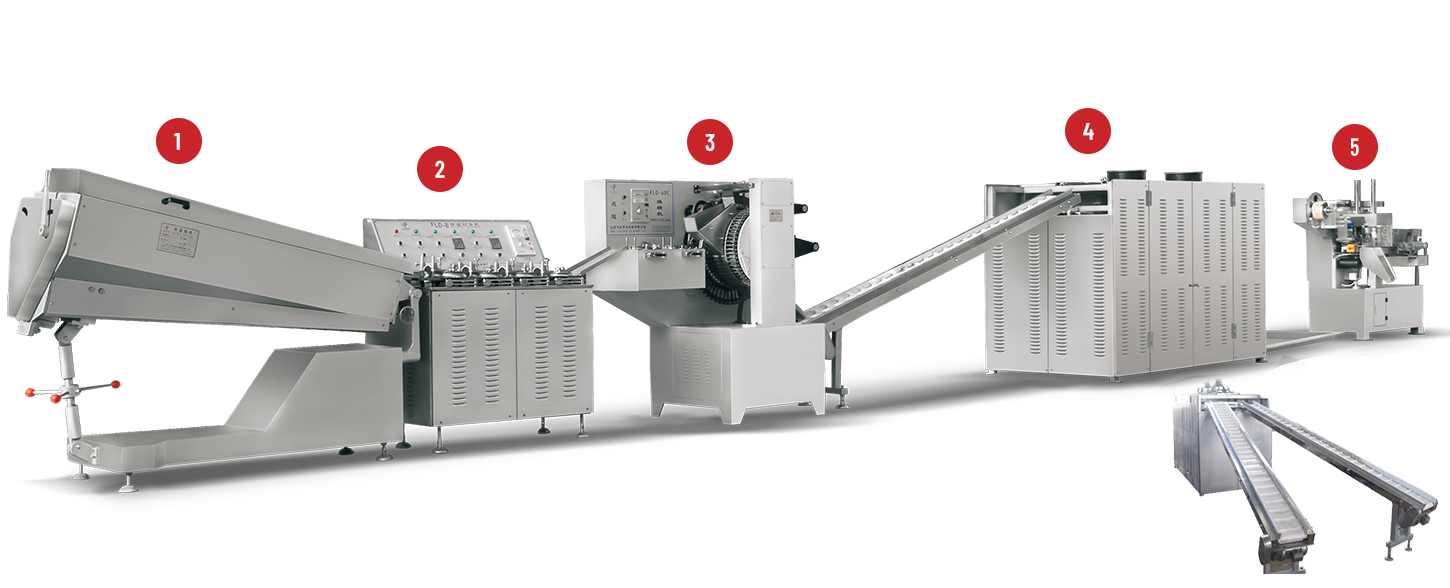
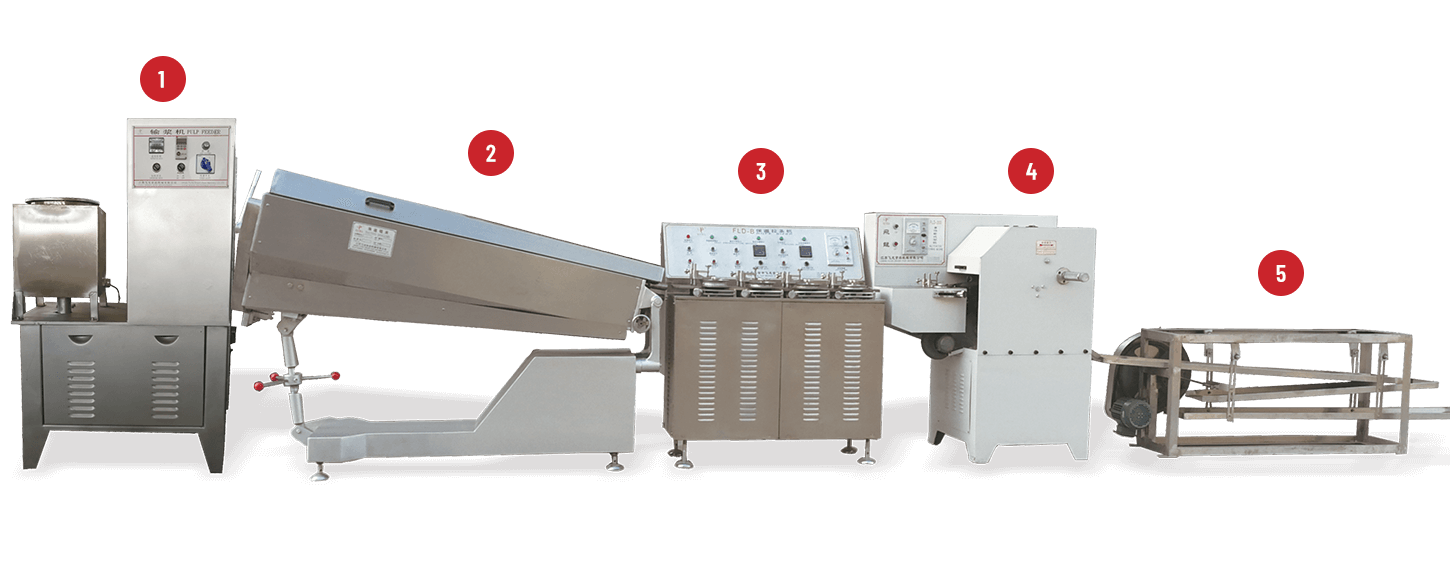
An automatic rainbow lollipop production line is not just a machine. It is a sequence of connected actions. Each section influences the next. Color, texture, and shape all depend on timing that must stay steady from start to finish.
What makes a rainbow lollipop different from a standard one?
At a glance, the difference is obvious. A standard lollipop may carry a single color or a simple tone. A rainbow version holds multiple colors arranged in a visible pattern. These colors do not blur into each other. They sit side by side, sometimes in stripes, sometimes in a spiral.
This visual effect is not only decorative. It also sets expectations. A clear pattern suggests balance and control. For producers, this means the process must avoid unwanted mixing while still allowing the candy to bond as one piece.
The idea sounds simple. In practice, it requires steady coordination between several moving parts.
How are raw ingredients turned into a workable candy base?
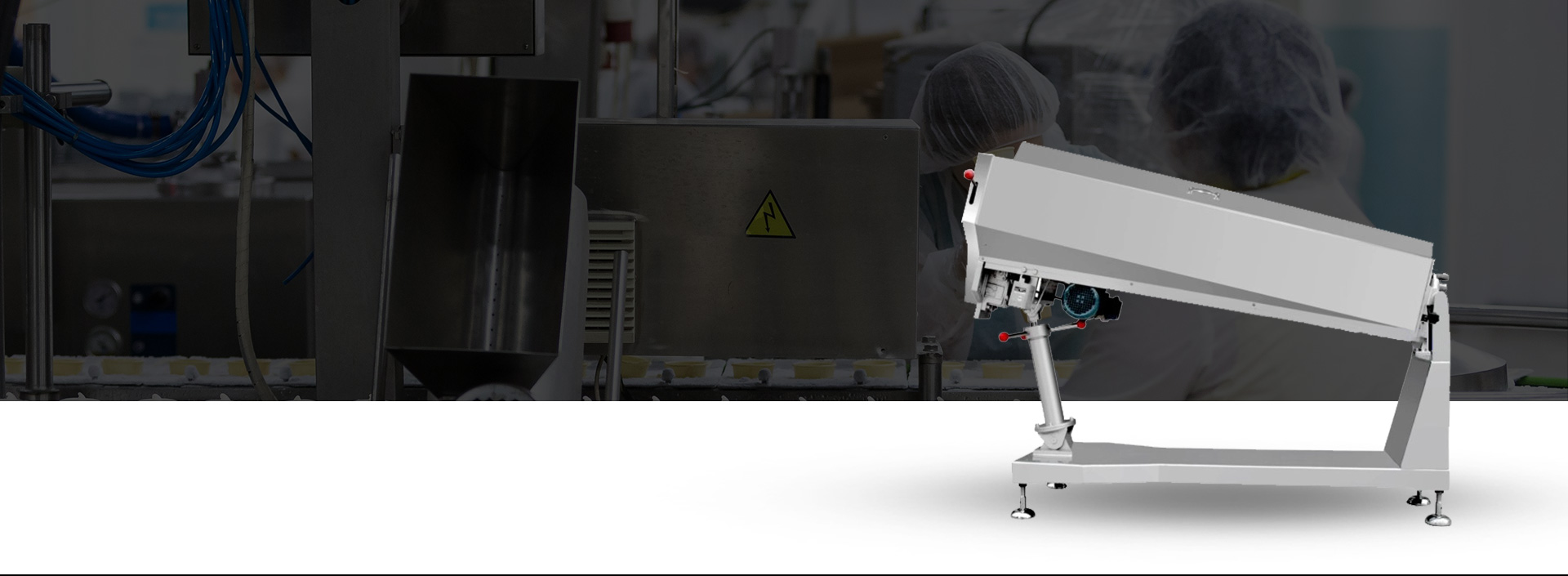
Everything begins with a base mixture. Sugar and liquid components are combined and heated. The aim is to dissolve everything into a smooth, uniform mass. The mixture must reach a state where it can stretch without breaking.
Once this base is ready, it does not move forward as a single batch. It is divided into separate portions. Each portion will later carry a different color. This step allows the line to handle multiple tones at once.
Color and flavor are added during this stage. The mixture is stirred until the color spreads evenly. Any unevenness here will show up later in the final product.
A simple breakdown looks like this:
| Stage | Action | Result |
|---|---|---|
| Heating | Blend ingredients | Smooth base |
| Dividing | Split into parts | Separate streams |
| Coloring | Add tones | Distinct color batches |
| Conditioning | Adjust texture | Flexible candy mass |
The texture at this point matters. Too soft, and the shape will not hold. Too firm, and the material will resist shaping.
How do different colors stay separate instead of blending?
This is honestly one of the trickier parts of the whole process, more than people might realize. Each colored portion moves along its own path, kept separate on purpose. These paths guide the candy forward without letting the colors touch too soon, which sounds simple but takes a fair bit of precision.
At a certain point, the streams do meet up, sure — that's unavoidable. They get brought together under controlled pressure, carefully enough that the goal's to join them without losing their identity in the process. Instead of mixing together into some muddy blend, the colors end up aligning side by side instead.
The system usually relies on gentle motion to pull this off. Rolling or folding lets the colors sit right next to each other rather than bleeding together. That movement stretches the candy out, which is actually what helps create patterns like lines or twists in the finished product.
Timing plays a pretty quiet but central role in all this, more than it might seem at first glance. If one stream shows up late, even slightly, the pattern shifts on you. So the system's got to keep each flow in sync, otherwise the design won't repeat with much consistency at all.
What happens during shaping and stick insertion?
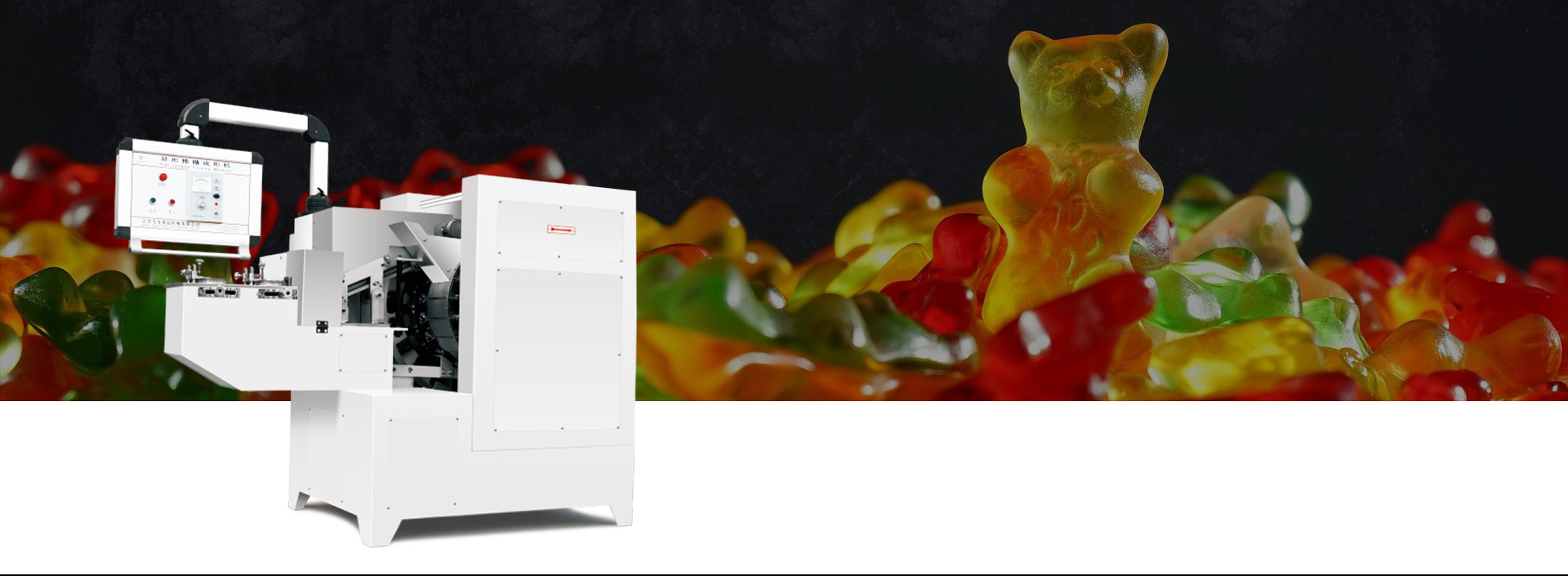
Once the colored mass gets combined, it moves into forming — this is where the candy actually starts looking like a lollipop for the first time.
The material gets stretched into a long, even rope first. That rope's then divided up into smaller portions, with each one becoming a single piece down the line.
Shaping tools press and guide the candy into either a round or flat form, depending on what's being made. At the same time, sticks get inserted into the mix. This part's got to be precise — a misplaced stick can throw off how the product looks or feels once it's actually in someone's hand.
The shaping process itself stays steady rather than forceful, which matters a lot here. The candy's still warm and flexible at this stage, so it responds well to gentle pressure without cracking or deforming. That's really what keeps the surface smooth and the edges clean by the time it's done.
How is cooling handled without damaging the pattern?
Cooling is not just about lowering temperature. It is about locking the shape and design in place.
If the candy cools too quickly, the surface may crack. If it cools too slowly, the shape may sag. The production line manages this through controlled airflow or cooling surfaces.
Each lollipop moves through a cooling zone. The temperature drops gradually. This allows the structure to settle without stress.
Spacing between pieces also matters. If they are too close, they may touch and lose their shape. The system keeps a steady gap, allowing each piece to cool evenly.
As cooling continues, the colors become more defined. The surface develops a slight shine. The lollipop becomes firm enough to handle.
How does automation maintain steady output?
Automation brings consistency. The line runs at a set pace, with each section linked to the next. When one part speeds up or slows down, the others adjust.
Sensors track movement and flow. They detect changes in position or timing. When a small variation appears, the system corrects it. This helps maintain uniform size and pattern.
Human oversight is still present. Operators watch the process and step in when needed. Their role is to guide rather than perform each action.
This balance allows the line to run continuously. Instead of stopping between batches, production flows in a steady rhythm.
What takes place during wrapping and packing?
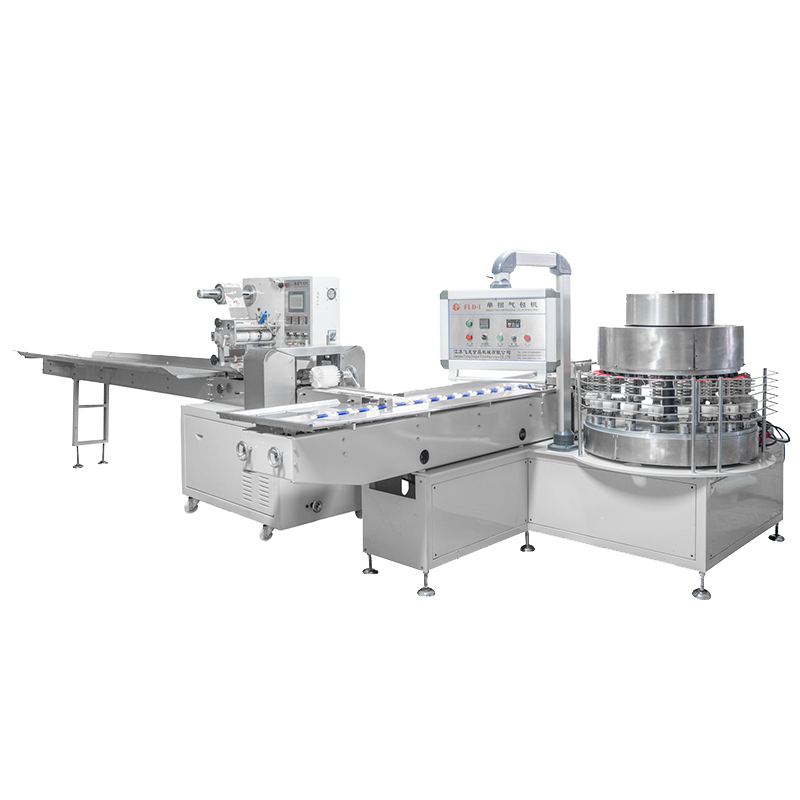
After cooling, the lollipops are ready for packaging. Each piece is wrapped to protect it from air and moisture.
The wrapping stage follows the same principle as earlier steps. Movement is steady and aligned. Each lollipop is positioned, wrapped, and sealed in sequence.
Once wrapped, the pieces are grouped. They may be placed into bags or arranged in boxes. The method depends on how they will be sold.
This stage may seem simple, but it completes the process. The product is now ready for handling, transport, and display.
Why does visual consistency matter so much?
Color and pattern influence how people respond to candy. A clear design draws attention. It suggests care in production, even when made in large volumes.
Consistency also builds familiarity. When each piece looks similar, it creates a sense of reliability. People come to expect the same appearance each time.
From a production view, this means visual quality is as important as taste or texture. Small changes in timing or temperature can alter the look. The system must keep these factors in balance.
Can the same production line create different designs?
Flexibility is part of modern systems. By adjusting how colors are combined or how the candy is shaped, the line can produce different patterns.
A slight change in motion can turn straight lines into spirals. Altering the order of color streams can create new combinations. These adjustments allow variety without rebuilding the entire setup.
This makes it easier to respond to changing preferences. It also allows producers to explore new looks while keeping the same core process.
What challenges appear during daily operation?
Even with automation, the process is not free from variation. Ingredients may behave differently from batch to batch. Changes in room conditions can affect cooling.
Equipment also needs care. Wear over time can influence shaping accuracy. Regular checks help keep everything aligned.
Workers monitor both the machines and the product. They look for changes in color clarity, shape, or surface. When something shifts, adjustments are made earlier in the line.
This ongoing attention helps maintain a steady result.
How does this system reflect broader changes in manufacturing?
The automatic rainbow lollipop production line shows how production has moved toward connected processes. Each step is linked, creating a continuous flow rather than isolated stages.
This approach reduces pauses and keeps output steady. It also allows better control over the final product.
At the same time, there is room for creativity. Color patterns and shapes can be adjusted without changing the entire system. This balance between structure and flexibility reflects how the industry is evolving.
The process may seem hidden behind simple packaging, yet each lollipop carries the result of careful coordination. From dividing colors to shaping and cooling, every step works together to create a product that is both structured and visually engaging.
 +86-(0)515-8465666
 +86-(0)515-85566996
 +86-138 1559 9708
 flyloong@flyloongcn.com
 Home
Home